
LUMBAR DISC HERNIATION TREATMENT IN EAST WINDSOR, NJ
East Windsor sits at one of New Jersey’s busiest intersections — the NJ Turnpike’s Exit 8 corridor, where Routes 33, 130, and 133 converge. It is a town built on movement, from the pharmaceutical workers heading to Aurobindo Pharma’s North American headquarters to the families biking along Etra Lake’s trails to the high schoolers training for Hightstown High School’s wrestling and field hockey seasons. When a lumbar disc herniation interrupts that momentum, the effects reach into every part of your day.
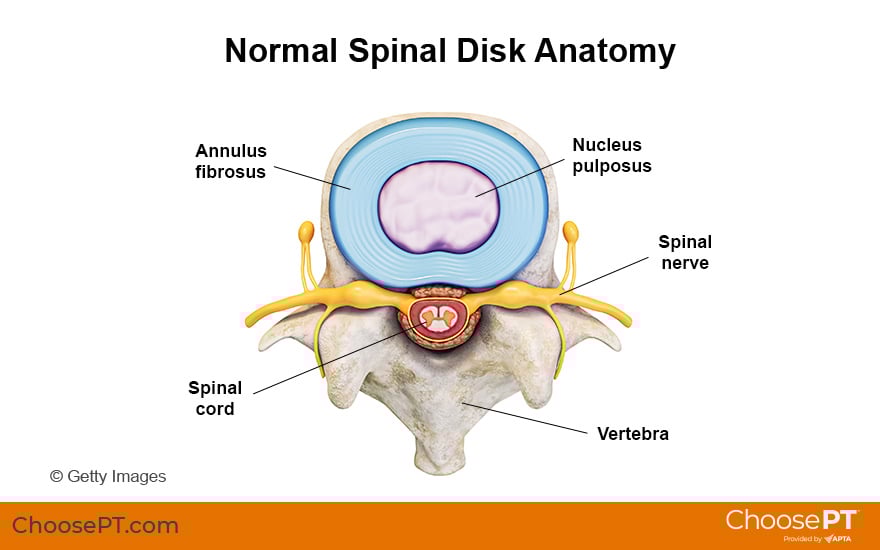
A lumbar disc herniation occurs when the gel-like center of a spinal disc (nucleus pulposus) pushes through a weakened area of its outer ring (annulus fibrosus) and compresses a nearby spinal nerve. The result — often sciatica — can range from a dull ache in your lower back to debilitating shooting pain down your leg. At Trinity Rehab in East Windsor, we provide one-on-one physical therapy designed to treat the specific cause of your pain, restore your function, and help you return to the active Central Jersey life you rely on.
WHY GETTING TREATMENT MATTERS IN EAST WINDSOR
East Windsor’s 30,000 residents represent a diverse, working community. Roughly 34 percent of the population is foreign-born, many employed in the pharmaceutical manufacturing and warehouse operations that line Route 571 and Route 130. The average commute of 28.6 minutes — often on the Turnpike to offices in New Brunswick, Princeton, or New York — means extended periods of sitting that compound the physical demands of active weekends.
With a median age of 41 to 42 and 17 percent of residents over 65, the township spans the full spectrum of disc herniation risk. Younger residents face injury from sports and physical labor, while middle-aged and older adults confront the progressive disc degeneration that makes even minor movements risky.
Untreated lumbar disc herniations can lead to chronic back pain, progressive weakness and numbness in the leg (radiculopathy), increased pain medication use, and reduced ability to work and participate in family life. But the evidence strongly favors conservative treatment: StatPearls (NCBI) reports that 85 to 90 percent of acute herniations resolve without surgery. Deutsches Ärzteblatt International confirms that most patients find meaningful relief within 6 to 12 weeks of physical therapy and conservative care.
COMMON CAUSES OF DISC HERNIATION IN EAST WINDSOR
- Pharmaceutical manufacturing work — Aurobindo Pharma, Hovione, Elementis, and other companies along the Route 571 pharma corridor employ workers in roles that involve standing, lifting, and repetitive movement on production floors.
- Warehouse and logistics labor — Unis Logistics and distribution centers near Route 130 require frequent heavy lifting, bending, and carrying that stresses the L4-L5 and L5-S1 disc levels.
- The Turnpike commute — Hours of daily sitting in a car raises intradiscal pressure by up to 40 percent. East Windsor’s position at Exit 8 makes it a hub for commuters heading north and south.
- Youth and high school sports — Hightstown High School’s football, wrestling, and field hockey programs involve the impact and rotational forces that can trigger acute disc herniations in growing spines.
- Recreational activities — Golf at Peddie Golf Club, hiking the Etra Lake and Bear Brook trails, and PAL soccer all contribute to disc wear through repetitive motion and occasional sudden loads.
- Suburban yard work — The mix of residential neighborhoods and the Twin Rivers planned community means regular lawn mowing, garden maintenance, and seasonal outdoor chores that strain the lower back.
- Disc degeneration — With age, spinal discs lose hydration and become less pliable. This natural process makes the annulus fibrosus vulnerable to tears from forces that previously would have been absorbed safely.
RECOGNIZING THE SYMPTOMS
Disc herniation in the lower back produces a range of symptoms depending on which disc is affected and how much nerve compression has occurred:
- Sharp, burning pain radiating from the lower back through the buttock and down the leg — the hallmark of sciatic nerve involvement
- Numbness or tingling in the calf, foot, or toes
- Weakness in the leg muscles — difficulty pushing off while walking the Etra Lake trail or climbing stairs at home
- Pain that worsens during sitting (particularly noticeable on the Turnpike), bending forward, coughing, or sneezing
- Lower back stiffness that limits routine movement, especially upon waking
- Improvement with lying down or gentle walking
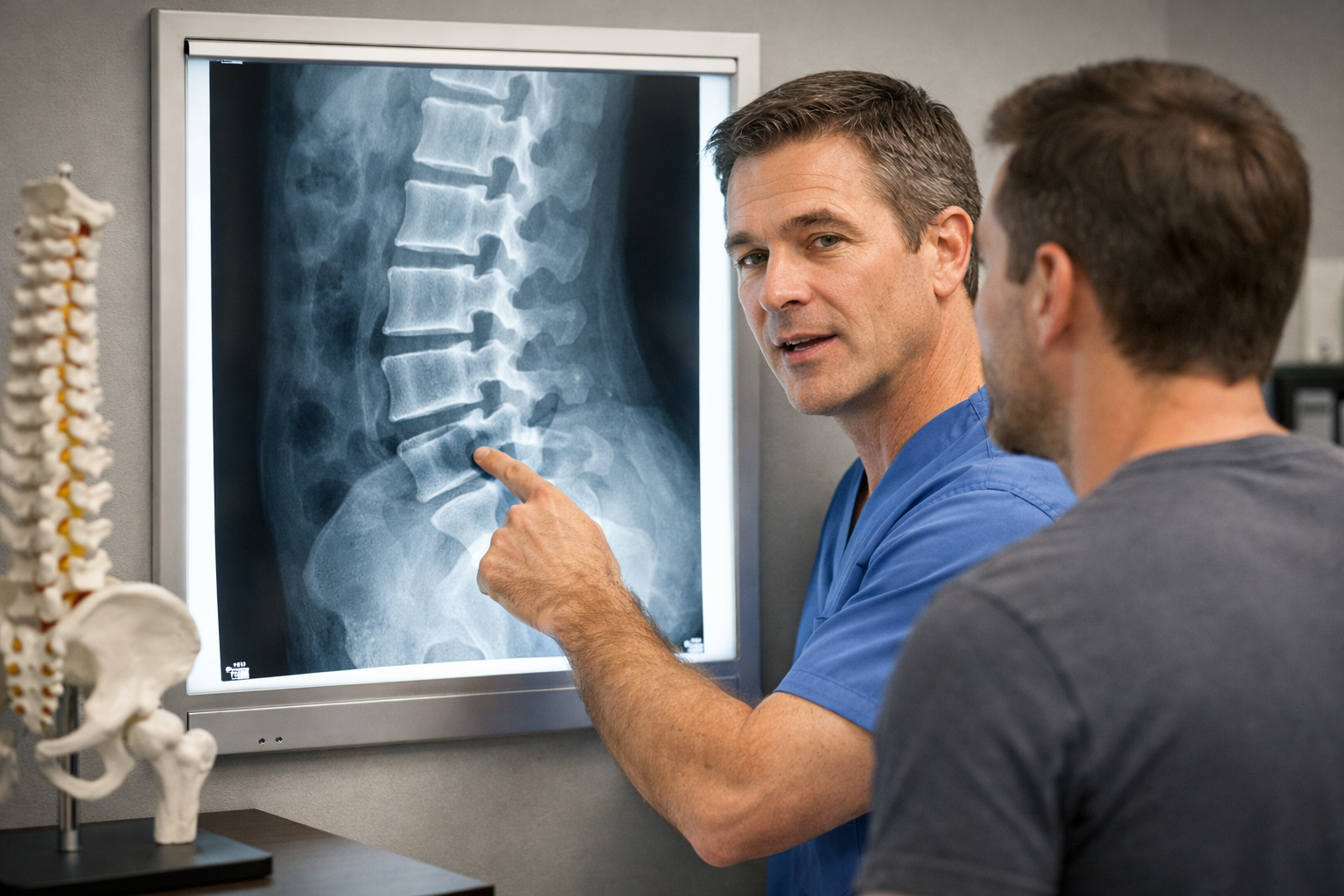
Because disc herniations can exist without symptoms, your therapist at Trinity Rehab evaluates your movement patterns, functional limitations, and specific complaints — not just imaging — to design your treatment.
HOW TRINITY REHAB EAST WINDSOR TREATS LUMBAR DISC HERNIATION
Every session is one-on-one with a licensed physical therapist. Your recovery progresses through three structured phases designed to take you from acute pain to confident, full activity.
PHASE 1: REDUCING PAIN AND CALMING IRRITATED NERVES
The first priority is getting your pain under control so you can begin moving with confidence:
- Directional preference exercises (McKenzie Method) — Your therapist identifies specific repeated movements that encourage the herniated disc material to migrate away from the compressed nerve, centralizing your pain. Extension-based exercises are commonly the starting point. You learn a self-treatment sequence you can use at the pharma campus, at home in Twin Rivers, or during a Turnpike rest stop.
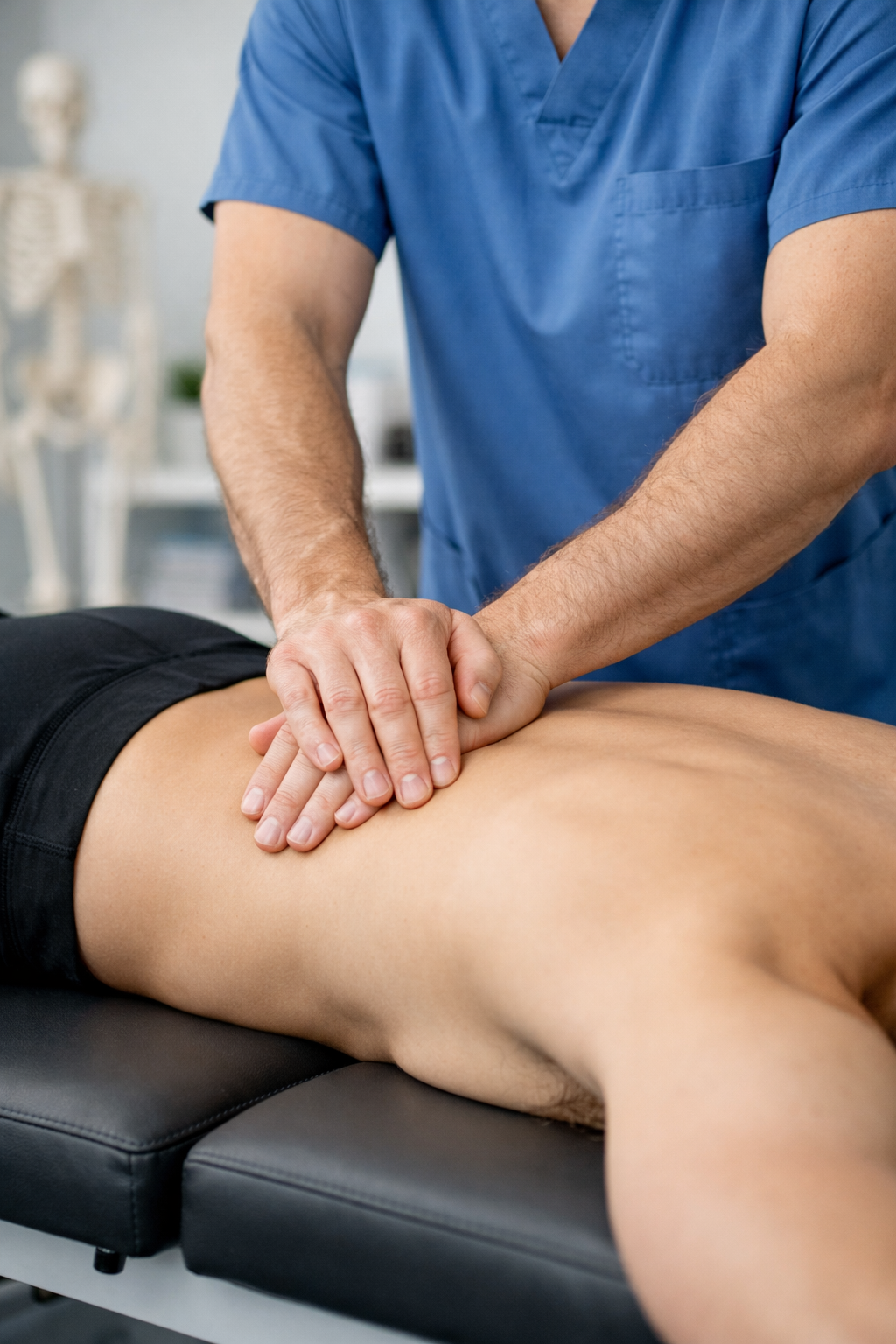
- Manual therapy — Hands-on joint mobilization and soft tissue techniques reduce the protective muscle guarding that locks your spine in painful positions. Spinal manipulation may be incorporated to restore mobility to stiff lumbar segments. East Windsor patients who arrive with severe movement restrictions frequently experience meaningful relief within the first few visits.
- Neural mobilization — Gentle sciatic nerve gliding exercises restore the nerve’s ability to slide freely through surrounding tissue, reducing the radiating leg pain and numbness that many patients find most disabling.
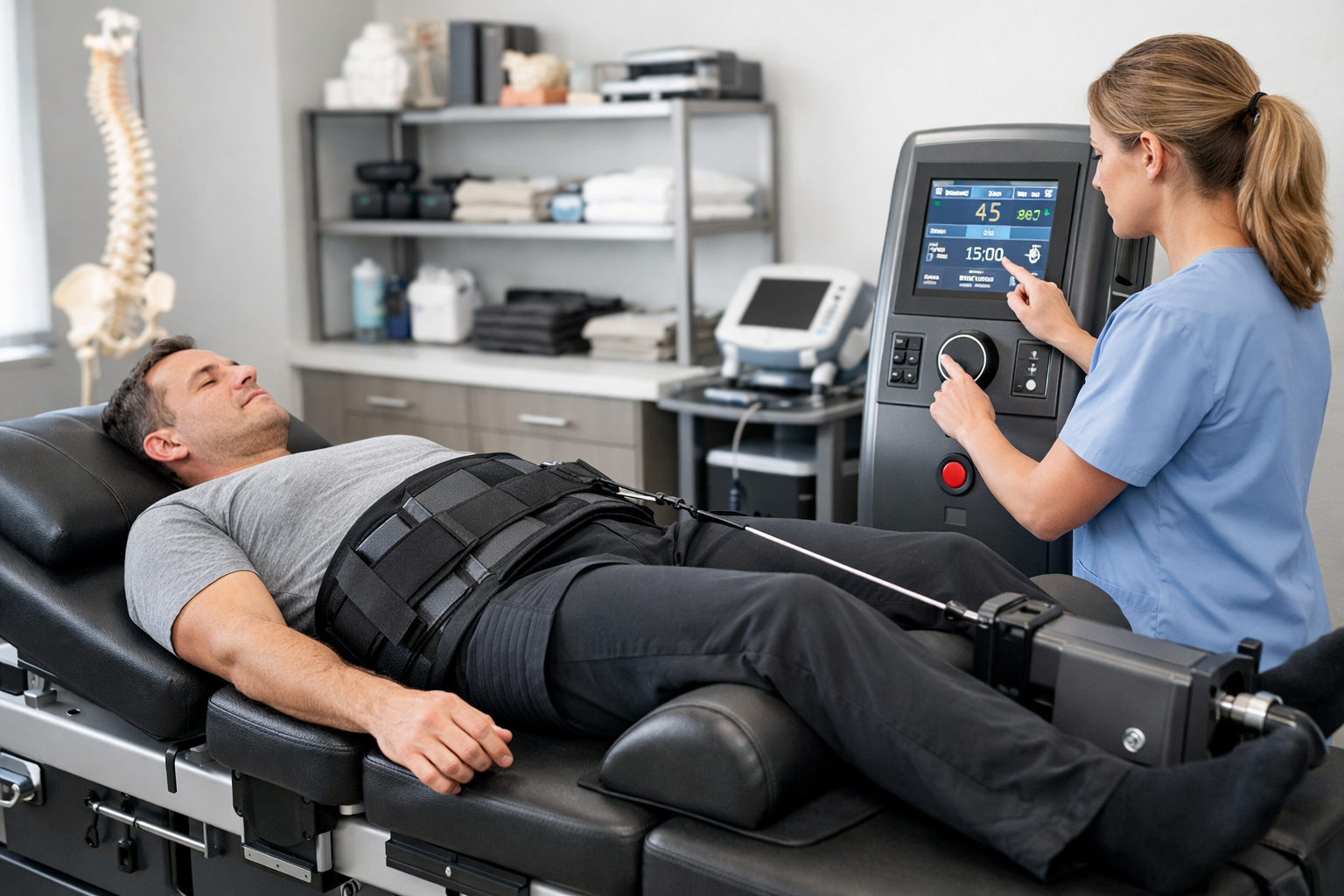
- Pain-relief modalities — Ice, heat, TENS (transcutaneous electrical nerve stimulation), and mechanical traction are used as needed to manage inflammation and ease acute symptoms during the early phase of treatment.

PHASE 2: REBUILDING CORE STABILITY AND STRENGTH
As your acute symptoms settle, the focus shifts to addressing the muscular weaknesses that left your lumbar spine vulnerable:
- Deep core activation — Exercises for the transverse abdominis, multifidus, and pelvic floor re-establish the segmental stability that protects your discs from re-injury. Think of these muscles as the internal brace your spine relies on during every bend, lift, and twist.
- Hip and gluteal strengthening — Weak hips force your lumbar spine to absorb loads during walking, stair climbing, and lifting. Building these muscles is critical for pharma production workers, warehouse employees along Route 130, and parents chasing children through Etra Lake Park.
- Progressive stability challenges — Starting with isometric holds (planks, bird-dogs) and advancing to dynamic movements that mirror your real life — carrying supplies across the Aurobindo campus, bending to tend the garden, or lifting equipment for PAL soccer practice.
- Flexibility and mobility training — Targeted stretching of hamstrings, hip flexors, and the piriformis corrects the pelvic imbalances that increase disc compression and contribute to recurring pain.
PHASE 3: RETURNING TO FULL ACTIVITY AND PREVENTING RECURRENCE
The final phase ensures your recovery holds up under the real-world demands of your East Windsor life:
- Functional movement training — Your therapist coaches proper lifting mechanics, bending patterns, and posture corrections specific to your job, home routine, and recreational activities. Warehouse workers learn safe load-handling progressions. Desk commuters practice ergonomic strategies for the Turnpike drive.
- Sport-specific and work-specific rehabilitation — Golfers at Peddie Golf Club receive rotational stability drills. PAL soccer parents get agility and lifting training. Hightstown High athletes work through return-to-play protocols tailored to their sport.
- Dry needling — Persistent trigger points in the lumbar paraspinals and gluteal muscles respond to dry needling, which releases deep tension that accumulates from years of manufacturing work, physical labor, or repetitive sport. This is especially effective for workers along the Route 571 pharma corridor.
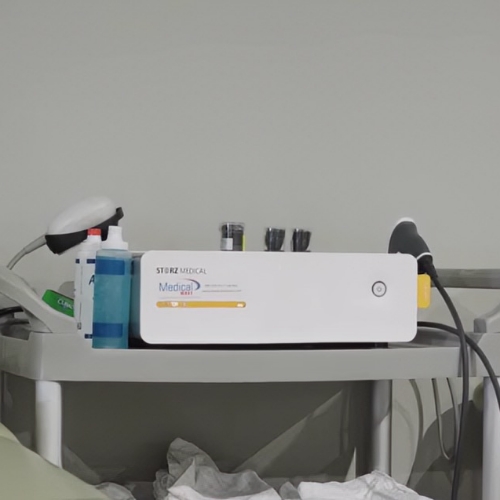
- EPAT / Shockwave Therapy — For patients whose symptoms have plateaued, Extracorporeal Pulse Activation Technology delivers targeted acoustic waves that stimulate tissue healing, increase blood flow, and reduce persistent pain.
- Home exercise program — You leave with a customized maintenance plan that keeps your spine strong and protected well beyond your last visit, including exercises you can do at Etra Park, at home, or at a local gym.
PREVENTING RECURRENCE IN EAST WINDSOR
- Maintain your core program — At least three sessions per week. Township rec programs, Etra Park open spaces, or home routines all provide opportunities.
- Lift correctly at work and home — Bend at hips and knees, keep loads close, avoid twisting. This is critical for pharma plant and warehouse roles.
- Break up sitting time — If you commute on the Turnpike or sit at a desk, stand and move every 30 to 45 minutes. Use a lumbar support cushion.
- Walk Etra Lake and Bear Brook trails — Regular low-impact walking keeps discs hydrated and muscles supporting the spine engaged.
- Maintain a healthy weight — Reducing abdominal weight decreases compressive force on your lower lumbar segments.
- Practice spinal mobility — Daily standing extensions, Cat-Cow stretches, and Half Cobra exercises help maintain disc space and prevent stiffness.
- Listen to your body — Sharp or radiating pain during activity is a signal to modify what you are doing and consult your therapist.
WHY EAST WINDSOR RESIDENTS CHOOSE TRINITY REHAB
- True one-on-one sessions — Every minute of your appointment is with a licensed physical therapist.
- Evidence-based care — We combine McKenzie Method, manual therapy, neural mobilization, dry needling, and EPAT with the latest clinical research.
- Central NJ convenience — Located near the Exit 8 corridor, our clinic is accessible from East Windsor, Hightstown, Cranbury, Monroe, and the surrounding Mercer County area.
- Insurance-friendly — We accept most major plans and communicate clearly about your coverage and costs.
- Diverse community expertise — We serve a broad population of workers, families, and retirees, and tailor every plan to individual needs and goals.
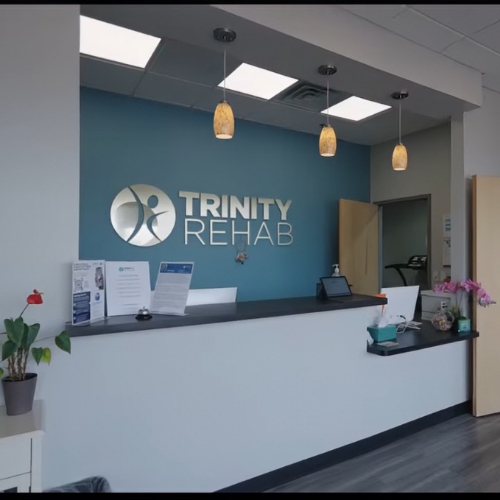
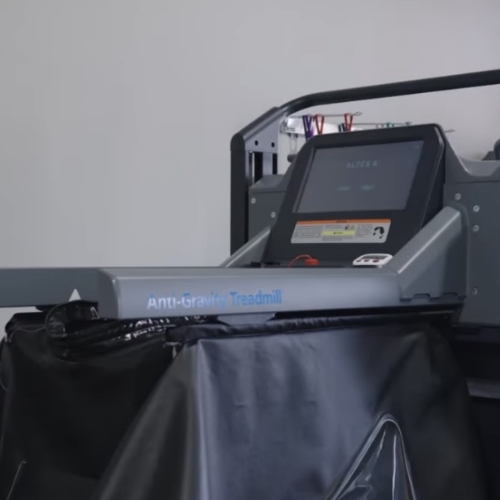
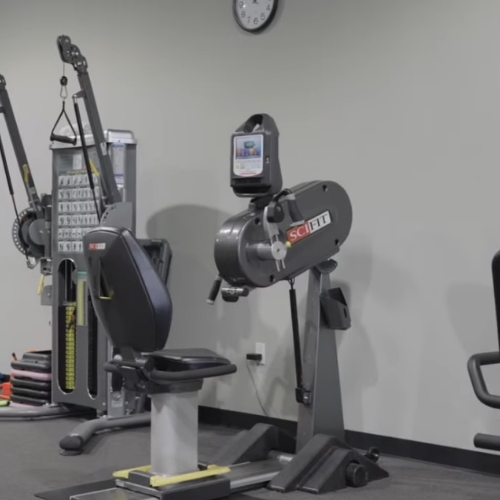
INSIDE OUR EAST WINDSOR CLINIC
RELATED CONDITIONS & TREATMENTS
Lumbar disc herniation is just one of the many conditions we treat at Trinity Rehab East Windsor. Explore our full range of conditions we treat or learn more about specific treatment approaches:
East Windsor Disc Rehab For Back Pain, Leg Symptoms, And Daily Movement
Lumbar disc symptoms can interrupt sitting, driving, lifting, sleep, work, and exercise. East Windsor rehab should connect the diagnosis to the positions and movements that actually trigger your symptoms.
Your therapist may assess lumbar mobility, nerve-related symptoms, hip strength, gait, lifting mechanics, sitting tolerance, and warning signs that require medical care before therapy continues.
Patients with related symptoms may also need sciatica treatment, back pain physical therapy, or the East Windsor physical therapy clinic page.
FREQUENTLY ASKED QUESTIONS
East Windsor Disc Rehab For Back Pain, Leg Symptoms, And Daily Movement
Lumbar disc symptoms can interrupt sitting, driving, lifting, sleep, work, and exercise. East Windsor rehab should connect the diagnosis to the positions and movements that actually trigger your symptoms.
Your therapist may assess lumbar mobility, nerve-related symptoms, hip strength, gait, lifting mechanics, sitting tolerance, and warning signs that require medical care before therapy continues.
Patients with related symptoms may also need sciatica treatment, back pain physical therapy, or the East Windsor physical therapy clinic page.
Will I need surgery for my herniated disc?
How long will recovery take?
Can I keep working at my manufacturing job during treatment?
Do I need to stop playing sports or exercising?
Do I need a doctor’s referral to start?
GETTING BACK TO WHAT MATTERS
A herniated disc can make you feel trapped — the commute hurts, work hurts, even playing with your kids at Etra Lake Park feels like a risk. But with one-on-one physical therapy at Trinity Rehab, most patients recover fully and return to everything that matters. Your recovery plan is built for your life, your body, and your goals.
YOUR NEXT STEPS
- Request an appointment at Trinity Rehab East Windsor — walk-ins welcome, or schedule online.
- Meet your physical therapist for a one-on-one evaluation of your symptoms and goals.
- Start treatment — most patients feel improvement within the first few sessions.
No referral needed. Contact Trinity Rehab East Windsor today.
Sources:
What Our Patients Say



Sign up for free health tips and tricks