

Golfer’s Elbow Treatment in East Windsor, NJ | Trinity Rehab
A Strategic Hub Where Pharmaceutical Innovation Meets Activity
East Windsor is a Mercer County community positioned strategically between Princeton and the industrial corridor that defines the region’s economy. This is pharmaceutical and pharmaceutical services country—major drug manufacturers, research facilities, and logistics operations concentrate here. The proximity to Princeton University adds an intellectual and academic dimension to the community’s character.
Etra Park provides recreational space for the community, and Hightstown High School (home of the Rams) represents strong academic and athletic traditions. Mercer Oaks Golf Course attracts regular golfers. The area also serves as a bedroom community for professionals working throughout the region—pharmaceutical executives commuting to company headquarters, logistics managers overseeing regional operations, researchers affiliated with Princeton.
East Windsor residents are ambitious, often working in high-stakes industries where attention to detail and productivity matter enormously. But that intensity takes a physical toll. Whether you’re a pharmaceutical professional performing detailed laboratory work, a logistics coordinator managing complex supply chains, or someone balancing a career with active recreation, repetitive stress injuries like golfer’s elbow—medial epicondylitis—can emerge when you least expect them.

The Anatomy and Progression of Golfer’s Elbow
Golfer’s elbow is an overuse injury affecting the flexor-pronator muscle group on the inner side of your elbow. These muscles attach to the medial epicondyle, a bony bump on the inside of your elbow joint. They handle the work whenever you grip, flex your wrist, or rotate your forearm. In East Windsor, where many residents work in pharmaceutical and logistics industries—professions involving repetitive hand and arm motions—these muscles face constant demands.
The injury develops gradually through repetitive stress. Microscopic tears form in the tendon fibers. Your body responds with inflammation and begins healing. But if the stress continues without adequate recovery, the inflammation doesn’t resolve. More tears accumulate. Scar tissue forms. What started as minor irritation becomes chronic pain.
The hallmark symptoms include:
- Inner elbow pain, worsening with gripping, bending your wrist, or rotating your forearm
- Grip weakness, making everyday tasks and hobbies feel exhausting
- Morning stiffness in your forearm that gradually loosens through the day
- Tenderness when you press directly on the inner bump of your elbow
- Radiating discomfort that may extend down your forearm toward your pinky
- Numbness or tingling in your ring and pinky fingers (if nerve involvement develops)
For pharmaceutical professionals, the pain often emerges after detailed laboratory work or quality assurance tasks. For logistics coordinators, it shows up after intensive documentation and manual handling. For golfers at Mercer Oaks, it appears during your swing. By the time you seek help, the condition has likely been developing for weeks.
Who’s at High Risk in East Windsor: Pharmaceutical Professionals, Logistics Workers, and Athletes
East Windsor’s unique profile creates specific vulnerability to golfer’s elbow. Merck and other major pharmaceutical manufacturers, alongside logistics operations and research facilities, employ thousands of laboratory technicians, quality assurance specialists, production workers, and administrative staff. Pharmaceutical work combines static postures (standing at lab benches, operating equipment) with sudden demands (precise manual procedures, handling materials). The combination creates repetitive stress on forearms and elbows.
Laboratory technicians perform sample analysis, quality control testing, and equipment calibration that demand sustained gripping, precise hand positioning, and repetitive wrist movements. Production workers operate machinery and perform assembly tasks requiring focused arm and hand control. Administrative pharmaceutical workers spend hours at keyboards managing complex documentation. The demanding nature of pharmaceutical operations means adequate breaks are rare.
Logistics professionals manage complex supply chains and material handling. These jobs involve intensive computer work, precision manual tasks, constant data entry, and the cognitive intensity that often leads to poor posture and increased muscle tension. Logistics coordinators often forget to take breaks, sitting for 2–3 hours without moving their arms or changing position. That sustained tension builds up in forearm muscles.
Many East Windsor residents have strong athletic interests. Baseball coaches, softball players, parents throwing balls with kids—they’re all using their arms repeatedly in recreational contexts while managing demanding day jobs in pharmaceutical or logistics sectors.
The golfing community at Mercer Oaks Golf Course attracts regular players who practice and play multiple times weekly. For many, golf is the main outlet after a stress-filled week of pharmaceutical or logistics work. The intensity they bring to their game, combined with inadequate warm-up and poor mechanics, creates the perfect conditions for overuse injury.
Age is also relevant. East Windsor has many professionals in their 40s and 50s who are still very active. They’re working demanding jobs while raising teenagers and staying fit. They haven’t adjusted their expectations for what their aging tendons can tolerate. Tendons recover more slowly with age, making these residents more vulnerable.
Finally, DIY and home maintenance contributes. East Windsor homeowners maintain properties, engage in home improvements, and pursue yard projects. A weekend of intensive project work, combined with a full week of demanding pharmaceutical or logistics work, creates cumulative stress that eventually exceeds what tendons can handle.
How Trinity Rehab in East Windsor Treats Golfer’s Elbow
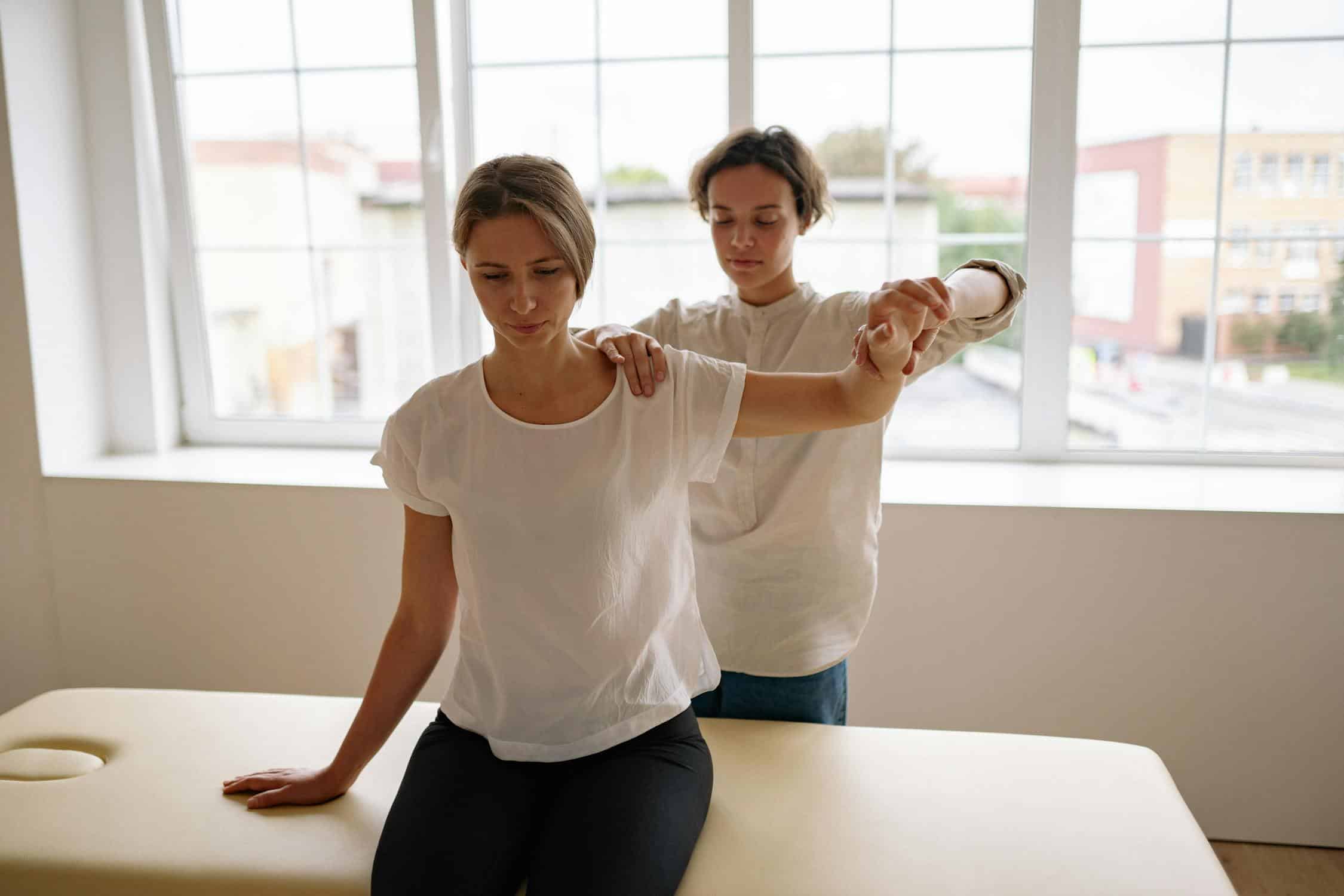
When you come to Trinity Rehab for golfer’s elbow treatment, we understand the specific context of living and working in East Windsor. Are you a pharmaceutical professional performing laboratory work? A logistics coordinator managing supply chains? A golfer at Mercer Oaks? An athlete or enthusiast? Your situation shapes your treatment plan.
We start with a thorough evaluation. We assess your range of motion, grip strength, pain patterns, and movement mechanics. We perform tests to identify which motions trigger pain and whether nerve involvement has developed. We ask detailed questions about your profession, hobbies, sports participation, and what activities matter most to you.
From there, we develop a personalized three-phase treatment plan:
Phase 1: Reduce Pain and Protect the Tendon (Weeks 1–2) — Initial treatment focuses on protecting the damaged tendon and reducing inflammation. Ice therapy, activity modification, ergonomic adjustments for your workspace or activities, and possible bracing all help. Manual therapy techniques—soft tissue mobilization, muscle energy methods, and joint mobilization—reduce tension in your forearm. Gentle range-of-motion exercises maintain mobility without aggravating the tendon. If you work in pharmaceutical or logistics, we help you modify your tasks to prevent ongoing damage.
Phase 2: Progressive Strengthening (Weeks 3–6) — As inflammation decreases, we introduce controlled resistance exercises targeting the flexor and pronator muscles. These exercises progress gradually in difficulty and intensity. For pharmaceutical professionals, we address the specific demands of laboratory and production work. For logistics professionals, we optimize your workspace and address postural issues. For golfers and athletes, we incorporate sport-specific movements. Dry needling may be added to address scar tissue. Manual therapy continues as needed.
Phase 3: Return to Full Activity (Weeks 6–8 and Beyond) — We progressively increase activity demands. Pharmaceutical professionals resume normal laboratory and production work. Logistics professionals work without pain. Golfers return to full rounds. Athletes train without limitation.
EPAT is available for cases that don’t respond fully to traditional therapy. This advanced treatment uses acoustic waves to stimulate healing in resistant tendons. Many East Windsor patients have found excellent results with EPAT.
What Your Treatment Experience Looks Like
Trinity Rehab provides one-on-one physical therapy. Your sessions are 45–60 minutes with a licensed physical therapist focused entirely on your care.
Your first visit is comprehensive. We assess your movement, test your strength and pain, and take a detailed history. We explain the anatomy of your injury and why you’re experiencing your symptoms.
Subsequent sessions follow this pattern:
- Manual therapy: Hands-on techniques that reduce pain and improve mobility
- Active-assisted exercises: Guided movements that safely rebuild strength
- Resistance training: Progressive strengthening with resistance bands, weights, or functional movements
- Functional training: Profession or sport-specific movements that prepare you for real-world demands
- Home exercise program: Customized exercises you perform between visits to accelerate healing
Most patients see meaningful improvement within 3–4 weeks and return to full activity within 6–8 weeks. Your timeline depends on injury severity, your age, and how consistently you follow your home program.
Prevention Strategies for East Windsor Residents
Prevention is far easier than treating golfer’s elbow. Here’s how to protect your elbows:
For Pharmaceutical and Laboratory Professionals:
- Use proper positioning when working at lab benches or operating equipment. Let your core do the work, not your arms.
- Take frequent breaks between intensive procedures. Your hands and forearms need rest throughout your shift.
- Strengthen your core and shoulder muscles. A strong core reduces reliance on arm and elbow strength.
- Maintain proper posture during detailed work. Slouching increases forearm tension.
- Perform preventive stretching. Daily forearm stretches maintain flexibility and prevent tightness.
For Logistics and Computer-Based Professionals:
- Set up your workspace ergonomically. Your monitor should be at eye level, your desk should support 90-degree elbows, and your wrists should be neutral while typing.
- Take regular breaks. Every 45–60 minutes, step away from your screen and stretch your forearms.
- Strengthen your forearms proactively. Wrist curls, reverse wrist curls, and farmer’s carries build muscular endurance.
- Be mindful of your grip on the mouse and keyboard. You don’t need to squeeze; a relaxed grip reduces forearm tension.
- Address your overall posture. Poor shoulder and spine positioning forces your forearms to compensate.
For Golfers at Mercer Oaks and Athletic Professionals:
- Warm up thoroughly before every round or practice session. Ten minutes of dynamic arm movements and light swings prepare your muscles.
- Invest in professional instruction if you can. PGA lessons can identify and correct mechanics that overload your forearms.
- Practice progressively. Don’t suddenly increase your swing volume. Build up gradually over weeks.
- Strengthen your core and rotational muscles. A strong core reduces the load on your arms.
- Ensure your equipment fits you properly. Clubs and grips should match your specifications.
For Everyone in East Windsor:
- Perform daily forearm stretching. Spend 5 minutes daily stretching your flexor and pronator muscles.
- Maintain consistent posture throughout your day. Poor positioning, whether at work or at home, accumulates strain.
- Progress gradually with new activities. Don’t suddenly double your activity level or intensity.
- Ice after intense activity. 15 minutes of ice on your inner elbow reduces inflammation after a demanding day.
- Listen to early warning signs. Mild discomfort is your body signaling that something needs to change. Address it early.

Related Conditions & Treatments
Golfer’s elbow often accompanies or overlaps with other conditions. Trinity Rehab treats a wide range of musculoskeletal conditions:
Related Elbow Care At This Location
Elbow pain patterns can overlap depending on grip, lifting, racquet sports, work tasks, and tendon load. A related same-location page is:
Frequently Asked Questions About Golfer’s Elbow
I work as a laboratory technician in pharmaceutical manufacturing. Can I continue working while recovering from golfer's elbow?
I work in logistics and spend hours at my computer. Will physical therapy help if I can't change my job?
How long does recovery take for golfer's elbow?
What makes golfer's elbow different from tennis elbow?
What if physical therapy doesn't work?
Return to Work, Play, and Peak Performance
Whether you’re a dedicated pharmaceutical professional, a logistics worker navigating demanding careers, or a golfer pursuing your passion, golfer’s elbow doesn’t have to sideline you. With proper physical therapy and expert guidance, you can recover fully and return stronger than before.
Trinity Rehab’s East Windsor location is staffed by physical therapists who understand the unique demands of our community. We provide one-on-one care tailored to your specific goals and lifestyle.
Stop letting elbow pain limit your potential. Contact Trinity Rehab in East Windsor today to schedule your initial evaluation. Let’s get you back to work and play without pain.
Trinity Rehab | East Windsor, NJ Location Expert Physical Therapy for Golfer’s Elbow | Professional One-on-One Care Schedule your free consultation and begin your path to pain-free performance and strength.
Visit Trinity Rehab in East Windsor
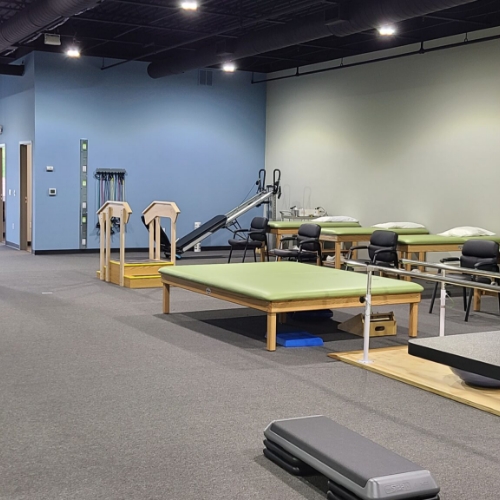
Our East Windsor clinic is conveniently located at Windsor Heights Shopping Center, 440 US-130, East Windsor, NJ 08520. Call us at (609) 336-8633 to schedule your golfer’s elbow evaluation today.