

SCIATICA TREATMENT IN DOYLESTOWN, PA: BACK TO THE TRAILS, THE TEE BOX, AND EVERYTHING YOU LOVE ABOUT BUCKS COUNTY
Doylestown has a rhythm all its own. A Saturday morning might mean hiking the Neshaminy Greenway through Castle Valley Park, a tennis match at the Doylestown Tennis Club, or a round of golf at Doylestown Country Club. A Tuesday evening might find you walking the 202 Parkway Trail before dinner on Main Street or catching a show at the James A. Michener Art Museum. Bucks County’s county seat blends a vibrant, walkable downtown with 30-plus miles of surrounding trails and a strong community of active adults — many of them commuting to Philadelphia or beyond.
When sciatic nerve pain enters the picture, that rhythm breaks. The trails become a source of dread. Getting up from the car after a commute turns into an ordeal. Even a morning stroll past Fonthill Castle, which should be restorative, becomes something you avoid. Trinity Rehab is here to restore your rhythm with expert sciatica treatment tailored specifically to the active Doylestown lifestyle.
Understanding Sciatica in the Bucks County Context
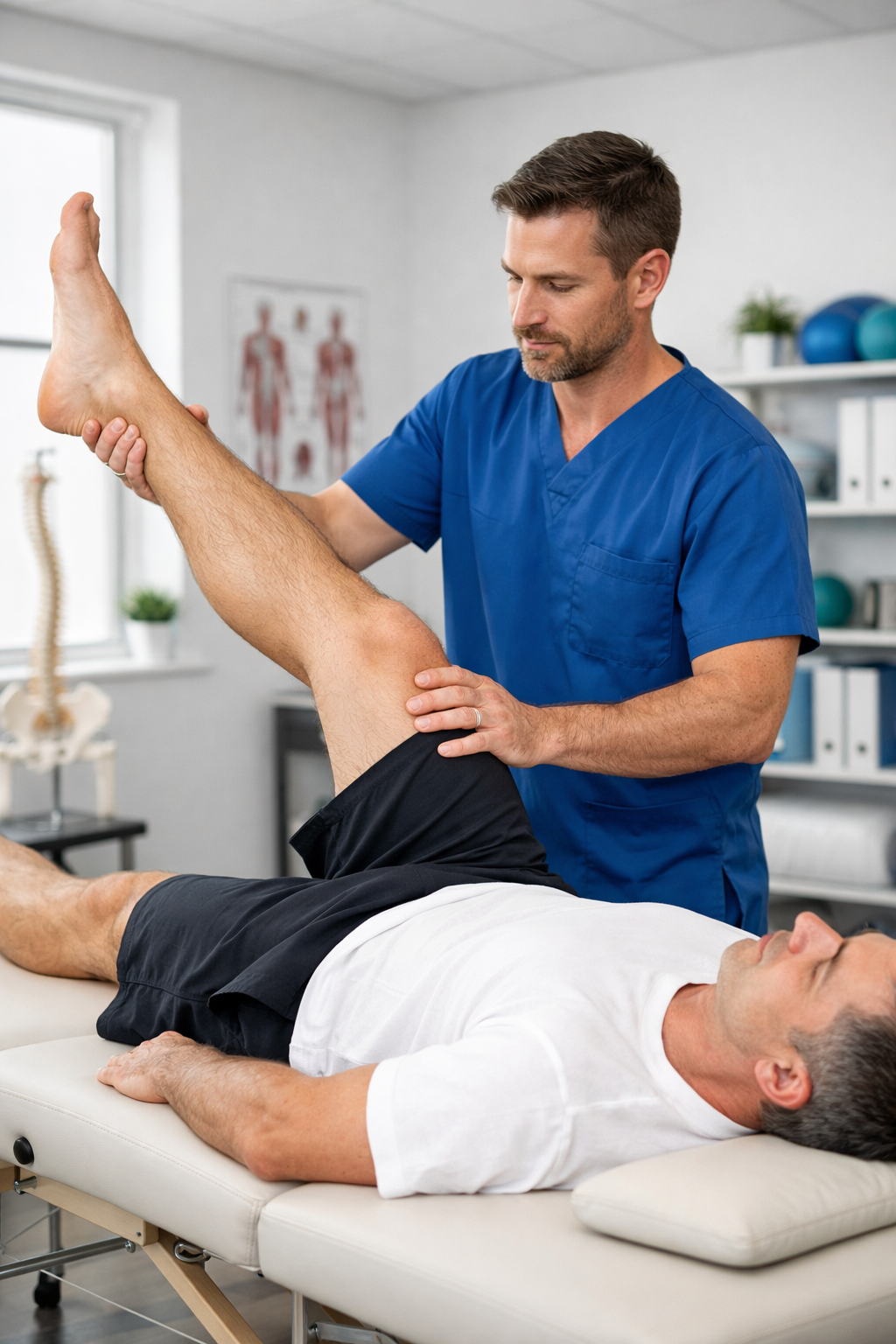
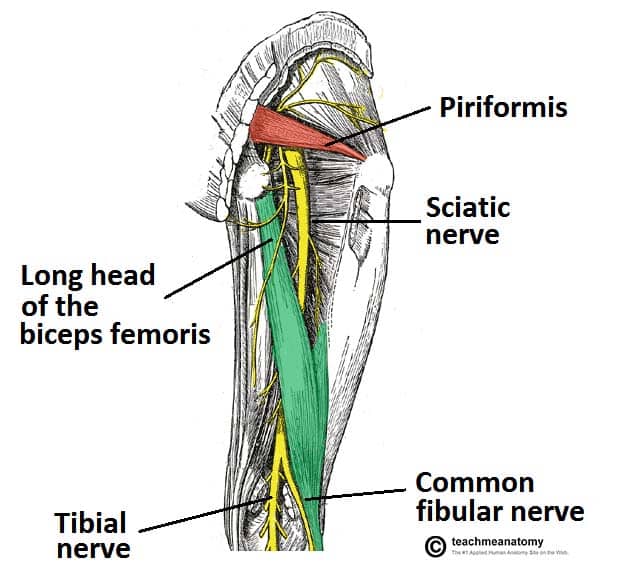
Sciatica — technically known as lumbar radiculopathy — occurs when the nerve roots in your lower lumbar spine that form the sciatic nerve become compressed or irritated. The sciatic nerve is the largest and longest nerve in the body, and when pressure builds at its source, pain travels its full length: from the lower back, through the deep buttock, and down the back of the thigh, calf, and sometimes into the foot.
The underlying causes vary by individual, but the most common include herniated lumbar discs, degenerative disc disease, lumbar spinal stenosis (particularly relevant in Doylestown, where nearly 29% to 44% of borough residents are over 65), piriformis syndrome, and spondylolisthesis. Because each cause responds differently to treatment, a thorough physical therapy evaluation is the essential starting point.
The good news is that physical therapy — when properly matched to the underlying cause — resolves the vast majority of sciatica cases without surgery or long-term medication. The science is clear on this, and Trinity Rehab’s approach is built around it.
See also: back pain treatment at Trinity Rehab.
What Triggers Sciatica in Doylestown Residents
Doylestown’s particular mix of demographics, employment, and recreational culture creates a distinct set of sciatica risk factors:
Commuters to Philadelphia and beyond. A substantial portion of Doylestown residents commute southward to Philadelphia or across to New Jersey, typically via Route 202, Route 611, or SEPTA’s Lansdale/Doylestown line. Mean travel times approach 26 minutes, and for those driving, the combination of prolonged sitting and highway vibration creates a repetitive lumbar load. For residents making the full Philadelphia commute, the cumulative daily toll on lumbar disc health is real and measurable.
Doylestown Hospital and healthcare sector workers. Doylestown Hospital (part of Penn Medicine) is one of the area’s largest employers and one of Bucks County’s most respected institutions. Hospital and clinic workers — nurses, technicians, therapists, and support staff — regularly handle patients and equipment in ways that load the lumbar spine asymmetrically. Years of repetitive patient handling and extended standing on hard floors contribute substantially to lumbar disc vulnerability.
Central Bucks School District employees and teachers. The CBSD is one of Doylestown’s major employers. Teachers and school staff spend long days alternating between standing, sitting in low chairs, and bending to assist students — a postural combination that creates sustained mechanical stress on the lower back.
Hikers and trail enthusiasts. Doylestown Township’s trail network is exceptional for a community of its size — more than 30 miles of connected pathways including the Neshaminy Greenway, the 202 Parkway Trail, and Heritage Trail. Hiking is wonderful for cardiovascular health and mental well-being, but uphill and downhill segments load the lumbar spine asymmetrically, and longer hikes can aggravate existing disc conditions, particularly on uneven terrain.
Tennis, golf, and pickleball players. The Doylestown Tennis Club, YMCA River Crossing’s adult sports leagues, and Doylestown Country Club all attract active adults whose sport of choice involves significant rotational loading of the lumbar spine. A tennis backhand, a golf swing, and a pickleball drive all rely on rapid, forceful trunk rotation — movement that can stress lumbar discs and the structures around them, particularly when combined with aging-related changes in disc hydration.
Seasonal yard work and gardening. Bucks County’s agricultural heritage lives on in the county’s strong gardening culture. Spring brings intensive planting, soil preparation, and mulching. Fall means leaf raking, garden winterization, and lawn care. All of these activities involve sustained lumbar flexion under load — a reliable recipe for disc irritation, particularly when the seasons’ first outdoor work sessions arrive after months of winter inactivity.
Symptoms Common in Doylestown Patients
Sciatica’s presentations vary, but the most characteristic features our Doylestown patients describe include:
- Shooting or burning pain that begins in the lower back or deep buttock and travels down the back of one leg — sometimes to the knee, sometimes all the way to the foot
- Numbness or a “falling asleep” sensation in the outer thigh, calf, or the top or bottom of the foot
- Leg weakness — difficulty pushing off with one foot when walking, or the sensation that the leg might give way on stairs
- Pain that builds during a seated commute or long car ride and makes it difficult to straighten up when getting out of the car
- Discomfort that eases briefly when walking or lying down, then returns when sitting resumes
- Morning stiffness and achiness in the lower back and buttock that takes time to work through
One Doylestown patient — a longtime Neshaminy Greenway hiker — described noticing an increase in radiating pain during downhill sections of the trail, with numbness developing in the foot after sustained walking. This is a classic presentation of lumbar nerve root compression that responds very well to targeted physical therapy when addressed early.
How Trinity Rehab Approaches Sciatica Treatment in Doylestown
Our Doylestown-area physical therapists use a structured, topic-based treatment framework that ensures every clinical dimension of your recovery is addressed:
Manual Therapy: Restoring Motion and Reducing Nerve Pressure
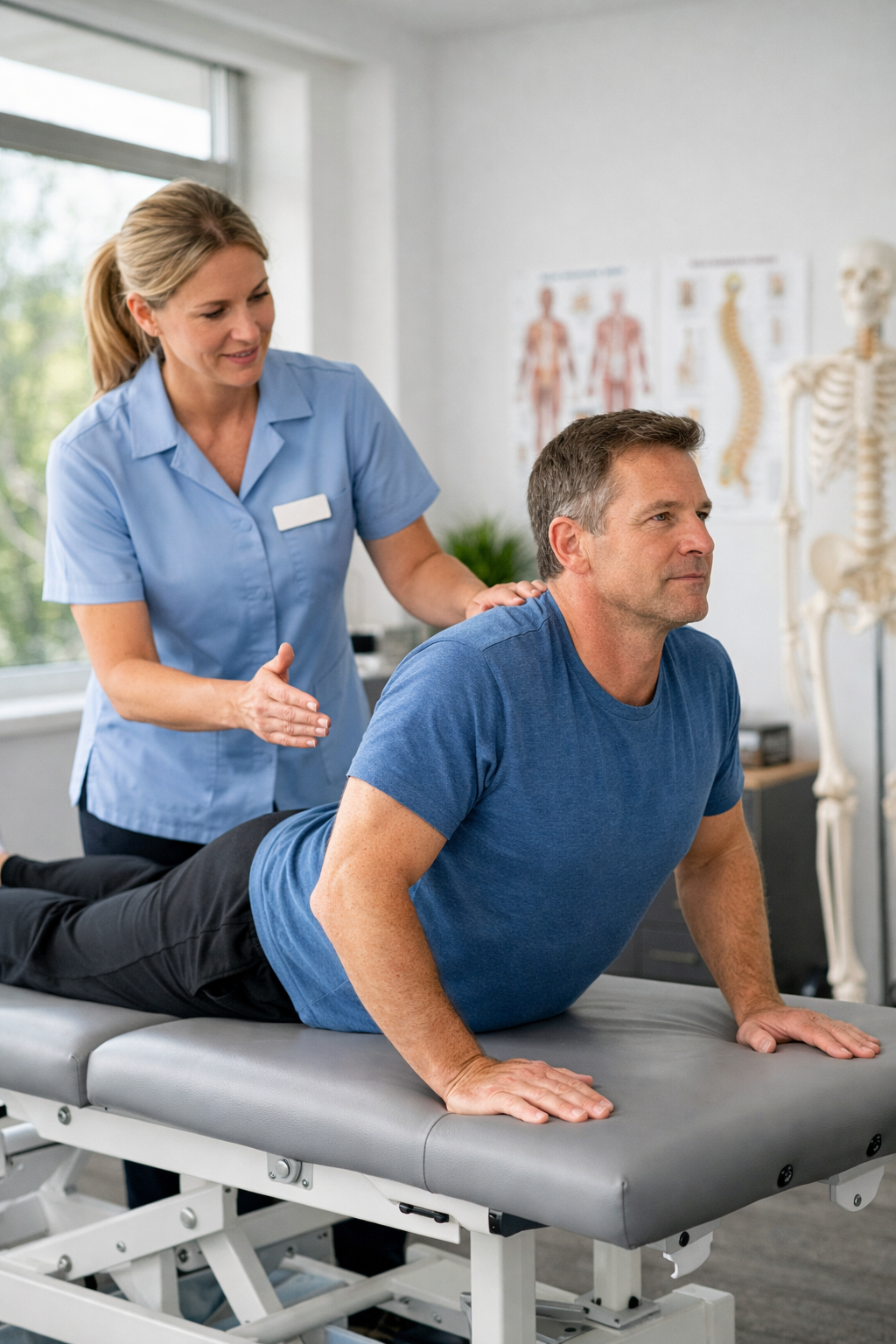
The treatment process begins with hands-on work. Manual therapy at Trinity Rehab involves skilled joint mobilization of the lumbar and sacroiliac joints to restore normal movement, reduce segmental stiffness, and relieve the mechanical pressure that is compressing your nerve roots. Soft tissue work targets the surrounding musculature — particularly the piriformis, hip external rotators, and paraspinal muscles — addressing the muscular tension that often amplifies nerve symptoms.
This is not generic massage. Manual therapy for sciatica is clinically directed work aimed at specific biomechanical findings identified during your evaluation.
Neural Mobilization: Training the Nerve to Move Freely
After injury or inflammation, the sciatic nerve can lose its ability to slide smoothly through the surrounding soft tissues. Instead of gliding freely with leg movement, it catches, pulls, and generates pain with everyday activities like walking, bending, or climbing stairs.
Neural mobilization techniques — carefully designed limb movements that create a gentle longitudinal tension through the nerve — restore this sliding capacity, reduce neural hypersensitivity, and are among the fastest-acting interventions for reducing radiating leg pain. Most Doylestown patients notice meaningful changes in radiation patterns within the first few weeks of consistent nerve gliding work.
Core Stabilization: Building a Foundation That Lasts
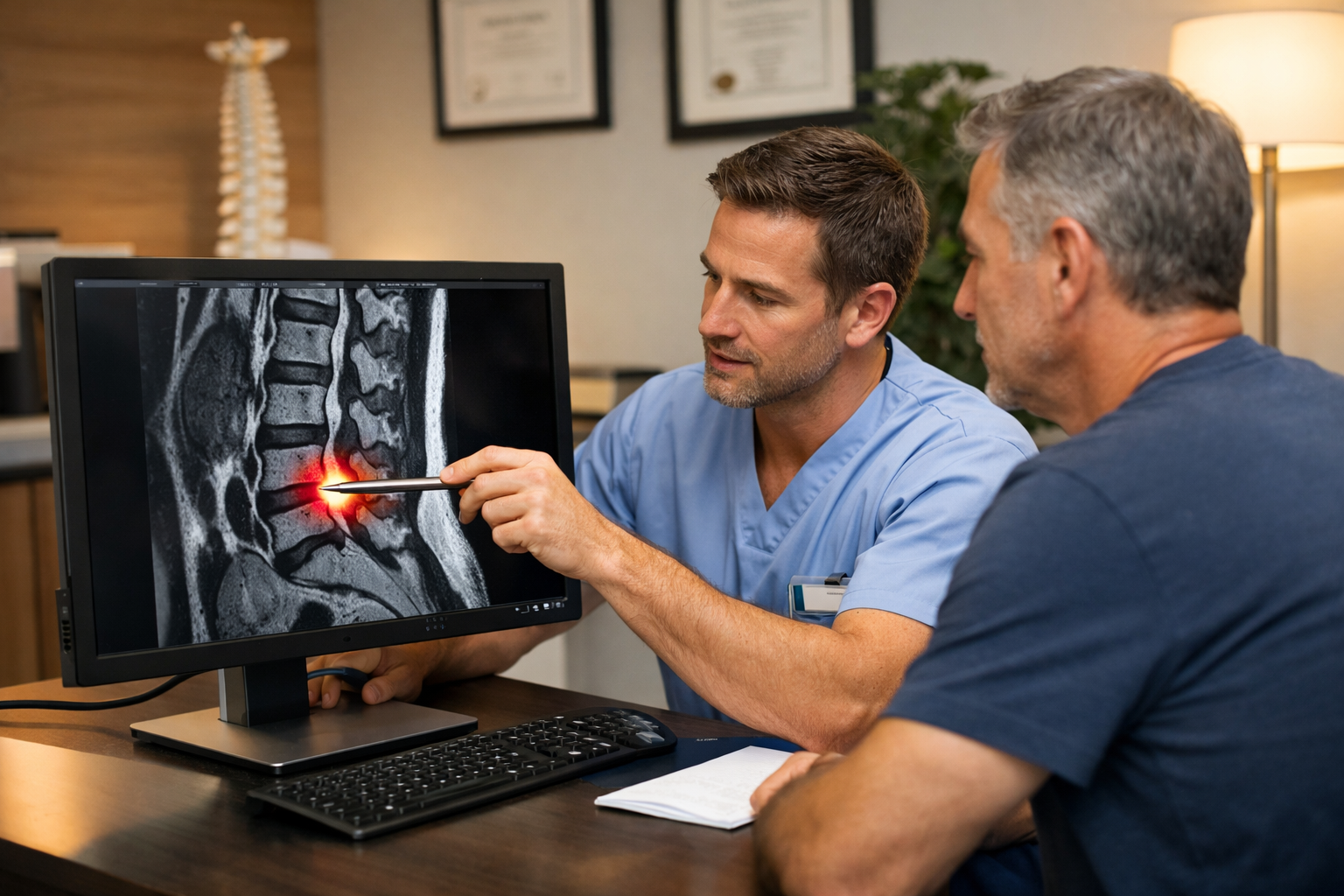
A stable lumbar spine is one that can support your body through the demands of trail hiking, a round of golf, or a long day at the hospital — without repeatedly compressing the nerve roots responsible for sciatica. The muscles that create that stability are deep, small, and easy to neglect: the transversus abdominis, multifidus, and pelvic floor.
Your physical therapist will teach you to isolate and activate these muscles before progressing to more dynamic exercises. As your deep core strengthens, the superficial muscles that have been working overtime to compensate — and contributing to compressive loading — can relax.
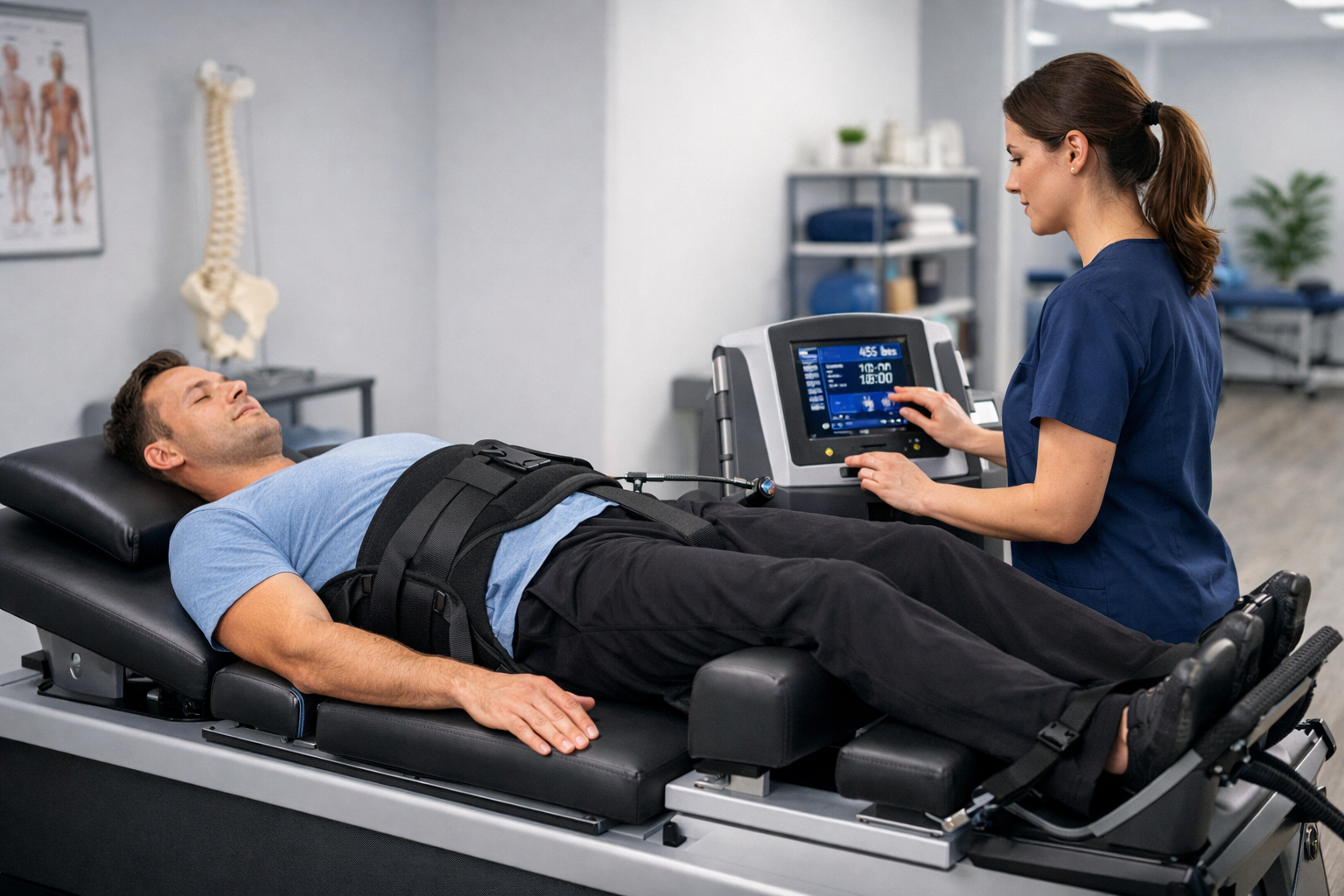
Functional Training: Back to Doylestown Life
The final stage of your treatment is specifically about you. Your therapist will design movement training that prepares your body for the actual demands of your life in Doylestown — trail hiking mechanics for Neshaminy Greenway regulars, rotational loading preparation for golfers and tennis players, posture-endurance work for commuters and desk workers, and patient-handling mechanics for healthcare professionals.
Dry needling is available for patients with stubborn myofascial trigger points in the glutes or paraspinal muscles that limit full recovery — a particularly useful tool for patients with chronic or recurrent sciatica.
Your therapist will also develop a comprehensive home exercise program — practical exercises you can do independently to maintain and extend your recovery and protect your lumbar spine through every Bucks County season.
Why Choose Trinity Rehab in the Doylestown Area
When you choose Trinity Rehab for sciatica treatment, you are choosing an approach built on clinical rigor and genuine personal attention:
- One-on-one care every session. Your licensed PT is present and engaged — not supervising from across the room while you do exercises alone.
- No referral needed in Pennsylvania. Pennsylvania’s direct access provisions allow you to begin physical therapy without a physician’s referral. You can take the first step today.
- Evidence-based treatment. Every technique your therapist uses is grounded in current research on lumbar rehabilitation, neural mobilization, and neuromuscular strengthening.
- Doylestown-area understanding. Our therapists are familiar with the active, outdoors-oriented lifestyle of Bucks County residents — and they design treatment plans that speak to your specific goals.
- Flexible appointment times including early and evening hours to work around your commute and schedule.
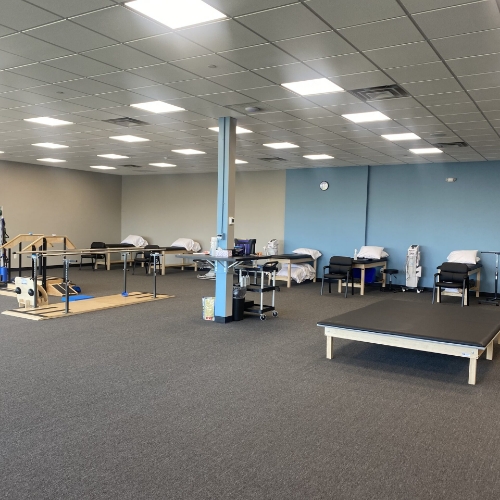
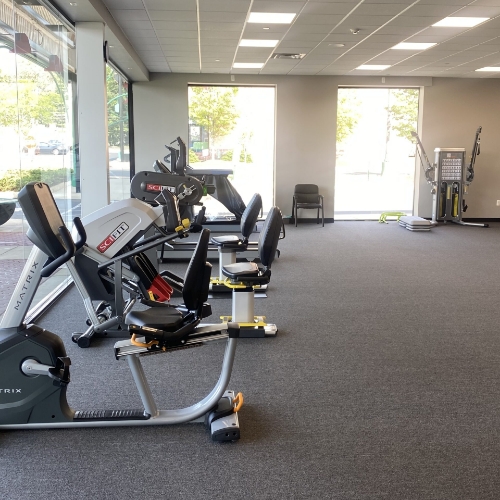
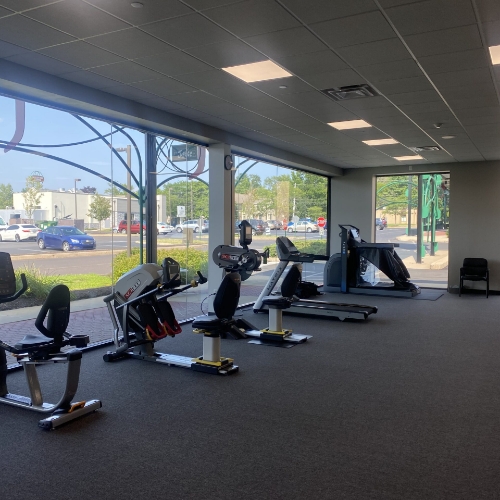
Inside Our Doylestown Clinic
Related Conditions & Treatments
Sciatica is just one of the many conditions we treat at Trinity Rehab Doylestown. Explore our full range of conditions we treat or learn more about specific treatment approaches:
- Sciatica Treatment Overview
- Back Pain Treatment
- Hip & Knee Pain Relief
- Manual Therapy
- Dry Needling
- EPAT / Shockwave Therapy
Doylestown Sciatica Rehab For Leg Pain, Sitting Pain, And Walking Tolerance
Sciatica-like symptoms can make sitting, driving, bending, sleeping, and walking difficult. Doylestown patients need a plan that separates nerve-related leg pain from back, hip, or muscle-driven symptoms.
Your therapist may assess symptom behavior, lumbar mobility, nerve tension, hip strength, walking tolerance, and positions that calm or worsen symptoms. Progressive weakness, numbness, or bowel/bladder changes should be medically reviewed urgently.
Related spine options include back pain physical therapy, lumbar disc herniation rehab, and the Doylestown physical therapy clinic page.
Frequently Asked Questions
Doylestown Sciatica Rehab For Leg Pain, Sitting Pain, And Walking Tolerance
Sciatica-like symptoms can make sitting, driving, bending, sleeping, and walking difficult. Doylestown patients need a plan that separates nerve-related leg pain from back, hip, or muscle-driven symptoms.
Your therapist may assess symptom behavior, lumbar mobility, nerve tension, hip strength, walking tolerance, and positions that calm or worsen symptoms. Progressive weakness, numbness, or bowel/bladder changes should be medically reviewed urgently.
Related spine options include back pain physical therapy, lumbar disc herniation rehab, and the Doylestown physical therapy clinic page.
Where can I receive sciatica treatment near Doylestown, PA?
Does Trinity Rehab accept Pennsylvania insurance plans?
How does sciatica affect trail hiking, and can I keep hiking during treatment?
Is sciatica more common in older adults?
What is the difference between sciatica and piriformis syndrome?
Doylestown’s trails, courts, and countryside are waiting. So is your recovery.
Request your appointment at Trinity Rehab near Doylestown — no physician referral needed. Your physical therapist will identify exactly what is driving your sciatica and design a recovery plan that gets you back to the Bucks County lifestyle you love.