
Osteoarthritis Physical Therapy in Doylestown, PA — Bucks County’s Active Community Deserves Better Joints
Doylestown, Pennsylvania is a town that rewards people who stay engaged with it. The 30-plus miles of trails through Peace Valley Park and the surrounding township, the walking paths through historic downtown, the tennis and pickleball courts at the Community Recreation Center, and the greens at Doylestown Country Club all draw residents outdoors season after season. But when osteoarthritis takes hold in your knees, hips, or hands, the trails you have walked for years can start to feel impossibly long.
With a borough median age approaching 51 and more than 23% of township residents over 65, Doylestown has a significant population managing osteoarthritis — one of the most common forms of degenerative joint disease worldwide. The joint pain, morning stiffness, and limited range of motion that come with advancing arthritis are not inevitable facts of aging. They are clinical problems with effective, non-surgical solutions — and physical therapy is the leading one.
At Trinity Rehab in Doylestown, our physical therapists specialize in treating osteoarthritis with individualized, evidence-based care. Under Pennsylvania Direct Access laws, you can begin physical therapy for up to 30 days without a physician referral. Schedule your first appointment today.
The Science Behind Why Joints Break Down — and What to Do About It
Osteoarthritis is a progressive degenerative joint disease involving the gradual erosion of articular cartilage — the smooth, protective tissue covering the ends of bones in your joints. Cartilage allows joint surfaces to glide smoothly, distributes load, and absorbs shock. When it deteriorates, bone surfaces increasingly contact each other, producing pain, stiffness, swelling, and eventually severe functional limitation.
This breakdown is not random. It is driven by a combination of age-related cartilage changes, mechanical overload (from excess body weight, muscle weakness, or repetitive stress), prior joint injuries, and genetic predisposition. Understanding these drivers is what allows a skilled physical therapist to design a treatment plan that addresses your specific situation rather than applying a generic protocol.
There are currently no proven disease-modifying agents for osteoarthritis. Medications manage symptoms and can help reduce pain temporarily; surgery addresses structural damage at its endpoint. Physical therapy is the only intervention that directly addresses the modifiable factors — strength, movement quality, loading patterns — that drive the condition’s progression.
Recognizing the Symptoms
Osteoarthritis most commonly targets the knees, hips, hands, shoulders, and spine. Symptoms Doylestown patients typically describe include:
- Morning stiffness lasting 20–30 minutes — particularly in the knees or hips after sleeping, or after sitting for long periods
- Deep, aching joint pain in the affected joint during and after physical activity such as trail walks, golf, or gardening
- A grinding, grating, or crackling sensation (crepitus) when bending or rotating the affected joint
- Swelling around the knee or hip after prolonged activity
- Progressively reduced range of motion — the knee that no longer fully bends, the hip that cannot rotate for getting out of the car
- Joint instability — a sense of the knee giving way unexpectedly
- Pain and stiffness specific to certain tasks: rising from a chair at the Mercer Museum, climbing stairs in a historic downtown building, gripping pruning shears in the garden
- Referred pain down the thigh from hip osteoarthritis
If these symptoms have been present for more than a few weeks, early physical therapy significantly improves long-term outcomes.
How Trinity Rehab Treats Osteoarthritis in Doylestown
Manual Therapy: Restoring Joint Mobility Without Surgery
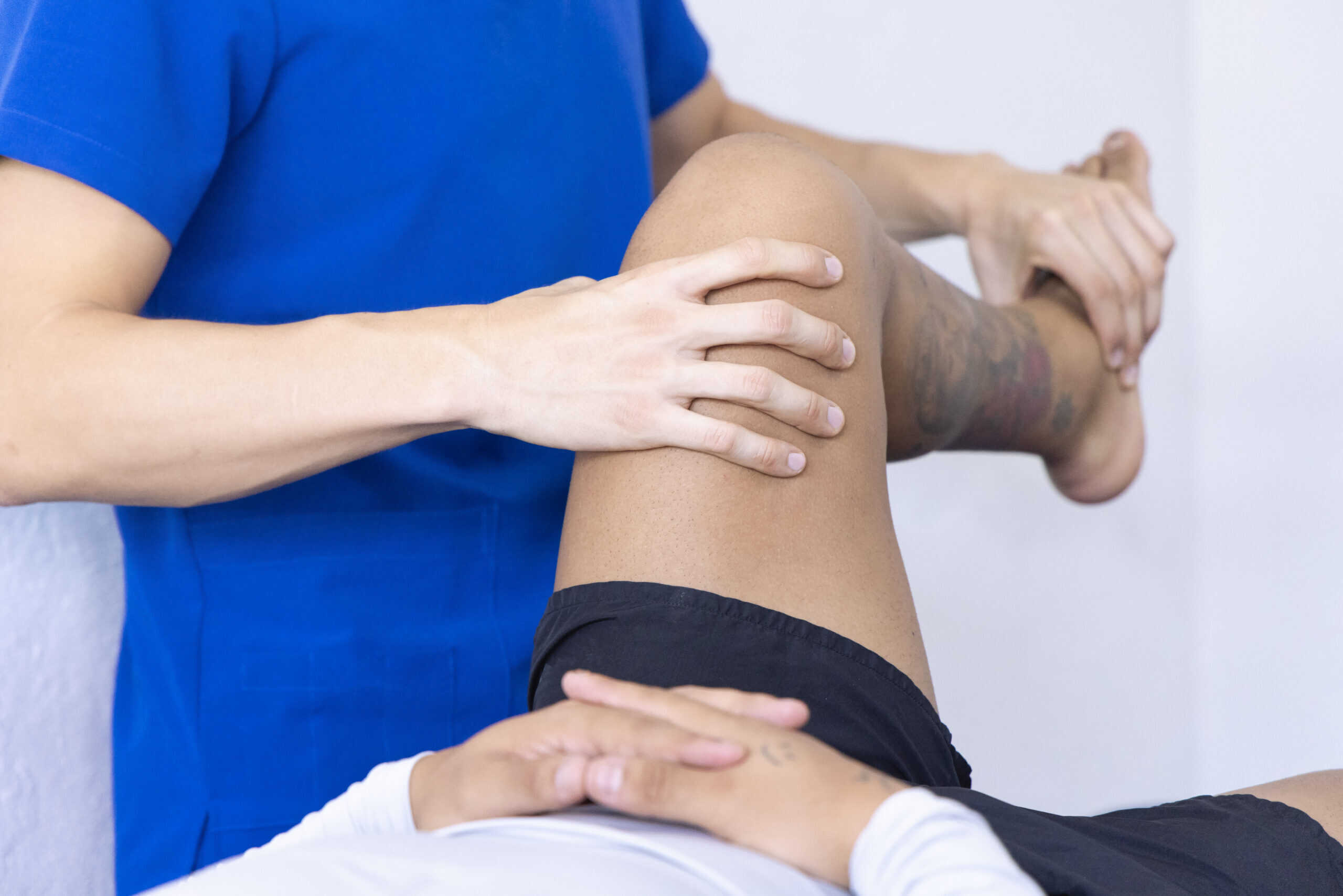
Manual therapy is a cornerstone of Trinity Rehab’s osteoarthritis treatment. Your physical therapist uses skilled hands-on techniques applied directly to the arthritic joint and surrounding soft tissues.
Joint mobilization applies controlled, rhythmic movements to restore the gliding motion within the joint capsule that osteoarthritis progressively restricts. Studies consistently show that joint mobilization reduces osteoarthritis pain and improves range of motion — often with noticeable changes within the first few sessions.
Soft tissue mobilization addresses the muscular guarding and fascial restrictions that develop in response to chronic joint pain. When pain has been present for months or years, the muscles surrounding an arthritic joint become chronically shortened and restricted, further compressing the joint and amplifying pain. Releasing this tension reduces joint load and allows effective strengthening to begin.
Joint flexibility restoration through progressive, therapist-guided stretching — including PNF stretching techniques proven to increase hamstring flexibility and reduce knee pain — restores the range of motion that osteoarthritis has taken.
Strengthening: The Cornerstone of Long-Term Relief
Strong muscles are the body’s natural shock absorbers. For osteoarthritis, the science is clear: muscles that cannot adequately absorb mechanical load transfer that force directly to cartilage, accelerating its breakdown.
Knee osteoarthritis: The quadriceps is the primary protector of the knee joint. A progressive quadriceps and hamstring strengthening program — combined with hip abductor and gluteal work — provides the full lower extremity support that dramatically reduces knee joint load. Research shows patients with stronger quadriceps have lower pain scores and slower rates of joint space narrowing on imaging.
Hip osteoarthritis: Deep hip stabilizers and gluteal muscles control the forces on the hip joint during walking and standing. Core strengthening reduces compensatory lumbar loading. For Doylestown’s active retirees and walkers, restoring hip strength often translates directly into return to comfortable trail walking.
Hand and wrist OA: Targeted grip strengthening and fine motor exercises preserve hand function critical for gardening, cooking, and writing — activities that define daily life for many Doylestown residents.
Your individual exercise program is built around your specific goals — returning to Peace Valley Park trails, keeping your golf game at Doylestown Country Club, or managing the physical demands of your work at the hospital. A home program maintained 3–4 times per week between visits sustains the gains made in clinic.
EPAT Shockwave Therapy: Targeted Tissue Regeneration
EPAT Shockwave Therapy at Trinity Rehab delivers focused acoustic pressure waves to damaged soft tissues surrounding arthritic joints. This technology stimulates collagen production, accelerates natural tissue repair, and reduces chronic pain in tendons and ligaments that osteoarthritis commonly stresses. Research demonstrates 60–80% pain relief for conditions like patellar tendinopathy and plantar fasciitis — frequent companions to knee osteoarthritis in active adults.
EPAT represents a meaningful addition for patients who have not achieved adequate relief through exercise and manual therapy alone.
Dry Needling: Breaking the Pain-Muscle Cycle
Dry needling targets the myofascial trigger points that develop in muscles chronically guarding around arthritic joints. These trigger points — tight, hypersensitive knots in the quadriceps, hip flexors, calf, and surrounding musculature — cause referred pain, restrict range of motion, and resist release through stretching alone. Precise dry needling releases these points and interrupts the pain-muscle tension cycle that perpetuates dysfunction.
The AlterG Anti-Gravity Treadmill: Exercise Without the Load
For patients with severe knee or hip osteoarthritis, the AlterG Anti-Gravity Treadmill makes aerobic exercise possible even when weight-bearing is significantly painful. By reducing effective body weight by up to 80%, the AlterG allows patients to walk, build endurance, and maintain cardiovascular fitness without exceeding the load tolerance of their arthritic joints. Clinical research shows 20–30% pain reduction and improved functional endurance for arthritis patients using this technology.
This is particularly valuable for Doylestown’s active residents who want to maintain their fitness level while recovering.

Activity Modification and Pain Management
Learning to stay active without inflaming arthritic joints is a critical skill. Your Trinity Rehab physical therapist coaches you on:
- Pacing long activities like trail hikes, golf rounds, or gardening projects to minimize cumulative joint load
- Joint protection techniques during lifting, twisting, and repetitive motion tasks
- Appropriate footwear and orthotic support for walking and golf
- Transcutaneous electrical nerve stimulation (TENS) for non-invasive pain management at home
- Heat and cold application strategies for daily symptom management
- When topical NSAIDs or other pain management adjuncts might be worth discussing with your physician
Weight management is addressed as part of every osteoarthritis treatment plan. Even a 10% reduction in body weight produces a measurable decrease in knee osteoarthritis pain — and guidance on safe, sustainable aerobic exercise to support this goal is part of your physical therapy program.
Dietary supplements like glucosamine and chondroitin are popular, but clinical evidence for their effectiveness is limited and they are not routinely recommended by clinical guidelines. Steroid injections may be considered by your physician for severe flares, but physical therapy addresses the underlying mechanical causes of pain that injections cannot.
Why Doylestown Patients Choose Trinity Rehab
One-on-one care at every visit. Your physical therapist is present and engaged for every minute of every session — observing your movement, adjusting techniques in real time, and building the clinical relationship that produces genuine progress. You are never handed off to an aide or left with a generic exercise sheet.
Treating the full arthritis spectrum. Trinity Rehab treats patients from early-stage joint stiffness through post-operative rehabilitation following hip and knee replacement surgery. Joint replacement surgery is only appropriate when conservative measures have been exhausted — and most patients who commit to physical therapy can significantly delay or eliminate the need for surgery.
Pennsylvania Direct Access. You can begin physical therapy at Trinity Rehab Doylestown for up to 30 days without a physician referral. No waiting for a referral to start getting better.
Geriatric physical therapy expertise. For older adults managing osteoarthritis alongside other health conditions, our geriatric approach addresses fall prevention, balance training, and maintaining the functional independence that matters most.
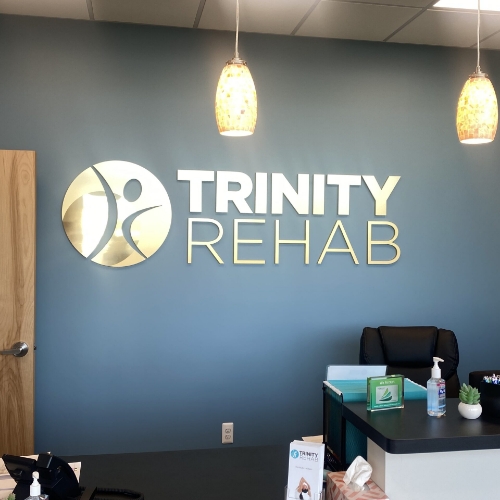
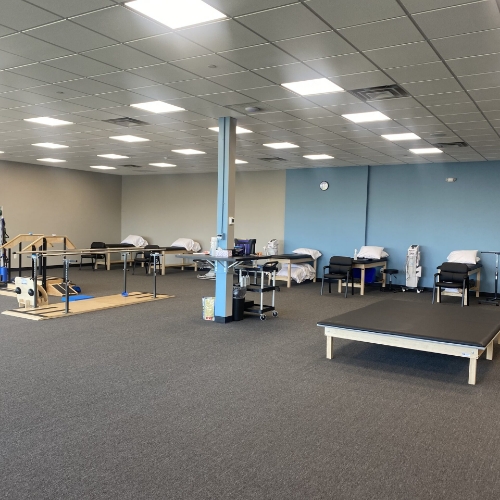
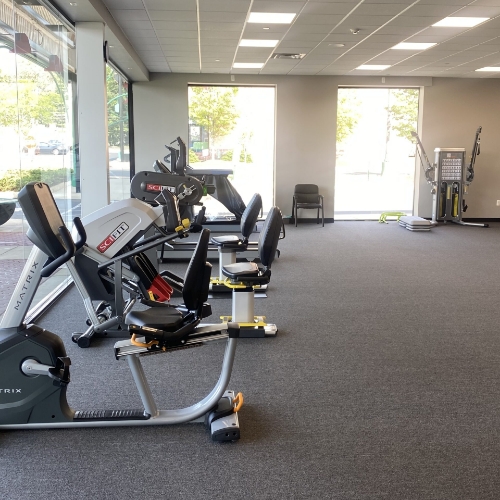
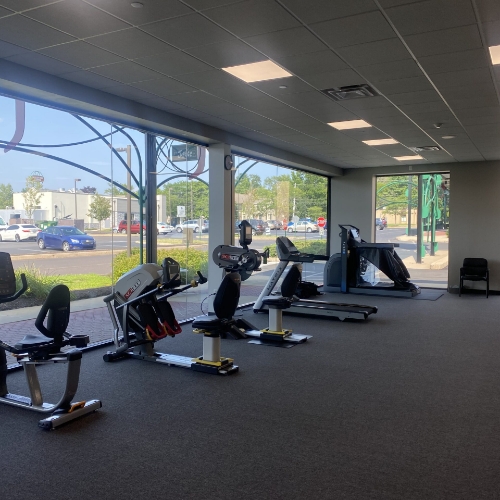
Inside Our Doylestown Clinic
Related Conditions & Treatments
Osteoarthritis is just one of the many conditions we treat at Trinity Rehab Doylestown. Explore our full range of conditions we treat or learn more about specific treatment approaches:
Frequently Asked Questions
Do I need a referral to see a physical therapist for osteoarthritis in Doylestown?
Will physical therapy help me avoid joint replacement surgery?
How long will treatment take?
Can I still walk the trails at Peace Valley Park while I'm in physical therapy?
Is osteoarthritis treatment different for older adults?
Getting Back to Doylestown Life
The Mercer Mile, Peace Valley Park, Doylestown Country Club, the downtown streets you walk with friends — these are worth fighting for. Osteoarthritis does not have to permanently change your relationship with this community.
Physical therapy at Trinity Rehab offers a structured, evidence-based path to reducing joint pain, restoring your range of motion, and building the strength that protects your joints for years to come. Our physical therapists have helped thousands of patients across Pennsylvania and New Jersey reclaim their movement from arthritis, back pain, and knee and hip pain.
Book your appointment at Trinity Rehab Doylestown, PA →
Pennsylvania Direct Access — no referral needed for up to 30 days. Same-week appointments available.
Sources: Centers for Disease Control and Prevention. Osteoarthritis. American College of Rheumatology, 2021 guidelines for osteoarthritis management. National Institute for Health and Care Excellence (NICE). Osteoarthritis: care and management. CG177. 2014.
What Our Patients Say