

Osteoarthritis Treatment in Clifton, NJ — Reduce Pain, Restore Movement
Clifton is a city that keeps people busy. With 39 parks spread across more than 210 acres — from Weasel Brook Park and Main Memorial Park to the Garret Mountain Reservation just outside the city limits — Clifton’s residents stay active year-round. Add in the youth soccer leagues, adult recreation programs at the Athenia Steel Recreation Complex, and the physical demands of working in the city’s active warehouse and healthcare corridors, and it is clear that Clifton joints earn their wear.
Osteoarthritis affects more than 32.5 million Americans, and with roughly 18% of Clifton’s 90,000 residents over 65 and a median age of 41 that skews toward active working adults, this city sees joint pain across every age group. If stiff, aching knees or hips are starting to limit your walks at Weasel Brook, your shifts at the hospital, or your morning commutes on the GSP and Route 3, physical therapy at Trinity Rehab in Clifton can help.
Under New Jersey Direct Access laws, you do not need a physician referral to start. You can request your appointment today and begin treatment right away.
Why Osteoarthritis Should Not Be Ignored
Osteoarthritis is a degenerative joint disease in which the protective cartilage cushioning your joints gradually breaks down. Cartilage has no blood supply and very limited ability to heal itself. Once worn, it does not grow back. What can be controlled, however, is the rate of progression — and how much pain and functional limitation you experience while living with the condition.
Without appropriate intervention, osteoarthritis follows a predictable downward path:
- Increasing joint pain that limits standing, walking, and recreational activity
- Narrowing joint space and bone-on-bone contact, producing more severe pain with basic activities
- Muscle weakness around the affected joint — especially the quadriceps in knee osteoarthritis — which accelerates further cartilage breakdown
- Altered movement patterns that transfer destructive stress to adjacent joints and the lower back
- Reduced physical activity, weakening cardiovascular fitness and overall health
- Emotional impact — frustration, lost independence, and reduced quality of life
The American College of Rheumatology, the Arthritis Foundation, and the American Academy of Orthopaedic Surgeons all identify physical therapy as the first-line arthritis treatment. Research published in the Journal of Orthopaedic & Sports Physical Therapy confirms that early, structured physical therapy produces better long-term outcomes and significantly delays the need for joint replacement surgery.
Clifton’s Unique Risk Profile for Osteoarthritis
Understanding why joints break down helps your physical therapist design a smarter treatment plan. In Clifton, several factors are particularly relevant:
Industrial and warehouse work: Clifton hosts hundreds of warehouse and industrial positions along Route 3 and the surrounding corridors, and logistics employers like UPS and Costco Wholesale represent major employment for Clifton residents. Repeated kneeling, squatting, heavy lifting, and working on hard concrete floors are among the most documented risk factors for knee osteoarthritis. Many of Clifton’s warehouse workers arrive at our clinic after years of building discomfort that they pushed through.
Healthcare workers: The Hackensack Meridian Health and Wellness Center in Clifton and the nearby St. Joseph’s University Medical Center employ large numbers of nurses, aides, and support staff. Long shifts on their feet, patient handling, and repetitive bending over years create significant hip and lower back stress. Hip osteoarthritis is particularly prevalent in this population.
Active recreation in Clifton’s parks: With 39 parks and strong youth and adult sports programs, Clifton residents accumulate real joint mileage. Soccer, basketball, baseball, and football all involve the repetitive impact patterns that accelerate cartilage wear — especially in people with prior knee or ankle injuries.
Commuter posture: With 72% of Clifton residents commuting by car and average travel times of 29 minutes, prolonged seated postures tighten hip flexors, compress spinal discs, and weaken the posterior chain muscles that support joint health.
Age-related cartilage changes: Most osteoarthritis diagnoses occur after age 50, though the underlying cartilage changes begin decades earlier. Younger adults can develop post-traumatic osteoarthritis following prior joint injuries.
Recognizing Osteoarthritis Symptoms
Osteoarthritis most frequently affects the knees, hips, hands, shoulders, and spine. The symptoms Clifton patients typically describe include:
- Morning stiffness in the affected joint that lasts 20–30 minutes after waking
- Deep, aching pain during and after weight-bearing activities — particularly prolonged walking, standing shifts, or ascending stairs
- A grating or crackling sensation (crepitus) when bending or rotating the joint
- Swelling around the knee or affected joint after physically demanding days
- Reduced range of motion — the knee that no longer fully bends or straightens, the hip that does not rotate freely
- Feeling of the joint giving way during weight-bearing activity
- Pain with specific tasks: getting up from a desk chair, exiting a car, climbing stairs at home
These symptoms often develop subtly and are attributed to “getting older.” But early physical therapy consistently produces better outcomes than waiting until pain becomes severe.
How Physical Therapy Treats Osteoarthritis
Phase 1: Assessment and Immediate Pain Relief
Every patient at Trinity Rehab Clifton begins with a thorough one-on-one evaluation. Your physical therapist assesses joint mobility, muscle strength, functional movement patterns, balance, and how your specific symptoms affect your daily life. This evaluation drives your entire individualized treatment plan.
Early treatment priorities include:
Manual therapy — Joint mobilization and soft tissue mobilization techniques applied directly to the arthritic joint and surrounding muscles. Manual therapy restores joint flexibility, reduces stiffness, and interrupts the pain-guarding cycle that drives chronic dysfunction. Research consistently demonstrates that manual therapy reduces osteoarthritis pain and improves function.
Transcutaneous electrical nerve stimulation (TENS) — Non-invasive pain management that modulates the nervous system’s pain signals, reducing pain intensity without medication. Used alongside manual therapy in the early phases of treatment.
Heat and cold therapy — Strategic application of hot or cold packs to the affected joint to ease pain and reduce stiffness before and after exercise.
Activity modification guidance — How to protect your joints during shifts at work, walks in Clifton’s parks, and daily household tasks without simply stopping the activities you value.
Phase 2: Strengthening and Functional Restoration
Strong muscles are the primary defense against osteoarthritis progression. At Trinity Rehab Clifton, progressive strengthening is individualized to your condition and your goals:
Knee osteoarthritis — The quadriceps muscle is the single most important structural protector of the knee. A program combining quadriceps and hamstring strengthening (including PNF stretching for the hamstrings), hip abductor strengthening, and proprioception training rebuilds the full support system for the knee joint. Patients with stronger quadriceps have measurably less pain and slower cartilage loss.
Hip osteoarthritis — Gluteal and core stabilization exercises reduce the mechanical forces on the hip joint with every step. Strong hip muscles also reduce secondary knee and lower back pain.
Shoulder OA — Rotator cuff and scapular stabilization work offloads the glenohumeral joint and restores the range of motion needed for overhead daily tasks.
Hand and wrist OA — Grip strengthening and fine motor exercises maintain function for working adults and retirees alike — relevant for Clifton residents in healthcare and manual trades.
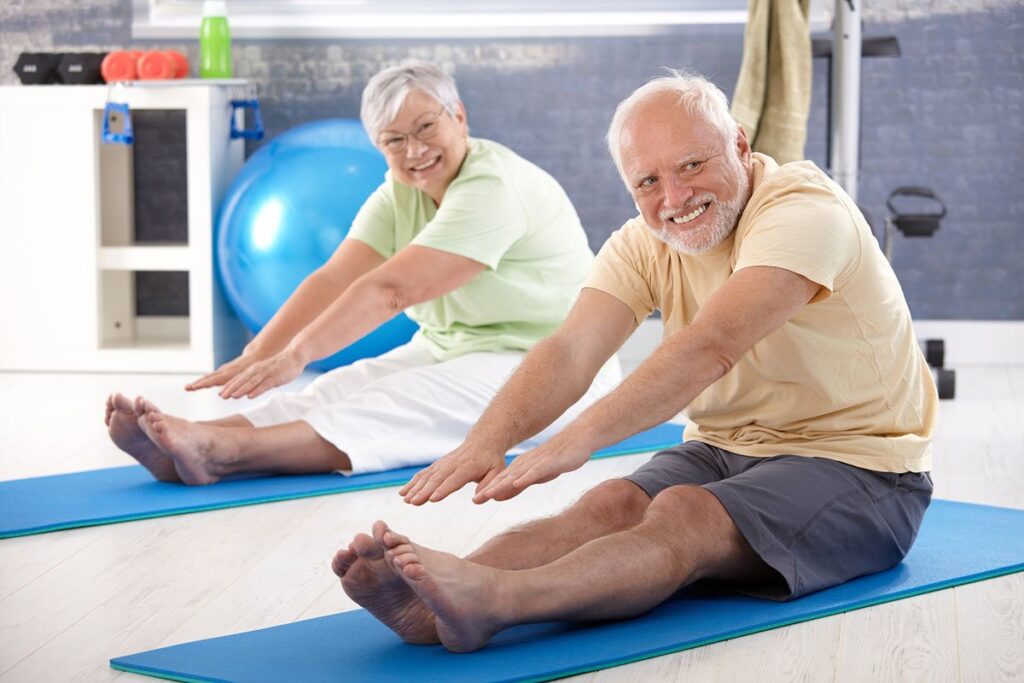
A home exercise program — maintained 3–4 times per week between clinic visits — sustains and builds on the clinical gains. Your physical therapist designs this program around your specific goals: hiking near Garret Mountain Reservation, returning to rec league soccer, or simply getting through a workday without escalating pain.
Phase 3: Advanced Technology and Long-Term Management
Trinity Rehab’s investment in advanced treatment technology means patients have access to options that most standard outpatient clinics simply do not offer:
EPAT Shockwave Therapy — Acoustic pressure waves stimulate collagen production and tissue repair in the damaged soft tissues surrounding arthritic joints. Research shows 60–80% pain relief for patellar tendinopathy, plantar fasciitis, and other tendon conditions commonly associated with osteoarthritis.
Dry Needling — Chronic joint pain creates myofascial trigger points in surrounding muscles that resist release through stretching alone. Dry needling targets these trigger points to reduce muscular tension and referred pain — a meaningful addition for patients whose osteoarthritis pain extends beyond the joint itself.
AlterG Anti-Gravity Treadmill — For patients with severe knee or hip osteoarthritis, the AlterG reduces body weight by up to 80%, enabling pain-free walking and aerobic exercise. Clinical research demonstrates 20–30% pain reduction and improved cardiovascular endurance for arthritis patients using anti-gravity treadmill training — particularly valuable for patients who need to maintain fitness during recovery.
Long-Term Osteoarthritis Prevention
Your therapist at Trinity Rehab Clifton will equip you with a personalized long-term management plan:
- Weight management — For every pound of body weight reduced, approximately four pounds of force is removed from the knees during walking. A 10% reduction in body weight can cut knee osteoarthritis pain by up to 50%.
- Consistent aerobic exercise — Low-impact options including walking, swimming, cycling, and tai chi keep joints mobile, support cardiovascular health, and manage overall inflammation without excessive joint impact.
- Home exercise program — Continued strengthening 3–4 times per week maintains muscle mass and joint protection between clinic visits.
- Joint protection strategies for work and recreational activities
- Appropriate footwear and orthotic support where indicated
- Monitoring and maintenance — Periodic check-ins allow your therapist to adjust your program as your condition and life evolve
There are currently no proven disease-modifying agents for osteoarthritis. Dietary supplements like glucosamine and chondroitin are used by many patients but have limited clinical evidence for effectiveness. Topical NSAIDs and steroid injections may be discussed with your physician as adjuncts to physical therapy when needed.
Why Clifton Patients Choose Trinity Rehab
One-on-one care throughout every session. You work with your physical therapist — not an aide — at every visit. This model allows real-time adjustment of techniques, immediate response to your feedback, and the continuity that drives genuine progress.
Comprehensive expertise across arthritis types. From early-stage knee arthritis to severe hip osteoarthritis approaching the point of joint replacement surgery, Trinity Rehab physical therapists have the clinical experience to meet you where you are. Joint replacement surgery is appropriate only when conservative approaches have failed; most patients with adequate physical therapy can delay or avoid it.
Geriatric physical therapy expertise. For Clifton’s older adults managing osteoarthritis alongside other health concerns, geriatric physical therapy integrates fall prevention, balance training, and functional independence goals alongside joint pain management.
Convenient access. Same-week appointments are frequently available. No referral is needed under New Jersey Direct Access laws — you can start immediately.
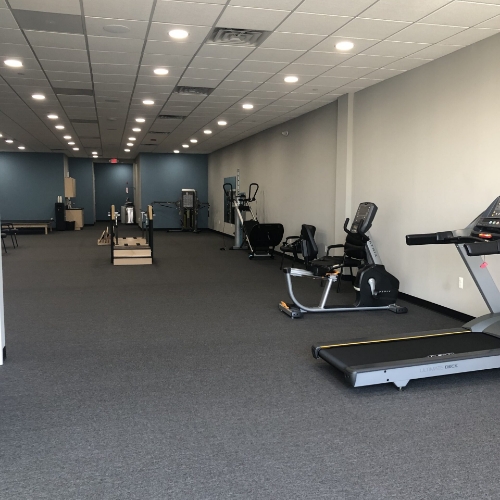
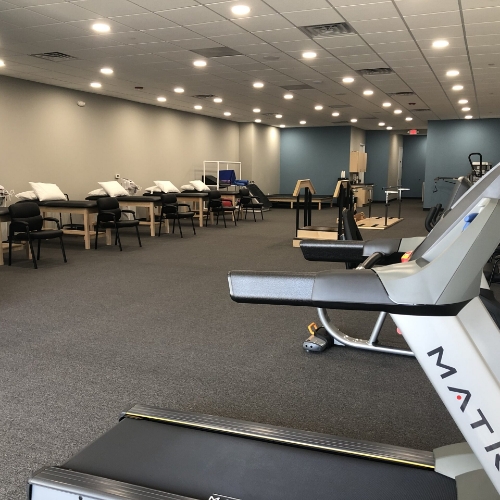
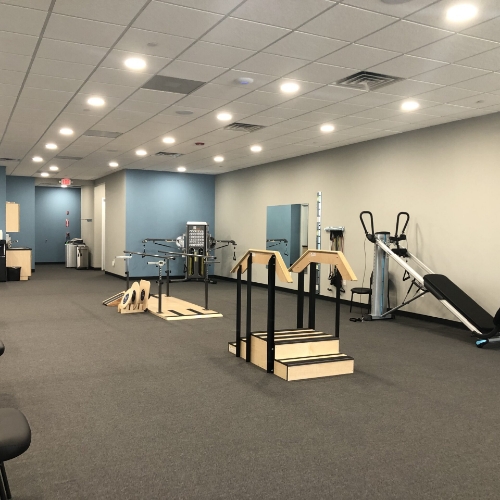
Inside Our Clifton Clinic
Related Conditions & Treatments
Osteoarthritis is just one of the many conditions we treat at Trinity Rehab Clifton. Explore our full range of conditions we treat or learn more about specific treatment approaches:
Frequently Asked Questions
Do I need a doctor's referral to start physical therapy for osteoarthritis in Clifton?
Can physical therapy slow the progression of osteoarthritis?
What if my arthritis affects both knees or both hips?
I work long shifts on hard floors. Can I still do physical therapy?
How long does a typical course of physical therapy for osteoarthritis take?
Your Active Life in Clifton Is Worth Protecting
The 39 parks, the sports leagues, the mornings walking near Weasel Brook, the community that makes Clifton home — these are worth protecting. Osteoarthritis does not have to end the life you have built here.
Trinity Rehab’s physical therapists have helped thousands of patients across Passaic County and New Jersey manage arthritis, back pain, and joint pain and get back to fuller, more active lives.
Request your appointment at Trinity Rehab Clifton, NJ →
No referral required. Same-week availability. One-on-one care.
Sources: Centers for Disease Control and Prevention. Osteoarthritis. American College of Rheumatology, 2021 guidelines for osteoarthritis management. Wang W, Niu Y, Jia Q. Physical therapy as a promising treatment for osteoarthritis. Frontiers in Physiology. 2022.