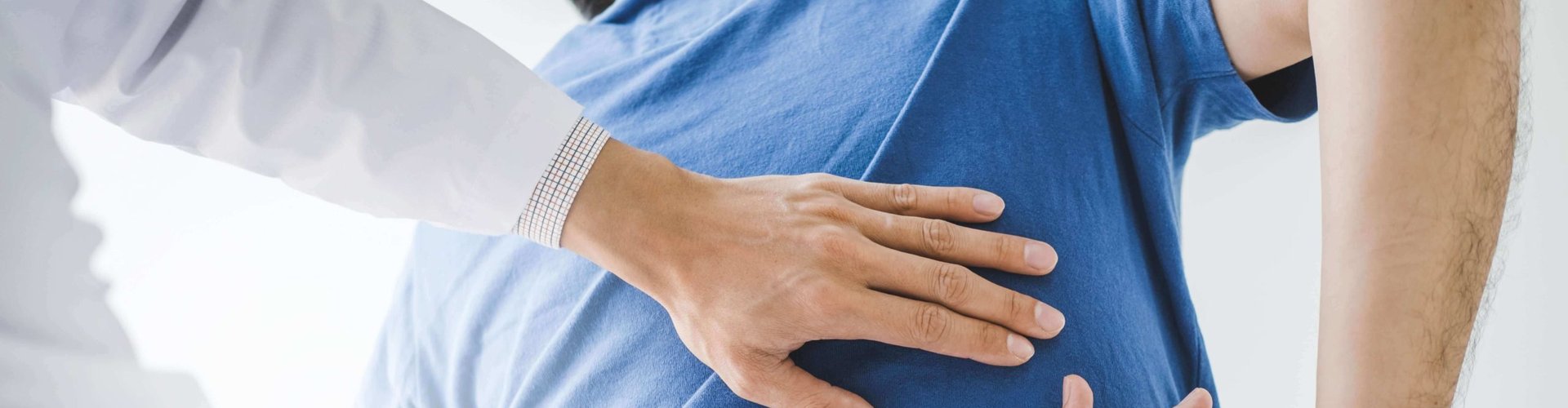
LUMBAR DISC HERNIATION TREATMENT IN CLIFTON, NJ
Clifton is a city that never stops moving. With 90,000 residents spread across 11 square miles, it is one of New Jersey’s most densely populated municipalities — home to factory workers at L3Harris Technologies, UPS drivers navigating Route 3, families cheering the Mustangs soccer team, and commuters catching the 29-minute bus to Midtown Manhattan. When a lumbar disc herniation strikes in a community this active, the impact ripples through every part of daily life.
Maybe you felt it hauling packages at the UPS distribution center, or twisting during a Clifton Recreation basketball league game. Maybe it crept up slowly after years of driving to work, sitting at a desk, and coming home to mow one of the city’s 30-plus parks’ worth of suburban yards. However it happened, the shooting pain from your lower back into your leg is telling you something needs to change.
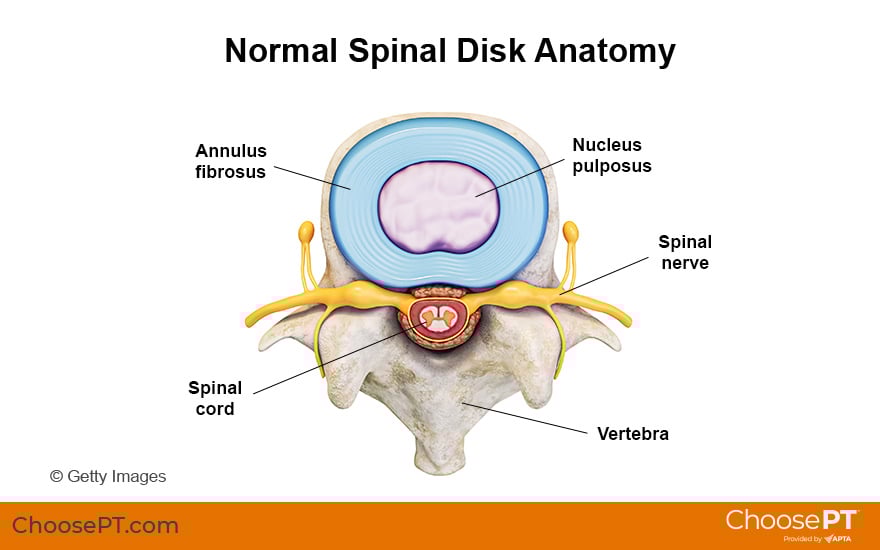
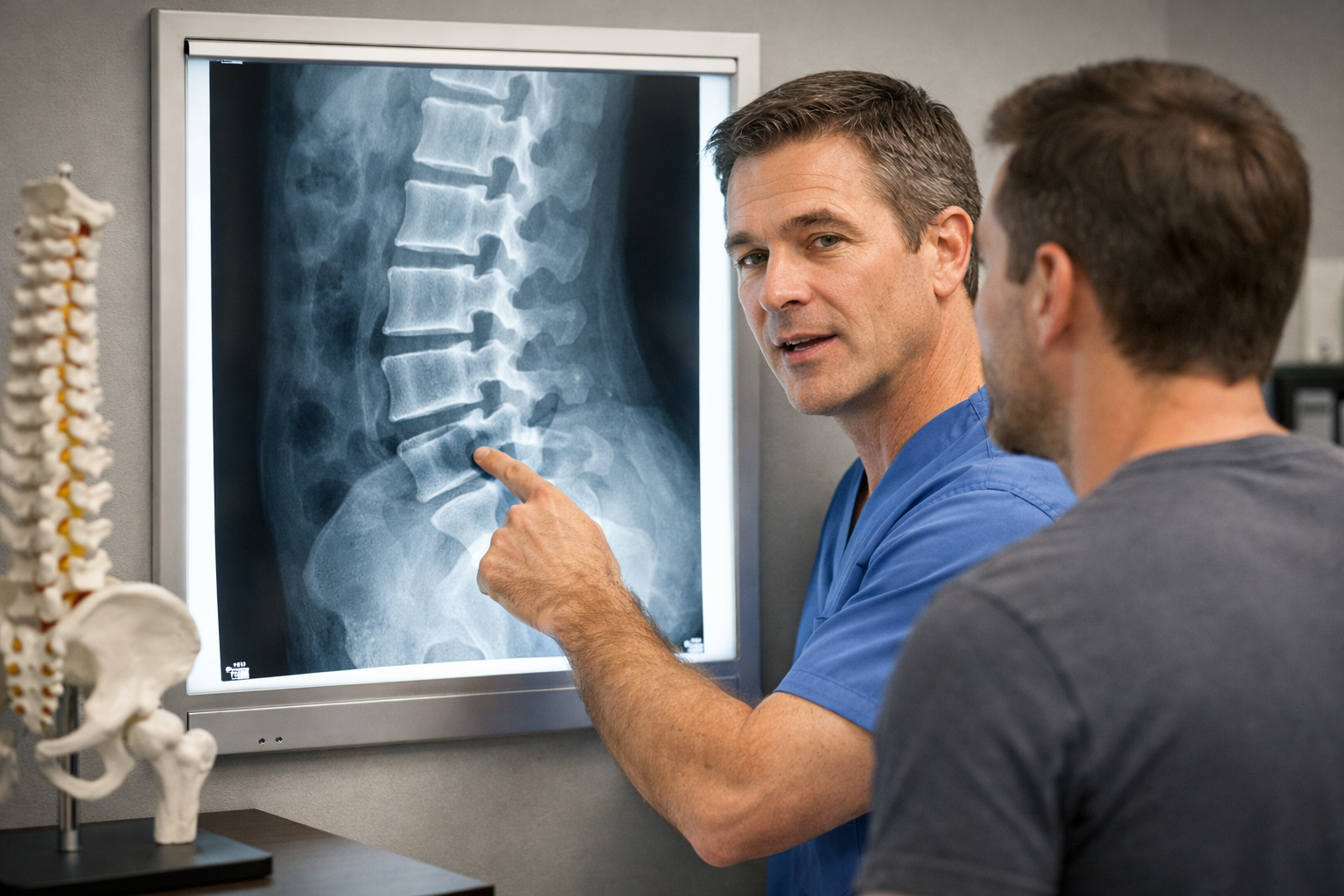
A herniated disc occurs when the inner gel of a spinal disc (nucleus pulposus) pushes through a tear in the disc’s outer layer (annulus fibrosus), pressing on a nearby nerve root. This nerve compression is what produces the radiating pain, numbness, and weakness that many people recognize as sciatica. At Trinity Rehab in Clifton, we use personalized physical therapy to treat the cause — not just the symptoms — so you can return to the job, the sport, and the life you depend on.
WHY TREATMENT MATTERS IN A WORKING CITY LIKE CLIFTON
Clifton’s workforce is diverse. Nearly 35 percent of the population is foreign-born, many working in manufacturing, warehousing, and service industries that require physical labor. L3Harris Technologies alone employs roughly 1,600 people in manufacturing roles. Add in retail workers at Costco and Home Depot, drivers, healthcare staff, and the thousands who commute to New York City by bus, and you have a population whose spines face constant demand.
Left untreated, a lumbar disc herniation can progress from manageable back pain to:
- Chronic pain that forces you to miss work shifts or reduce your hours
- Radiculopathy — progressive nerve damage causing leg weakness and numbness
- Reliance on pain medication that covers symptoms without healing the disc
- Sleep disruption, mood changes, and declining overall health
But surgery is rarely needed. According to StatPearls (NCBI), 85 to 90 percent of acute herniated discs respond to conservative treatment. Deutsches Ärzteblatt International reports that symptoms resolve in 60 to 80 percent of patients within 6 to 12 weeks. Physical therapy is the recommended first-line approach, and at Trinity Rehab, it is what we do best.
COMMON CAUSES OF DISC HERNIATION IN CLIFTON
- Manufacturing and warehouse labor — Repetitive lifting, bending, and carrying at facilities like L3Harris, UPS, and Route 46 warehouses create cumulative stress on the L4-L5 and L5-S1 disc levels — the two most commonly herniated segments.
- Commuting to New York City — Clifton’s average commute is 29 minutes, and many residents sit in traffic or on NJ Transit buses for far longer. Prolonged sitting raises intradiscal pressure by up to 40 percent.
- Soccer, wrestling, and contact sports — Clifton High School’s state-championship soccer program and competitive wrestling team demand explosive rotational and impact forces from young spines. Adult recreation leagues add similar risk.
- Yard work in a park-filled city — With over 30 municipal parks, Clifton is green — and that means residents spend weekends mowing, raking, and landscaping around their homes and community spaces.
- Age and degeneration — Discs naturally lose water content and elasticity with age. Clifton’s median age of 40 places many residents squarely in the highest-risk window for herniation (30 to 50 years old).
- Poor body mechanics — Lifting with the back instead of the legs, rounding the spine during exercise, or carrying heavy objects away from the body increases disc strain.
- Sudden injury — Falls, car accidents along Routes 3 or 46, or sudden impacts during sports can cause immediate herniation, especially in individuals with pre-existing disc degeneration.
RECOGNIZING THE SIGNS
Lumbar disc herniation symptoms vary based on which disc is affected and how much nerve compression is involved:
- Shooting or burning pain from the lower back through the buttock, thigh, and into the calf or foot
- Numbness or tingling along a specific nerve pathway in the leg
- Leg or foot weakness — difficulty lifting the foot while walking (foot drop) or pushing off stairs
- Pain that flares when sitting (especially during your bus commute), bending forward, or coughing
- Stiffness in the low back, especially first thing in the morning or after extended rest
- Some relief when lying flat or walking short distances
Not every disc herniation causes symptoms — many show up on MRI in pain-free individuals. At Trinity Rehab Clifton, we evaluate your movement, function, and symptoms to guide your treatment, not imaging alone.
HOW TRINITY REHAB CLIFTON TREATS HERNIATED DISCS
Every session is one-on-one with your licensed physical therapist. We build a treatment plan around your specific herniation, your pain patterns, and the Clifton activities you need to return to.
DIRECTIONAL PREFERENCE AND MCKENZIE-BASED CARE
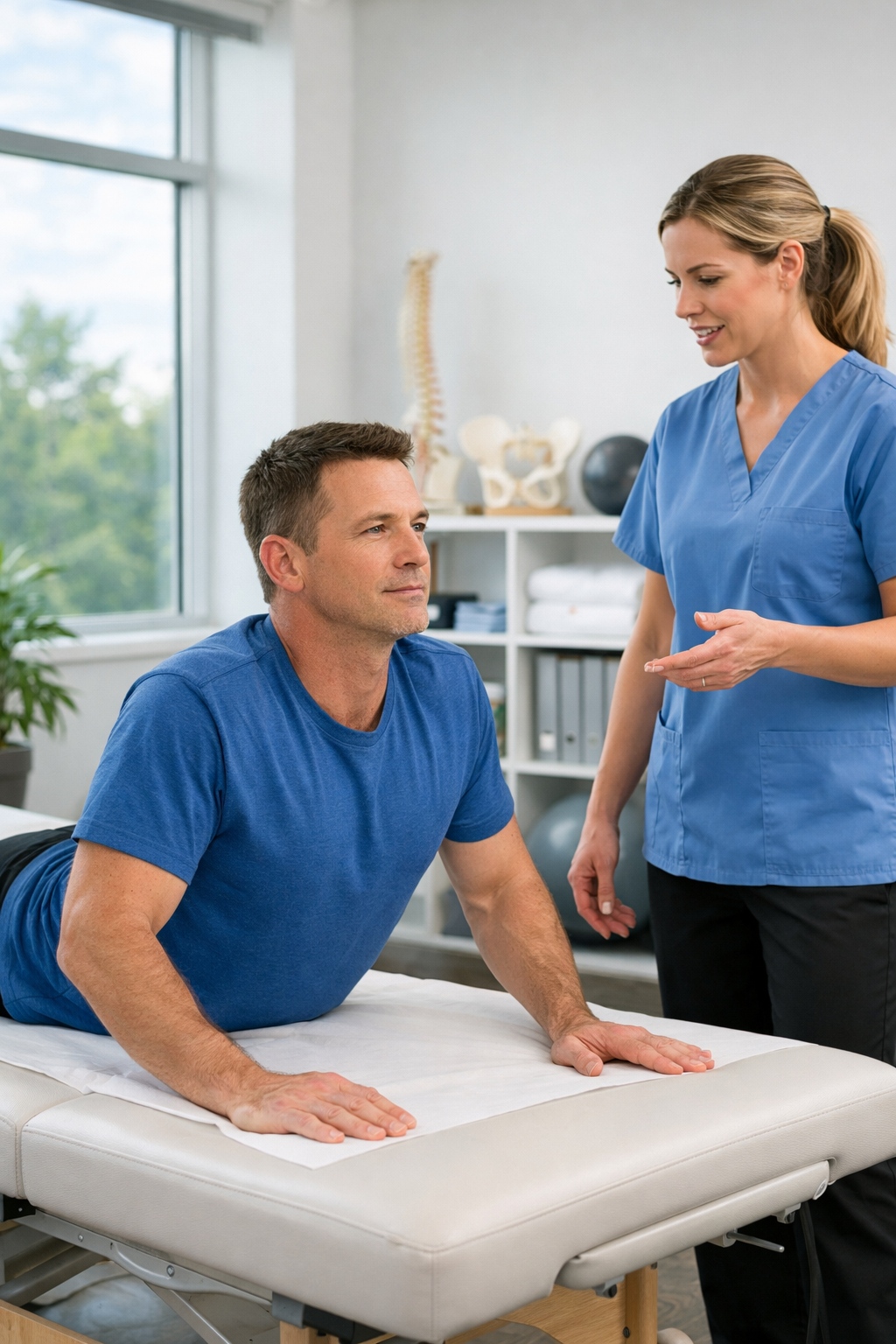
Your therapist identifies the specific movement directions that centralize your pain — drawing it away from your leg and back toward the midline of your spine. For most lumbar herniations, extension-based exercises are the cornerstone. You learn a repeatable exercise sequence you can use at home, at work, or during a break on your commute. The McKenzie Method has strong evidence for reducing radicular symptoms and accelerating recovery.
MANUAL THERAPY AND SPINAL MOBILIZATION
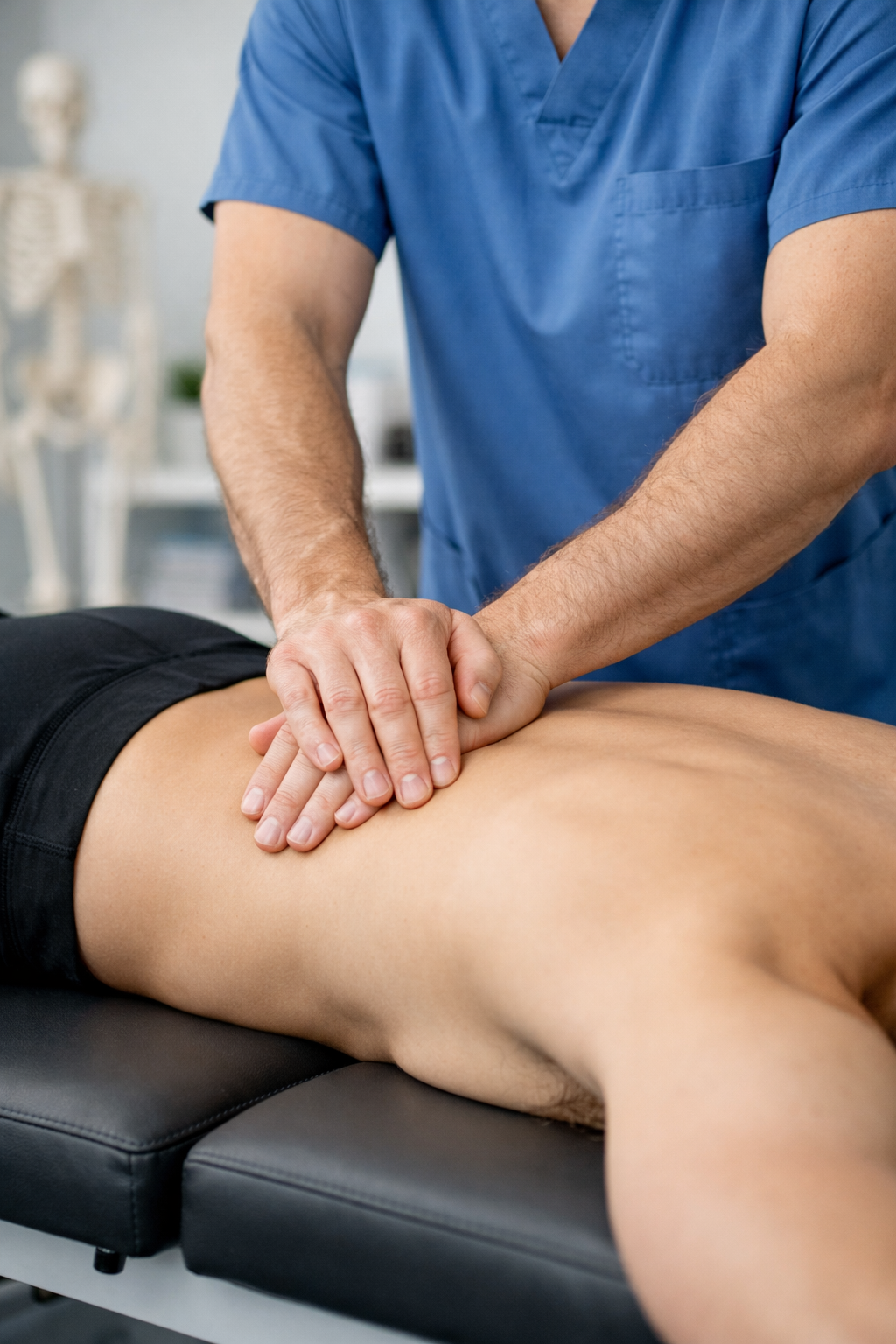
Manual therapy uses skilled, hands-on techniques to address the stiffness, muscle guarding, and joint restriction that accompany a disc herniation. Your therapist applies targeted joint mobilization and soft tissue work to restore lumbar segmental motion, improve local blood flow, and reduce pain. For Clifton patients who arrive barely able to bend or stand upright, manual therapy often provides meaningful relief within the first few sessions.
CORE STABILIZATION AND STRENGTH TRAINING
The deep core muscles — transverse abdominis, multifidus, and pelvic floor — form the internal bracing system that protects your lumbar discs during every movement you make:
- Segmental stabilization — Exercises that train these muscles to fire automatically when you lift, bend, or twist
- Hip and gluteal strengthening — Building the hip extensors and abductors to reduce the compensatory load on your lumbar spine during walking, stair climbing, and physical work
- Progressive functional challenges — Advancing from controlled holds (plank, bird-dog) to real-world movements like lifting boxes, carrying equipment, and bending to a car trunk
- Flexibility restoration — Stretching tight hamstrings, hip flexors, and piriformis muscles to correct pelvic alignment and reduce disc compression
NEURAL MOBILIZATION AND NERVE CARE
When disc herniation compresses the sciatic nerve, the nerve can become tethered to surrounding tissue. Gentle nerve gliding and flossing techniques restore the nerve’s natural mobility, reducing the radiating pain and tingling that follow the nerve pathway from your back into your leg.
DRY NEEDLING AND EPAT FOR PERSISTENT SYMPTOMS
- Dry needling — Thin needles release deep trigger points in the lumbar paraspinals, piriformis, and gluteal muscles where chronic tension builds. This is particularly helpful for Clifton’s manufacturing workers whose muscles carry years of accumulated strain.
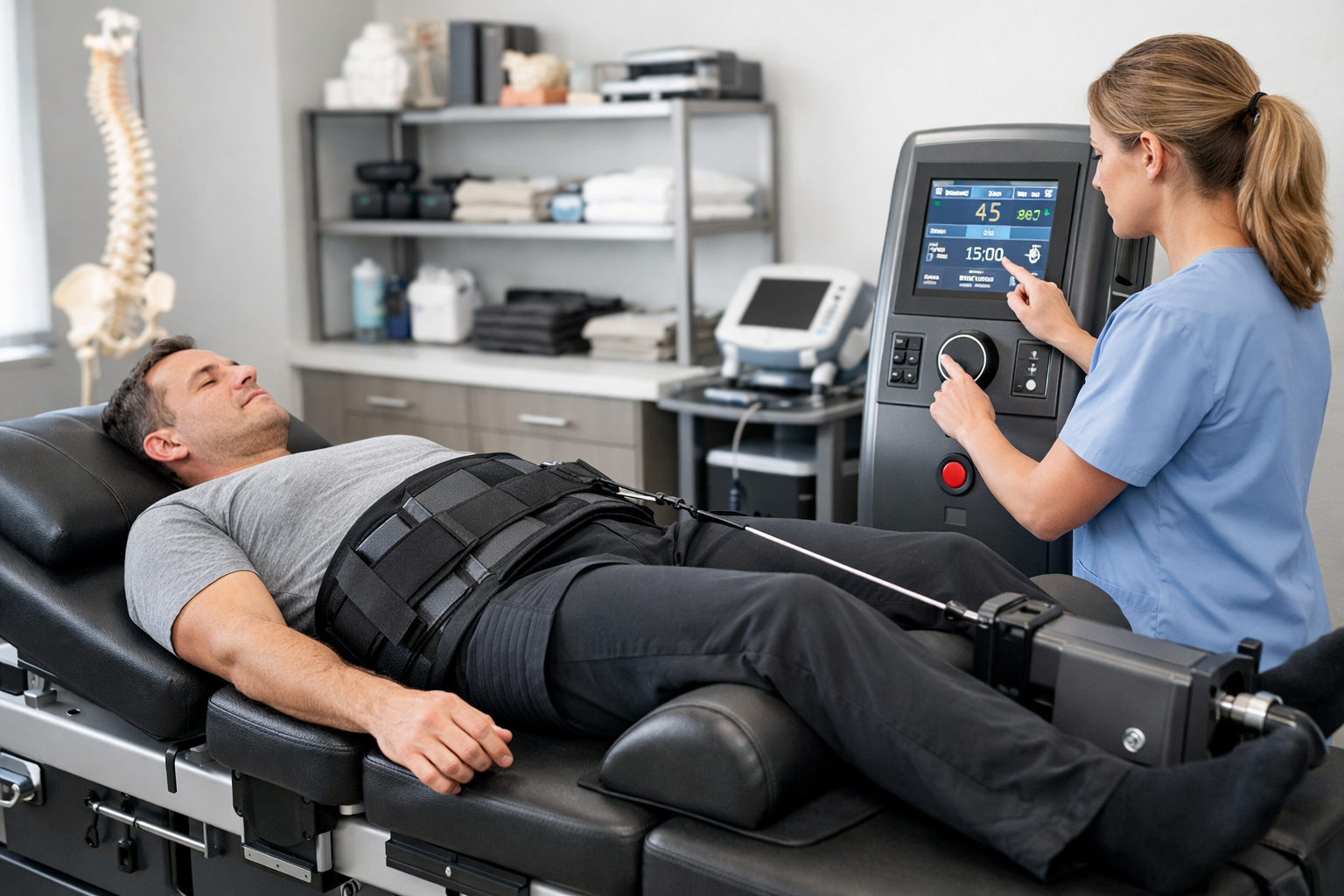
- EPAT / Shockwave Therapy — Extracorporeal Pulse Activation Technology delivers targeted shockwaves that stimulate tissue healing, increase blood flow, and reduce chronic pain — an option for patients whose symptoms persist beyond the typical recovery window.
RETURN-TO-WORK AND SPORT-SPECIFIC PROGRAMMING
Before you go back to the warehouse floor, the soccer field, or your full commute, your therapist prepares you with task-specific drills that test your spine under realistic loads. You also receive a customized home exercise program that keeps your recovery on track after your final session.
PREVENTING RECURRENCE IN CLIFTON
- Commit to core training — Three sessions per week minimum. Use the Boys & Girls Club gym, a local fitness center, or a home routine.
- Use proper lifting mechanics — Bend at the hips and knees, keep the load close to your body, and avoid twisting under load. This applies to work, yard tasks, and sports.
- Break up your commute — Stand and stretch during bus stops or traffic breaks. Use a lumbar support cushion during the drive.
- Stay physically active — Walk Weasel Brook Park or Dundee Island Park, swim, or cycle. Low-impact movement keeps your discs nourished and your muscles supporting your spine.
- Maintain a healthy weight — Excess weight around the midsection increases compressive force on lumbar discs.
- Practice daily spinal mobility — Standing extensions, Cat-Cow stretches, and Half Cobra exercises help maintain disc space and prevent stiffness.
- Listen to your body — Mild soreness is normal. Sharp or radiating pain means it is time to modify your activity and check in with your physical therapist.
WHY CLIFTON RESIDENTS CHOOSE TRINITY REHAB
- One-on-one treatment — You work with a licensed physical therapist for the entire session. No aides, no group exercises.
- Evidence-based care — McKenzie Method, manual therapy, neural mobilization, dry needling, and EPAT — all chosen based on the latest research.
- Passaic County convenience — Our Clifton clinic serves residents from Passaic, Paterson, Montclair, Nutley, and the surrounding area.
- Insurance-friendly — We accept most major plans and explain your coverage before you begin.
- Workforce understanding — We treat a community of workers, athletes, and commuters, and we tailor every plan to the physical demands of your real life.
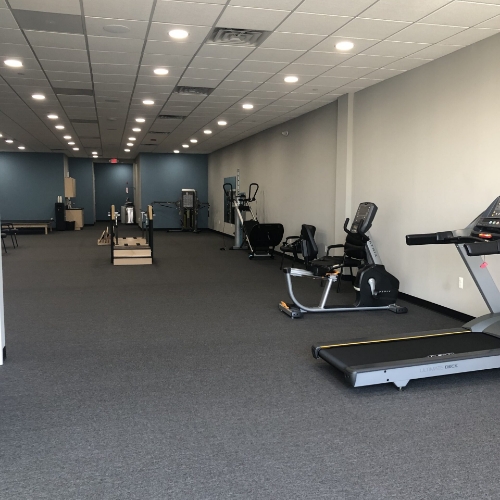
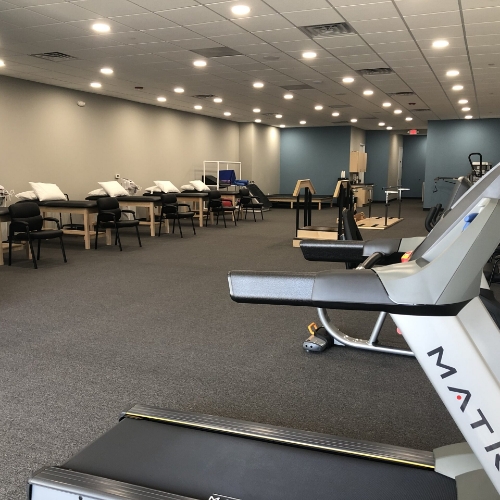
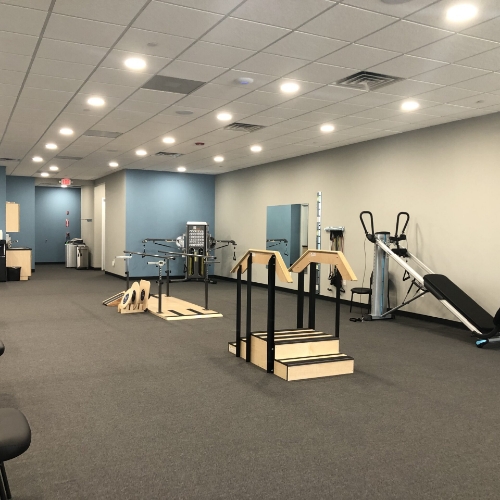
INSIDE OUR CLIFTON CLINIC
RELATED CONDITIONS & TREATMENTS
Lumbar disc herniation is just one of the many conditions we treat at Trinity Rehab Clifton. Explore our full range of conditions we treat or learn more about specific treatment approaches:
FREQUENTLY ASKED QUESTIONS
Can a herniated disc heal without surgery?
How soon should I start physical therapy?
Can I keep working with a herniated disc?
What is the difference between a herniated disc and a bulging disc?
Is the Trinity Rehab Clifton location easy to get to?
GETTING BACK TO YOUR CLIFTON LIFE
A lumbar disc herniation can make you feel like your body has turned against you — every shift at work, every step at Nash Park, every minute on the bus feels like a test. But with focused, one-on-one physical therapy at Trinity Rehab, recovery is within reach.
YOUR NEXT STEPS
- Request an appointment at Trinity Rehab Clifton — walk-ins welcome, or schedule online.
- Meet your physical therapist for a thorough one-on-one evaluation.
- Start your personalized treatment plan — relief often begins within the first few sessions.
No referral needed in New Jersey. Contact Trinity Rehab Clifton today.
Sources:



Sign up for free health tips and tricks