
PLANTAR FASCIITIS TREATMENT IN CLARK, NJ | TRINITY REHAB
THE PAIN THAT SHADOWS EVERY STEP IN CLARK
Clark Township is one of Union County’s most active communities — with Oak Ridge Park drawing morning runners along its multi-use fitness trails, Esposito Park filling up with pickleball players and little leaguers, and Hyatt Hills Golf Complex welcoming players year-round. The Rahway River Parkway offers one of the most scenic walking corridors in the area, winding past Robinson’s Branch Reservoir through wooded stretches that make it easy to forget you are in suburban New Jersey.
Against that backdrop, heel pain is especially disruptive. Plantar fasciitis — the stabbing, burning discomfort that comes with those first morning steps, or returns after sitting through a meeting or a long drive on Route 22 — can sideline you from the activities that define life in Clark. It is the most common cause of heel pain in adults, and it is one of the conditions Trinity Rehab treats most successfully.
If you have been limping through your morning walks at Oak Ridge, wincing after your Clark Little League coaching sessions, or dreading the walk to the UPS distribution center floor, this article is for you.
THE ANATOMY BEHIND YOUR HEEL PAIN
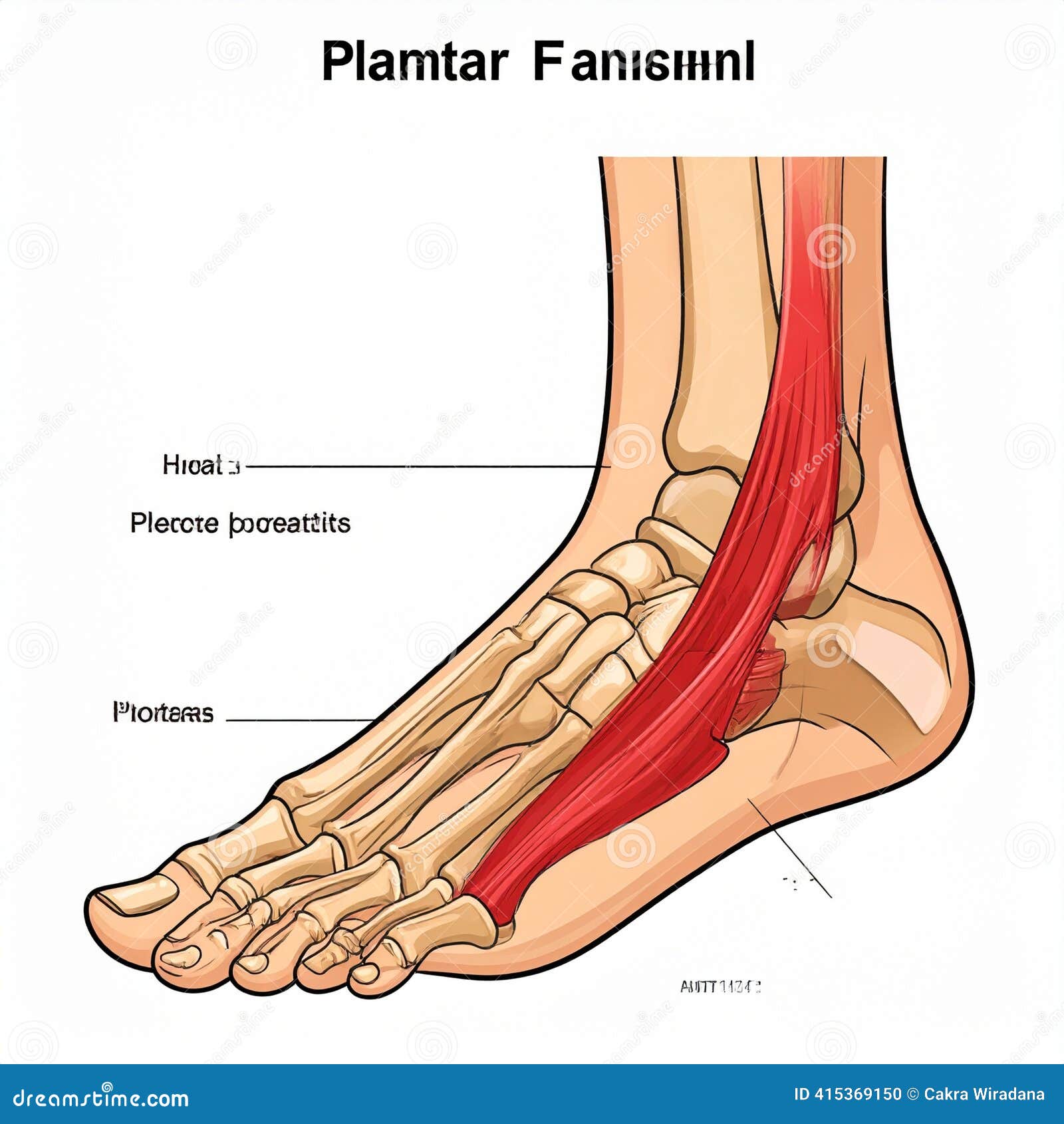
Your plantar fascia is a thick, fibrous band of tissue that connects your heel bone (calcaneus) to the base of your toes, spanning the entire length of your foot’s arch. It is load-bearing architecture — every time you take a step, the plantar fascia absorbs ground reaction forces, supports your arch, and helps propel you forward through the windlass mechanism. Over the course of a day, especially an active one, it handles an enormous cumulative load.
Plantar fasciitis occurs when repetitive stress causes micro-tears where the fascia originates at the calcaneus. The body responds with inflammation, and that inflammatory cycle is what produces the distinctive pain signature the condition is known for. Without appropriate treatment, the cycle of damage and incomplete healing can persist for months or even years, and the tissue can begin to chronically degenerate — a state sometimes called plantar fasciopathy that is less responsive to simple stretching and rest.
The frustrating reality is that plantar fasciitis often develops gradually, without a single identifiable event. One week you are fine; a month later you are stepping gingerly on your way to the coffee maker and wondering what happened.
RELATED CONDITIONS & TREATMENTS
Plantar fasciitis is just one of the many conditions we treat at Trinity Rehab Clark. Explore our full range of conditions we treat or learn more about specific treatment approaches:
WHY CLARK RESIDENTS ARE VULNERABLE
Several features of daily life in Clark Township create a consistent pattern of risk:
Trail Running and Walking at Oak Ridge and the Rahway Parkway: Oak Ridge Park’s fitness trail and the Rahway River Parkway together form Clark’s most popular routes for runners, walkers, and cyclists. The paved and packed-gravel surfaces are excellent for cardio — but they are unforgiving on heels, particularly when mileage spikes in spring or fall. Members of the Still I Run chapter based in Clark, as well as Central Jersey Road Runners Club participants who train on these routes, are among the most common presentation types seen in plantar fasciitis treatment.
Youth Sports and High School Athletics: Arthur L. Johnson High School’s Crusaders compete in a full range of sports, and the Clark Recreation Department runs youth soccer, basketball, tennis, and swimming programs year-round through partnerships with community facilities. Young athletes in cleats and court shoes absorb enormous repetitive impact through their heels during sprinting, jumping, and cutting. Parents and coaches who stand for hours on hard surfaces at Clark Little League fields and Esposito Park face cumulative standing stress of their own.
Pickleball Growth: Esposito Park has become a hub for pickleball in Clark, and the sport’s explosive popularity has brought with it a wave of new players — many of them adults in their 40s and 50s who are significantly more active than before. Quick lateral movements, stop-and-start footwork, and court surfaces combine to place significant stress on the plantar fascia in players who are not yet conditioned for the demands.
Occupational Standing: Target, UPS, FedEx, Amazon distribution, and CaroTrans logistics all operate in or near Clark. The workers on those floors — standing, lifting, and walking for full shifts on concrete — develop plantar fasciitis at high rates. Clark Nursing and Rehabilitation Center staff face the same hard-floor demands on extended shifts.
RECOGNIZING THE SYMPTOMS
A Clark resident who jogs the Rahway Parkway three mornings a week knows the feeling: after increasing mileage to prepare for a 5K, heel pain starts appearing after each run. Within two weeks it is there every morning — worst after lying in bed all night, slightly better after moving around, and then back again after sitting at a desk. That is plantar fasciitis in its classic presentation.
Other recognizable signs include:
- First-step morning pain — a sharp, intense pain in the heel or arch that occurs immediately upon standing after sleep or rest
- Post-inactivity pain — the same stabbing pain after sitting through a meeting, a meal, or a car ride
- Localized heel tenderness — pressing on the inner base of the heel recreates the exact pain you feel during activity
- Arch tightness — a feeling of tension along the bottom of the foot, especially in the morning
- Activity-related flares — pain that is manageable during a walk or run but intensifies in the hours after
- Gradual gait compensation — unconsciously shifting weight to the outside of your foot, which over time loads the knees and hips abnormally
When gait compensation becomes habitual, the downstream effects can include back pain, sciatica, and hip dysfunction. Addressing the foot problem early prevents the chain reaction.
HOW PHYSICAL THERAPY TREATS PLANTAR FASCIITIS AT TRINITY REHAB CLARK
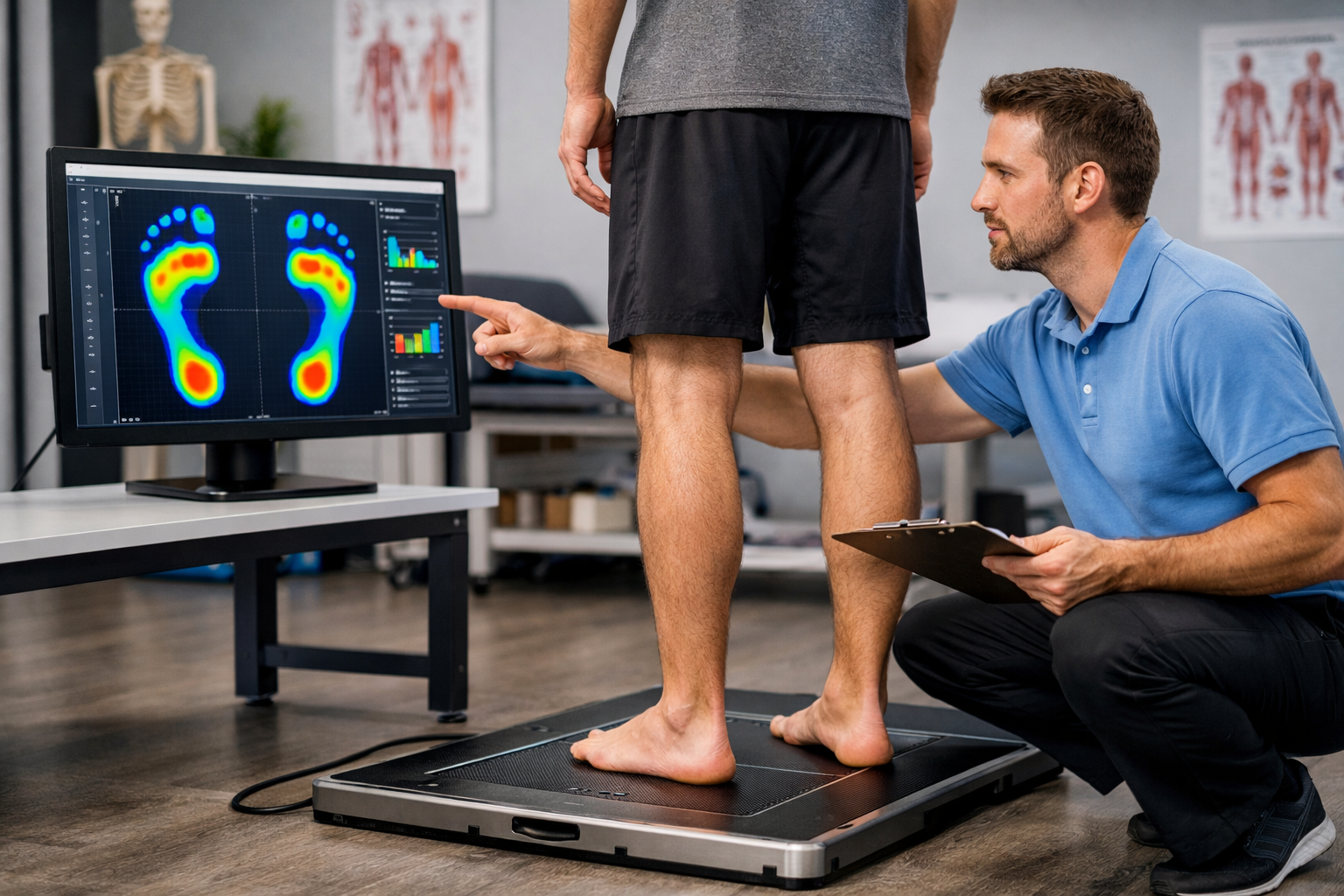
Trinity Rehab’s approach to plantar fasciitis is built on a thorough, individualized evaluation — not a one-size-fits-all protocol. Your licensed physical therapist will assess your foot mechanics, ankle range of motion, calf flexibility, and gait pattern to identify what is specifically driving your heel pain. From there, your treatment program combines the following evidence-based interventions.
MANUAL THERAPY AND SOFT TISSUE WORK
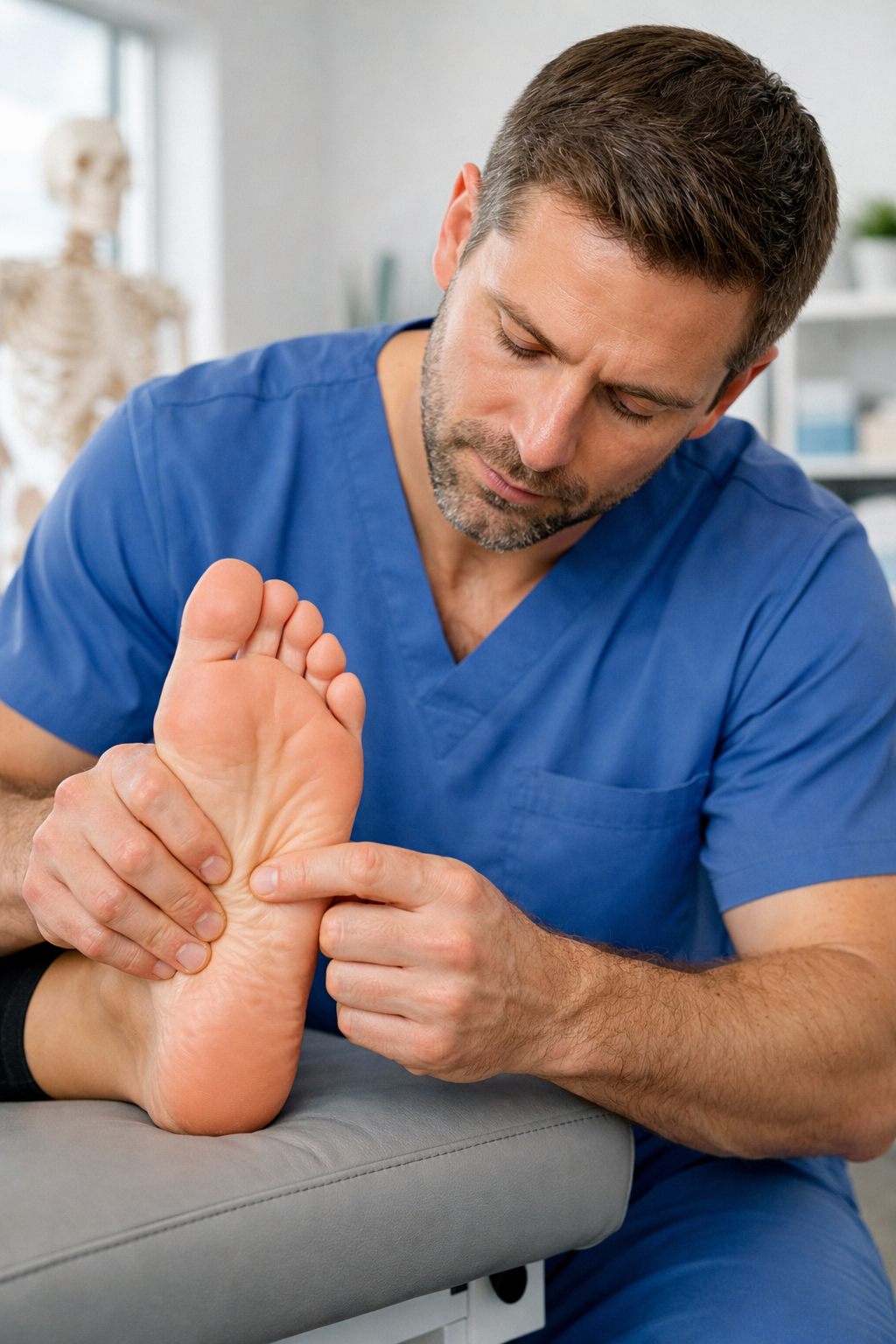
Manual therapy forms the hands-on foundation of plantar fasciitis rehabilitation. Your therapist will use joint mobilization of the ankle and subtalar joints to restore normal range of motion and reduce the mechanical stiffness that overloads the fascia. Research published in the Journal of Orthopaedic & Sports Physical Therapy confirms that subtalar joint mobilization combined with stretching produces significantly greater improvements in pain and function than conventional care alone.
Instrument-assisted soft tissue mobilization (IASTM) uses specialized tools to systematically work through the scar tissue adhesions that develop along the plantar fascia and calf complex after repetitive injury. Myofascial release techniques address trigger points in the foot intrinsics and gastrocnemius-soleus complex — the tight spots that keep the fascia under chronic tension.
TARGETED STRETCHING PROTOCOLS
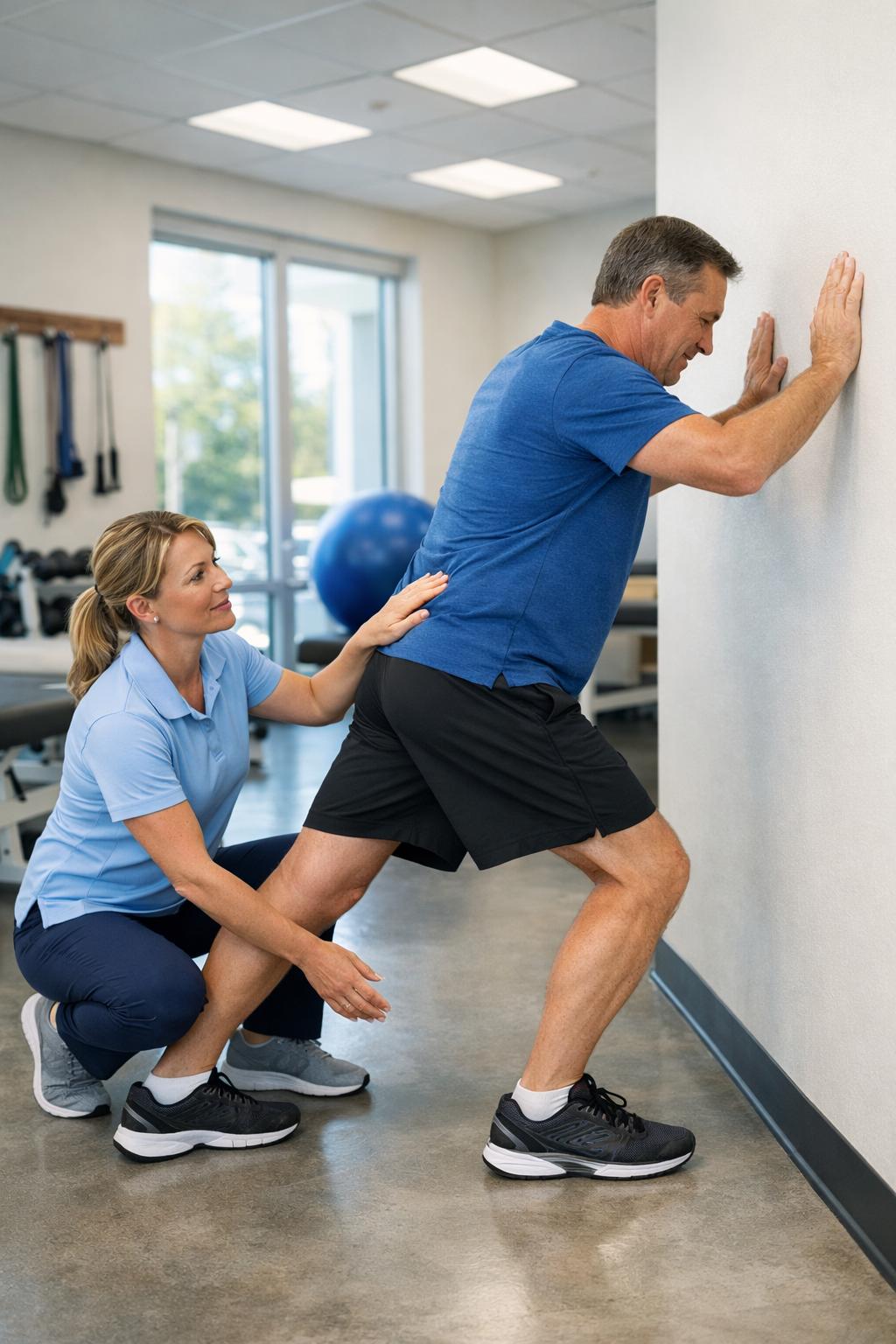
Flexibility restoration is non-negotiable in plantar fasciitis recovery. Your program includes:
- Plantar fascia-specific stretch performed seated before taking the first morning steps — the highest-evidence single intervention in the clinical literature
- Gastrocnemius and soleus stretching to restore ankle dorsiflexion, which is consistently restricted in plantar fasciitis patients and directly increases heel load during walking
- Achilles eccentric loading through progressive calf-raise drops off a step edge, building fascial and tendon resilience over time
STRENGTHENING AND MOVEMENT RETRAINING
Weak intrinsic foot muscles are a silent contributor to plantar fasciitis. Short-foot exercises, towel scrunches, and single-leg balance progressions build the deep arch-supporting musculature that reduces passive demand on the fascia. For runners preparing to return to the Rahway Parkway or Oak Ridge trails, gait retraining addresses the specific mechanics — step rate, foot strike, trunk lean — that may be contributing to overload.
ADVANCED MODALITIES: EPAT AND DRY NEEDLING
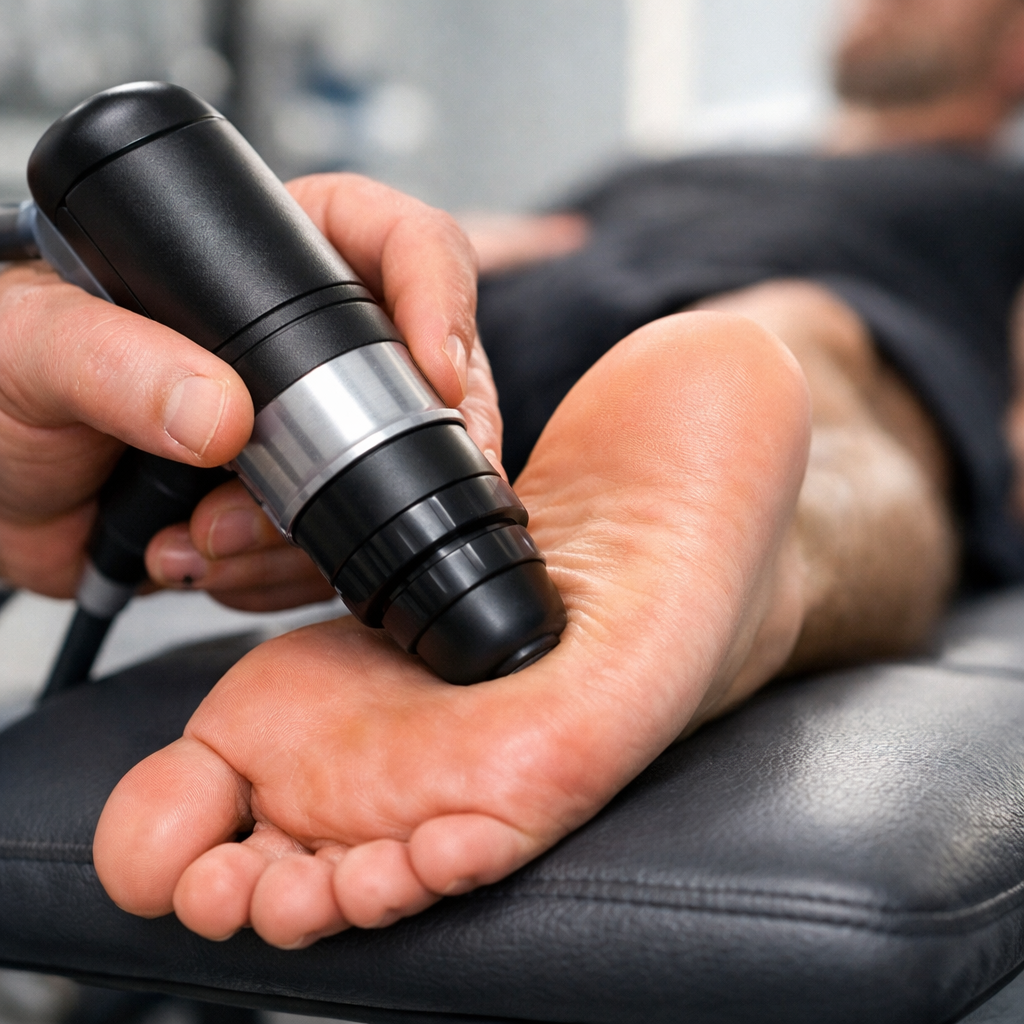
When conventional manual therapy and exercise reach their limits with chronic or recalcitrant cases, Trinity Rehab offers EPAT shockwave therapy — acoustic pressure waves that stimulate cellular healing and blood flow in degenerated fascial tissue. The Mayo Clinic identifies ESWT as an effective option for chronic plantar fasciitis.
Dry needling releases deep neuromuscular trigger points in the calf and intrinsic foot muscles — tension that manual stretching alone often cannot fully resolve.
FOOTWEAR AND ORTHOTIC ASSESSMENT
Your therapist will review your current footwear — critical for runners, pickleball players, and workers spending eight-plus hours on their feet. Custom orthotics or supportive inserts may be recommended to correct overpronation or provide the arch support your shoes are not delivering. Night splints prevent the overnight fascial contracture that causes first-step morning pain.
KEEPING YOUR HEELS HEALTHY IN CLARK
Recovery is only complete when you have the tools to stay recovered. For Clark residents specifically:
- Replace your trail shoes before the next running season. Running shoes lose meaningful shock absorption after 300–500 miles. If you ran Oak Ridge all last fall and spring, your midsoles are likely worn beyond their protective capacity.
- Warm up before pickleball at Esposito Park. A brief dynamic warm-up including calf raises, ankle circles, and light walking before stepping on the court can dramatically reduce injury risk for this high-demand sport.
- Invest in occupational footwear. Workers at UPS, Target, or Clark Nursing and Rehab should prioritize cushioned, supportive work shoes over general-purpose footwear. Replace them on a schedule.
- Maintain your stretching routine year-round. Continuing the plantar fascia and calf stretching program even after symptoms resolve is the single most reliable predictor of non-recurrence.
- Follow the 10% rule for mileage. Whether you run or walk, increase your weekly volume by no more than 10% per week to allow tissue adaptation.
WHY CLARK PATIENTS CHOOSE TRINITY REHAB
Trinity Rehab’s Clark location delivers the one-on-one care model that makes the difference between a generic recovery and a genuinely effective one. Your sessions are spent entirely with a licensed physical therapist — never delegated to an aide or an assistant. That means faster adaptations to your plan, more precise progression, and better outcomes.
We accept most major insurance plans, offer scheduling that accommodates early shifts at logistics facilities and late shifts at healthcare centers, and our clinical protocols are grounded in the latest American Physical Therapy Association guidelines. Browse our full list of treated conditions and our dedicated foot and ankle treatment page.
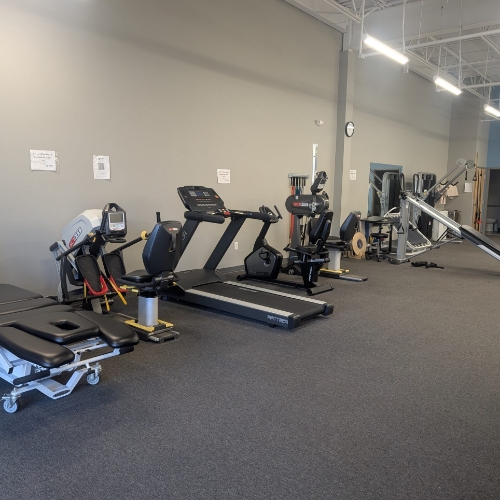
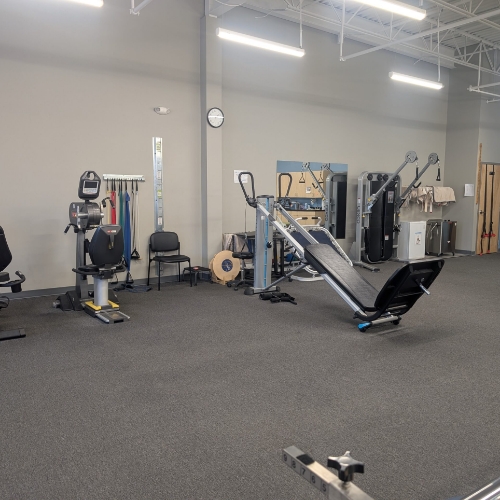
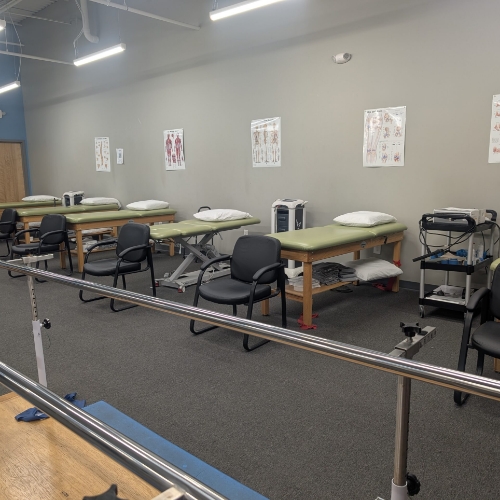
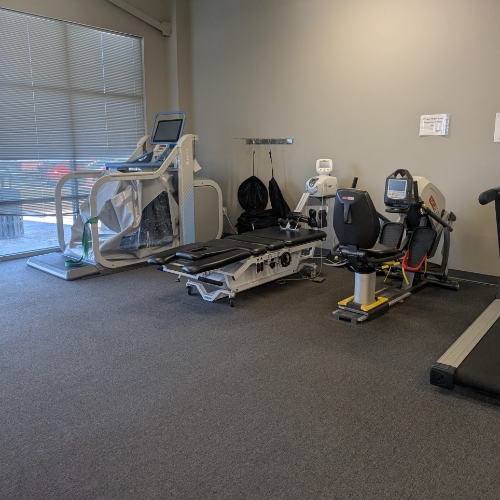
Inside Our Clark Clinic
FREQUENTLY ASKED QUESTIONS
Where can I get plantar fasciitis treatment in Clark, NJ?
Can I still run on the Rahway River Parkway while I am being treated?
How long does recovery typically take?
Do I need a doctor’s referral?
My pickleball buddies say I just need to rest it. Is that true?
CLARK’S ANSWER TO HEEL PAIN
You should not have to choose between your morning walk on the Rahway Parkway and getting through a pain-free day. Trinity Rehab Clark is ready to help you build a recovery plan that fits your life — your activity level, your schedule, and your goals.
No physician referral required. Most insurance accepted.
Sources: Journal of Orthopaedic & Sports Physical Therapy — Heel Pain Clinical Practice Guidelines, 2023 | Mayo Clinic — Plantar Fasciitis | APTA — Plantar Fasciitis Clinical Practice Guidelines | NIH — Management of Plantar Fasciitis
What Our Patients Say