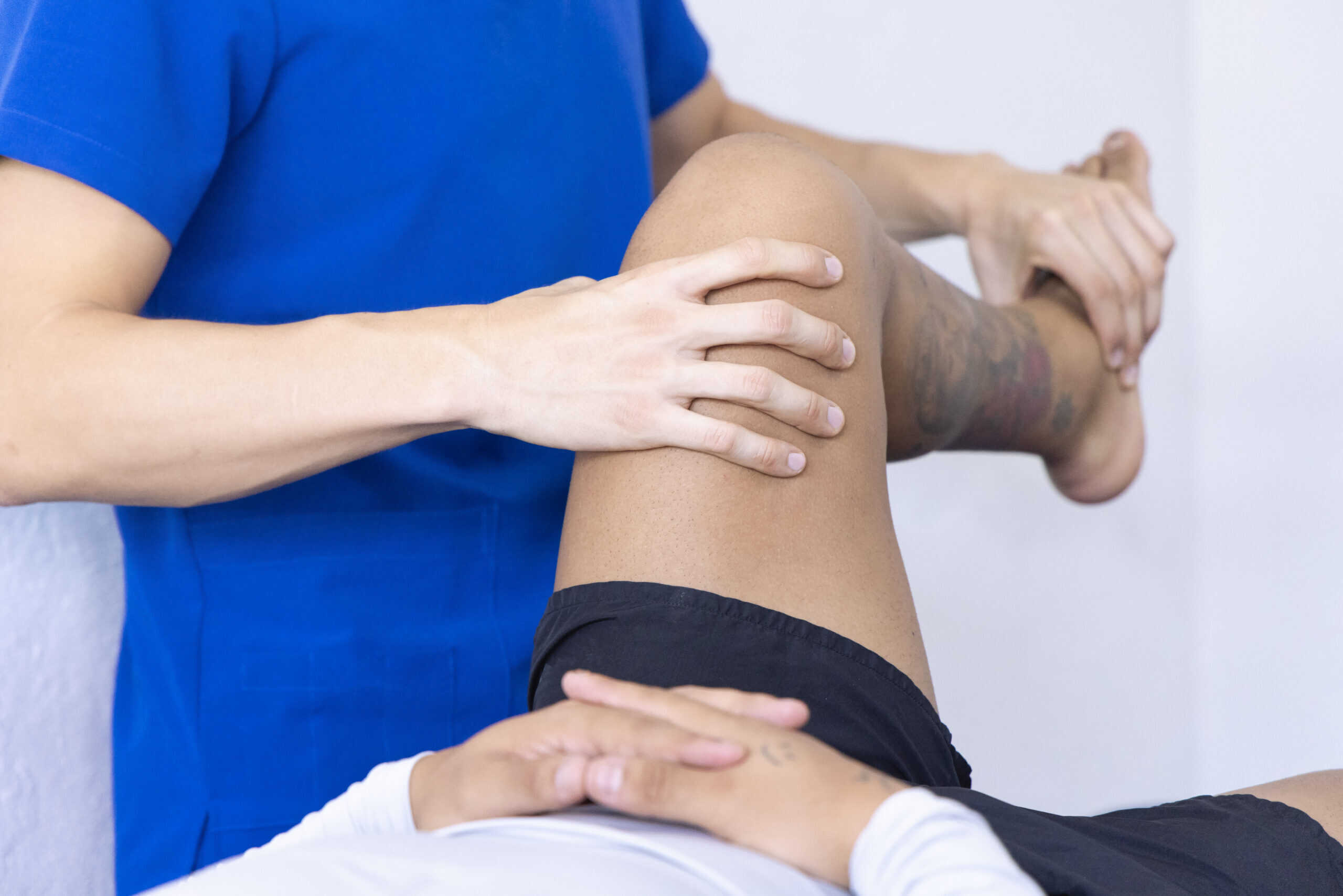
Knee Pain Treatment in Clark, NJ: Getting Union County Residents Back in Motion
Clark is a commuter suburb that runs on routine — morning drives to the GSP, evenings at Clark Little League fields, weekends at Kupke Memorial Park or the Recreation Center. For a community where the median age sits in the mid-40s and nearly a quarter of residents are 65 or older, knee pain is not a rare inconvenience. It’s one of the most common things keeping Clark residents from the routines they’ve built their lives around.
Physical therapy works for most knee conditions — often better and faster than people expect, and without the recovery time of surgery. At Trinity Rehab, Clark-area patients receive individualized care from a licensed therapist who takes the time to understand what’s driving their knee pain and what it’s keeping them from doing. That context shapes everything.
The Knee Pain Picture in Clark, NJ
Clark is a close-knit community where the injury landscape reflects the population. The town’s commuter profile — with most residents driving 30 minutes or more to work each day — means long periods of sitting in cars and office chairs, which stiffen hip flexors and glutes and translate directly into increased knee stress. Then add the evening and weekend activities that Clark residents actually enjoy.
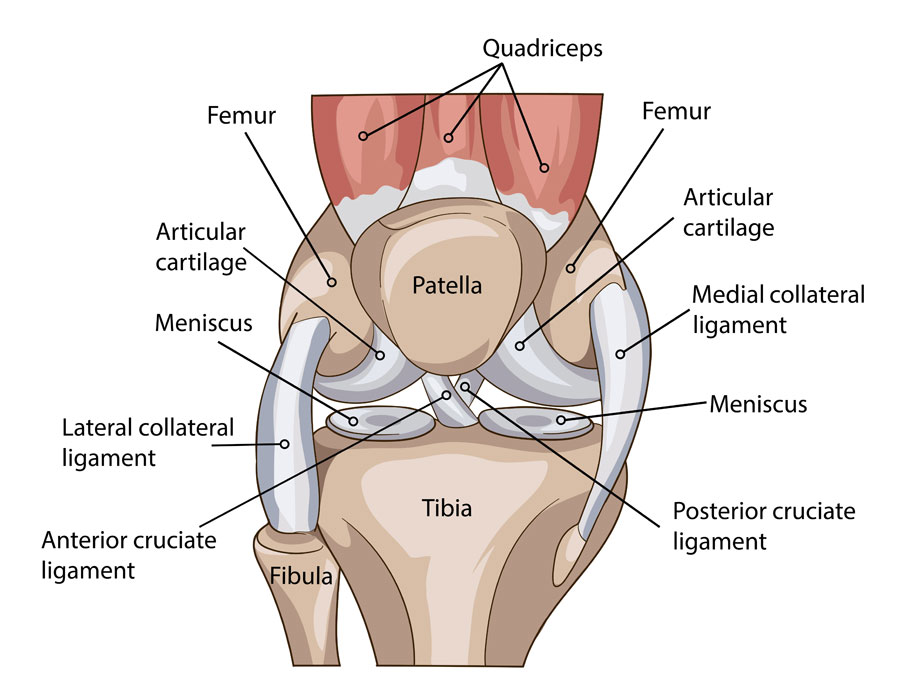
Arthur L. Johnson High School’s Crusaders compete in the Union County Interscholastic Athletic Conference with a real tradition in football, field hockey, and bowling — but it’s in the contact and cutting sports where knee injuries accumulate. Football blocks and tackles, field hockey pivots, and the sudden-stop demands of basketball all put significant stress on the ACL, meniscus, and patella. Younger athletes who sustain these injuries need structured rehabilitation; those who try to play through them often end up with longer recoveries and higher re-injury risk.
Adult recreational athletes at the Clark Recreation Center and LA Fitness face a different challenge: the accumulated wear of years of activity, increasingly imperfect movement mechanics, and bodies that no longer recover as quickly from a hard weekend. Knee osteoarthritis, meniscus degeneration, and IT band syndrome are common among this group.
For residents employed in Clark’s warehouse and light industrial spaces — notably the logistics and distribution corridors near the Garden State Parkway — occupational knee stress from repetitive lifting, prolonged standing, and kneeling adds to the picture. Atlantic Health System’s Clark North Pavilion serves many of these patients locally, and physical therapy is frequently part of the care pathway.
Conditions we treat for Clark-area patients:
- Knee osteoarthritis — in active adults and retirees who want to keep moving
- ACL and meniscus injuries in Arthur L. Johnson student-athletes
- Patellofemoral syndrome (runner’s knee) and IT band syndrome in recreational runners
- Patellar tendonitis in jumping sport athletes
- Post-surgical rehabilitation after knee replacement or ACL reconstruction at Robert Wood Johnson Rahway or JFK Edison
- Work-related knee pain from Clark’s industrial and healthcare workforce
Our Approach to Knee Pain Treatment
Evaluation First — Always
No two knee problems are the same. A Clark resident in their 50s managing osteoarthritis and a high school Crusader recovering from a field hockey knee injury present very differently — and they should receive very different treatment plans. Every Trinity Rehab patient starts with a thorough one-on-one evaluation: range of motion testing, strength assessment, movement analysis, and an honest conversation about what the knee pain is costing them in daily life.
That evaluation drives every clinical decision that follows.
Manual Therapy
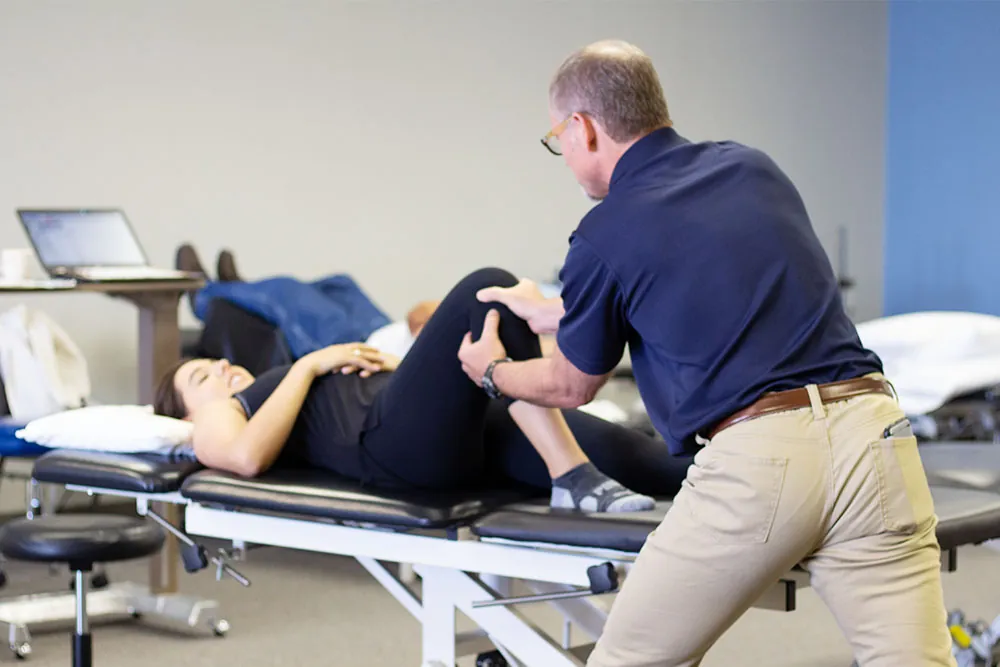
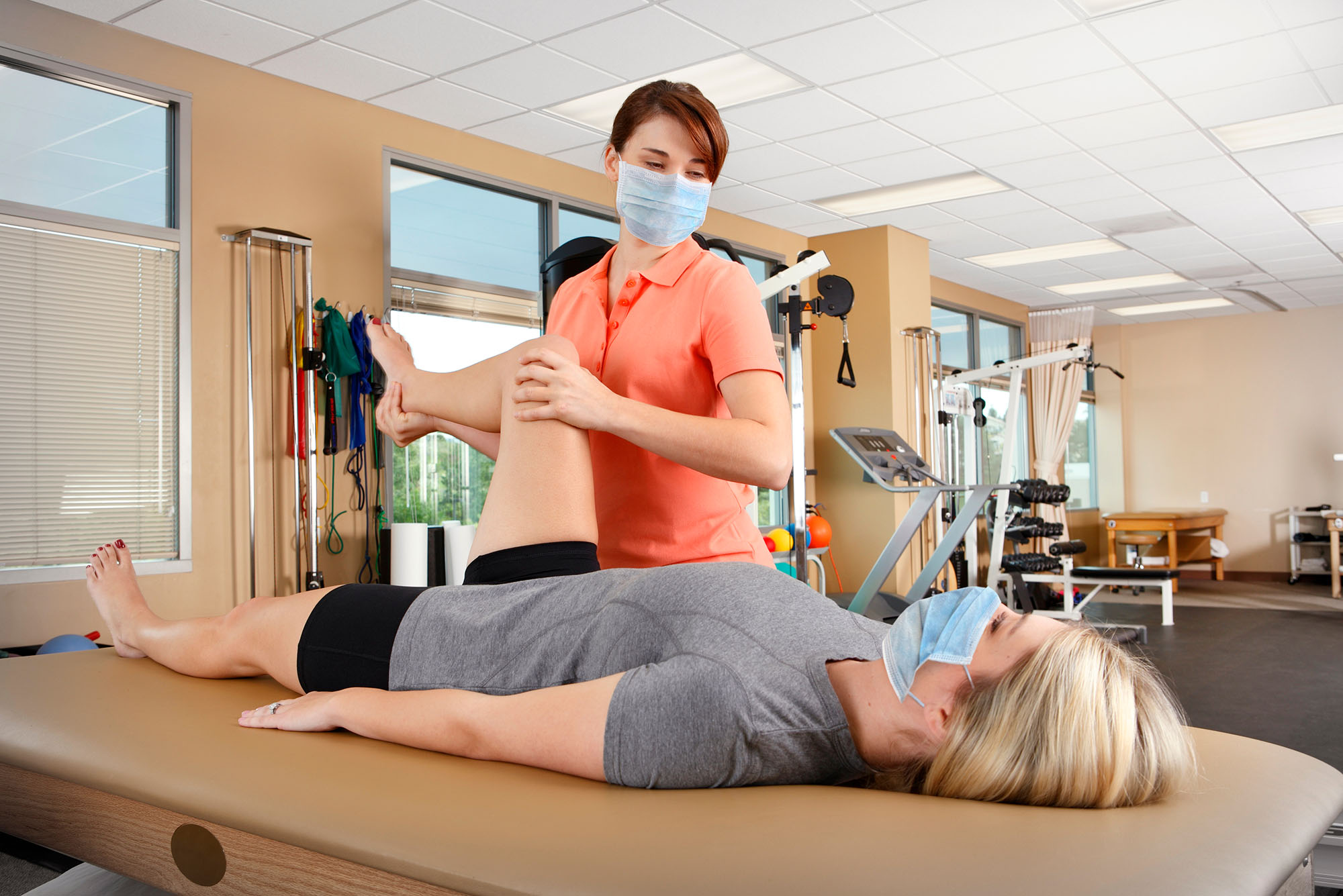
Manual therapy is performed directly by your licensed therapist and forms the backbone of early treatment for most knee conditions. Joint mobilization restores normal mechanics in a stiff knee, soft tissue mobilization releases tight structures in the quadriceps and IT band, and patellar mobilization corrects poor kneecap tracking. Manual therapy reduces pain, improves range of motion, and prepares the knee for the exercise work that drives lasting recovery.
Strengthening: The Engine of Knee Stability
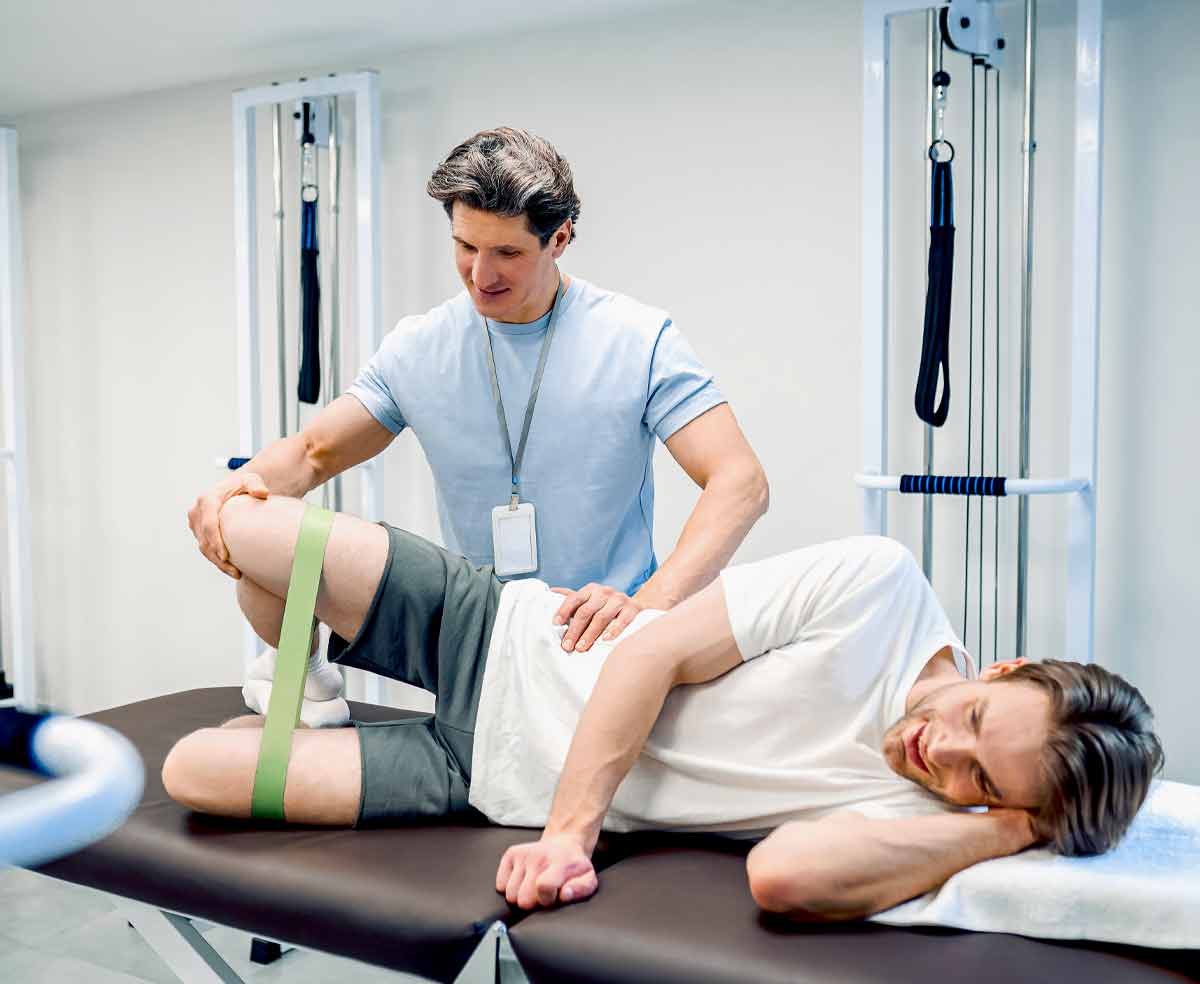
The research is consistent: strengthening the muscles that support the knee — quadriceps, hamstrings, glutes, and hip stabilizers — reduces pain across every major knee condition and prevents return of symptoms. Evidence in Current Reviews in Musculoskeletal Medicine confirms that combined hip and knee strengthening produces meaningful improvements in both pain and function.
Your therapist will build a progressive resistance program matched to your starting strength and pain level, advancing it as you improve. This isn’t a generic exercise sheet — it’s a calibrated program that changes as you do.
Dry Needling
Dry needling is one of the most effective tools for addressing the persistent muscle tightness that accompanies and perpetuates knee pain. For Clark residents dealing with tight quad or IT band trigger points after a hard workout at Retro Fitness or a long shift in a warehouse environment, dry needling provides targeted relief that accelerates response to exercise therapy. Thin sterile needles are inserted into trigger points — tight, irritable bands in the muscle — releasing tension and restoring normal tissue function.
EPAT Shockwave Therapy
Chronic tendon conditions — patellar tendonitis, IT band syndrome, or persistent soft tissue pain that hasn’t fully resolved with exercise — respond well to EPAT shockwave therapy. EPAT delivers focused acoustic pulses that stimulate blood flow and accelerate healing in damaged tissue. It’s particularly valuable for Clark’s adult athletes managing conditions that have lingered despite previous treatment attempts.
Neuromuscular Training and Functional Rehabilitation
Pain and injury disrupt the nervous system’s communication with the muscles that stabilize the knee. After ACL reconstruction or a prolonged osteoarthritis flare, the reflexes that protect the joint during quick directional changes — stepping off a curb, pivoting in the rec center, negotiating an uneven surface at Kupke Memorial Park — can be unreliable. Neuromuscular retraining restores these reflexes through balance work, proprioception drills, and progressively complex movement patterns.
For Arthur L. Johnson athletes returning to field hockey or football, this phase of training is non-negotiable. Returning to sport-level demand without first rebuilding neuromuscular control is a reliable path to re-injury.
AlterG Anti-Gravity Treadmill
When knee pain or post-surgical restrictions limit normal weight-bearing, the AlterG treadmill allows walking and functional movement with reduced load on the joint. For Clark residents recovering from knee replacement surgery performed at Robert Wood Johnson Rahway or nearby facilities, the AlterG enables earlier return to walking mechanics — maintaining function while protecting the healing joint.
Patient Education and Home Programs
Understanding what’s happening in your knee changes how you manage it. Your Trinity Rehab therapist will explain the mechanics behind your condition, teach you proper movement patterns for activities specific to your daily life, and send you home with a targeted exercise program that reinforces the progress made in sessions. The best outcomes happen when patients are active participants in their own recovery — and when they understand what they’re doing and why.
Preventing Knee Pain from Coming Back
Clark residents who finish a successful course of physical therapy ask the same question: “How do I make sure this doesn’t happen again?” The answer isn’t complicated, but it requires consistency:
- Keep up the home exercise program — quad, glute, and hip strengthening isn’t just for recovery, it’s long-term joint maintenance
- Replace athletic footwear before it breaks down (most running and court shoes need replacement every 300–500 miles or 6–12 months)
- Pay attention to how you sit in the car during your commute — long hip flexor tightness from daily driving contributes to knee stress
- Don’t ignore early warning signs; treating a minor flare early keeps it from becoming a major setback
Why Clark Residents Choose Trinity Rehab
Every session is one-on-one. Your licensed physical therapist is with you for every minute — no aides, no unsupervised exercise time. This model produces better outcomes and more efficient recovery.
No referral required in New Jersey. Clark residents can schedule an appointment and begin treatment without waiting for a physician’s referral. New Jersey’s direct access law makes it possible to start getting better this week.
Advanced technology in the clinic. EPAT shockwave therapy, dry needling, and the AlterG anti-gravity treadmill are available and integrated into care plans when they provide genuine clinical benefit — tools most Union County physical therapy practices don’t offer.
Insurance accepted. We work with most major plans and handle verification before your first appointment.
Explore all conditions we treat or read our full knee pain resource.
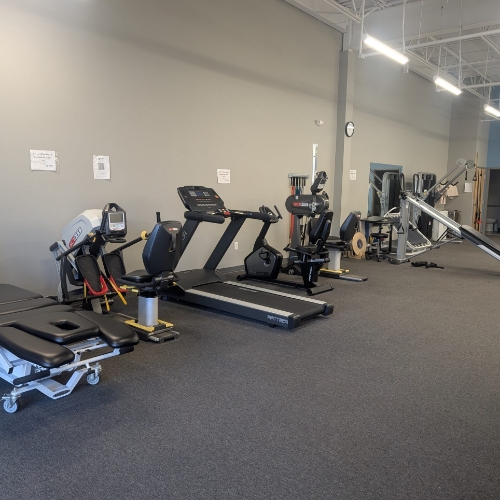
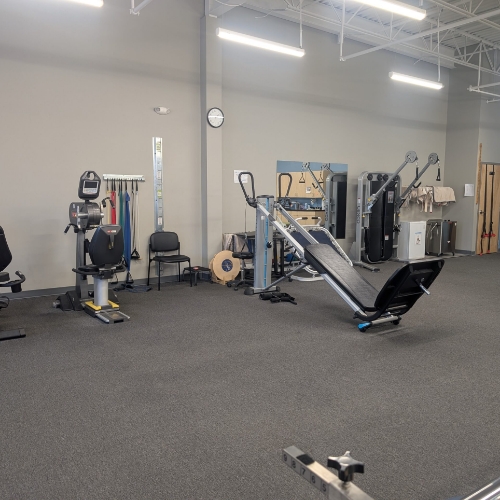
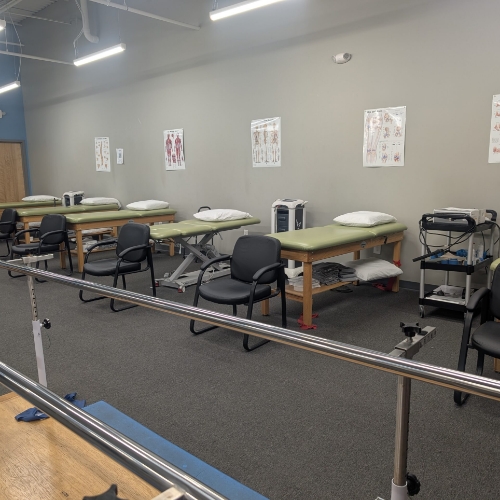
Inside Our Clark Clinic
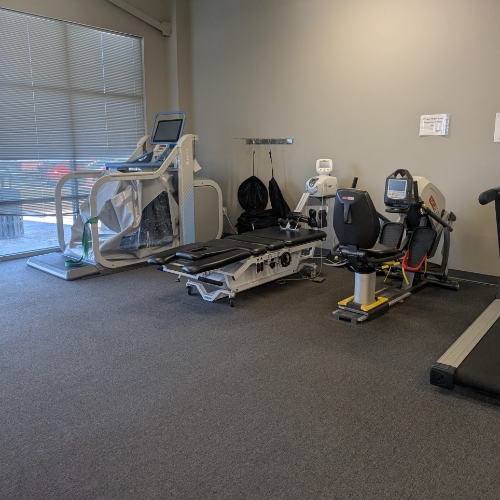
Related Conditions & Treatments
Knee pain is just one of the many conditions we treat at Trinity Rehab. Explore our full range of conditions we treat or learn more about specific treatment approaches:
Clark Knee Rehab For Stairs, Walking, And Daily Confidence
Knee pain can make stairs, walking, exercise, work, and getting in and out of a car more difficult. Clark rehab should identify whether strength, mobility, balance, swelling, or movement mechanics are driving the issue.
Your therapist may assess knee motion, quad and hip strength, walking mechanics, balance, and activity tolerance. The plan can progress from symptom control to stronger, more confident movement.
Related care includes ACL rehab, meniscus tear rehab, and the Clark physical therapy clinic page.
Frequently Asked Questions — Knee Pain Treatment in Clark, NJ
Clark Knee Rehab For Stairs, Walking, And Daily Confidence
Knee pain can make stairs, walking, exercise, work, and getting in and out of a car more difficult. Clark rehab should identify whether strength, mobility, balance, swelling, or movement mechanics are driving the issue.
Your therapist may assess knee motion, quad and hip strength, walking mechanics, balance, and activity tolerance. The plan can progress from symptom control to stronger, more confident movement.
Related care includes ACL rehab, meniscus tear rehab, and the Clark physical therapy clinic page.
Does physical therapy actually help knee osteoarthritis, or is it just managing symptoms?
My teenager hurt their knee playing for Arthur L. Johnson. Do they need surgery?
I work in a warehouse near the GSP. My knee hurts after long shifts. Can PT help with that?
Do I need a referral to see Trinity Rehab in Clark?
How quickly can I expect results?
Start Your Recovery in Clark
Whether your knee pain is making your morning commute miserable, keeping you off the recreation fields, or limiting what you can do at home, Trinity Rehab can help. One-on-one care, advanced technology, no referral required.
Related resources: Knee Pain Treatment Hub | Hip & Knee Pain Relief | Sciatica Treatment | EPAT Therapy | Sports Injuries
What Our Patients Say



Sign up for free health tips and tricks