
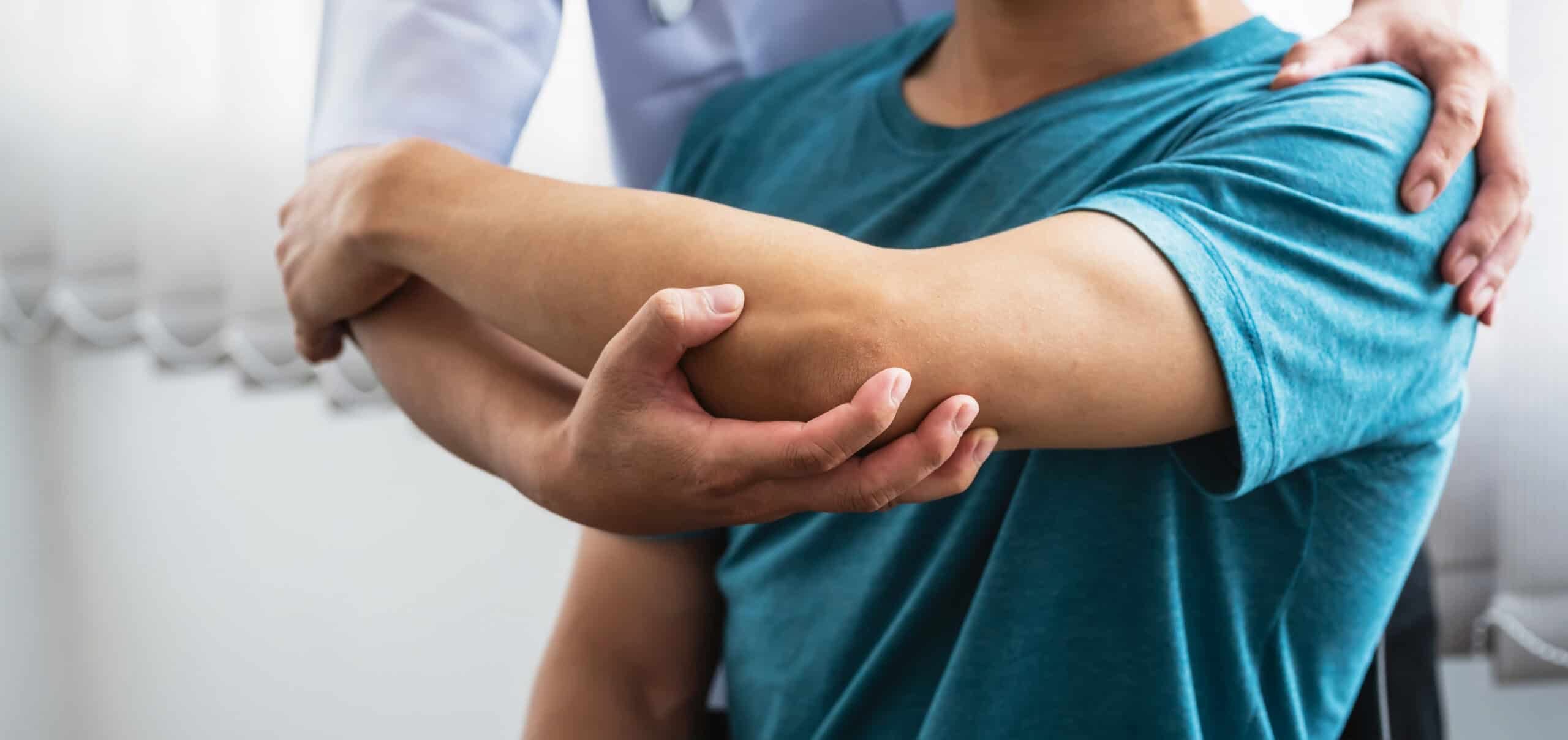
Golfer’s Elbow Treatment in Clark, NJ | Trinity Rehab
A Close-Knit Borough Where Activity and Work Collide
Clark is a small, vibrant Union County borough with deep roots and strong community identity. While modest in size, Clark punches above its weight in terms of character and activity. Residents take pride in Arthur L. Johnson High School (home of the Crusaders), maintain strong connections to local parks like Oak Ridge Park, and have easy access to recreational activities that define the suburban lifestyle.
The Hyatt Hills Golf Complex attracts golfers of all skill levels, and on any given weekend, you’ll find locals teeing off before heading home for barbecues and family time. Workers in the Clark industrial park—a hub of manufacturing, logistics, and light industrial operations—represent the backbone of the local economy. People commute from here to jobs across Union County and into New York, bringing home both the financial rewards and the physical toll of demanding careers.
Life in Clark is lived with intensity. You work hard, play hard, and push your body to keep up with responsibilities and passions. And that’s exactly when golfer’s elbow—medial epicondylitis—tends to strike, quietly building from small aches into something that demands attention.
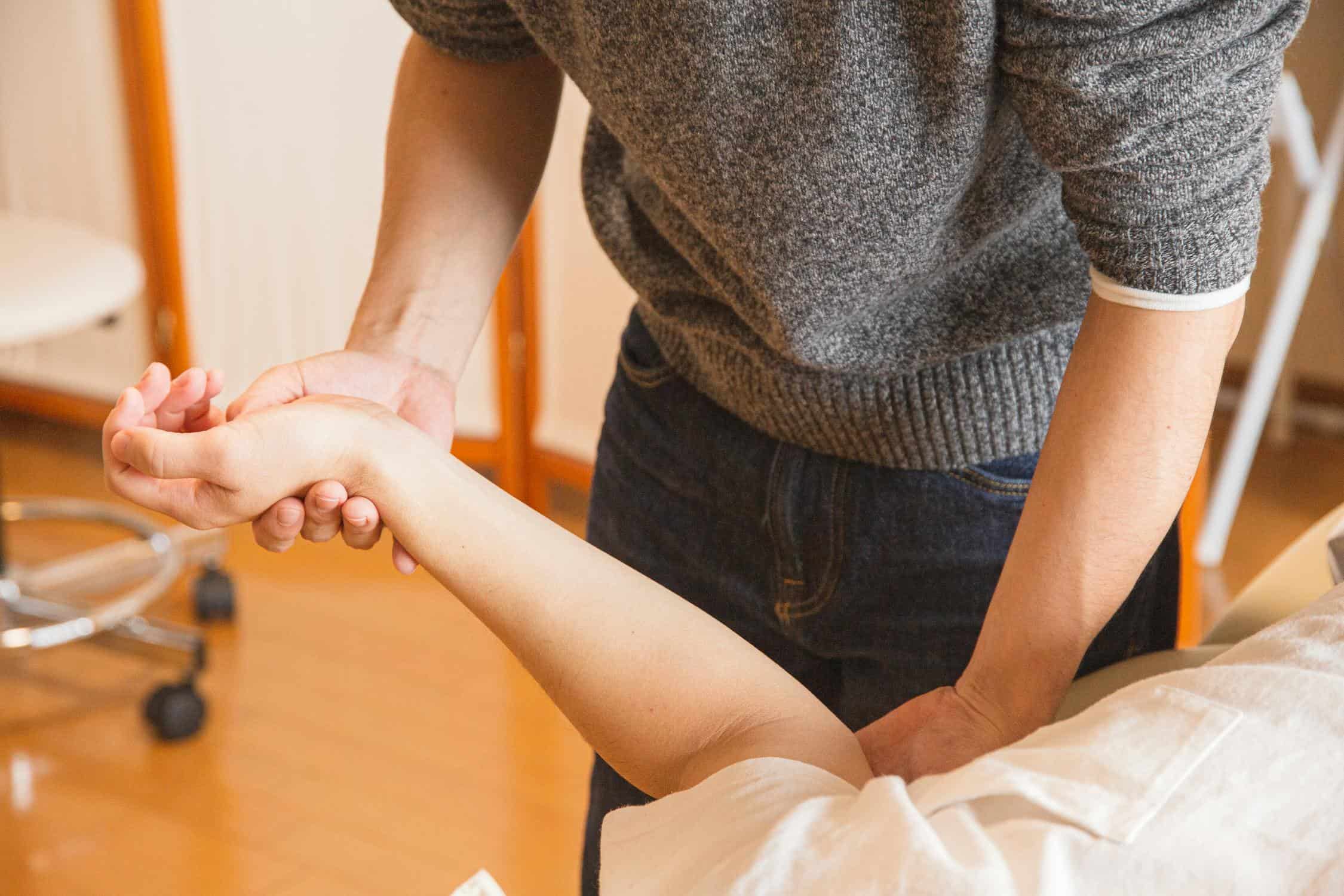
Understanding the Inner Elbow: Anatomy and Causes
Golfer’s elbow is an overuse injury affecting the tendons of the flexor-pronator muscle group on the inner side of your elbow. These muscles attach to the medial epicondyle, a bony bump on the inside of your elbow joint. When you grip, flex your wrist, rotate your forearm, or perform other repetitive motions, these muscles and tendons handle the load.
The injury develops gradually. Repetitive stress creates microscopic tears in the tendon fibers. Your body initiates a healing response, but if the stress continues without adequate rest and rehabilitation, inflammation builds and worsens. The result is pain, weakness, and stiffness that interferes with work, sport, and daily life.
The hallmark symptoms of medial epicondylitis include:
- Pain on the inner side of your elbow that worsens with gripping, bending your wrist, or rotating your forearm
- Decreased grip strength, making everyday tasks feel exhausting
- Morning stiffness in your forearm that gradually loosens throughout the day
- Tenderness when you press on the inner bump of your elbow
- Radiating pain that may extend down your forearm toward your pinky finger
- Numbness or tingling in your ring and pinky fingers (if nerve involvement develops)
Clark residents often first notice the problem during an activity they love—a round at Hyatt Hills, a day of work at the industrial park—and then realize the discomfort has been building for weeks.
Who’s at High Risk in Clark: Tradespeople, Commuters, and Weekend Warriors
Clark’s unique profile creates specific vulnerability to golfer’s elbow. The Clark industrial park employs skilled tradespeople, factory workers, assembly-line operators, and logistics professionals who perform repetitive gripping and lifting throughout their shifts. Manufacturing workers, mechanics, and warehouse staff are especially prone to overuse injuries.
The community also serves as a bedroom borough for commuters heading to jobs throughout the region. Professionals driving to offices in Cranford, Westfield, Newark, and beyond spend 30–60 minutes each way in cars, dealing with poor ergonomics that affect their posture and arm positioning. Office workers who arrive exhausted from commuting often have poor posture at their desks, increasing forearm tension and elbow stress.
Parents in Clark are heavily invested in youth athletics. Kids play Little League baseball, join soccer teams, and participate in school sports. The athletic culture means many adults are coaching, managing teams, or engaging in their own recreational sports to stay fit alongside their kids. Baseball coaches and parents, weekend softball players, tennis players at local facilities—they’re all building up stress in their elbows.
Golfers at Hyatt Hills Golf Complex represent another significant risk group. The complex attracts serious recreational golfers who play multiple times weekly, along with casual players working to improve their game. The combination of technique imperfections common in recreational golfers and the volume of practice needed to improve creates ideal conditions for tendon overuse.
Age matters too. Clark has many residents in their 50s and beyond who are embracing active lifestyles. Their grandchildren are driving them to sports, coaching at the high school, or pursuing personal fitness. Aging tendons recover more slowly, making these residents more vulnerable despite their enthusiasm for activity.
Finally, DIY culture contributes. Clark residents are homeowners who maintain their properties. Home improvement projects, yard work, deck building, and renovation initiatives all involve gripping tools and performing repetitive motions—often in short bursts of intense effort that create sudden stress on unprepared tendons.
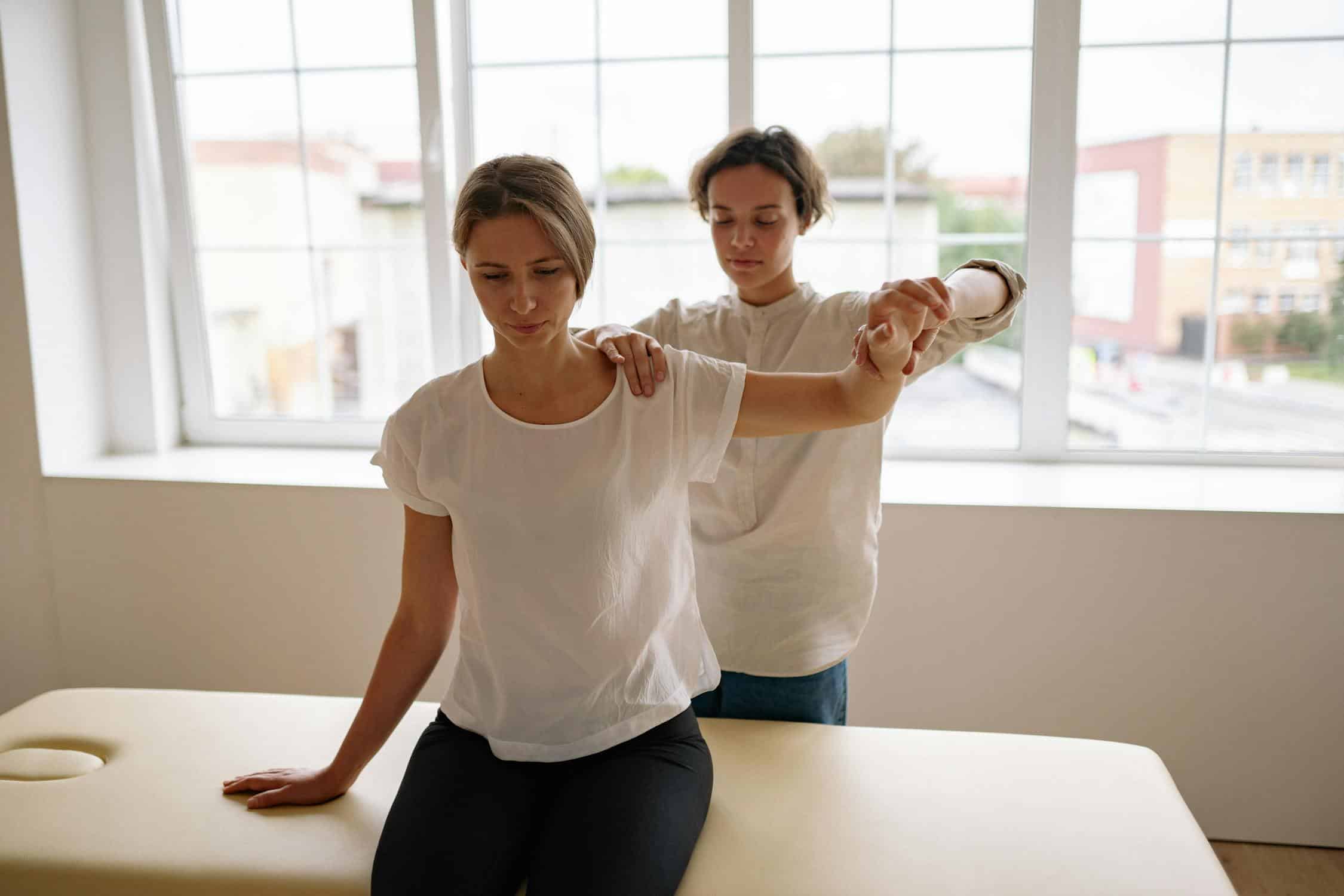
How Trinity Rehab in Clark Treats Golfer’s Elbow
Trinity Rehab’s approach to golfer’s elbow is personalized to your situation. When you come to our Clark-area location, we want to understand not just your injury, but your life: Are you an industrial park worker? A commuter? A golfer? An active parent? Your circumstances shape every aspect of your treatment.
We begin with a detailed evaluation that includes movement screening, grip strength testing, and assessment of the specific motions and positions that trigger your pain. We examine your posture, your arm mechanics, and your work environment. We ask questions about your profession, hobbies, and what activities matter most to you.
From there, we design a three-phase treatment plan:
Phase 1: Reduce Pain and Protect the Tendon (Weeks 1–2) — Initial treatment focuses on reducing inflammation and preventing further damage. This includes ice therapy, activity modification, ergonomic adjustments for your workplace or home, and possible bracing to offload stress. Manual therapy techniques—including soft tissue mobilization and muscle energy techniques—reduce tension in your forearm that’s compensating for the injured tendon. Gentle range-of-motion exercises maintain mobility without aggravating the injury.
Phase 2: Progressively Rebuild Strength (Weeks 3–6) — As pain decreases, we introduce controlled resistance exercises targeting the flexor and pronator muscles. These exercises start conservatively and progress gradually. For industrial workers, we replicate the gripping and lifting patterns of your job in a controlled setting. For golfers, we incorporate swing mechanics. For commuters and office workers, we address postural issues that contributed to the injury. Dry needling and continued manual therapy address scar tissue and muscle tension.
Phase 3: Return to Full Activity (Weeks 6–8 and Beyond) — We progressively increase activity demands and intensity until you can work, play, and pursue recreation without pain or limitation. This phase is highly individualized based on your specific goals.
Advanced treatment options are available for cases that don’t respond fully to conventional physical therapy. EPAT uses acoustic waves to stimulate healing in resistant tendons. Many Clark patients have found excellent results with EPAT, particularly those in high-demand jobs or athletes wanting to accelerate their return.
What to Expect During Treatment
Trinity Rehab provides one-on-one physical therapy. Your sessions are 45–60 minutes with a licensed physical therapist who’s focused entirely on your care—not split among multiple patients, not delegated to a tech.
Your first visit is comprehensive. We assess your movement, test your strength, and take a detailed history. We explain the anatomy of your injury and why you’re experiencing your symptoms.
Over the following weeks and months:
- Manual therapy: Hands-on techniques that reduce pain, improve mobility, and release muscle tension
- Active-assisted exercises: Guided movements that safely rebuild strength
- Resistance training: Progressive strengthening with bands, weights, or functional movements tailored to your activities
- Functional training: Sport or work-specific movements that prepare your body for real-world demands
- Home exercise program: A customized routine you perform between visits to accelerate healing
Most patients experience meaningful improvement within 3–4 weeks and return to full activity within 6–8 weeks. Timelines vary based on injury severity, your age, and how diligently you follow your home program.
Prevention Strategies for Clark Residents
Preventing golfer’s elbow is far simpler than treating it. Here’s how to protect your elbows regardless of your work or lifestyle:
For Industrial and Trades Workers:
- Use ergonomic tools with padded handles and grips. Modern tools are designed to reduce impact and strain. Invest in quality when possible.
- Take frequent breaks. If you’re gripping or lifting for hours, step back every 30–45 minutes and rest your forearms and hands.
- Rotate tasks when possible. Varying your activities prevents any single muscle group from bearing excessive load all day.
- Strengthen your forearms proactively. Wrist curls, reverse wrist curls, and farmer’s carries build the muscular endurance that prevents injury.
- Maintain proper posture. Poor shoulder and spine positioning forces your elbows to compensate, accelerating wear.
For Golfers at Hyatt Hills:
- Warm up before every round. Ten minutes of arm circles, wrist flexion/extension, and light swings prepare your muscles.
- Refine your technique. Many amateur golfers use inefficient mechanics that overload their forearms. A lesson with a golf instructor can identify and correct problematic patterns.
- Practice progressively. If you’re building up swing volume, increase gradually over weeks, not days.
- Strengthen your core and rotational muscles. A strong core reduces the stress your arms absorb during your swing.
- Select clubs and grips appropriate for your hand size. Poorly fitting equipment forces your flexor muscles to work harder.
For Office and Commuting Professionals:
- Optimize your car ergonomics. Adjust your seat and steering wheel so your arms and shoulders are in neutral positions. Poor driving posture contributes to elbow stress.
- Set up your workspace properly. Your monitor should be at eye level, your desk and chair should allow 90-degree elbow angles, and your wrists should be neutral while typing.
- Strengthen your forearms. Daily wrist curls and reverse wrist curls build muscular endurance that protects against repetitive stress.
- Take regular breaks. Every 45–60 minutes, step away from your desk and stretch.
For Everyone:
- Incorporate daily forearm stretching. Tight muscles are more prone to injury. Spend 5 minutes daily stretching your flexor and pronator muscles.
- Progress gradually with new activities. If you’re starting something new, increase intensity and volume slowly over weeks.
- Ice after intense activity. 15 minutes of ice reduces inflammation after a demanding day of work or play.
- Listen to early warning signs. Mild discomfort is your body signaling that something needs to change. Address it early, and recovery is quick. Ignore it, and it becomes chronic.

Related Conditions & Treatments
Golfer’s elbow often accompanies or overlaps with other conditions. Trinity Rehab treats a wide range of musculoskeletal conditions:
Related Elbow Care At This Location
Elbow pain patterns can overlap depending on grip, lifting, racquet sports, work tasks, and tendon load. A related same-location page is:
Frequently Asked Questions About Golfer’s Elbow
I work in the industrial park and my job demands repetitive gripping. Can I continue working while being treated?
How long before I can return to Hyatt Hills and play golf again?
What if I've had golfer's elbow for months already?
How is this different from tennis elbow?
Will golfer's elbow come back after I'm healed?
Return to Work and Play Without Elbow Pain
Whether you’re grinding away in Clark’s industrial sector, teeing off at Hyatt Hills, or balancing a busy professional and family life, golfer’s elbow doesn’t have to sideline you. With proper physical therapy, expert guidance, and your commitment to recovery, you can return to full activity stronger and more resilient than before.
Trinity Rehab’s Clark-area location is staffed by physical therapists who understand the unique demands of our community. We provide one-on-one care tailored to your specific situation and goals.
Stop letting elbow pain limit your potential. Contact Trinity Rehab today to schedule your initial evaluation. Let’s get you back to the work and activities you love.
Trinity Rehab | Clark, NJ Location Expert Physical Therapy for Golfer’s Elbow | Personalized One-on-One Care Schedule your free consultation and begin your path to pain-free movement.
Visit Trinity Rehab in Clark
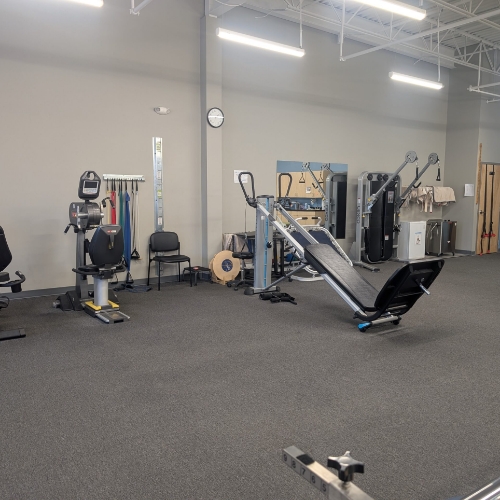
Our Clark clinic is conveniently located at 301 Central Ave Suite 1, Clark, NJ 07066. Call us at (732) 388-5300 to schedule your golfer’s elbow evaluation today.