Back Pain Treatment in Clark, NJ
Clark Township sits at the heart of Union County — a tightly knit, well-established community of about 15,500 residents bounded by the Garden State Parkway on one edge and the Rahway River Parkway on another. It’s the kind of town where families stay for generations. Residents walk the trails at Oak Ridge Park and along Robinson’s Branch Reservoir, which cuts diagonally through the township and remains the largest body of water in Union County. The Deutscher Club on Westfield Avenue, the Clark Community Pool, and the youth sports programs run by the Clark Recreation Department all speak to a community that values active, engaged living.
But for the many Clark residents who commute on the Parkway toward New York, Newark, or Elizabeth, or who work on their feet in healthcare, retail, or the trades, back pain is a persistent reality. When it strikes, it doesn’t care about your plans at Arthur L. Johnson High School’s Friday night football game, or your weekend walk with the kids along the Rahway River.
Trinity Rehab treats back pain with a level of personalized attention that makes a genuine difference — one patient, one physical therapist, every session.
Why Clark Residents Shouldn’t Wait on Back Pain
Clark is a commuter community. Exit 135 on the Garden State Parkway connects residents to a wide range of workplaces throughout Union County and beyond — many of which involve extended sitting, repetitive standing, or physically demanding work. The 112 bus line into Midtown Manhattan and the nearby Rahway train station mean that a significant portion of Clark’s working population faces daily commutes that exceed 60 minutes each way.
Long commutes combined with sedentary desk work are among the most reliable drivers of chronic low back pain. The body is not designed to sit in a fixed position for hours at a time — and when the muscles that support the spine weaken from inactivity, discs and joints take on load they were never meant to bear alone.
Research from the National Institute of Neurological Disorders and Stroke confirms that early physical therapy intervention is associated with faster recovery, lower healthcare costs, and significantly reduced risk of surgery. The longer back pain goes untreated, the more deeply embedded the compensation patterns become — which is why acting early matters.
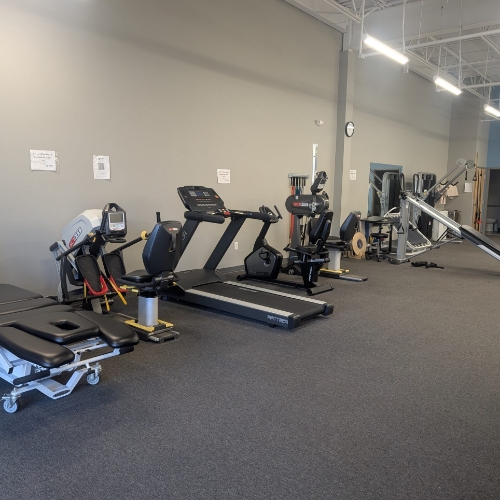
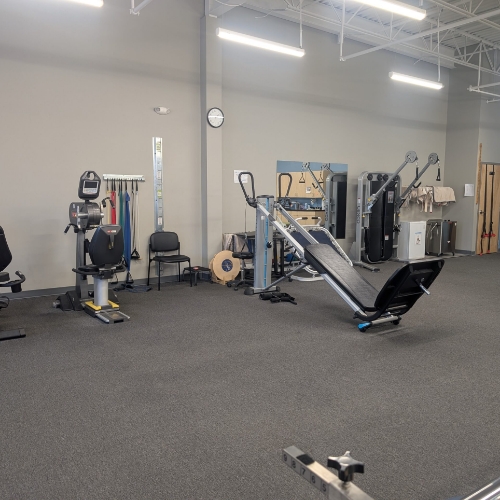
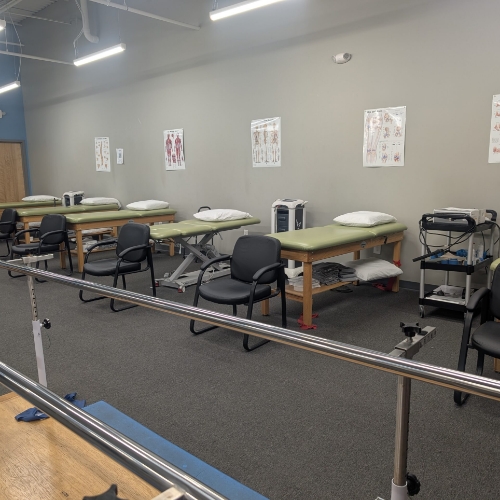
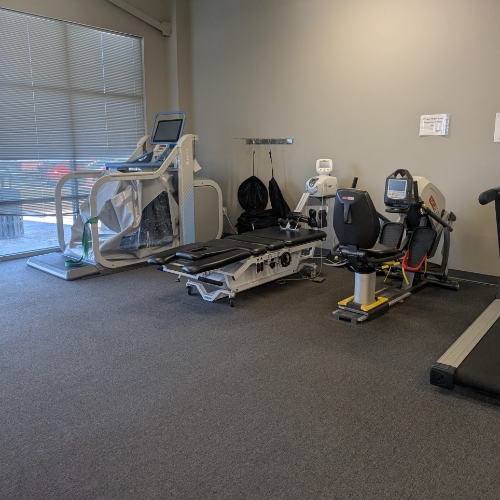
Inside Our Clark Clinic
What Causes Back Pain for Clark Residents
We see patients from Clark across the full spectrum of back pain causes. Common presentations include:
- Sedentary work and commuting — Hours of daily sitting compress lumbar discs, shorten hip flexors, and weaken the core muscles that protect the spine. Over months and years, this creates the conditions for disc problems, muscle strains, and joint pain.
- Lumbar disc herniation and bulge — A herniated disc puts pressure on nearby nerve roots, causing localized back pain and sometimes radiating symptoms down the leg. Lumbar disc herniation is among the most common conditions we treat in Clark-area patients.
- Sciatica — When the sciatic nerve is irritated or compressed, patients experience burning, shooting pain from the lower back through the buttock and into the leg. Sciatica responds very well to a targeted physical therapy program.
- Sports and recreation injuries — Clark’s youth athletics programs — including teams from Arthur L. Johnson High School and Mother Seton Regional High School — regularly produce back strains and overuse injuries. Adult recreational athletes are equally susceptible. Sports injury treatment is a core part of our practice.
- Degenerative disc disease — A gradual wear-and-tear process that reduces the disc’s ability to absorb shock, leading to stiffness, pain, and limited mobility, especially in adults over 50.
- Sacroiliac joint dysfunction — Inflammation or misalignment of the joint connecting the lower spine to the pelvis creates deep, sometimes one-sided lower back pain that can be mistaken for a disc problem.
- Work injuries — Clark’s residents work across a wide range of industries. Physically demanding jobs involving lifting, bending, or standing for extended periods contribute to work-related back injuries.
Symptoms That Signal You Need Physical Therapy
Back pain looks different for every person. These are the signs that your spine needs attention:
- Persistent aching in the lower back that worsens with prolonged sitting or standing
- Sharp, stabbing pain when bending forward, twisting, or lifting
- Pain radiating from the lower back into the buttocks, thighs, or calves
- Numbness, tingling, or a pins-and-needles sensation in the legs or feet
- Stiffness in the morning that takes time to work through
- Muscle spasms that come on without warning and lock up your lower back
- Difficulty sleeping through the night because of pain
- Leg weakness or a feeling of heaviness that affects how you walk
Our Approach to Back Pain Physical Therapy
At Trinity Rehab, no two treatment plans look the same — because no two patients are the same. Here is what your care typically includes:
Hands-On Manual Therapy
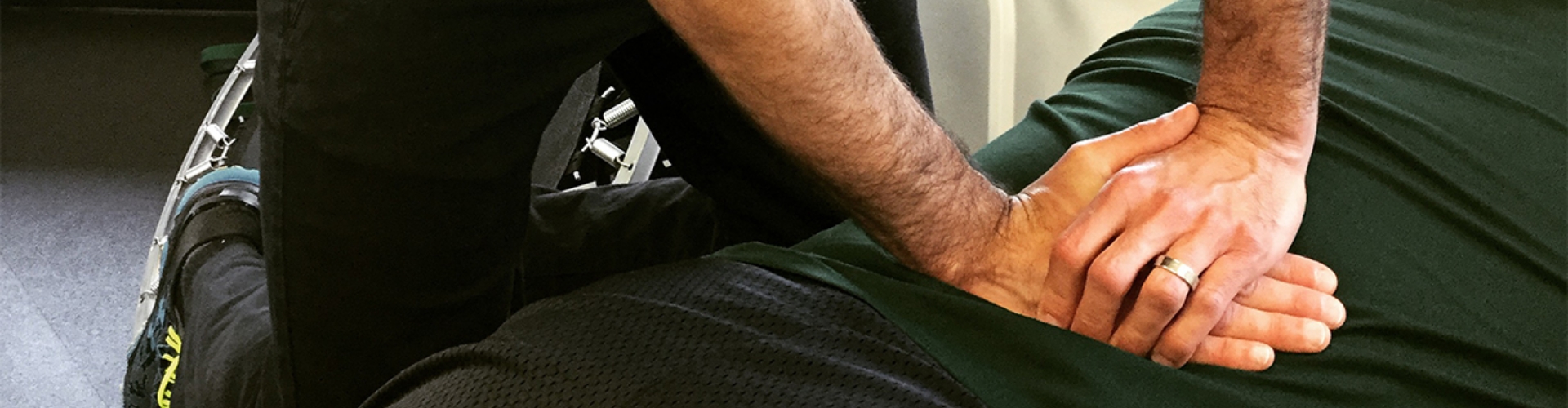
Manual therapy is foundational. Our physical therapists use joint mobilization, soft tissue techniques, and myofascial release to restore spinal mobility, reduce muscle guarding, and relieve pressure on irritated nerves. These hands-on techniques often produce immediate improvements in pain and range of motion, and they prepare your body to benefit from the strengthening and mobility work that follows.

Core and Lumbar Stabilization
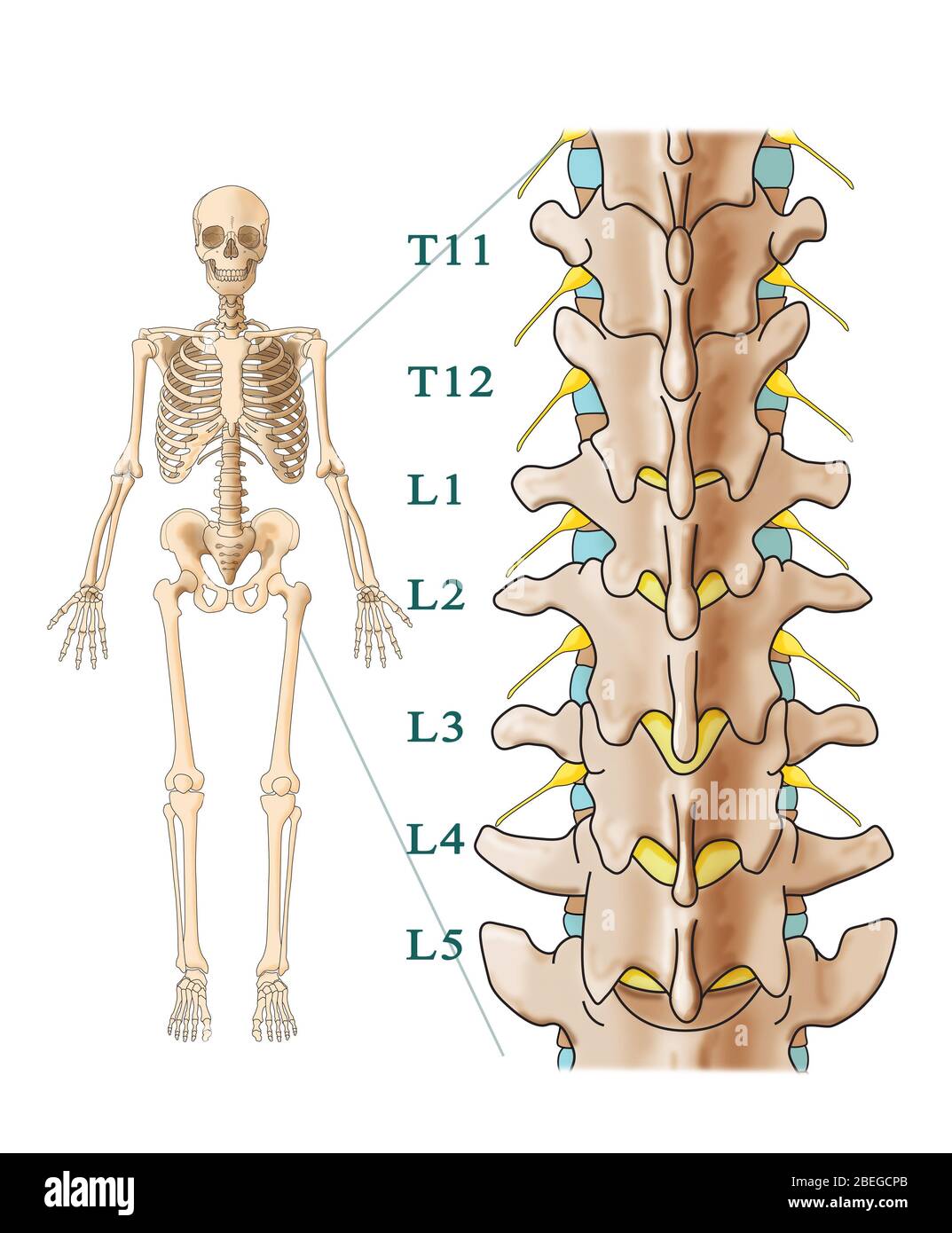
Building a strong, responsive core is the single most effective way to prevent back pain from returning. Your therapist will guide you through a progressive program of exercises targeting the deep stabilizing muscles — the multifidus, transverse abdominis, and hip muscles that form the spine’s natural support system. These are not standard gym exercises; they are precision movements designed to retrain how your body supports your lumbar spine under everyday loads.

Flexibility and Mobility Training
Tightness in the hamstrings and hip flexors is an underappreciated contributor to lower back pain. Your program includes targeted stretches and mobility drills to lengthen these structures and reduce the mechanical stress they place on your lumbar discs and joints. Thoracic spine mobility work is also incorporated to ensure the entire kinetic chain moves efficiently.
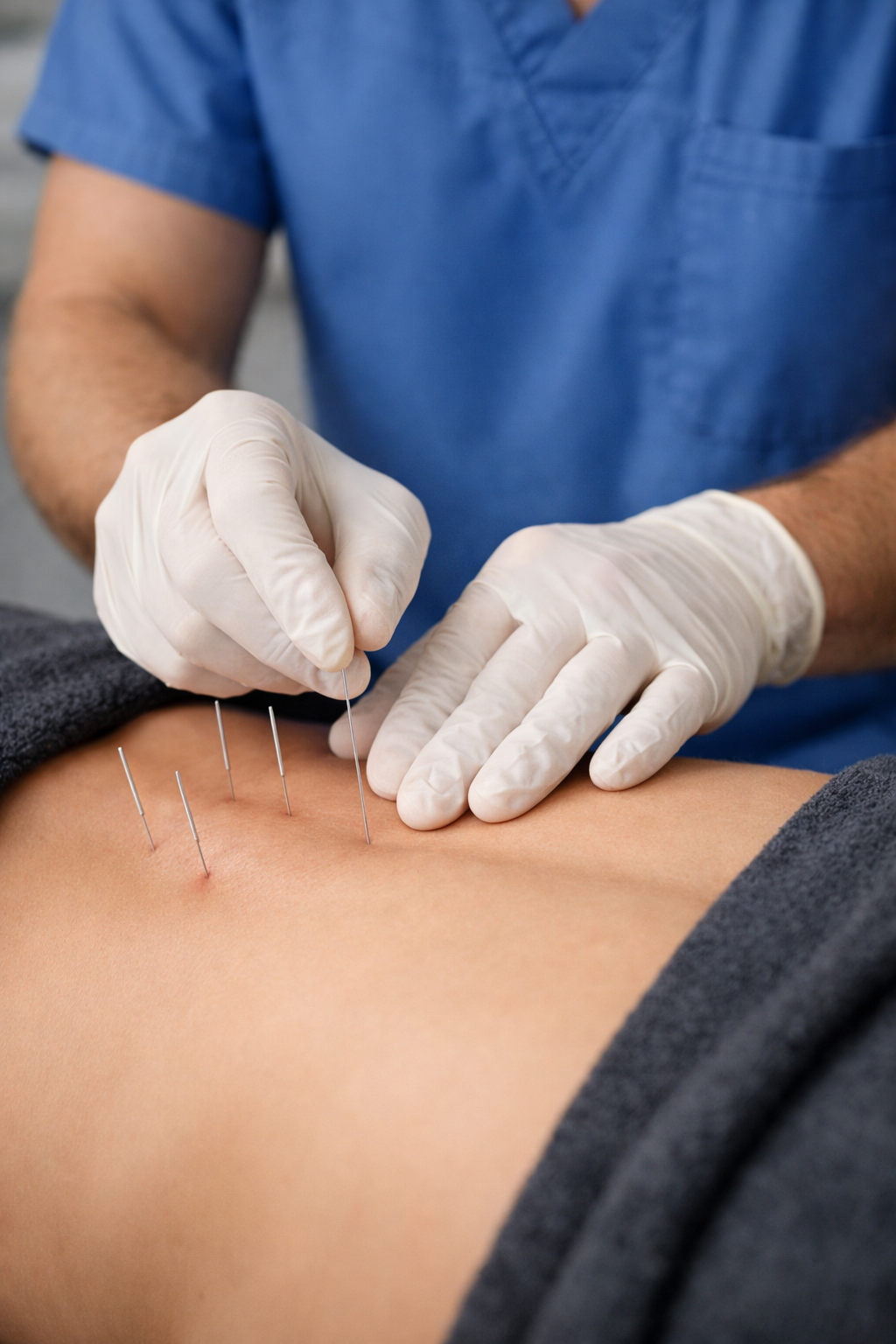
Dry Needling for Trigger Points
Dry needling is a highly effective technique for patients with stubborn muscle tension and trigger point-related pain. A thin filament needle is inserted into the knotted tissue to release the contraction, improve local blood flow, and reset the neuromuscular firing pattern. Many Clark patients experience dramatic relief from this technique after just one or two sessions.
EPAT Shockwave Therapy
For patients dealing with persistent, chronic back pain that has not responded to conventional treatments, EPAT therapy offers a non-invasive option with strong clinical results. Focused acoustic pulses stimulate tissue repair, improve circulation, and interrupt the chronic pain signaling cycle.
Spinal Decompression
For disc-related conditions — herniations, bulges, and stenosis — mechanical decompression gently reduces pressure on the lumbar discs and nerve roots. This promotes natural healing and provides relief from radiating leg pain, numbness, and tingling without surgery.
Postural Correction and Ergonomic Guidance
Your therapist will assess how you sit, stand, and move at work and at home. For Clark’s commuters and desk workers, ergonomic coaching — how to position your workstation, how to sit in the car, when and how to take movement breaks — is often one of the highest-return interventions in the entire program.
Long-Term Prevention: Keeping Your Back Healthy
Completing physical therapy is not the finish line — it is the foundation. The habits and exercises you build during treatment are what keep you pain-free for years:
- Walk or move for at least 20 minutes daily to maintain spinal muscle conditioning
- Continue your core strengthening routine even after discharge
- Use proper body mechanics when lifting — bend at the knees, keep the load close, never twist under weight
- Adjust your workspace to support a neutral lumbar spine
- Listen to your body — early symptoms caught early are far easier to address than established chronic pain
Why Clark Township Residents Choose Trinity Rehab
- One-on-one care, every time — A licensed physical therapist works with you exclusively throughout every session
- Technology-forward treatment — EPAT, dry needling, spinal decompression, and advanced movement assessment
- Experienced spine specialists — Deep expertise in herniated discs, sciatica, stenosis, degenerative disc disease, and post-surgical rehab
- No referral required — New Jersey Direct Access laws mean you can start without waiting for a doctor’s visit
- In-network with major insurers — We verify your benefits before your first appointment
- Scheduling that fits your commute — Early morning and evening availability built around Clark’s working population
Related Conditions & Treatments
Back pain is just one of the many conditions we treat at Trinity Rehab Clark. Explore our full range of conditions we treat or learn more about specific treatment approaches:
Clark Back Pain Rehab For Work, Errands, And Everyday Movement
Back pain can interrupt lifting, sitting, driving, sleep, work, and exercise. Clark physical therapy should connect your symptoms to the specific movement patterns and daily demands that keep flaring them up.
Your therapist may assess mobility, strength, hip contribution, nerve symptoms, posture, gait, and lifting mechanics. Treatment can include manual therapy, exercise progression, movement coaching, and a home plan you can actually follow.
Related care includes sciatica treatment, hip pain physical therapy, and the main Clark physical therapy clinic page.
Frequently Asked Questions
Clark Back Pain Rehab For Work, Errands, And Everyday Movement
Back pain can interrupt lifting, sitting, driving, sleep, work, and exercise. Clark physical therapy should connect your symptoms to the specific movement patterns and daily demands that keep flaring them up.
Your therapist may assess mobility, strength, hip contribution, nerve symptoms, posture, gait, and lifting mechanics. Treatment can include manual therapy, exercise progression, movement coaching, and a home plan you can actually follow.
Related care includes sciatica treatment, hip pain physical therapy, and the main Clark physical therapy clinic page.
How long does physical therapy take for lower back pain?
Does physical therapy work for sciatica?
What should I expect at my first visit?
Is physical therapy better than just resting for back pain?
Does insurance cover physical therapy for back pain?
Take the First Step Toward Pain-Free Living in Clark
If back pain has been limiting your life in Clark Township — whether that means cutting your walks at Oak Ridge Park short, dreading your morning commute, or simply not feeling like yourself — Trinity Rehab is here to help.
- Book your evaluation online
- Meet one-on-one with your physical therapist for a complete assessment
- Start your personalized treatment plan and begin your recovery
No referral needed. Convenient scheduling. Expert care focused entirely on you.
Related resources: Back Pain Relief Hub | Sciatica Treatment | Lumbar Disc Herniation | Manual Therapy | Work Injuries | Knee pain treatment
What Our Patients Say



Sign up for free health tips and tricks