

ACL TREATMENT PHYSICAL THERAPY IN CLARK, NJ
Every Friday night in the fall, the bleachers at Nolan Field fill with families cheering on the Arthur L. Johnson High School Crusaders. Football, soccer, lacrosse — the sidelines pulse with the energy of a township that takes its athletics seriously. But when a Crusaders midfielder plants her cleat on a rain-soaked pitch and feels her knee buckle, or a weekend golfer at Hyatt Hills twists awkwardly stepping out of a cart, the cheering stops and a different kind of journey begins. In Clark, where neighbors know each other by name and community runs deep, recovering from an anterior cruciate ligament injury is not something you do alone — and it is not something you should leave to chance.
At Trinity Rehab in Clark, we guide residents through every stage of ACL recovery, from the first days after injury through a confident return to sport, work, and daily life.
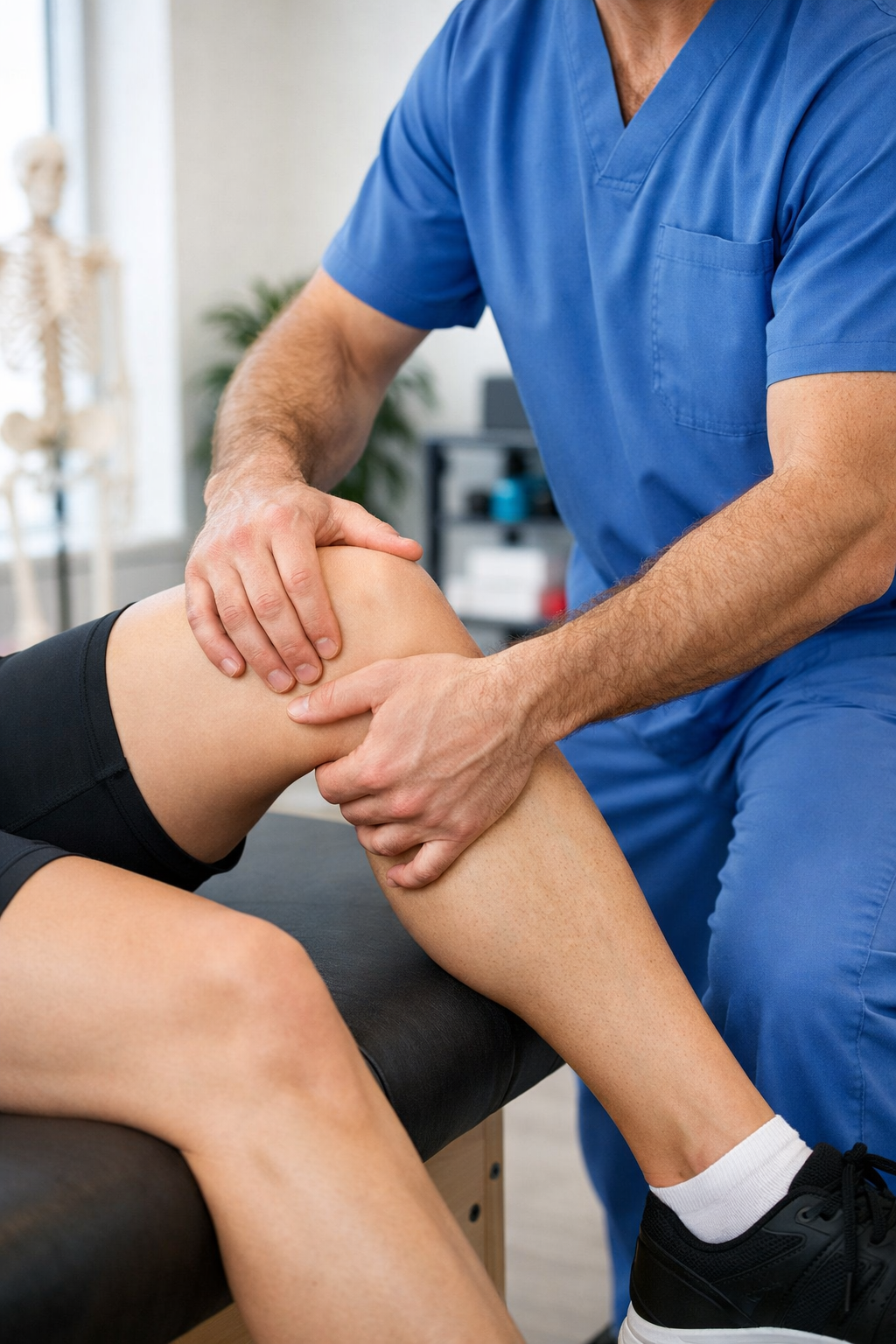
UNDERSTANDING ACL INJURIES
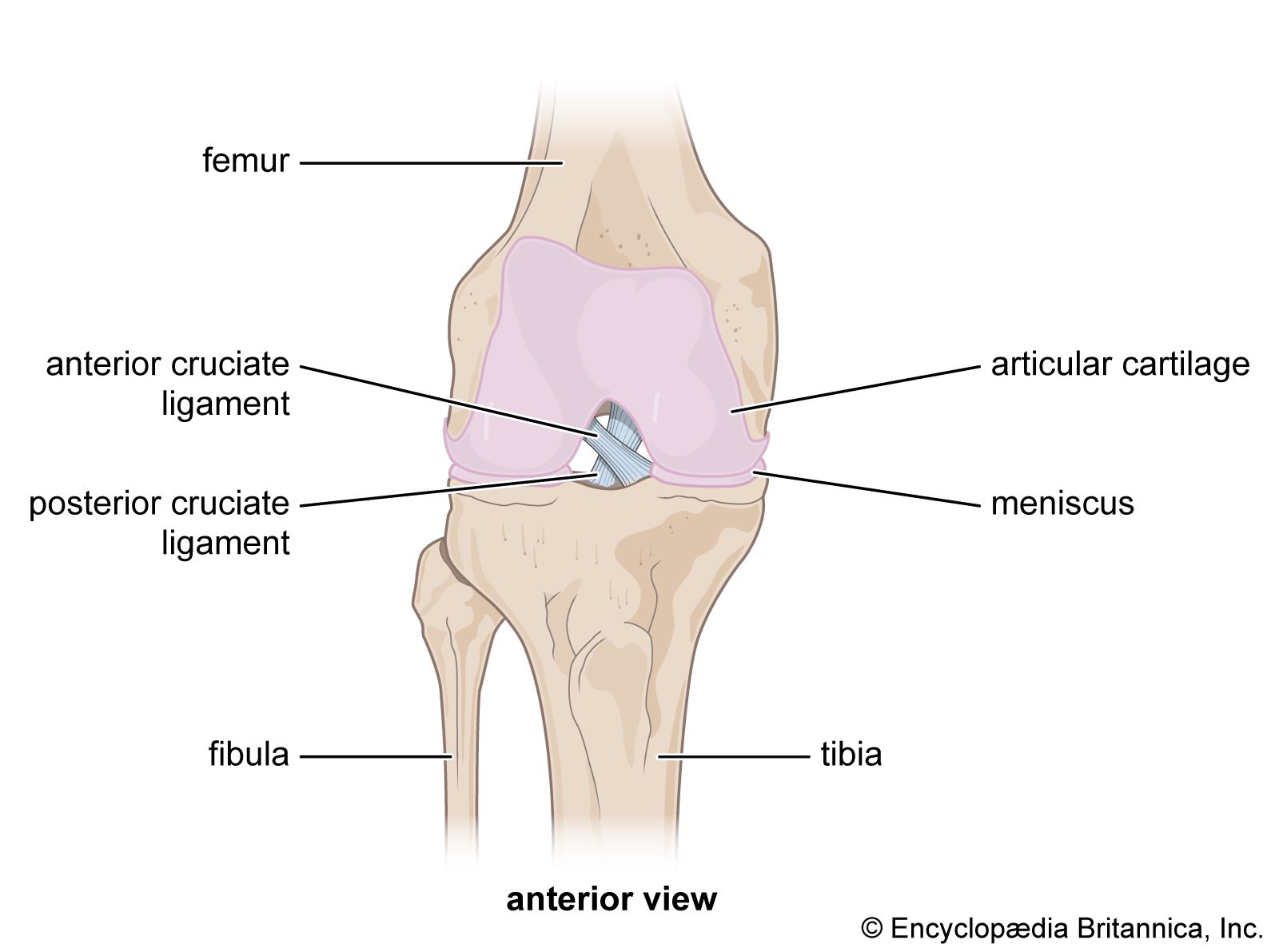
The anterior cruciate ligament is a dense band of tissue that crosses through the center of the knee joint, connecting the thighbone to the shinbone. Its primary job is to prevent the tibia from sliding forward and to provide rotational knee stability during cutting, pivoting, and landing movements. When this ligament tears — partially or completely — it disrupts the mechanical integrity of the entire knee.
An ACL tear is classified by grade:
- Grade I — The ligament is stretched but intact. The knee joint remains stable.
- Grade II — A partial tear with some looseness in the knee.
- Grade III — A complete rupture. The ligament can no longer restrain the tibia, and the knee gives way under load.
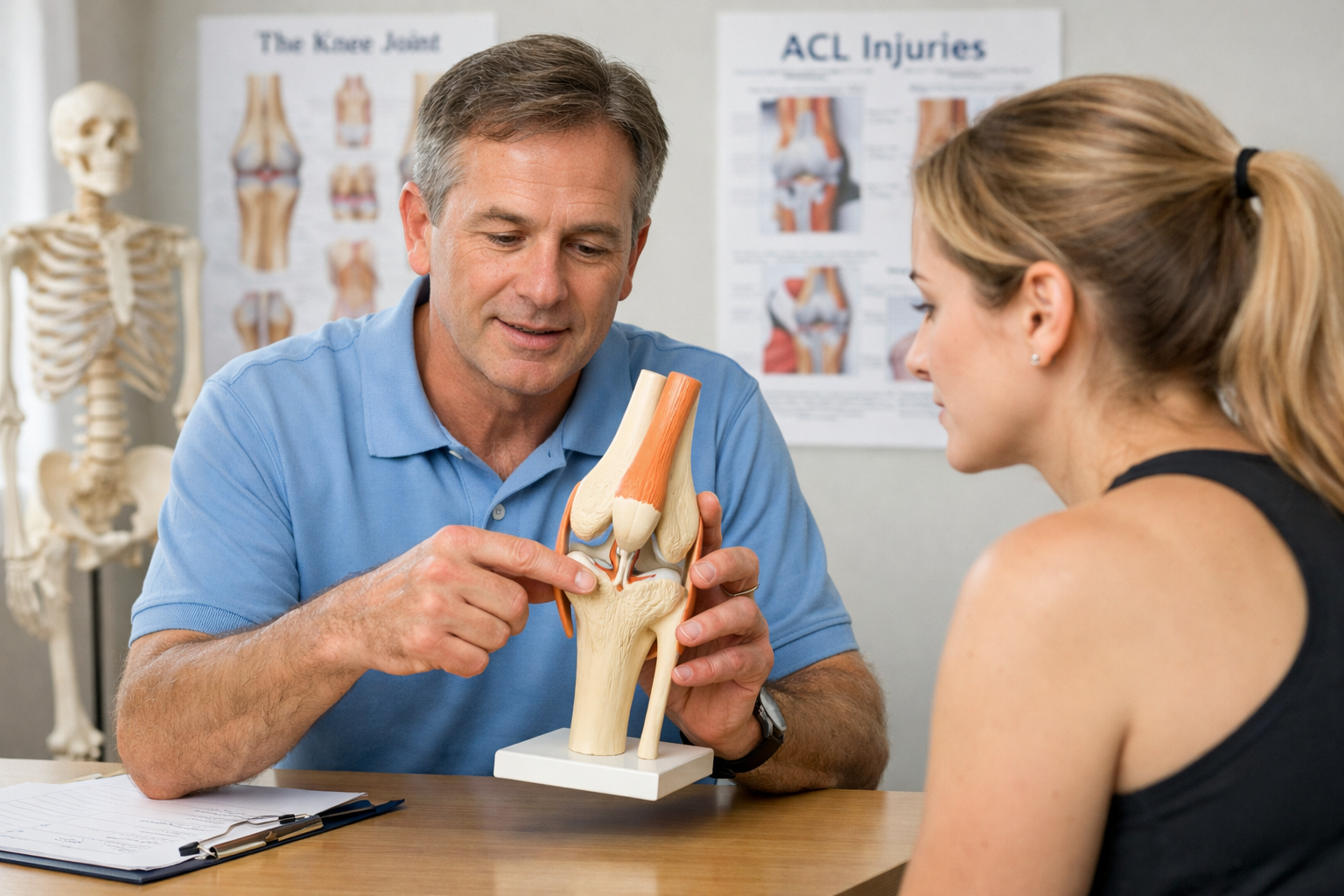
Grade III injuries frequently require anterior cruciate ligament reconstruction, a surgical procedure in which the torn ligament is replaced with a tissue graft. However, not every ACL injury demands surgery. A thorough evaluation by a physical therapist helps determine the most effective path forward.
WHY ACL RECOVERY MATTERS
An untreated or poorly rehabilitated anterior cruciate ligament injury does not “heal with rest.” Without structured rehabilitation, patients face:
- Chronic knee instability that makes stairs, uneven terrain, and athletic movement unpredictable
- Accelerated cartilage breakdown, increasing the risk of early-onset arthritis in the affected knee
- Compensatory movement patterns that overload the opposite leg, the hip, and the lower back
- Re-injury rates as high as 30% in athletes who return to sport without completing a full rehab progression
Proper physical therapy does more than restore knee function — it rebuilds the neuromuscular control, muscle strength, and confidence that allow you to move without hesitation.
COMMON CAUSES OF ACL INJURIES IN CLARK
Clark is a dense suburban township of roughly 15,600 residents, and its blend of youth athletics, recreational facilities, and working professionals creates diverse ACL injury scenarios.
Youth and High School Sports
Arthur L. Johnson High School fields varsity teams in football, boys and girls soccer, boys and girls basketball, and boys and girls lacrosse — all sports with elevated ACL injury risk. Non-contact mechanisms account for the majority of tears: a soccer player decelerating to change direction, a basketball player landing off-balance from a rebound, or a lacrosse attackman planting and pivoting to dodge a defender. The Clark Soccer Club and Clark Little League also keep younger athletes active year-round, and early sport specialization without proper conditioning can leave developing knees vulnerable.
Recreational and Community Athletics
Clark’s recreation offerings — from tennis and pickleball classes at the Clark Recreation Center to rounds at Hyatt Hills Golf Complex and lap swimming at the Clark Community Pool — draw active adults of all ages. A poorly landed backhand lunge on the pickleball court or an awkward pivot on a trail at Oak Ridge Park can stress the ACL beyond its tolerance, particularly in adults over 35 whose ligament elasticity has declined.
Workplace Injuries
Logistics and warehouse operations along Clark’s corridors, including employers like CaroTrans, require repetitive lifting, bending, and quick directional changes on hard surfaces. Retail workers at locations such as Target and QuickChek spend hours on their feet, and a slip on a wet stockroom floor can produce the sudden rotational force that tears an ACL. These work injuries are often compounded by pressure to return to a physically demanding job before the knee is ready.
SIGNS AND SYMPTOMS OF AN ACL INJURY
Seek evaluation if you experience any of the following after a knee injury:
- An audible pop at the moment of injury
- Rapid swelling within the first few hours
- A sensation that the knee “gave out” or shifted
- Difficulty bearing weight or walking normally
- Restricted range of motion, especially into full extension or deep flexion
- Persistent instability when changing direction or descending stairs
Early assessment matters. The sooner a physical therapist evaluates the knee, the sooner a targeted treatment plan can begin — whether or not surgery is on the table.
HOW PHYSICAL THERAPY HELPS: THE PHASE-BASED APPROACH
At Trinity Rehab Clark, ACL treatment physical therapy follows a structured, milestone-driven progression. Advancing from one phase to the next depends on objective measures — swelling levels, range of motion benchmarks, muscle strength ratios, and movement quality — not arbitrary timelines.
Prehabilitation (Pre-Surgery)
For patients scheduled for anterior cruciate ligament reconstruction, prehabilitation in the weeks before surgery is one of the most impactful steps in the entire recovery. Research consistently shows that patients who enter surgery with better quadriceps strength, fuller knee motion, and reduced swelling recover faster and achieve better long-term outcomes.
A prehab program at our Clark clinic typically includes:
- Quadriceps activation drills (quad sets, straight-leg raises, terminal knee extensions)
- Hamstring curls and hip-strengthening exercises to stabilize the kinetic chain
- Gentle range of motion work to restore full extension before the procedure
- Swelling management with elevation, compression, and movement
A Johnson High football player facing a November surgery, for example, can use the six weeks between injury and the operating room to build a foundation that shaves weeks off post-surgical recovery.
Phase 1: Protection and Early Mobility (Weeks 0-2 Post-Op)
The immediate goals are controlling inflammation, protecting the surgical graft, and restoring basic knee motion.
- Passive and active-assisted range of motion exercises targeting 0 to 90 degrees of flexion
- Quad activation with neuromuscular electrical stimulation (NMES) to counteract post-surgical inhibition — a condition where the brain effectively “shuts down” the quadriceps after knee surgery
- Patellar mobilization and gentle manual therapy to prevent scar tissue adhesion
- Gait training with crutches, progressing toward normalized walking mechanics
Phase 2: Restoring Motion and Building Strength (Weeks 2-6)
As swelling subsides and the graft begins to integrate, the focus shifts to reclaiming full range of motion and rebuilding foundational muscle strength.
- Progressive strengthening exercises: leg press, hamstring curls, step-ups, and mini-squats
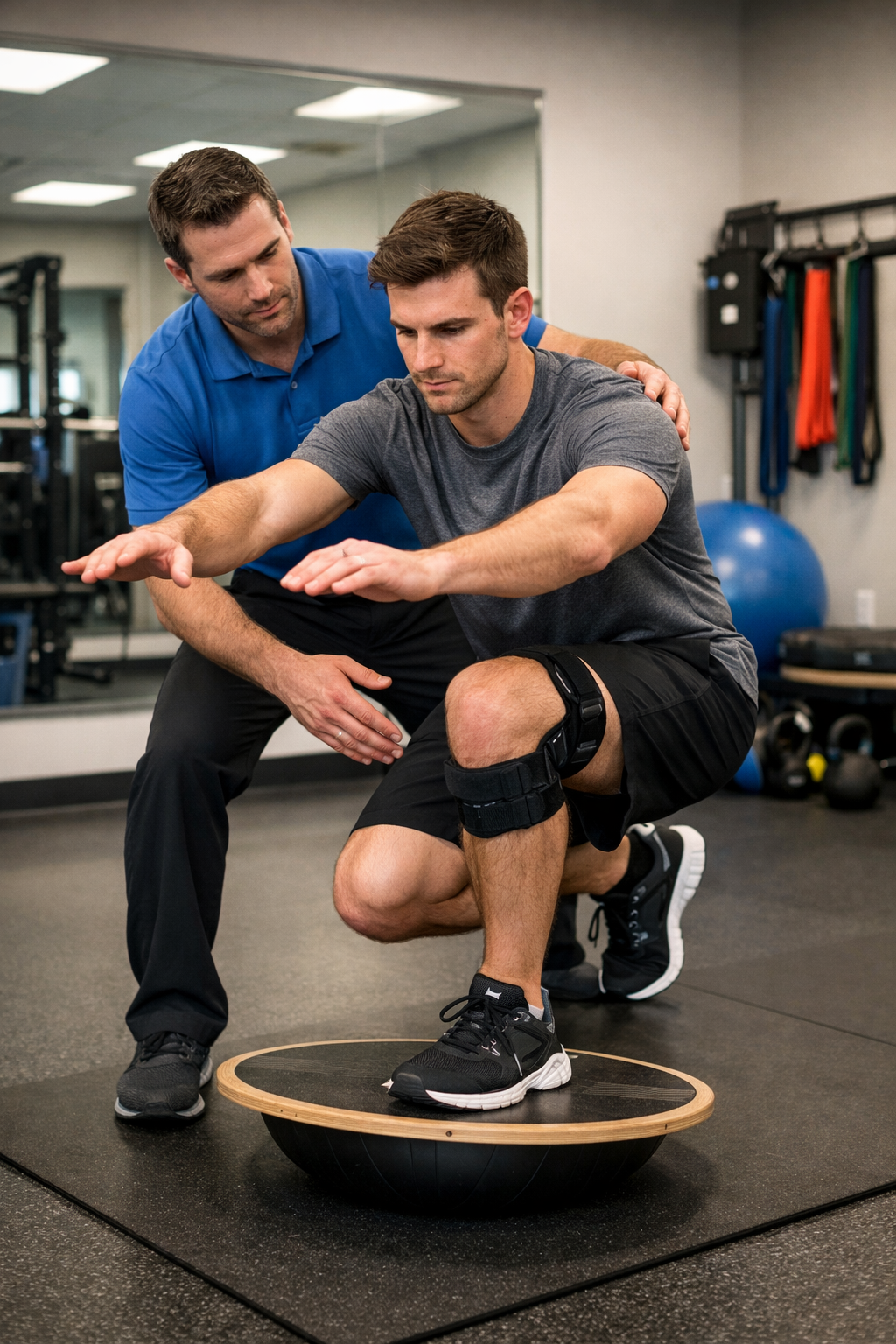
- Balance exercises on stable and unstable surfaces to re-engage proprioception — the body’s sense of where the knee is in space
- Stationary cycling to promote knee motion in a low-impact, controlled environment
- Continued manual therapy and soft-tissue mobilization as needed
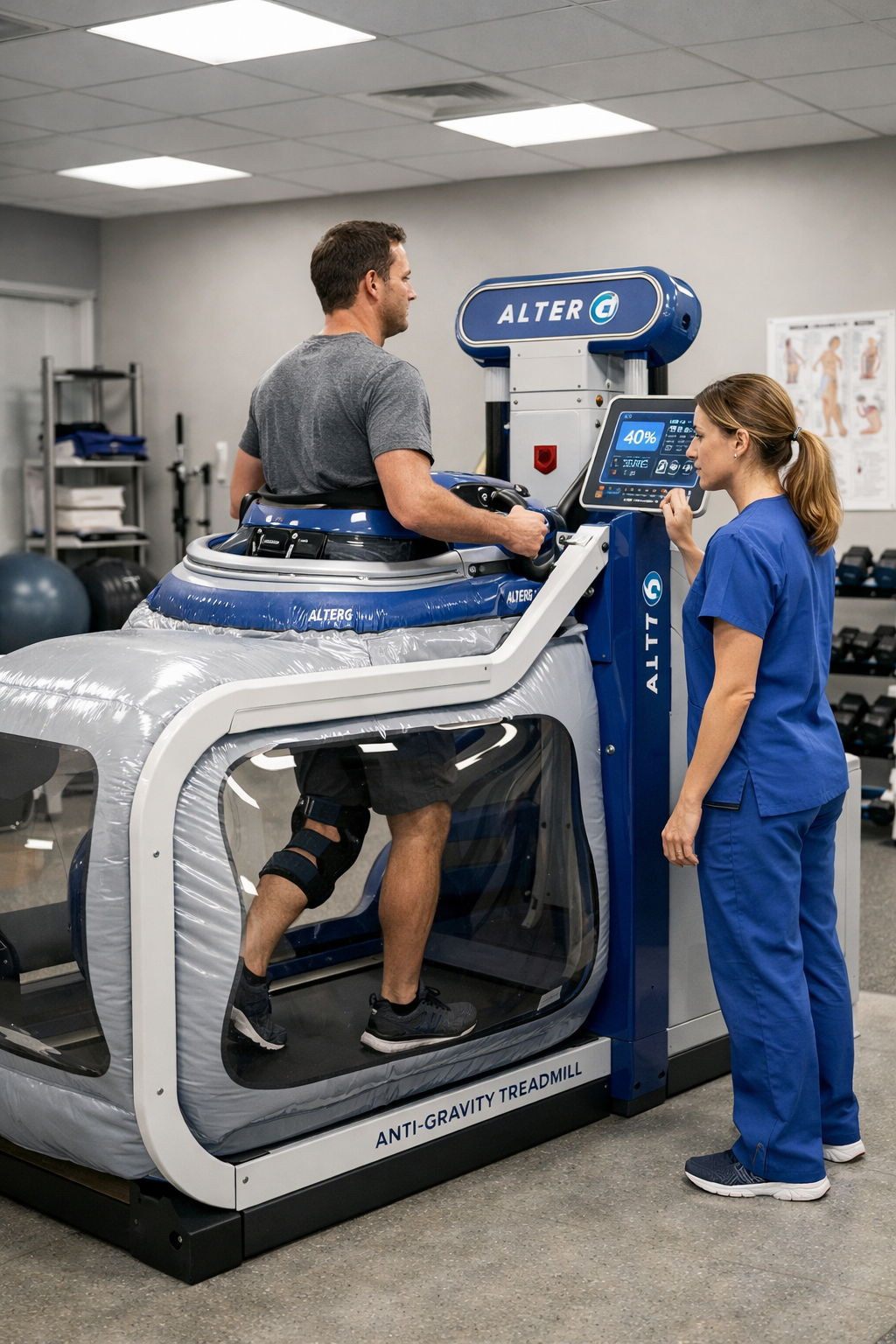
Phase 3: Progressive Loading (Weeks 6-12)
The rehabilitating knee must now tolerate increasing demand. This phase bridges the gap between basic strength and functional movement.
- Single-leg strengthening exercises (split squats, single-leg press, lateral step-downs)
- Hamstring strength emphasis to restore the hamstring-to-quadriceps strength ratio — a critical factor in ACL protection
- Proprioception challenges: single-leg stance on foam, perturbation training, eyes-closed balance drills
- Introduction of light jogging on a treadmill once strength and control benchmarks are met
Phase 4: Sport-Specific and Functional Training (Weeks 12-20)
For athletes — whether a Crusaders lacrosse player or a Clark Soccer Club midfielder — this phase reintroduces the movement patterns their sport demands.
- Agility drills: ladder work, cone cuts, shuttle runs
- Plyometric training: box jumps, depth jumps, single-leg hops designed to train the knee to absorb and produce force rapidly
- Sport-specific movement sequences tailored to the athlete’s position and playing style
- Objective testing: hop tests, strength dynamometry, and movement quality screens
Phase 5: Return to Sport and Ongoing Prevention (Weeks 20+)
Clearance for return to sport is based on data, not calendar dates. At Trinity Rehab, we use a battery of functional tests to confirm readiness:
- Limb symmetry index — The injured leg should produce at least 90% of the strength and hop distance of the uninvolved leg
- Single-leg hop tests — Four variations that measure power, control, and confidence
- Movement quality assessment — Video analysis of landing, cutting, and deceleration mechanics
- A personalized injury prevention program the athlete continues independently
THE NON-SURGICAL PATHWAY
Not every ACL injury requires reconstruction. Older adults, lower-demand recreational athletes, and patients with partial tears may achieve excellent knee function through rehabilitation alone. A weekend golfer at Hyatt Hills whose ACL tear is partial, for example, may return to full, pain-free rounds through a focused program of strengthening exercises, proprioception training, and activity modification — without ever entering an operating room.
The non-surgical pathway follows a similar phase structure but places greater emphasis on building the muscular support systems that compensate for a compromised ligament. Our physical therapists assess each patient individually to determine whether conservative management is appropriate.
ADVANCED TREATMENT TECHNIQUES
Trinity Rehab Clark integrates several evidence-based technologies into ACL rehabilitation:
- Blood flow restriction (BFR) training — A specialized tourniquet system partially restricts venous blood flow during low-load exercise, triggering strength and hypertrophy gains that normally require heavy lifting. This is particularly valuable in early post-op phases when the knee cannot tolerate high loads, allowing a patient recovering from ACL surgery to build quadriceps mass with bodyweight exercises alone.
- Neuromuscular electrical stimulation (NMES) — Electrodes placed on the quadriceps deliver controlled impulses that force muscle contraction even when voluntary activation is impaired. NMES is a cornerstone of early ACL rehab and has been shown to reduce long-term quadriceps weakness.
- Dry needling — Thin filiform needles are inserted into trigger points in the quadriceps, hamstrings, calf, and hip musculature to release tension, reduce pain, and improve tissue mobility. Patients dealing with persistent muscle guarding after ACL surgery often see immediate improvements in comfort and range of motion.
- EPAT / Shockwave therapy — Acoustic pressure waves stimulate blood flow and tissue healing in areas of chronic irritation, such as the patellar tendon or the graft harvest site. Shockwave therapy can accelerate recovery when tendon pain becomes a limiting factor.
INJURY PREVENTION FOR CLARK ATHLETES
Preventing the first ACL tear — or a second one — is a priority for every athlete we treat. Evidence-based prevention programs reduce ACL injury rates by up to 50% and include:
- Neuromuscular warm-ups — Dynamic movement sequences that train proper landing and cutting mechanics before every practice and game
- Hamstring and hip strengthening — Targeted exercises that improve the muscle balance around the knee joint
- Plyometric training progressions — Controlled jumping and landing drills that teach the body to absorb force safely
- Balance and proprioception work — Single-leg stability drills that sharpen the knee’s reflexive control
We encourage Clark Soccer Club coaches, Johnson High athletic trainers, and parents of young athletes to integrate these protocols into team warm-ups. A 15-minute neuromuscular warm-up before every session is one of the most effective tools available for keeping athletes on the field.
WHY CHOOSE TRINITY REHAB IN CLARK
- One-on-one care — Every session is supervised by a licensed physical therapist, not handed off to an aide or technician
- Milestone-driven progression — We advance your rehab based on what your knee can do, not what the calendar says
- Advanced modalities in-house — Blood flow restriction, neuromuscular electrical stimulation, dry needling, EPAT, and manual therapy are all available at our Clark location
- Community knowledge — We understand the demands placed on Crusaders athletes, Clark recreation league players, and professionals working in logistics and retail throughout the township
- Convenient location — Our clinic at 301 Central Ave Suite 1, Clark, NJ 07066 is easily accessible from the Garden State Parkway and central to the neighborhoods we serve
We treat the full spectrum of sports injuries, hip and knee pain, and orthopedic conditions. Learn more about what we treat.
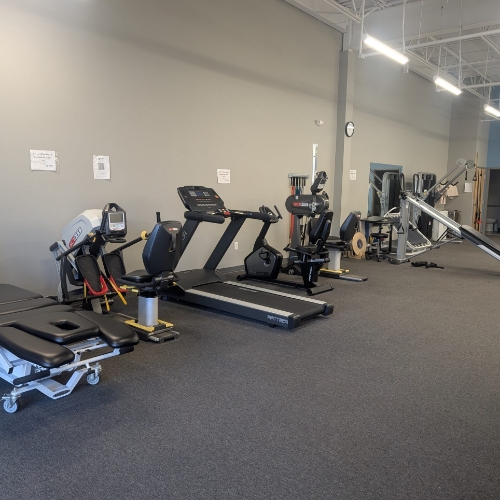
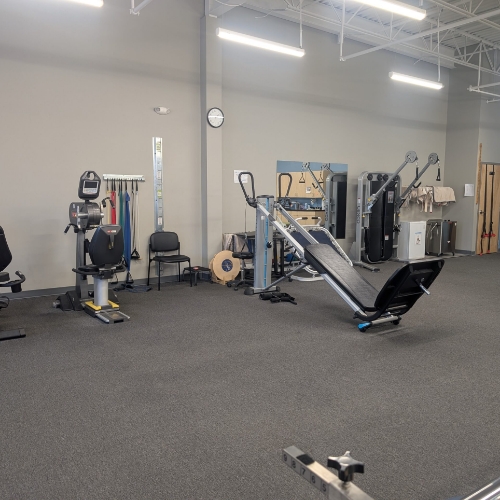
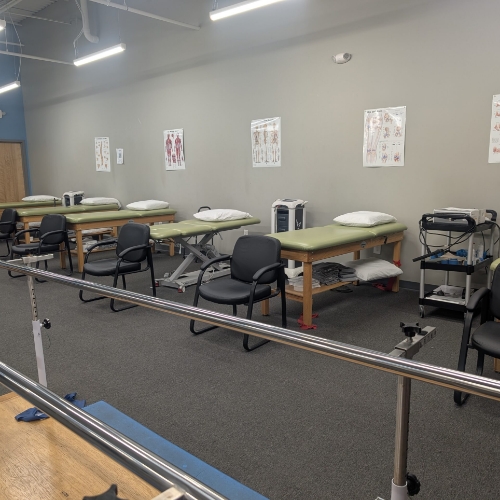
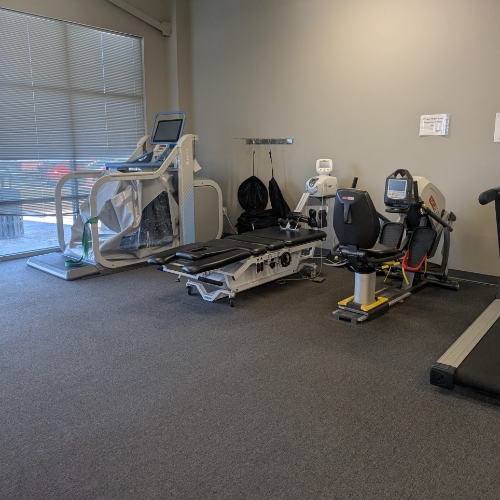
Inside Our Clark Clinic
RELATED CONDITIONS & TREATMENTS
ACL injuries are just one of the many conditions we treat at Trinity Rehab Clark. Explore our full range of conditions we treat or learn more about specific treatment approaches:
Clark ACL Rehab For Strength, Stability, And Return To Activity
ACL rehab in Clark should connect the healing stage to real movement goals: walking normally, using stairs, rebuilding quad strength, returning to running, and feeling ready for sport or exercise again.
Your therapist may assess swelling, range of motion, quad activation, hip strength, balance, gait, and return-to-sport readiness. The plan should match your surgical or non-surgical timeline and avoid skipping phases.
Related options include knee pain physical therapy, meniscus tear rehab, and the Clark physical therapy clinic page.
FREQUENTLY ASKED QUESTIONS
Clark ACL Rehab For Strength, Stability, And Return To Activity
ACL rehab in Clark should connect the healing stage to real movement goals: walking normally, using stairs, rebuilding quad strength, returning to running, and feeling ready for sport or exercise again.
Your therapist may assess swelling, range of motion, quad activation, hip strength, balance, gait, and return-to-sport readiness. The plan should match your surgical or non-surgical timeline and avoid skipping phases.
Related options include knee pain physical therapy, meniscus tear rehab, and the Clark physical therapy clinic page.
How long does ACL rehab take for a high school athlete returning to a sport like lacrosse or soccer?
Can I recover from an ACL tear without surgery?
What is blood flow restriction training and is it safe?
I injured my knee at work in a warehouse near Clark. Does Trinity Rehab handle workers' compensation cases?
How soon after an ACL injury should I start physical therapy?
Whether you are a Crusaders athlete facing an ACL reconstruction, a Clark parent whose child was injured on the soccer field, or someone who twisted a knee stepping off a curb at Esposito Park, the path forward starts with a single appointment.
Schedule your evaluation at Trinity Rehab Clark or call our clinic at 301 Central Ave Suite 1, Clark, NJ 07066 to get started. The sooner rehabilitation begins, the stronger your recovery will be.
Explore our ACL treatment resources for additional guidance on what to expect at every stage.