
ROTATOR CUFF INJURY TREATMENT IN CHERRY HILL, NJ

When Shoulder Pain Follows You From the Office to the Weekend
You spend your weekdays at a desk — maybe at the TD Bank U.S. headquarters, one of the medical offices surrounding Jefferson Cherry Hill Hospital, or in a home office serving the Delaware Valley. By Friday, your posture has collapsed forward and your shoulder has that familiar, nagging ache. You promise yourself you will stretch more next week.
Then Saturday arrives. You head to Cooper River Park for a morning jog, stop to throw a football with your son, and by Sunday you are grimacing through a game at XL Sports World or trying to serve at Cherry Hill Health and Racquet Club. The shoulder pain you ignored all week is now sharp enough to keep you awake at night.
This pattern — chronic desk-related strain compounded by weekend athletics — is one of the most common pathways to a rotator cuff injury we see at Trinity Rehab in Cherry Hill. You should know two things: this will not resolve on its own, and effective treatment is closer than you think.
The Anatomy Behind Your Pain
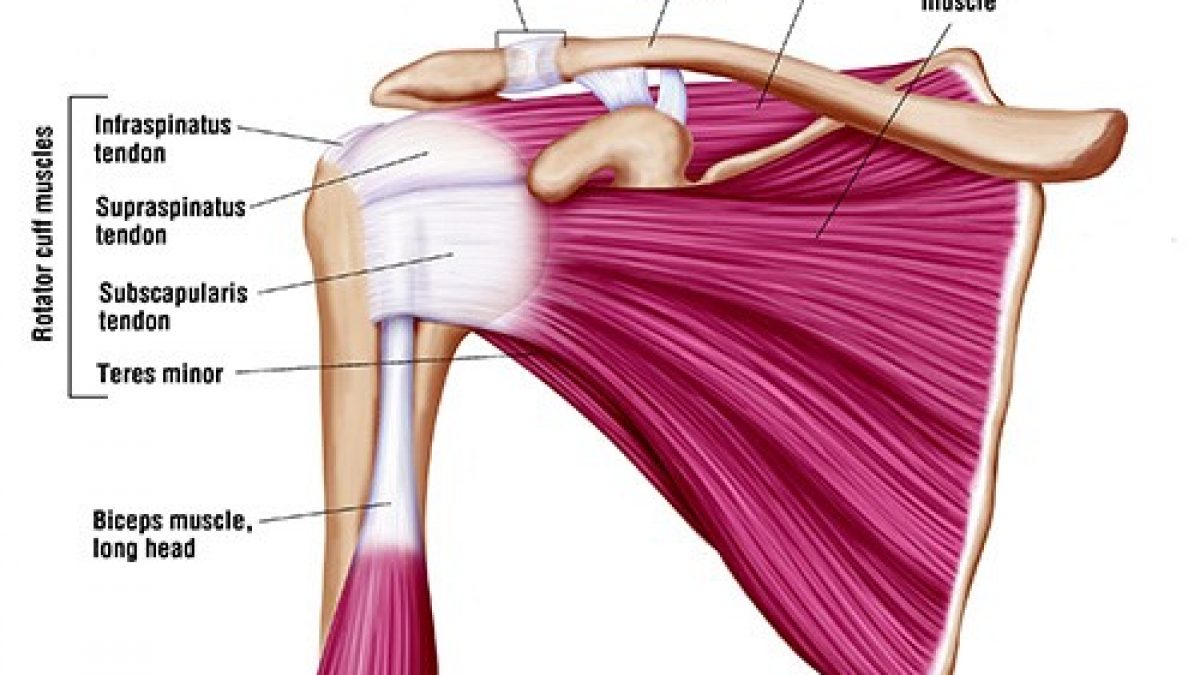
Your glenohumeral joint is the most mobile joint in your body. That mobility comes at a cost: inherent instability. Your rotator cuff — four muscles and tendons wrapping the joint — compensates for this.
The supraspinatus initiates arm elevation. The infraspinatus controls external rotation. The teres minor assists the infraspinatus, and the subscapularis handles internal rotation. Together, they compress the humeral head into the socket with every movement.
Rotator cuff tendinopathy — chronic tendon irritation and degeneration — is the most common diagnosis. Partial and full-thickness tears also occur, especially in patients over 50 or those with traumatic injuries. Without intervention, damaged tissue does not heal properly, and compensatory patterns create additional problems in the neck, elbow, and mid-back.
Why Rotator Cuff Injuries Are Common in Cherry Hill
Desk-Bound Professionals and Commuters
With a large professional workforce commuting to Philadelphia or working at campuses like TD Bank and Subaru of America, prolonged sitting and poor ergonomics are pervasive. Forward-head posture causes pectoral muscles to shorten, the thoracic spine to stiffen, and scapular stabilizers to weaken. This changes how the rotator cuff functions, leading to impingement of the supraspinatus tendon against the acromion.
Youth and Adult Athletes
Cherry Hill’s sports culture is thriving. Student athletes at Cherry Hill East and Cherry Hill West compete in baseball, swimming, tennis, and volleyball — all overhead sports stressing the rotator cuff. Adults stay active at swim clubs, XL Sports World indoor leagues, and Cherry Hill Health and Racquet Club. Sports injuries to the rotator cuff are a weekly occurrence in our clinic.
Healthcare Workers
Jefferson Cherry Hill Hospital employs thousands of residents. Nurses, aides, and technicians regularly lift and transfer patients — movements that place heavy, awkward loads on the shoulder. A single patient transfer with poor mechanics can strain a weakened supraspinatus tendon. Over months and years, these work-related demands gradually break down rotator cuff tissue.
Active Aging Population
With approximately one-third of Cherry Hill’s residents over 55, many remain physically active through golf, tennis, swimming, and cycling along Cooper River. Aging tendons have reduced blood supply and collagen integrity. The combination of age-related changes and sustained athletic activity makes this group vulnerable to degenerative tears.
Symptoms That Warrant Evaluation
Watch for these warning signs:
- Night pain that worsens lying on the affected shoulder
- Overhead reaching difficulty — putting on a coat, reaching a cabinet, or styling your hair
- Weakness during lifting or rotation — struggling with a bag of groceries or heavy container
- A painful arc between 60 and 120 degrees of arm elevation
- Catching, clicking, or grinding in the shoulder during movement
- Progressive stiffness — decreasing range of motion over weeks or months
- Radiating pain from the shoulder into the upper arm
- rotator cuff treatment overview
If you are experiencing these symptoms, request your appointment at our Cherry Hill location today.
Our Three-Phase Treatment Approach
At Trinity Rehab in Cherry Hill, we use a structured, phased rehabilitation approach. Each phase has specific goals, and progression is guided by measurable milestones — not arbitrary timelines.
Phase 1: Pain Reduction and Mobility Restoration (Weeks 1-3)
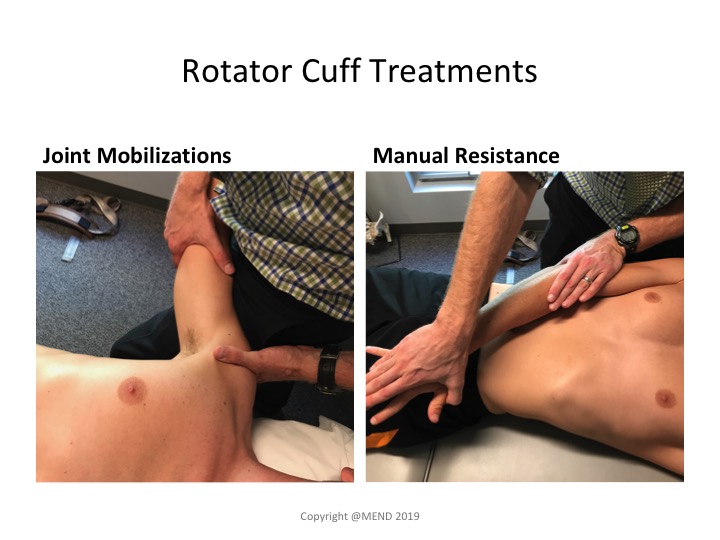
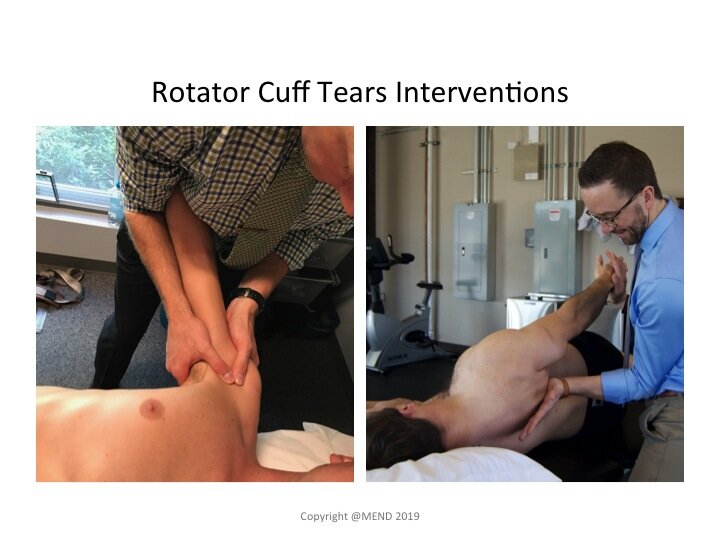
Manual Therapy — Your therapist uses glenohumeral joint mobilizations, soft tissue mobilization of the rotator cuff and periscapular muscles, and thoracic spine manipulation. For Cherry Hill’s desk-bound professionals, addressing thoracic stiffness is often critical — when your mid-back is rigid from hours of sitting, the supraspinatus tendon gets pinched with every overhead reach.
Gentle Range of Motion Exercises — Pendulum exercises, assisted elevation, and table slides gradually restore movement without stressing the healing tendon. The goal is recovering full passive range of motion before adding active loading.
Pain Modulation — We may incorporate dry needling to release trigger points in the infraspinatus, upper trapezius, and levator scapulae, producing rapid pain relief by reducing muscle guarding and improving local blood flow.
Postural Education — If prolonged sitting contributes to your injury, we address it immediately with desk ergonomic modifications, hourly movement breaks, and postural awareness strategies. For many Cherry Hill patients, this is the single most important factor in preventing recurrence.
Phase 2: Strengthening and Neuromuscular Re-Education (Weeks 3-8)
Eccentric Loading Programs — Eccentric loading is one of the most effective treatments for rotator cuff tendinopathy. These exercises focus on controlled lengthening under tension, stimulating collagen remodeling and increasing tendon strength. For supraspinatus tendinopathy, this involves slowly lowering resistance from an elevated position, progressively increasing load as the tendon heals.
Scapular Stabilization Training — Restoring scapular stabilization is essential for long-term rotator cuff health. Exercises target the serratus anterior, lower trapezius, and rhomboids. Wall slides, prone Y-T-W raises, and dynamic reaching tasks train these muscles to fire in the correct sequence. Without proper scapular control, re-injury is far more likely.
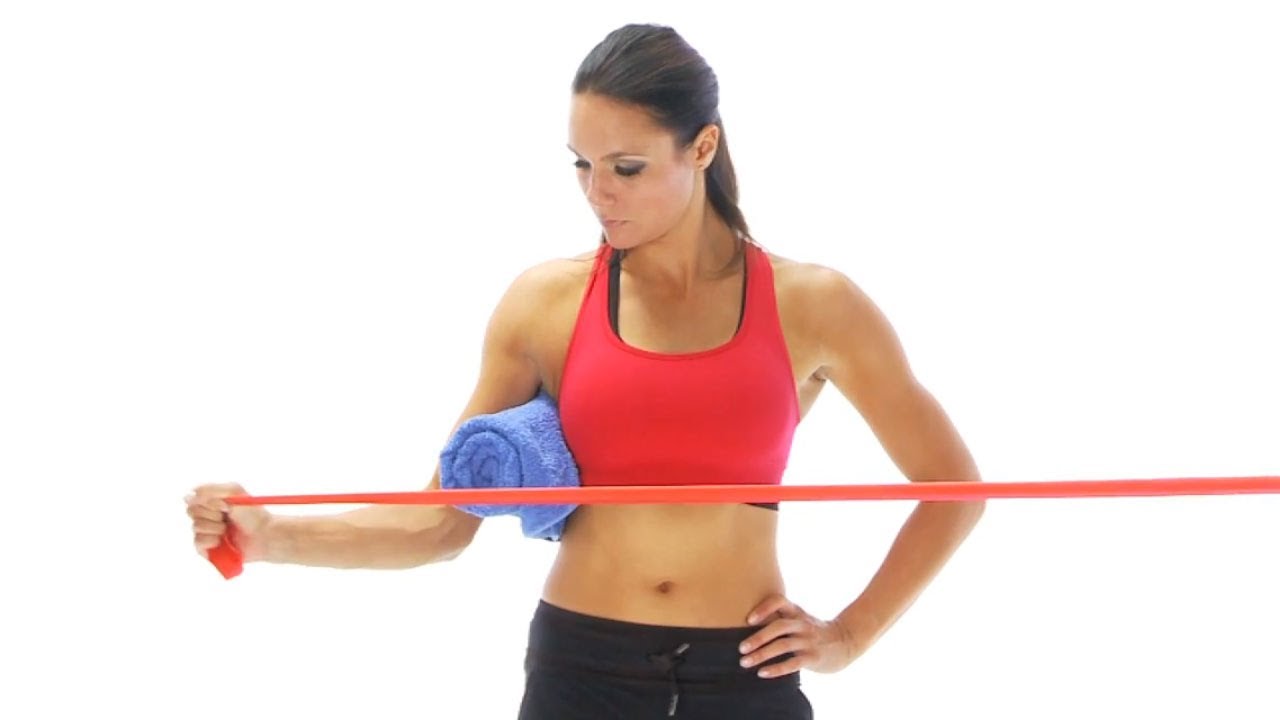
Rotator Cuff Isolation — Targeted strengthening of the supraspinatus, infraspinatus, and external rotators using bands and light dumbbells progressively loads the healing tendon while your therapist controls resistance, angle, and speed.
Phase 3: Functional Return and Performance (Weeks 8-12+)
Sport-Specific Training — If you are a Cherry Hill East tennis player, your program includes progressive serving drills and overhead stability work. For swim club athletes, we rebuild stroke mechanics emphasizing rotator cuff endurance and proper scapular rhythm. For XL Sports World league players, we incorporate throwing progressions and plyometric exercises.
Occupational Conditioning — If your injury is related to your job at Jefferson Cherry Hill Hospital, Phase 3 includes task simulation — replicating the lifting and carrying demands of your work and increasing intensity until you can perform a full shift without pain.
EPAT Therapy — For chronic rotator cuff tendinopathy that has plateaued, Extracorporeal Pulse Activation Technology delivers acoustic pressure waves to stimulate cellular repair and increase blood flow, breaking through healing plateaus when combined with your exercise program.
Return-to-Activity Testing — Before discharge, we perform objective testing to confirm your shoulder meets the strength, mobility, and endurance benchmarks required for your activities.
Protecting Your Shoulders: Prevention Strategies
- Set up your workstation correctly. Monitor at eye level, elbows at 90 degrees, shoulders relaxed. The same principles apply to your commute posture.
- Take movement breaks every 45 minutes. Stand, do five shoulder rolls and a doorway chest stretch. This takes under two minutes and reduces cumulative rotator cuff stress.
- Warm up before recreational sports. Before your tennis match or indoor soccer game, spend five minutes on dynamic shoulder stretches and light band exercises.
- Strengthen your posterior chain. Rows, face pulls, and reverse flies counterbalance the forward-pulling posture of desk work. Two to three sessions per week is ideal.
- Respect fatigue. Most recreational rotator cuff injuries happen when you are tired. When your shoulder fatigues, mechanics break down and injury risk spikes.
Why Trinity Rehab Is Cherry Hill's Choice for Shoulder Rehab
- Specialized shoulder expertise. Our therapists have advanced training in shoulder assessment and treatment, staying current with the latest evidence on rotator cuff tendinopathy management.
- A complete toolkit. Manual therapy, dry needling, EPAT, and progressive physical therapy programs — all under one roof.
- Personalized, goal-driven care. Your plan is built around your job, your sport, and your family responsibilities.
- Convenient Cherry Hill location. Easily accessible from anywhere in Cherry Hill and Camden County, with flexible scheduling.
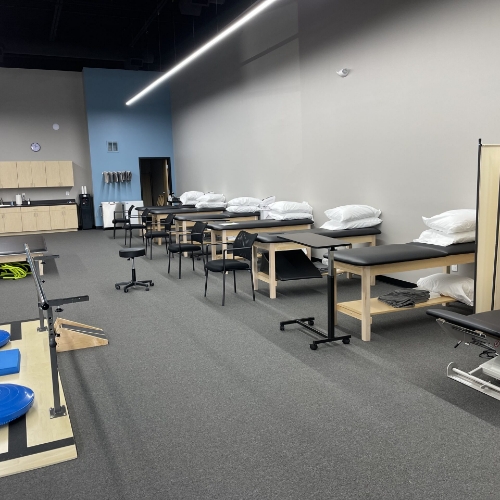
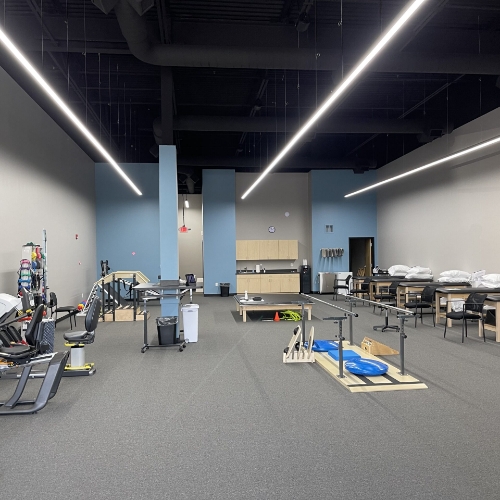
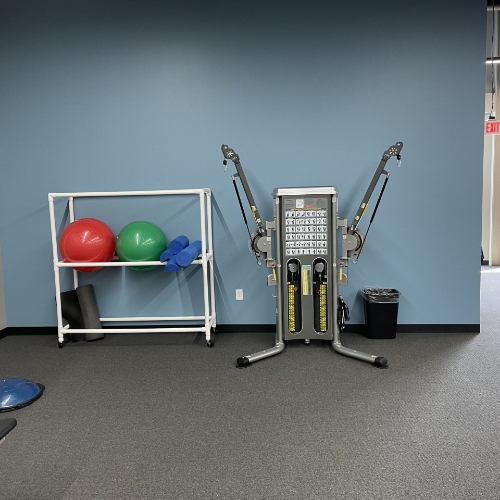
Inside Our Cherry Hill Clinic
Frequently Asked Questions
Can I start physical therapy without seeing an orthopedist first?
How do I know if I need surgery for my rotator cuff injury?
Will I need to stop playing sports during treatment?
How often will I need to attend physical therapy?
Your Shoulder Will Not Wait — And Neither Should You
Every week you spend compensating for a rotator cuff injury is a week of worsening movement patterns and diminishing function. The ache that started at your desk now affects your sleep, your workouts, and your ability to enjoy Cooper River Park on a weekend morning.
You do not have to accept that trajectory. Schedule your evaluation today and start your path to recovery. Learn more about our approach to shoulder pain relief and explore all available physical therapy treatments at our Cherry Hill clinic.
Start Your Recovery in Cherry Hill Today
Don’t let shoulder pain hold you back. Schedule your evaluation at Trinity Rehab in Cherry Hill and take the first step toward a stronger, pain-free shoulder.
Related Conditions & Treatments
Rotator cuff injuries are just one of the many conditions we treat at Trinity Rehab Cherry Hill. Explore our full range of conditions we treat or learn more about specific treatment approaches:
What Our Patients Say



Sign up for free health tips and tricks