
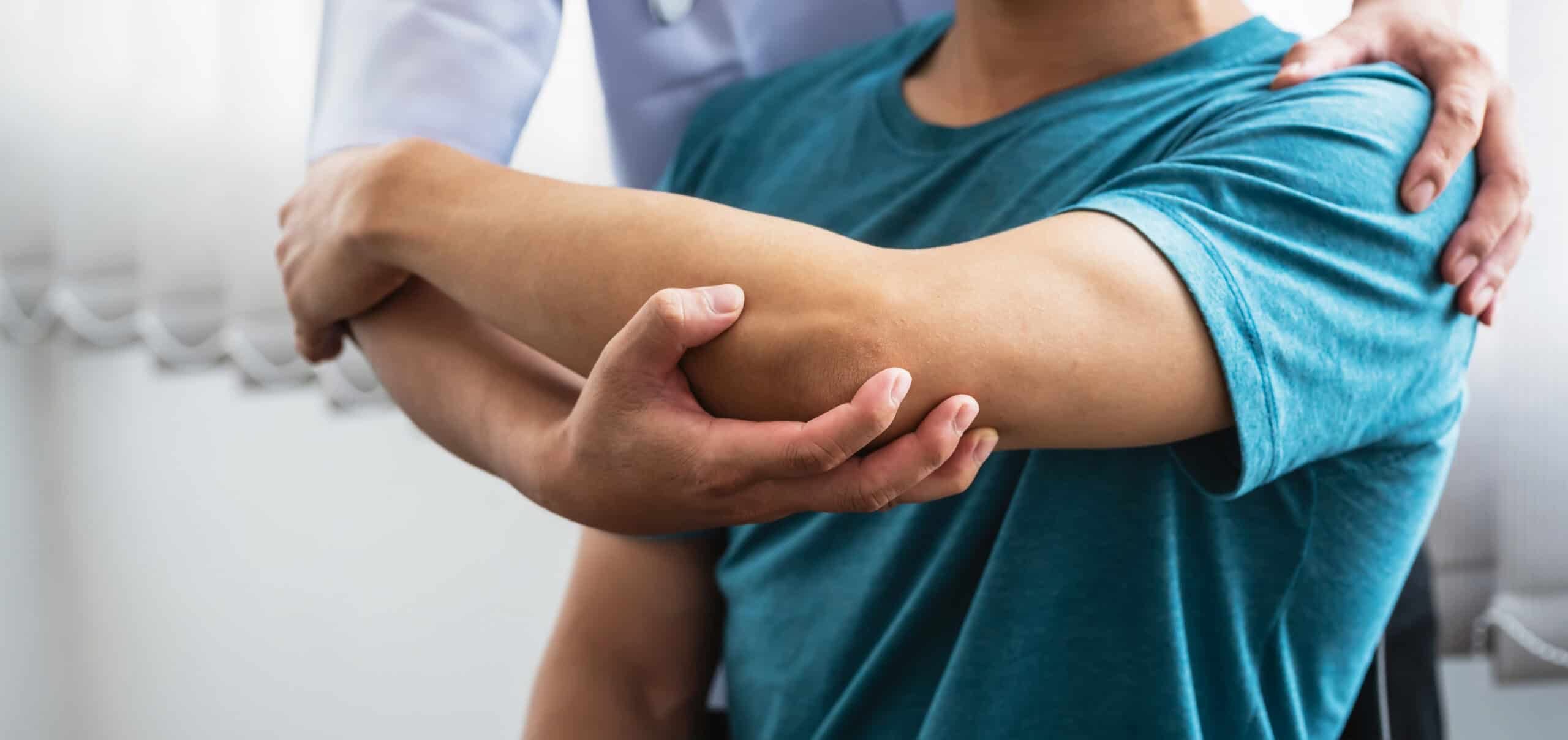
Golfer’s Elbow Treatment in Cherry Hill, NJ | Trinity Rehab
A Thriving Suburb Where Activity Meets Injury Risk
Cherry Hill is one of South Jersey’s most vibrant suburbs, known for its shopping (Cherry Hill Mall remains a regional destination), strong schools, and affluent residential neighborhoods. The community attracts young professionals who commute to Philadelphia, established families with teenagers playing competitive sports, and active retirees who have made the area home.
Walk through your neighborhood on a Saturday afternoon, and you’ll see tennis players heading to local courts, runners training along the tree-lined streets, and golfers departing for Woodcrest Country Club—one of the region’s premier courses. Drive past Cherry Hill East and West high schools, and you’ll see athletes of all ages working toward peak performance.
But with activity comes risk. The desk worker commuting to a downtown office, the athlete pushing harder for next season, the weekend warrior at Woodcrest—they’re all vulnerable to the same overuse injury: golfer’s elbow, or medial epicondylitis. And when it strikes, it doesn’t just affect your sport. It affects your ability to work, to grip your child’s hand, to open a door without wincing.
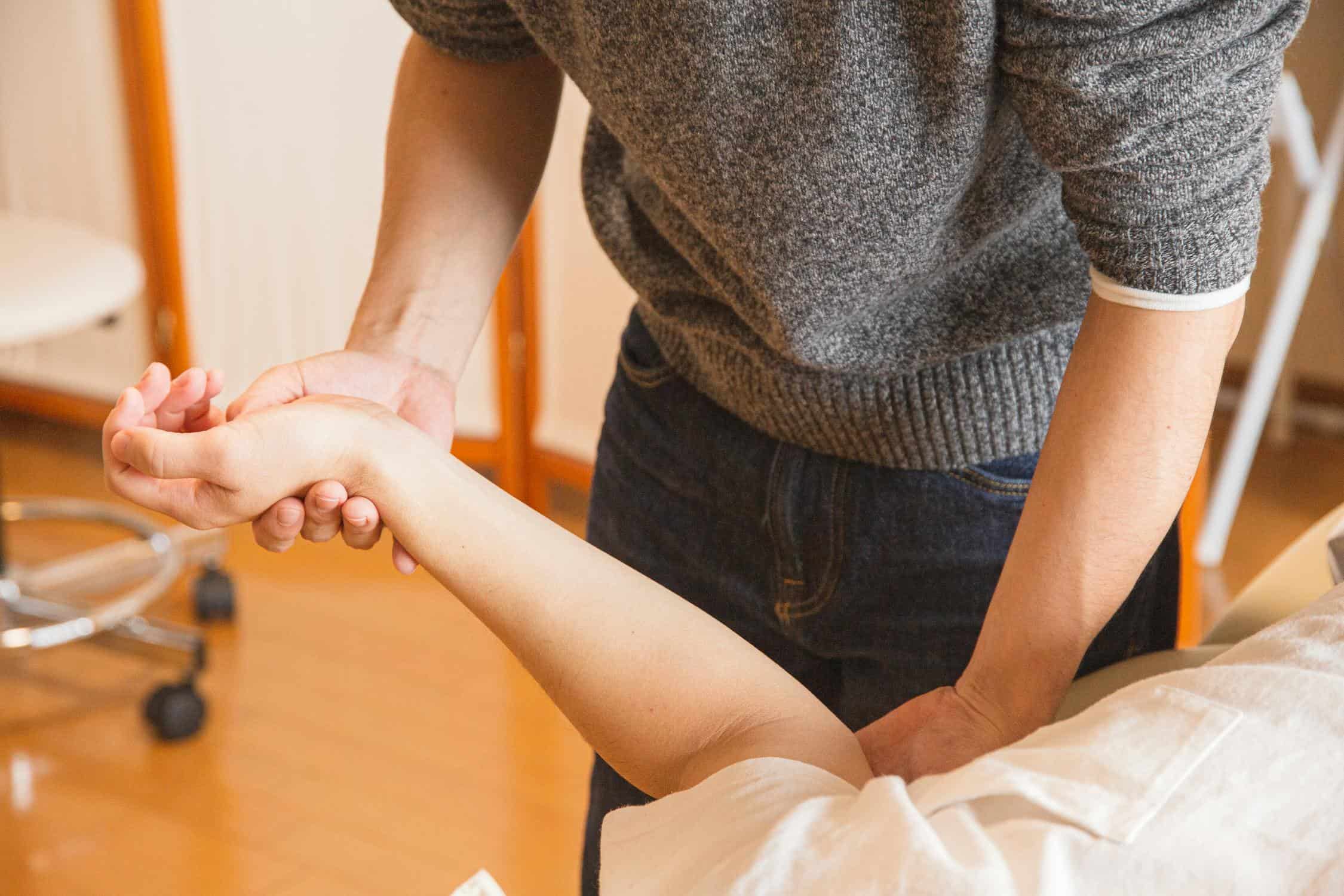
What Is Golfer’s Elbow and Why It Develops
Golfer’s elbow is inflammation and microscopic tearing of the tendons in the flexor-pronator muscle group on the inner side of your elbow. These muscles attach to the medial epicondyle—a bony prominence on the inside of your elbow joint. Every time you flex your wrist, rotate your forearm, or grip something tightly, these muscles and tendons do the work.
The injury develops through repetition and overuse. Unlike a sudden sprain where you twist your ankle, golfer’s elbow creeps up on you. It starts with a dull ache after activity. You ignore it because the pain goes away with rest. You return to your sport or activity, and the pain returns—a little worse each time. Over weeks or months, what started as minor irritation becomes a nagging, persistent problem that won’t go away on its own.
The classic symptoms of medial epicondylitis include:
- Pain on the inner side of your elbow, especially when you grip, flex your wrist, or rotate your forearm
- Weakness in your grip, making it harder to hold rackets, tools, or even a heavy briefcase
- Stiffness in your forearm, particularly in the morning or after periods of inactivity
- Tenderness to touch right over the medial epicondyle
- Radiating discomfort that may travel down your forearm toward your pinky finger
- Numbness or tingling in your ring and pinky fingers (if the ulnar nerve becomes involved)
For many Cherry Hill residents, the first sign is subtle: your tennis backhand doesn’t feel quite right, or your grip feels weak during a business handshake. By the time you seek help, the injury has likely been developing for weeks.
Who’s Vulnerable in Cherry Hill: Corporate Professionals to Competitive Athletes
Cherry Hill’s demographics and lifestyle create specific risk factors for golfer’s elbow. This is a community of professionals, many of whom commute to Philadelphia and work in white-collar jobs that demand repetitive keyboard and mouse use, firm handshakes, and intense concentration. Desk jobs might not seem like they’d cause an overuse elbow injury, but poor ergonomics, prolonged static postures, and the cumulative stress of eight-hour workdays take their toll on your tendons.
Major employers in the area—Subaru of America has significant operations in the region, TD Bank maintains major offices, and Virtua healthcare employs thousands—all have workforces at risk. Call center workers, data entry specialists, managers, and IT professionals develop tendon stress without realizing it until pain forces them to pay attention.
Beyond corporate work, Cherry Hill’s recreational culture puts residents at high risk. Woodcrest Country Club attracts serious golfers who play multiple times a week. The community’s excellent schools produce competitive high school and travel athletes in tennis, baseball, lacrosse, and other sports where repetitive arm motion is inherent. Youth travel sports—which have exploded in popularity—mean young athletes are training year-round, often with inadequate recovery.
Cherry Hill also has a large active-adult population. Adults in their 50s, 60s, and beyond are more likely to pursue recreational sports than ever before. They’re joining tennis leagues, training for golf tournaments, and pushing intensity levels they haven’t attempted in decades. But aging tendons don’t respond as quickly to stress, making them more vulnerable to medial epicondylitis.
Even seemingly low-risk activities contribute. Home renovation projects, yard work, painting, and DIY home improvement—pursuits popular in the suburban lifestyle—all involve repetitive gripping and flexion. A project done over a weekend or two might not cause immediate problems, but cumulative stress over months builds tendon damage.
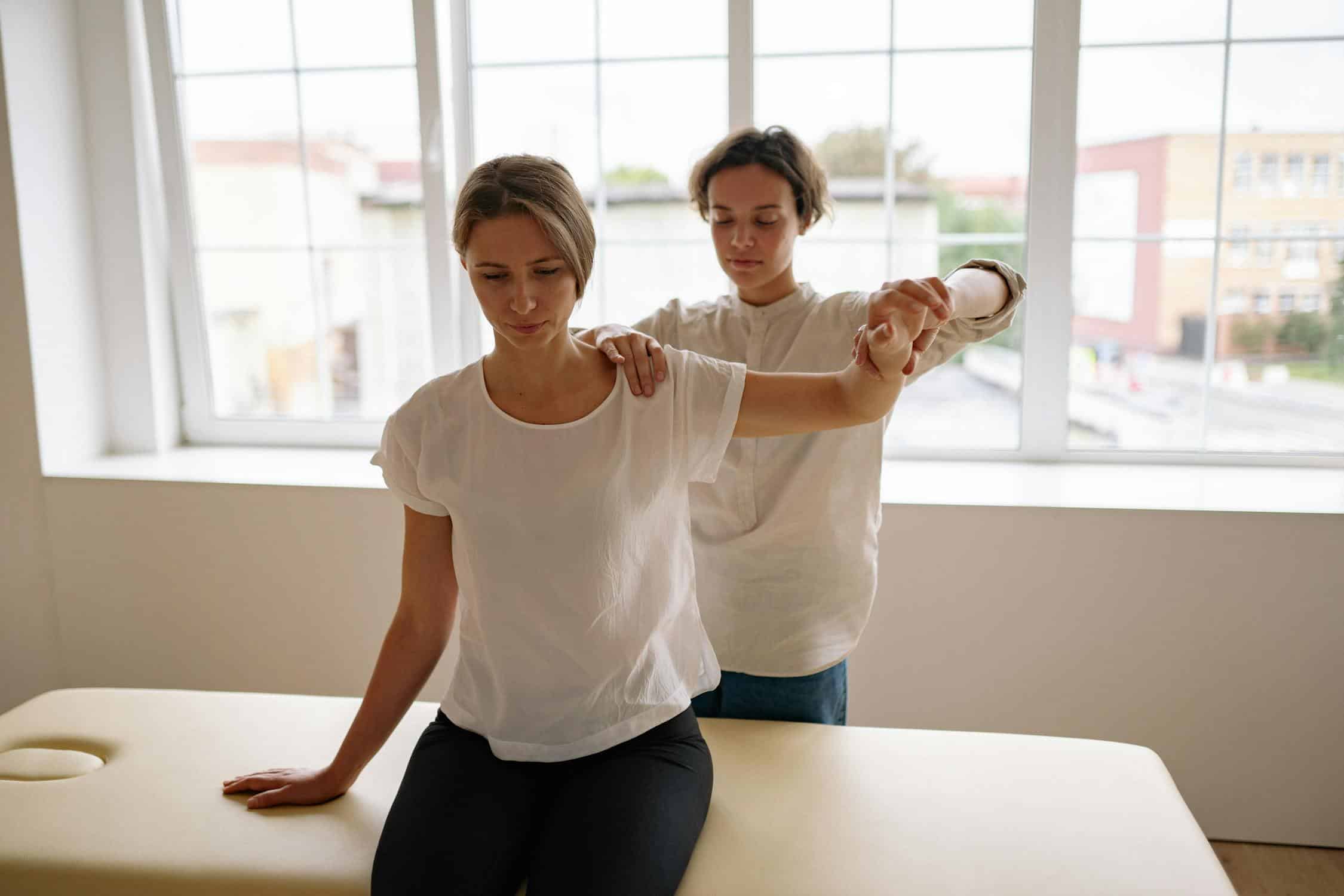
How Trinity Rehab in Cherry Hill Treats Golfer’s Elbow
When you come to Trinity Rehab’s Cherry Hill location, you’ll work with a physical therapist who recognizes the specific demands of living and working in your community. Whether you’re a professional navigating a desk-bound career, an athlete pursuing peak performance, or an active adult pursuing recreational passions, we tailor your treatment to your life.
Your journey begins with a thorough evaluation. We assess your range of motion, grip strength, pain patterns, and movement mechanics. We’ll ask about your profession, hobbies, sports, and what activities you most want to resume. We may perform special tests to rule out nerve involvement or other contributing factors.
Once we understand your situation, we develop a customized three-phase treatment plan:
Phase 1: Reduce Pain and Inflammation (Weeks 1–2) — Early treatment focuses on offloading stress from the damaged tendon. This includes ice therapy, ergonomic modifications for your workspace, activity adjustments, and possible bracing. We use manual therapy techniques to reduce muscle tension in your forearm that’s compensating for the injured area. Gentle range-of-motion exercises maintain mobility without aggravating the tendon. If you have a job that demands repetitive arm use, we help you modify tasks to prevent further damage.
Phase 2: Rebuild Strength Progressively (Weeks 3–6) — As inflammation decreases, we introduce resistance exercises that target the flexor and pronator muscles. These exercises start light and progressively increase in intensity. For athletes and golfers, we incorporate sport-specific movements so your muscles adapt to the demands you’re asking them to handle. Dry needling may be introduced to address scar tissue and muscle trigger points. Manual therapy continues as needed to maintain mobility and reduce pain.
Phase 3: Return to Full Activity (Weeks 6–8 and Beyond) — Once you’ve rebuilt strength, we progressively increase activity demands. For office workers, this means returning to full workdays without pain. For athletes, it means gradually returning to sport with proper conditioning. For golfers, it means practicing your swing again and eventually returning to full rounds at Woodcrest.
Trinity Rehab also offers advanced treatment options for cases that don’t respond fully to conservative therapy. EPAT (Extracorporeal Pulse Activation Technology) uses acoustic waves to stimulate healing in resistant tendons. Many Cherry Hill patients have found remarkable relief through EPAT, particularly those with chronic cases or those who want to accelerate their timeline.
What Your Treatment Experience Will Look Like
Trinity Rehab provides one-on-one physical therapy. When you arrive for your appointment, you’ll spend 45–60 minutes with a licensed physical therapist—not an aide, not a tech, but an expert who’s dedicated to your recovery.
Your first session is comprehensive. We perform detailed movement assessments, evaluate your posture and ergonomics, test your strength, and discuss your specific goals and lifestyle. We explain what’s happening in your elbow and why you’re experiencing your symptoms.
Subsequent sessions typically follow this progression:
- Manual therapy: Hands-on techniques that reduce pain, improve mobility, and release muscle tension
- Active-assisted exercises: Movements you perform with guidance that begin rebuilding strength safely
- Resistance training: Progressive strengthening with resistance bands, dumbbells, or functional movements tailored to your activities
- Functional training: Movements and activities that train your body for the demands you’ll face (whether that’s typing, playing tennis, or swinging a golf club)
- Home exercise program: A customized routine you perform between visits to accelerate healing and build lasting strength
Most patients see meaningful improvement within 3–4 weeks and return to full activity within 6–8 weeks. However, your timeline depends on injury severity, your age, and how consistently you follow your home program.
Prevention Strategies for Cherry Hill Residents
Preventing golfer’s elbow is far easier than recovering from it. Here’s how to protect your elbows whether you’re a professional, athlete, or active adult:
For Office and Corporate Workers:
- Set up your workspace ergonomically. Your monitor should be at eye level, your elbows should rest at 90 degrees, and your wrists should be neutral (not bent up or down) while typing.
- Take regular breaks. Every 30–60 minutes, step away from your desk, stretch your forearms, and let your eyes rest.
- Strengthen your forearms proactively. Wrist curls, reverse wrist curls, and farmer’s carries build muscular endurance that protects against repetitive stress injuries.
- Be mindful of your grip. A tight grip on your mouse or during typing increases forearm tension. Relax your grip—you don’t need to squeeze.
For Athletes and Golfers:
- Warm up thoroughly before practice or competition. Spend 10–15 minutes on dynamic arm movements, light activity, and gradual intensity increases.
- Use proper technique. Many tennis players, golfers, and baseball players use poor mechanics that overload their elbows. Consider coaching to refine your technique.
- Condition year-round. Don’t take months off and then suddenly jump into intense training. Maintain baseline strength and flexibility throughout the year.
- Balance training with recovery. Hard training days should be followed by lighter days. Your muscles grow stronger during rest, not during the activity itself.
- Strengthen your core and rotational muscles. A strong core reduces the workload on your arms and elbows.
For Everyone:
- Incorporate regular stretching into your routine. Tight forearm muscles are more prone to injury. Spend 5 minutes daily stretching your flexor and pronator muscles.
- Progress gradually. If you’re starting a new activity or returning to an old one, start conservatively and increase intensity slowly over weeks.
- Ice after intense activity. 15 minutes of ice on your inner elbow reduces inflammation after a demanding day.
- Pay attention to early warning signs. Mild discomfort is your body’s signal to change something. Address it early, or it will become chronic pain.

Related Conditions & Treatments
Golfer’s elbow often accompanies or overlaps with other conditions. Trinity Rehab treats a wide range of musculoskeletal conditions:
Related Elbow Care At This Location
Elbow pain patterns can overlap depending on grip, lifting, racquet sports, work tasks, and tendon load. A related same-location page is:
Frequently Asked Questions About Golfer’s Elbow
Can I continue my sport or exercise while being treated for golfer's elbow?
How long does it really take to recover from golfer's elbow?
What if physical therapy doesn't work?
How is golfer's elbow different from tennis elbow?
Will my golfer's elbow come back after I recover?
Reclaim Your Activity at Trinity Rehab Cherry Hill
Whether you’re a competitive athlete, a dedicated golfer, a busy professional, or an active adult pursuing the Cherry Hill lifestyle, golfer’s elbow doesn’t have to sideline you. With expert physical therapy, proper guidance, and your commitment to recovery, you can return stronger and more resilient than before.
Trinity Rehab’s Cherry Hill location is staffed by physical therapists who understand the demands of your community and the activities you love. We provide one-on-one care focused on your specific goals and timelines.
Don’t let elbow pain define your year. Contact Trinity Rehab in Cherry Hill today to schedule your initial evaluation. Let’s get you back to the activities that make Cherry Hill life so rewarding.
Trinity Rehab | Cherry Hill, NJ Location Expert Physical Therapy for Golfer’s Elbow | Professional One-on-One Care Schedule your free consultation today and start your path to pain-free performance.
Visit Trinity Rehab in Cherry Hill
Our Cherry Hill clinic is conveniently located at 801 Haddonfield Road, Cherry Hill, NJ 08002. Call us at (856) 406-3484 to schedule your golfer’s elbow evaluation today.