

SCIATICA TREATMENT IN BRICK, NJ: GETTING YOU BACK TO THE SHORE LIFE
Brick Township residents know the rhythm of life along the Jersey Shore. Come summer, you are hauling kayaks down to the Metedeconk River, casting a line off Mantoloking Bridge County Park, or spending long afternoons at Brick Beach with family. Come winter, you are out front with the shovel after a nor’easter drops two feet of snow on the driveway. Year-round, life in Brick keeps you active — and active living puts real demands on your lower back. For the growing number of Brick residents who have felt that sharp, radiating pain shoot from the lower back through the buttock and down one leg, there is a name for it: sciatica. And there is an effective answer: physical therapy at Trinity Rehab.
Sciatica is not something you simply have to endure. With the right treatment, most people recover fully — and Trinity Rehab is here to guide you through every step of that recovery, right in your own community.
Understanding Sciatica
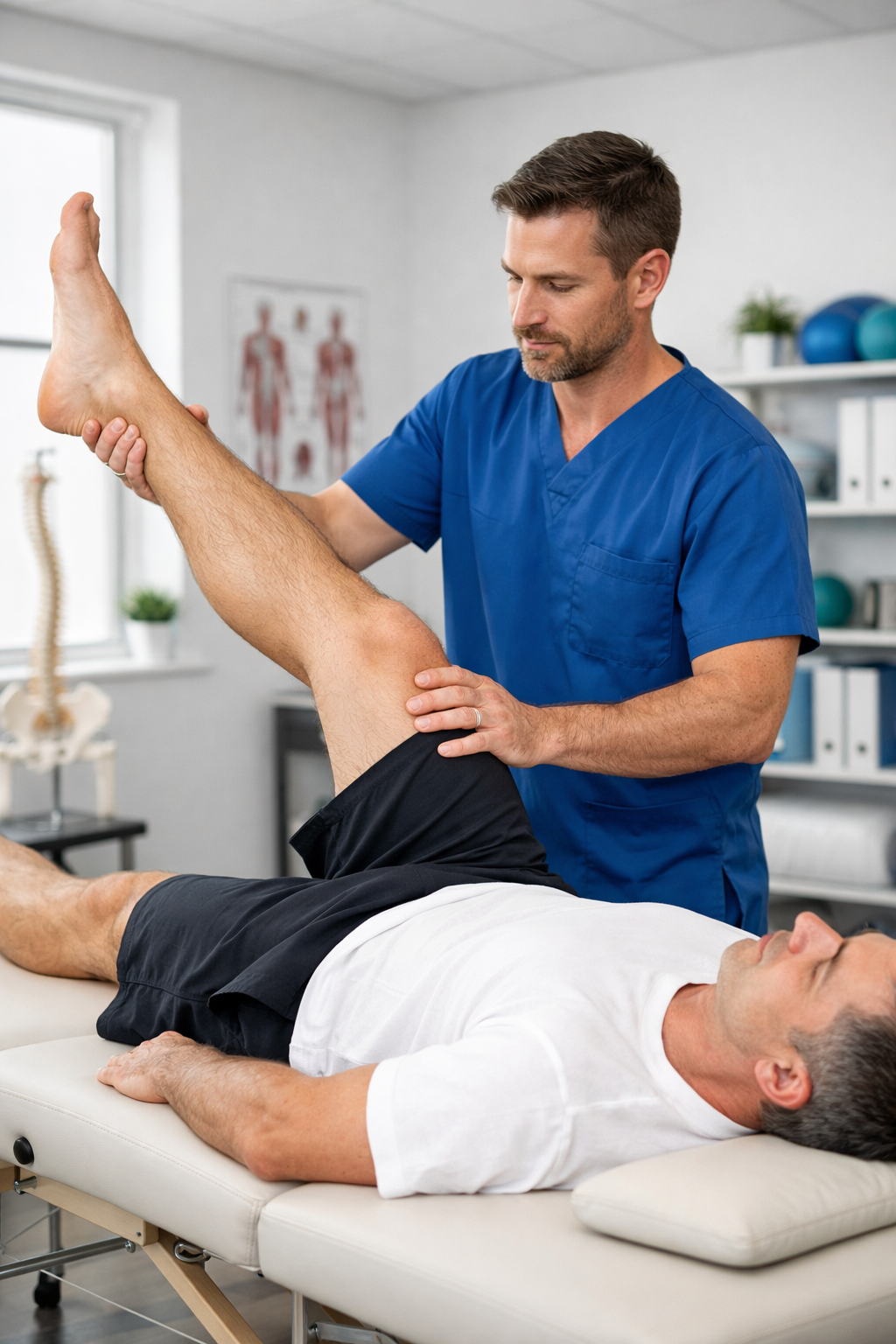
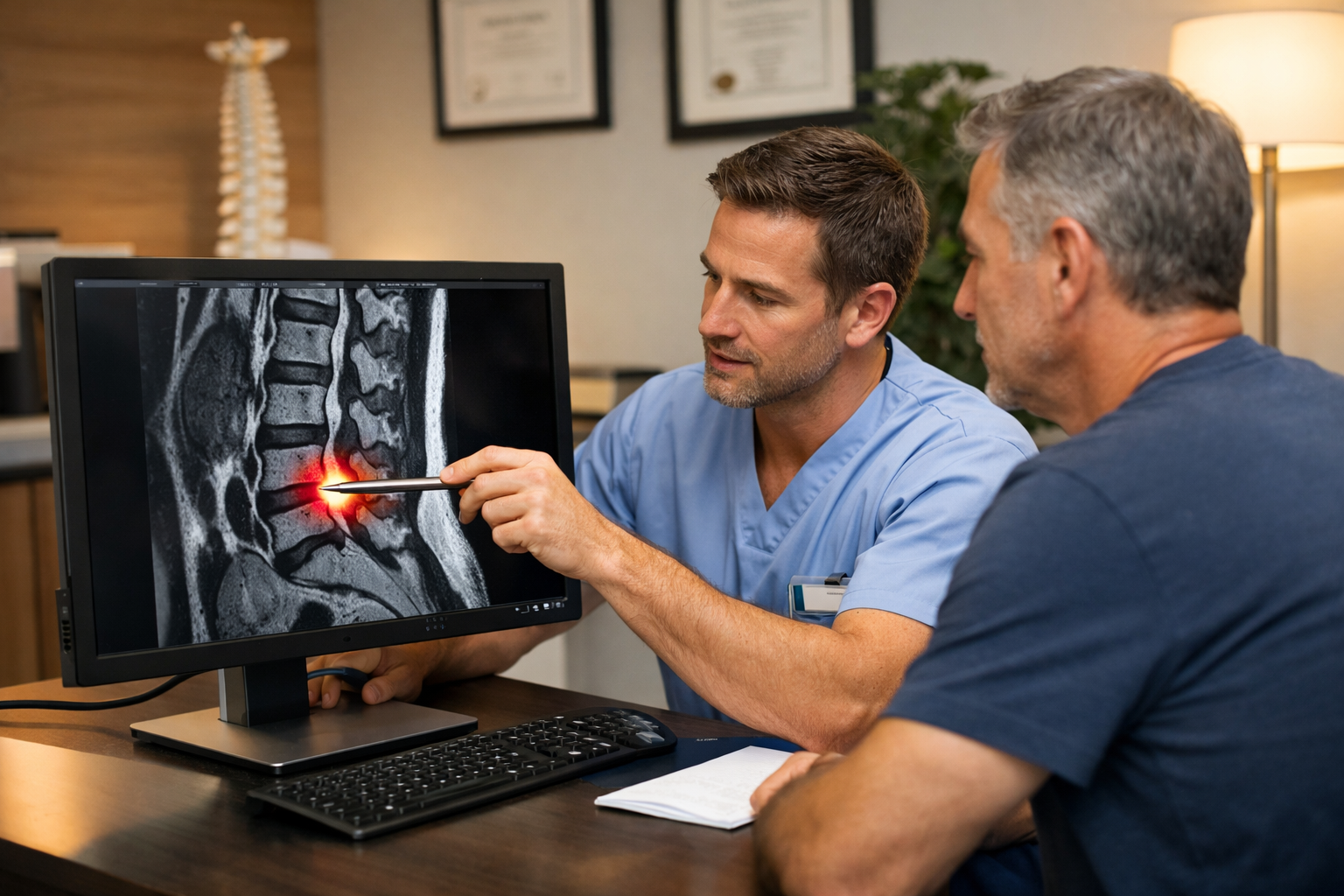
Sciatica describes pain that travels along the sciatic nerve, the longest nerve in the human body. It originates from several nerve roots in the lower lumbar and sacral spine, threads through the deep buttock musculature, and runs all the way down the back of the leg into the foot. When something compresses or irritates those nerve roots — a herniated disc, a narrowed spinal canal, a tight piriformis muscle, or arthritic bone changes — the result is the characteristic burning, electric, or aching sensation that many patients describe as the worst pain they have ever felt.
Clinically, the condition is often called lumbar radiculopathy. Nearly 40% of all adults will experience it at some point in their lives, according to the Cleveland Clinic. The reassuring news is that the overwhelming majority of cases resolve with conservative care — particularly targeted physical therapy that addresses the root cause rather than masking pain.
The key is not to wait. Sciatica that goes unaddressed can progress from occasional flares into a persistent condition that limits the activities you love — including everything that makes life in Brick worth living. Learn more about related back pain treatment at Trinity Rehab.
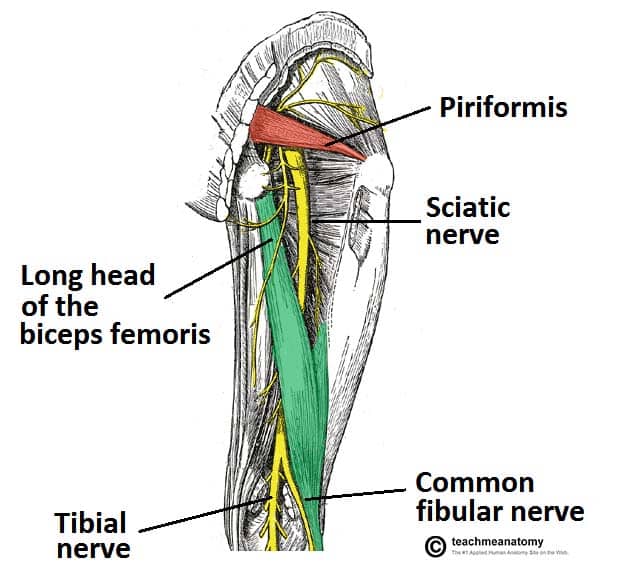
What Triggers Sciatica in Brick Residents
Brick’s unique blend of coastal recreation, suburban commuting, and seasonal demands creates a specific set of risk factors for lumbar nerve irritation. Here is what we see most often among patients at our Brick Township clinic:
Waterfront and beach activities. Surfcasting along the Barnegat Peninsula, hauling kayaks and paddleboards to and from the water, and repeated bending and lifting during summer boating trips all stress the lumbar discs. An awkward twist while launching a kayak at Traders Cove Marina, or a long afternoon bent over a crabbing trap at Mantoloking Bridge, can be enough to push an already vulnerable disc into nerve-compressing territory.
Winter snow removal. Brick averages 18 to 24 inches of annual snowfall, and nor’easters can dump far more in a single storm. The asymmetric, repetitive motion of shoveling — especially when the snow is wet and heavy — creates enormous pressure on lumbar discs and is a leading trigger for acute disc herniation and sciatica in our community. Ocean University Medical Center (Hackensack Meridian) sees an uptick in back-related emergency visits every winter, and many of those patients eventually find their way to physical therapy.
Warehouse and logistics work. The industrial corridors along Routes 70 and 88 host a range of logistics, warehousing, and distribution operations. Workers in these facilities spend hours lifting, bending, and operating in awkward postures — among the most consistent occupational risk factors for lumbar disc problems and sciatica.
Long commutes. Brick residents who travel to New York City or the greater metro area via the Garden State Parkway often log 30-plus minutes each way in a car seat. Prolonged sitting compresses the lumbar discs and shortens the hip flexors, both of which can worsen existing sciatic nerve irritation over time.
Recreational sports at Brick’s parks. The Brick American Baseball League, ice hockey at Ocean Ice Palace, disc golf at Oak Ridge Park, and the full slate of Shore Conference athletics at Brick Township High School and Brick Memorial High School all create opportunities for the sudden twists, slips, and falls that can precipitate a sciatica episode. Wrestlers, in particular, are no strangers to lumbar strain.
Recognizing the Symptoms
The hallmark of sciatica is pain that does not stay in one place — it travels. Common patterns our Brick patients describe include:
- A shooting or burning sensation from the lower back, through the buttock, and into one leg — sometimes reaching as far as the calf or foot
- Numbness or tingling down the back of the thigh or into the foot, especially after sitting
- Leg weakness that makes pushing off when walking feel different on one side
- Pain that flares when sitting for extended periods — a common complaint among Brick residents with long GSP commutes — or when coughing or sneezing
- Stiffness and achiness first thing in the morning that gradually eases with movement, only to return after prolonged activity
One Brick patient described noticing the pain first after a weekend of hauling gear for a family beach trip to the Barnegat Peninsula, then finding it impossible to sit comfortably on the 45-minute commute to work the following Monday. That combination — activity triggering, sitting sustaining — is a textbook sciatica presentation and one that responds extremely well to physical therapy.
If you experience sudden and severe leg weakness, or any loss of bladder or bowel control, seek urgent medical evaluation. These are rare but serious symptoms that require prompt attention.
How Trinity Rehab Treats Sciatica in Brick
Our physical therapists in Brick use a structured, three-phase approach tailored to your specific presentation and the activities most important to you — whether that means getting back in the kayak, returning to the rink at Ocean Ice Palace, or simply shoveling the driveway without dreading it.
Phase 1: Calming the Nerve and Reducing Pain
The first priority is reducing the acute irritation driving your symptoms. During this phase, your licensed physical therapist will:
- Use manual therapy — skilled hands-on techniques including joint mobilization and soft tissue work — to reduce lumbar stiffness, free restricted spinal segments, and decrease direct pressure on irritated nerve roots
- Guide you through neural mobilization (nerve gliding) exercises that improve how the sciatic nerve moves through surrounding tissues, reducing sensitivity and radiating pain
- Apply targeted stretches to the piriformis, hip flexors, and lumbar soft tissue to relieve the muscular compression that often amplifies nerve symptoms
- Use heat or cold therapy as appropriate to reduce muscle guarding and help you engage more fully in your active rehabilitation
For patients with stubborn muscle trigger points in the gluteal or paraspinal muscles, dry needling is available as an adjunct. This technique releases deep tension in the piriformis and surrounding muscles that resists conventional stretching alone.

Phase 2: Building the Strength to Stay Well
Once your acute pain is under control, the focus shifts to building the muscular support system that protects your lumbar spine. A weak core and underpowered glutes are among the most consistent underlying contributors to recurrent sciatica — and strengthening them is what keeps you from cycling back through pain episodes. Your program will include:
- Core stabilization exercises targeting the deep abdominals and multifidus muscles that create a natural protective brace around the lumbar spine
- Glute and hip strengthening through progressively loaded movements like bridges, clamshells, and single-leg exercises — particularly valuable for athletes and workers who demand a lot from one side of the body
- McKenzie directional exercises, a research-backed approach that uses specific movement patterns to centralize pain and reduce disc-related nerve irritation
- Posture and body mechanics coaching so you understand how to sit, lift, and move in ways that protect your spine during the activities Brick life demands
Phase 3: Return to Shore Life
The final phase is about you — specifically, getting you back to the things that matter. For Brick residents, that might mean returning to a full season of beach activities, resuming a boating routine, getting back on the ice, or simply walking Windward Beach Park without pain. Your therapist will guide you through:
- Functional movement training that replicates the demands of your specific activities — whether that is a kayak launch, a golf swing at Forge Pond, or lifting heavy items at work
- Sport- and work-specific conditioning for competitive athletes in Brick’s Shore Conference programs or workers in the Route 70/88 industrial corridor
- A home exercise program you can sustain independently to maintain the gains you have made and protect against future flare-ups
Why Choose Trinity Rehab in Brick
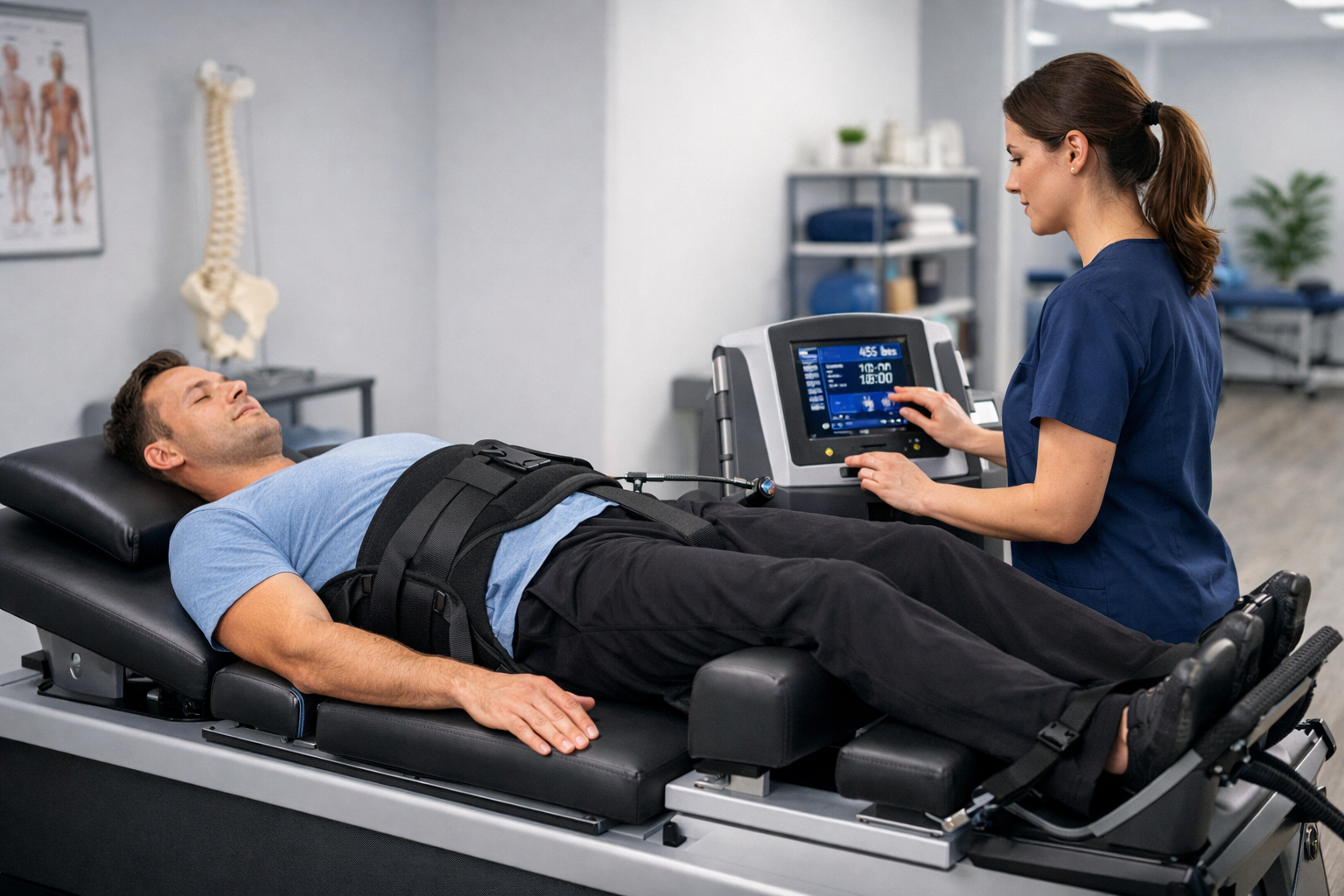
When sciatica strikes, access to high-quality care close to home makes all the difference. Here is what sets our Brick Township clinic apart:
- One-on-one care at every visit. Your licensed physical therapist — not an aide or assistant — guides every session. You receive their full clinical attention, every time.
- No referral required. New Jersey’s Direct Access Law means you can contact Trinity Rehab today and begin treatment without waiting for a physician’s order. When sciatica is acute, earlier is always better.
- Evidence-based clinical protocols. Our approach draws on current research in lumbar rehabilitation, neural mobilization, and neuromuscular strengthening — not guesswork.
- Flexible scheduling. Early morning and evening appointments are available because your recovery should not require missing work or rearranging your life.
- Community familiarity. Our Brick therapists understand the demands of shore-side living — the seasonal activity swings, the physical demands of waterfront recreation, and the impact of long commuting days on lumbar health.
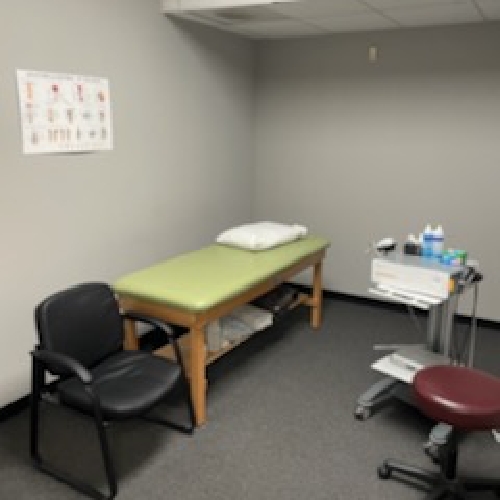
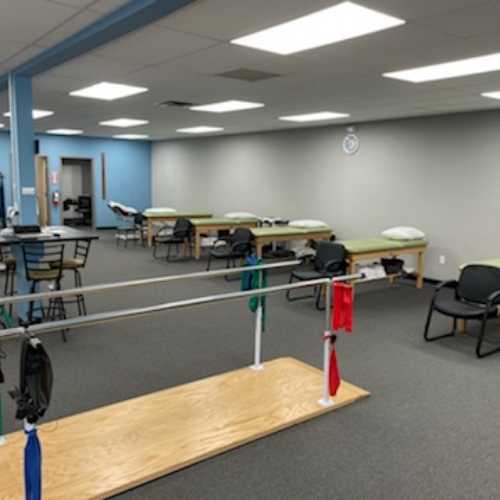
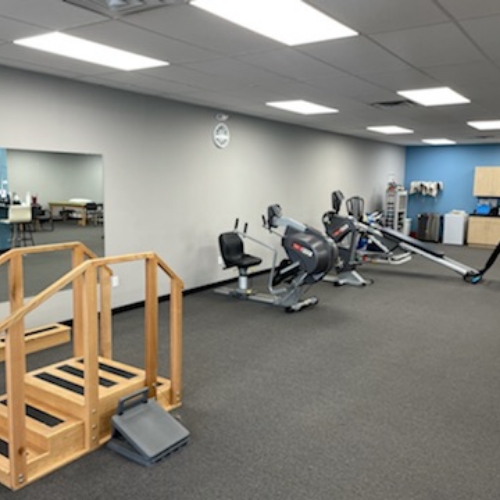
Inside Our Brick Clinic
Related Conditions & Treatments
Sciatica is just one of the many conditions we treat at Trinity Rehab Brick. Explore our full range of conditions we treat or learn more about specific treatment approaches:
- Sciatica Treatment Overview
- Back Pain Treatment
- Hip & Knee Pain Relief
- Manual Therapy
- Dry Needling
- EPAT / Shockwave Therapy
Brick Sciatica Rehab For Leg Pain, Sitting Pain, And Walking Tolerance
Sciatica-like symptoms can make sitting, driving, bending, sleeping, and walking difficult. Brick patients need a plan that separates nerve-related leg pain from back, hip, or muscle-driven symptoms.
Your therapist may assess symptom behavior, lumbar mobility, nerve tension, hip strength, walking tolerance, and positions that calm or worsen symptoms. Progressive weakness, numbness, or bowel/bladder changes should be medically reviewed urgently.
Related spine options include back pain physical therapy, lumbar disc herniation rehab, and the Brick physical therapy clinic page.
Frequently Asked Questions
Brick Sciatica Rehab For Leg Pain, Sitting Pain, And Walking Tolerance
Sciatica-like symptoms can make sitting, driving, bending, sleeping, and walking difficult. Brick patients need a plan that separates nerve-related leg pain from back, hip, or muscle-driven symptoms.
Your therapist may assess symptom behavior, lumbar mobility, nerve tension, hip strength, walking tolerance, and positions that calm or worsen symptoms. Progressive weakness, numbness, or bowel/bladder changes should be medically reviewed urgently.
Related spine options include back pain physical therapy, lumbar disc herniation rehab, and the Brick physical therapy clinic page.
Where can I get sciatica treatment in Brick, NJ?
Does Trinity Rehab Brick accept my insurance?
How long will sciatica treatment take?
Can I keep exercising during sciatica treatment?
What causes sciatica to flare up repeatedly?
You do not need to resign yourself to a summer on the sidelines or a winter dreading every snowfall. Sciatica is treatable, and recovery is very much within reach.
Request an appointment at Trinity Rehab in Brick — no referral needed. Our team will conduct a thorough evaluation, identify the specific cause of your sciatic pain, and build a plan designed around your life in Brick Township.
Get back to the bay, the beach, and everything that makes this community home.