
Osteoarthritis Treatment in Brick, NJ — Keep Moving on the Shore
Life in Brick Township moves at a pace most people love. You might spend mornings kayaking the Metedeconk River, afternoons walking the trails around Brick Reservoir, or weekends cheering on the Green Dragons at Brick Township High School. But if aching, stiff joints have started making those activities feel out of reach, you are not alone — and you do not have to accept this as your new normal.
Osteoarthritis affects more than 32.5 million adults in the United States, and with Brick’s median age of 45.3 and more than 21% of residents over 65, this community sees its share of people struggling with the daily grind of joint pain. The cartilage that once cushioned your knees, hips, and other joints wears down over time — a process called degenerative joint disease — leaving bone surfaces grinding and producing the pain, stiffness, and swelling that can steal your independence one step at a time.
At Trinity Rehab in Brick, our physical therapists are experienced in treating osteoarthritis at every stage, from mild morning stiffness to the kind of chronic joint pain that interferes with sleep, work, and the activities that make life in this Shore community worth living.
Why Getting the Right Osteoarthritis Treatment Matters in Brick
Brick Township’s waterfront lifestyle and active recreation culture mean your joints take on real work every day. Walking on soft sand at the barrier beach areas, stabilizing in a kayak on the Barnegat Bay, carrying a golf bag at Forge Pond Golf Course, or spending hours tending a suburban garden — each of these activities places significant load on your knees, hips, hands, and spine.
Osteoarthritis is a progressive degenerative joint disease. Without intervention, the cartilage protecting your joints continues to break down, narrowing joint space and increasing bone-on-bone contact. This leads to a predictable, damaging cycle:
- Chronic osteoarthritis pain that limits daily activity and disrupts sleep
- Loss of range of motion that makes bending, straightening, and reaching progressively harder
- Muscle weakness around the affected joint, which accelerates further cartilage breakdown
- Compensatory movement patterns that shift stress to adjacent joints
- Gradual withdrawal from physical activity, worsening cardiovascular health and overall well-being
Physical therapy is the first-line arthritis treatment recommended by the American College of Rheumatology, the Arthritis Foundation, and the American Academy of Orthopaedic Surgeons — before medication escalation and long before joint replacement surgery is necessary. Research shows patients who begin physical therapy early experience significantly better long-term outcomes and reduced need for surgery.
Thanks to New Jersey Direct Access laws, you can begin physical therapy at Trinity Rehab in Brick without a doctor’s referral. Call us or request an appointment online and start treatment right away.
Who in Brick Is Most at Risk for Osteoarthritis?
Osteoarthritis does not discriminate, but certain activities and life circumstances common in Brick Township accelerate joint wear.
Shore and outdoor recreation: Walking on uneven sand repeatedly compresses the knee and ankle joints in ways that level pavement does not. Kayaking and crabbing require sustained grip, wrist, and shoulder work that can accelerate hand and shoulder osteoarthritis over years.
Repetitive occupational demands: Workers at Ocean University Medical Center, Costco, Walmart, and ShopRite spend long shifts on hard floors — a documented risk factor for knee osteoarthritis. Healthcare aides and warehouse staff in Brick often arrive with hip and knee pain that has been building for years.
Active retirees: With 21% of the population over 65, Brick has a significant number of residents managing early to moderate osteoarthritis while still wanting to golf, fish, walk, and play with grandchildren.
Previous joint injuries: A prior ACL tear, meniscus surgery, or fracture around a joint surface — even one from decades ago — dramatically raises the risk of post-traumatic osteoarthritis developing in that joint.
Excess body weight: Each extra pound of body weight adds approximately four pounds of force to the knees while walking. Weight management is a central part of effective knee osteoarthritis treatment.
Understanding your specific risk profile helps your physical therapist at Trinity Rehab design a targeted treatment plan rather than a generic one.
Symptoms Brick Residents Often Notice First
Osteoarthritis affects the knees, hips, hands, shoulders, and spine most commonly. Patients in Brick frequently describe:
- Morning stiffness that lasts 20–30 minutes after waking, particularly in the knees or hips
- Deep, aching joint pain that worsens after a day on the water or an afternoon of yard work, then eases with rest
- A grating, crackling sensation (crepitus) when bending or rotating the affected joint
- Swelling around the knee or other affected joint after periods of increased activity
- Reduced range of motion — difficulty fully bending the knee to board a boat or straightening the hip after sitting in a fishing chair for hours
- A feeling of the joint “giving way” unexpectedly during weight-bearing activities
- Trouble with specific tasks: climbing into an elevated vehicle, gripping fishing line or a kayak paddle, rising from a low chair
If any of these symptoms have persisted for more than a few weeks, it is time to speak with a physical therapist. Left unaddressed, osteoarthritis pain tends to compound.
How Physical Therapy Treats Osteoarthritis at Trinity Rehab Brick
Phase 1: Comprehensive Evaluation and Pain Relief
Every patient at Trinity Rehab begins with a one-on-one evaluation. Your physical therapist assesses joint mobility, muscle strength, movement quality, balance, and how your symptoms affect your daily life in Brick. This thorough picture — not a generic protocol — drives your entire treatment plan.
In the early phase, the priority is reducing pain and restoring basic joint comfort:
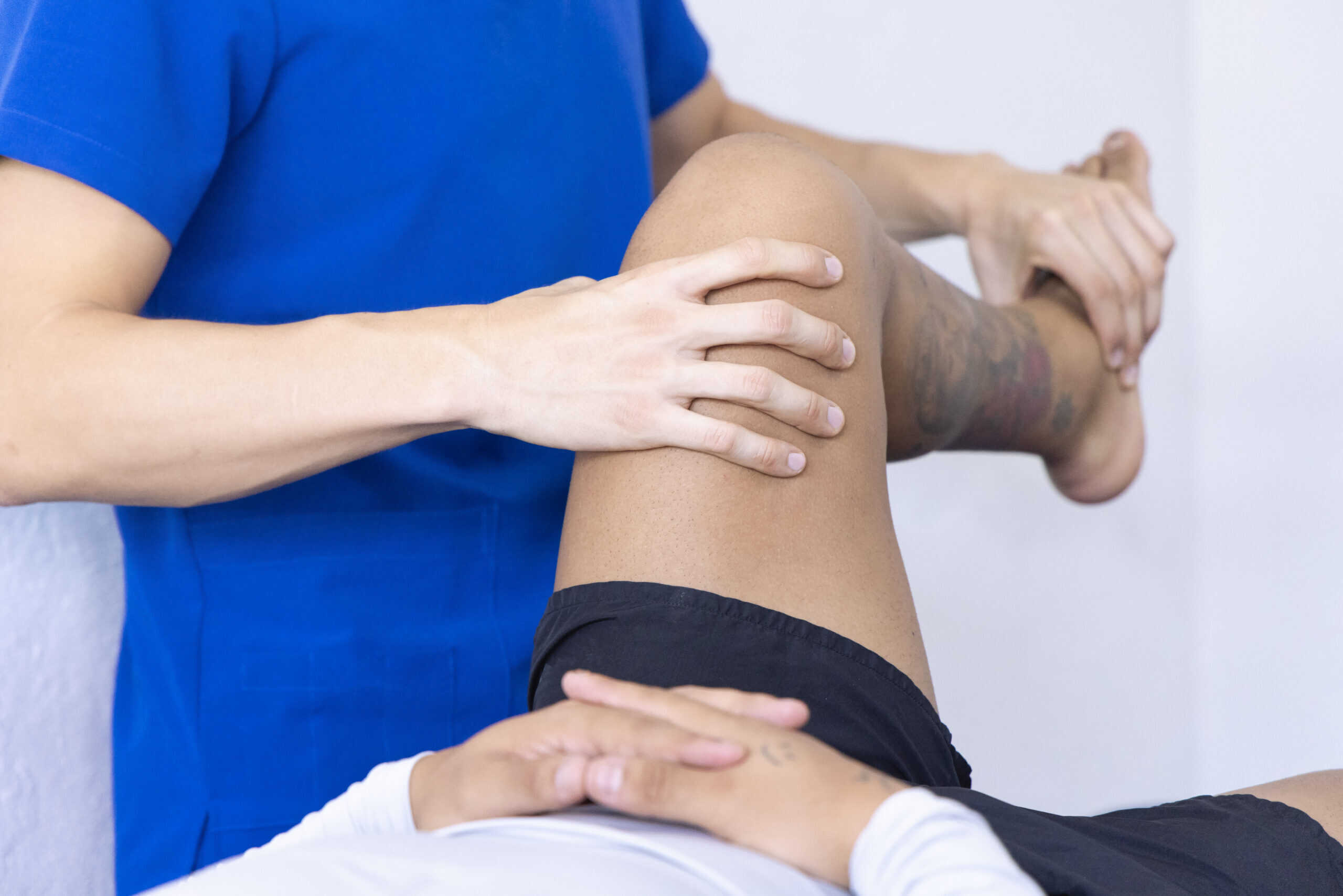
- Manual therapy techniques including joint mobilization and soft tissue mobilization to reduce stiffness and improve joint flexibility
- Heat, ice, and transcutaneous electrical nerve stimulation (TENS) for non-invasive pain management
- Activity modification coaching — how to keep fishing, walking the trails, or playing golf while protecting your joints in the process
Phase 2: Building Strength and Restoring Motion
Strong muscles are the body’s most effective shock absorbers. For knee osteoarthritis — the most common form in weight-bearing, active adults — the quadriceps muscle is the single most important protector of the knee joint. Your therapist designs a progressive strengthening program targeting:
- Knee osteoarthritis: Quadriceps and hamstring strengthening and flexibility exercises, including PNF stretching protocols; hip abductor work to stabilize the entire lower kinetic chain
- Hip osteoarthritis: Gluteal strengthening, core stabilization, and hip flexor flexibility to reduce compensatory stress on the knee and lower back
- Hand and wrist OA: Grip strengthening and fine motor exercises to maintain independence in daily tasks like fishing, cooking, and gardening
- Shoulder OA: Rotator cuff and scapular stabilization exercises to offload the glenohumeral joint
Alongside strengthening, your therapist uses manual therapy to restore the range of motion that osteoarthritis has taken. Joint mobilization and soft tissue work release the tightness that builds around arthritic joints, while targeted stretching restores your ability to move fully and comfortably.
An exercise program tailored to your goals and hobbies — whether that means getting back on the golf course at Forge Pond or kayaking Barnegat Bay — is essential for long-term success.
Phase 3: Advanced Technology and Long-Term Independence
Trinity Rehab offers treatment technology that sets our clinic apart from standard outpatient physical therapy practices:
AlterG Anti-Gravity Treadmill — By reducing body weight by up to 80%, the AlterG allows patients with severe knee, hip, or ankle osteoarthritis to walk and perform aerobic exercise with dramatically reduced joint stress. Clinical research demonstrates 20–30% pain reduction and improved cardiovascular endurance for arthritis patients using anti-gravity treadmill training. This is particularly valuable for Brick residents who want to maintain their fitness and endurance for outdoor activities.
EPAT Shockwave Therapy — Extracorporeal Pulse Activation Technology delivers targeted acoustic pressure waves to damaged tissues surrounding arthritic joints, stimulating collagen production and natural tissue repair. Research shows 60–80% pain relief for conditions like patellar tendinopathy, Achilles tendinopathy, and other soft tissue problems commonly associated with osteoarthritis.
Dry Needling — Targets myofascial trigger points in muscles that have tightened in response to chronic joint pain — particularly common in the quadriceps, hip flexors, and calf muscles. Dry needling provides relief that stretching alone often cannot achieve.

Preventing Osteoarthritis from Getting Worse
Physical therapy is not just about treating what hurts today — it is about building a sustainable plan for managing knee pain and hip and knee pain long-term. Your physical therapist at Trinity Rehab Brick will help you develop:
- A home exercise program targeting strengthening and flexibility 3–4 times per week to maintain the gains made in therapy
- Weight management strategies — even a 10% reduction in body weight can decrease knee osteoarthritis pain by up to 50%
- Proper joint protection techniques for boating, fishing, gardening, and other activities common in Brick
- Footwear guidance for walking on sand and uneven terrain
- Activity pacing strategies to stay as active as possible without triggering flare-ups
- Aerobic exercise recommendations — low-impact options like cycling, swimming, and AlterG treadmill walking keep joints moving without excessive impact
There are currently no proven disease-modifying agents for osteoarthritis, which makes consistent physical activity and guided physical therapy the most effective tools available for slowing progression.
Dietary supplements such as glucosamine and chondroitin are sometimes used, though evidence of their effectiveness is limited and they are not routinely recommended by clinical guidelines. Your therapist can discuss pain management options including topical NSAIDs and when steroid injections might be appropriate to ask your physician about.
Why Brick Residents Choose Trinity Rehab
One-on-one care, every session. At Trinity Rehab, you work directly with your physical therapist throughout every appointment. You are never handed off to an aide or left alone with a machine. Your therapist observes every movement, adjusts your program in real time, and builds a therapeutic relationship that gets results.
Technology most clinics do not offer. The AlterG Anti-Gravity Treadmill and EPAT Shockwave Therapy are not standard offerings in outpatient physical therapy. Trinity Rehab invests in advanced tools because osteoarthritis patients deserve more than basic stretching.
Full arthritis spectrum experience. Our therapists treat patients from early-stage knee arthritis through post-operative joint replacement rehabilitation. Whether you are trying to stay active, reduce pain and delay surgery, or recover from a recent knee or hip replacement, we have the clinical depth to guide your recovery appropriately. Joint replacement surgery is only considered when conservative treatment has been exhausted — and physical therapy is often what keeps patients off the surgical table.
Accepting most insurance. Trinity Rehab works with most major insurance plans. Our team handles verification and paperwork so you can focus on recovering.
Geriatric physical therapy expertise. For older adults managing osteoarthritis alongside other health conditions, our geriatric physical therapy approach emphasizes safety, fall prevention, and maintaining independence — values that matter deeply to Brick’s older community.
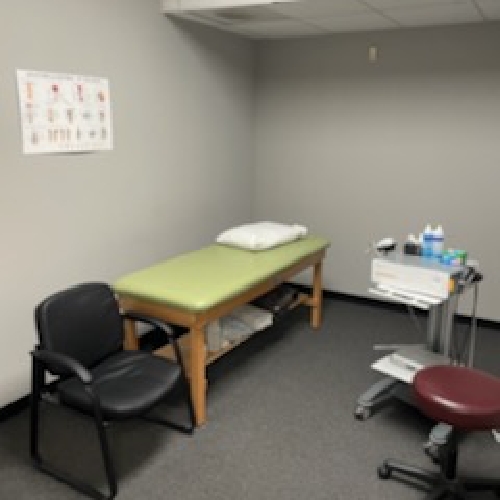
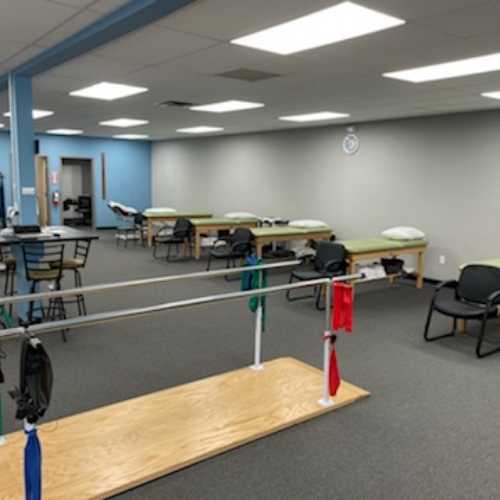
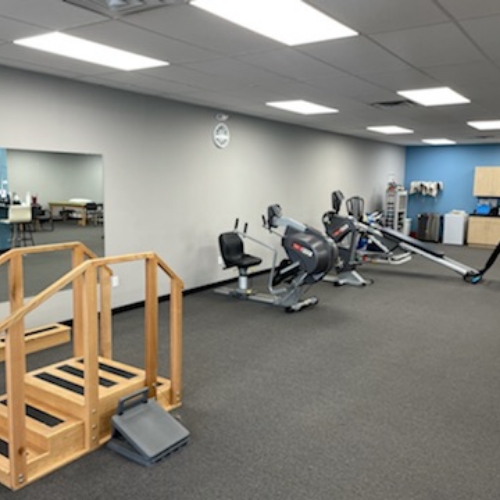
Inside Our Brick Clinic
Related Conditions & Treatments
Osteoarthritis is just one of the many conditions we treat at Trinity Rehab Brick. Explore our full range of conditions we treat or learn more about specific treatment approaches:
Frequently Asked Questions
Do I need a referral to start physical therapy for osteoarthritis at Trinity Rehab Brick?
What is the difference between osteoarthritis and rheumatoid arthritis?
Can physical therapy help me avoid knee replacement surgery?
How long does it take to see improvement?
Is physical therapy safe for active adults who want to keep fishing, golfing, and kayaking?
Getting Back on the Water and Back to Your Life
Whether it is casting a line on Barnegat Bay, walking the paths around Brick Reservoir, or keeping up with your grandchildren at Drum Point Sports Complex, osteoarthritis does not have to take those things from you. Physical therapy at Trinity Rehab offers a proven, non-surgical path to less pain, better movement, and greater confidence in your body.
Thousands of patients across New Jersey have worked with our physical therapists to reclaim movement from arthritis, back pain, and knee pain. We are ready to help you, too.
Request an appointment at Trinity Rehab in Brick, NJ →
Same-week appointments are often available. No referral needed.
Sources: Centers for Disease Control and Prevention. Osteoarthritis. American College of Rheumatology osteoarthritis treatment guidelines. Journal of Orthopaedic & Sports Physical Therapy, physical therapy outcomes research.
What Our Patients Say