LUMBAR DISC HERNIATION TREATMENT IN BRICK, NJ
You spent the morning hauling kayak gear down to the Metedeconk River, and by the time you launched from Traders Cove Marina, something in your lower back seized. Now, every paddle stroke sends an electric jolt from your hip down through your calf. Maybe it happened lifting mulch in your yard along Route 70, or twisting during a round at Forge Pond Golf Course. For many Brick residents, a lumbar disc herniation announces itself during the activities that define shore-town life — boating, beach volleyball at Brick Beach, wrestling practice at Brick Memorial, or simply bending to pick up a grandchild at Windward Beach Park.
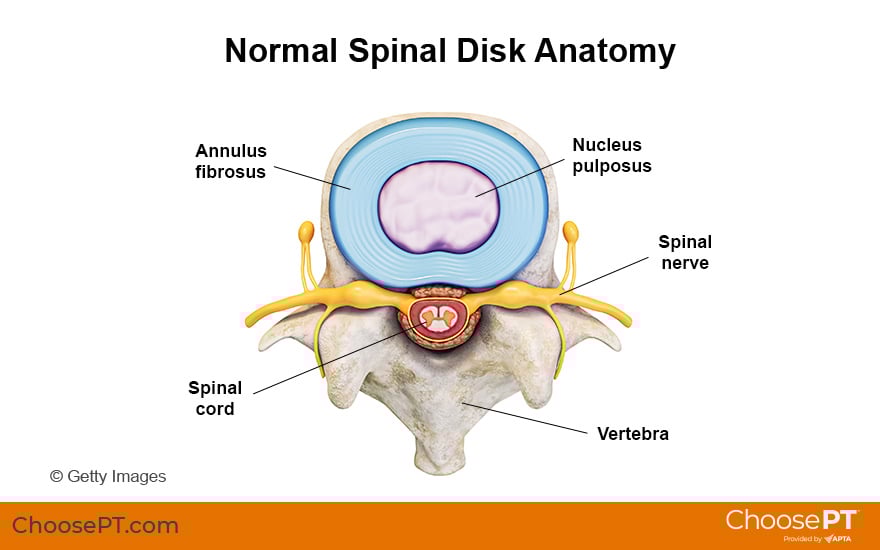
A lumbar disc herniation occurs when the soft, gel-like center of a spinal disc (the nucleus pulposus) pushes through a weakened spot in the disc’s tough outer ring (annulus fibrosus). When that displaced material presses against a nearby nerve root, the result is the sharp, radiating pain many people recognize as sciatica. The good news: you almost certainly do not need surgery. At Trinity Rehab in Brick, we use personalized, evidence-based physical therapy to help you recover — and get back on the water, the golf course, or the sidelines at your kids’ games.
WHY LUMBAR DISC HERNIATION RELIEF MATTERS FOR SHORE-TOWN LIVING
Brick’s lifestyle revolves around movement. Whether you are walking the Brick Reservoir trails, coaching youth baseball in the Brick American Baseball League, or commuting an hour-plus on the Garden State Parkway to your job in North Jersey, your lumbar spine absorbs constant stress. With a median age of 45 and over 21 percent of the population aged 65 and older, Brick has a significant number of residents in the age range most vulnerable to disc degeneration — typically between 30 and 50, though older adults remain at risk.
Left unaddressed, a herniated disc can progress from occasional back pain to chronic radiculopathy — nerve-driven weakness and numbness that makes it difficult to walk the beach, climb stairs, or sit through a movie. Research published in Deutsches Ärzteblatt International shows that 60 to 80 percent of patients see symptoms resolve within 6 to 12 weeks with conservative care. According to StatPearls (NCBI), over 85 percent of acute herniated disc cases improve without surgery. Physical therapy is the recommended first-line treatment — and the sooner you start, the faster you can reclaim your active Brick lifestyle.
COMMON CAUSES OF LUMBAR DISC HERNIATION IN BRICK
Understanding what triggered your herniation helps your therapist build a smarter recovery plan:
- Boating and watercraft activity — Lifting kayaks, hoisting coolers onto boats at Green Cove Marina, or absorbing wave impact while jet skiing places repetitive compressive and rotational force on the L4-L5 and L5-S1 disc levels.
- Yard work and landscaping — With over 76,000 residents spread across single-family homes, Brick is a community of homeowners who mow, rake, shovel, and mulch. Bending with a rounded spine while lifting bags of topsoil is one of the most common disc herniation triggers.
- Long Parkway commutes — Sitting for 60 to 90 minutes each way on the Garden State Parkway increases intradiscal pressure by up to 40 percent compared to standing. Many Brick commuters drive to offices in central or northern New Jersey every day.
- Golf and pickleball — Forge Pond Golf Course and the growing pickleball leagues at Brick Rec Center involve forceful trunk rotation that can stress a degenerating disc, particularly in players over 40.
- Youth and high school sports — Green Dragons football and Mustangs wrestling at Brick Memorial are contact-heavy sports where sudden impacts, tackles, and mat throws create acute disc herniation risk in young athletes.
- Age-related degeneration — Discs naturally lose water content and flexibility over time. With more than one in five Brick residents over 65, degenerative disc changes are common and can make even minor movements the tipping point.
- Warehouse and retail work — Employees at local ShopRite distribution centers, Proline Corp, and Industrial Road warehouses perform repetitive lifting and bending that compounds disc wear.
SYMPTOMS BRICK PATIENTS COMMONLY DESCRIBE
Lumbar disc herniation symptoms depend on which disc is affected and whether a nerve root is compressed:
- Sharp, shooting pain radiating from the lower back into the buttock, thigh, or foot — often described as an electric shock
- Numbness or tingling along the outside of the calf or into specific toes
- Muscle weakness that causes difficulty pushing off while walking on the beach or climbing the stairs at Windward Beach
- Pain that intensifies when sitting (especially during your Parkway commute), bending forward, coughing, or sneezing
- Stiffness in the lower back upon waking or after prolonged rest
- Relief when lying flat or taking short walks
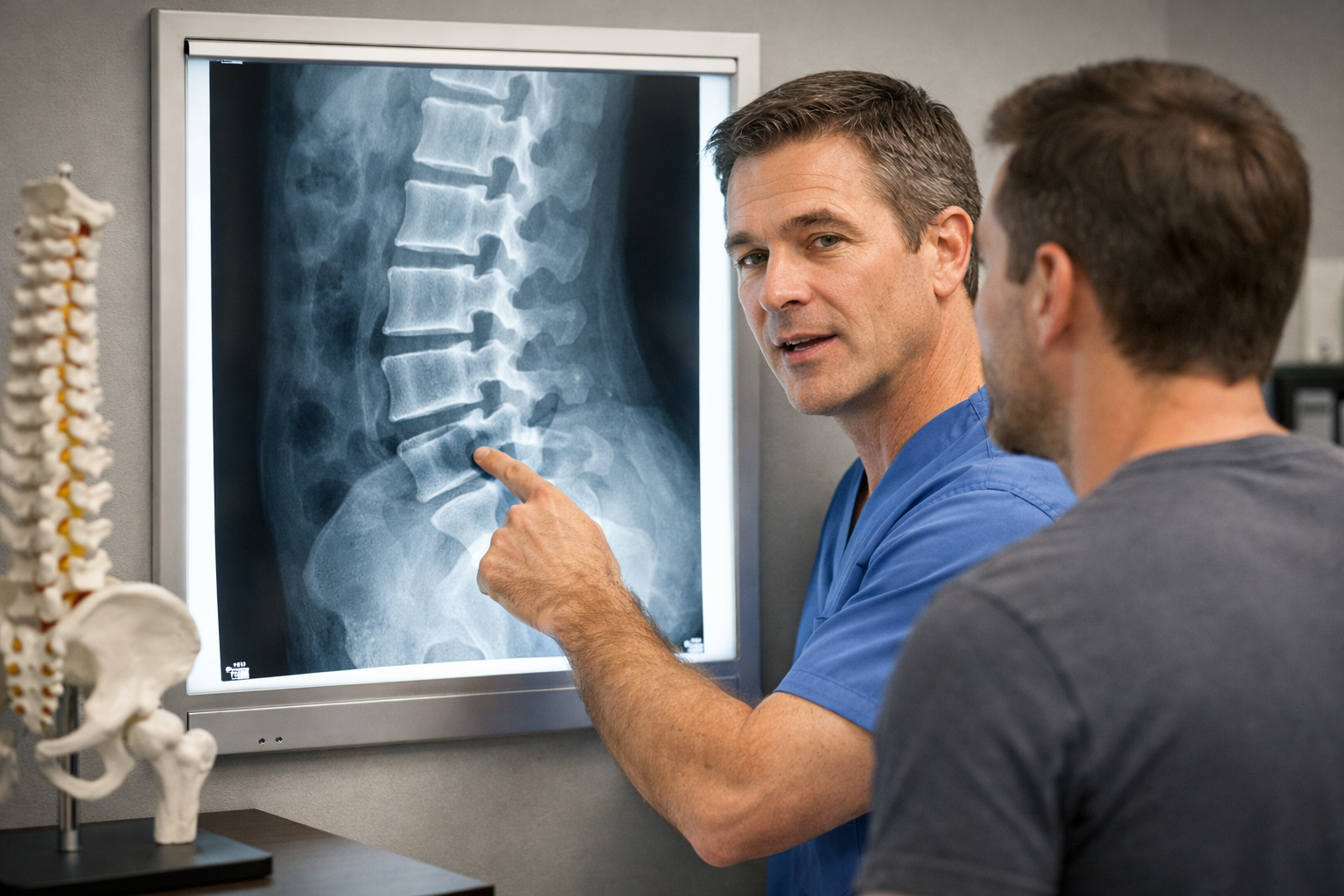
Many disc herniations show up on MRI in people with zero symptoms, which is why your physical therapist at Trinity Rehab evaluates your movement patterns and functional limitations — not just imaging — to guide treatment.
HOW PHYSICAL THERAPY RESTORES FUNCTION: A THREE-PHASE APPROACH
At Trinity Rehab Brick, every visit is one-on-one with a licensed physical therapist. No aides, no group circuits — just focused, expert care tailored to your body and your goals. Your recovery progresses through three overlapping phases.
PHASE 1: REDUCING PAIN AND CALMING IRRITATED NERVES
The initial priority is bringing your pain under control so you can begin moving with confidence:
- Directional preference exercises (McKenzie Method) — Your therapist identifies specific positions and repeated movements that encourage the herniated disc material to shift away from the compressed nerve, centralizing your pain. Extension-based exercises are particularly effective for lumbar herniations.
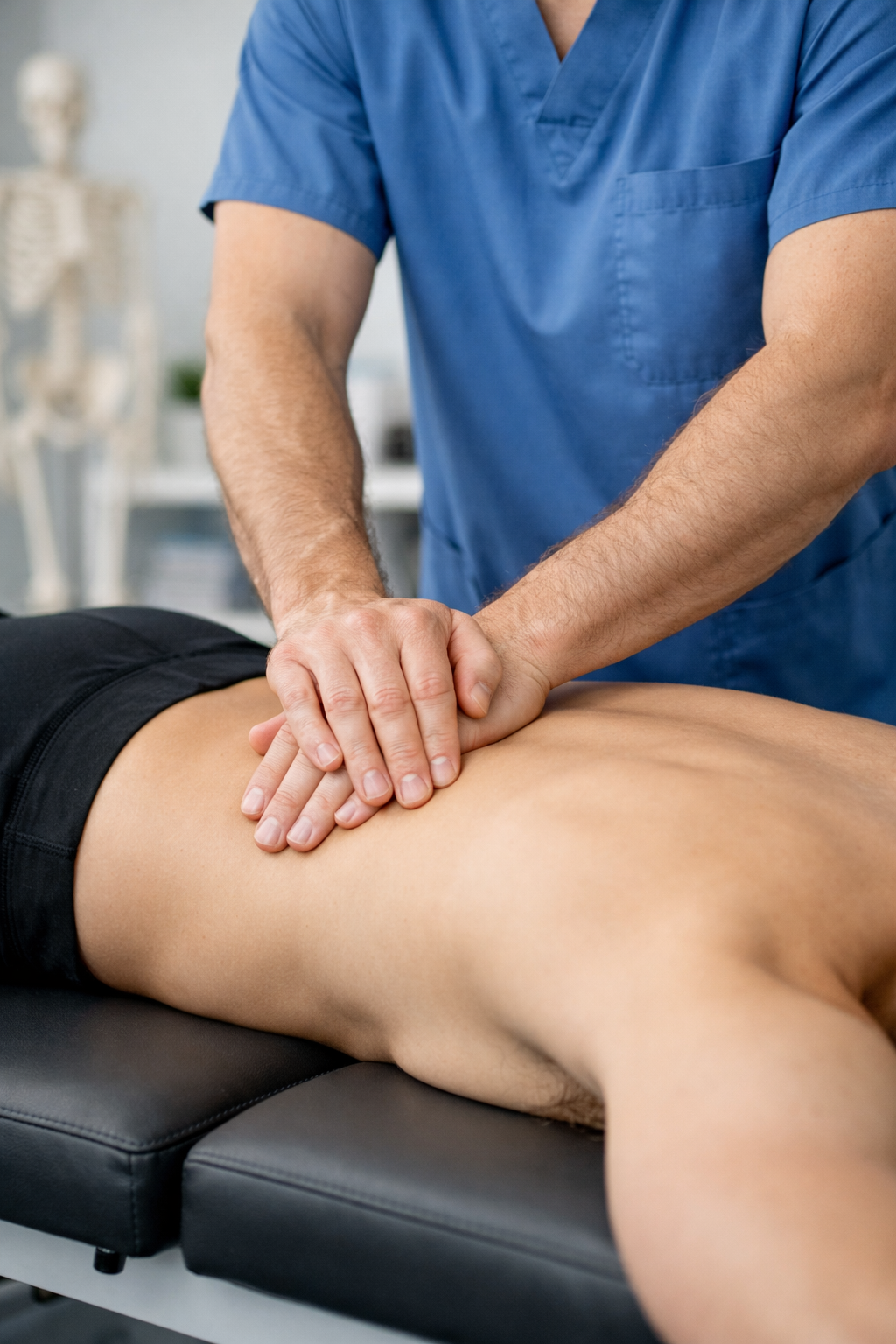
- Manual therapy — Hands-on joint mobilization and soft tissue work reduce muscle guarding, improve blood flow to the injured area, and restore segmental mobility in stiff lumbar vertebrae.
- Neural mobilization — Gentle nerve gliding techniques help the sciatic nerve move freely through surrounding tissues, reducing the radiating leg pain that makes daily activities miserable.
- Pain-relief modalities — Ice, heat, TENS (transcutaneous electrical nerve stimulation), and mechanical traction may be used as needed to manage inflammation and ease acute symptoms during the early days of treatment.

PHASE 2: REBUILDING CORE STABILITY AND PROGRESSIVE STRENGTH
Once your acute symptoms settle, the focus shifts to addressing the muscular weaknesses that left your spine vulnerable:
- Deep core activation — Targeted exercises for the transverse abdominis, multifidus, and pelvic floor rebuild the internal “brace” that protects your lumbar discs. Think of these muscles as your spine’s personal shock absorbers.
- Hip and gluteal strengthening — Weak glutes force your lower back to absorb forces it was never designed to handle. Strengthening the hip extensors and abductors is critical for anyone who walks the beach, climbs boat ladders, or plays golf.
- Progressive stability training — Exercises advance from static holds (planks, bird-dogs) to dynamic challenges that mimic the movements you need in real life — carrying groceries, bending to a car trunk, or paddling a kayak.
- Hamstring and hip flexor flexibility — Tightness in these muscle groups tilts your pelvis and increases compression on lumbar discs. Targeted stretching restores balance.
PHASE 3: RETURNING TO ACTIVITY AND PREVENTING RECURRENCE
The final phase ensures your recovery sticks:
- Functional movement training — Your therapist coaches you through proper lifting mechanics, bending patterns, and posture corrections specific to your life — whether that means hauling crab traps or sitting at a desk for eight hours.
- Sport-specific rehab — Golfers, wrestlers, paddlers, and pickleball players receive drills designed to prepare the spine for the rotational and impact forces of their activity.
- Dry needling — For persistent trigger points in the lumbar paraspinals or gluteal muscles, dry needling releases deep tension and improves muscle activation.
- EPAT / Shockwave Therapy — For patients with chronic symptoms that have plateaued, Extracorporeal Pulse Activation Technology accelerates tissue healing and reduces lingering pain.
- Home exercise program — You leave with a customized plan to maintain your gains, including exercises you can do at the Brick Rec Center, at home, or even at the beach.
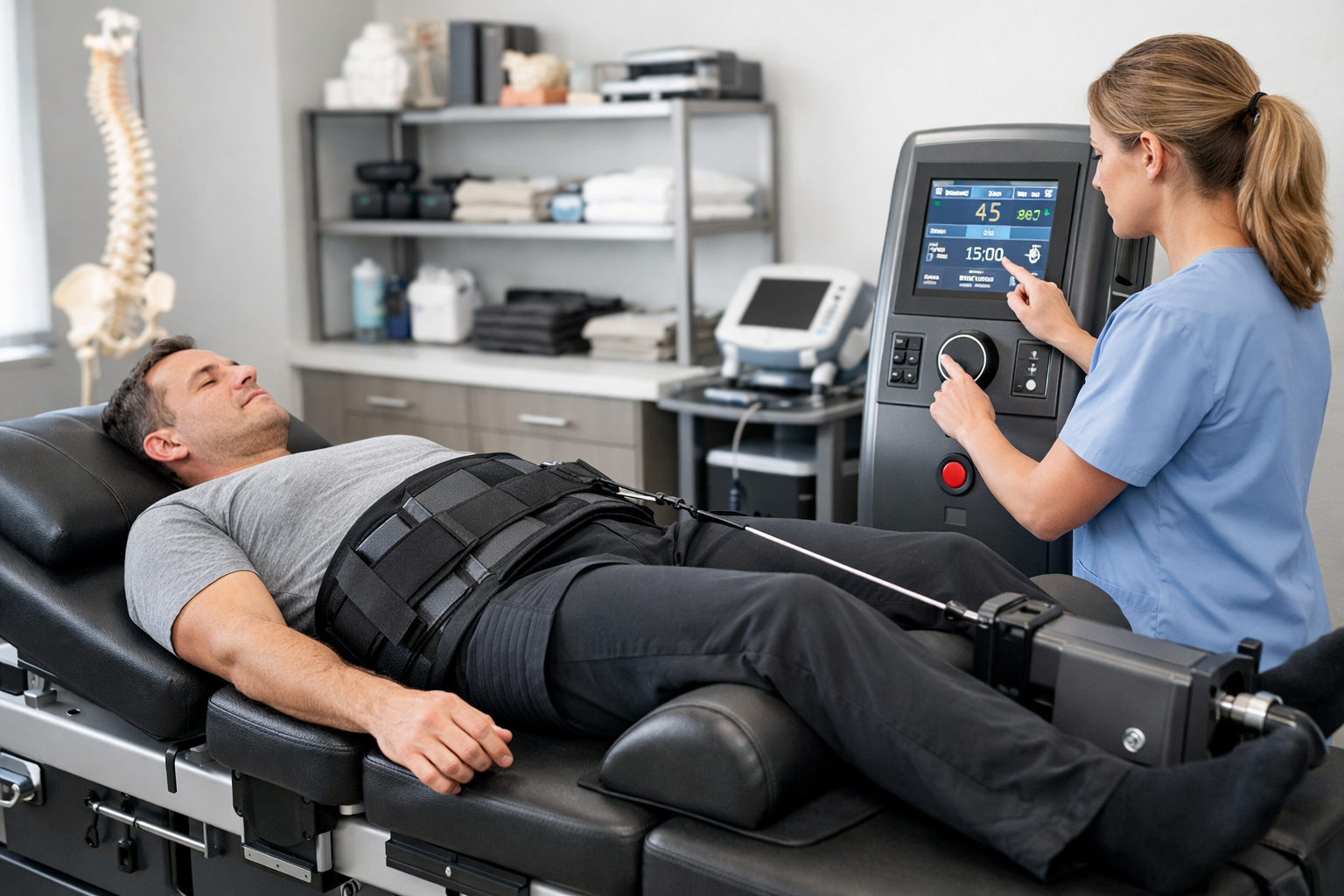
HOW TO PREVENT LUMBAR DISC HERNIATION FROM RETURNING
Recovery does not end when your pain resolves. Brick’s active lifestyle demands ongoing spinal care:
- Keep your core strong — Perform your prescribed stabilization exercises at least three times per week. The Brick Rec Center offers open gym time that makes this easy to maintain.
- Use proper lifting form — Bend at the hips and knees, keep the load close, and avoid twisting — especially when loading boats, moving beach gear, or lifting boxes at work.
- Break up long commutes — If you drive the Parkway daily, stop halfway to stand and walk for two minutes. Use a lumbar support cushion in your car.
- Stay active year-round — Walk the Brick Reservoir trails, swim at the beach, or cycle along the Barnegat Peninsula. Low-impact movement keeps your discs hydrated and nourished.
- Maintain a healthy weight — Extra weight around your midsection shifts your center of gravity forward and adds compressive load to your lower lumbar segments.
- Practice spinal decompression stretches — Standing extension exercises, the Half Cobra Pose, and Cat-Cow stretches help maintain disc space and spinal mobility.
- Listen to your body — Mild muscle soreness during activity is normal. Sharp or radiating pain is a signal to stop and consult your physical therapist.
WHY BRICK RESIDENTS CHOOSE TRINITY REHAB
- One-on-one care, every session — You work directly with the same licensed physical therapist for the full duration of every visit. No aides, no rotating staff.
- Evidence-based protocols — Our therapists use McKenzie Method, manual therapy, neural mobilization, dry needling, and EPAT backed by current clinical research.
- Convenient Brick location — Our clinic is easily accessible from Route 70 and the Garden State Parkway, close to home and work for Brick, Point Pleasant, and Toms River residents.
- Insurance-friendly — We work with most major insurance plans and communicate clearly about your coverage.
- Shore-town expertise — We understand the physical demands of coastal living, from boating to beach sports to long commutes, and build your treatment plan around them.
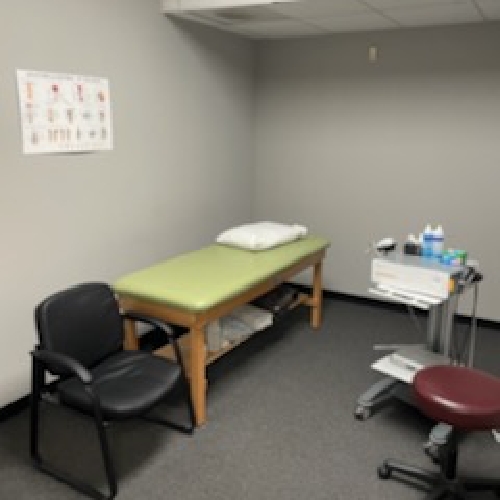
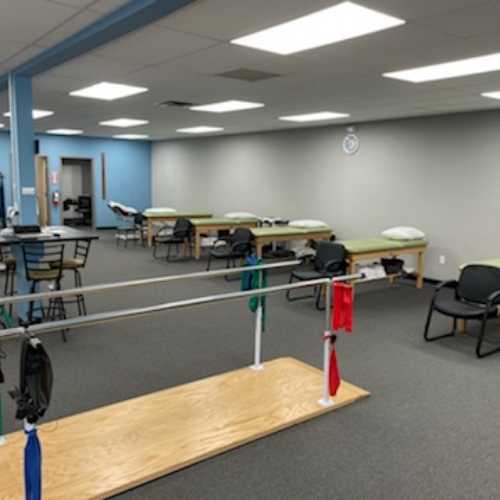
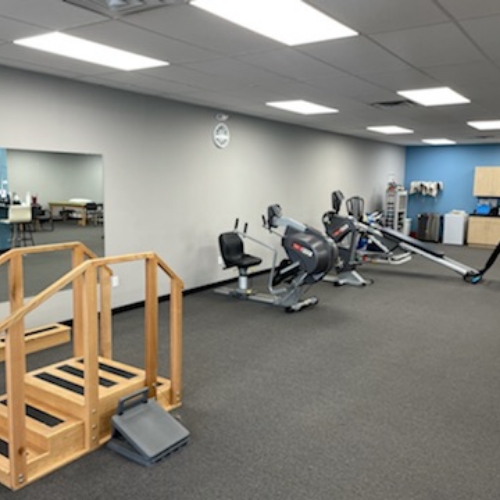
INSIDE OUR BRICK CLINIC
RELATED CONDITIONS & TREATMENTS
Lumbar disc herniation is just one of the many conditions we treat at Trinity Rehab Brick. Explore our full range of conditions we treat or learn more about specific treatment approaches:
Brick Disc Rehab For Back Pain, Leg Symptoms, And Daily Movement
Lumbar disc symptoms can interrupt sitting, driving, lifting, sleep, work, and exercise. Brick rehab should connect the diagnosis to the positions and movements that actually trigger your symptoms.
Your therapist may assess lumbar mobility, nerve-related symptoms, hip strength, gait, lifting mechanics, sitting tolerance, and warning signs that require medical care before therapy continues.
Patients with related symptoms may also need sciatica treatment, back pain physical therapy, or the Brick physical therapy clinic page.
FREQUENTLY ASKED QUESTIONS
Brick Disc Rehab For Back Pain, Leg Symptoms, And Daily Movement
Lumbar disc symptoms can interrupt sitting, driving, lifting, sleep, work, and exercise. Brick rehab should connect the diagnosis to the positions and movements that actually trigger your symptoms.
Your therapist may assess lumbar mobility, nerve-related symptoms, hip strength, gait, lifting mechanics, sitting tolerance, and warning signs that require medical care before therapy continues.
Patients with related symptoms may also need sciatica treatment, back pain physical therapy, or the Brick physical therapy clinic page.
Can a lumbar disc herniation heal without surgery?
How long will my recovery take?
Is it safe to kayak or golf with a herniated disc?
What is the difference between a bulging disc and a herniated disc?
Do I need a referral to start physical therapy?
GETTING BACK TO WHAT MATTERS
A lumbar disc herniation can feel like it has taken away everything — your morning walks along the Metedeconk, your weekend rounds at Forge Pond, your ability to sit comfortably through your grandkid’s school play. But with the right physical therapy approach, most patients recover fully and return to the activities that make life in Brick worth living.
At Trinity Rehab, we are committed to helping you move past the pain. Our experienced physical therapists will guide you through every phase of recovery with a plan built specifically around your goals.
YOUR NEXT STEPS
- Request an appointment at Trinity Rehab Brick — walk-ins welcome, or schedule online.
- Meet your physical therapist for a one-on-one evaluation of your symptoms, movement patterns, and recovery goals.
- Begin your personalized treatment plan — most patients start feeling relief within the first few sessions.
You do not need a referral to start physical therapy in New Jersey. Contact Trinity Rehab today and take the first step toward lasting relief.
Sources:
What Our Patients Say



Sign up for free health tips and tricks