

BACK PAIN RELIEF: PHYSICAL THERAPY TREATMENT IN NEW JERSEY & PENNSYLVANIA
Back pain affects roughly 80 percent of adults at some point in their lives. Whether you are dealing with a dull, persistent ache or a sharp, debilitating episode, physical therapy at Trinity Rehab is one of the most effective, evidence-based paths to lasting relief — across 27 clinics in New Jersey and Pennsylvania.
WHY BACK PAIN RELIEF MATTERS
Ignoring back pain rarely makes it go away. Untreated back pain is one of the leading causes of chronic disability worldwide. What starts as a minor ache after a long commute or a tough workout can gradually progress into a condition that limits your ability to work, exercise, sleep, and enjoy time with your family.
Research published by the National Institute of Neurological Disorders and Stroke confirms that early intervention with physical therapy significantly reduces the risk of acute back pain becoming chronic. Patients who begin treatment within the first few weeks of symptom onset recover faster, spend less on healthcare overall, and are far less likely to require surgical intervention.
COMMON CAUSES OF BACK PAIN
Back pain can stem from dozens of different sources, which is exactly why a thorough evaluation matters before starting treatment. The most common causes we see at Trinity Rehab include:
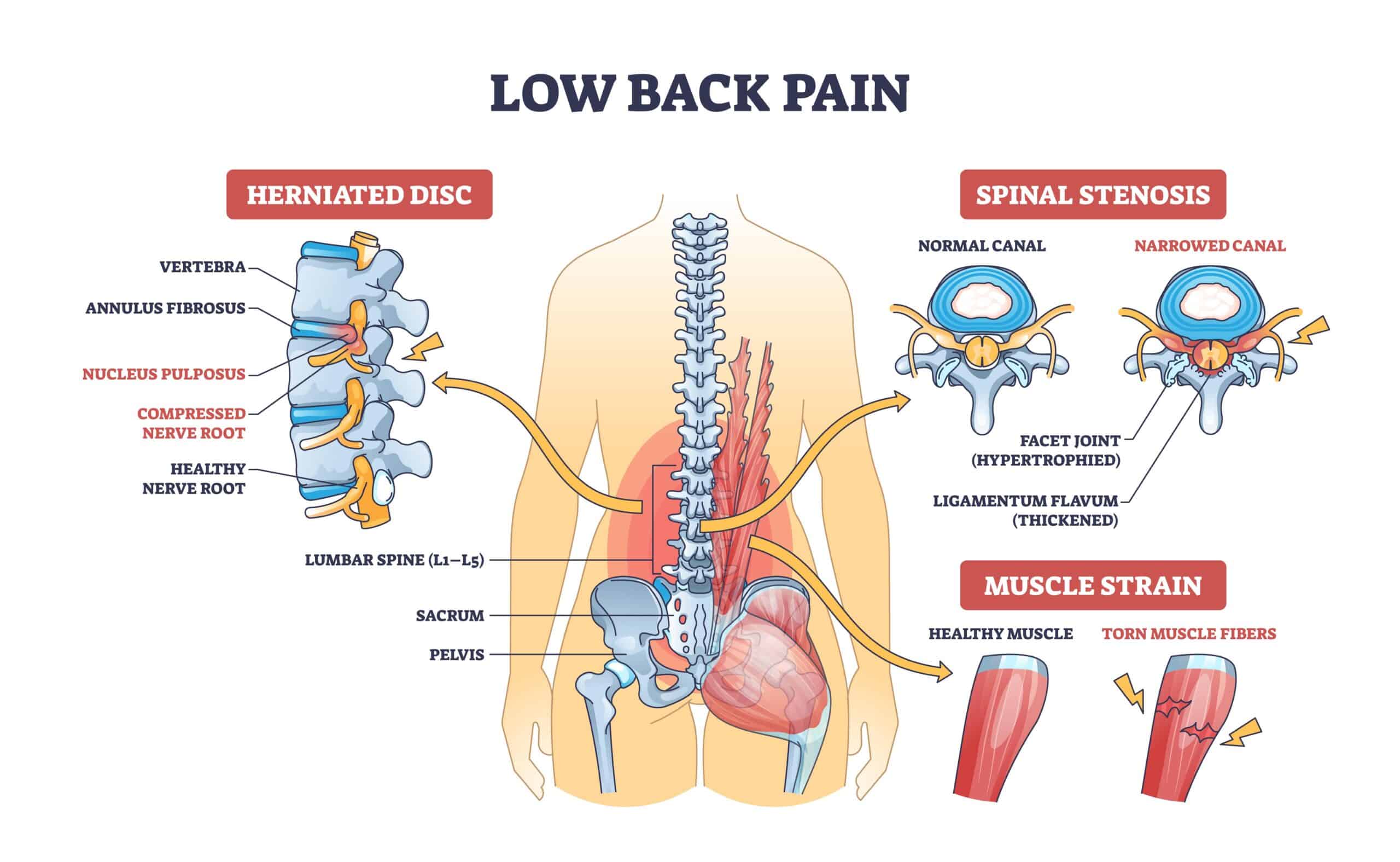
- Muscle strains and ligament sprains — often caused by lifting improperly, sudden movements, or prolonged poor posture
- Herniated or bulging discs — when the soft cushion between your vertebrae pushes outward and presses on nearby nerves (learn more about lumbar disc herniation treatment)
- Degenerative disc disease — age-related wear and tear that reduces the disc’s ability to absorb shock
- Sciatica — compression of the sciatic nerve causing burning or tingling down the leg (explore our sciatica treatment approach)
- Spinal stenosis — narrowing of the spinal canal that puts pressure on nerve roots, most common in adults over 50
- Sacroiliac joint dysfunction — inflammation or misalignment of the joint connecting the lower spine to the pelvis
- Poor posture and sedentary habits — spending hours sitting at a desk, in a car, or on a couch without proper support
- Work-related injuries — repetitive lifting, bending, or standing in physically demanding jobs (see how we treat work injuries)
- Sports injuries — from weekend warriors to competitive athletes (explore sports injury treatment)
SYMPTOMS PATIENTS OFTEN NOTICE
Back pain presents differently depending on its cause and severity. You may be dealing with one or several of the following:
- Constant dull ache in the lower back that worsens with sitting or standing
- Sharp, stabbing pain when bending, twisting, or lifting
- Pain that radiates from the lower back into the buttocks, thighs, or calves
- Tingling, numbness, or a pins-and-needles sensation in the legs or feet
- Stiffness and reduced range of motion, especially in the morning
- Muscle spasms that make it difficult to stand up straight
- Weakness in the legs or feet that affects your balance or gait
If your pain lasts more than a few weeks or worsens over time, physical therapy can help. Under New Jersey Direct Access laws, you can schedule an evaluation directly without a doctor’s referral.
WHEN TO SEEK PHYSICAL THERAPY FOR BACK PAIN
While minor back pain often resolves on its own within a few days, certain signs indicate that professional physical therapy intervention will lead to a faster and more complete recovery. Seeking treatment early prevents acute back pain from becoming a chronic problem and reduces the likelihood of needing more invasive treatments down the road.
SIGNS YOU SHOULD SEE A PHYSICAL THERAPIST
You should schedule a physical therapy evaluation if your back pain persists for more than two weeks despite rest and over-the-counter pain relief. Other indicators include pain that radiates down your leg or into your buttock, numbness or tingling in your lower extremities, back pain that disrupts your sleep, difficulty performing routine daily activities like getting dressed or walking, and pain that worsens rather than improves over time.
If you have recently undergone back surgery, physical therapy is an essential component of your recovery. Post-surgical rehabilitation helps restore strength and mobility, prevents scar tissue complications, and guides you safely back to your normal activity level. Patients who participate in physical therapy after spine surgery consistently achieve better long-term outcomes than those who do not.
EARLY INTERVENTION MAKES A DIFFERENCE
Research consistently shows that early physical therapy for back pain produces better outcomes than a wait-and-see approach. Patients who begin treatment within the first two weeks of symptom onset use fewer healthcare resources overall, miss fewer days of work, and report higher satisfaction with their recovery. Early intervention also reduces the risk of developing chronic pain patterns that become progressively harder to treat.
At Trinity Rehab, we offer same-week appointments so you can begin your recovery without delay. Our intake process is streamlined, and in most cases, you do not need a physician referral to start physical therapy in New Jersey thanks to direct access legislation. Your physical therapist can evaluate your condition, begin treatment immediately, and coordinate with your physician if imaging or additional medical workup is needed.
UNDERSTANDING THE TYPES OF BACK PAIN
Back pain is not a single condition. It encompasses several distinct types, each requiring a different therapeutic approach. Understanding which type of back pain you are experiencing helps your physical therapist design the most effective treatment plan for your recovery.
ACUTE VS. CHRONIC BACK PAIN
Acute back pain develops suddenly and typically lasts less than six weeks. It often results from a specific event such as lifting a heavy object, a sudden twisting motion, or a car accident. Most acute episodes resolve with appropriate physical therapy intervention, though without proper treatment they can develop into chronic conditions.
Chronic back pain persists for 12 weeks or longer, even after the initial injury or underlying cause has been treated. Approximately 20 percent of people who experience acute low back pain develop chronic symptoms within a year. Chronic back pain often involves changes in the nervous system that amplify pain signals, making a comprehensive rehabilitation approach essential rather than simply treating the original injury site.
MECHANICAL VS. RADICULAR BACK PAIN
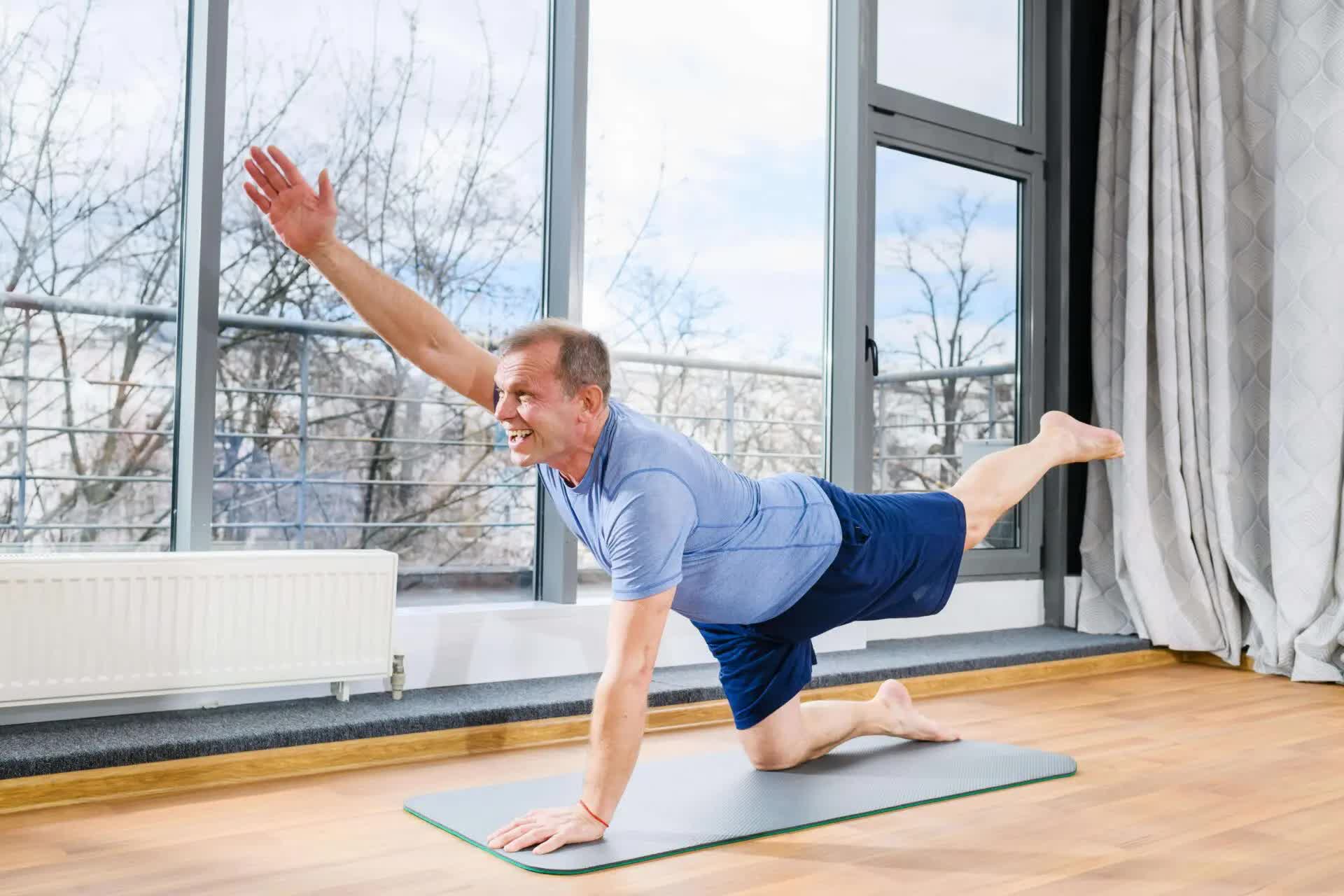
Mechanical back pain is the most common type and originates from the spine, intervertebral discs, or surrounding soft tissues such as muscles, ligaments, and fascia. It typically worsens with certain movements or positions and improves with rest or posture changes. Physical therapy for mechanical back pain focuses on restoring proper movement patterns, strengthening stabilizing muscles, and improving flexibility in tight structures.
Radicular back pain occurs when a spinal nerve root becomes compressed or inflamed, sending pain signals along the nerve pathway into the buttock, leg, or foot. This is commonly associated with conditions like herniated discs or spinal stenosis. Patients often describe radicular pain as sharp, shooting, or burning. Treatment involves specific nerve mobilization techniques, directional preference exercises, and targeted decompression strategies that your physical therapist tailors to your condition.
UPPER, MIDDLE, AND LOWER BACK PAIN
Lower back pain affects the lumbar spine region and accounts for the vast majority of back pain cases. The lumbar vertebrae bear most of the body’s weight during movement and are particularly susceptible to disc problems, muscle strain, and joint dysfunction. Physical therapy for lower back pain emphasizes core stabilization, hip mobility, and proper lifting mechanics.
Mid-back or thoracic pain occurs between the shoulder blades and the bottom of the rib cage. While less common, thoracic pain often develops from prolonged poor posture, particularly in people who spend long hours at a desk or computer. Treatment targets postural muscles, thoracic spine mobility, and scapular stabilization.
Upper back and cervical-thoracic junction pain frequently accompanies neck problems and can radiate into the shoulders and arms. It is increasingly common due to the forward head posture associated with smartphone and computer use. Your physical therapist addresses upper back pain through a combination of postural retraining, upper back strengthening, and ergonomic modifications.
HOW PHYSICAL THERAPY RESTORES FUNCTION
At Trinity Rehab, your treatment begins with a comprehensive one-on-one evaluation. Your physical therapist will assess your posture, movement patterns, strength, flexibility, and the specific behaviors that trigger your pain. From there, they build a fully customized treatment plan designed around your diagnosis, your goals, and your life.

MANUAL THERAPY
Our physical therapists use hands-on care techniques — including joint mobilization, soft tissue mobilization, and myofascial release — to reduce muscle tension, improve spinal mobility, and ease nerve irritation. Manual therapy is often one of the first interventions because it provides immediate pain relief and prepares the body for therapeutic exercise.
TARGETED CORE STRENGTHENING
A weak core is one of the most common contributors to low back pain. Your physical therapist will guide you through progressive exercises that strengthen the deep stabilizing muscles of your abdomen, lower back, hips, and glutes — building a natural internal brace around your lumbar spine.
EPAT (SHOCKWAVE THERAPY)
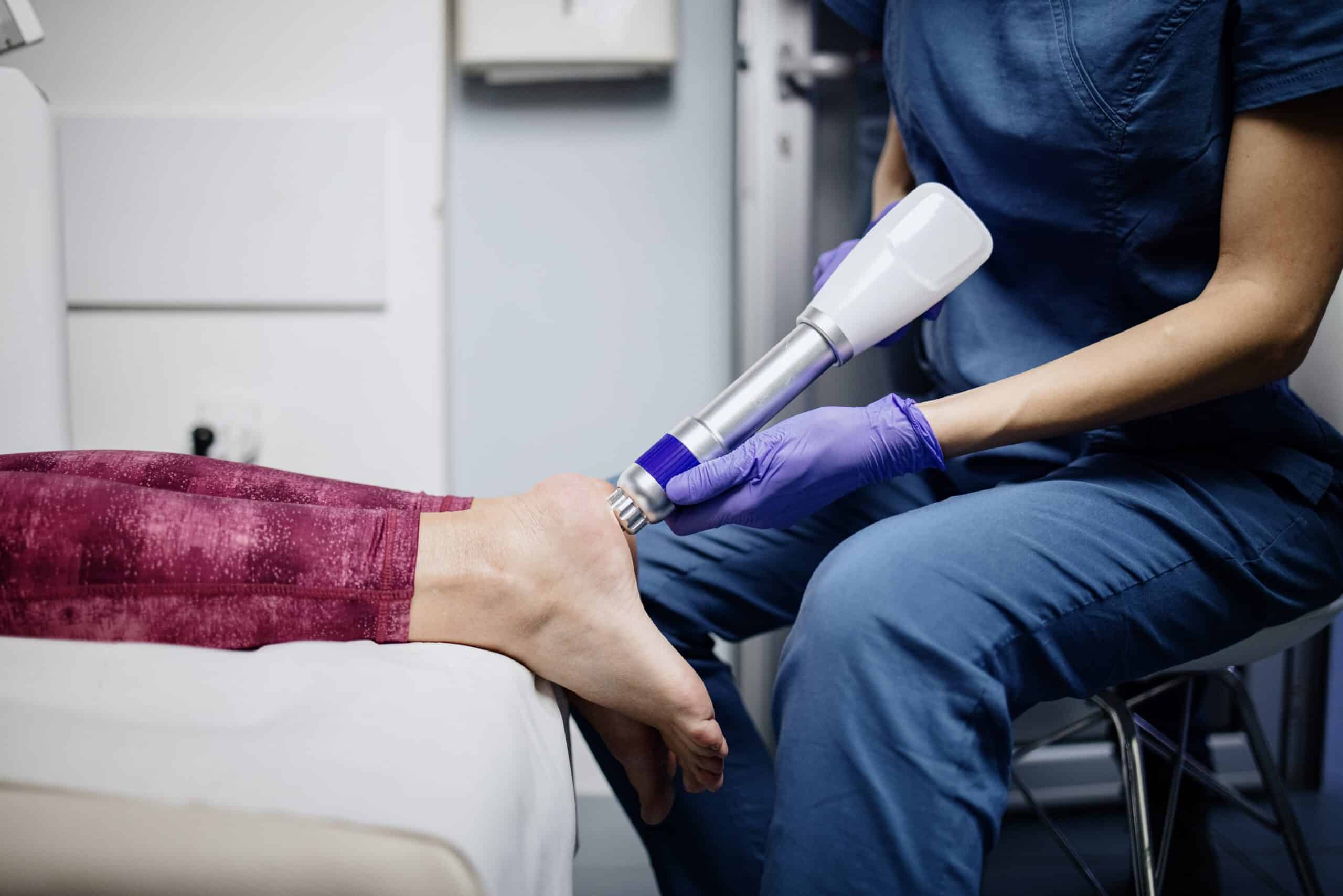
For patients with chronic back pain that has not responded to other treatments, EPAT (Extracorporeal Pulse Activation Technology) delivers focused acoustic pulses to the affected area, improving local blood flow and accelerating tissue healing — with studies showing 70 to 85 percent pain reduction after three to six sessions.
DRY NEEDLING
Dry needling targets myofascial trigger points — stubborn, painful knots in muscles that contribute to back pain and stiffness. By inserting a thin filament needle into the trigger point, your therapist releases contracted tissue and improves blood flow. Many patients feel noticeable relief after a single session.
TECHNOLOGY: ALTERG ANTI-GRAVITY TREADMILL
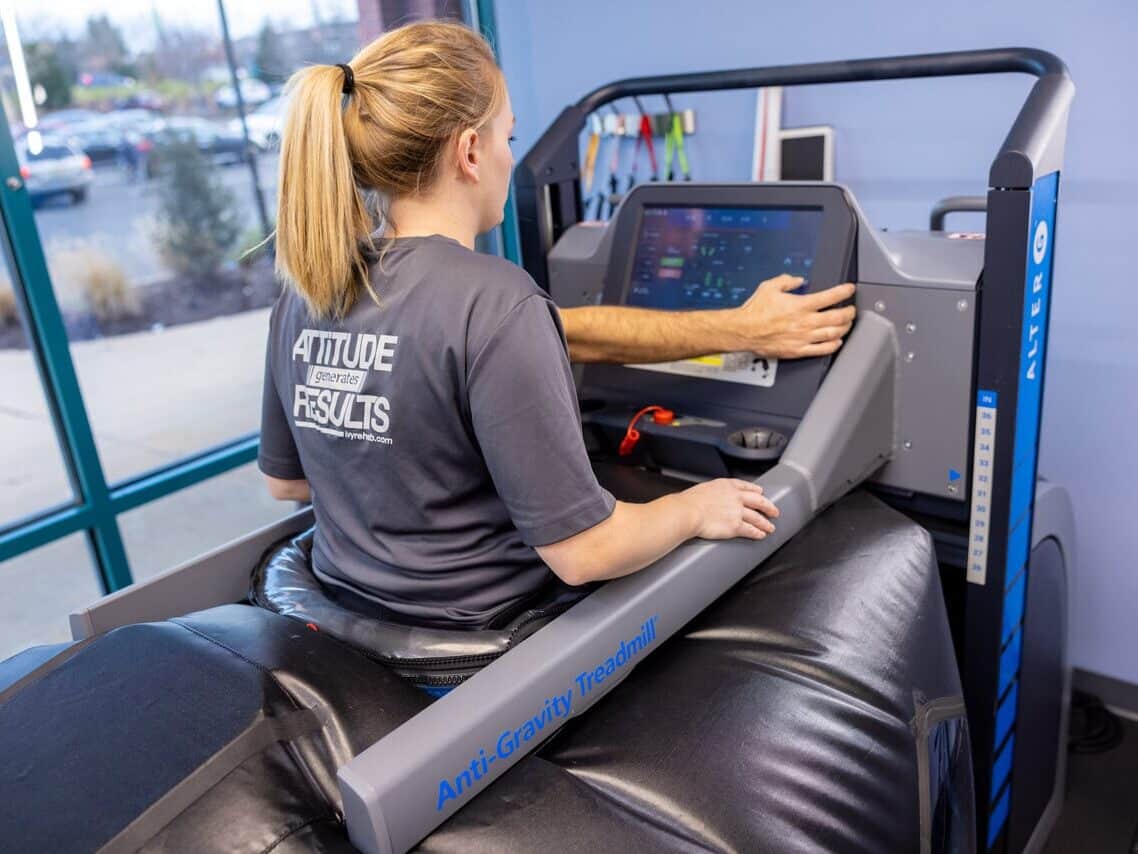
For patients who need low-impact cardiovascular conditioning during recovery, Trinity Rehab’s AlterG Anti-Gravity Treadmill® allows you to walk or run at a fraction of your body weight — reducing stress on the spine while maintaining fitness and rebuilding strength.
WHAT TO EXPECT DURING YOUR PHYSICAL THERAPY PROGRAM
Knowing what your physical therapy journey involves helps you feel confident and prepared from the very first visit. At Trinity Rehab, our evidence-based approach follows a structured progression designed to get you back to your normal activities as safely and quickly as possible.
YOUR INITIAL EVALUATION
Your first physical therapy session is a comprehensive evaluation lasting approximately 45 to 60 minutes. Your therapist conducts a thorough assessment that goes beyond just examining your back. The evaluation includes a review of your medical history, a discussion of your pain patterns and functional limitations, and a series of physical tests measuring your range of motion, strength, flexibility, and movement quality.
Your therapist may also assess your walking pattern, posture, and how you perform functional movements like bending, reaching, and sitting. This detailed evaluation allows your therapist to identify the root cause of your pain rather than just treating symptoms. Your therapist then creates a personalized treatment plan with specific, measurable goals aligned with the activities that matter most to you.
YOUR TREATMENT TIMELINE
Most patients with back pain attend physical therapy two to three times per week. The typical treatment program spans six to twelve weeks, though this varies based on the severity of your condition, how long you have been experiencing symptoms, and your personal recovery goals. Research published in the Annals of Internal Medicine demonstrates that patients who begin physical therapy early for back pain have a significantly lower risk of needing surgery.
During the first two to three weeks, treatment focuses on reducing pain and inflammation while restoring basic mobility. The middle phase introduces progressive strengthening and functional exercises tailored to your daily demands. The final phase emphasizes return to full activity, sport-specific training if applicable, and development of a long-term maintenance program to keep your back healthy.
MEASURING YOUR PROGRESS
Your physical therapist tracks your progress using objective measurements at regular intervals. These include standardized outcome questionnaires, functional movement tests, and strength assessments that allow both you and your therapist to see the improvement over time. The majority of patients with acute back pain experience significant improvement within six weeks of starting physical therapy. If your progress plateaus, your therapist adjusts your plan to ensure you continue moving toward your goals.
HOW TO PREVENT BACK PAIN FROM RETURNING
Recovery is only half the equation. Preventing recurrence is what keeps you active and pain-free for years to come. Here are the strategies we teach every patient:
- Stay active — regular movement, even a 20-minute daily walk, keeps your spinal muscles conditioned
- Strengthen your core — continue your home exercise program even after discharge from physical therapy
- Maintain a healthy weight — excess weight places additional stress on your lumbar spine and discs
- Practice proper body mechanics — bend at the hips and knees when lifting, keep loads close to your body
- Set up your workspace ergonomically — position your monitor at eye level, take standing breaks every 30 to 45 minutes
- Stretch regularly — focus on hamstrings, hip flexors, and thoracic spine to maintain flexibility gains
- Do not ignore early symptoms — address flare-ups immediately rather than hoping they pass
RISK FACTORS FOR DEVELOPING BACK PAIN
Understanding the factors that increase your likelihood of back pain helps you take proactive steps to protect your spine. While some risk factors like age and genetics are beyond your control, many of the most significant contributors are lifestyle-related and can be addressed through physical therapy and behavioral changes.
A sedentary lifestyle is one of the strongest predictors of back pain. Prolonged sitting weakens the muscles that support your spine and reduces the flexibility of hip flexors and hamstrings, creating imbalances that place excessive stress on lumbar structures. Excess body weight — particularly weight carried around the midsection — increases the compressive load on spinal discs and joints with every step you take.
Occupational factors play a major role as well. Jobs requiring repetitive bending, heavy lifting, or prolonged standing without breaks create cumulative microtrauma to spinal structures. Even desk workers face risk from sustained static postures that gradually degrade postural muscle endurance. Smoking reduces blood flow to spinal tissues, impairing the body’s ability to heal and maintain healthy discs. Psychological factors including chronic stress, anxiety, and depression have also been shown to increase both the frequency and intensity of back pain episodes through mechanisms that amplify pain processing in the central nervous system.
Your physical therapist at Trinity Rehab evaluates these risk factors during your initial assessment and incorporates targeted strategies into your treatment plan. Whether that means ergonomic counseling for your work environment, a progressive exercise program to address deconditioning, or education on stress management techniques that reduce muscle tension, your plan addresses the full picture of what is contributing to your pain.
Age is another important factor. The intervertebral discs that cushion your spine naturally lose hydration and elasticity over time, which is why back pain becomes more prevalent after age 30 and peaks between ages 50 and 60. However, age-related changes do not make back pain inevitable. Patients who maintain an active lifestyle, healthy body weight, and adequate core strength can significantly reduce their risk of developing disabling back pain at any age. Physical therapy provides the tools and guidance to build these protective habits into your daily routine.
BACK PAIN AND DAILY LIFE
Managing back pain extends beyond your physical therapy sessions. The habits and strategies you incorporate into your daily routine play a significant role in both your recovery speed and your ability to prevent recurrence. Your physical therapist provides specific guidance for your situation, but these general principles apply to most back pain patients.
WORK AND ERGONOMICS
For patients with desk jobs, workplace ergonomics can make or break recovery. Your chair should support the natural curve of your lower back, your feet should rest flat on the floor, and your monitor should be at eye level to prevent forward head posture. Taking a brief standing or walking break every 30 to 45 minutes reduces spinal compression and keeps muscles from stiffening.
If your job involves manual labor, proper body mechanics are essential. Lifting with your legs rather than your back, keeping loads close to your body, and avoiding twisting while carrying weight dramatically reduce the stress on your spine. Your physical therapist can provide job-specific recommendations and even conduct a worksite assessment if needed.
SLEEP AND RECOVERY
Quality sleep is critical for tissue healing and pain management. Side sleepers often benefit from placing a pillow between their knees to maintain spinal alignment. Back sleepers can reduce lumbar stress by placing a pillow under their knees. Stomach sleeping places the most stress on the spine and is generally discouraged during recovery. Investing in a supportive mattress that maintains your spine’s natural curves can significantly impact both sleep quality and morning stiffness levels.
STAYING ACTIVE SAFELY
One of the most important messages in modern back pain treatment is that movement is medicine. Bed rest, once the standard recommendation, is now known to delay recovery. Your physical therapist helps you identify which activities are safe to continue, which need modification, and which should be temporarily avoided. Low-impact activities such as walking, swimming, and cycling are typically encouraged early in recovery. As your strength and confidence build, your therapist progressively reintroduces higher-demand activities including running, sports, and resistance training.
WHY PATIENTS CHOOSE TRINITY REHAB
Choosing the right physical therapy provider matters. At Trinity Rehab, our commitment to clinical excellence and patient-centered care sets us apart.
- One-on-one care, every visit — you work directly with a licensed physical therapist for the entire session, never an aide or assistant
- Advanced treatment technology — our clinics offer EPAT shockwave therapy, dry needling, spinal decompression, and the AlterG Anti-Gravity Treadmill®
- Spine-specialized expertise — our therapists have extensive experience treating herniated discs, sciatica, spinal stenosis, and degenerative disc disease
- 27 convenient locations — with clinics across New Jersey and Pennsylvania, expert back pain treatment is never far from home or work
- No referral needed — under New Jersey Direct Access laws, you can start physical therapy immediately
- Insurance-friendly — we are in-network with most major insurance plans
WHAT OUR PATIENTS SAY
FREQUENTLY ASKED QUESTIONS
How long does physical therapy take for lower back pain?
What should I expect at my first physical therapy visit for back pain?
Does physical therapy help with chronic back pain?
Is physical therapy better than chiropractic for back pain?
Can physical therapy help me avoid back surgery?
GETTING BACK TO WHAT MATTERS
Back pain does not have to define your daily life. Whether you are struggling to get through a workday, missing out on activities with your family, or simply tired of waking up stiff and sore every morning, Trinity Rehab is here to help you move forward.
Our team has helped thousands of patients across New Jersey and Pennsylvania recover from acute and chronic back pain — and we are ready to do the same for you.
YOUR NEXT STEPS
1. Request an appointment — schedule online or call any of our 27 clinic locations
2. Complete your evaluation — your physical therapist will perform a thorough assessment and build your personalized treatment plan
3. Begin treatment — start working toward lasting relief with expert, one-on-one physical therapy care
No referral needed. No long waits. Just expert care, focused entirely on getting you back to the life you want to live.
OTHER CONDITIONS WE TREAT
Trinity Rehab treats a wide range of musculoskeletal conditions. Explore our other condition-specific resources:
FIND BACK PAIN TREATMENT NEAR YOU
Trinity Rehab offers expert back pain physical therapy at 27 locations across New Jersey and Pennsylvania. Find the clinic closest to you: