
Hip Pain Treatment
Hip pain from arthritis, bursitis, tendon problems, or impingement can make walking, sitting, and sleeping difficult. Physical therapy eases it with mobility work, targeted strengthening, and movement retraining to take load off the joint. Many patients improve within 6-12 weeks, and no referral is needed to start care in New Jersey.
Hip pain can change the way you walk, sit, sleep, climb stairs, and move through your day. It may feel like a deep ache in the groin, sharp pain on the outside of the hip, stiffness after sitting, or discomfort that travels into the thigh, buttock, or lower back.
At Trinity Rehab, our physical therapists help patients across New Jersey and Pennsylvania identify what is driving their hip pain, reduce irritation, rebuild strength, and move with more confidence. Whether your symptoms came from arthritis, bursitis, a sports injury, a labral tear, a recent surgery, or months of gradual stiffness, your treatment plan should match your body and your goals.
What Is Hip Pain?
Hip pain is a symptom, not a single diagnosis. The hip is a large weight-bearing joint that must stay mobile enough for walking, bending, stairs, and getting in and out of chairs, while also staying strong enough to support your body with every step.
Pain in the front of the hip or groin often points toward the hip joint itself. Pain on the outside of the hip, upper thigh, or buttock may involve the muscles, tendons, bursae, or other soft tissues around the joint. Hip pain can also come from the lower back, sacroiliac joint, or irritated nerves, which is why a movement-based physical therapy evaluation matters.
Common Hip Pain Symptoms
Patients often come to physical therapy when hip pain starts interfering with everyday movement.
Common symptoms include:
- Groin pain or deep aching in the front of the hip.
- Pain on the outside of the hip when walking, climbing stairs, or lying on one side.
- Stiffness after sitting, driving, or sleeping.
- Pain getting out of a chair or car.
- Limping or shifting weight away from one side.
- Clicking, catching, or pinching in the hip.
- Pain that travels into the thigh, buttock, knee, or lower back.
- Weakness or reduced confidence on stairs.
- Difficulty putting on socks, shoes, or pants.
Seek urgent medical care if hip pain follows a major fall or trauma, you cannot bear weight, the hip appears deformed, or pain is accompanied by fever, severe swelling, sudden weakness, or unexplained loss of bladder or bowel control.
Common Causes Of Hip Pain
Hip pain can come from several structures. Your therapist's job is to identify which factors are contributing and build a plan around them.
Hip Bursitis
Hip bursitis occurs when a small fluid-filled sac around the hip becomes irritated or inflamed. Many patients feel pain on the outside of the hip, especially when lying on that side, climbing stairs, walking longer distances, or standing after sitting.
Hip Osteoarthritis
Hip osteoarthritis involves joint changes that can cause stiffness, groin pain, reduced range of motion, and trouble with walking, stairs, and daily activities. Physical therapy cannot reverse arthritis, but it can often reduce pain, improve strength, and help patients move with less joint stress.
Labral Tears And Hip Impingement
The labrum is cartilage that helps support the hip socket. Labral irritation or tearing can create deep groin pain, clicking, catching, or pinching with squatting, pivoting, sitting, or athletic movement. Physical therapy often focuses on reducing aggravating positions, improving hip and core strength, and retraining movement mechanics.
Tendonitis And Muscle Strain
Hip flexor, glute, hamstring, adductor, and IT band problems can all contribute to hip pain. These issues often develop after sudden activity changes, repetitive strain, weakness, or poor load tolerance.
Referred Pain From The Back
Not every pain felt near the hip starts in the hip joint. Low back problems, nerve irritation, and sciatica can refer pain into the buttock, hip, thigh, or leg. A physical therapy evaluation helps separate hip-driven pain from spine-driven pain.
Post-Surgical Hip Pain
Physical therapy is often essential after hip replacement, hip arthroscopy, fracture care, or other orthopedic procedures. Rehab helps restore range of motion, walking mechanics, strength, balance, and confidence.
When Hip Pain Starts Affecting Daily Life
Hip pain often starts as something patients try to work around. You may shorten your stride, avoid one side on stairs, sleep only on the other side, stop walking as far, or use your hands to push out of a chair. Those compensations can help you get through the day for a while, but they can also create more strain in the lower back, knee, ankle, or opposite hip.
The right time to start physical therapy is not only after pain becomes severe. Many patients benefit when symptoms are still intermittent but beginning to limit activity. Early care can help calm irritated tissue, restore strength, improve mobility, and prevent a small movement problem from becoming a larger one.
Common signs that hip pain deserves attention include:
- You are limping or changing how you walk.
- You avoid stairs, hills, long walks, or exercise because of hip discomfort.
- Sitting, driving, or sleeping regularly makes the hip stiff or painful.
- Pain is spreading into the thigh, buttock, knee, or lower back.
- You are relying more on pain medication, rest, or activity avoidance.
- Hip symptoms keep returning after they seem to improve.
How We Evaluate Hip Pain
A good hip pain plan starts with a clear evaluation. Hip symptoms can come from the joint, muscles, tendons, bursa, nerves, spine, pelvis, or a combination of factors. That is why Trinity Rehab physical therapists look at the whole movement system instead of treating every hip pain patient the same way.
Your evaluation may include:
- A conversation about when symptoms started, what makes them better or worse, and which activities matter most to you.
- Hip range-of-motion testing to see whether stiffness, pinching, or pain changes with specific movements.
- Strength testing for the glutes, hip flexors, core, quadriceps, hamstrings, and surrounding muscles.
- Walking and balance assessment.
- Functional testing such as sit-to-stand, stairs, squatting, or single-leg control.
- Screening of the lower back and nerves when symptoms travel into the buttock, thigh, or leg.
- Review of surgical precautions or physician instructions when applicable.
The goal is to identify what can be changed. Some patients need more mobility. Others need strength, balance, load management, walking retraining, or a different approach to daily activities. Many need a combination.
How Physical Therapy Helps Hip Pain
Hip pain physical therapy is not a list of generic exercises. At Trinity Rehab, your therapist evaluates how your hip, back, pelvis, knees, ankles, balance, and walking pattern work together.
Your plan may include:
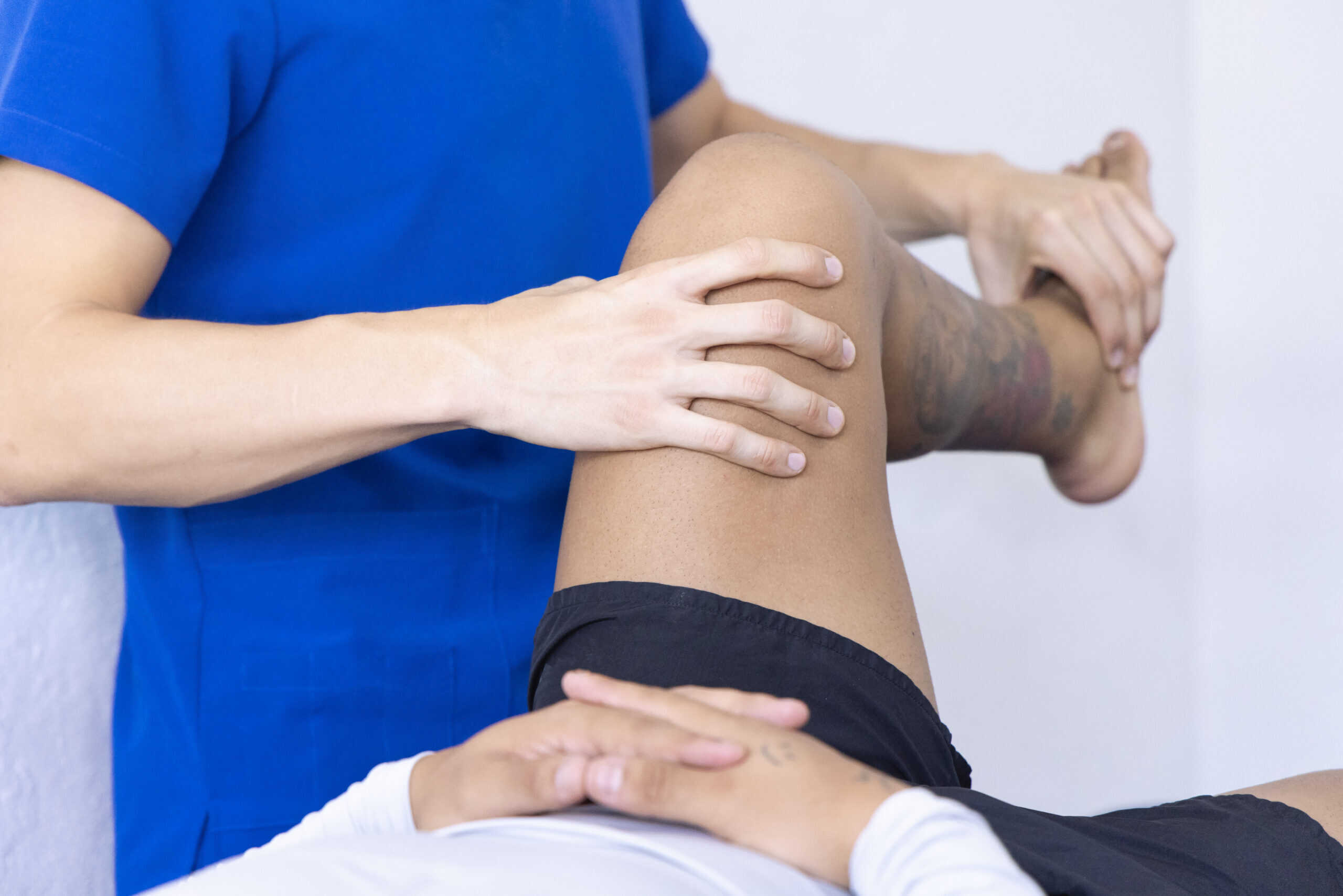
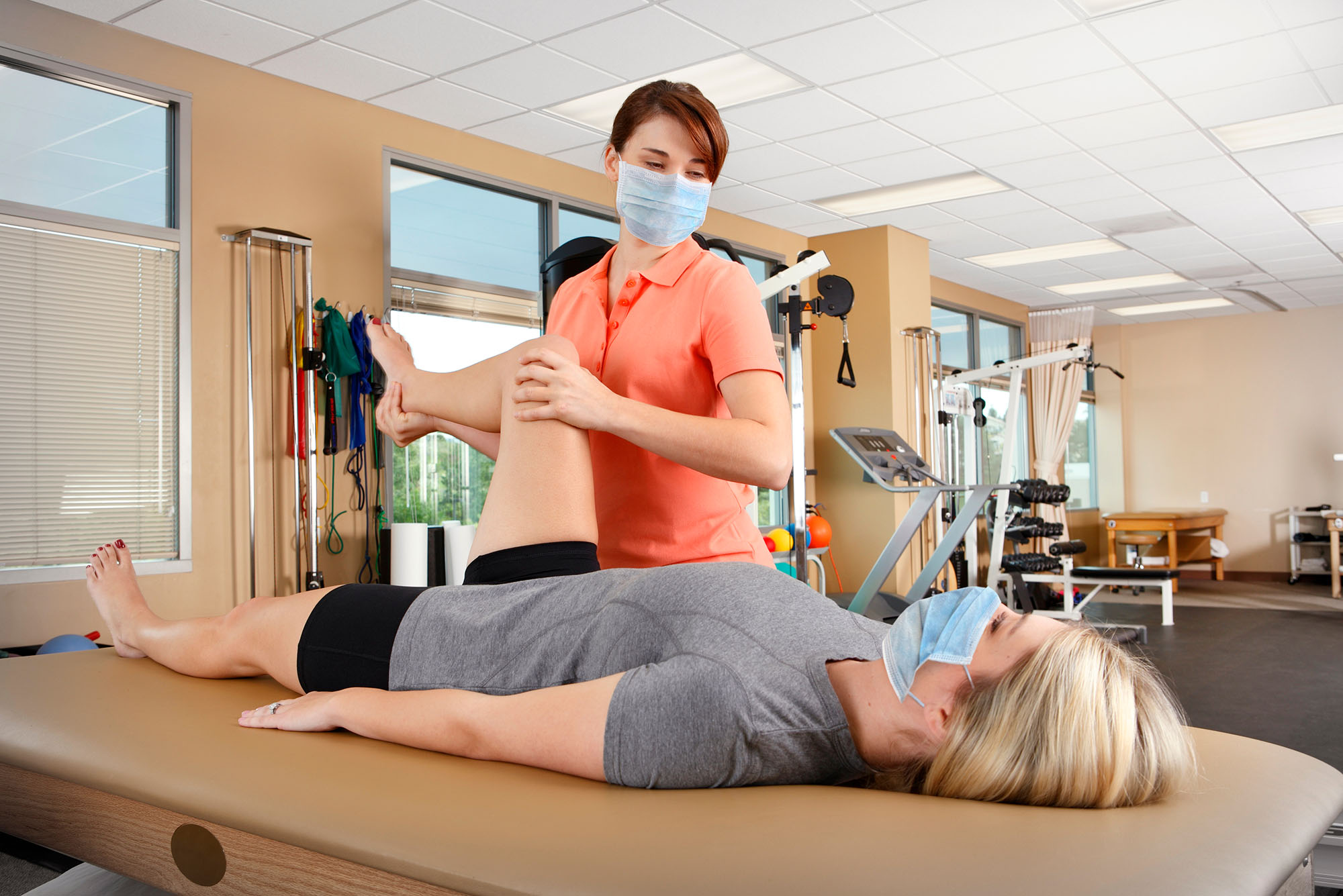
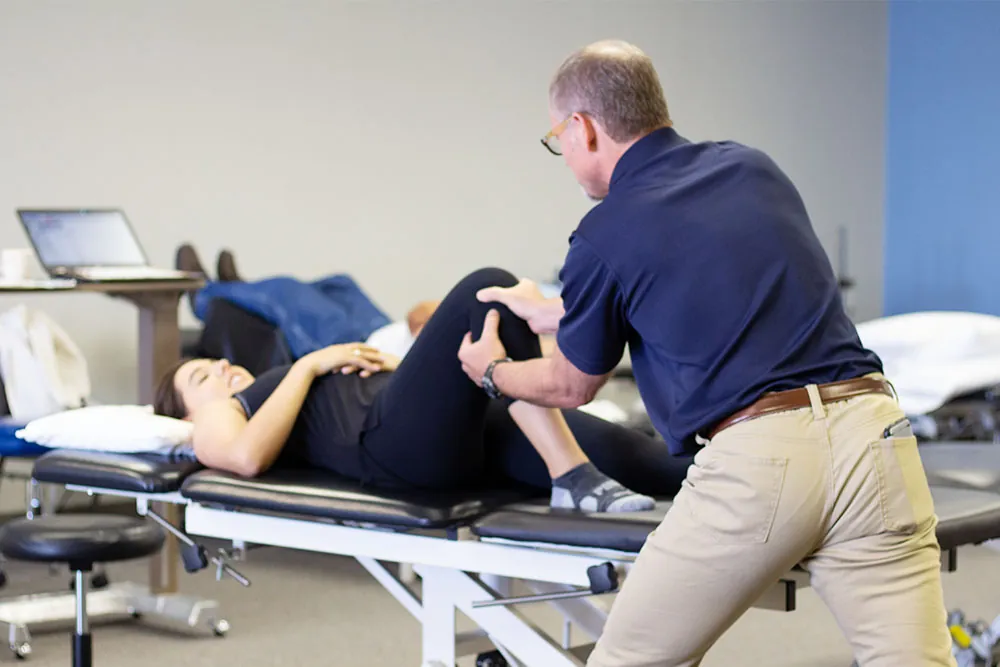
- Manual therapy to improve joint and soft-tissue mobility.
- Hip, glute, core, and leg strengthening.
- Balance and gait training.
- Mobility exercises for the hip, spine, and surrounding muscles.
- Movement retraining for stairs, squats, lifting, walking, running, or sports.
- Activity modification to reduce irritation while you recover.
- Home exercises that support progress between visits.
- Advanced tools such as AlterG, EPAT, or dry needling when clinically appropriate and available at the clinic.
Physical Therapy Treatments For Hip Pain
Your treatment plan should match the cause of your symptoms, your irritability level, your medical history, and your goals. A patient with hip bursitis who cannot sleep on one side needs a different starting point than a runner with deep groin pain or an older adult recovering after hip replacement.
Manual Therapy
Hands-on care can help improve hip, spine, pelvis, and soft-tissue mobility. Manual therapy may be used to reduce stiffness, improve motion, calm irritated tissue, and make exercise more comfortable.
Therapeutic Exercise
Exercise is one of the most important parts of hip pain recovery. Your therapist may use glute strengthening, hip flexor control, core stability, balance drills, mobility work, and progressive leg strengthening. Exercises should start at a level your hip can tolerate and progress as you improve.
Gait And Movement Retraining
Hip pain often changes the way you walk. Some patients shorten their stride, lean to one side, rotate the leg outward, or avoid loading the painful side. Retraining walking mechanics can reduce unnecessary stress and help patients move more confidently.
Activity Modification
The goal is not to stop everything. The goal is to keep you moving while reducing the specific loads that keep flaring symptoms. Your therapist may help adjust sitting posture, sleep position, walking volume, exercise choices, stair strategy, or return-to-sport progressions.
Advanced Rehab Tools
Some Trinity Rehab clinics offer technology and treatment options such as AlterG Anti-Gravity Treadmill training, EPAT/shockwave therapy, and dry needling. These tools are used when appropriate, not as a one-size-fits-all solution.
Why Rest Alone Usually Is Not Enough
Short-term rest can help calm a painful flare-up, but too much avoidance can leave the hip stiffer, weaker, and less prepared for normal activity. Many hip pain patients need a plan that keeps them moving at the right level instead of choosing between pushing through pain and stopping everything.
Physical therapy helps patients find that middle ground. Your therapist may adjust walking volume, stair strategy, sitting breaks, sleep positions, exercise choices, or return-to-sport progressions so the hip can recover without losing strength and mobility.
This is especially important when hip pain is linked to arthritis, bursitis, tendinitis, hip impingement, labral irritation, muscle strain, or post-surgical weakness. The right amount of movement can improve circulation, reduce guarding, rebuild confidence, and help the muscles around the hip support the joint more effectively.
Common Hip Physical Therapy Exercises
Hip exercises should be chosen after an evaluation, because the best starting point depends on the cause of pain, irritability level, strength, mobility, balance, and surgical history. A helpful exercise for one patient may be too aggressive or too easy for another.
Depending on your presentation, a hip pain plan may include:
- Hip flexor stretching for stiffness in the front of the hip.
- Glute bridges to build hip, core, and gluteus maximus support.
- Clamshells or side-lying hip abduction to improve gluteus medius and lateral hip stabilizer strength.
- Step-ups, sit-to-stand training, or stair practice for daily function.
- Balance and single-leg control drills to improve confidence with walking.
- Gait training to reduce limping, shortened stride, or overloading one side.
- Mobility work for the hip, lower back, pelvis, and surrounding muscles.
The goal is not to collect random hip exercises. The goal is to choose the right movements, progress them at the right time, and connect them to your real goals: walking farther, climbing stairs, sleeping more comfortably, returning to exercise, recovering after surgery, or moving through the day with less pain.
Straight Leg Raise
A straight leg raise is one example of a physical therapy exercise that may be used when a patient needs hip flexor, quadriceps, or early leg-strength control. Your therapist may cue you to lie with one knee bent and one straight leg supported on the table, keep the knee straight, slowly raise the leg in a straight line, and slowly lower it with control.
This should not create intense pain. If the front of the hip pinches, the pelvis drops downward, or the hip muscles rapidly fatigue, your therapist may change the range, repetitions, or exercise choice.
Bridge Exercise
A bridge exercise strengthens the gluteus muscles and helps the hip joint share load more effectively during walking, stairs, and sit-to-stand activity. Many patients begin with knees bent, feet flat, and abdominal muscles lightly engaged before lifting the hips.
Some patients later progress toward a single-leg bridge, but only when the stance leg can stay steady and the movement does not increase hip, groin, or lower-back symptoms.
Clamshells And Hip Abduction
Clamshells and hip abduction exercises can help the lateral hip and gluteus medius muscles control the leg during walking, stairs, and single-leg activity. A therapist may start with a bent-knee side-lying position, then cue a slow lift of the top knee without rolling the upper body backward.
Standing hip abduction, hip extension, resistance band work, or monster walking may be introduced later. These exercises should be matched to your symptoms and progressed only when you can stand upright, keep the stance leg controlled, and move without compensation.
Stretching And Low-Impact Activity
Hip stretches may include hip flexor stretching, hamstring stretch work, inner groin mobility, glute stretching, or sciatic nerve mobility when symptoms travel into the buttock, thigh, or leg. The goal is usually a mild pulling sensation, not sharp pain.
Low-impact exercise such as walking at the right dose, cycling, swimming, or gentle weight-bearing exercise can help some patients maintain motion while the hip calms down. Your therapist can help decide whether you need more movement, less load, or a different activity strategy while you recover.
Treatment Phases
Phase 1: Calm Pain And Identify The Cause
Your therapist starts by listening to your symptoms, testing movement, checking strength, watching how you walk, and identifying activities that trigger pain. Early treatment focuses on reducing irritation and helping you move without repeatedly flaring the hip.
Phase 2: Restore Mobility
Many hip pain patients have stiffness in the hip joint, tightness around the hip flexors or glutes, or limited movement in the spine and pelvis. Your therapist uses hands-on care and targeted mobility work to help you regain usable range of motion.
Phase 3: Rebuild Strength And Stability
Strong glutes, hip stabilizers, core muscles, and leg muscles help reduce strain on the painful area. Strength work begins at the right level and progresses as your symptoms improve.
Phase 4: Return To Daily Life And Activity
Treatment should connect to your real goals: walking without limping, climbing stairs, returning to work, sleeping comfortably, golfing, running, exercising, traveling, or keeping up with family.
Phase 5: Prevent Recurrence
Once pain improves, your therapist helps you maintain strength, mobility, and movement habits that reduce the chance of flare-ups.
Hip Pain And Related Conditions
Hip pain often overlaps with other conditions. A stiff or painful hip can change knee mechanics. Low back problems can refer symptoms toward the hip. Hip arthritis can affect balance and gait. Post-surgical hip weakness can make daily activities feel harder even after the incision has healed.
Hip pain often overlaps with other conditions we treat:
Recovery Expectations
Recovery depends on the cause of hip pain, how long symptoms have been present, whether pain is irritable, and how consistently the home plan is followed. A recent muscle strain may improve faster than long-standing hip arthritis or post-surgical weakness. Bursitis may calm down once irritating positions and loading patterns change. Labral or impingement-related symptoms often need careful progression and movement retraining.
Your therapist should explain what progress should look like. Early signs may include less pain at rest, less pain after sitting, better sleep, improved walking tolerance, easier stairs, or fewer flare-ups after activity. Later goals may include stronger hips, better balance, longer walks, return to exercise, or better confidence with work and family demands.
Prevention And Long-Term Hip Health
Not every hip condition can be fully prevented, but many flare-ups can be reduced with better movement habits and strength. A prevention plan may include:
- Keeping hip and glute strength at a useful level.
- Avoiding sudden spikes in walking, running, or exercise volume.
- Building mobility without forcing painful ranges.
- Improving balance and single-leg control.
- Addressing lower back stiffness or weakness when it contributes.
- Using smart recovery after long drives, travel, or heavy activity.
- Keeping a short home routine that is realistic enough to maintain.
Why Patients Choose Trinity Rehab For Hip Pain
Patients choose Trinity Rehab because care is personal, active, and built around progress.
With 27 locations across New Jersey and Pennsylvania, Trinity Rehab makes it easier to start treatment close to home or work. Our clinics combine one-on-one physical therapy, hands-on care, advanced rehabilitation technology, and a practical plan that helps patients return to the activities that matter.
If you're searching for hip pain treatment in Wayne, Metuchen, Toms River, Cherry Hill, Doylestown, or any of the communities we serve, there's a Trinity Rehab clinic close to home — with a local team that knows your area.
Questions To Ask Before Choosing A Hip Pain Provider
When comparing physical therapy options, patients should look beyond whether a clinic lists hip pain as a service. Strong hip pain care should include:
- A one-on-one evaluation, not a generic exercise sheet.
- Screening of the lower back, pelvis, gait, strength, and balance.
- A clear explanation of what may be driving symptoms.
- A treatment plan that connects to real daily activities.
- Progression over time, not the same visit repeated.
- A clinic team that understands orthopedic rehab and local patient needs.
Trinity Rehab combines clinical depth with local accessibility — one-on-one care from doctor-level therapists, at 27 clinics across New Jersey and Pennsylvania.
Hip Pain Treatment By Patient Goal
Most people don't just want information about hip pain — they want their life back. They want to walk, sleep, work, commute, exercise, or recover after surgery with less pain.
For Walking Pain
Walking pain may come from arthritis, bursitis, tendon irritation, weakness, balance changes, or referred pain from the lower back. Physical therapy can address stride length, hip strength, glute control, balance, footwear conversations when relevant, and gradual walking tolerance.
For Stairs And Getting Out Of Chairs
Pain with stairs or sit-to-stand often points to a combination of hip mobility, leg strength, core control, and movement strategy. Treatment may include glute and quad strengthening, step training, balance work, and coaching on how to load the painful side more confidently.
For Athletes And Active Adults
Runners, golfers, tennis players, pickleball players, gym members, and recreational athletes need more than basic pain relief. They need strength, range of motion, rotational control, single-leg stability, and a return-to-activity plan that reduces flare-ups.
For Older Adults
Older adults with hip pain may also worry about balance, falls, independence, or whether arthritis means surgery is inevitable. Physical therapy can help improve mobility, strength, walking confidence, and daily function even when joint changes are present.
For Post-Surgical Patients
After hip replacement, arthroscopy, or fracture care, the plan must respect surgical precautions while rebuilding normal movement. Therapy focuses on walking, range of motion, strength, swelling control, balance, stairs, and return to daily routines.
Frequently Asked Questions
Can physical therapy help hip pain?
How do I know if my hip pain is from my hip or my back?
Does hip bursitis go away with physical therapy?
Can physical therapy help hip arthritis?
Do I need a referral for hip pain physical therapy?
How long does hip pain physical therapy take?
Find Hip Pain Treatment Near You
Trinity Rehab offers hip pain physical therapy at 27 locations across New Jersey and Pennsylvania. Find the clinic page closest to your home, work, commute, or daily routine:
- Brick, NJ
- Cherry Hill, NJ
- Clark, NJ
- Clifton, NJ
- East Brunswick, NJ
- East Windsor, NJ
- Emerson, NJ
- Flemington, NJ
- Hamilton, NJ
- Howell, NJ
- Manalapan, NJ
- Matawan, NJ
- Metuchen, NJ
- Middletown, NJ
- Piscataway, NJ
- Sewell, NJ
- Shrewsbury, NJ
- Somerset, NJ
- Somerville, NJ
- Sparta, NJ
- Toms River, NJ
- Warren, NJ
- Wayne, NJ
- Woodbridge, NJ
- Doylestown, PA
- Newtown, PA
- Upper Dublin, PA
Start Your Recovery Today
Hip pain does not have to keep shrinking your routine. Request an appointment at Trinity Rehab and start a physical therapy plan designed to help you walk, climb stairs, sit, sleep, and move with more confidence.