

Degenerative Disc Disease Treatment in Clark, NJ
Back pain, neck pain, stiffness, or sciatica from disc degeneration can disrupt sitting, driving, walking, work, and sleep. Trinity Rehab Clark helps you calm symptoms, build strength, and move with confidence.
Medically reviewed by Michael Montalbano, PT, DPT, OCS · Updated 2026-05-18
Local Degenerative Disc Disease Care in Clark
Trinity Rehab Clark is located at 301 Central Ave Suite 1, Clark, NJ 07066. Patients commonly visit from Westfield, Rahway, Cranford, Scotch Plains, Linden and nearby communities for back pain, neck pain, sciatica, lumbar disc, cervical spine, and degenerative disc disease physical therapy.
At Trinity Rehab Clark, our physical therapists build personalized treatment plans for degenerative disc disease, lumbar spine pain, cervical spine pain, nerve irritation, and related movement problems. The goal is not to scare you with an imaging label. The goal is to help you move with less pain and more confidence.
Local context matters because spine pain rarely happens in isolation. In Clark, patients are often trying to manage Union County commuters and families who need back and spine comfort for work, errands, and recreation. Degenerative disc disease can interfere with back stiffness after sitting, disc degeneration flare-ups with bending or lifting, walking tolerance, nerve irritation into the buttock or leg, core strength for daily routines, Sitting commute stiffness, back and spine pain with standing work, walking and stair confidence. Your plan should match those real demands, not just the diagnosis printed on an MRI report.
If you are searching for degenerative disc disease physical therapy in Clark, NJ, the most useful first step is a movement-based evaluation that connects your symptoms to daily activities like long sitting, driving, train rides, and desk work.
What Degenerative Disc Disease Can Mean
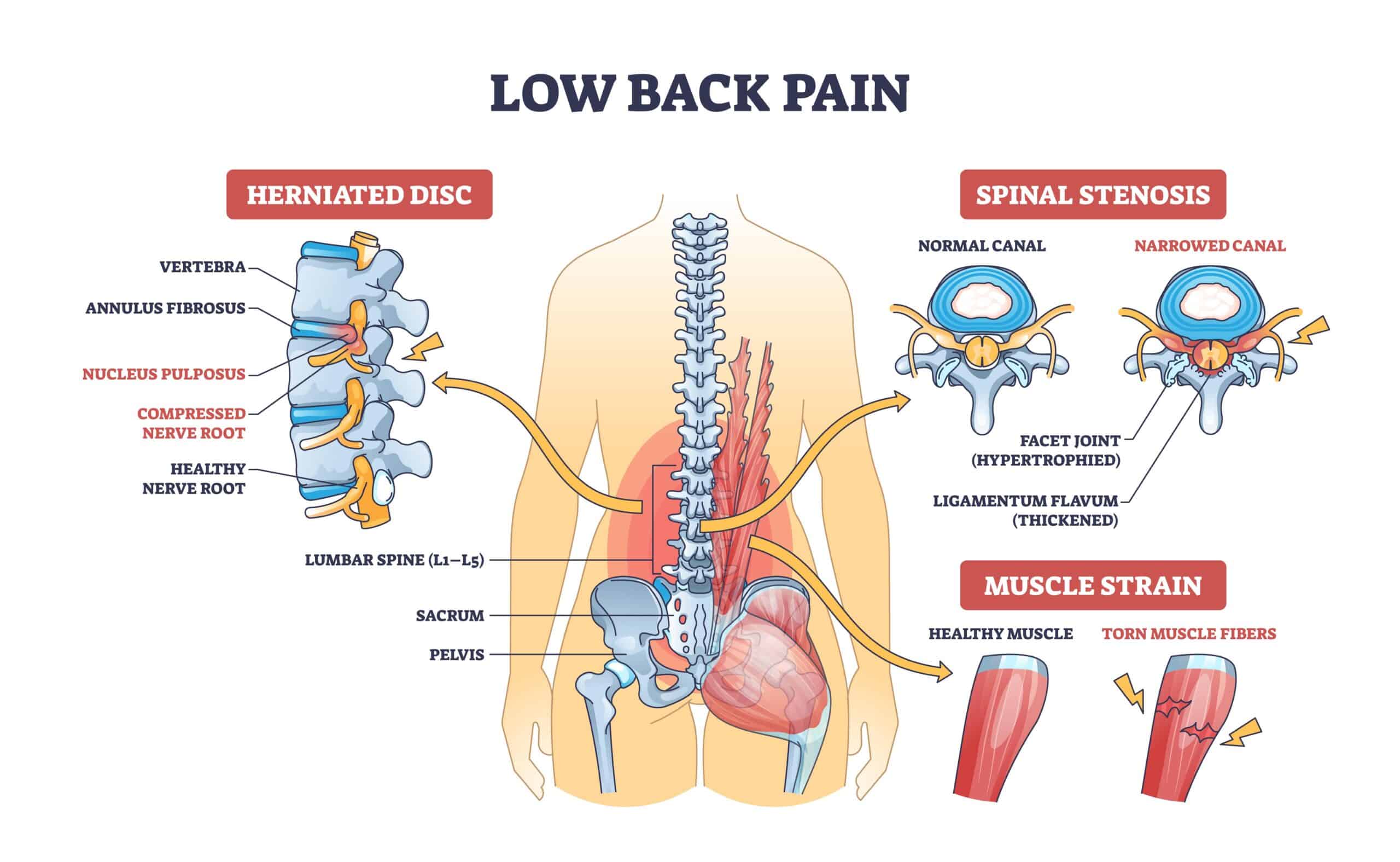
Degenerative disc disease describes changes in an intervertebral disc, the cushion between spinal bones. A disc may lose hydration, lose disc height, or become less flexible over time. These changes are common in the lumbar spine and cervical spine, especially with age, but the amount of disc degeneration on imaging does not always match the amount of pain a person feels.
Some people have disc degeneration and no major symptoms. Others develop back pain, neck pain, stiffness, sciatica, nerve irritation, or flare-ups with sitting, bending, lifting, standing, or walking. A physical therapy evaluation helps sort out what is actually driving your symptoms and what can improve.

Symptoms We Commonly Discuss With Clark Patients
Patients at Trinity Rehab Clark often come in after symptoms start affecting daily routines. Some have a diagnosis of lumbar degenerative disc disease. Some have cervical degenerative disc disease. Some have back pain with sciatica, stenosis, herniated disc history, arthritis, or nerve irritation. Others simply know that their back or neck keeps flaring up.
- low back pain or neck pain that comes and goes
- stiffness after sitting, driving, commuting, or sleeping
- pain with bending, lifting, twisting, or standing too long
- buttock, thigh, leg, shoulder, arm, numbness, or tingling symptoms
- difficulty walking, using stairs, exercising, working, or completing errands
- fear that movement will trigger another flare-up
- reliance on rest, medication, or avoiding normal activity
Seek urgent medical care for loss of bladder or bowel control, numbness in the groin or saddle area, rapidly worsening weakness, fever with severe spine pain, unexplained weight loss, major trauma, or severe new symptoms with a history of cancer.
How Your First Visit Works
Your first visit at Trinity Rehab Clark is designed to answer practical questions. What movements reproduce your symptoms? What positions calm them? Is there nerve irritation? Is the primary issue the lumbar spine, cervical spine, hips, posture, strength, mobility, walking tolerance, or a combination? What do you need your back or neck to handle at work, home, and in the community?
- review of your pain pattern, daily limitations, medical history, imaging, and goals
- lumbar spine or cervical spine movement testing
- strength testing for the core, hips, legs, shoulders, or upper back as needed
- nerve screening when pain travels into the buttock, leg, shoulder, arm, hand, numbness, or tingling
- walking, balance, sitting, stairs, lifting, bending, and posture assessment when relevant
- clear education about what to do, what to avoid for now, and how progress will be measured
Many New Jersey patients can start physical therapy through direct access when appropriate. If your exam shows signs that need medical review, your therapist will help coordinate that next step.
Treatment For Clark Spine Pain And Disc Degeneration
Physical therapy for degenerative disc disease should be progressive. Early care may focus on calming symptoms and reducing fear. Later care should build strength, mobility, conditioning, and movement tolerance so you are not stuck in a cycle of flare-up, rest, and flare-up again.
Pain Relief And Mobility
Your therapist may use manual therapy, gentle mobility, positioning strategies, and symptom-specific exercises to improve movement and reduce guarding. Manual therapy is not the whole plan, but it can help some patients move well enough to exercise more effectively.
Core Strength And Spine Support
Core strength, hip strength, glute strength, postural endurance, and therapeutic exercise help the spine tolerate sitting, lifting, walking, standing, stairs, and daily activity. Your program should progress from tolerable movements to the specific tasks you need to perform.
Nerve And Sciatica Considerations
If symptoms travel into the buttock, thigh, leg, shoulder, arm, or hand, your therapist will screen for nerve irritation, radiculopathy, sciatica, stenosis, or a related disc problem. Treatment may include nerve-sensitive positioning, gradual mobility, and strengthening that does not repeatedly aggravate symptoms.
Flare-Up Prevention
DDD often has good days and bad days. A strong plan includes a flare-up strategy, home exercise program, posture and sitting guidance, body mechanics for bending and lifting, and a realistic way to stay active between visits.


Clark Recovery Priorities
Degenerative disc disease care should not sound identical in every town. For Clark, the plan has to fit Union County commuting, standing work, local errands, and weekend family activity. That local context changes which movements we test, which goals we prioritize, and how we decide whether therapy is working.
In Clark, the story is often a spine that tolerates the first part of the day but tightens after commuting, standing work, or a chain of errands.
Your therapist can compare sitting, standing, walking, stair control, and bending mechanics so the plan is tied to the workday instead of a generic spine label.
What Your Plan May Emphasize
- standing-work endurance
- commute-friendly mobility breaks
- leg and hip strength for stairs
- lifting practice for household and work tasks
The goal is a back that feels more predictable from morning commute through evening routines, not only better for an hour after treatment.
Those details also help the page stay honest for organic search. The page is not claiming that physical therapy reverses disc aging. It is explaining how Trinity Rehab Clark can evaluate spine mechanics, nerve sensitivity, strength, mobility, walking tolerance, and real-life activity goals when conservative care is appropriate.
Clark Spine Rehab Plan Details
A Clark degenerative disc disease plan should start with the actual version of the problem in front of you. For one patient, that may be a low back flare that worsens after sitting and then eases once walking warms up. For another, it may be stiffness, nerve symptoms, weakness, or confidence loss during Union County commute stiffness, standing work fatigue, warehouse-style walking, or driveway lifting. The evaluation should connect the imaging label to the movements that matter around Westfield, Rahway, Cranford.
At Trinity Rehab Clark, the first visit should look beyond a generic back-pain checklist. Your therapist may compare walking pace, stair control, balance, and whether symptoms travel below the hip with symptoms during long sitting, driving, train rides, and desk work. If those tests do not explain the patient's main goal, the plan needs more detail. Someone limited by soccer sideline sitting may need a different progression than someone worried about evening errand loops or chair-rise guarding.
How We Choose The Next Step
The next step should be chosen by response. In Clark, that may mean tracking sitting posture, chair-rise strategy, car-transfer mechanics, and early core activation, then deciding whether the week should emphasize mobility, trunk strength, hip support, walking tolerance, nerve calming, posture endurance, or task practice. A useful progression may begin with hip and trunk endurance before longer errands, hills, stairs, or gym work, then move toward household carrying without provoking a larger flare-up.
If symptoms are worsening or neurological signs are changing, the plan should pause and medical follow-up should be discussed. Your therapist can help decide when manual therapy, exercise, walking, posture changes, bracing discussion, home mobility, or physician follow-up belongs in the plan. The safest program is not the most aggressive one; it is the one that keeps the patient moving while respecting symptom irritability and medical warning signs.
Clinic Details For Planning
Trinity Rehab Clark is located at 301 Central Ave Suite 1, Clark, NJ 07066. For directions and parking context, use the clinic map at https://maps.app.goo.gl/oRfRtToUeZEePxRJA. You can also call (848) 666-1818 for appointment details. This practical clinic proof matters because local spine care should point to a real clinic, not a copied town-name page.
Clark Routines We Plan Around
The local details are what make this page useful. In and around Clark, patients may be dealing with long sitting, driving, train rides, and desk work. That can change how degenerative disc disease symptoms show up and which goals matter most.
Sitting, Driving, And Workdays
Sitting pain is common with disc-related back pain. Patients from Clark, Westfield, Rahway, Cranford, and nearby areas may notice stiffness after driving, desk work, commuting, or long appointments. Therapy may include sitting strategies, mobility breaks, hip and core strengthening, and a plan to reduce stiffness when standing up.
Walking, Errands, And Stairs
Walking and stairs can expose weakness, poor load tolerance, balance changes, nerve symptoms, or fear of movement. Your therapist can help you rebuild walking tolerance, stair control, and confidence for daily errands, neighborhood activity, and community routines in NJ.
Bending, Lifting, And Home Tasks
Bending and lifting are not automatically bad, but they need to be rebuilt at the right dose. Your plan may include hip hinge practice, core control, leg strength, breath strategies, and gradual loading so laundry, groceries, yard work, childcare, and household tasks feel less threatening.
Fitness, Golf, Pickleball, And Activity
Many patients do not only want less pain. They want to return to the gym, walking, golf, pickleball, tennis, gardening, travel, or family activities. Physical therapy should bridge the gap from symptom control to the movement, strength, and conditioning those activities require.
Clark Daily-Demand Notes
This Clark page needs to be useful for a real first visit, so the plan names the local demands that often expose disc-related symptoms: Union County commute stiffness, standing work fatigue, warehouse-style walking, and driveway lifting. Those details change the rehab conversation. A patient who stiffens after Union County commute stiffness may need sitting-break rules and hip mobility, while a patient limited by warehouse-style walking may need standing tolerance, gait work, and core endurance.
The therapist should also ask what happens after the appointment. Around Clark and Westfield, Rahway, Cranford, patients may be trying to manage soccer sideline sitting, evening errand loops, chair-rise guarding, or household carrying. The home plan should match those moments with clear tests: a comfortable walking dose, a chair-rise or stair goal, a trunk-strength target, a symptom-calming option, and a sign that the spine is ready for the next level.
This is where local degenerative disc disease care becomes different from a copied condition page. The words on the page should point to decisions the therapist can make in the clinic: whether to slow the walking progression, add manual mobility work, modify lifting, screen nerve symptoms again, build hip support, or practice the exact task that still feels risky. If symptoms change sharply, medical follow-up should remain part of the safety plan.
Local Activity Checklist
For Union County commute stiffness, the therapist may watch whether symptoms build during sitting, whether standing up is guarded, and whether a short walk reduces or increases pain. For standing work fatigue, the visit may spend more time on stride length, pacing, hip strength, and whether leg symptoms appear as distance increases. For warehouse-style walking, the plan may need posture endurance, breathing strategy, glute strength, and better rules for breaks. For driveway lifting, the progression may depend on step height, railing use, balance, and how the back responds later that day.
A patient limited by soccer sideline sitting usually needs different coaching than someone limited by evening errand loops. One may need hinge practice, load selection, and confidence with repeated reaching. The other may need graded conditioning and a clear return-to-exercise ladder. If chair-rise guarding is the main trigger, the therapist may write a flare-up plan before pushing harder strength. If household carrying is the problem, the plan may focus on pacing, symptom response, and a measurable weekly activity target.
Spine Rehab Decision Map
- Union County commute stiffness: compare sitting time, chair-rise guarding, hip mobility, and whether short movement breaks calm the back or neck.
- standing work fatigue: measure walking dose, stride confidence, leg symptoms, balance, and how the spine feels later the same day.
- warehouse-style walking: test posture endurance, breathing, foot position, glute support, and whether standing breaks need to happen sooner.
- driveway lifting: review step height, railing use, trunk control, leg strength, and whether stairs trigger pain during or after the task.
- soccer sideline sitting: practice hinge mechanics, load choice, carrying strategy, and how to stop before a small warning becomes a larger flare.
- evening errand loops: build a return ladder with tolerable strength, mobility, conditioning, and recovery rules that do not depend on guesswork.
- chair-rise guarding: write a symptom plan for bad days, including when to reduce load, when to keep moving, and when medical review is appropriate.
- household carrying: choose one weekly activity target so progress is judged by real function instead of only by a pain number.
Progress should sound concrete at this clinic. The patient should know whether this week is about tolerating Union County commute stiffness, walking farther during standing work fatigue, standing longer through warehouse-style walking, or handling driveway lifting with less bracing. The next visit should compare those real demands with motion, strength, gait, nerve signs, and symptom irritability. That keeps the page useful for local search while reflecting how spine rehab actually works: evaluate the person, test the task, adjust the dose, and keep medical safeguards in view.
The clinical note should also capture the small details that change treatment. A position that helps during soccer sideline sitting may not be enough for evening errand loops. A stretch that feels good after chair-rise guarding may still be the wrong dose if symptoms travel farther down the leg. Pain that appears only after household carrying may need load management rather than complete rest. Those distinctions give the local spoke more than a town label; they give the therapist and patient a practical map for the next phase of recovery.
The goal is a back that feels more predictable from morning commute through evening routines, not only better for an hour after treatment.
What Progress Should Look Like
A good degenerative disc disease plan at Trinity Rehab Clark should create visible changes in real life, not just a temporary stretch or massage effect. Progress may mean sitting longer before stiffness builds, standing from a chair with less guarding, walking farther around Clark or nearby towns, driving with fewer flare-ups, sleeping with fewer position changes, or returning to exercise with better confidence.
Your therapist will also help you understand what to do on a bad day. Flare-ups can happen with disc degeneration, arthritis, stenosis, herniated disc history, sciatica, or nerve irritation. A useful plan gives you a short-term symptom strategy, a long-term strengthening plan, and clear signs for when symptoms should be rechecked.
For local SEO, this level of detail matters because patients are not searching for an abstract article. They are looking for physical therapy near Clark, NJ that can help with the specific ways back pain, neck pain, disc degeneration, sitting pain, walking limits, and nerve symptoms affect their day.
Local Clinic Proof
Trinity Rehab Clark
301 Central Ave Suite 1, Clark, NJ 07066
Phone: (848) 666-1818
Clinic page: https://trinity-rehab.com/physical-therapy-clinic/clark-nj/
Map and directions: https://maps.app.goo.gl/oRfRtToUeZEePxRJA
Nearby communities commonly include Westfield, Rahway, Cranford, Scotch Plains, Linden. This local proof is one reason the spoke page can compete for condition-plus-location searches without pretending to be a generic national spine article.
Related Spine Care At This Location
Disc-related symptoms can overlap with nearby spine and nerve conditions. Your therapist may compare your findings with these same-location care pages:
Patient Reviews For Clark
Local review proof matters. Patients searching for degenerative disc disease treatment in Clark, NJ need to know there is a real Trinity Rehab clinic, local staff, and patient experience behind the page.
Related Care At This Location
Degenerative disc disease often overlaps with other spine, hip, nerve, and back pain topics. These same-location links help patients and search engines understand the relationship between the local pages.
Frequently Asked Questions
Do you treat degenerative disc disease at Trinity Rehab Clark?
Yes. Trinity Rehab Clark treats back pain, neck pain, disc degeneration, lumbar spine symptoms, cervical spine symptoms, sciatica, and related movement problems when physical therapy is appropriate.
Will physical therapy fix the disc itself?
The goal is not to promise that a disc will change shape. The goal is to help your body move better around the irritated area, improve strength and mobility, reduce flare-ups, and help you return to daily activity with more confidence.
What should I bring to my first visit?
Bring your insurance information, any referral or imaging report you have, a list of medications or major health history, and a clear idea of the activities that matter most to you. You do not need an MRI report to start a physical therapy conversation when direct access is appropriate.
Can you help if my pain travels into my leg?
Often, yes. Leg pain, numbness, tingling, or weakness can involve nerve irritation, sciatica, stenosis, or a disc-related issue. Your therapist will screen nerve symptoms carefully and refer you for medical care if signs suggest a more urgent problem.
Do patients from nearby communities come to Clark?
Yes. Patients often come from Westfield, Rahway, Cranford, Scotch Plains, Linden and surrounding communities for spine and back pain physical therapy.
What makes the Clark degenerative disc disease plan local?
The plan connects your exam to the real routines that trigger symptoms around Clark, including Union County commute stiffness, standing work fatigue, warehouse-style walking, driveway lifting. The goal is a back that feels more predictable from morning commute through evening routines, not only better for an hour after treatment.
Start Degenerative Disc Disease Physical Therapy In Clark
If disc degeneration, back pain, neck pain, sciatica, stiffness, sitting pain, walking limits, or flare-ups are affecting your daily life in Clark, NJ, start with an evaluation. The goal is to understand what is driving your symptoms and build a plan that helps you move forward safely.