Degenerative Disc Disease Treatment
The Daily Struggle with Degenerative Disc Disease
You wake up and feel that familiar ache in your lower back. Rolling out of bed takes longer than it used to. By midday, sitting at your desk leaves you stiff and sore. You’re reaching for pain relievers more often, and you’re worried about what this means for your future. If this sounds familiar, you’re not alone.
Degenerative disc disease affects millions of Americans, and if you’ve been diagnosed, you may feel like your mobility and independence are slowly slipping away. The good news? You don’t have to accept chronic pain and limitation as inevitable. Physical therapy has proven highly effective at reducing symptoms, restoring function, and helping you reclaim the activities that matter most to you. By focusing on restoring function and reducing pain, physical therapy empowers you to participate more fully in your everyday life. At Trinity Rehab, we specialize in treating degenerative disc disease through personalized, evidence-based rehabilitation that addresses the root cause—not just the pain.
Why Degenerative Disc Disease Relief Matters
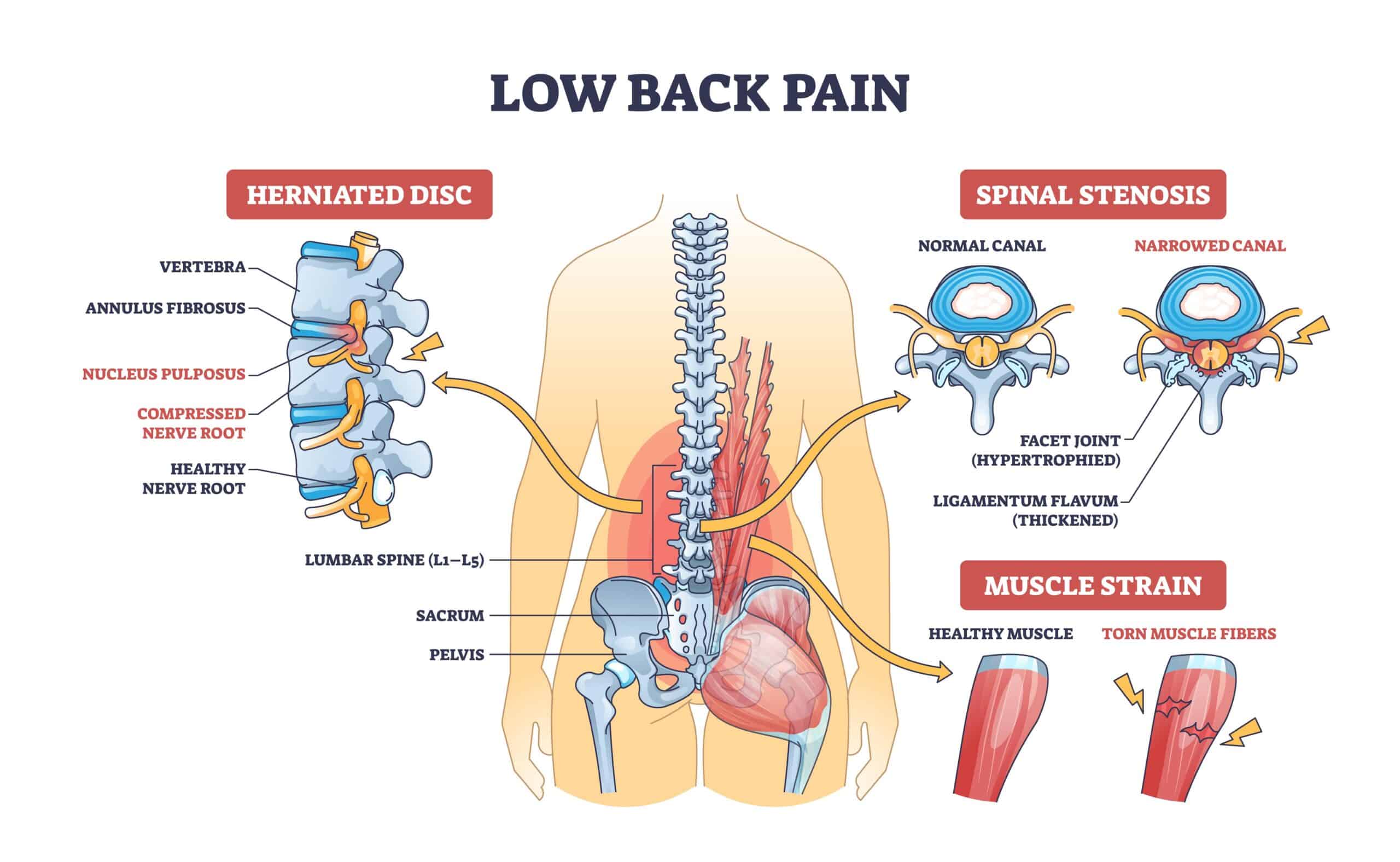
Degenerative disc disease is a progressive condition where the discs in your spine gradually lose their cushioning ability over time. These discs act as shock absorbers between your vertebrae, and when they break down, the spaces between your bones narrow, potentially causing pain, stiffness, and nerve compression.
The consequences of leaving degenerative disc disease untreated can be serious. Many patients experience chronic, worsening pain that interferes with work, hobbies, and family time. As the condition progresses, you may develop radiating pain down your legs (sciatica), numbness, tingling, or weakness—signs that nerves are being irritated. Some patients eventually lose significant mobility and independence, becoming unable to enjoy activities they once loved. Additionally, compensating for spine pain by changing how you move can lead to injuries in your hips, knees, and other joints.
Early and appropriate treatment is crucial. Research from the National Institute of Arthritis and Musculoskeletal and Skin Diseases (NIAMS) shows that physical therapy interventions significantly reduce pain, improve function, and slow the progression of degenerative disc disease. By starting treatment now, you can prevent these complications and maintain an active, pain-free lifestyle for years to come.
Treatment plans for degenerative disc disease often take into account the patient’s life expectancy to optimize long-term outcomes and quality of life.
Common Causes of Degenerative Disc Disease
Degenerative disc disease develops for various reasons, and understanding what caused yours can help guide your treatment plan:
- Natural aging and wear — The most common cause. Your discs naturally lose water content and become less flexible over time, typically starting after age 30 or 40.
- Repetitive strain injuries — Jobs or activities involving heavy lifting, bending, twisting, or vibration (like truck driving) place extra stress on your discs and accelerate breakdown.
- Poor posture — Slouching, forward head posture, and improper lifting techniques put uneven pressure on your discs, causing them to degenerate faster than normal.
- Obesity and excess weight — Extra body weight puts additional load on your spine, particularly the lumbar (lower back) discs, speeding degeneration.
- Smoking — Tobacco use impairs blood flow to your discs, reducing their nutrition and oxygen supply, which accelerates deterioration.
- Genetic predisposition — Certain genetic variants are responsible for an increased risk of early disc degeneration, regardless of lifestyle factors.
- Previous spinal injuries — A history of disc herniation, fractures, or significant trauma to the spine increases the risk of degenerative changes.
Most people have a combination of these factors. The important thing to know is that regardless of the cause, physical therapy can address the biomechanical and functional problems that degenerative disc disease creates—helping you move better, feel stronger, and experience less pain.

Symptoms Patients Often Notice
Degenerative disc disease symptoms vary depending on which discs are affected and how severe the degeneration is. You may experience one or more of the following:
- Chronic low back pain or neck pain — The most common symptom, often worse at the end of the day or after activity.
- Neck stiffness and reduced range of motion — Particularly with cervical degenerative disc disease, you may struggle to turn your head or look over your shoulder.
- Pain that worsens with sitting or bending — Certain positions compress your discs further, triggering or intensifying pain.
- Morning stiffness — Pain and stiffness that improves as you move around during the day, but is worst when you first wake up.
- Radiating pain, numbness, or tingling — When degeneration narrows the space where nerves exit the spine, you may feel sciatica-like pain, numbness, or tingling in your legs (lumbar DDD) or arms (cervical DDD).
- Muscle weakness — Nerve compression can weaken muscles in your legs or arms, affecting your grip or causing foot drop. Physical therapy focuses on improving muscle strength to support the spine and help reduce symptoms.
- Pain with activity — Certain movements or positions may trigger sharp or aching pain in your back or neck.
It’s important to note that degenerative disc disease affects people differently. Some individuals have significant disc degeneration visible on imaging but minimal symptoms, while others experience considerable pain from mild degeneration. This is why personalized physical therapy assessment is essential—your treatment plan should be based on your specific symptoms and functional limitations, not just imaging findings.
What Are the 4 Stages of Degenerative Disc Disease?
Understanding the progression of degenerative disc disease can help you grasp where you are in the disease process and why early intervention matters. Degenerative disc disease typically progresses through four stages:
Stage 1: Dysfunction
In this earliest stage, your disc begins to lose its ability to maintain proper alignment and movement. You may experience occasional pain, stiffness, or discomfort—especially with certain activities or positions. Many people at this stage don’t realize they have degenerative disc disease; they just notice they’re “not as flexible” or that their back is “sore” after activity. The good news is that Stage 1 responds very well to physical therapy. Strengthening your core, improving your posture, and learning proper movement mechanics can stop progression and eliminate symptoms.
Stage 2: Instability
As degeneration advances, your disc loses more height and structural integrity, making your spine less stable. This instability can cause episodes of acute pain, muscle spasms, and a sensation of your back “giving out.” You might feel like you need to brace or guard your spine to prevent pain. At this stage, many people turn to pain medication or begin avoiding activities—but this can actually worsen the problem by weakening supporting muscles. Physical therapy becomes critical here: targeted stabilization exercises teach your core muscles to compensate and protect your spine.
Stage 3: Restabilization
In this stage, your body attempts to stabilize the compromised spine by growing bone spurs (osteophytes) and thickening ligaments. While these changes sound problematic, they can actually reduce pain by creating more stability. Many people find their pain improves in Stage 3 compared to Stage 2. However, these changes can narrow the spaces where nerves exit the spine, potentially causing radiating pain, numbness, or tingling. Physical therapy focuses on maintaining mobility, managing inflammation, and preventing nerve compression symptoms.
Stage 4: Advanced Degeneration
In the final stage, significant disc collapse and bone spur formation have occurred. The spine has become rigid, and nerve compression is common. Pain may be chronic and considerable. Even at this advanced stage, physical therapy—often combined with other treatments like injections or, rarely, surgery—can improve function and reduce pain. The goal shifts to maximizing whatever mobility remains and managing symptoms to maintain quality of life.
How Physical Therapy Restores Function
At Trinity Rehab, we don’t treat degenerative disc disease with a one-size-fits-all approach. Instead, we develop personalized treatment plans based on your specific diagnosis, symptoms, and goals. Our physical therapists—all licensed Doctor of Physical Therapy (DPT) professionals—provide one-on-one care throughout your treatment, never handing you off to an aide. This ensures continuity and personalized attention that directly impacts your results. Physical therapy is a recognized health care profession essential for managing degenerative disc disease.
Our physical therapy treatment for degenerative disc disease typically progresses through three phases:
Phase 1: Pain Reduction & Mobility Restoration (Weeks 1-3)
The first phase focuses on reducing pain, calming inflammation, and gently restoring mobility. You’ve likely been guarding your spine and moving cautiously—and while that’s a natural protective response, it can make stiffness worse over time.
In Phase 1, we use evidence-based techniques including:
- Manual therapy — Our DPTs use hands-on techniques like spinal mobilization, soft tissue mobilization, and gentle joint movement to reduce stiffness, improve blood flow, and calm pain. Manual therapy directly addresses the mechanical dysfunction that contributes to pain.
- Modalities — Heat, ice, TENS (transcutaneous electrical nerve stimulation), and ultrasound can reduce inflammation and provide temporary pain relief while your body heals. We use these strategically to support your ability to participate in more active exercises.
- Gentle stretching and range of motion exercises — Carefully progressed stretches restore flexibility in your spine, hips, and hamstrings without stressing the degenerated discs.
- Postural training — We teach you how to sit, stand, and move with proper spinal alignment to reduce stress on damaged discs.
- Body mechanics education — Learning how to bend, lift, and carry safely prevents further injury and reduces pain during daily activities.
During Phase 1, you’ll notice your pain decreasing, your ability to move improving, and your confidence growing. Most patients see significant improvement within the first few weeks.

Phase 2: Core Stabilization & Progressive Strengthening (Weeks 3-8)
Once pain is reduced and basic mobility is restored, we shift focus to building strength and stability. This is the most important phase for long-term success, because strong core muscles act as a “corset” around your spine, protecting your discs and reducing pain during activity.
Phase 2 includes:
- Progressive core strengthening — We start with foundational core exercises like transverse abdominis activation, progressing to more challenging movements. A strong core is the cornerstone of long-term degenerative disc disease management.
- Lumbar stabilization exercises — These build endurance and control in the muscles surrounding your lower back, protecting your discs during movement.
- The McKenzie method — If appropriate for your case, we use this evidence-based approach of repeated movements and sustained positions to centralize pain and reduce radiating symptoms.
- Aquatic therapy — When available, water-based exercise reduces stress on your spine while allowing resistance training. This is particularly helpful for patients with significant pain or mobility loss.
- Hip and leg strengthening — Weak hip muscles force your spine to compensate. We address this by strengthening your glutes, hip abductors, and other supporting muscles.
- Progression of functional movements — As you get stronger, we gradually introduce movements closer to your real-world activities—bending, lifting, carrying, reaching.
Strengthening and stabilization programs are tailored to meet the needs of different patient populations, such as older adults or those with varying levels of mobility, ensuring optimal outcomes for each group.
By the end of Phase 2, you should feel considerably stronger, more confident in your body, and able to perform daily activities without pain or significant limitation.

Phase 3: Return to Activity & Long-Term Management (Weeks 8+)
The final phase focuses on returning you to the activities you enjoy and developing a sustainable long-term plan to prevent flare-ups and progression.
Phase 3 includes:
- Sport-specific or activity-specific training — Whether you love golf, gardening, hiking, or simply playing with your grandchildren, we’ll train your body to handle these activities safely and confidently.
- Functional training — We replicate real-world demands (lifting, carrying, reaching, climbing stairs) and train your body to handle them without pain.
- Ergonomic optimization — If your work contributes to your condition, we’ll assess your workspace and help you set up proper ergonomics to prevent recurrence.
- Home exercise program development — You’ll graduate from clinic-based therapy with a targeted set of exercises you can do at home. These become your maintenance plan—the key to staying pain-free long-term.
- Injury prevention strategies — We teach you how to recognize early warning signs and adjust your activities before pain flares.
Throughout all phases, our DPTs may incorporate advanced techniques like dry needling for muscle tension and trigger points, or EPAT/shockwave therapy to promote healing and reduce inflammation. These complementary treatments enhance your outcomes when used strategically within your overall plan.
Some of our physical therapists hold specialist certification in areas such as orthopedics or neurology, providing advanced expertise for managing complex degenerative disease cases.

Things to Avoid with Degenerative Disc Disease
Understanding what aggravates your condition is just as important as knowing what helps it. Here are key things to avoid with degenerative disc disease:
- Prolonged sitting — Sitting compresses your discs and reduces blood flow to supporting muscles. If your job requires sitting, take breaks every 30-60 minutes to stand, stretch, and move. Poor sitting posture makes this problem worse.
- High-impact activities — Running, jumping, and contact sports place repetitive stress on your discs. Low-impact activities like walking, swimming, and cycling are better choices.
- Heavy lifting with poor form — Lifting incorrectly places enormous stress on your discs. Never bend at the waist to pick something up; instead, bend your knees and keep the load close to your body. Avoid lifting heavy objects until you’ve completed physical therapy and learned proper mechanics.
- Smoking — Tobacco use impairs disc nutrition and accelerates degeneration. If you smoke, quitting is one of the most important things you can do for your spine health.
- Ignoring early symptoms — Pain is your body’s warning signal. If you notice increasing pain, stiffness, or new symptoms like radiating pain or numbness, seek professional evaluation immediately. Early intervention can prevent progression.
- Self-treating without guidance — While some people find relief through home remedies, degenerative disc disease requires professional assessment and a structured treatment plan. Trying to self-manage without guidance often leads to compensation patterns that create secondary injuries.
- Assuming surgery is inevitable — Many patients fear that degenerative disc disease will eventually require surgery. The reality is that 85-90% of people with degenerative disc disease can manage their condition successfully with conservative care like physical therapy. Surgery is rarely necessary.
Lifestyle Changes and Prevention
When it comes to managing and preventing degenerative diseases, including degenerative disc disease, lifestyle changes are among the most powerful tools at your disposal. The World Health Organization emphasizes that adopting healthy habits can dramatically lower your risk of developing chronic conditions such as cardiovascular diseases, neurodegenerative diseases like Alzheimer’s disease and multiple sclerosis, and motor neuron disease. For New Jersey residents, making these changes is not only possible but supported by a wealth of local resources and opportunities.
Regular physical activity is at the heart of prevention. The National Cancer Institute recommends at least 150 minutes of moderate-intensity physical exercise or 75 minutes of vigorous activity each week to help reduce the risk of chronic and degenerative diseases. Activities like walking, cycling, and hiking—readily accessible throughout the Garden State, from the trails of northwestern New Jersey to the scenic Jersey Shore—can help maintain a healthy weight, improve cardiovascular health, and support the central nervous system. These benefits are especially important for older adults and those at risk for neurodegenerative diseases.
Physical therapy plays a crucial role not just in treatment, but also in prevention. Working with a specialist-certified physical therapist, you can learn safe movement patterns, incorporate heat therapy and manual therapy techniques, and develop a personalized exercise plan that supports joint health and mobility. These proactive steps can help manage early symptoms, reduce the risk of progression, and improve quality of life for patients with degenerative conditions.
Environmental factors, such as air quality and exposure to toxins, also influence the risk of developing degenerative diseases. By staying informed and making conscious choices—like avoiding smoking, limiting alcohol, and choosing nutrient-rich foods—you can further protect your health. A balanced diet rich in fruits, vegetables, and whole grains supports the body’s natural defenses and helps maintain the health of affected tissues, including those in the spine and central nervous system.
New Jersey’s robust healthcare system, supported by both the state and federal government, offers a range of resources to help residents stay healthy. Health insurance programs, continuing education courses, and community wellness initiatives make it easier for Jersey’s population to access preventive care and physical therapy services. Whether you live in Bergen County, Mercer County, or along the Atlantic Ocean, you’ll find opportunities to engage in physical activity and connect with healthcare professionals dedicated to your well-being.
Ultimately, prevention is about making small, sustainable changes that add up over time. By prioritizing physical activity, seeking guidance from a physical therapist, and embracing a healthy lifestyle, you can reduce your risk of degenerative diseases and enjoy greater mobility, independence, and quality of life—no matter where you are in New Jersey.
Geographic and Demographic Factors in Degenerative Disc Disease
Geographic and demographic factors play a significant role in the prevalence, risk, and management of degenerative disc disease—especially in the northeastern United States, where New Jersey stands out as one of the most densely populated and urbanized regions. In the Garden State, the fast-paced lifestyle, high population density, and environmental factors all contribute to the development and progression of degenerative diseases, including degenerative disc disease.
For many New Jersey residents, everyday life involves long commutes, desk jobs, and limited opportunities for physical activity—factors that increase the risk of chronic back pain and mobility issues. The World Health Organization emphasizes the importance of regular physical exercise in preventing and managing degenerative diseases, and this is particularly relevant in urban centers like Bergen County, Passaic County, and other large cities where sedentary habits are common. In these areas, access to physical therapy, heat therapy, and manual therapy can make a significant difference in managing symptoms and improving quality of life.
However, access to physical therapy and rehabilitation services can vary based on geographic location and health insurance coverage. While New Jersey’s robust health care sector—especially in Mercer County and other regions with strong medical infrastructure—offers a wide range of physical therapy options, demographic factors such as age, income, and insurance status can affect how easily patients can utilize these services. Older adults and African Americans, for example, are disproportionately affected by degenerative disc disease and may face additional barriers to care.
Environmental factors also play a role. Coastal areas like the Jersey Shore and cities along the Atlantic Ocean may experience higher levels of air pollution, which can exacerbate chronic conditions and impact the central nervous system. In contrast, residents of northwestern New Jersey, near the state’s highest elevation at High Point, may have greater access to outdoor activities that promote physical activity and muscle strength, helping to reduce the risk of degenerative disc disease. South Jersey, with its more rural landscape, offers additional opportunities for physical exercise, which is a key preventive measure recognized by both the National Cancer Institute and the World Health Organization.
Complicating matters, degenerative disc disease often co-occurs with other chronic conditions such as osteoarthritis, cardiovascular diseases, motor neuron disease, and neurodegenerative diseases like Alzheimer’s disease and multiple sclerosis. These overlapping diseases can make treatment more complex and highlight the need for comprehensive, multidisciplinary care. Physical therapists with specialist certification and ongoing continuing education are essential for delivering high-quality, evidence-based treatment tailored to the unique needs of each patient.
New Jersey’s economy and government play a vital role in supporting research, quality improvement initiatives, and the expansion of physical therapy services. With roughly half of New Jerseyans at risk for degenerative disc disease and one quarter of residents potentially experiencing symptoms, the demand for accessible, high-quality rehabilitation is significant. Initiatives that promote physical activity, early intervention, and preventive care can help reduce the burden of degenerative diseases on both individuals and the state’s health care system.
Ultimately, understanding the geographic and demographic factors that influence degenerative disc disease empowers Jersey residents to take proactive steps toward prevention and management. By leveraging local resources, engaging in regular physical activity, and seeking care from experienced physical therapists, patients can improve mobility, reduce pain, and enhance their quality of life—no matter where they live in the Garden State.
Why Patients Choose Trinity Rehab for Degenerative Disc Disease Treatment
When you’re dealing with chronic spine pain, you need a rehabilitation team that understands your condition deeply and is genuinely committed to your recovery. Here’s what sets Trinity Rehab apart:
Personalized, One-on-One Care
You’ll never be handed off to an aide or paraprofessional. Every session is with a licensed Doctor of Physical Therapy who knows your history, understands your goals, and adjusts your treatment based on your response. This level of personalized attention directly impacts your outcomes and gives you the accountability and support you need.
DPT-Led Treatment from Start to Finish
All Trinity Rehab therapists are Doctor of Physical Therapy professionals—the highest level of training in the field. This means you’re receiving care from true experts in musculoskeletal rehabilitation, not just basic technicians. Our DPTs have the clinical knowledge to modify your plan as needed and make sophisticated decisions about your care.
27 Locations Across New Jersey and Pennsylvania
Convenience matters when you’re in pain. With locations throughout the region, you can access high-quality physical therapy close to your home or work. We make it easy to commit to your treatment plan without excessive travel.
Proven Track Record with Degenerative Disc Disease
We treat patients with degenerative disc disease regularly, and our success rate speaks for itself. Patients consistently report significant pain reduction, improved mobility, and the ability to return to activities they thought were gone forever.
Same-Day or Next-Day Appointments
We understand that waiting weeks for an appointment when you’re in pain isn’t acceptable. Trinity Rehab prioritizes getting you in quickly so you can start your path to recovery.
Insurance Accepted at Most Plans
We work with most insurance plans, and our staff handles verification and billing so you don’t have to worry about the financial side of your care.
Comprehensive Approach
We treat degenerative disc disease holistically—addressing pain, restoring mobility, building strength, improving posture, and educating you on long-term management. This comprehensive approach ensures lasting results, not just temporary relief.
Frequently Asked Questions About Degenerative Disc Disease
Can degenerative disc disease be cured?
Is degenerative disc disease a disability?
How fast does degenerative disc disease progress?
Can physical therapy help degenerative disc disease?
What is the best treatment for degenerative disc disease?
How is degenerative disc disease related to other degenerative or movement disorders?
Getting Back to What Matters
Living with degenerative disc disease doesn’t mean accepting chronic pain, limitation, and fear about the future. Thousands of patients have walked through Trinity Rehab’s doors with similar concerns, completed our evidence-based physical therapy program, and returned to pain-free, active lives. You can too.
The path forward starts with a single step: scheduling an evaluation with one of our DPTs. During that first appointment, we’ll assess your condition, listen to your goals, and create a clear treatment plan tailored specifically to you. You’ll understand what’s causing your pain, what to expect, and how we’ll help you get better.
You deserve to live without chronic pain. You deserve to move confidently, enjoy activities you love, and not worry about your spine breaking down further. Let Trinity Rehab help you reclaim your life.
Your Next Steps
Step 1: Schedule Your Appointment
Contact Trinity Rehab online or call your nearest location. We have 27 offices across New Jersey and Pennsylvania, with same-day or next-day appointment availability. Let us know about your degenerative disc disease diagnosis and current symptoms.
Step 2: Get Evaluated by a Doctor of Physical Therapy
During your initial evaluation, our DPT will perform a thorough assessment of your spine, strength, mobility, and function. We’ll discuss your symptoms, goals, and medical history. You’ll leave with a clear understanding of your condition and what to expect from treatment.
Step 3: Start Your Personalized Treatment Plan
Based on your evaluation, we’ll begin your individualized physical therapy program. You’ll work one-on-one with your DPT through our three-phase approach, progressing as you improve. Most patients see significant improvement within 3-4 weeks and complete treatment within 8-12 weeks.
Find Treatment Near You
New Jersey Locations
Pennsylvania Locations
Sources
- National Institute of Arthritis and Musculoskeletal and Skin Diseases (NIAMS). “Degenerative Disc Disease.” National Institutes of Health. https://www.niams.nih.gov/health-topics/degenerative-disc-disease
- American Physical Therapy Association. “Degenerative Disc Disease and Physical Therapy.” https://www.apta.org/
- Mayo Clinic. “Degenerative Disc Disease.” https://www.mayoclinic.org/diseases-conditions/degenerative-disc-disease/diagnosis-treatment/drc-20371991