
Osteoarthritis Treatment in Upper Dublin, PA
Upper Dublin Township is one of Montgomery County’s most established communities — a thoughtfully developed suburb where the Fort Washington Office Park hosts the headquarters of major corporations, leafy residential neighborhoods border the Wissahickon Creek watershed, and parks like Mondauk Common, Twining Valley Park, and Robbins Park give residents the trails, open fields, and green space to stay genuinely active. With a median household income among the highest in the region and a median age of 44, Upper Dublin is home to professionals, families, and a significant population of residents over 65 — all of whom deserve thoughtful, evidence-based care when osteoarthritis begins to interfere with their lives.
Osteoarthritis is a degenerative joint disease — the progressive breakdown of cartilage that cushions the ends of bones within a joint. It affects more than 32.5 million Americans and is the most common cause of joint pain and disability in adults over 45. In Upper Dublin, it shows up in the corporate professional who commutes daily to Toll Brothers or Honeywell and whose sedentary workday combined with weekend tennis at Upper Dublin Sports Center is wearing down her knee cartilage. It surfaces in the UDJAA soccer or baseball coach whose decades of athletic activity have finally caught up with his hips. And it is a daily reality for many of the township’s older adults — 20% of Upper Dublin’s population is over 65 — who want to keep walking Twining Valley Park’s paths without pain dictating the distance.
Physical therapy is the most evidence-backed, first-line treatment for osteoarthritis, endorsed ahead of escalating medication and well before surgery by the American College of Rheumatology, the Arthritis Foundation, and the National Institute for Health and Care Excellence. At Trinity Rehab, we serve Upper Dublin and the broader Fort Washington area with individualized, one-on-one osteoarthritis treatment using the most effective manual therapy, exercise, and advanced technology available.
Osteoarthritis Risk in Upper Dublin: Who It Affects and Why
Osteoarthritis does not develop arbitrarily. It is driven by a combination of aging, mechanical loading history, injury, genetics, and lifestyle factors — many of which are particularly relevant for Upper Dublin residents:
Corporate and knowledge workers at Fort Washington Office Park: Upper Dublin is anchored by the Fort Washington Office Park — the first suburban business park on the East Coast — where Toll Brothers, NutriSystem, Honeywell, and other major employers draw thousands of office workers. Prolonged sitting is an underappreciated risk factor for hip flexor tightening, hip joint compression, and lumbar spine degeneration. Workers who commute 45+ minutes each way and spend most of the workday seated accumulate cumulative hip and lumbar stress that accelerates the timeline for degenerative joint disease.
Warehouse and logistics workers at UNIS and related facilities: Manual handling operations in the Fort Washington area involve repetitive heavy lifting, twisting, and carrying — among the highest-evidence occupational risk factors for knee osteoarthritis and hip osteoarthritis. The combination of body weight, load, and repetition imposed on joints over a career adds up in ways that manifest as cartilage breakdown in the 50s and 60s.
Active adult population: Upper Dublin’s parks and recreation infrastructure — pickleball, tennis, and soccer at the Upper Dublin Sports Center, leagues through the Upper Dublin Junior Athletic Association, and trail walking at Mondauk Common — keeps residents physically active into later life. That activity history is largely positive for joint health, but cumulative sport-related stress and previous injuries raise osteoarthritis risk meaningfully.
Older adults: With 20% of the population over 65, Upper Dublin has a significant cohort in the age range most vulnerable to osteoarthritis. Age-related cartilage degeneration is the single leading cause of the condition, and this group benefits most from early, structured physical therapy to maintain independence and delay or avoid joint replacement surgery.
How Physical Therapy Treats Osteoarthritis
Manual Therapy: Restoring What Stiffness Has Taken
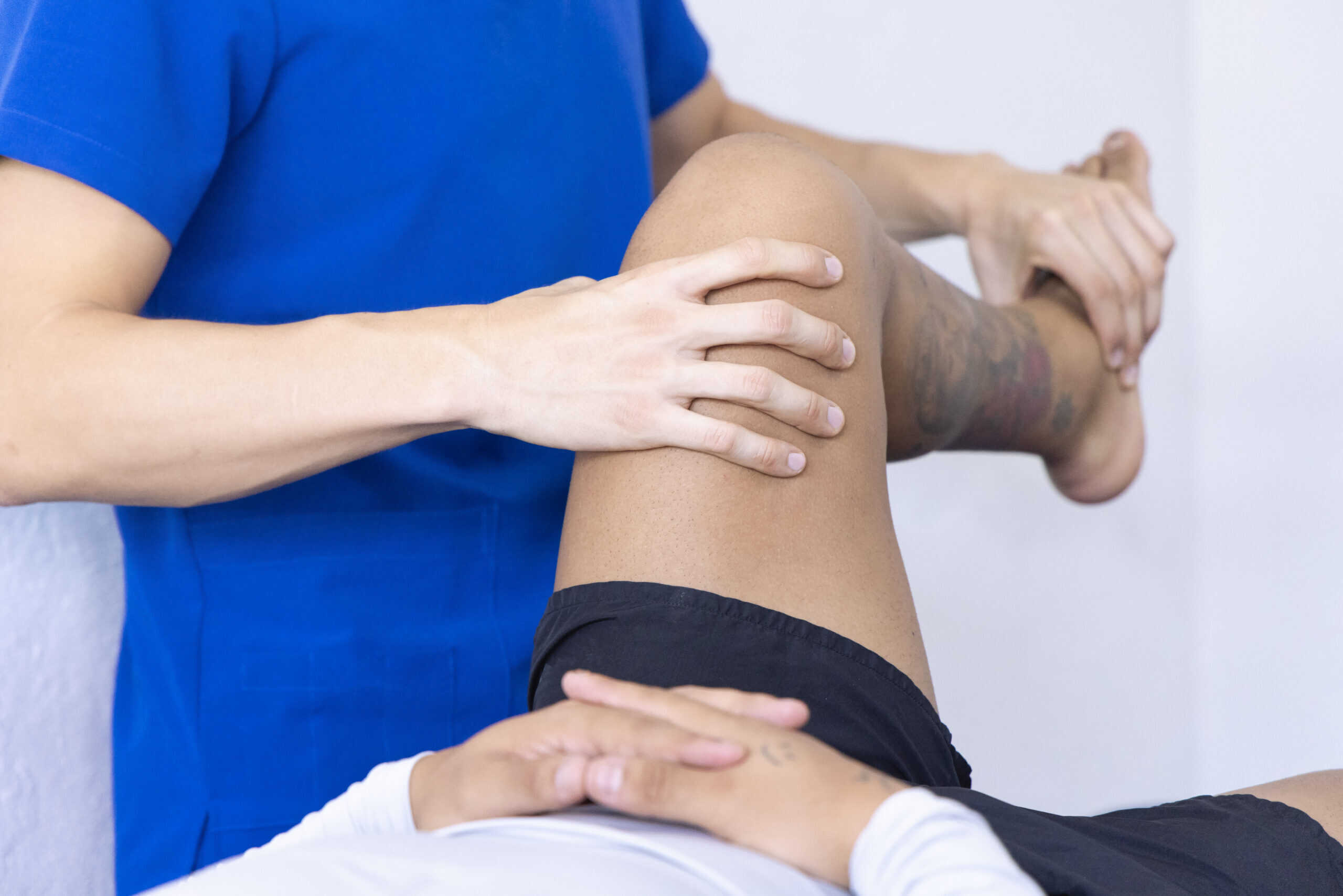
Manual therapy is among the most effective components of physical therapy for osteoarthritis and a centerpiece of treatment at Trinity Rehab. It involves skilled, hands-on techniques applied directly to the arthritic joint and surrounding tissues — approaches that produce measurable improvements in range of motion, pain levels, and functional mobility.
Joint mobilization delivers graded, rhythmic passive movements to the arthritic joint. For a stiff, painful knee, mobilization restores the gliding and rolling mechanics that normal joint motion requires. For a restricted hip, mobilization recovers the rotation and extension needed for walking and stair use. Clinical evidence supports joint mobilization as an effective component of both knee arthritis and hip osteoarthritis treatment.
Soft tissue mobilization addresses the dense, tight muscle tissue and fascial layers that develop around a chronically painful joint. An Upper Dublin professional who has been guarding a painful knee for six months will have developed significant tightness in the quadriceps, iliotibial band, and calf — tissues that maintain the pain cycle even after the joint itself begins responding to treatment.
Neuromuscular re-education retrains aberrant movement patterns. Compensatory strategies — trunk leaning away from a painful hip, knee valgus collapse during stair descent — are automatic responses to pain that create secondary injuries in adjacent joints over time. Manual therapy and movement re-education together correct these patterns before they cause new problems.
For many Upper Dublin patients, the first few sessions of manual therapy — which rapidly reduce morning stiffness, improve range of motion, and make subsequent exercise more productive — represent a turning point in their confidence that physical therapy can genuinely help.
Strengthening: The Foundation of Long-Term Joint Protection
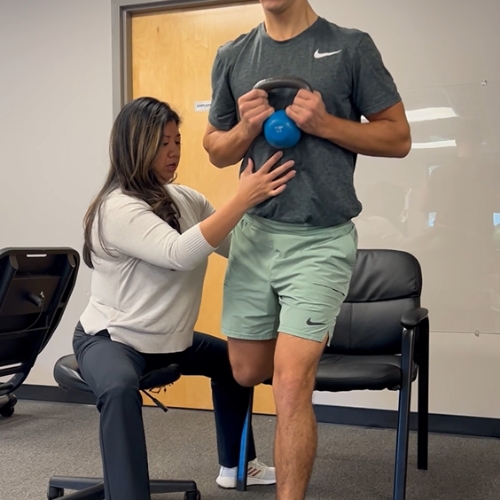
The muscles surrounding an arthritic joint are its best defense against further cartilage breakdown. Strong quadriceps, for instance, absorb the compressive forces at the knee that would otherwise be borne by thinning cartilage. Strong hip abductors and gluteal muscles reduce the lateral joint loading patterns that accelerate hip and medial knee degeneration. Building and maintaining this muscle strength is the most durable long-term intervention available for osteoarthritis — more reliable than medication and far less invasive than surgery.
At Trinity Rehab, your physical therapist designs a progressive, individualized exercise program:
Quadriceps strengthening for knee osteoarthritis: The quad is the most important protector of the knee joint and the most evidence-supported exercise target in knee arthritis treatment. Your program builds quad strength progressively — starting from joint-sparing positions and advancing as pain and function allow. Hamstring strengthening and PNF flexibility work balance the program and restore the joint’s full movement arc.
Hip abductor and gluteal strengthening for hip osteoarthritis: Strong lateral hip muscles reduce the compensatory trunk shift that increases hip and lumbar loading during gait. For Upper Dublin golfers at Flourtown Country Club or Manufacturers’ Golf & Country Club, this also directly improves the rotational stability needed for a consistent swing.
Core and lumbar stabilization: A stable core and pelvis reduce shear forces on both the hip joint and lumbar spine. Core exercise appropriate for patients with osteoarthritis — avoiding high-compression postures — is integrated throughout the treatment plan.
Aerobic exercise conditioning: Low-impact aerobic exercise is among the most important interventions for long-term osteoarthritis management. Your therapist helps you identify the right aerobic activities — whether that is walking at Mondauk Common, cycling, swimming, or anti-gravity treadmill training — and prescribes appropriate volumes and intensities.
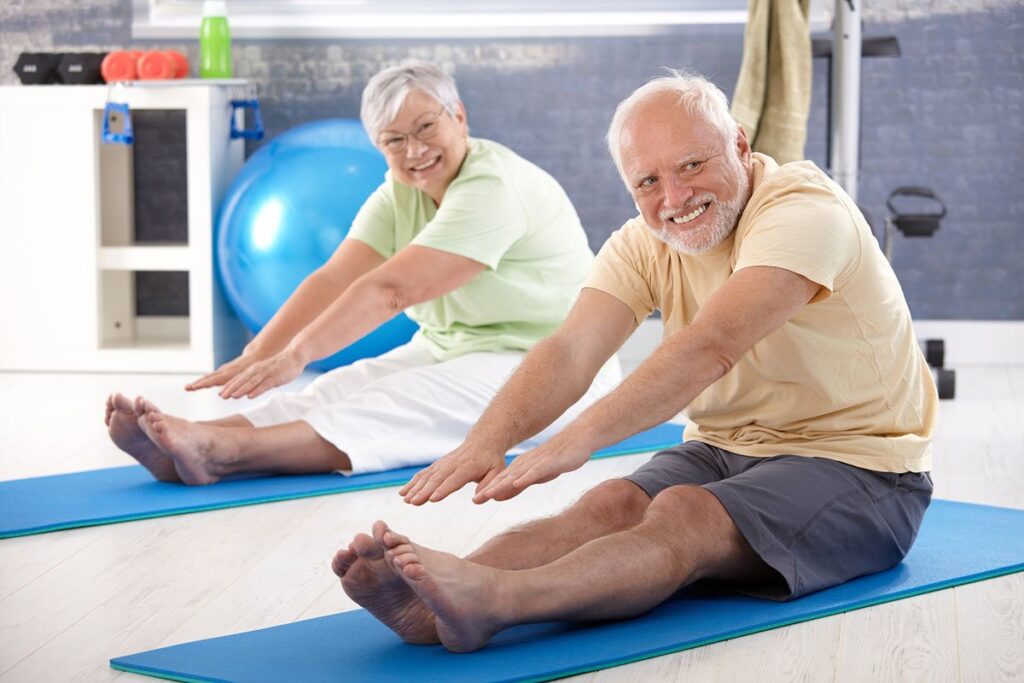
Joint flexibility training: Regular stretching and joint flexibility work counteracts the progressive stiffening that osteoarthritis imposes. PNF stretching, which combines muscle contraction and relaxation, is particularly effective for recovering meaningful range of motion in arthritic joints.
EPAT Shockwave Therapy
EPAT (Extracorporeal Pulse Activation Technology) is one of the most clinically advanced tools in Trinity Rehab’s treatment arsenal. It delivers high-energy acoustic pressure waves into damaged soft tissues surrounding arthritic joints, stimulating collagen production and natural tissue regeneration at the cellular level.
For Upper Dublin patients dealing with conditions commonly associated with osteoarthritis — patellar tendinopathy, Achilles tendinopathy, plantar fasciitis, gluteal tendinopathy — EPAT provides meaningful pain relief and tissue healing that complements the manual therapy and exercise components of your program. Research demonstrates 60–80% pain relief for these soft tissue conditions. Patients who have reached a plateau with standard physical therapy often experience renewed progress with EPAT.
Dry Needling and TENS
Dry needling targets myofascial trigger points in the muscles surrounding chronically arthritic joints. Fine monofilament needles release taut muscle bands, helping to reduce pain and improve flexibility. For Upper Dublin patients with knee or hip osteoarthritis, dry needling of the quadriceps, iliotibial band, and calf produces rapid improvements that enhance subsequent strengthening.
Transcutaneous electrical nerve stimulation (TENS) delivers low-voltage electrical current through surface electrodes to interrupt pain signal transmission at the nerve level. TENS is a non-invasive pain management technique used during sessions to reduce pain during active flares and can be taught for home use between appointments.
AlterG Anti-Gravity Treadmill
For Upper Dublin patients whose knee or hip osteoarthritis makes standard weight-bearing exercise too painful to sustain, the AlterG Anti-Gravity Treadmill provides an essential bridge. Using pressurized air, the AlterG reduces effective body weight by up to 80%, allowing pain-free walking and aerobic conditioning at whatever load the joint can tolerate. Clinical studies show 20–30% pain reduction and improved endurance for arthritis patients using anti-gravity treadmill training.
For patients recovering from joint replacement surgery, the AlterG provides a safe environment to rebuild gait confidence during early rehabilitation.
Preventing Osteoarthritis from Getting Worse
Your physical therapist builds a self-management framework alongside your in-clinic treatment. This includes:
- A home exercise program three to four days per week to maintain strength and flexibility gains
- Joint protection techniques: proper mechanics for lifting, bending, and carrying at work and home
- Activity modification: keeping tennis, pickleball, golf, and trail walking going — with smarter movement patterns
- Weight management: every 10% reduction in body weight decreases knee pain by up to 50%
- Dietary supplements guidance: glucosamine and chondroitin are sometimes used in osteoarthritis management, but evidence is limited
Why Upper Dublin Patients Choose Trinity Rehab
Every session at Trinity Rehab is one-on-one with a licensed physical therapist — no shared sessions, no aide-supervised exercises. Your therapist observes every movement and adjusts your program in real time.
Our physical therapists treat the full spectrum of arthritis — from early-stage morning stiffness through post-surgical recovery after knee or hip replacement. Geriatric physical therapy for older adults and sports medicine-informed programming for active residents are both central to our practice. We accept most major insurance plans and verify benefits upfront.
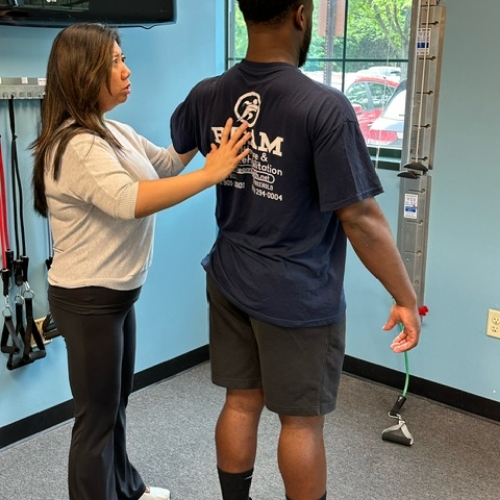
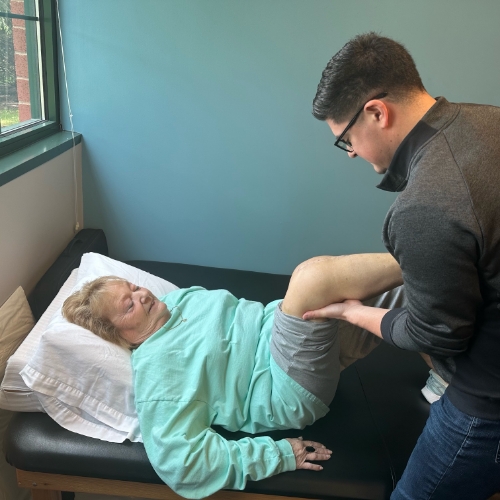
Inside Our Upper Dublin Clinic
Related Conditions & Treatments
Osteoarthritis is just one of the many conditions we treat at Trinity Rehab Upper Dublin. Explore our full range of conditions we treat or learn more about specific treatment approaches:
Frequently Asked Questions
Do I need a physician referral to start physical therapy for osteoarthritis in Upper Dublin, PA?
What distinguishes osteoarthritis from other types of joint pain?
Can physical therapy delay joint replacement surgery?
How often should I attend physical therapy for osteoarthritis?
Is Trinity Rehab in-network with major insurance providers?
Getting Back to Your Upper Dublin Life
Whether your goal is walking Mondauk Common trails without counting the steps, keeping your spot in the UDJAA pickleball league, or simply moving through the day at the Fort Washington Office Park without dreading the stairs — you deserve a treatment plan built around your specific life and goals.
Physical therapy at Trinity Rehab gives you exactly that. Evidence-based osteoarthritis care, one-on-one with an expert physical therapist. Back pain, knee pain, and hip and knee conditions all addressed within a comprehensive, personalized program.
Your Next Steps
- Request an appointment online or call the Trinity Rehab location nearest Upper Dublin.
- Complete a brief intake form — streamlined and simple.
- Meet your physical therapist for a comprehensive evaluation and begin your personalized treatment plan.
Same-week appointments are frequently available. Pennsylvania Direct Access means no referral needed for your first 30 days of care — just call and we will handle the rest.
Sources: Centers for Disease Control and Prevention. Osteoarthritis. https://www.cdc.gov/arthritis/osteoarthritis/ | Journal of Orthopaedic & Sports Physical Therapy. https://www.jospt.org/ | Frontiers in Physiology. Physical therapy as a promising treatment for osteoarthritis. https://pmc.ncbi.nlm.nih.gov/articles/PMC9614272/