
Osteoarthritis Treatment in Toms River, NJ
Toms River is one of New Jersey’s most vibrant shore communities — a township of nearly 100,000 residents straddling the Toms River estuary and Barnegat Bay, where beach days at Ortley and Dover Beaches, fishing from the docks, nature walks through Cattus Island County Park, and rounds at Bey Lea Golf Course are woven into the fabric of everyday life. It is also a community that consistently ranks among New Jersey’s top destinations for retirees — a distinction that reflects a population increasingly dealing with the challenges of aging joints.
Osteoarthritis — the most common degenerative joint disease in the United States, affecting more than 32.5 million adults — is disproportionately common in communities like Toms River where a significant portion of the population is over 65. But osteoarthritis is not exclusively a condition of retirement age. Ocean County Hospital employees on their feet for long shifts at Community Medical Center, logistics and manufacturing workers at Penn Engineering and Heyco Products, and active adults in their 40s and 50s who play in recreational sports leagues through the township’s parks department all face meaningful osteoarthritis risk.
The good news: physical therapy is the most effective non-surgical intervention available for osteoarthritis — recommended as a first-line treatment by the American College of Rheumatology, the Arthritis Foundation, and the National Institute for Health and Care Excellence (NICE). At Trinity Rehab, we help Toms River-area patients reclaim the mobility, reduce the pain, and restore the quality of life that osteoarthritis slowly chips away.
Why Osteoarthritis Is So Common in Toms River
Understanding the specific risk landscape in Toms River helps explain why so many residents here develop osteoarthritis — and why early physical therapy intervention matters so much.
Shore activities and repetitive mechanical loading: Recreational activities unique to the shore — beach walking on soft, uneven sand, water sports, fishing from the dock, and hauling equipment — impose irregular mechanical demands on the knees, hips, and ankles. While these activities are beneficial for overall health, they accumulate joint stress over decades. Walking on sand specifically requires significantly more muscular effort and creates different loading patterns than walking on firm surfaces, placing unusual demands on the surrounding muscles that, when fatigued, allow more force to reach cartilage directly.
Significant older adult population: With 18–20% of Toms River’s population over 65, the community has one of the highest proportions of older adults in New Jersey. Age-related cartilage degeneration is the single most common cause of osteoarthritis, and the risk rises substantially after age 50.
Healthcare and manufacturing workforce: Nurses, physical and occupational therapists, and support staff at Community Medical Center and affiliated facilities spend long shifts on hard floors — a pattern of repetitive impact loading that elevates hip and knee osteoarthritis risk over careers. Manufacturing workers at Penn Engineering and Heyco Products face repetitive wrist, hand, and elbow demands that can contribute to osteoarthritis in the small joints of the upper extremity.
Previous joint injuries: A significant portion of Ocean County’s adult population carries the legacy of sports injuries — meniscus tears, ligament sprains, and fractures sustained during high school or recreational athletics — that dramatically increase the lifetime risk of developing post-traumatic osteoarthritis in those joints.
A Toms River resident who spent 30 years as a nurse at Community Medical Center and now spends her retirement fishing on Barnegat Bay describes the onset: “My hip had been stiff in the mornings for years. I kept thinking it was just from standing all day at work. By the time I started physical therapy, both my hips were affected and my gait had changed significantly. I wish I’d come sooner.”
Recognizing Osteoarthritis: The Signs Worth Acting On
Osteoarthritis most commonly targets the knees, hips, hands, and spine, though it can affect virtually any joint. The symptoms to watch for include:
- Morning stiffness that takes 20–30 minutes to ease with movement — the defining early symptom of osteoarthritis, distinct from the prolonged stiffness of inflammatory conditions
- Deep, aching joint pain that worsens during and after activity and eases with rest
- Crepitus — a grinding, grating, or crunching sensation when the affected joint moves
- Swelling or warmth around the joint, typically after more active periods (a day on the boat, a walk through Cattus Island’s 7 miles of trails)
- Progressive loss of range of motion: reduced knee bend, decreased hip rotation, stiffness in the fingers and hands
- Instability or the feeling that the joint might give way during weight-bearing activity
- Difficulty performing specific activities: getting in and out of a boat, climbing the stairs at home, rising from a beach chair, gripping fishing tackle
These are not signs of inevitable decline. They are signals that your affected joint needs structured support — and physical therapy provides exactly that.
The Physical Therapy Approach: What Your Treatment Includes
At Trinity Rehab, osteoarthritis treatment is never a generic protocol. Every patient receives a thorough initial evaluation — assessing joint mobility, muscle strength, gait pattern, balance, and the specific activities most impacted by their symptoms — and a treatment plan tailored to those findings. Here is what evidence-based osteoarthritis physical therapy at Trinity Rehab typically includes:
Manual Therapy
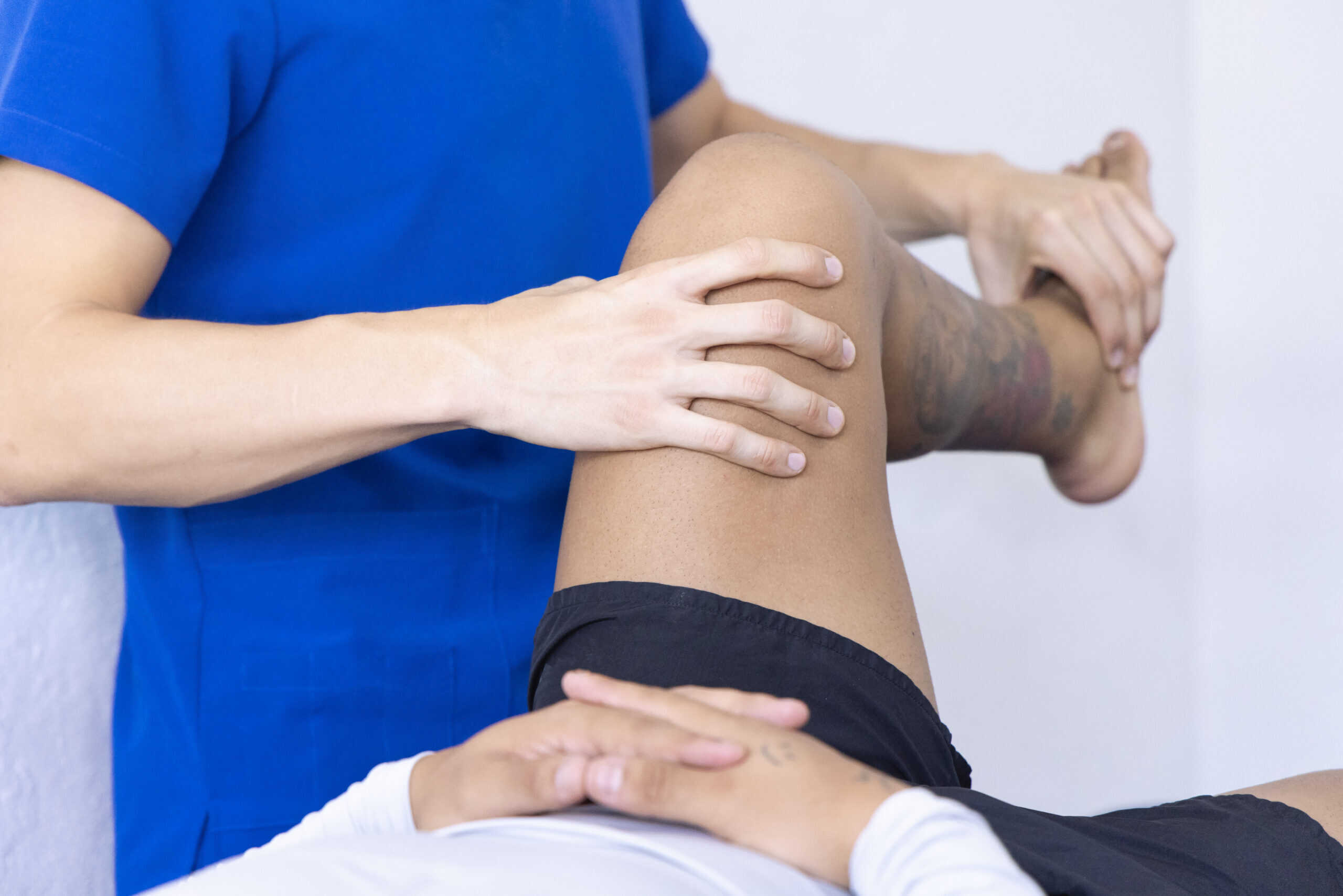
Manual therapy is a hands-on treatment approach that provides rapid improvements in joint mobility and pain that exercise alone cannot always achieve. For Toms River patients, this includes:
Joint mobilization: Graded, rhythmic movements applied directly to the arthritic joint to reduce stiffness, improve the quality of joint mechanics, and break the pain-muscle-spasm cycle that perpetuates symptoms. For knee osteoarthritis, mobilization restores the gliding and rolling mechanics within the joint that stiffen as cartilage roughens. For hip osteoarthritis, mobilization restores rotation and extension that the joint has progressively lost.
Soft tissue mobilization and myofascial release: The muscles and fascia surrounding a chronically arthritic joint tighten and develop trigger points over months and years of guarding. Soft tissue work addresses this layered restriction, releasing the tissue tension that perpetuates pain even after the joint itself begins to improve.
Passive stretching and neuromuscular re-education: Your therapist guides the joint through its available range while you remain relaxed, restoring arc of motion that inflammatory tightening has restricted. Neuromuscular re-education then retrains your brain and muscles to use that recovered range correctly during daily activity.
Strengthening and Exercise Therapy
Muscle weakness is both a consequence of osteoarthritis pain and an accelerant of cartilage breakdown. Rebuilding muscle strength around affected joints is the most durable intervention in the arthritis treatment toolkit.
Quadriceps strengthening: For knee arthritis — one of the most common presentations at Trinity Rehab — quadriceps strengthening is the most evidence-supported exercise intervention. Stronger quads reduce bone-on-bone pressure at the knee during walking, stair climbing, and rising from chairs. Your program builds strength progressively, prioritizing safety while maximizing functional gains.
Hip abductor and gluteal strengthening for hip osteoarthritis: Lateral hip and gluteal strength reduces the compensatory trunk shift that concentrates load at the hip joint during walking. Patients with hip osteoarthritis who develop strong gluteal muscles often find that secondary knee and back symptoms resolve as their movement pattern normalizes.
Grip and hand strengthening for upper extremity OA: Toms River residents whose work or hobbies demand fine motor skills — fishing line management, tool use, kitchen tasks — benefit from grip strengthening and fine motor exercises that preserve independence in daily activities.
Aerobic exercise conditioning: Low-impact aerobic exercise is essential for long-term osteoarthritis management. Walking at appropriate intensity, cycling, aquatic exercise, and the AlterG Anti-Gravity Treadmill all maintain cardiovascular fitness, support healthy weight, and promote the joint fluid dynamics that keep remaining cartilage nourished.
EPAT Shockwave Therapy
EPAT (Extracorporeal Pulse Activation Technology) delivers high-energy acoustic pressure waves into the damaged soft tissues surrounding arthritic joints. For Toms River patients dealing with conditions like patellar tendinopathy, Achilles tendinopathy, or plantar fasciitis — all of which frequently coexist with knee and hip osteoarthritis — EPAT stimulates collagen production and natural tissue regeneration at the cellular level. Research demonstrates 60–80% pain relief for these soft tissue conditions. Patients who have not responded fully to standard physical therapy are strong candidates for EPAT.
Dry Needling
Dry needling targets the myofascial trigger points — tight, painful bands within muscles — that form in response to chronic joint pain. The muscles surrounding an osteoarthritic knee, hip, or shoulder are almost universally riddled with trigger points after months of guarding. Dry needling releases this tension with fine monofilament needles, producing immediate improvements in muscle flexibility and pain that enhance the effectiveness of every other treatment technique.
AlterG Anti-Gravity Treadmill
For Toms River patients whose knee or hip osteoarthritis is severe enough that full weight-bearing exercise reliably triggers pain, the AlterG provides a critical pathway to maintained aerobic fitness and rehabilitative gait training. By reducing effective body weight by up to 80%, the AlterG allows walking and conditioning with dramatically less joint load. Clinical studies demonstrate 20–30% pain reduction and improved endurance for arthritis patients using anti-gravity treadmill training. For retirees who want to walk Cattus Island’s trails again, the AlterG provides the intermediate step.
Transcutaneous Electrical Nerve Stimulation (TENS)
Transcutaneous electrical nerve stimulation uses surface electrodes to deliver low-voltage electrical current that interrupts pain signal transmission at the nerve level. TENS is a non-invasive pain management modality effective for osteoarthritis flares, usable during therapy sessions and teachable for home use.
Long-Term Management and Prevention
At Trinity Rehab, your osteoarthritis treatment extends beyond the clinic session. Your physical therapist builds a comprehensive self-management framework including:
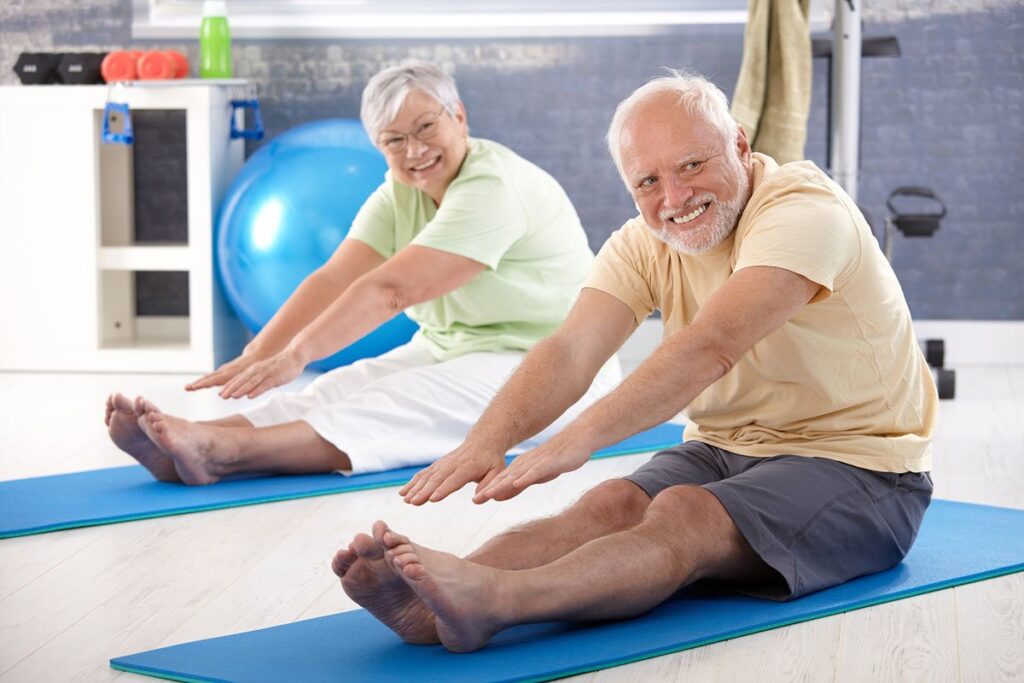
- A home exercise program of strengthening and flexibility work (3–4 sessions per week) to sustain gains achieved in therapy
- Activity modification strategies: how to keep fishing, walking Cattus Island, and playing golf — just more intelligently
- Manual therapy techniques you can adapt at home — self-mobilization, gentle joint flexibility exercises, and stretching routines your physical therapist teaches for independent use
- Joint protection techniques for daily tasks — proper mechanics for bending, lifting, and getting in and out of boats and cars
- Weight management guidance: a 10% reduction in body weight can reduce pain significantly — including knee pain by up to 50%, and your therapist provides practical support
- Education on dietary supplements — glucosamine and chondroitin are sometimes used for osteoarthritis, though evidence of their effectiveness is limited
- Guidance on joint replacement surgery timing: understanding when conservative care has done what it can, and how pre-surgical physical therapy improves outcomes if you do need surgery
Why Toms River Patients Choose Trinity Rehab
At Trinity Rehab, every session is one-on-one with a licensed physical therapist — no aides, no unsupervised exercise, no shared attention. Your therapist observes every movement, adjusts your program based on what they see, and builds a relationship with you that makes treatment more effective and more sustainable.
We treat the full arthritis spectrum, including geriatric physical therapy for older Toms River adults managing multiple joint conditions simultaneously, and post-surgical rehabilitation for patients recovering from hip and knee pain relief procedures. We accept most major insurance plans, verify your coverage upfront, and make the administrative process as simple as possible.
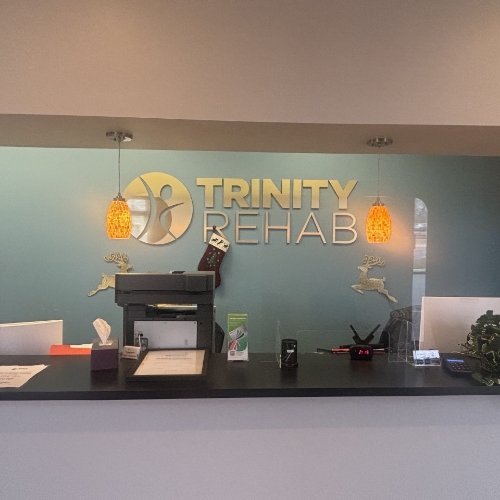
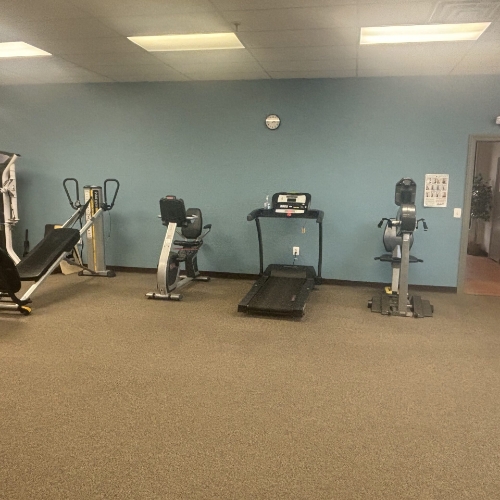
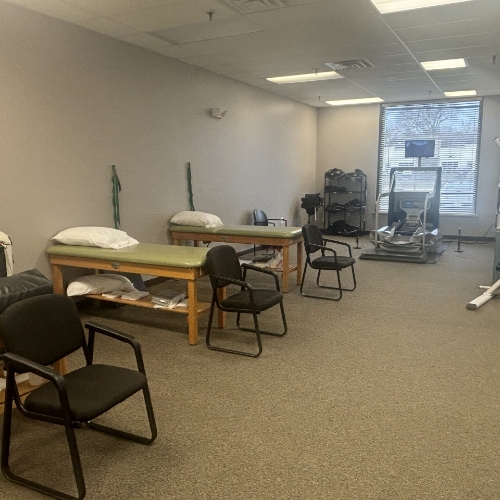
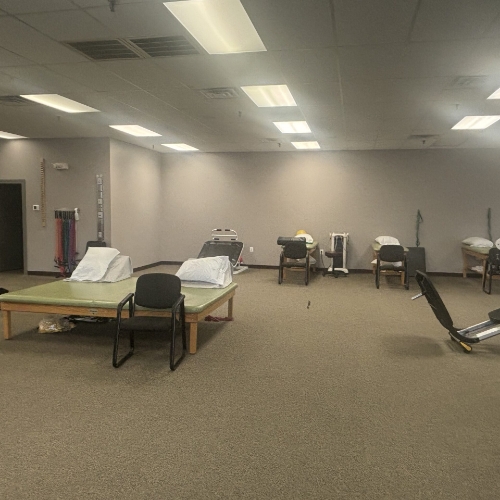
Inside Our Toms River Clinic
Related Conditions & Treatments
Osteoarthritis is just one of the many conditions we treat at Trinity Rehab Toms River. Explore our full range of conditions we treat or learn more about specific treatment approaches:
Frequently Asked Questions
Do I need a doctor's referral to start physical therapy in Toms River, NJ?
How long will I need physical therapy for osteoarthritis?
Is the AlterG treadmill appropriate for severe osteoarthritis?
Can physical therapy help with osteoarthritis in multiple joints at once?
What is the difference between osteoarthritis and rheumatoid arthritis?
Getting Back to Everything Toms River Offers
Osteoarthritis does not have to mean sitting out the Barnegat Bay boat trips, watching others hike the Cattus Island trails, or hanging up your golf clubs at Bey Lea. Physical therapy gives you a proven, non-surgical path to better movement, genuine knee pain management, and the daily independence that makes life on the shore worth living.
At Trinity Rehab, our physical therapists have helped thousands of patients across New Jersey reclaim their movement from osteoarthritis and back pain. We are ready to help you do the same.
Your Next Steps
- Request an appointment online or call the Trinity Rehab location nearest Toms River.
- Complete a brief intake form — minimal paperwork, maximum focus on your care.
- Meet your physical therapist for a comprehensive evaluation and begin your personalized treatment plan.
Same-week appointments are often available. New Jersey Direct Access means no referral — you can start today.
Sources: Centers for Disease Control and Prevention. Osteoarthritis. https://www.cdc.gov/arthritis/osteoarthritis/ | Journal of Orthopaedic & Sports Physical Therapy. https://www.jospt.org/ | Frontiers in Physiology. Physical therapy as a promising treatment for osteoarthritis. https://pmc.ncbi.nlm.nih.gov/articles/PMC9614272/