
Osteoarthritis Treatment in Hamilton, NJ — Physical Therapy That Moves You Forward
Hamilton Township is a community built around activity. Whether you are walking the sculpted pathways at Grounds For Sculpture, cheering at a Hamilton PAL basketball game, or spending a weekend afternoon in the gardens at Sayen House, this town rewards people who stay in motion. But if osteoarthritis has been slowing you down — making every step feel like a negotiation with your own body — those activities can start to feel out of reach.
Osteoarthritis affects more than 32.5 million adults across the United States. It is the most common form of arthritis and one of the leading causes of chronic pain and disability in adults over 45. In Hamilton, with a population of roughly 93,000 and nearly one in five residents over the age of 65, degenerative joint disease is a common reality for many families. The good news: physical therapy is the most widely recommended first-line treatment for osteoarthritis by the American College of Rheumatology, the Arthritis Foundation, and the American Academy of Orthopaedic Surgeons — and Trinity Rehab in Hamilton is here to help you use it.
Why Osteoarthritis Pain Demands Attention
Osteoarthritis is a progressive degenerative joint disease. Unlike a sprained ankle or a pulled muscle, it does not simply resolve on its own. When the cartilage that cushions your joints gradually wears away, the bones begin to rub together, generating inflammation, pain, and stiffness that worsen over time without proper arthritis treatment.
Left unaddressed, osteoarthritis can set off a painful chain reaction: pain limits movement, reduced movement accelerates muscle weakening, and weaker muscles place even greater load on the affected joint. This cycle drives many patients toward joint replacement surgery when the condition could have been managed effectively — or significantly slowed — with the right physical therapy program initiated earlier.
Physical therapy interrupts that cycle. It builds the muscular support your joint needs, restores range of motion, and keeps you active in the life you want to live.
Who in Hamilton Faces the Highest Risk
Hamilton’s workforce is remarkably diverse, and that diversity shows up in the types of patients who seek osteoarthritis treatment. Employees at Wakefern Food Corporation’s warehouse and distribution operations along I-195 spend long shifts on their feet, lifting and moving heavy loads — repetitive physical demands that compound joint wear over years. Workers at Robert Wood Johnson University Hospital Hamilton and Capital Health Hamilton who stand for extended periods during patient care face similar cumulative stress on hips, knees, and lumbar joints.
At the same time, Hamilton’s active recreational culture creates its own risk profile. Regular golfers at Hamilton Trails Golf Club and the Golf Center Complex put repeated rotational strain on their hips and lower back. Adults who play in YMCA pickleball leagues or Hamilton PAL basketball programs experience high-impact joint loading that accelerates cartilage breakdown if the surrounding musculature isn’t well conditioned.
Additional risk factors for osteoarthritis include:
- Age — the majority of people over 45 show some degree of cartilage loss
- Prior joint injury — previous knee, hip, or shoulder injuries substantially increase osteoarthritis risk
- Excess body weight — each additional pound of body weight adds approximately four pounds of force to the knee joint
- Genetics — a family history of osteoarthritis significantly raises your likelihood of developing the condition
- Repetitive occupational stress — standing, heavy lifting, and crouching on hard surfaces accelerate joint wear
Morning stiffness is often the first sign — that feeling of needing to “warm up” your joints after getting out of bed. Over time, this progresses to pain during and after activity, eventually becoming persistent even at rest.
Recognizing Osteoarthritis Symptoms
Osteoarthritis most commonly affects the knees, hips, hands, and spine. Knee osteoarthritis and hip osteoarthritis are the most frequent reasons patients seek physical therapy. Symptoms typically include:
- Deep, aching pain in the affected joint during movement or after prolonged activity
- Morning stiffness lasting 30 minutes or less that eases with gentle movement
- Swelling and warmth around the joint following physical activity
- A grinding or crunching sensation (crepitus) as cartilage becomes rougher
- Reduced range of motion — difficulty bending, straightening, or rotating the joint fully
- Weakness and instability, particularly in the knee or hip
Consider this: a Hamilton resident who works a warehouse shift at Wakefern, then comes home to coach his son’s soccer team at Veterans Park, may chalk up his knee pain to fatigue. But persistent pain that lingers into the next morning, or stiffness that takes longer and longer to shake off, signals cartilage change that deserves a professional evaluation.
How Physical Therapy Addresses Osteoarthritis
Trinity Rehab’s approach to osteoarthritis treatment goes far beyond generic exercise handouts. Each patient receives a personalized, one-on-one plan developed around their specific joints, activity goals, and lifestyle demands. Here is how the program works.
Building Your Body’s Shock Absorbers
Cartilage cannot absorb unlimited load — but the muscles surrounding your joints absolutely can. The primary goal of any effective osteoarthritis exercise program is to build the muscular strength and endurance that transfers compressive force away from deteriorating cartilage.
For knee arthritis, this means targeted strengthening of the quadriceps, hamstrings, and hip abductors. Research is clear: quadriceps weakness is one of the strongest predictors of functional decline in knee osteoarthritis patients. For hip osteoarthritis, gluteal and core strengthening is central. Your physical therapist designs a progressive exercise program that challenges these muscles without overloading the affected joint — building strength safely from the first session forward.
Aerobic exercise is built into the program as well. Low-impact activities — aquatic exercise, stationary cycling, and walking programs — maintain cardiovascular health, support healthy body weight, and promote the synovial fluid circulation that keeps joints lubricated. These aren’t afterthoughts; they are foundational components of evidence-based osteoarthritis care.
Manual Therapy: Hands-On Relief
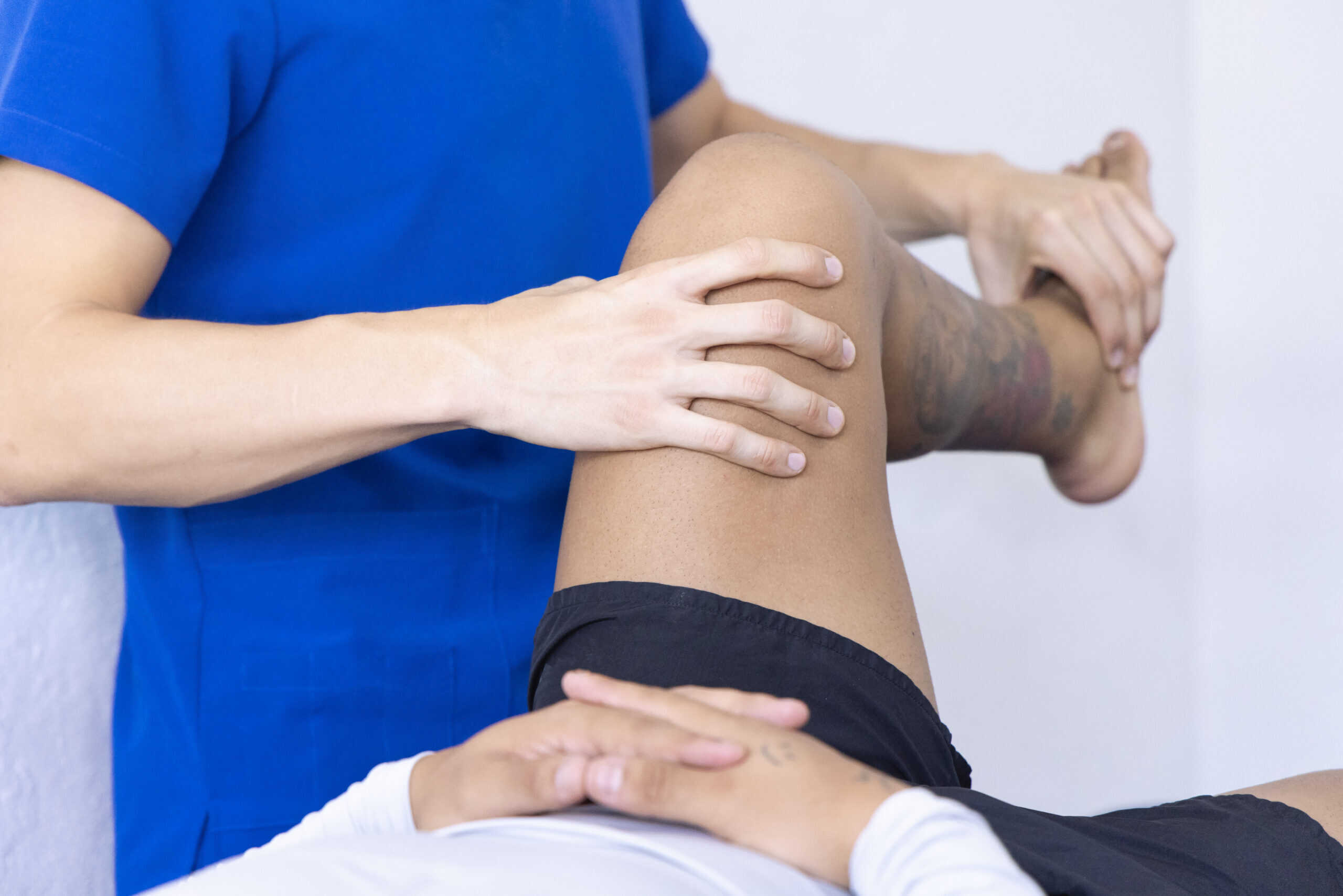
Manual therapy is one of the most effective tools a physical therapist uses for osteoarthritis pain management. Through skilled joint mobilization and soft tissue techniques, manual therapy restores joint flexibility, reduces stiffness in the capsule surrounding the affected joint, and provides meaningful pain relief — often within the first few sessions.
At Trinity Rehab, manual therapy is not a brief add-on. It is a central element of each session. Your physical therapist uses their hands to identify restrictions in joint movement and soft tissue quality, then works precisely to address those restrictions. For patients with knee osteoarthritis, patellar mobilization combined with hip joint manual therapy produces measurable improvements in gait mechanics and pain levels. For hip osteoarthritis, mobilization of the hip capsule restores range of motion that medications alone cannot recover.
Advanced Technology: EPAT and Dry Needling
Trinity Rehab’s Hamilton clinic offers advanced treatment technologies that make a meaningful difference for patients with moderate to severe osteoarthritis pain.
Extracorporeal Pulse Activation Treatment (EPAT) uses high-energy acoustic pressure waves directed at the affected joint to stimulate blood flow, reduce inflammation, and promote tissue healing. EPAT is FDA-cleared and has been shown in clinical studies to reduce chronic musculoskeletal pain when conventional therapy has plateaued. It is particularly valuable for patients who want to avoid medications or delay joint replacement surgery.
Dry needling addresses the myofascial trigger points and muscle guarding that develop as compensatory patterns around an arthritic joint. When the knee hurts, the quadriceps and hip muscles tighten protectively — and over time those muscles develop painful, restricted bands that compound the original problem. Dry needling releases these restrictions directly, reducing pain management demands and restoring normal muscle function.
For patients whose joint pain limits weight-bearing exercise, the AlterG Anti-Gravity Treadmill — available at select Trinity Rehab locations — allows cardiovascular training and gait retraining at a fraction of your actual body weight. This technology lets patients move and strengthen before their joints are ready for full load, accelerating recovery timelines significantly.
Transcutaneous Electrical Nerve Stimulation and Pain Management
Transcutaneous electrical nerve stimulation (TENS) is used at Trinity Rehab to modulate pain signals during treatment sessions, allowing patients to participate more fully in therapeutic exercise when acute pain would otherwise limit them. Combined with activity modification strategies and education about joint protection techniques, pain management becomes integrated rather than reactive.
Your physical therapist will also work with you on how to modify the activities that matter most — so you can still walk the trails at Mercer County Park or work a full shift without systematically destroying your joints in the process.
Preventing Osteoarthritis from Getting Worse
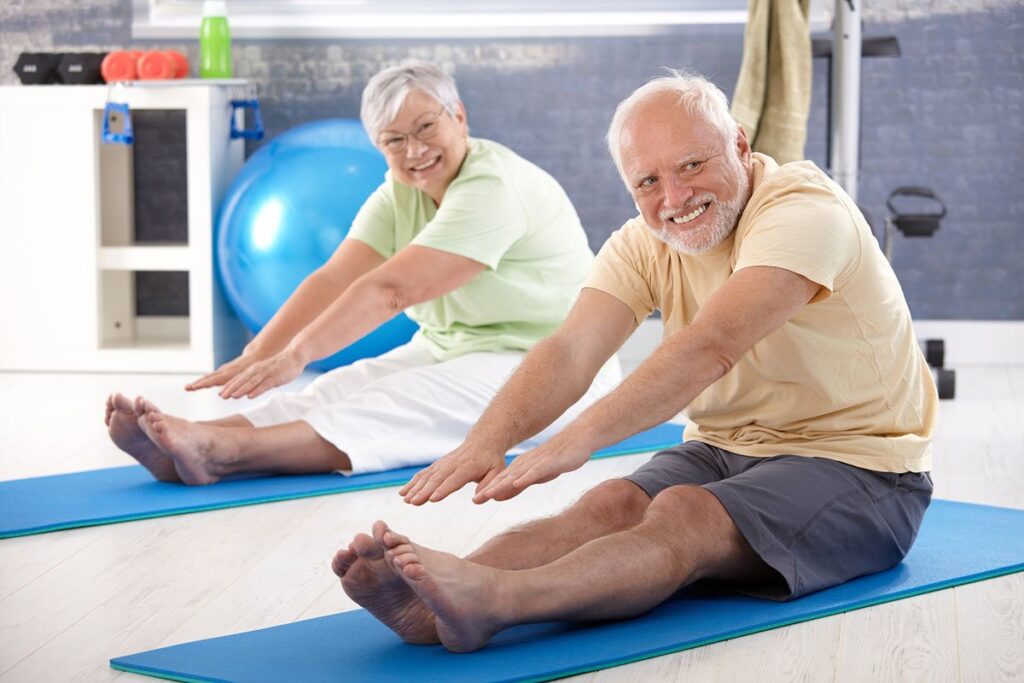
Osteoarthritis is progressive, but its rate of progression is strongly influenced by how well you manage it. The following strategies, emphasized throughout your physical therapy program, help slow joint deterioration:
- Consistent strengthening — muscles that protect and offload the joint must be maintained continuously, not just during a therapy program
- Weight management — reducing excess body weight is one of the most impactful interventions for knee and hip osteoarthritis
- Activity pacing — learning to balance activity and recovery to avoid inflammation flares
- Proper footwear and ergonomics — appropriate shoes and body mechanics during work and sport significantly reduce joint load
- Dietary supplements — your physical therapist can discuss the role of glucosamine and chondroitin in cartilage health, while referring you to your physician for medical guidance
- Avoiding prolonged immobility — extended rest actually worsens joint stiffness; gentle, regular movement is essential
Why Hamilton Residents Choose Trinity Rehab
Trinity Rehab’s Hamilton clinic is staffed by experienced physical therapists who understand both the clinical complexity of osteoarthritis and the demands of Hamilton life. Every patient receives one-on-one care — not group exercise classes managed by aides — and every session is guided by a licensed physical therapist from start to finish.
Trinity Rehab’s model is built on continuity. You work with the same therapist throughout your care, which means your therapist truly knows your history, your progress, and your goals. Whether you are trying to return to pickleball at the Hamilton YMCA, keep up with grandchildren at Veterans Park, or simply get through a workday without pain, your program is designed around what matters to you.
Thanks to New Jersey Direct Access laws, Hamilton residents can begin physical therapy at Trinity Rehab without a physician referral. You do not need to wait for a doctor’s appointment to start feeling better.
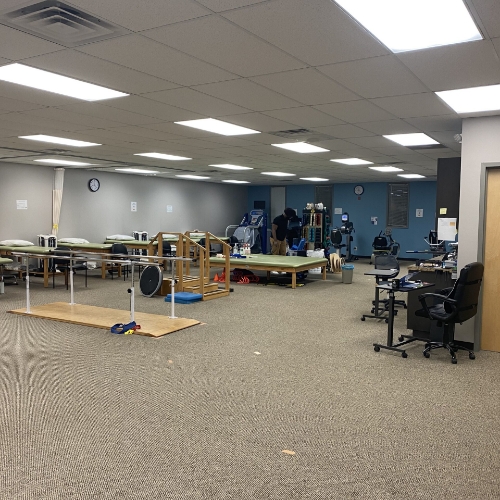
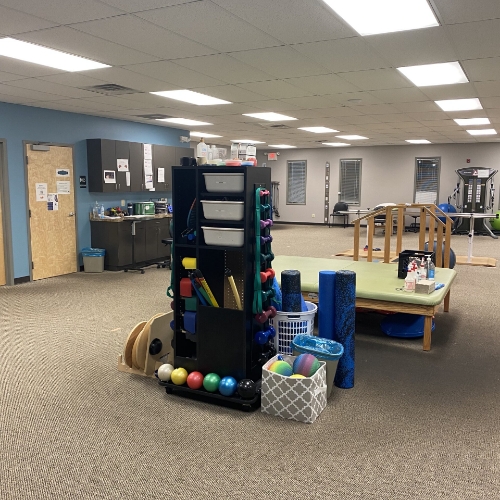
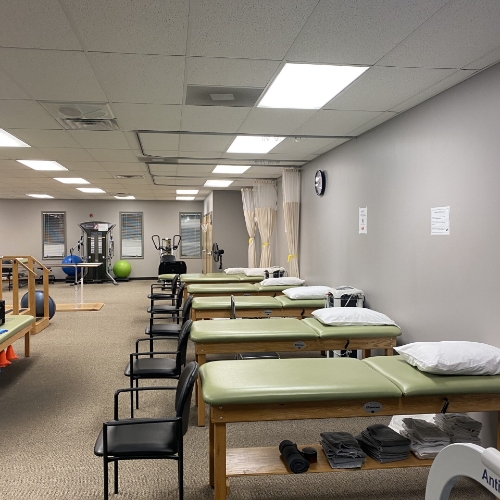
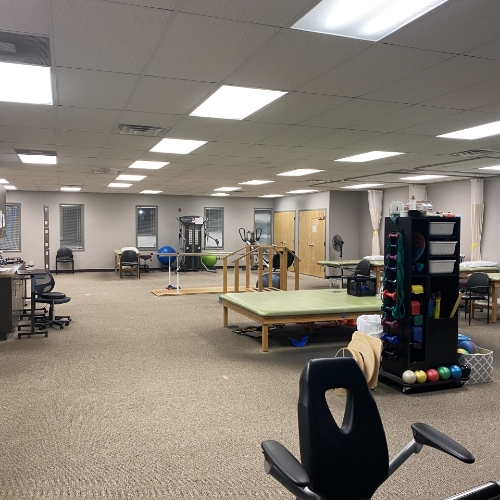
Inside Our Hamilton Clinic
Related Conditions & Treatments
Osteoarthritis is just one of the many conditions we treat at Trinity Rehab Hamilton. Explore our full range of conditions we treat or learn more about specific treatment approaches:
Frequently Asked Questions
What is the difference between osteoarthritis and rheumatoid arthritis?
Can physical therapy really help if my X-ray shows bone-on-bone contact?
Do I need a referral to start PT in Hamilton, NJ?
How long does an osteoarthritis physical therapy program typically last?
What should I do about osteoarthritis pain between PT sessions?
Getting Back to What Matters in Hamilton
Hamilton is a town that rewards an active life — the walking paths, the sports programs, the community gardens, the parks that stretch for thousands of acres across Mercer County. Osteoarthritis tries to take all of that away, but it doesn’t have to win.
At Trinity Rehab, we have seen patients return to the golf course, the basketball court, the hiking trail, and the garden after beginning a targeted physical therapy program for knee pain, hip and knee pain, and back pain driven by osteoarthritis. Geriatric physical therapy is one of our specialties — helping older adults stay strong, independent, and engaged in the community they love.
Your joints may be changing, but your life doesn’t have to. The osteoarthritis specialists at Trinity Rehab are ready to build a plan around you.
Your Next Steps
Do not wait for the pain to become constant before seeking help. Earlier intervention means better outcomes, slower progression, and a faster return to the activities you value.
Schedule your appointment at Trinity Rehab Hamilton today.
Call us, request an appointment online, or simply walk in for a consultation. No referral required. Our physical therapists are ready to meet you where you are and build a plan to get you where you want to be.
What Our Patients Say