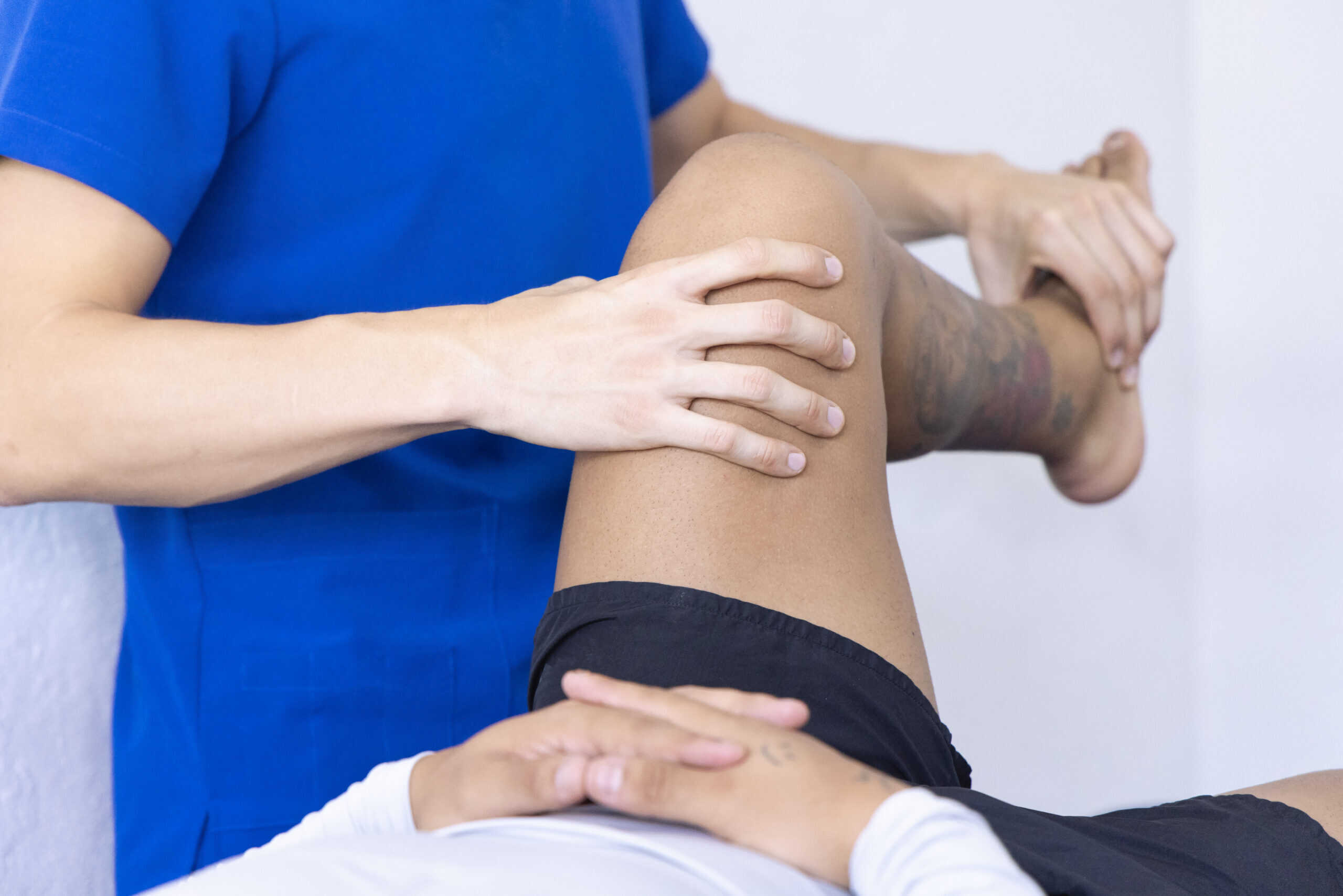
Knee Pain Treatment in Woodbridge, NJ: Physical Therapy for a Community on the Move
Woodbridge Township is one of the largest and most diverse communities in New Jersey — 106,000 residents spread across Avenel, Colonia, Fords, Iselin, and a dozen other neighborhoods, connected by the NJ Turnpike and Garden State Parkway interchange that makes it a regional crossroads. The community’s physical activity profile is equally varied: Woodbridge High School Barrons athletes competing in football, soccer, basketball, and lacrosse; neighborhood runners logging miles on the Hit the Trail Passport network; rec center regulars at the Woodbridge Community Center working through ice hockey, pickleball, and aquatics programs; and a substantial working population in warehousing, logistics, manufacturing, and healthcare that puts serious physical demands on the knee joint every shift.
Knee pain is one of the most common reasons people in Woodbridge seek physical therapy — and one of the most underaddressed. At Trinity Rehab in Woodbridge, we provide one-on-one, evidence-based care that identifies the actual source of your pain and builds a treatment plan around your specific situation: your job, your sport, your age, your goals.
The Knee Pain Landscape in Woodbridge
Woodbridge High School and JFK Memorial Athletes
Woodbridge High School Barrons and John F. Kennedy Memorial High School both field competitive athletic programs in one of New Jersey’s more physically demanding school districts. Football, soccer, basketball, lacrosse, and wrestling are all high-intensity programs with significant knee injury exposure. ACL tears, meniscus injuries, patellofemoral syndrome, and patellar tendonitis are among the most common presentations from young athletes in Woodbridge, particularly during the fall and winter competitive seasons when training loads peak.
Warehouse, Logistics, and Manufacturing Workers
Woodbridge’s geography — at the intersection of the Turnpike and Parkway — makes it a natural hub for warehousing and logistics operations. Grocery Haulers, R.A.S. Logistics, and numerous distribution facilities along New Brunswick Avenue employ workers who spend shifts kneeling on concrete, lifting heavy loads, and maneuvering through uneven warehouse environments. These repetitive physical demands are a primary driver of knee bursitis, patellar tendonitis, and work-related meniscus wear.
Woodbridge Group’s foam manufacturing operations and other light industrial employers add a manufacturing dimension. Workers at these facilities face sustained standing on hard floors and repetitive mechanical demands that accumulate into knee overuse conditions over time.
The Middlesex Greenway and Trail Running Community
The Hit the Trail Passport initiative and Woodbridge’s extensive park network — Alvin P. Williams Memorial Park, Merrill Park, the Middlesex Greenway, and the developing Woodbridge Wetlands Park boardwalk along the Arthur Kill waterfront — attract a dedicated community of runners, hikers, and walkers. The flat terrain keeps impact relatively consistent, but high training volume, inadequate footwear, and the transition between trail surfaces and hard pavement create patellofemoral pain, IT band syndrome, and patellar tendonitis at predictable rates.
Fitness and Rec Center Athletes
The Woodbridge Community Center’s ice hockey programs, pickleball courts, and aquatics facilities — along with The Club at Woodbridge’s Les Mills group fitness classes and youth sports leagues — generate a broad range of recreational knee demands. Pickleball’s rapid lateral movements are a consistent source of meniscus and MCL stress, particularly in adults over 40 who’ve recently taken up the sport. Ice hockey’s blade-to-blade mechanics create MCL and lateral compartment strain.
Commuters and Desk Workers
Woodbridge’s location as a major NJ Transit rail hub sends thousands of residents to New York City daily for work. Long seated commutes, combined with office-based desk work, produce the hip flexor shortening and glute inhibition that make the knee vulnerable during the recreational activity that breaks up an otherwise sedentary week. The classic “weekend warrior” pattern — desk job Monday through Friday, aggressive recreational activity on Saturday and Sunday — is a Woodbridge staple and a reliable path to overuse injury.
What Your Knee Pain Might Be Telling You
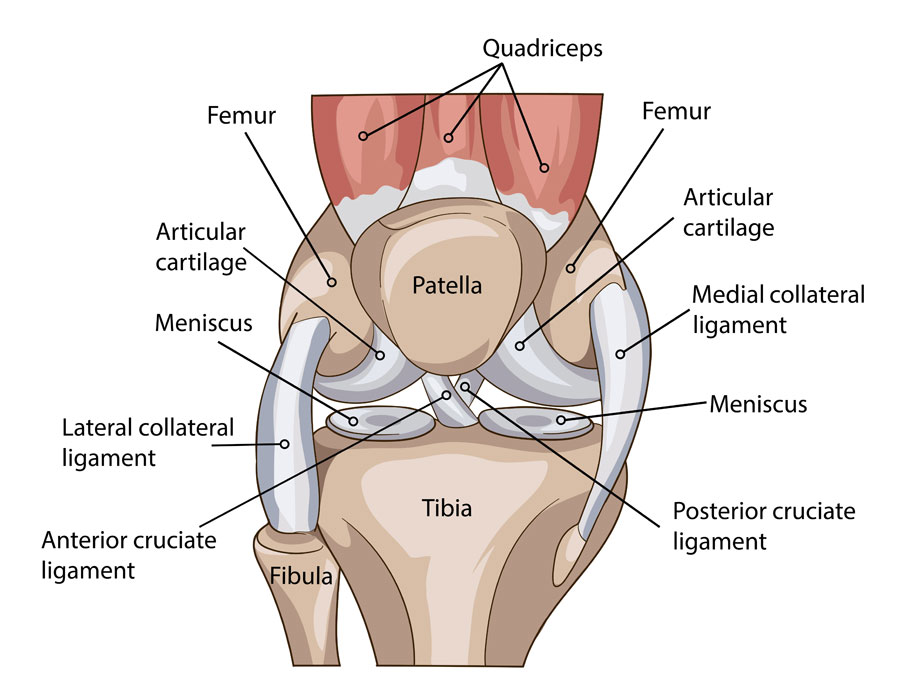
The character and location of knee pain often point toward specific structures:
| Symptom | Likely Structure |
|—|—|
| Front-of-knee pain during stairs, squats, or running | Patellofemoral syndrome (runner’s knee) |
| Outer-side knee pain after running | IT band syndrome |
| Inner-knee pain with swelling after a pivot | Medial meniscus or MCL |
| Deep aching with morning stiffness | Osteoarthritis |
| Sharp locking or catching sensation | Meniscus tear |
| Tendon pain below the kneecap during jumping | Patellar tendonitis |
These patterns are starting points, not diagnoses. A physical therapy evaluation assesses the full picture — joint mechanics, muscle activation, movement quality, and symptom behavior — and identifies the actual source before treatment begins.
Knee Pain Treatment at Trinity Rehab in Woodbridge
Manual Therapy: Restoring Normal Mechanics
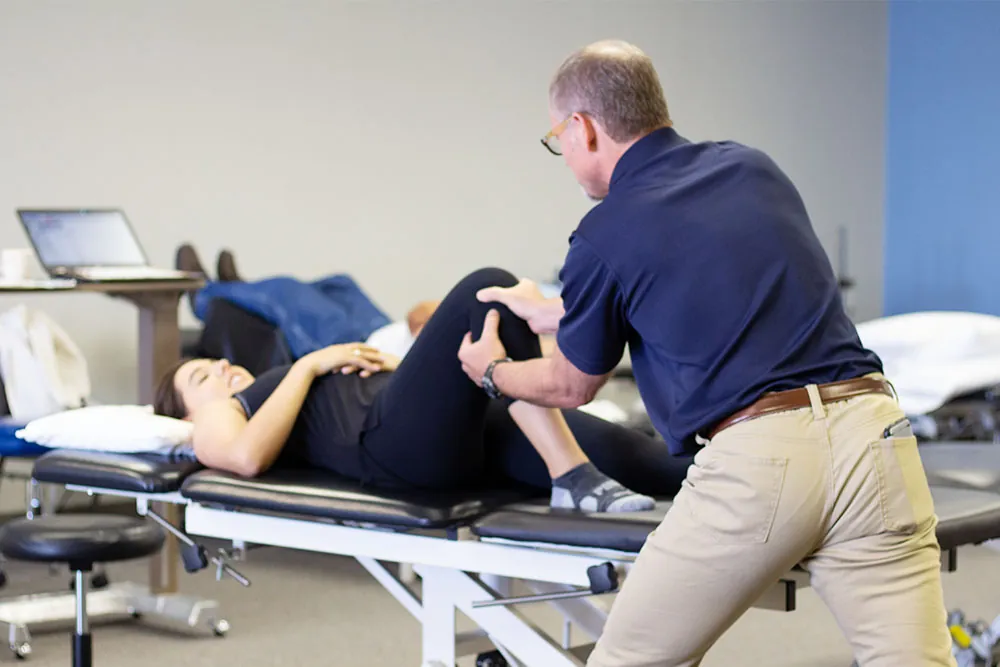
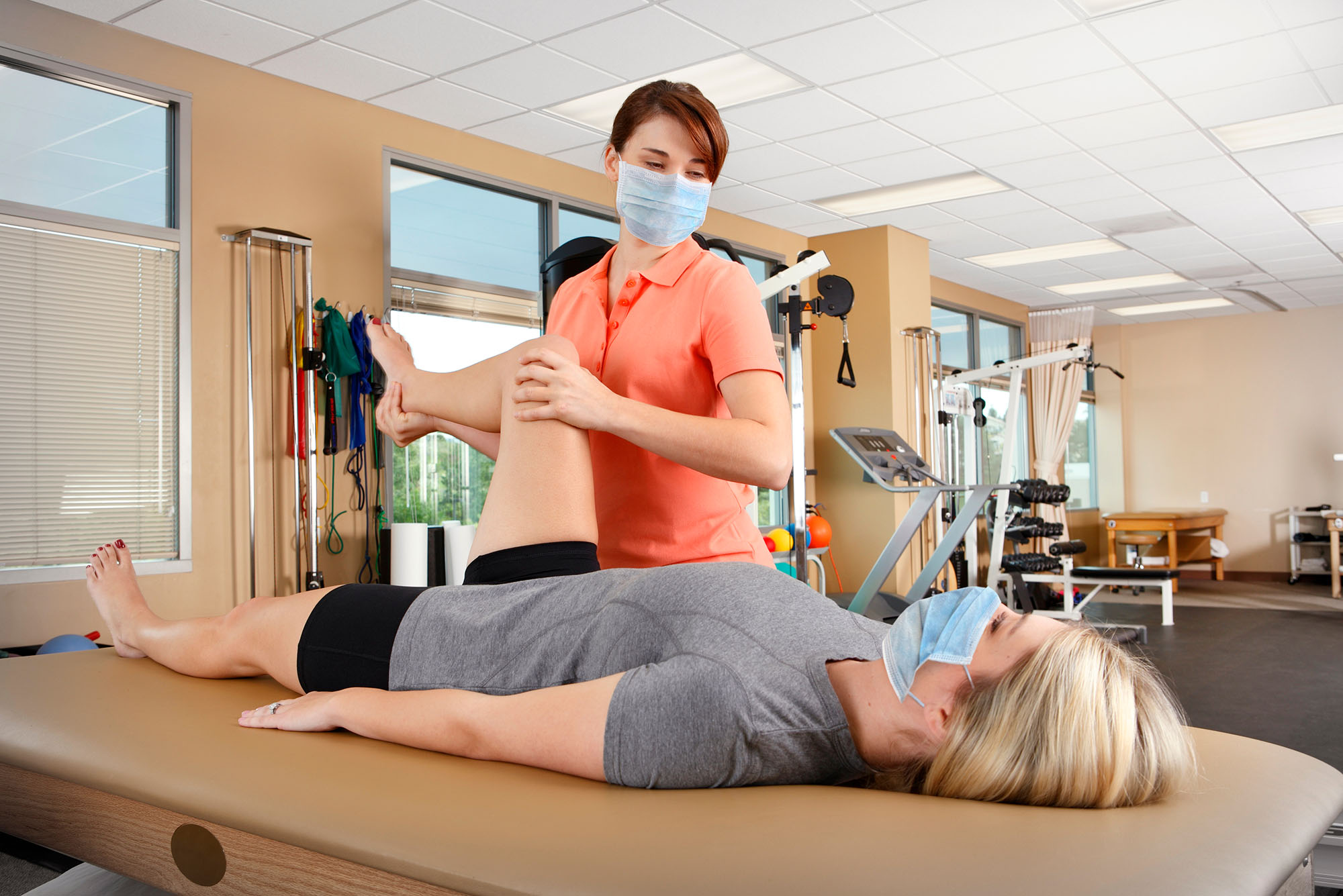
Manual therapy is hands-on treatment performed directly by your therapist — joint mobilization, patellar tracking correction, soft tissue release, and targeted work on the structures contributing to your pain. For Woodbridge’s working population managing occupational knee strain, manual therapy provides relief that allows strengthening work to progress. For athletes recovering from acute injuries, it maintains joint mobility and prevents the stiffness that complicates recovery.
Strengthening: Building the Foundation for Long-Term Health
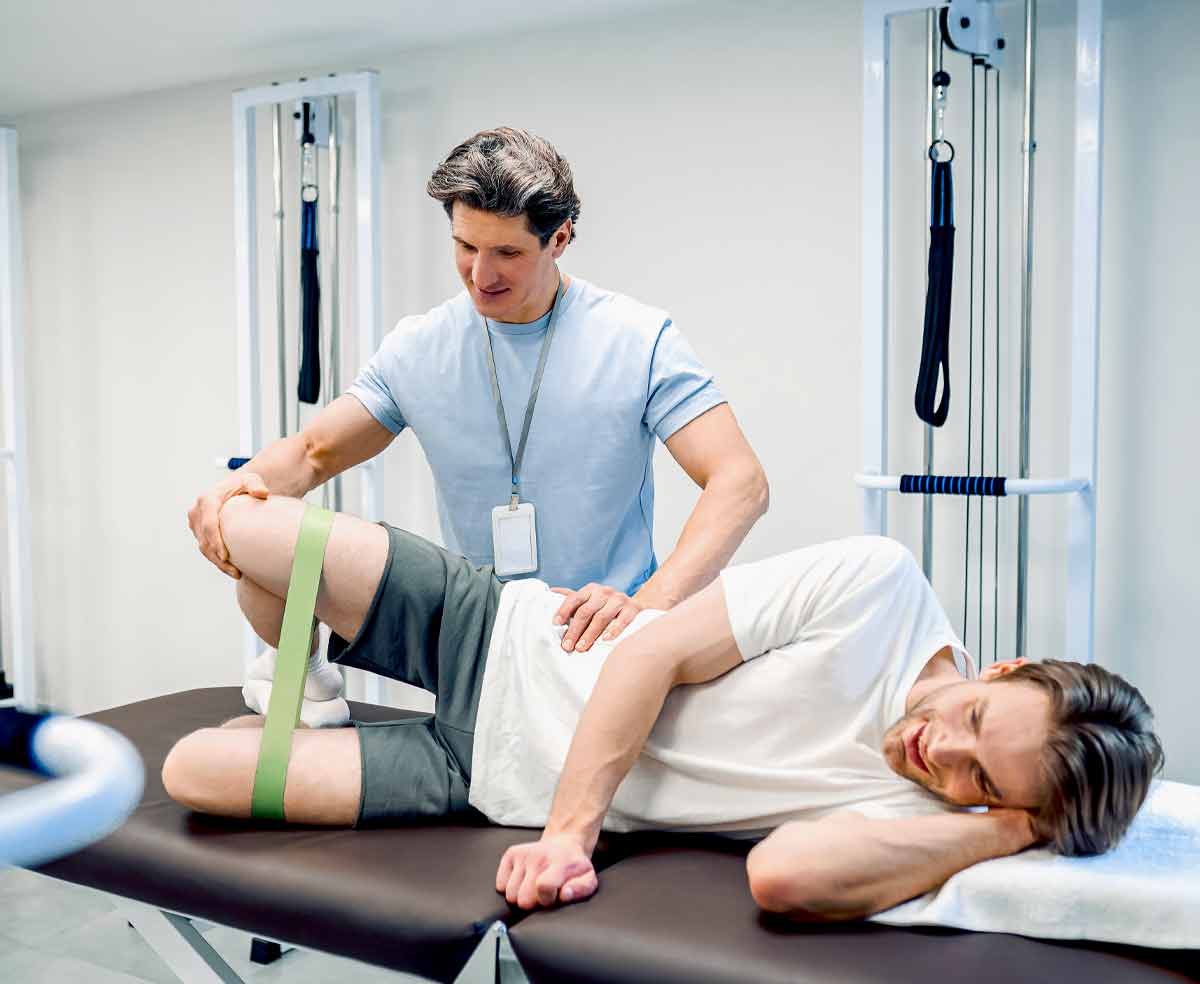
The single most evidence-supported intervention for knee pain — across nearly every diagnosis — is targeted strengthening of the quadriceps, hip abductors, and posterior chain. Weakness in these muscles shifts load to the joint structures themselves, accelerating cartilage wear, stressing the meniscus, and driving pain patterns that won’t resolve without addressing the mechanical cause.
Your program is designed specifically for your current capacity and your functional goals. A Barrons soccer player returning from a meniscus repair needs different progressions than a 60-year-old managing bilateral knee osteoarthritis. Your therapist monitors your form throughout and adjusts the program as you improve.
EPAT Shockwave Therapy for Stubborn Tendon and Soft Tissue Pain
Woodbridge’s working population and active athletes frequently present with chronic tendon pain — patellar tendonitis and IT band conditions that have been present for months or years without full resolution. EPAT shockwave therapy delivers focused acoustic energy to damaged tissue, stimulating the cellular repair process and reducing chronic pain that rest alone has not resolved. Most patients see meaningful improvement within 3–5 sessions.
Dry Needling for Trigger Point Release
Dry needling addresses the tight, irritable muscle bands in the quadriceps, hamstrings, hip flexors, and calf complex that restrict movement and limit the effectiveness of strengthening. For Woodbridge’s warehouse and logistics workers with accumulated muscle tension from repetitive occupational demands, dry needling provides relief that significantly improves their response to rehabilitation exercises.
AlterG Anti-Gravity Treadmill
For patients after knee replacement, ACL reconstruction, or pain severe enough to limit walking, the AlterG treadmill allows safe, progressive weight-bearing exercise at a fraction of body weight. Rebuilding gait mechanics and cardiovascular fitness simultaneously — without overloading the healing joint — is a significant advantage in early post-surgical or high-pain presentations.
Neuromuscular Training and Prevention
The final phase of rehabilitation retrains the nervous system’s automatic protective responses — balance, proprioception, and the split-second muscle activation that prevents the knee from buckling on an uneven surface or absorbing a bad landing. For Woodbridge athletes returning to field or court sports, this phase is critical for reducing re-injury risk. For trail runners returning to the Middlesex Greenway, it addresses the reactive stability that makes running on changing surfaces safe.
Conditions We Treat in Woodbridge
- Patellofemoral syndrome — The most common complaint in runners, hikers, and stair climbers
- IT band syndrome — Lateral knee pain from trail and road running overuse
- Meniscus tears — Traumatic and degenerative; physical therapy avoids surgery for many patients
- ACL and MCL injuries — Pre- and post-surgical rehabilitation for Woodbridge athletes
- Knee osteoarthritis — Progressive arthritis management with meaningful pain and function improvements
- Patellar tendonitis — Stubborn tendon pain in jumping and running athletes; excellent EPAT outcomes
- Bursitis — Occupational knee bursitis from kneeling and hard surface demands in warehousing
- Post-surgical recovery — Comprehensive rehabilitation after knee replacement
- Work-related injuries — Addressing the specific knee demands of Woodbridge’s industrial and logistics workforce
See also: sports injuries | work injuries | hip and knee pain
Choosing Trinity Rehab in Woodbridge
Woodbridge has multiple physical therapy options. Trinity Rehab’s commitment is straightforward: you see a licensed physical therapist one-on-one for every session. The model isn’t complicated — but it produces better outcomes. Your therapist knows your case, sees every rep, tracks every session, and adjusts your program in real time.
Trinity Rehab accepts most major insurance plans. Our team verifies your coverage before your first visit. No referral is required in New Jersey — you can call today and be seen quickly.
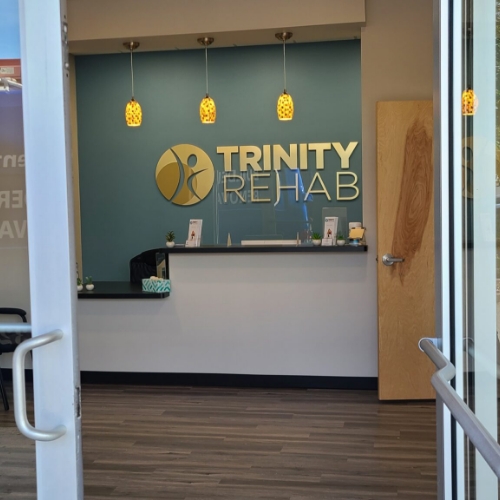
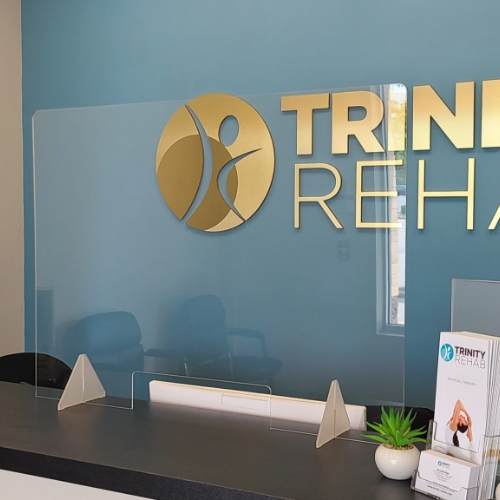
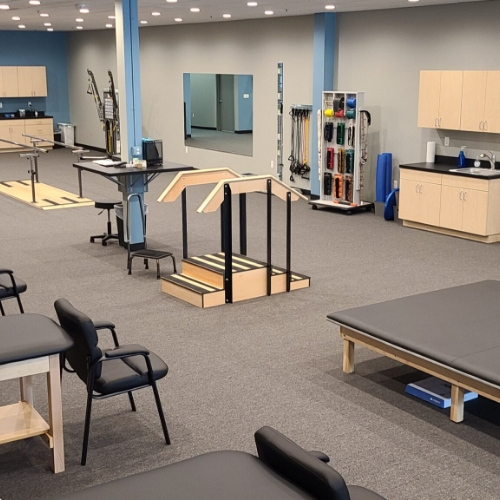
Inside Our Woodbridge Clinic
Related Conditions & Treatments
Knee pain is just one of the many conditions we treat at Trinity Rehab. Explore our full range of conditions we treat or learn more about specific treatment approaches:
Woodbridge Knee Rehab For Stairs, Walking, And Daily Confidence
Knee pain can make stairs, walking, exercise, work, and getting in and out of a car more difficult. Woodbridge rehab should identify whether strength, mobility, balance, swelling, or movement mechanics are driving the issue.
Your therapist may assess knee motion, quad and hip strength, walking mechanics, balance, and activity tolerance. The plan can progress from symptom control to stronger, more confident movement.
Related care includes ACL rehab, meniscus tear rehab, and the Woodbridge physical therapy clinic page.
Frequently Asked Questions About Knee Pain in Woodbridge
Woodbridge Knee Rehab For Stairs, Walking, And Daily Confidence
Knee pain can make stairs, walking, exercise, work, and getting in and out of a car more difficult. Woodbridge rehab should identify whether strength, mobility, balance, swelling, or movement mechanics are driving the issue.
Your therapist may assess knee motion, quad and hip strength, walking mechanics, balance, and activity tolerance. The plan can progress from symptom control to stronger, more confident movement.
Related care includes ACL rehab, meniscus tear rehab, and the Woodbridge physical therapy clinic page.
Can physical therapy help knee pain from working in a warehouse?
My daughter plays soccer and basketball for Woodbridge High School and has had knee pain for two months. What should we do?
I started playing pickleball at the rec center and now my inner knee hurts. What's happening?
How long does physical therapy for knee pain typically take?
Do I need a referral for physical therapy in New Jersey?
Start Here
Knee pain in Woodbridge — whether it’s from the warehouse floor, the Barrons’ practice field, the Middlesex Greenway, or the morning commute — has a cause. Finding it is the first step. At Trinity Rehab, that’s exactly where we start.
Learn more about knee pain treatment
Related resources: Knee Pain Treatment Hub | Hip & Knee Pain Relief | Sciatica Treatment | EPAT Therapy | Sports Injuries
What Our Patients Say



Sign up for free health tips and tricks