Knee Pain Treatment in Toms River, NJ: Physical Therapy for Jersey Shore Living
Life in Toms River involves a lot of physical activity — and a lot of variety. In the summer, it’s beach volleyball at Ortley, paddling on Barnegat Bay, and early morning runs along the waterfront. In the fall and winter, it’s youth football leagues, high school basketball at three different high schools, and year-round fitness at community centers like the Toms River Fitness & Aquatic Center. And underneath it all, a working community — healthcare professionals at Community Medical Center logging 12-hour shifts, warehouse workers near Ocean County Airport, and tradespeople keeping up with the pace of one of Ocean County’s most active municipalities.
When the knee gives out in Toms River, the ripple effects reach every corner of daily life. The trail hike at Cattus Island you’ve been doing with your dog. The summer sports your kids play. The job that requires you to stay on your feet. At Trinity Rehab in Toms River, we provide one-on-one physical therapy focused on finding the actual cause of your knee pain — and building a treatment plan that returns you to the Shore lifestyle you moved here for.
Common Causes of Knee Pain in Toms River
Toms River’s population of approximately 100,000 spans a wide age range — from families with young athletes to older retirees managing the effects of decades of activity. Both groups have distinct knee pain profiles.
High school athletes across three campuses. Toms River Regional Schools District operates three high schools — Toms River North (Mariners), Toms River East (Raiders), and Toms River South (Indians) — each with competitive athletic programs. Football, basketball, soccer, and track are all high-velocity, high-load sports where ACL tears, meniscus injuries, and patellar tendonitis are common. Triple the high school programs means a substantial youth athlete population, and knee injuries are one of the most frequent reasons young athletes miss playing time.
Youth leagues and community sports. Toms River Little League, Toms River Basketball Association, and the Toms River Warriors youth football program all place kids through the repetitive loading and cutting movements that stress developing knee structures. Overuse injuries — particularly in athletes who play their primary sport year-round without periodization — are increasingly common.
Cattus Island and trail-based recreation. The 530-acre Cattus Island County Park offers seven miles of trails through coastal wetlands, with access to Barnegat Bay. Hikers and runners logging regular miles here — especially on the uneven boardwalk and trail surfaces — are susceptible to patellofemoral irritation, IT band syndrome, and meniscus stress, particularly when mileage increases faster than supporting tissue can adapt.
Waterfront and beach activity. Ortley Beach, Shelter Cove, and access to Barnegat Bay bring water sports, beach volleyball, and shore running into the equation. Sand-surface running alters normal knee biomechanics significantly — the unstable footing changes load distribution and places elevated stress on the lateral stabilizers and meniscus.
Community Medical Center workers. As the largest acute-care hospital in Ocean County (part of RWJBarnabas Health), Community Medical Center employs a large number of nurses, physical therapy aides, and support staff who are on their feet through long shifts. Prolonged standing, patient transfer, and uneven walking surfaces all contribute to cumulative knee breakdown.
An older population with arthritis needs. With a median age of 42.5 and a significant retiree community, Toms River has a substantial population of adults managing knee osteoarthritis. This is one of the most responsive conditions to physical therapy — provided treatment is evidence-based, progressive, and consistent.
Understanding Your Knee Pain: What the Symptoms Are Telling You
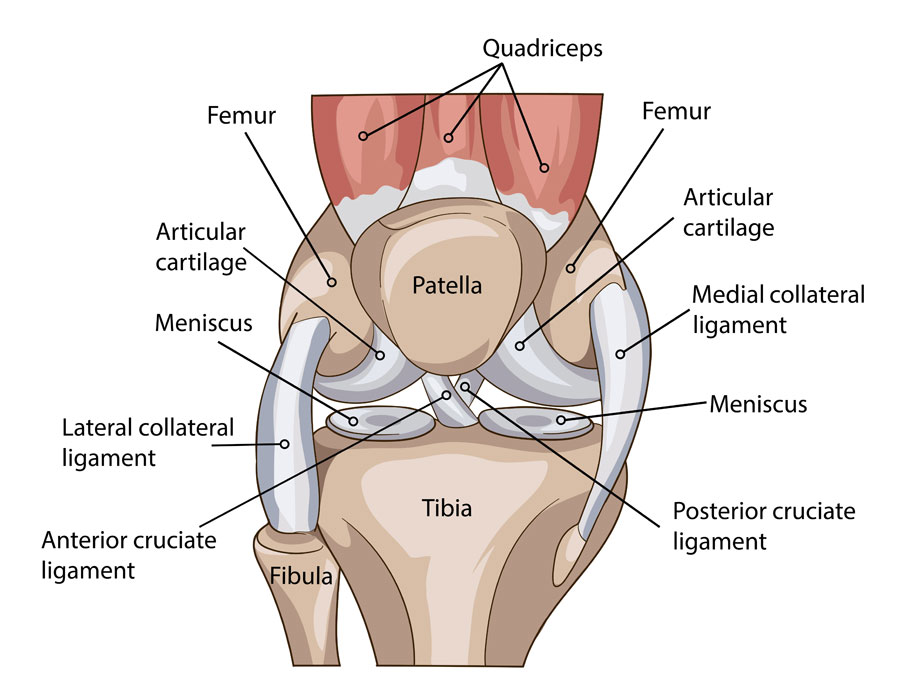
The location, timing, and character of your knee pain offer important diagnostic clues:
- Pain at the front of the knee during running, stair climbing, or sitting with knees bent — often patellofemoral syndrome (runner’s knee)
- Pain on the outer side of the knee after longer runs or hikes — IT band syndrome
- Pain on the inner knee with swelling, especially after a twist or impact — likely medial meniscus or MCL involvement
- Deep aching pain with stiffness in the morning or after rest — consistent with osteoarthritis
- Sharp pain with locking or catching — often a meniscus tear interfering with normal joint mechanics
- Swelling that appears after activity and doesn’t resolve quickly — a signal that the joint is under more stress than it can manage
Our therapists evaluate the full picture — not just the location of your pain but how you move, what positions aggravate symptoms, and what your activity history reveals — before developing your treatment plan.
Our Approach: Three Phases of Knee Rehabilitation
At Trinity Rehab in Toms River, treatment progresses through three phases designed to meet you where you are and advance systematically toward full function.
Phase 1 — Control Pain, Restore Range of Motion
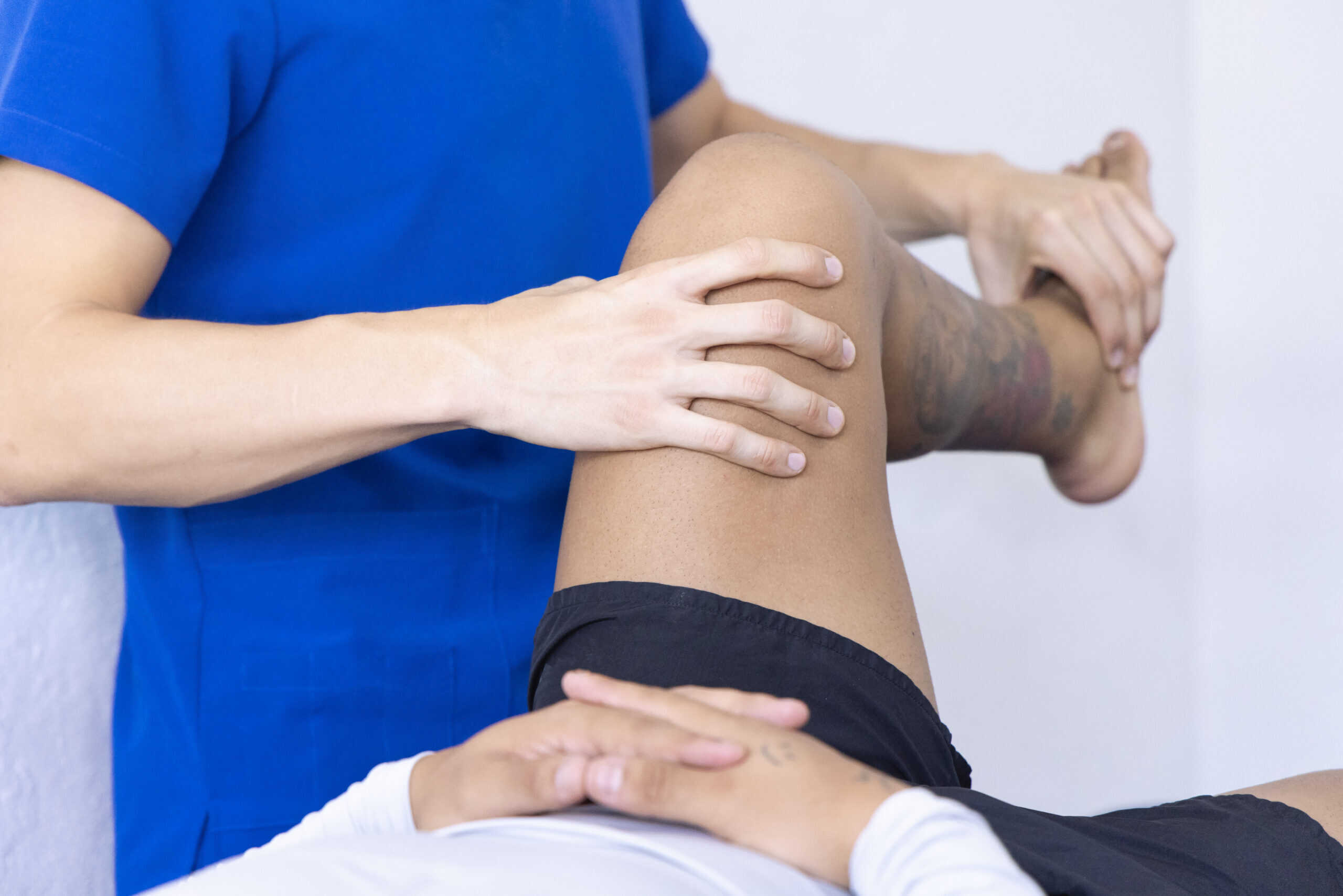
Before strengthening can progress effectively, pain and inflammation need to be managed and normal joint mechanics restored. Manual therapy is central to this phase: joint mobilization, soft tissue work, and patellar mobilization reduce pain, decompress irritated structures, and restore movement that guarding has restricted.
For patients with chronic tendon pain — patellar tendonitis that has persisted through multiple running or sports seasons — EPAT shockwave therapy stimulates the body’s natural healing cascade and reduces stubborn pain that hasn’t responded to rest or basic stretching. This is especially valuable for athletes who’ve been managing the same tendon issue for years without real resolution.
Phase 2 — Rebuild Strength and Load Tolerance
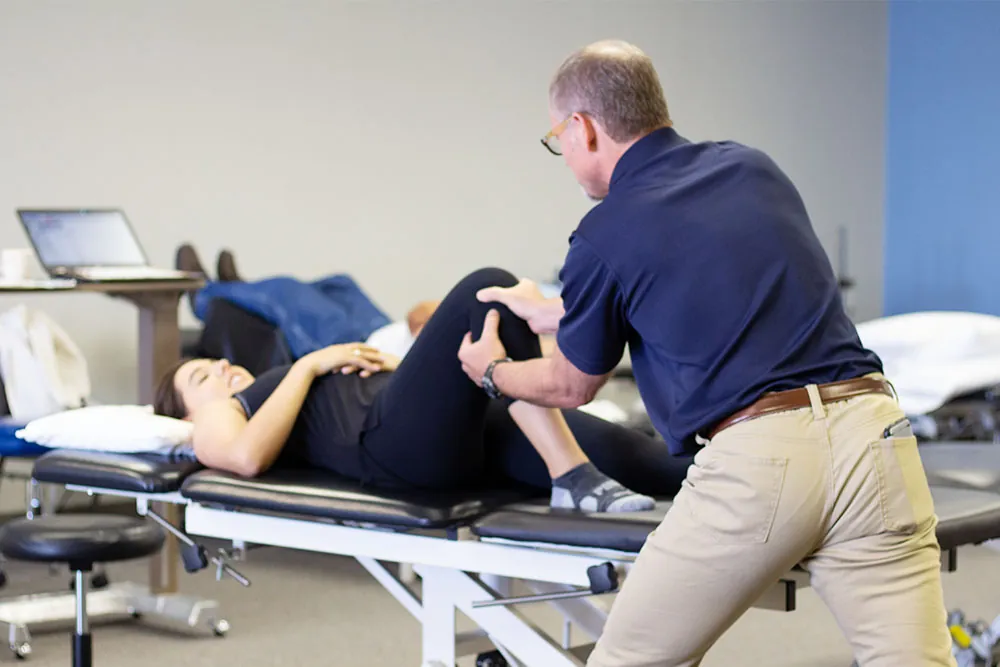
Research consistently identifies quadriceps and hip weakness as the primary mechanical driver of knee pain — and rebuilding that strength is the core of rehabilitation. Your therapist designs a progressive resistance program specific to your condition, starting where your current tolerance allows and advancing as you respond.
For patients whose pain has been severe enough to restrict walking or functional activity, the AlterG anti-gravity treadmill allows weight-bearing exercise at a fraction of body weight — rebuilding gait mechanics and aerobic capacity without overloading the healing joint.
Dry needling is integrated where persistent trigger point tension in the quadriceps, hamstrings, or calf is limiting muscle recruitment and slowing strength development. Most patients find that releasing these points significantly improves their ability to activate the muscles that protect the knee.
Phase 3 — Return to Shore Life
Recovery isn’t complete when your pain is gone at rest — it’s complete when you can do what you came to Toms River to do. Sport-specific and activity-specific training in this phase replicates the demands of your goals: the seven-mile loop at Cattus Island, the beach volleyball serves, the basketball season, the back-to-back hospital shifts.
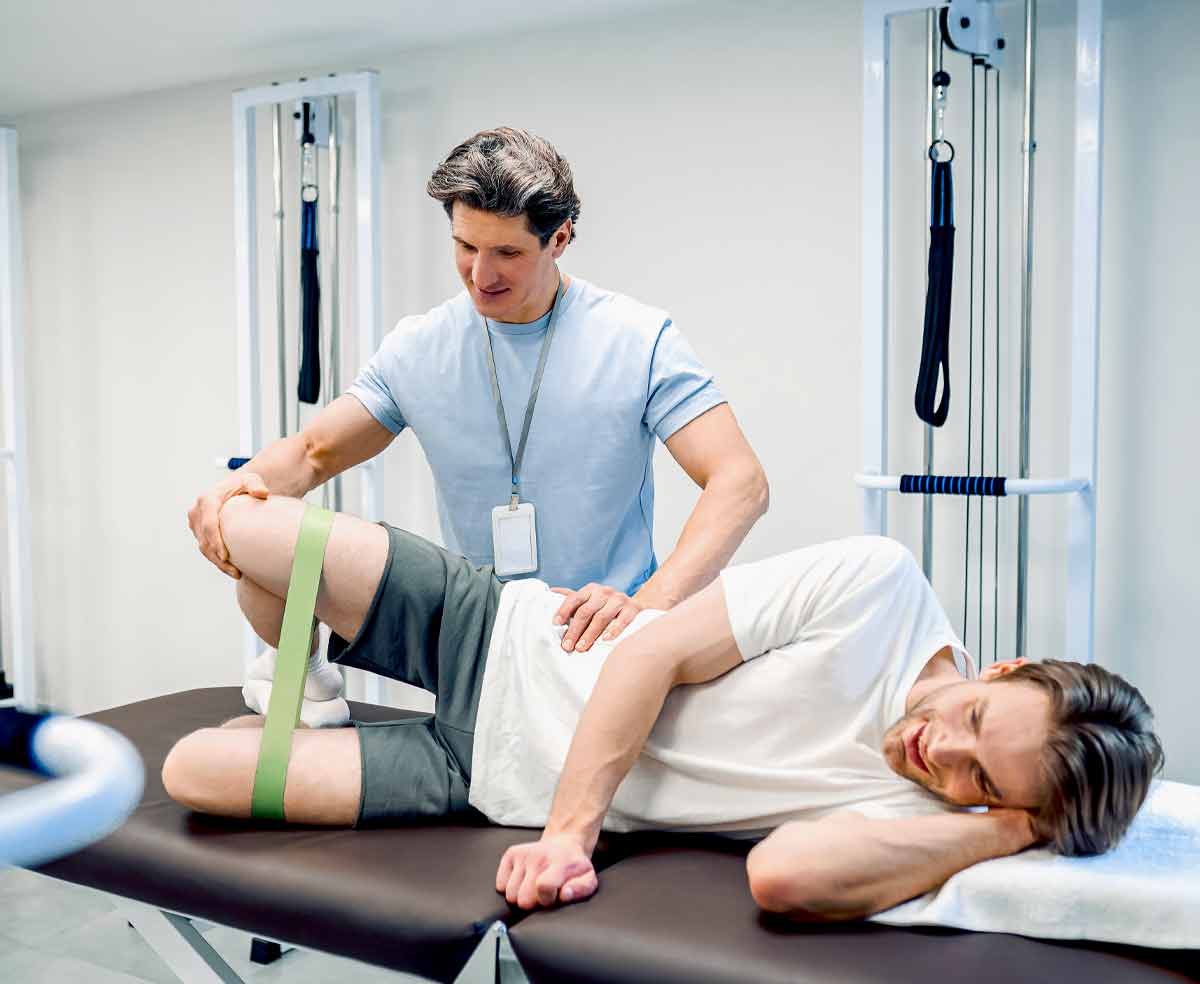
Proprioceptive training rebuilds the automatic neuromuscular responses that protect the knee on uneven terrain and during reactive sport movements. Your therapist provides a home program that extends the gains you’ve made in the clinic — keeping the knee strong and resilient long after your final appointment.
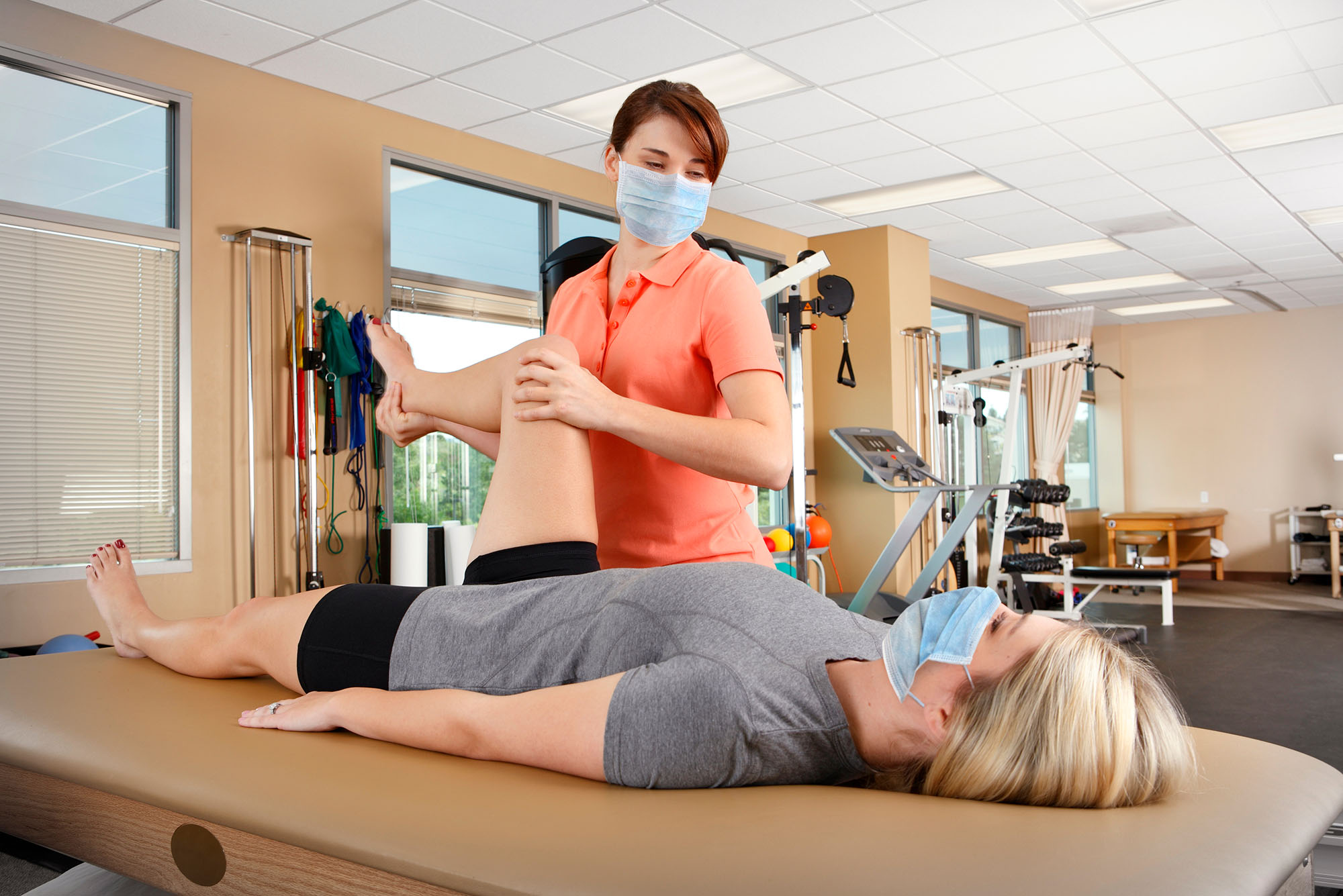
Conditions Our Toms River Therapists Treat
- Knee osteoarthritis — Cartilage wear affecting older adults and former athletes; physical therapy meaningfully reduces pain and improves function even at advanced stages
- Meniscus tears — Both traumatic and degenerative; non-surgical management is successful for many patients
- ACL, MCL, and ligament injuries — Common in youth sports and adult athletic activity; physical therapy is essential before and after surgery
- Patellofemoral syndrome (runner’s knee) — Front-of-knee pain from poor patellar tracking, common in the running and trail community
- IT band syndrome — Lateral knee pain from trail and road running overuse
- Patellar tendonitis — Chronic tendon pain in jumping and running athletes; EPAT provides significant relief
- Post-knee replacement rehabilitation — Comprehensive recovery support to regain range of motion and return to daily function
- Work-related knee conditions — Bursitis, tendinitis, and chronic strain from healthcare and industrial work
For related conditions, see our pages on sports injuries and hip and knee pain.
Why Toms River Residents Choose Trinity Rehab
Toms River is a large, diverse community — and its residents have options when it comes to physical therapy. What Trinity Rehab offers that stands apart:
One-on-one care, every session. Not every minute — every session. Your licensed physical therapist is with you from evaluation through discharge, tracking your progress and adjusting your program based on how you’re actually responding.
No referral required in New Jersey. You can start treatment today without waiting for a doctor’s appointment. Request your appointment online or call our Toms River location directly.
Advanced modalities. EPAT shockwave therapy, dry needling, and the AlterG anti-gravity treadmill are integrated into care when clinically appropriate — not add-ons, but tools we use when they produce better outcomes.
Insurance accepted. We work with most major plans. Our team handles verification before your first visit.
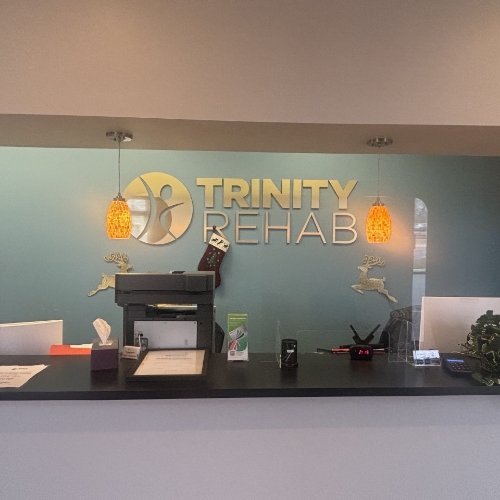
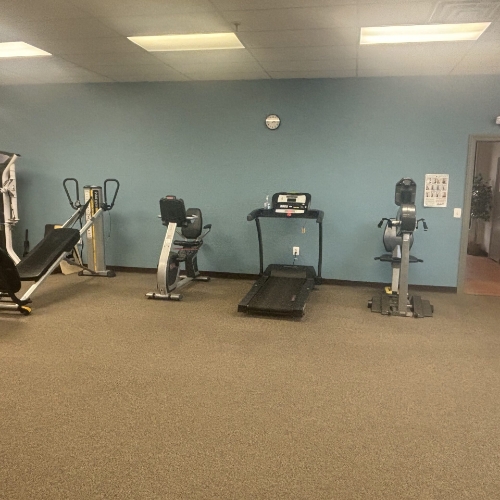
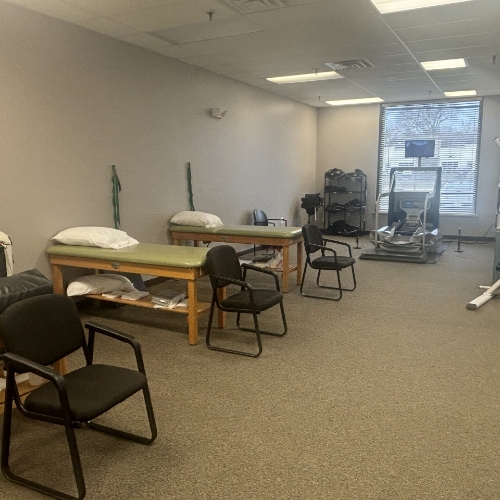
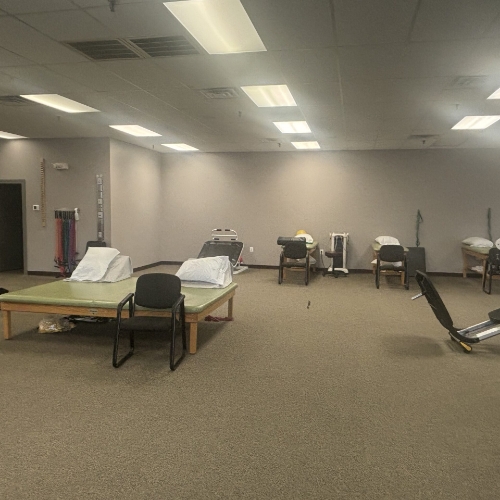
Inside Our Toms River Clinic
Related Conditions & Treatments
Knee pain is just one of the many conditions we treat at Trinity Rehab. Explore our full range of conditions we treat or learn more about specific treatment approaches:
Frequently Asked Questions About Knee Pain in Toms River
My child plays for one of the Toms River Regional high school programs and has knee pain. Is it safe to keep playing?
Can physical therapy help with knee pain from walking on the beach?
Does physical therapy work for ?bone on bone? knee arthritis?
Can I start physical therapy without a doctor's referral in New Jersey?
Begin Your Recovery in Toms River
Whether it’s the Cattus Island trails, the high school basketball season, a long shift at Community Medical, or simply getting through a day without knee pain slowing you down — your goals are what drive our treatment. At Trinity Rehab in Toms River, relief is closer than you think.
Learn more about knee pain treatment: Trinity Rehab Knee Pain Hub
Related resources: Knee Pain Treatment Hub | Hip & Knee Pain Relief | Sciatica Treatment | EPAT Therapy | Sports Injuries
What Our Patients Say



Sign up for free health tips and tricks