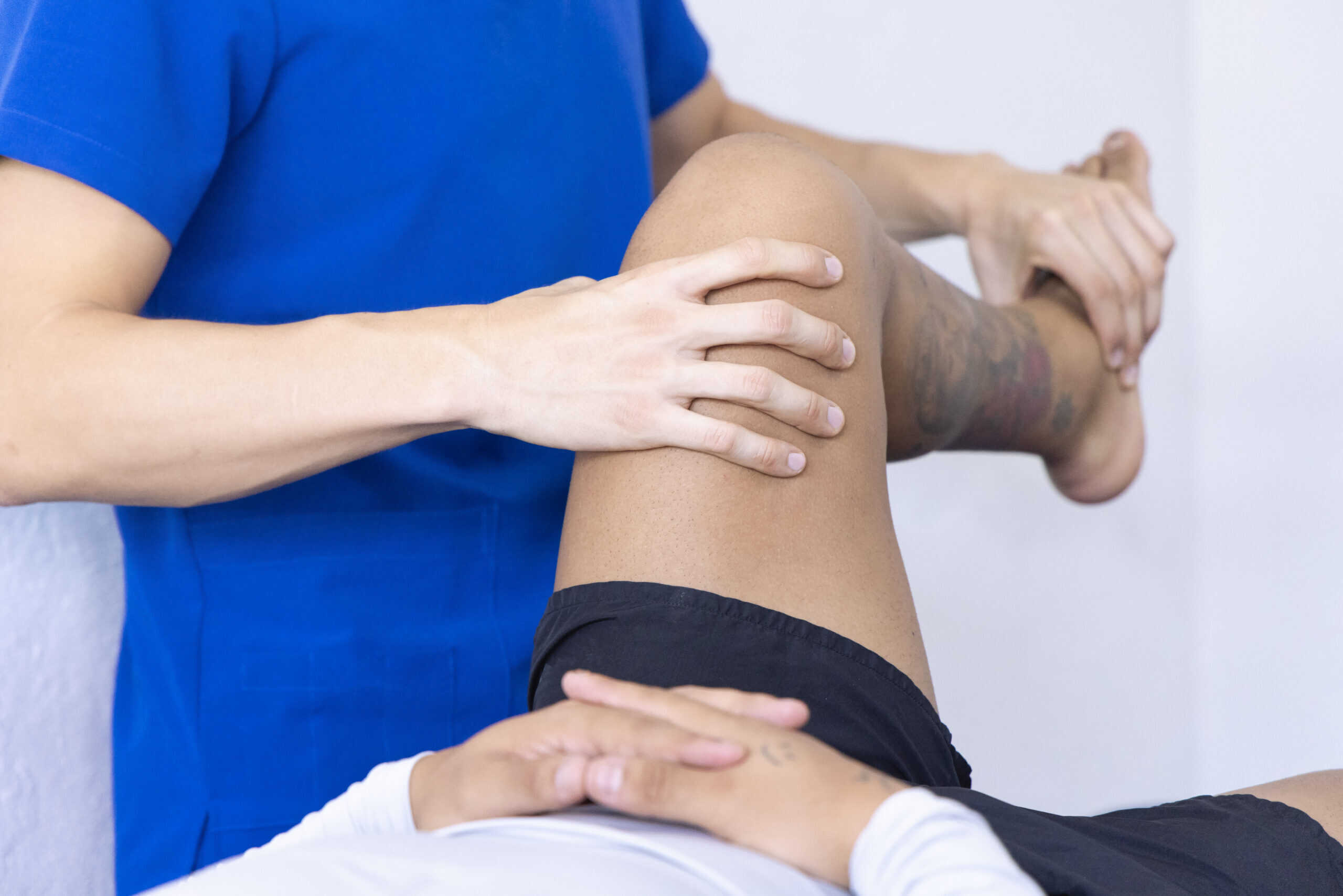
Knee Pain Treatment Near Shrewsbury, NJ: Physical Therapy for an Active Bayshore Community
Shrewsbury is one of New Jersey’s oldest communities — first settled in 1665, home to the Allen House tavern and Christ Church dating to 1702. That deep history coexists today with a thoroughly modern, active lifestyle. Young families fill the youth recreation leagues, with soccer, baseball, softball, field hockey, and basketball drawing kids from elementary age through middle school at Shrewsbury Borough School. High schoolers head to Red Bank Regional, where the Buccaneers compete across a full athletic calendar. Adults run the neighborhood streets and trails, paddle the Navesink River, and push their fitness limits at Orangetheory in nearby Tinton Falls.
And when the knee says enough — as it sometimes does after years of activity, or after one wrong landing — Shrewsbury residents need access to expert physical therapy care that understands how they live. Trinity Rehab provides that care with one-on-one, licensed therapist-led treatment, advanced technology, and plans tailored to the specific demands of your active life.
Understanding Knee Pain in Shrewsbury
Shrewsbury’s size belies the breadth of its physical activity. With about 4,200 residents in just 2.2 square miles, this borough packs a remarkable amount of athletic and recreational activity into its community life.
Youth sports through Shrewsbury Recreation. The borough’s recreation leagues run soccer, softball and baseball, field hockey, basketball, and flag football. These are the years when young knees are most vulnerable to both acute injuries and developmental overuse. The rapid direction changes in soccer, the landing mechanics in basketball, the sustained running in field hockey — all produce the conditions for ACL sprains, patellar tendonitis, and patellofemoral syndrome in young athletes who are still developing the strength and coordination to protect their joints.
Red Bank Regional High School athletics. RBR’s Buccaneers compete in the Shore Conference across football, soccer, basketball, baseball, track, and more. The step up from middle school to high school athletics significantly increases training volume, intensity, and collision risk — the period when many adolescent knee injuries occur. Our therapists are experienced with sports knee injury management for high school athletes and understand the importance of thorough rehabilitation before return to competition.
Running and fitness community. Shrewsbury’s compact, tree-lined neighborhoods make it a natural running destination. Orangetheory in nearby Tinton Falls draws high-intensity interval training devotees; Two River Little League players cross-train year-round; adult residents log miles on neighborhood routes and nearby paths. Repetitive running injuries — patellofemoral syndrome, IT band syndrome, and patellar tendonitis — are common across this population.
Navesink River recreation. The Navesink River, which borders northern Shrewsbury, offers boating, fishing, kayaking, and crabbing. Water sports create specific knee demands: awkward entry and exit from boats and kayaks, kneeling on paddleboards, and the balance demands of on-water activity. These aren’t high-frequency injury mechanisms, but they contribute to the diversity of knee presentations we see from residents who enjoy the borough’s natural waterfront.
Retail and service workforce. The Grove at Shrewsbury brings Brooks Brothers, Anthropologie, and other retail tenants — along with the standing, walking, and occasional heavy lifting demands of retail employment. Nearby Tinton Falls business centers and Wakefern Food Corp’s operations also draw a workforce that logs physical hours on their feet. Cumulative knee stress from prolonged standing and commercial warehouse activity produces tendonitis and bursitis in this working population.
Active older adults. With a median age of 43 and 84% homeownership, Shrewsbury has a stable, established community of adults who’ve been active for decades and are now managing the cumulative effects. Knee osteoarthritis is the dominant complaint in this group — a condition that responds meaningfully to physical therapy even when imaging shows advanced changes.
The Trinity Rehab Treatment Approach
Individualized Evaluation: The Starting Point
Effective treatment begins with an accurate diagnosis. At Trinity Rehab, your first session is a thorough one-on-one evaluation with a licensed physical therapist who assesses your knee’s mobility, strength, stability, movement patterns, and pain characteristics. This evaluation is the foundation of every subsequent session — because treatment that targets the wrong problem doesn’t resolve the right one.
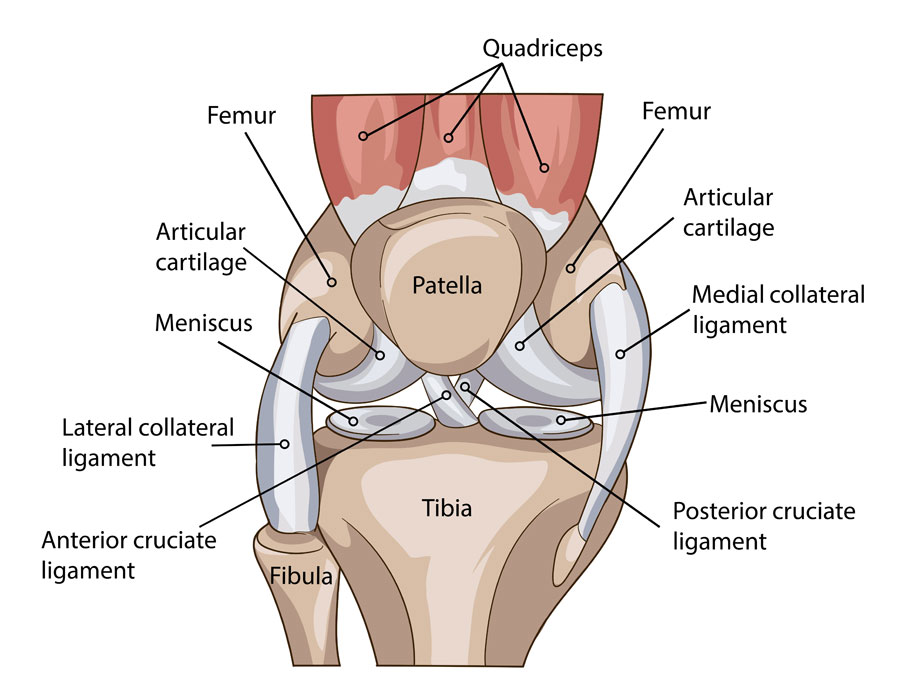
Many Shrewsbury patients arrive with a general sense that their knee “just hurts.” The evaluation identifies whether that pain is coming from the patellofemoral joint, the meniscus, a tendon, a bursa, or the articular cartilage — and why the breakdown is occurring. That “why” is what separates lasting recovery from temporary relief.
Manual Therapy
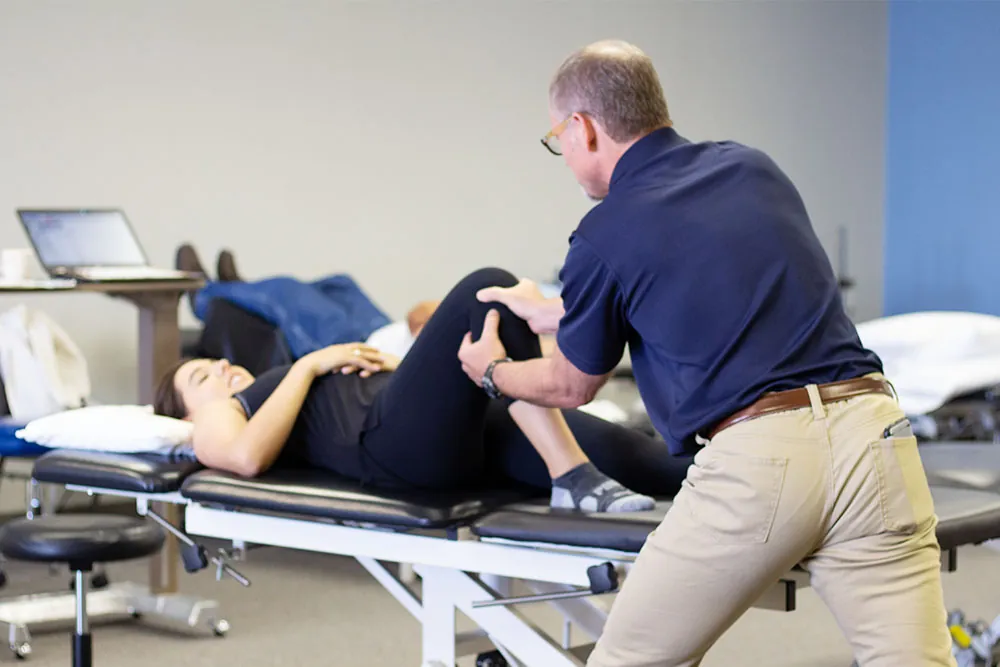
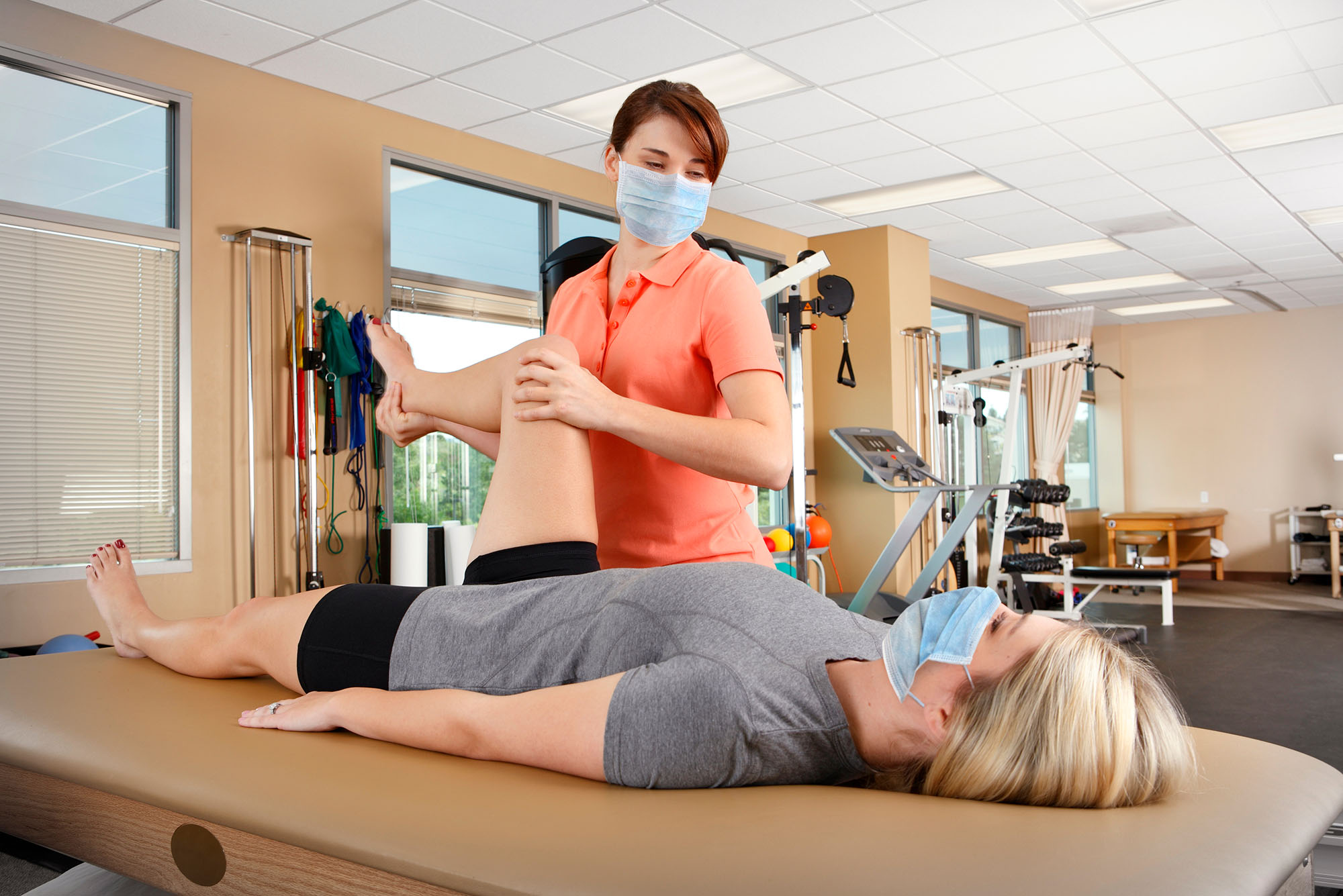
Hands-on treatment applied directly by your therapist. Joint mobilizations restore the normal glide and roll mechanics inside the knee. Soft tissue mobilization releases the quadriceps, IT band, hip flexors, and calves that are often pulling the joint out of alignment. Patellar mobilization improves kneecap tracking for runners and jumping athletes. Manual therapy produces rapid pain reduction — many patients leave their first few sessions feeling meaningfully better before the strengthening work has even begun.
Targeted Strengthening
The muscles that protect the knee — the quadriceps, hamstrings, glutes, and hip abductors — are the joint’s primary shock absorbers. When they weaken, the joint takes on load it wasn’t designed to manage alone. Your therapist builds a progressive resistance program calibrated to your current strength and tolerance, advancing it as you improve. NIH research confirms that combined hip and knee strengthening reduces pain and improves function durably, both short and long term.
For Shrewsbury’s youth athletes, strengthening progresses toward sport-specific demands — the cutting patterns of soccer, the deceleration mechanics of field hockey, the jump-landing sequences of basketball. For adults and older residents, strengthening is calibrated toward the functional demands of daily life: stairs, walking, gardening, and the Navesink waterfront.
Neuromuscular Training
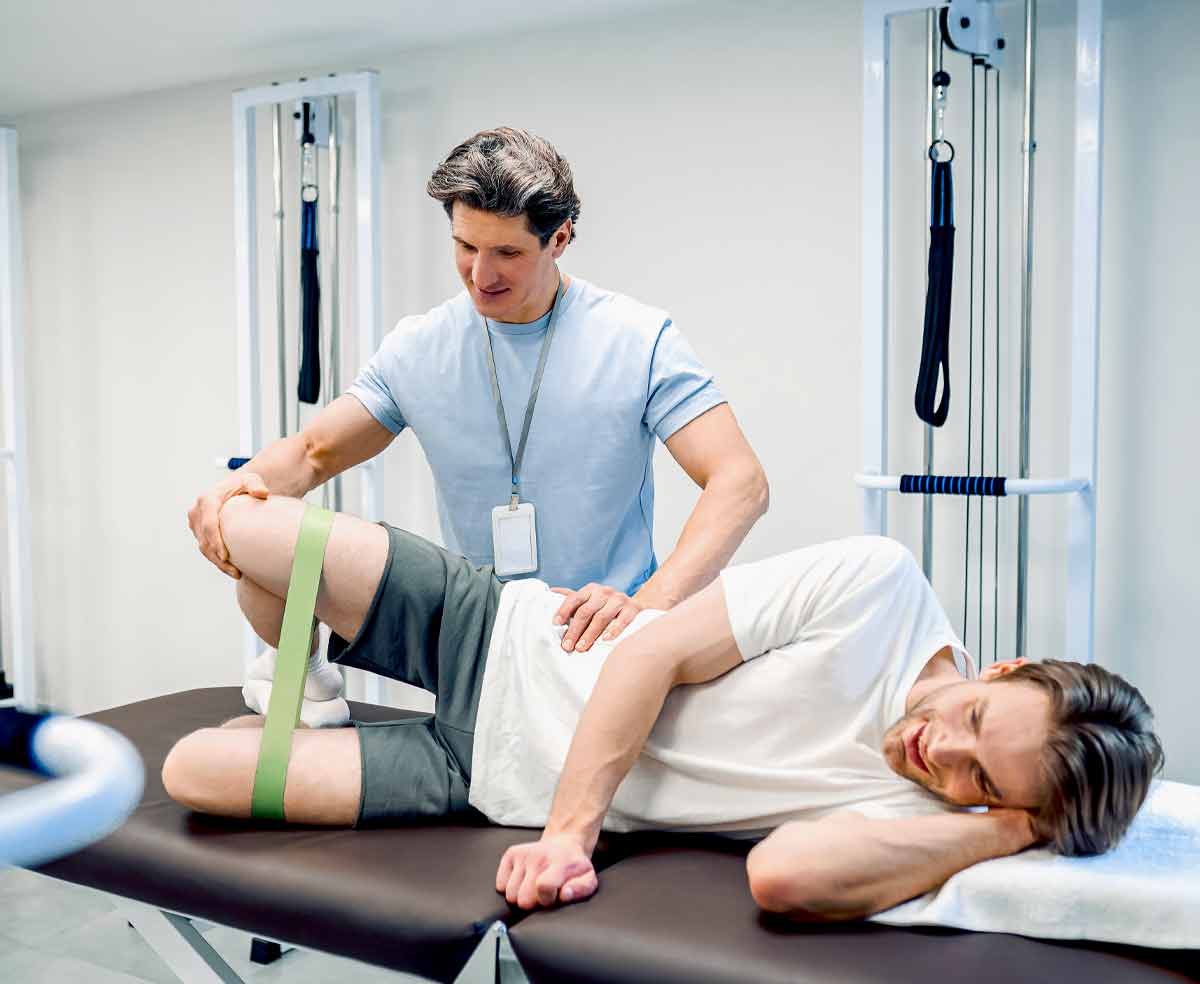
After injury or prolonged pain, the reflexive stabilization system that protects the knee during movement becomes impaired. Neuromuscular training rebuilds it through balance exercises, proprioception drills, and movement pattern retraining. For Red Bank Regional athletes returning from ACL injuries and for Shrewsbury adults returning to recreational sports after meniscus repair, this is the phase that determines whether re-injury occurs.
EPAT Shockwave Therapy
EPAT delivers acoustic pulses that stimulate blood flow and accelerate healing in chronically irritated tendons and soft tissue. For Shrewsbury residents with patellar tendonitis from Orangetheory HIIT training or IT band syndrome from distance running, EPAT is often the intervention that breaks a pain cycle that has resisted rest and basic treatment for months.
Dry Needling
Trigger point release in the quadriceps, hip flexors, IT band, and calf complex directly reduces tension that misdirects force through the knee. Dry needling provides rapid pain relief and substantially improves how the knee responds to subsequent strengthening exercises.
AlterG Anti-Gravity Treadmill
For patients recovering from knee replacement or returning to running after significant injury, the AlterG enables walking and running rehabilitation at reduced joint load. It bridges the gap between immobility and full activity — allowing Shrewsbury’s runners to rebuild mechanics and cardiovascular fitness while the joint continues to heal.
Specific Conditions We Treat
- Youth and high school sports knee injuries — ACL/MCL sprains, meniscus tears, patellar tendonitis, and patellofemoral syndrome in Shrewsbury Rec and RBR athletes
- Knee osteoarthritis — pain management, strength rebuilding, and progression slowing for Shrewsbury’s active older adults
- Runner’s knee (patellofemoral syndrome) — extremely common in neighborhood runners and Orangetheory participants
- IT band syndrome — lateral knee pain in distance runners and cyclists
- Patellar tendonitis — in jumping and HIIT athletes
- Meniscus tears — conservative management for appropriate tear types
- Post-surgical rehabilitation — knee replacement and ACL reconstruction recovery
- Work-related injuries — bursitis, tendonitis, and chronic strain from retail, warehouse, and service industry demands
- Water sports injuries — kayaking, paddleboard, and boating-related knee trauma or strain
See our full overview of knee pain treatment options and our sports injury care page.
Why Shrewsbury Residents Choose Trinity Rehab
Monmouth Medical Center, just minutes away in Long Branch, handles surgical and emergency knee care. For physical rehabilitation before or after surgery — and for the vast majority of knee conditions that don’t require surgery — Trinity Rehab is the choice that combines clinical expertise, one-on-one attention, and advanced technology in a setting designed for recovery.
One licensed therapist, every session. Every minute of your appointment is direct, individual care with your physical therapist.
No referral needed. New Jersey’s direct access law means you can start today.
Most insurance accepted. Benefits verified before your first visit.
Close to Shrewsbury. Trinity Rehab’s Tinton Falls and Red Bank area locations serve Shrewsbury and the surrounding northern Monmouth County communities. Find your nearest location.
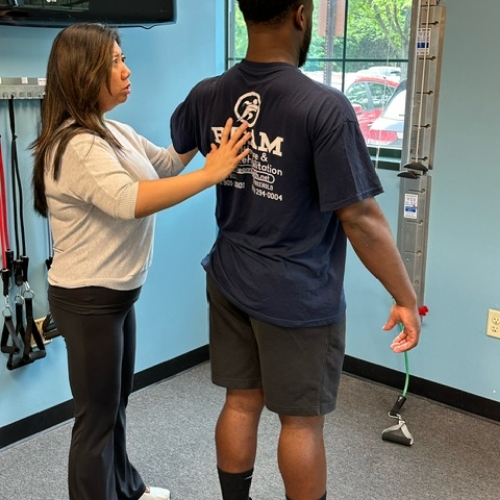
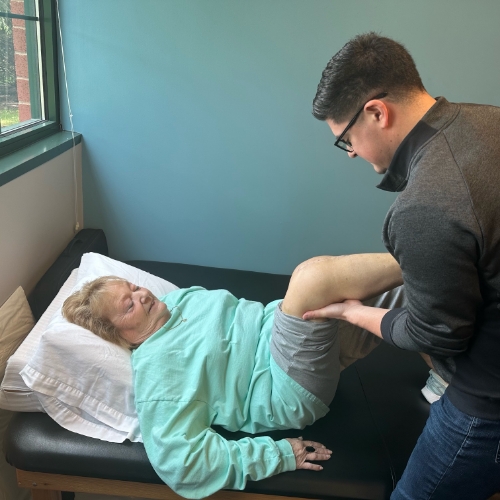
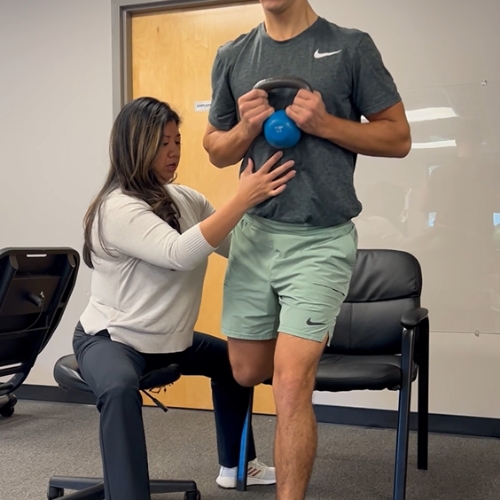
Inside Our Shrewsbury Clinic
Related Conditions & Treatments
Knee pain is just one of the many conditions we treat at Trinity Rehab. Explore our full range of conditions we treat or learn more about specific treatment approaches:
Shrewsbury Knee Rehab For Stairs, Walking, And Daily Confidence
Knee pain can make stairs, walking, exercise, work, and getting in and out of a car more difficult. Shrewsbury rehab should identify whether strength, mobility, balance, swelling, or movement mechanics are driving the issue.
Your therapist may assess knee motion, quad and hip strength, walking mechanics, balance, and activity tolerance. The plan can progress from symptom control to stronger, more confident movement.
Related care includes ACL rehab, meniscus tear rehab, and the Shrewsbury physical therapy clinic page.
Frequently Asked Questions About Knee Pain Near Shrewsbury
Shrewsbury Knee Rehab For Stairs, Walking, And Daily Confidence
Knee pain can make stairs, walking, exercise, work, and getting in and out of a car more difficult. Shrewsbury rehab should identify whether strength, mobility, balance, swelling, or movement mechanics are driving the issue.
Your therapist may assess knee motion, quad and hip strength, walking mechanics, balance, and activity tolerance. The plan can progress from symptom control to stronger, more confident movement.
Related care includes ACL rehab, meniscus tear rehab, and the Shrewsbury physical therapy clinic page.
My child plays soccer and basketball through Shrewsbury Recreation. How do I know if a knee injury is serious enough for physical therapy?
I kayak and paddleboard on the Navesink regularly. My knees are fine on the water but ache afterward. What's that about?
I've been doing Orangetheory for six months and my knees have progressively gotten worse. Should I stop?
Do I need a referral to start physical therapy in New Jersey?
Is Trinity Rehab covered by my insurance?
Start Today — No Referral Needed
Shrewsbury has been here for more than 350 years. Your knee pain doesn’t have to be part of the story that long. Whether it’s a Rec league soccer knee, arthritic stiffness slowing your morning walks, or a post-workout ache that’s grown into something more persistent — Trinity Rehab has the tools and the clinical team to help.
One-on-one care. Advanced technology. No referral required. Insurance accepted.
Related resources: Knee Pain Treatment Hub | Hip & Knee Pain Relief | Sciatica Treatment | EPAT Therapy | Sports Injuries
What Our Patients Say



Sign up for free health tips and tricks