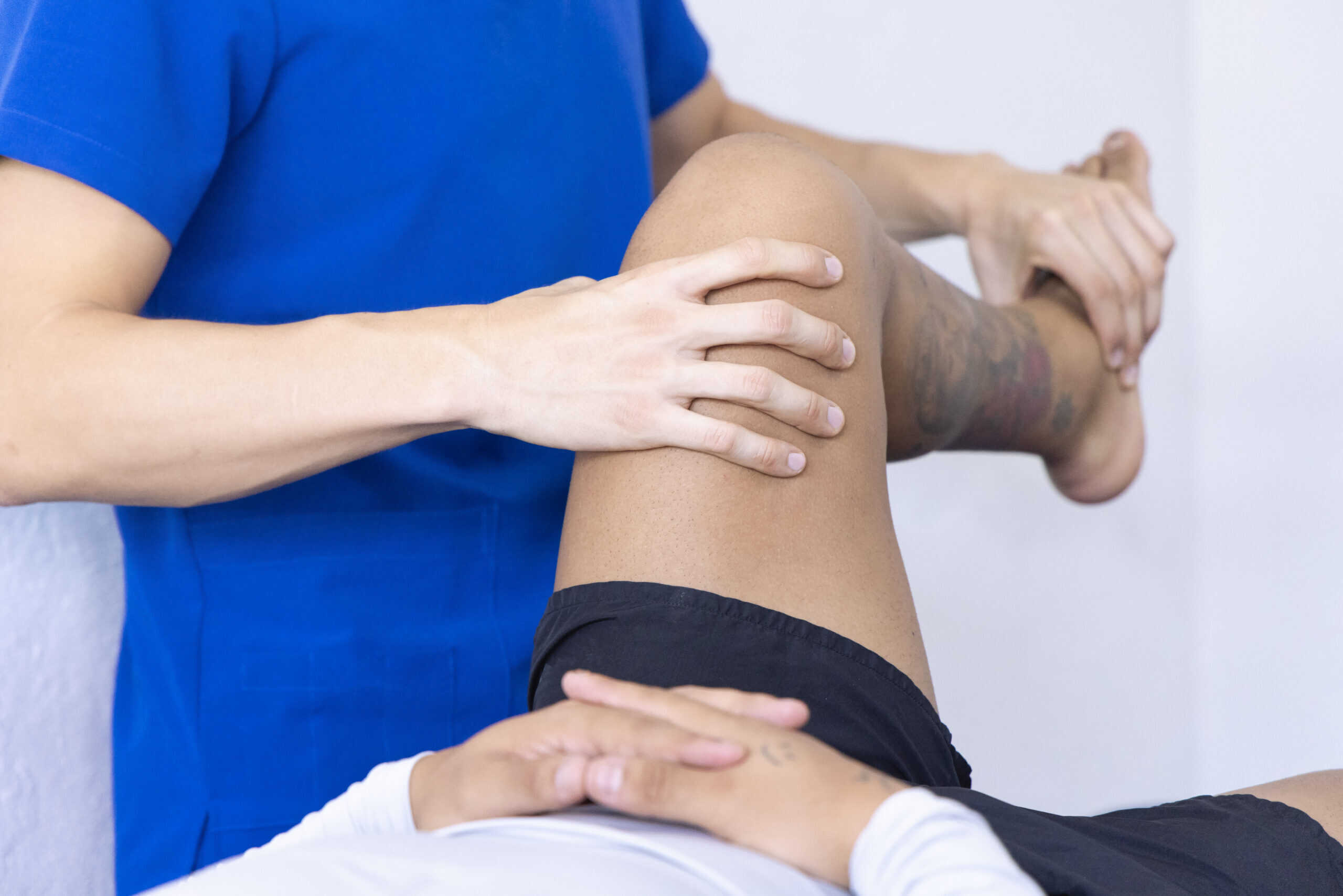
Knee Pain Treatment in Brick, NJ: Physical Therapy Built for Shore Living
Brick Township residents know how to stay active. Whether you’re kayaking the Metedeconk River, logging miles on the Brick Reservoir trail, chasing a grandchild across Windward Beach Park, or coaching a Green Dragons or Mustangs team through a hard Shore Conference season — your knees carry you through all of it. When knee pain interrupts that life, the impact is immediate and personal.
At Trinity Rehab, we work with Brick residents of every age and activity level to get to the root of knee pain and build a path back to the activities that matter. Most knee conditions respond very well to targeted physical therapy — often without the need for surgery or long-term medication.
Why Knee Pain Is So Common in Brick
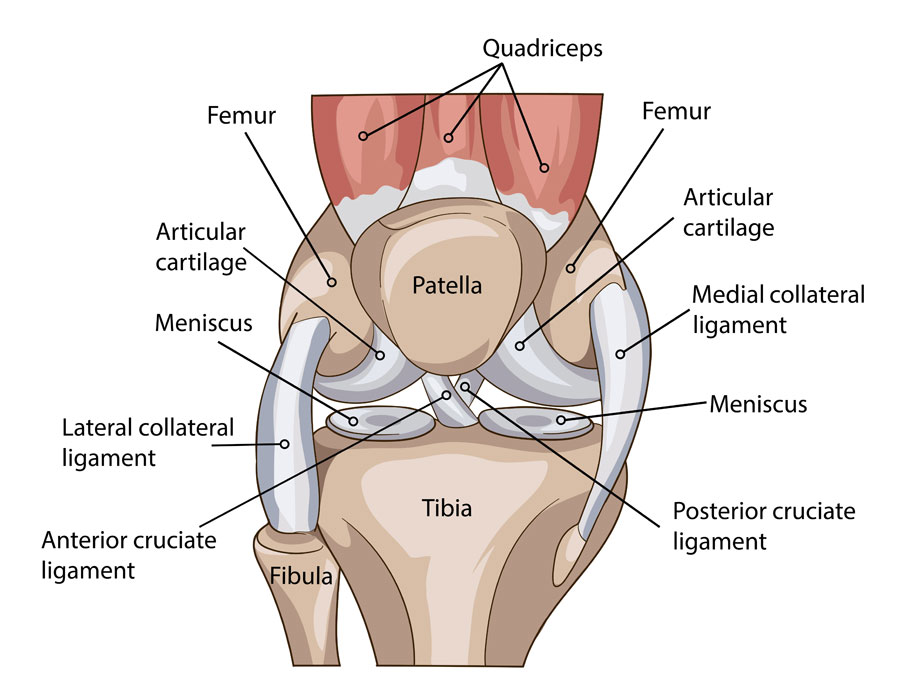
Brick Township’s demographics and lifestyle create a predictable set of knee injury patterns. With a median age around 44 and more than 20 percent of residents over 65, the community sees significant rates of osteoarthritis — the gradual wear-and-tear breakdown of knee cartilage that accumulates over decades of active living. At Ocean University Medical Center and in orthopedic offices across Ocean County, knee osteoarthritis is among the most frequently treated joint conditions.
But it’s not just retirees. Brick’s thriving youth and adult sports scene generates its own injury load. Brick Township High School’s Green Dragons and Brick Memorial’s Mustangs compete in Shore Conference Division A South — one of the most competitive athletic conferences in New Jersey — with strong programs in football, lacrosse, wrestling, and track. High school athletes are particularly vulnerable to ACL and meniscus injuries, patellofemoral syndrome (runner’s knee), and patellar tendonitis from the demands of competitive play.
Add to that the waterfront lifestyle along Barnegat Bay. Kayaking, fishing off the piers at Forge Pond, and recreational sports at Drum Point Sports Complex all involve repetitive lower-body loading. For the thousands of Brick residents who work in healthcare, retail, and distribution — jobs that involve prolonged standing, heavy lifting, or repetitive kneeling — occupational knee stress adds another layer.
Common knee conditions we treat for Brick residents:
- Knee osteoarthritis — Very common in Brick’s 50-and-older population; causes aching, stiffness, and reduced range of motion that limits daily activity
- ACL and MCL injuries — Frequent in Shore Conference athletes at Brick Township and Brick Memorial; often from cutting, pivoting, or contact on the field
- Runner’s knee (patellofemoral syndrome) — A regular complaint among Brick Reservoir trail runners and adult league participants at Drum Point
- Meniscus tears — Can occur from a sudden sports twist or degenerate gradually in active older adults
- Patellar tendonitis — Common in youth athletes in jumping sports like basketball and volleyball
- Work-related knee injuries — Occupational stress from the healthcare, warehouse, and retail sectors in Brick Township
Phase 1: Getting Pain Under Control
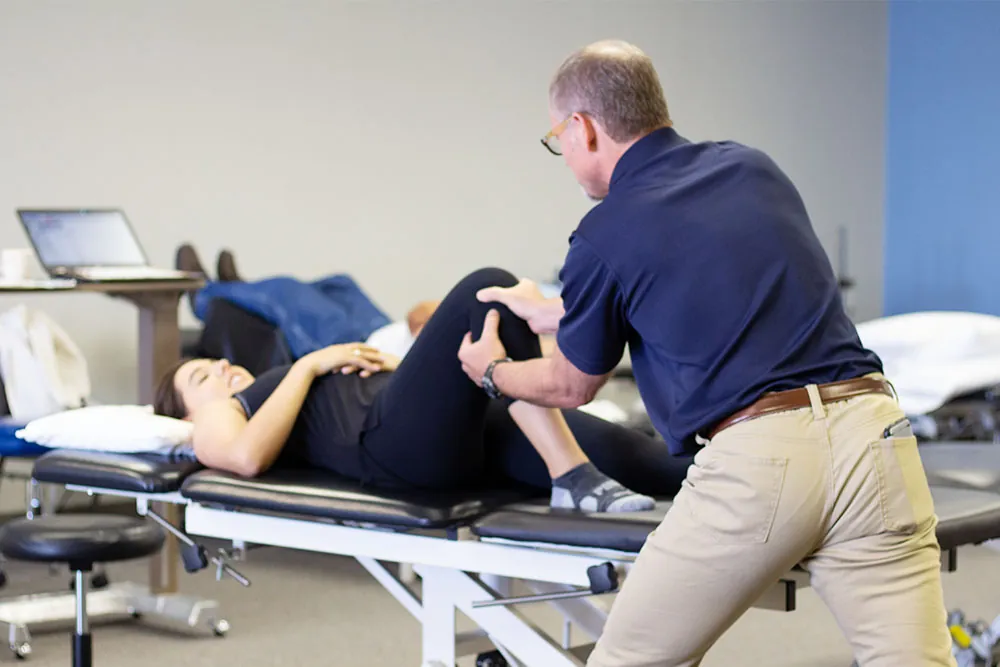
The first priority for any knee pain patient at Trinity Rehab is reducing pain and restoring safe movement. Your licensed therapist begins with a thorough one-on-one evaluation — assessing joint mobility, strength deficits, movement patterns, and how your knee behaves under load — before building a treatment plan tailored to your specific condition and lifestyle.
Manual therapy is central to Phase 1. Hands-on techniques including joint mobilization and soft tissue work reduce pain, improve joint mechanics, and prepare the knee for progressive exercise. For patients with significant swelling or stiffness — whether following an acute Brick Memorial lacrosse injury or a long-standing arthritis flare — manual therapy creates the foundation for everything that follows.
EPAT/Shockwave therapy is introduced early for patients with chronic soft tissue conditions. EPAT (Extracorporeal Pulse Activation Technology) delivers focused acoustic pulses to painful tendons and inflamed tissue, stimulating blood flow and the body’s healing response. It’s particularly effective for the patellar tendonitis and IT band syndrome common among Brick’s trail runners and athletes.
Dry needling targets trigger points — tight, irritable muscle bands in the quadriceps, hamstrings, or IT band — that perpetuate pain and restrict movement. Dry needling releases these points efficiently, often producing relief within a session or two and improving the patient’s ability to engage in therapeutic exercise.
Phase 2: Rebuilding Strength and Stability
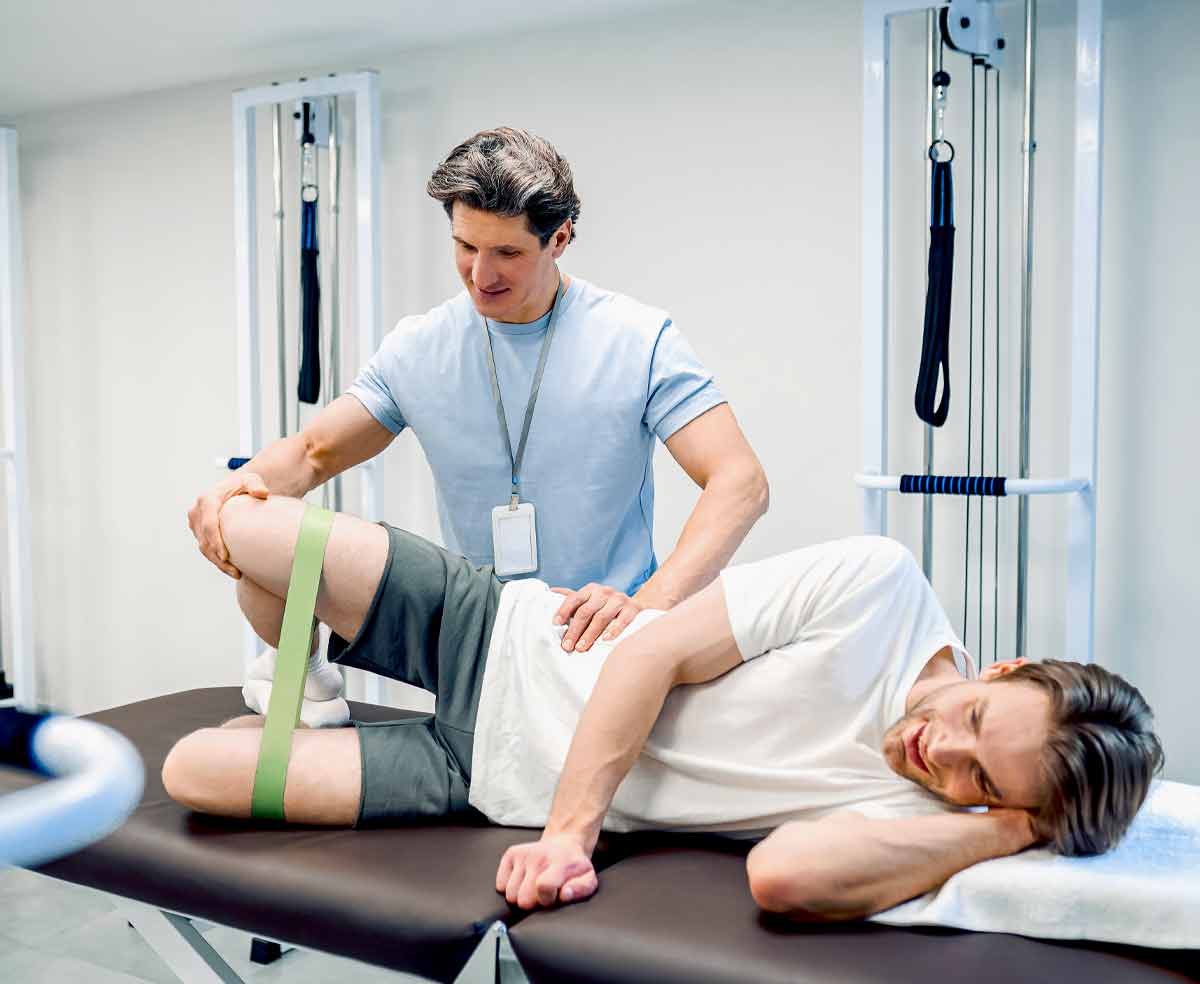
Once pain is manageable, the focus shifts to rebuilding the strength and neuromuscular control that protect the knee long term. This is the phase that determines whether your recovery is lasting — or whether pain returns in three months.
Weakness in the quadriceps, hamstrings, glutes, and hip stabilizers is the single most common driver of knee pain across every condition we treat. Research published in Current Reviews in Musculoskeletal Medicine confirms that combined hip and knee strengthening produces meaningful improvements in pain and functional capacity. Your therapist will guide you through progressive resistance work calibrated to your current strength and pain level — never moving faster than your tissue can handle, never moving so slowly that momentum stalls.
For patients recovering from surgery — knee replacement or ACL reconstruction — or for those whose pain currently limits weight-bearing exercise, the AlterG Anti-Gravity Treadmill plays a key role in Phase 2. The AlterG uses air pressure to partially offset body weight, allowing walking and movement with significantly reduced joint load. This enables earlier return to walking mechanics and cardiovascular conditioning during recovery.
Neuromuscular training rounds out Phase 2. After injury or prolonged pain, the nerve-to-muscle communication that keeps the knee stable during quick changes of direction can become disrupted. Balance drills, proprioception work, and functional movement retraining restore the reflexes that protect the knee when a Brick resident hits an uneven surface on the Reservoir trail or plants for a cut on the soccer field.
Phase 3: Return to Activity and Long-Term Protection
The final phase prepares you to return to the specific activities that matter most — whether that’s getting back to recreational fishing from the Mantoloking Bridge County Park pier, rejoining an ABL softball league, or cheering your athlete on after their own recovery. Your therapist works with you to ensure movement quality, load tolerance, and confidence are all in place before discharge.
You’ll leave Trinity Rehab with a home exercise program designed for long-term maintenance: the strengthening work that keeps the joint stable, the stretching that prevents tissue from tightening up again, and the movement habits that reduce mechanical stress over time.
Key prevention principles your therapist will reinforce:
- Every extra pound of body weight adds roughly three to four pounds of stress on the knee during walking — weight management remains one of the highest-impact factors for long-term knee health
- Supportive footwear appropriate for your activity reduces joint stress significantly; ask your therapist about whether orthotics might help
- Replace athletic shoes regularly, especially if you’re logging miles on the Brick Reservoir’s 1.7-mile loop
- Address pain flares early — the sooner you act, the shorter the recovery
Why Brick Residents Choose Trinity Rehab
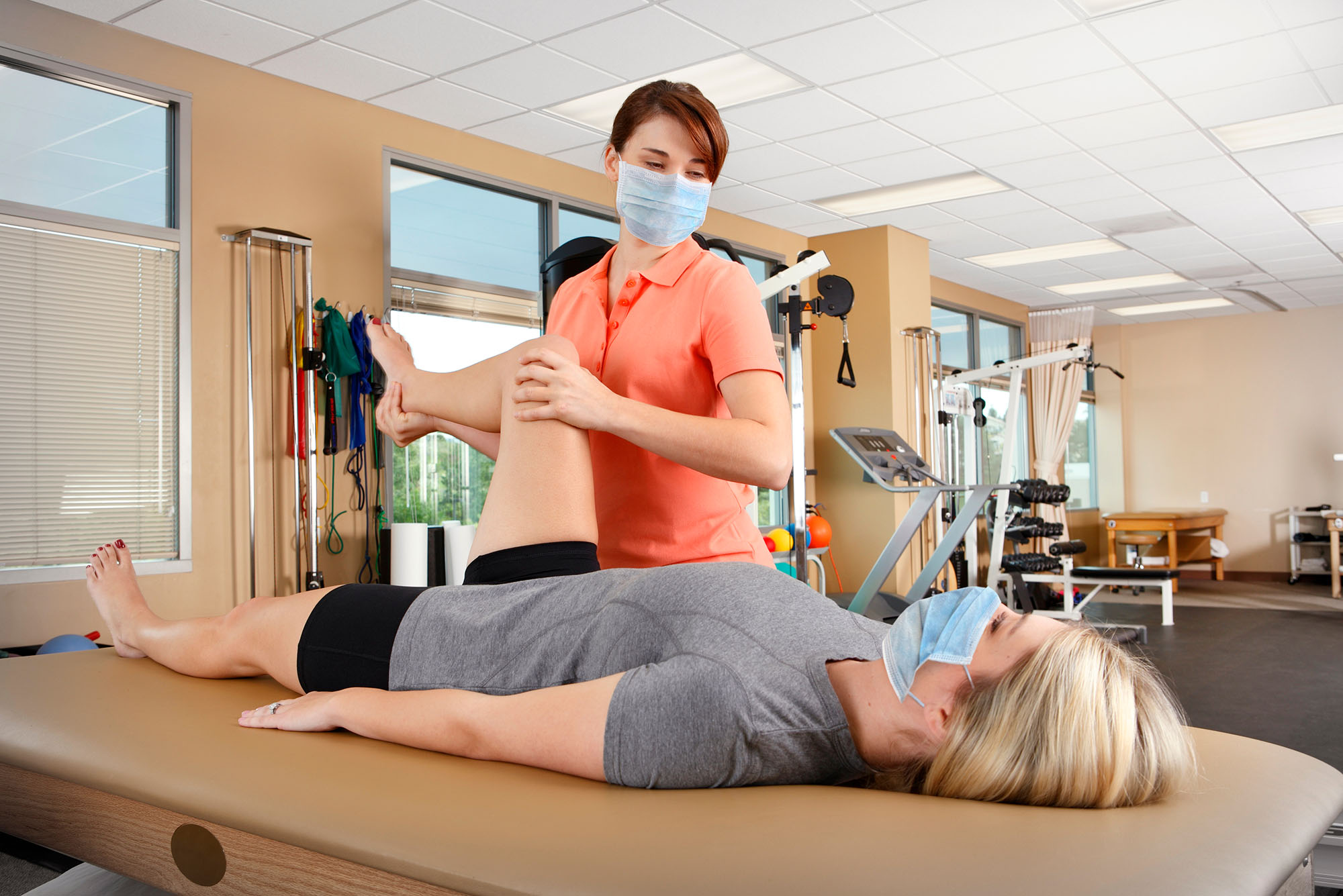
One-on-one care throughout. Every session at Trinity Rehab is one-on-one with your licensed therapist — not an aide, not a group class. This matters for outcomes. You get undivided attention, faster adjustments to your program, and real accountability to your goals.
No referral needed. New Jersey is a direct access state. Brick residents can call Trinity Rehab and begin treatment today — without waiting for a physician referral. Getting into care faster means getting better faster.
Advanced technology. Most physical therapy practices in Ocean County don’t offer EPAT shockwave therapy, the AlterG treadmill, or dry needling. Trinity Rehab integrates all three when clinically appropriate — tools that shorten recovery time and address conditions that standard exercise therapy alone cannot fully resolve.
Insurance accepted. Trinity Rehab works with most major insurance plans. Our team handles verification and will clarify your benefits before your first visit — no surprises.
See all conditions we treat or return to our full knee pain guide.
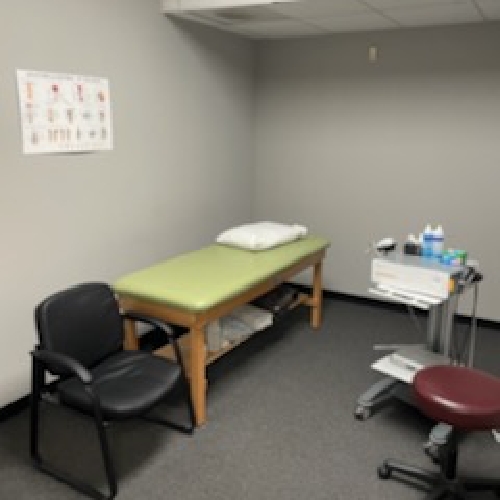
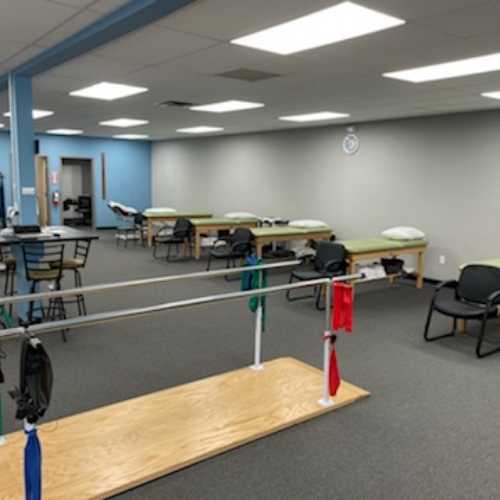
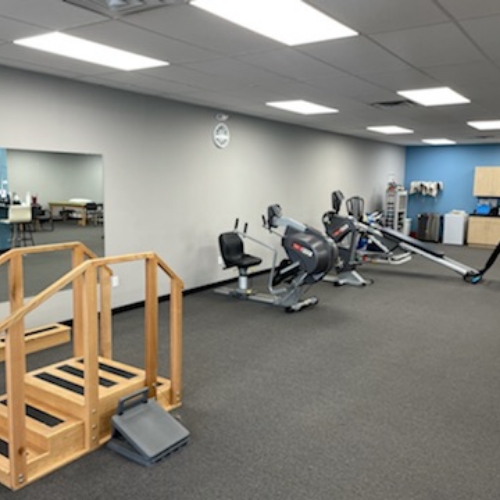
Inside Our Brick Clinic
Related Conditions & Treatments
Knee pain is just one of the many conditions we treat at Trinity Rehab. Explore our full range of conditions we treat or learn more about specific treatment approaches:
Brick Knee Rehab For Stairs, Walking, And Daily Confidence
Knee pain can make stairs, walking, exercise, work, and getting in and out of a car more difficult. Brick rehab should identify whether strength, mobility, balance, swelling, or movement mechanics are driving the issue.
Your therapist may assess knee motion, quad and hip strength, walking mechanics, balance, and activity tolerance. The plan can progress from symptom control to stronger, more confident movement.
Related care includes ACL rehab, meniscus tear rehab, and the Brick physical therapy clinic page.
Frequently Asked Questions — Knee Pain Treatment in Brick, NJ
Brick Knee Rehab For Stairs, Walking, And Daily Confidence
Knee pain can make stairs, walking, exercise, work, and getting in and out of a car more difficult. Brick rehab should identify whether strength, mobility, balance, swelling, or movement mechanics are driving the issue.
Your therapist may assess knee motion, quad and hip strength, walking mechanics, balance, and activity tolerance. The plan can progress from symptom control to stronger, more confident movement.
Related care includes ACL rehab, meniscus tear rehab, and the Brick physical therapy clinic page.
Can physical therapy help with knee arthritis?
Do I need a referral to start physical therapy in New Jersey?
My teenager hurt their knee at a Brick Memorial soccer game. When should they start PT?
Is physical therapy effective for ?bone on bone? knee pain?
How long does knee PT typically take?
Ready to Move Without Pain in Brick?
Knee pain doesn’t have to be the thing that stops you from hiking the Brick Reservoir, keeping up with your grandkids at Windward Beach, or staying in the game you love. At Trinity Rehab, we’ve helped patients of every age across Ocean County find lasting relief and reclaim what matters most.
No referral needed. Convenient scheduling. Real, one-on-one care.
Related resources: Knee Pain Treatment Hub | Hip & Knee Pain Relief | Sciatica Treatment | EPAT Therapy | Sports Injuries
What Our Patients Say



Sign up for free health tips and tricks