
LUMBAR DISC HERNIATION TREATMENT IN UPPER DUBLIN, PA
The whistle blew at halftime, and you were trying to find a comfortable position in the bleachers at Upper Dublin High School’s football game when a searing pain from your lower back lit up the outside of your left thigh. You had been feeling “off” for weeks — a stiff back after sitting at your Fort Washington office desk, a twinge when lifting your toddler, a vague ache after mowing the lawn. Now, the tingling in your foot tells you this is something more than a pulled muscle. For the families, professionals, and active retirees of Upper Dublin Township, lumbar disc herniation is a condition shaped by the intersection of office commutes, demanding youth sports, and the year-round physical work of maintaining homes in one of Montgomery County’s most desirable communities.
THE MECHANICS OF A HERNIATED DISC
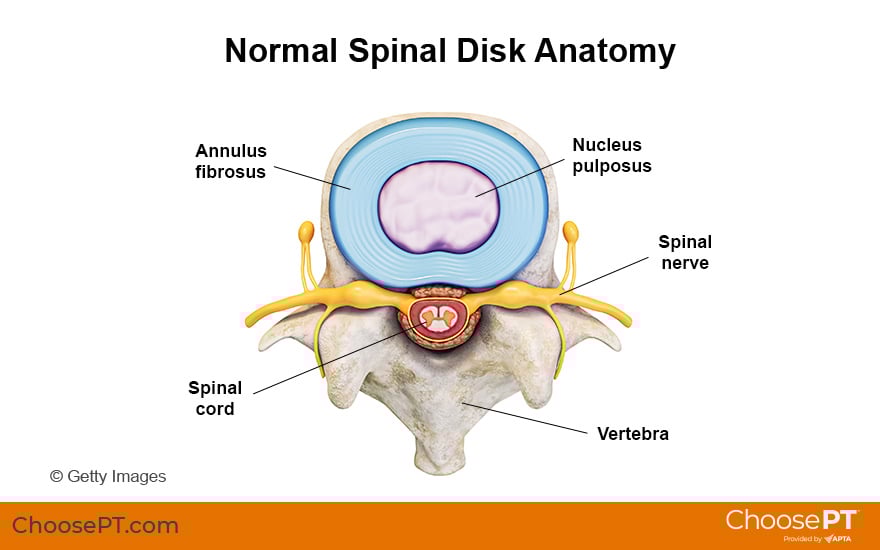
Your lumbar spine is made up of five vertebrae cushioned by intervertebral discs. Each disc has an outer wall of layered fibers — the annulus fibrosus — surrounding a pressurized gel core called the nucleus pulposus. A disc herniation occurs when the nucleus pushes through a weakened or torn section of the annulus and impinges on a nerve root. The L4-L5 and L5-S1 segments are the most commonly affected levels.
When the sciatic nerve is compressed, the result is sciatica: a radiating pain — often described as burning, shooting, or electric — that travels from the low back through the buttock and down the leg. The broader term for nerve root involvement is radiculopathy, which may also include numbness, tingling, and muscle weakness.
Clinical evidence is reassuring: StatPearls reports that most disc herniations respond favorably to conservative treatment such as physical therapy (source). A 2024 review in Deutsches Ärzteblatt International confirms rehabilitation as the preferred first-line management strategy (source).
UPPER DUBLIN’S UNIQUE RISK PROFILE
FORT WASHINGTON OFFICE PARK COMMUTES
The Fort Washington Office Park — 566 acres and home to roughly 12,000 employees from companies like Toll Brothers, NutriSystem, Honeywell, and Johnson & Johnson — is the economic engine of Upper Dublin. Many of those employees also commute to Center City Philadelphia via the PA Turnpike or SEPTA. Hours of daily seated desk work followed by a car or train ride compress the lumbar discs and starve them of the movement-driven nutrition they need to stay healthy. Over time, this sedentary loading pattern weakens the annulus fibrosus and increases herniation risk.
CONTACT AND ROTATIONAL YOUTH SPORTS
Upper Dublin High School’s Cardinals compete in football, basketball, lacrosse, and field hockey — all sports that impose significant forces on the adolescent and young adult lumbar spine. Football delivers axial compression; lacrosse combines running, dodging, and checking; field hockey demands sustained forward flexion with rotational striking; and basketball involves explosive jumping, landing, and direction changes. The Upper Dublin Jr Athletic Association extends these exposures into younger age groups with baseball, volleyball, and basketball leagues.
LARGE-PROPERTY YARD MAINTENANCE
Upper Dublin’s affluent residential lots, many of which were converted from farmland, require substantial upkeep. Raking, mowing, mulching, shoveling snow, and pruning trees generate repeated lumbar flexion-rotation cycles. Add the rolling terrain and you have a recipe for disc overload, especially when fatigue sets in late on a Saturday afternoon.
WAREHOUSE AND LOGISTICS LABOR
Unis warehousing and other logistics operations in the broader Fort Washington area employ workers in physically demanding roles. Repetitive bending, twisting, and heavy lifting — often in cold or climate-controlled environments where proper body mechanics break down under fatigue — places these workers among the highest-risk groups for lumbar disc injury.
RECOGNIZING THE SIGNS
Symptoms of lumbar disc herniation may develop gradually or appear suddenly after a specific event. Watch for:
- Persistent back pain in the lower lumbar area
- Sciatica — shooting or burning pain from the buttock down one leg
- Numbness, tingling, or a “pins and needles” sensation in the shin, foot, or toes
- Weakness when climbing stairs, pushing off while walking, or lifting the foot
- Pain that worsens with sitting, bending, or coughing and improves with standing or gentle walking
Early treatment matters. Pennsylvania law permits direct access to physical therapy — no physician referral is required — so you can schedule an appointment at Trinity Rehab and start getting better right away.
TRINITY REHAB’S THREE-PHASE TREATMENT PLAN
Every session at Trinity Rehab is one-on-one with a licensed physical therapist. No aides, no split attention, no cookie-cutter protocols. Our three-phase approach is built on current evidence and customized to the way you live in Upper Dublin.
PHASE 1: PAIN REDUCTION AND NERVE CALMING
The immediate goal is to quiet the inflamed nerve root and reduce your pain to a level that allows you to work, sleep, and participate in family life.
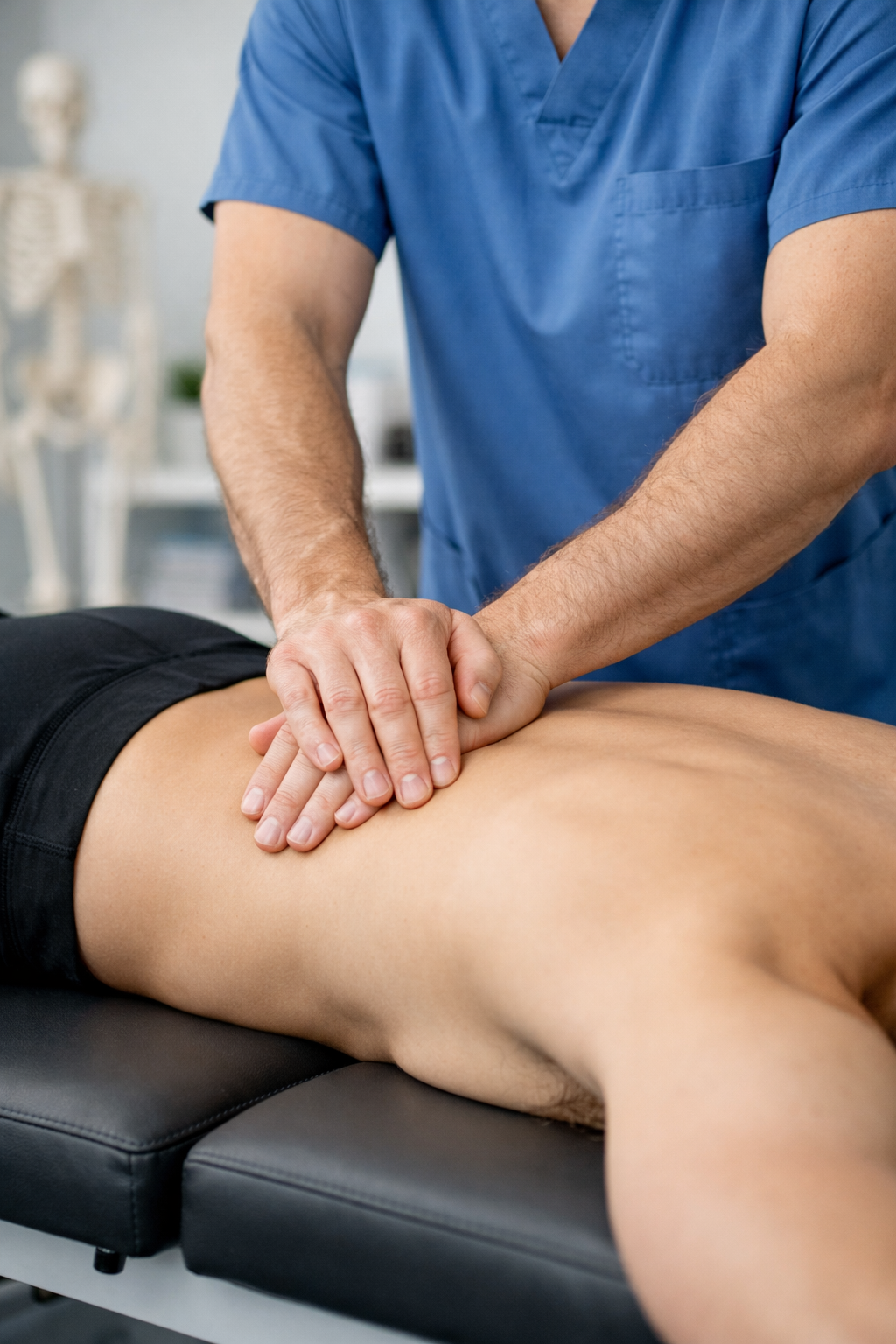
- McKenzie method / directional preference — A systematic mechanical assessment identifies the specific movement direction that centralizes your symptoms, drawing pain away from the leg and toward the lumbar midline. For most posterior disc herniations, repeated extension movements encourage the displaced nucleus pulposus away from the nerve root, often producing noticeable improvement within the first few visits.
- Manual therapy — Hands-on joint mobilization and soft tissue techniques restore segmental motion in the lumbar spine, decrease muscle guarding, and promote healing blood flow to the disc.
- Neural mobilization — When the sciatic nerve is mechanically sensitized by disc-related inflammation, gentle nerve-gliding techniques restore its ability to slide through surrounding tissues, reducing radiculopathy symptoms during sitting, driving, and walking.
- Dry needling — Thin filament needles are inserted into deep paraspinal, gluteal, and piriformis trigger points to release muscle tension and break the pain-spasm cycle.

PHASE 2: CORE STABILIZATION AND PROGRESSIVE STRENGTHENING
With acute pain controlled, the focus shifts to rebuilding the muscular scaffolding that supports the lumbar spine and prevents re-injury.
- Deep core activation — Isolated training of the transversus abdominis, lumbar multifidus, and pelvic floor restores the anticipatory bracing pattern that disc herniation disrupts.
- Progressive resistance training — Bridges, hip hinges, single-leg exercises, and loaded carries develop the gluteals, hamstrings, and hip rotators that share the mechanical load with the lumbar discs.
- Sport- and task-specific simulation — For a Cardinals lacrosse player, this means cutting, dodging, and cradling drills. For a Fort Washington desk worker, it means practicing sit-to-stand transitions and overhead reaching with a stable core. For a homeowner, it means perfecting the snow-shoveling and mulch-bag lifting patterns that caused the problem in the first place.
- EPAT (shockwave therapy) — For patients with lingering soft tissue inflammation, EPAT delivers acoustic pressure waves that stimulate cellular repair and reduce chronic irritation around the disc.
PHASE 3: RETURN TO ACTIVITY AND LONG-TERM PREVENTION
The final phase ensures that the strength, mobility, and stability you have built in the clinic translate to real performance in your daily life.
- Athlete return-to-play protocols — Progressive sport-specific drills, contact readiness assessments, and performance benchmarks for Upper Dublin High School and Jr Athletic Association athletes.
- Workplace ergonomic optimization — Desk setup, monitor height, chair positioning, and break strategies for Fort Washington office workers; safe lifting techniques and pacing plans for warehouse employees.
- Trail and outdoor readiness — Graduated walking and jogging on the Green Ribbon Trail and SPARK sports park, with terrain-specific strategies for managing hills and uneven surfaces.
- Home exercise program — A sustainable 15-to-20-minute daily routine designed to maintain core strength, spinal mobility, and disc health for years to come.
- Self-management education — Recognizing early warning signs, modifying activities before symptoms escalate, and knowing when to return for a tune-up.
SPINE-FRIENDLY ACTIVITIES IN UPPER DUBLIN
Upper Dublin’s parks and open spaces make ongoing exercise accessible and enjoyable:
- Walk or jog the Green Ribbon Trail — A community trail system that connects parks and neighborhoods with gentle terrain ideal for spine-friendly cardio.
- Play at SPARK sports park — A multi-use facility offering options for low-impact activity and functional fitness.
- Swim or cross-train at a local facility — Aquatic exercise decompresses the lumbar spine while strengthening the core and lower extremities.
- Enjoy Mondauk Common Park — Open green space for walking, stretching, and outdoor core exercises, with a playground nearby if you are exercising while your children play.
WHY UPPER DUBLIN RESIDENTS CHOOSE TRINITY REHAB
- One-on-one treatment, every session — Your therapist is dedicated solely to you.
- No referral required — Pennsylvania’s direct-access law lets you start physical therapy without waiting for a doctor’s appointment.
- Full range of evidence-based treatments — McKenzie method, manual therapy, neural mobilization, dry needling, and EPAT.
- Montgomery County insight — We understand Fort Washington commuters, Upper Dublin athletes, and the seasonal demands of large-lot homeownership.
- Convenient scheduling — Early morning, lunchtime, and evening appointments to work around office hours and family commitments.
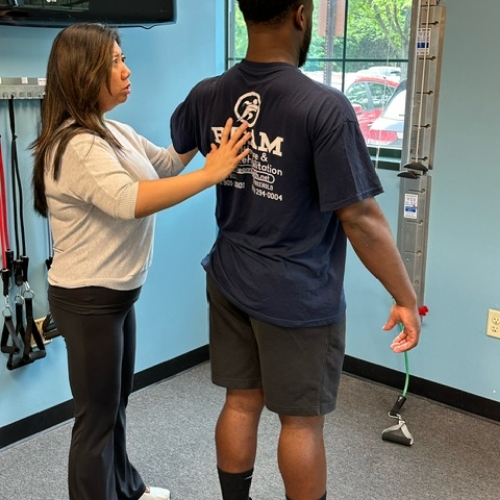
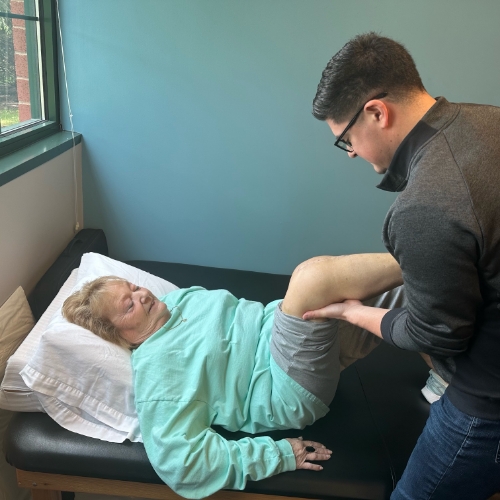
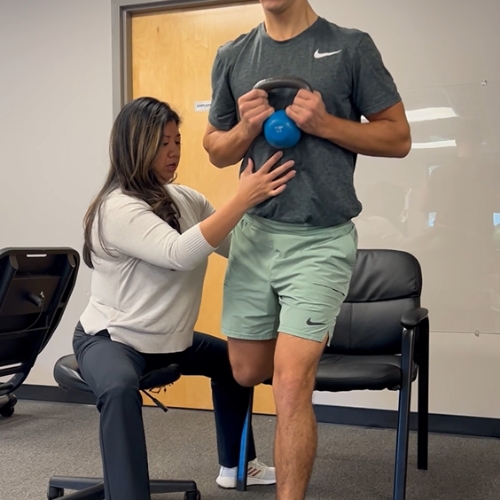
INSIDE OUR UPPER DUBLIN CLINIC
RELATED CONDITIONS & TREATMENTS
Lumbar disc herniation is just one of the many conditions we treat at Trinity Rehab Upper Dublin. Explore our full range of conditions we treat or learn more about specific treatment approaches:
Upper Dublin Disc Rehab For Back Pain, Leg Symptoms, And Daily Movement
Lumbar disc symptoms can interrupt sitting, driving, lifting, sleep, work, and exercise. Upper Dublin rehab should connect the diagnosis to the positions and movements that actually trigger your symptoms.
Your therapist may assess lumbar mobility, nerve-related symptoms, hip strength, gait, lifting mechanics, sitting tolerance, and warning signs that require medical care before therapy continues.
Patients with related symptoms may also need sciatica treatment, back pain physical therapy, or the Upper Dublin physical therapy clinic page.
FREQUENTLY ASKED QUESTIONS
Upper Dublin Disc Rehab For Back Pain, Leg Symptoms, And Daily Movement
Lumbar disc symptoms can interrupt sitting, driving, lifting, sleep, work, and exercise. Upper Dublin rehab should connect the diagnosis to the positions and movements that actually trigger your symptoms.
Your therapist may assess lumbar mobility, nerve-related symptoms, hip strength, gait, lifting mechanics, sitting tolerance, and warning signs that require medical care before therapy continues.
Patients with related symptoms may also need sciatica treatment, back pain physical therapy, or the Upper Dublin physical therapy clinic page.
How soon can I expect relief from sciatica symptoms?
My daughter plays field hockey for the Cardinals — how can she protect her back?
I sit at a desk all day at Fort Washington Office Park — what can I do between PT sessions?
Is EPAT covered by insurance?
What if my symptoms don’t improve after several weeks?
GET BACK TO THE LIFE YOU LOVE IN UPPER DUBLIN
From the sidelines at a Cardinals game to the tree-lined paths of the Green Ribbon Trail, Upper Dublin is a community that rewards active living. A lumbar disc herniation may have slowed you down, but it does not have to stop you. Trinity Rehab’s one-on-one care model is designed to get you out of pain, rebuild your strength, and equip you with the tools to stay healthy for the long haul.
Schedule your appointment today and start your recovery.
SOURCES
- StatPearls — Disc Herniation: https://www.ncbi.nlm.nih.gov/books/NBK560878/
- Deutsches Ärzteblatt International — Conservative Treatment of Lumbar Disc Herniation: https://pmc.ncbi.nlm.nih.gov/articles/PMC11465477/
What Our Patients Say



Sign up for free health tips and tricks