
LUMBAR DISC HERNIATION TREATMENT IN CHERRY HILL, NJ
It might have started with a twist during your weekend soccer league at Challenge Grove Park, or maybe the hours behind the wheel commuting across the Walt Whitman Bridge to Philadelphia finally caught up with you. For many Cherry Hill residents, a lumbar disc herniation arrives without warning — a sudden bolt of pain that turns a routine morning into a crisis. Bending to grab a bag at Cherry Hill Mall, swinging a driver at Woodcrest Country Club, or lifting stock at one of the Route 38 warehouses can all be the moment a weakened disc gives way.
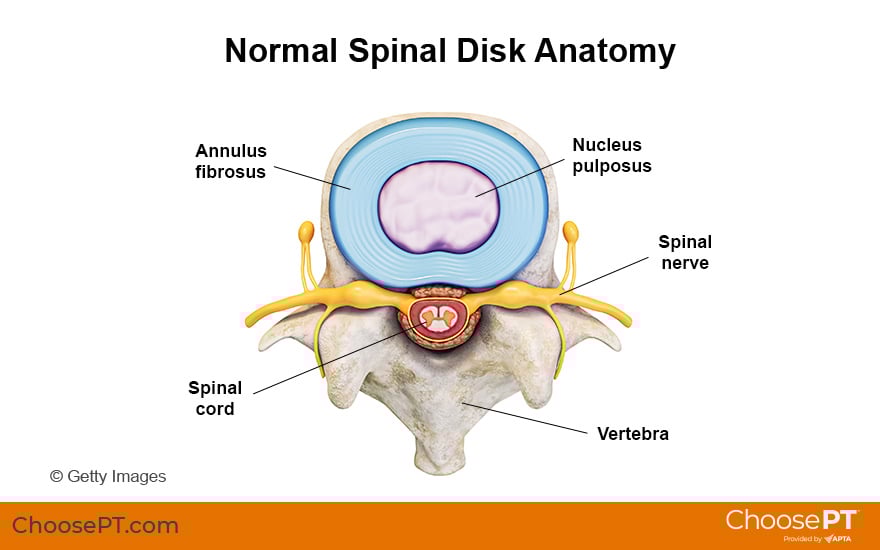
A herniated disc happens when the gel-like center of a spinal disc (nucleus pulposus) breaks through a tear in its outer ring (annulus fibrosus) and presses on a nearby spinal nerve. The result is often sciatica — radiating pain, numbness, or weakness that travels from your lower back into your leg. At Trinity Rehab in Cherry Hill, we specialize in one-on-one physical therapy that treats the root cause of your herniation, not just the symptoms, so you can return to your active South Jersey lifestyle without surgery or long-term medication use.
WHY GETTING TREATMENT MATTERS IN CHERRY HILL
Cherry Hill is a community built around activity. Parents shuttle kids between lacrosse fields and the XL Sports World indoor facility. Professionals commute to Center City Philadelphia or drive I-295 to corporate offices. Retirees walk the Barclay Farmstead trails and tend the large suburban yards that define this 24-square-mile township.
With a balanced demographic — roughly 20 percent under 18 and 21 percent over 65 — Cherry Hill spans the full range of disc herniation risk factors. Young athletes are vulnerable to acute injuries from contact sports, while adults in the 30-to-50 age range face the highest herniation rates due to cumulative disc wear. The township’s high median household income ($121,500) reflects a community of professionals who spend hours sitting at desks, compounding the spinal pressure from their active weekends.
Untreated lumbar disc herniations can lead to chronic back pain, progressive leg weakness (radiculopathy), disrupted sleep, and reduced ability to work or exercise. But research from StatPearls (NCBI) shows that 85 to 90 percent of acute cases resolve without surgery. Physical therapy accelerates recovery and significantly reduces the risk of recurrence.
WHAT CAUSES LUMBAR DISC HERNIATION IN CHERRY HILL
- Youth and adult sports — Cherry Hill’s robust sports culture (soccer, lacrosse, football, wrestling, field hockey) involves the twisting, cutting, and impact forces that stress lumbar discs at the L4-L5 and L5-S1 levels.
- Golf and tennis rotation — The repetitive trunk rotation at Green Valley Tennis Club and local golf courses creates asymmetric shear forces on spinal discs, especially in players who skip warm-ups.
- Prolonged commuting — The daily drive to Philadelphia, Camden, or office parks along the I-295 corridor means hours of sitting, which increases intradiscal pressure by up to 40 percent.
- Warehouse and retail work — Distribution centers along Route 38, Costco, and Amazon fulfillment roles involve repetitive heavy lifting that compounds disc wear over months and years.
- Yard work on large lots — Cherry Hill’s spacious suburban properties mean hours of mowing, raking, and garden work — activities that involve repeated forward bending with poor body mechanics.
- Age-related degeneration — Spinal discs lose hydration and elasticity starting in your 30s, making the annulus fibrosus increasingly vulnerable to tears from forces that once would have been harmless.
- Genetic factors — Some people inherit thinner disc structures, increasing herniation risk even with moderate physical demands.
RECOGNIZING THE SYMPTOMS
Disc herniation symptoms in the lumbar spine vary by location and severity:
- Sharp or burning pain radiating from the low back through the buttock and down the leg
- Numbness or tingling in the calf, foot, or toes following a specific nerve pathway
- Weakness in the leg or foot that makes pushing off during walking or climbing stairs difficult
- Pain that worsens while sitting, bending forward, sneezing, or coughing
- Lower back stiffness, particularly after rest or upon waking
- Improvement when lying down or taking short walks
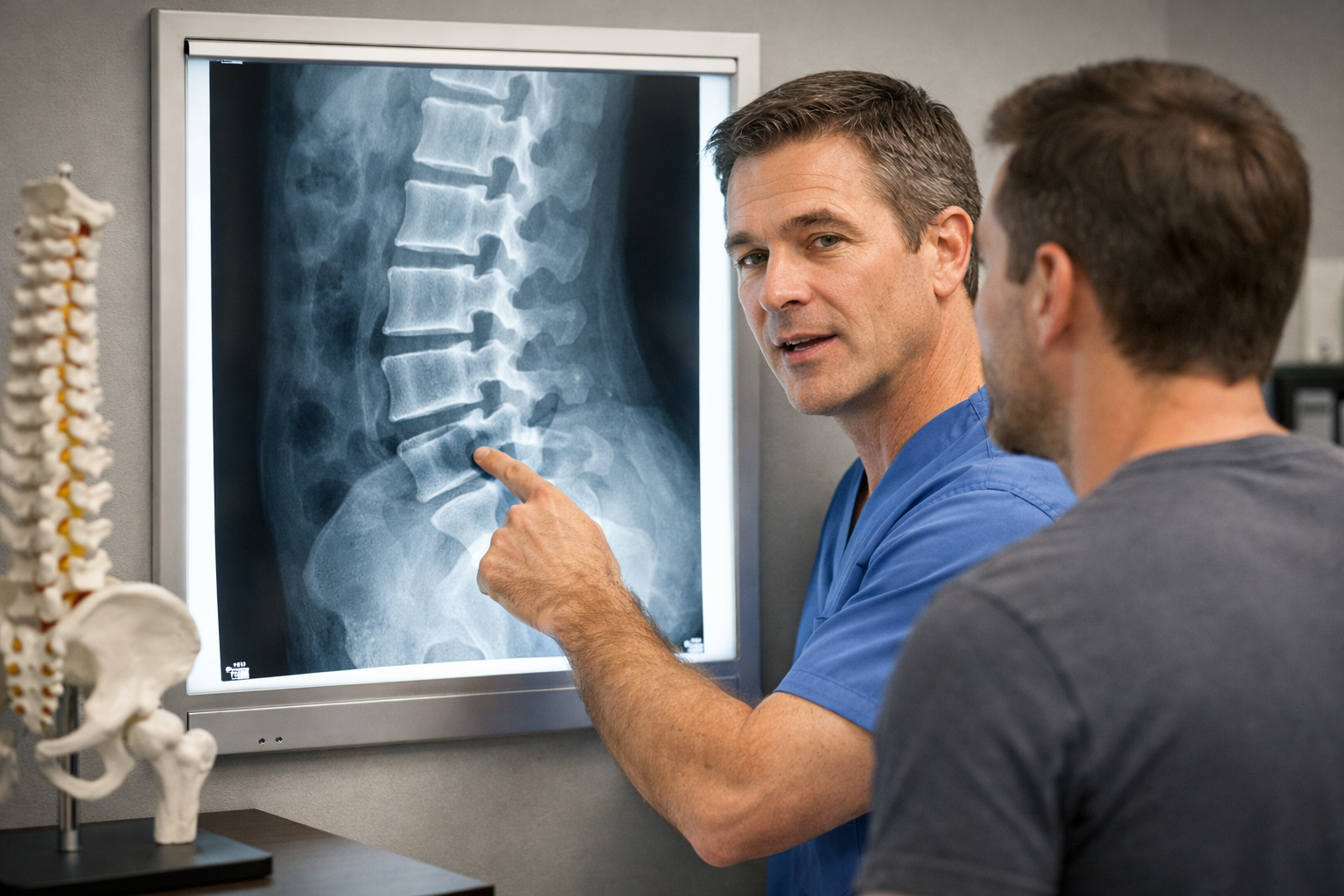
Imaging alone does not determine your treatment. Many people have disc herniations on MRI with no symptoms at all. Your therapist evaluates how you move, where your pain occurs, and what functional limitations you face to build the right plan.
HOW TRINITY REHAB CHERRY HILL TREATS LUMBAR DISC HERNIATION
Every session at Trinity Rehab is one-on-one with a licensed physical therapist. Your plan is designed around your specific herniation, your pain patterns, and the Cherry Hill activities you want to return to.
MANUAL THERAPY AND JOINT MOBILIZATION
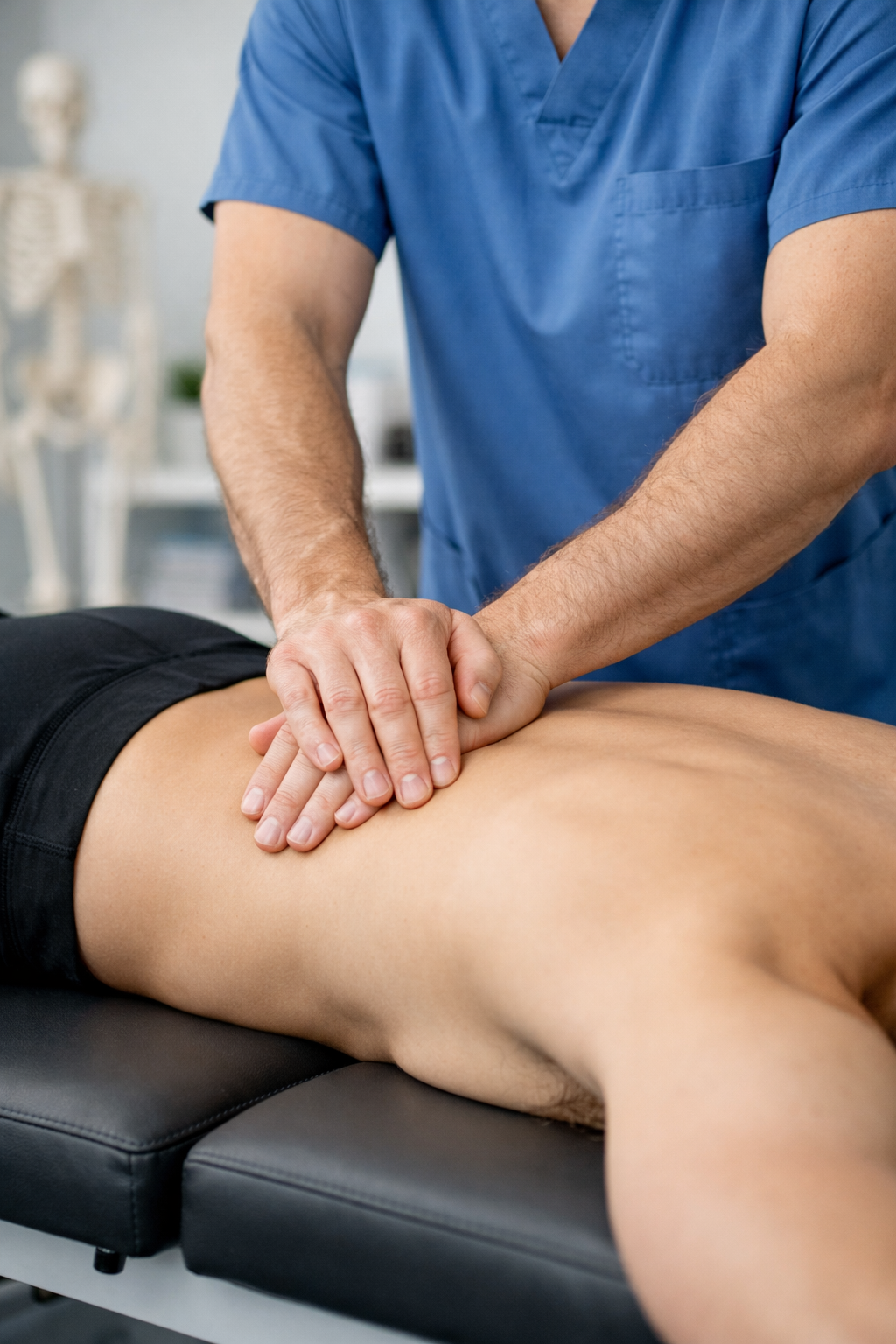
Hands-on manual therapy is a cornerstone of our approach. Your therapist uses targeted joint mobilization, soft tissue massage, and spinal manipulation techniques to reduce muscle spasm, restore segmental mobility, and improve blood flow to the injured disc area. For Cherry Hill patients who arrive with severe protective guarding and limited range of motion, manual therapy often provides noticeable relief within the first few visits.

DIRECTIONAL PREFERENCE AND THE MCKENZIE METHOD
The McKenzie Method identifies the specific directions of movement that centralize your pain — meaning they move symptoms away from the leg and back toward the spine’s center. For most lumbar herniations, extension-based exercises are the key. Your therapist teaches you a series of repeatable movements you can perform at home, at the office, or even during a break on your commute.
CORE STABILIZATION AND FUNCTIONAL STRENGTHENING
Weak deep core muscles — the transverse abdominis, multifidus, and pelvic floor — leave your lumbar discs unprotected during everyday movements. Your treatment plan systematically rebuilds this muscular support system:
- Segmental stabilization exercises targeting the muscles closest to your spine
- Hip and gluteal strengthening to offload the lower back during walking, stair climbing, and sports
- Progressive challenges that advance from controlled holds to dynamic, functional movements — lifting a child, swinging a golf club, carrying bags from the car
- Hamstring and hip flexor stretching to correct pelvic alignment and reduce disc compression
NEURAL MOBILIZATION
When a herniated disc compresses the sciatic nerve, the nerve itself can become adhered to surrounding tissue. Nerve gliding (flossing) techniques gently restore the nerve’s ability to slide freely, reducing radiating pain and restoring sensation. This is especially important for Cherry Hill patients dealing with numbness or tingling that extends into the foot.
ADVANCED MODALITIES
- Dry needling — Thin filament needles release deep trigger points in the lumbar paraspinals and gluteal muscles, reducing chronic tension that standard stretching may not reach.
- EPAT / Shockwave Therapy — Extracorporeal Pulse Activation Technology stimulates blood flow and accelerates tissue healing in patients who have plateaued with traditional approaches.
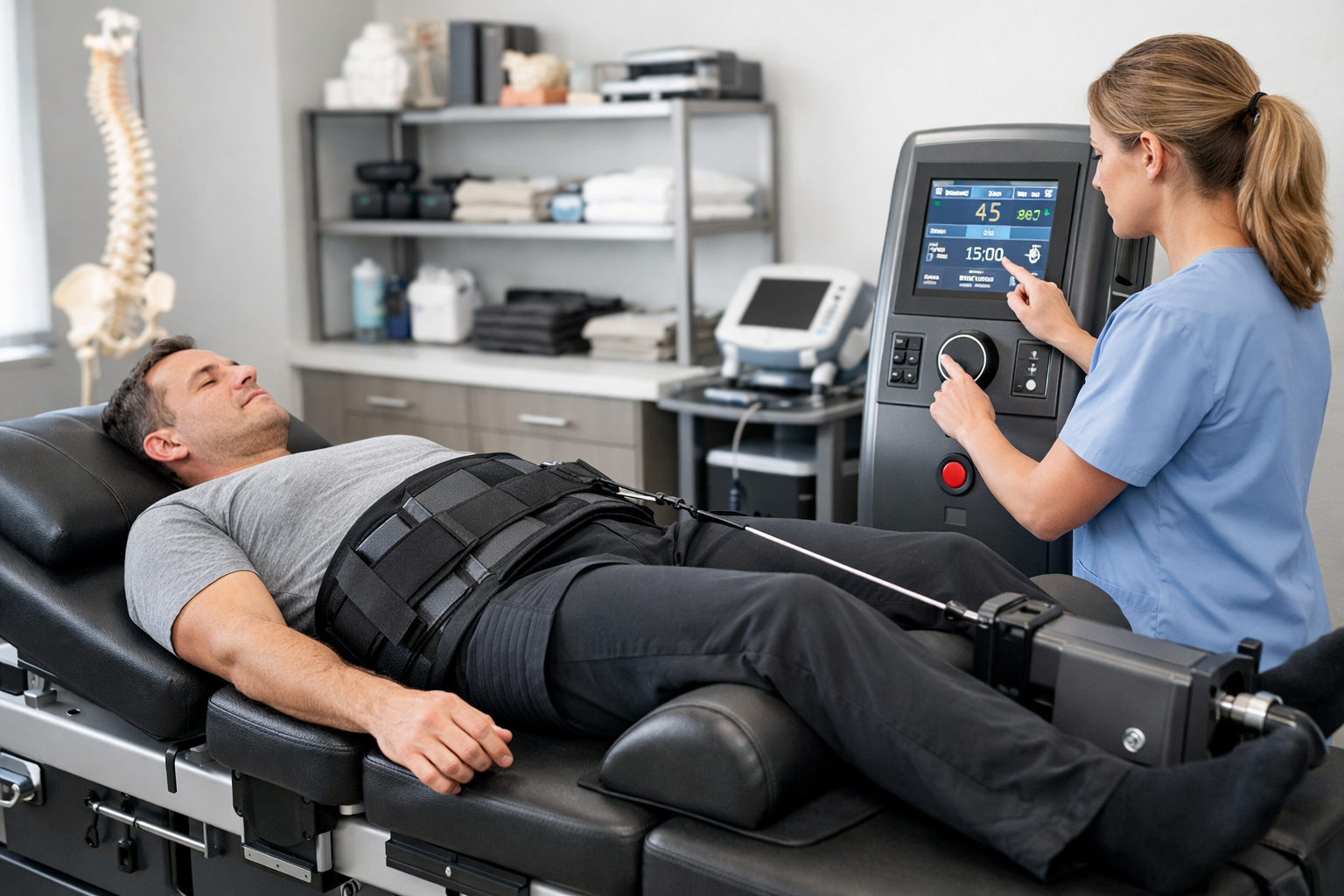
- Traction and decompression — Mechanical or manual traction gently separates vertebral segments, reducing intradiscal pressure and creating space for the herniated material to recede.
RETURN-TO-ACTIVITY PROGRAMMING
Before you are cleared to return to soccer at Challenge Grove, tennis at Green Valley, or your regular gym routine, your therapist runs you through sport-specific and work-specific drills that test your spine under realistic conditions. You also receive a home exercise program designed to maintain your strength and flexibility long after your final session.
PREVENTING RECURRENCE: A CHERRY HILL LIFESTYLE GUIDE
- Maintain your core exercises — Continue your stabilization routine at least three times per week. The Cherry Hill Health & Racquet Club, township rec programs, and home-based circuits all work.
- Use smart lifting form — Bend at the hips and knees, hold the load close, and never twist while lifting. This applies to grocery bags, sports equipment, and yard tools.
- Break up your commute — If you drive to Philadelphia or ride NJ Transit daily, use a lumbar support cushion and stand to stretch at every opportunity.
- Walk the trails — Barclay Farmstead, Croft Farm, and the Cooper River path offer flat, accessible walking routes that keep your discs hydrated and your muscles engaged.
- Keep a healthy weight — Excess abdominal weight shifts your center of gravity forward and increases disc compression.
- Incorporate spinal mobility exercises — Standing extension stretches, Cat-Cow, and Half Cobra help maintain disc space and prevent stiffness.
WHY CHERRY HILL FAMILIES CHOOSE TRINITY REHAB
- True one-on-one care — Every minute of your session is spent with a licensed physical therapist, not an aide or tech.
- Evidence-based treatment — We combine McKenzie Method, manual therapy, dry needling, and EPAT based on the latest clinical evidence.
- South Jersey convenience — Our Cherry Hill clinic is easily accessible from Routes 70 and 38, and I-295, making it simple to fit sessions into your schedule.
- Insurance-friendly — We accept most major plans and are upfront about your costs before treatment begins.
- Community commitment — We have helped thousands of Camden County residents recover from disc herniations and return to the sports, jobs, and family activities that matter most.
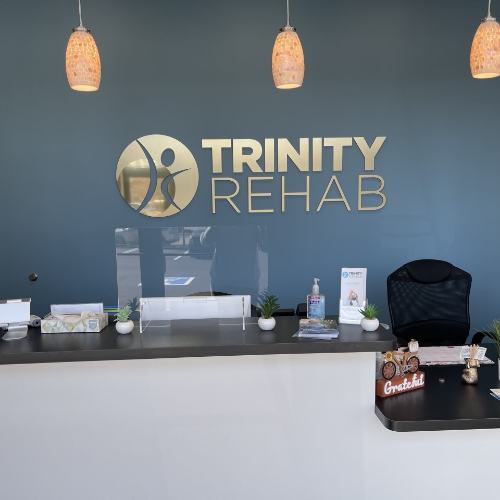
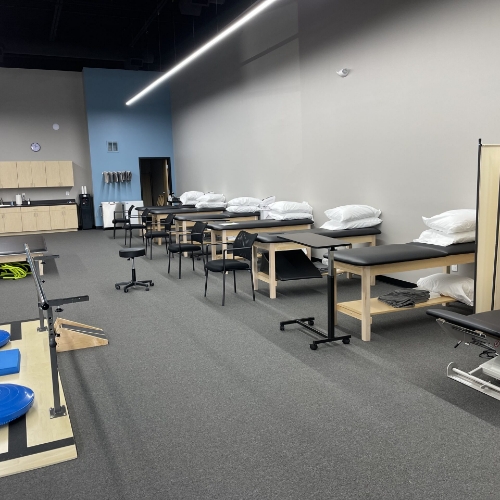
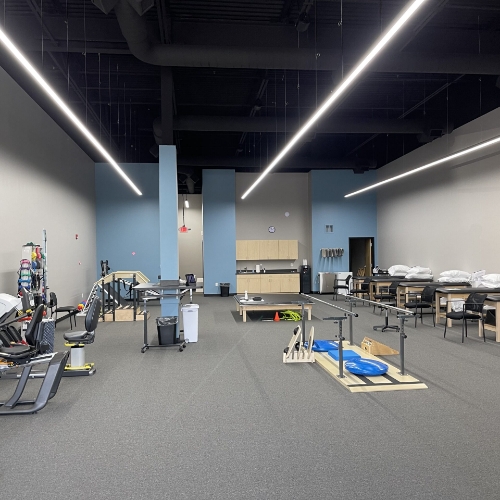
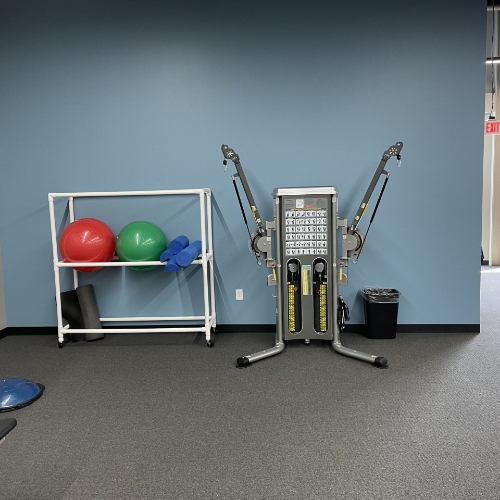
INSIDE OUR CHERRY HILL CLINIC
Our Cherry Hill clinic is at 801 Haddonfield Road, Cherry Hill, NJ 08002. View Cherry Hill clinic hours, photos and contact details, or get directions to Trinity Rehab Cherry Hill.
RELATED CONDITIONS & TREATMENTS
Lumbar disc herniation is just one of the many conditions we treat at Trinity Rehab Cherry Hill. Explore our full range of conditions we treat or learn more about specific treatment approaches:
FREQUENTLY ASKED QUESTIONS
Can a herniated disc heal on its own?
How soon after my injury should I start PT?
Will I be able to play sports again?
Is Cherry Hill’s Trinity Rehab close to major roads?
What if I have been dealing with back pain for months?
GETTING BACK TO WHAT MATTERS
A lumbar disc herniation can sideline you from everything that makes life in Cherry Hill enjoyable — your weekend tennis games, the walk through Croft Farm with your family, the energy to keep up with your kids’ sports schedules. But with targeted, evidence-based physical therapy, most patients recover completely.
At Trinity Rehab, your recovery is personal. We build your plan around your goals and guide you every step of the way.
YOUR NEXT STEPS
- Request an appointment at Trinity Rehab Cherry Hill — walk-ins welcome, or schedule online.
- Complete your one-on-one evaluation — your therapist assesses your pain, movement, and goals.
- Start your treatment plan — most patients feel improvement within the first few sessions.
No referral needed in New Jersey. Contact Trinity Rehab today.
Sources:
What Our Patients Say



Sign up for free health tips and tricks