
ROTATOR CUFF INJURY TREATMENT IN WARREN, NJ
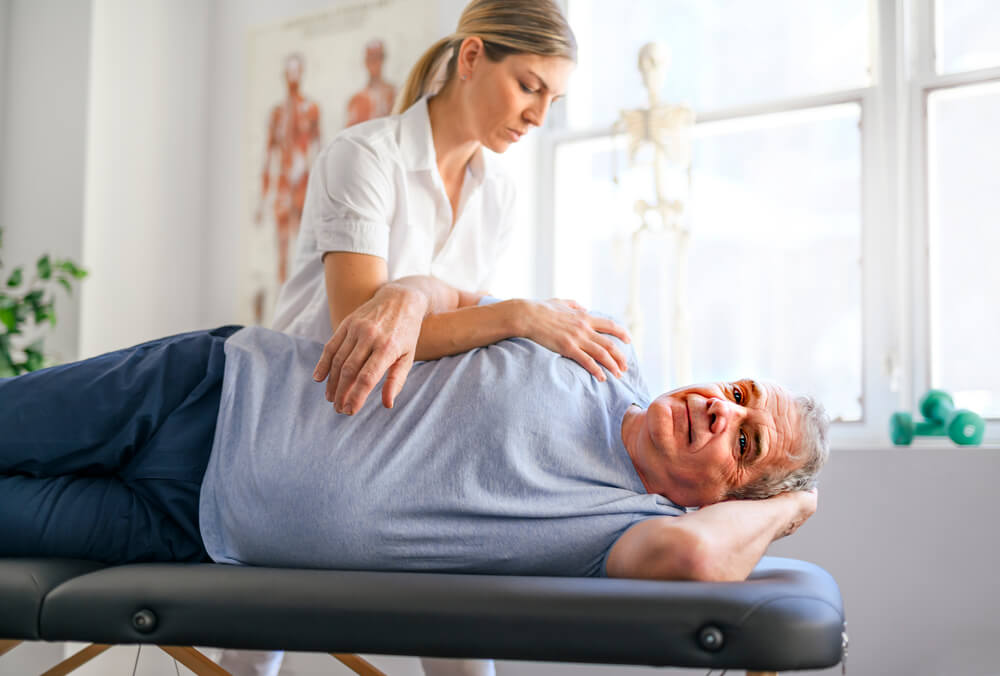
Living Active in the Watchung Mountains Means Your Shoulders Work Hard
Warren Township sits along the Second Watchung ridge, and residents here make the most of it. You might spend a Saturday morning hiking the nature trails at East County Park, follow it with a round at Warrenbrook Golf Course, and cap the weekend with doubles at Warren Health & Racquet Club. Between the rolling terrain of Glenhurst Meadows and the meadow paths winding through Wagner Farm Arboretum, shoulders in this community rarely get a day off.
That active, outdoor-driven lifestyle is one of the things that makes Warren such a rewarding place to live — but it also puts real demands on the rotator cuff. When shoulder pain starts interfering with your backhand, your golf swing, or even your ability to reach for a seatbelt, it is time to understand what is happening inside the joint and what you can do about it.
At Trinity Rehab, we treat rotator cuff injuries for Warren residents every week — from Watchung Hills Regional High School athletes recovering mid-season to corporate professionals at PTC Therapeutics and Aquestive Therapeutics who spend long hours at a desk and notice a deep ache creeping into the shoulder after months of poor posture. Our phase-based rehabilitation approach is designed to meet you exactly where you are and move you steadily back to full function.
Understanding the Rotator Cuff: What It Is and Why Injuries Matter
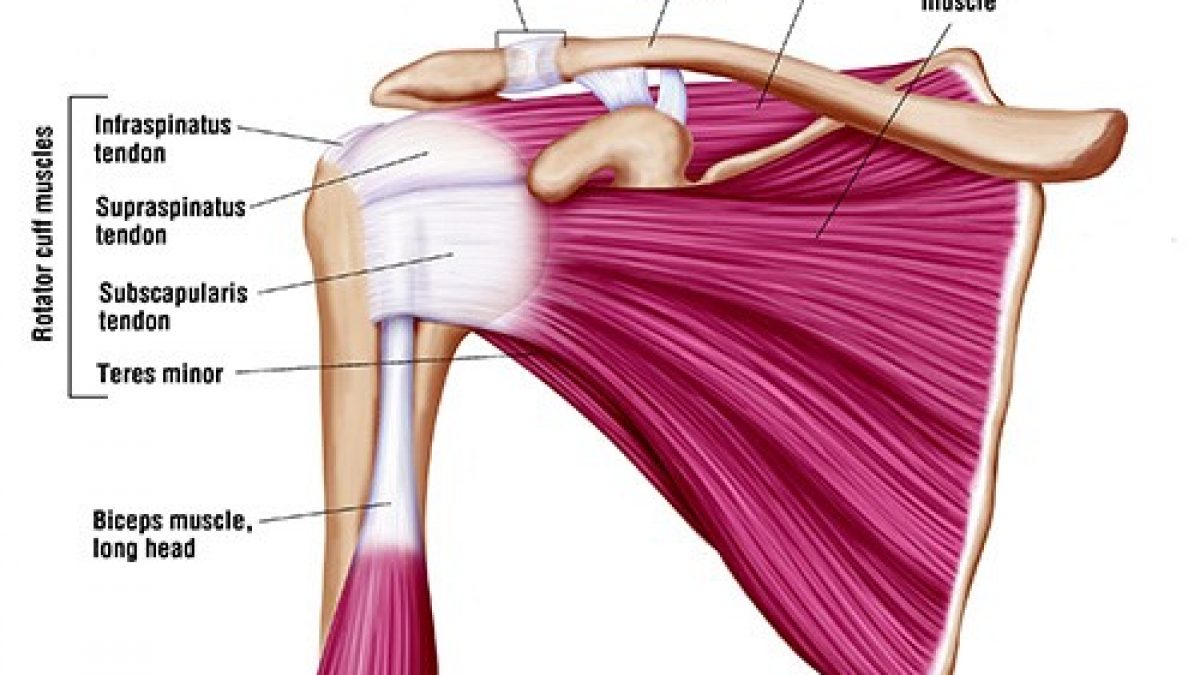
Your rotator cuff is a group of four muscles and their tendons — the supraspinatus, infraspinatus, teres minor, and subscapularis — that stabilize the head of the humerus in the shallow socket of the glenohumeral joint. Together, they allow you to lift, rotate, and stabilize your arm through a wide range of motion.
Because this joint trades bony stability for mobility, the rotator cuff bears a disproportionate share of the load. Over time or after a traumatic event, the tendons can become irritated, partially torn, or fully torn. The clinical spectrum includes:
- Rotator cuff tendinopathy — chronic irritation and degeneration of tendon fibers, often in the supraspinatus
- Partial-thickness tears — damage that extends partway through the tendon
- Full-thickness tears — a complete disruption of the tendon, sometimes requiring surgical consultation
- comprehensive rotator cuff treatment
Left untreated, even mild shoulder pain can progress. The body compensates by shifting load to surrounding muscles, which creates secondary problems in the neck, upper back, and scapular region. Early intervention with physical therapy is the evidence-based first-line treatment, and in New Jersey you have direct access — meaning you can begin treatment without a physician referral.
Common Causes of Rotator Cuff Injuries in Warren
Warren’s demographics and lifestyle create a specific pattern of rotator cuff injuries that we see regularly in our clinic.
Tennis and Racquet Sports
Warren Health & Racquet Club and Round Top Swim & Tennis Club keep this community on the court year-round. The repetitive overhead motion of serving, combined with the sudden deceleration of a backhand volley, places enormous eccentric load on the infraspinatus and supraspinatus. Recreational players who ramp up court time in spring — or who push through early soreness to stay competitive in a club ladder — are particularly vulnerable to tendinopathy that gradually worsens.
Golf
Warrenbrook Golf Course is a staple of weekend life here, and the golf swing is deceptively hard on the shoulder. The lead arm’s rotator cuff controls the backswing, while the trail arm’s cuff absorbs force at impact. Golfers who play through Washington Valley’s hilly terrain add trunk rotation demands that amplify shoulder stress. We frequently treat Warren golfers whose “minor twinge” in April becomes a limiting injury by midsummer.
Corporate Desk Work and Prolonged Sitting
Warren’s economic base includes major employers — PTC Therapeutics, Aquestive Therapeutics, Bohler Engineering — concentrated along the Warren Corporate Center corridor. If you spend eight-plus hours at a desk with rounded shoulders and forward head posture, the supraspinatus tendon gets compressed in the subacromial space with every arm movement. This impingement-driven tendinopathy is one of the most common work injuries we treat, and it often surprises patients who associate rotator cuff problems only with athletics.
Trail Hiking and Outdoor Recreation
Navigating the uneven terrain at East County Park or scrambling along the Passaic River trails at Glenhurst Meadows involves more shoulder work than most people realize — catching yourself on a stumble, carrying a daypack, or keeping a dog leashed on the dog park loop. A single awkward fall with an outstretched arm can cause an acute partial tear, especially in residents over 40 whose tendons have begun to show age-related changes.
High School Athletics
Watchung Hills Regional High School sends Warriors into baseball, swimming, and volleyball — all overhead-dominant sports. Young athletes are susceptible to rotator cuff strain when training volume increases suddenly, and adolescent shoulders are still developing the scapular stability needed to handle repetitive overhead loading. We work closely with student athletes to get them back on the field safely, using return-to-sport criteria rather than arbitrary timelines. Learn more about how we approach sports injuries.
Recognizing Rotator Cuff Injury Symptoms
You should seek evaluation if you notice any of the following:
- A dull ache deep in the shoulder that worsens at night, especially when lying on the affected side
- Pain when reaching overhead — putting dishes away, washing your hair, or serving a tennis ball
- Weakness when lifting or rotating the arm, such as difficulty carrying grocery bags or fastening a seatbelt
- A catching or clicking sensation during shoulder movement
- Progressive loss of range of motion, making it harder to reach behind your back
- Sharp pain with sudden movements — a quick grab for a falling object or bracing during a stumble on the trail
If these symptoms sound familiar, do not wait for them to resolve on their own. Rotator cuff injuries rarely self-correct, and delaying treatment typically means a longer rehabilitation timeline.
Our Phase-Based Treatment Approach
At Trinity Rehab, we use a phase-based rehabilitation protocol that progresses based on your tissue healing, pain levels, and functional milestones — not a rigid calendar. Every session is one-on-one with a licensed physical therapist who knows your case and your goals.
Phase 1: Pain Relief and Protected Mobility (Weeks 1-3)
The first priority is reducing pain and preventing further tissue irritation while maintaining as much shoulder mobility as possible.
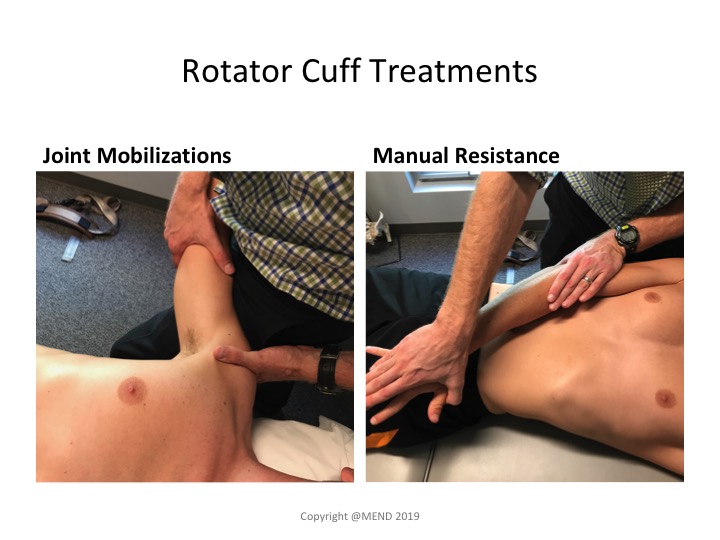
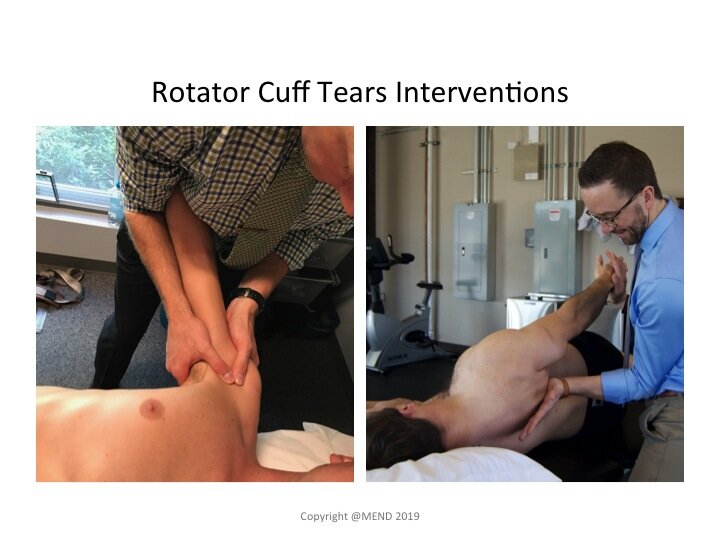
- Manual therapy — Your therapist uses hands-on joint mobilizations of the glenohumeral joint and soft tissue techniques targeting the posterior capsule, upper trapezius, and pectoral muscles. For Warren’s desk workers, we often find significant restriction in thoracic spine mobility that must be addressed simultaneously.
- Dry needling — Trigger points in the infraspinatus and upper trapezius are common contributors to referred shoulder pain. Dry needling can produce rapid pain relief and restore muscle activation patterns that have been inhibited by chronic guarding.
- Gentle range of motion exercises — Pendulum movements, assisted flexion, and external rotation with a dowel help maintain joint nutrition and prevent adhesive capsulitis without stressing healing tissue.
- Scapular positioning education — We teach you how to set and stabilize the scapula during everyday tasks — critical for Warren residents returning to desk work, where slouched posture feeds the cycle of impingement.
- Activity modification guidance — We help you stay active without aggravating your shoulder. That might mean switching from overhead serves to slice serves temporarily, adjusting your golf grip, or reorganizing your workstation ergonomics.
Phase 2: Progressive Strengthening (Weeks 3-8)
Once pain is controlled and baseline mobility is restored, we shift focus to rebuilding the strength and endurance of the rotator cuff and its supporting musculature.
- Eccentric loading programs — Eccentric exercises — where the muscle lengthens under load — are the gold standard for tendinopathy rehabilitation. Controlled eccentric external rotation and lowering drills stimulate tendon remodeling at the cellular level.
- Scapular stabilization — Exercises targeting the lower trapezius, serratus anterior, and rhomboids restore the scapulohumeral rhythm that keeps tendons tracking properly. This is especially important for tennis and volleyball players whose overhead mechanics depend on a stable scapular platform.
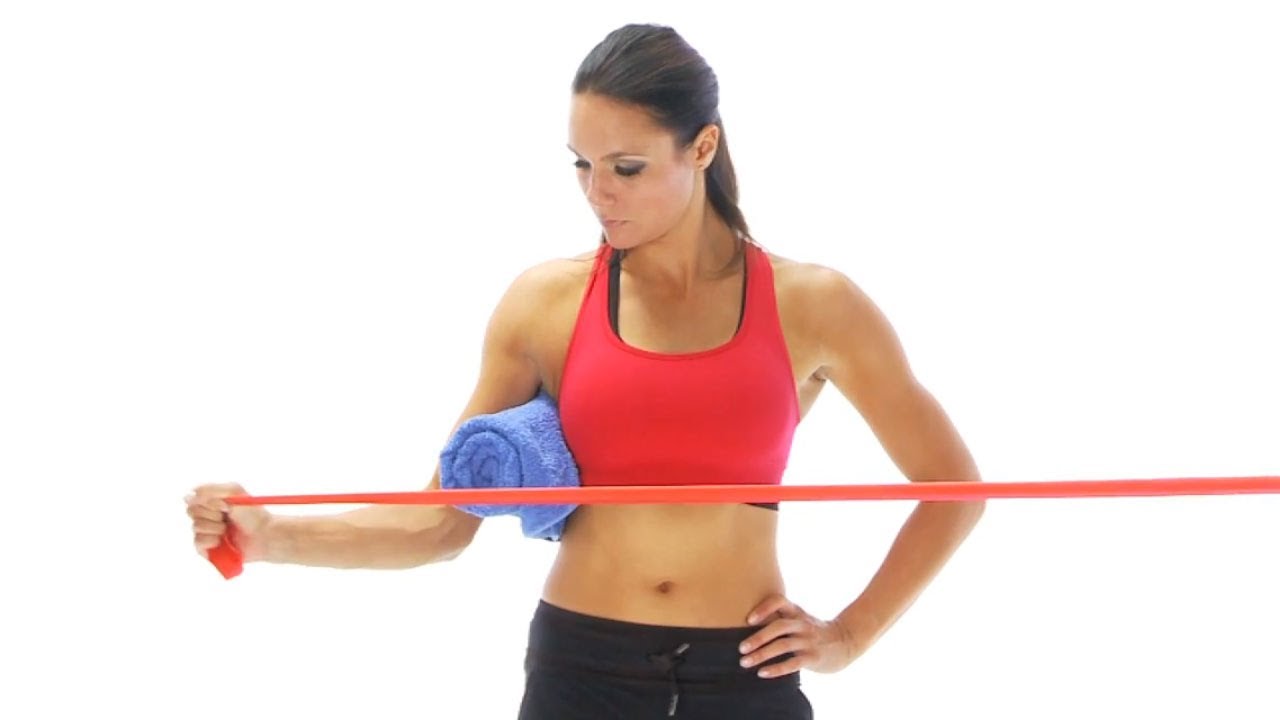
- Rotator cuff isolation — Side-lying external rotation, prone horizontal abduction, and banded internal rotation drills progressively load the supraspinatus, infraspinatus, teres minor, and subscapularis through their functional arcs.
- EPAT/Shockwave therapy — For persistent tendinopathy that responds slowly to exercise alone, extracorporeal pulse activation technology (EPAT) delivers acoustic pressure waves to the tendon, promoting blood flow and accelerating repair. This is especially valuable for Warren patients whose active lifestyles make prolonged rest impractical.
- Kinetic chain integration — Your shoulder does not work in isolation. We incorporate hip, core, and thoracic spine exercises that reflect the full-body demands of your activities — whether that is a golf swing, a kayak stroke on the Passaic River, or carrying equipment across the athletic fields at East County Park.
Phase 3: Functional Recovery and Return to Activity (Weeks 8-12+)
The final phase bridges the gap between clinical strength and real-world performance.
- Sport-specific and activity-specific drills — For our Warrenbrook golfers, we integrate simulated swing patterns with resistance. For Warren Health & Racquet Club tennis players, we progress through serving mechanics with video feedback. For Watchung Hills swimmers, we work on catch-phase shoulder stability in sport-relevant positions.
- Plyometric and power training — Medicine ball throws, rapid band work, and reactive stabilization drills prepare the shoulder for the unpredictable demands of daily life and athletics.
- Return-to-sport and return-to-work testing — We use objective strength ratios, range of motion benchmarks, and functional movement screens before clearing you for full activity. This protects the investment you have made in rehabilitation.
- Home exercise program refinement — By this phase, you will have a well-practiced maintenance program designed around your schedule. Many Warren patients integrate these exercises into routines at home or at Warren Health & Racquet Club’s fitness center.
Most rotator cuff rehabilitation programs run 6 to 12 weeks at a frequency of two to three sessions per week, though the exact timeline depends on injury severity and your individual healing response.
Preventing Rotator Cuff Injuries: Tips for Warren Residents
Given the demands of life in this community, proactive shoulder care is worth the effort.
- Warm up before activity. Five minutes of band pull-aparts, wall slides, and arm circles before a round at Warrenbrook or a match at the racquet club can significantly reduce injury risk.
- Strengthen the posterior cuff. External rotation and prone Y-T-W exercises two to three times per week build the endurance your rotator cuff needs for repetitive overhead and rotational activities.
- Address desk ergonomics. If you work at one of Warren’s corporate campuses, position your monitor at eye level, keep your elbows at 90 degrees, and take movement breaks every 45 minutes. Small adjustments prevent the postural creep that leads to impingement.
- Progress training gradually. Whether you are ramping up for tennis season, increasing your hiking mileage through the Watchung Mountains, or training for a swim event, follow the 10-percent rule for weekly volume increases.
- Listen to early warning signs. Night pain, morning stiffness, and aching after activity are signals — not inconveniences to push through.
Why Warren Residents Choose Trinity Rehab
- One-on-one care, every session. You will never be rotated between therapists or left to exercise alone on a mat. Your therapist is with you the entire visit.
- Direct access in New Jersey. You do not need a physician referral to begin. Call or book online, and we can often see you within days.
- Locally informed treatment. We understand the specific demands of Warren’s recreational landscape — from the golf course to the tennis courts to the corporate offices — and we design your rehab program accordingly.
- Advanced treatment options. Not every clinic offers dry needling, EPAT shockwave therapy, and specialized manual therapy under one roof. We do, because rotator cuff injuries often require a multimodal approach.
- Flexible scheduling. We know Warren’s commuters and professionals have demanding calendars. We offer appointment times designed to fit your life.
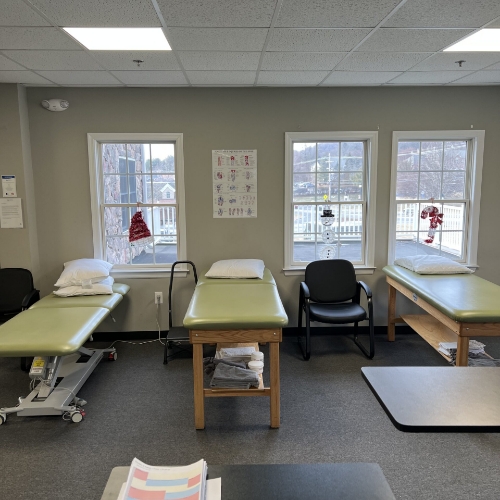
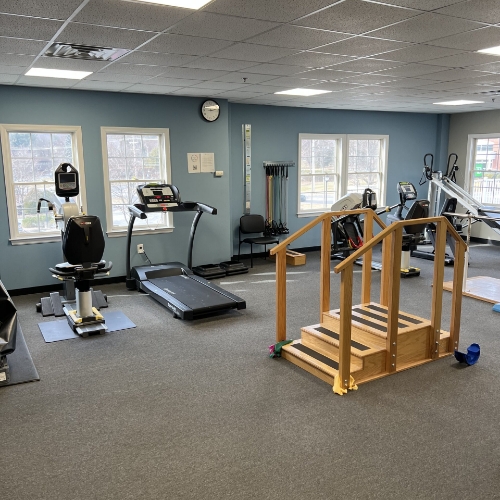
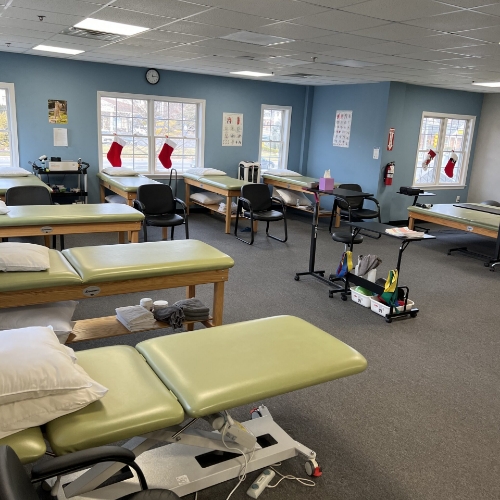
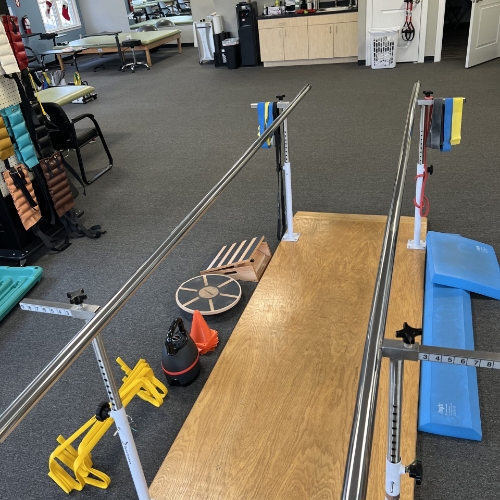
Inside Our Warren Clinic
Frequently Asked Questions
Where can I get rotator cuff treatment in Warren, NJ?
How long does rotator cuff rehab take?
Can I keep playing tennis or golf during rotator cuff treatment?
Do I need surgery for a rotator cuff tear?
What is the difference between rotator cuff tendinopathy and a tear?
Take the First Step Toward Recovery
Shoulder pain should not dictate what you can and cannot do in a community built for active living. Whether your rotator cuff injury started on the trails at Glenhurst Meadows, the courts at Round Top, or a desk chair at Warren Corporate Center, Trinity Rehab is ready to help you recover — thoroughly, safely, and on your schedule.
Schedule your appointment today and start your phase-based rotator cuff rehabilitation with a therapist who understands the demands of life in Warren.
Start Your Recovery in Warren Today
Don’t let shoulder pain hold you back. Schedule your evaluation at Trinity Rehab in Warren and take the first step toward a stronger, pain-free shoulder.
Related Conditions & Treatments
Rotator cuff injuries are just one of the many conditions we treat at Trinity Rehab Warren. Explore our full range of conditions we treat or learn more about specific treatment approaches:
What Our Patients Say



Sign up for free health tips and tricks