
ROTATOR CUFF INJURY TREATMENT IN UPPER DUBLIN, PA
Upper Dublin Township is one of Montgomery County’s most active communities. The Flying Cardinals swimmers brought home the 2025 AAA girls state championship, the courts at the Upper Dublin Sports Center stay packed with tennis and pickleball players, and golfers at North Hills Country Club hit the links year-round. Add in youth baseball through the Upper Dublin Junior Athletic Association and professionals logging long hours at the Fort Washington Office Park, and you have a community that places serious, repetitive demands on its shoulders.
When that demand catches up with you — limiting your ability to swim laps, serve a tennis ball, or even reach for a file on a high shelf — a rotator cuff injury may be to blame. With the right [physical therapy](https://trinity-rehab.com/physical-therapy-treatments/physical-therapy/) program, most rotator cuff injuries heal without surgery. At Trinity Rehab, we provide one-on-one treatment designed around the specific demands of your life in Upper Dublin — whether you are a competitive swimmer, a desk-bound Toll Brothers professional, or a weekend warrior.
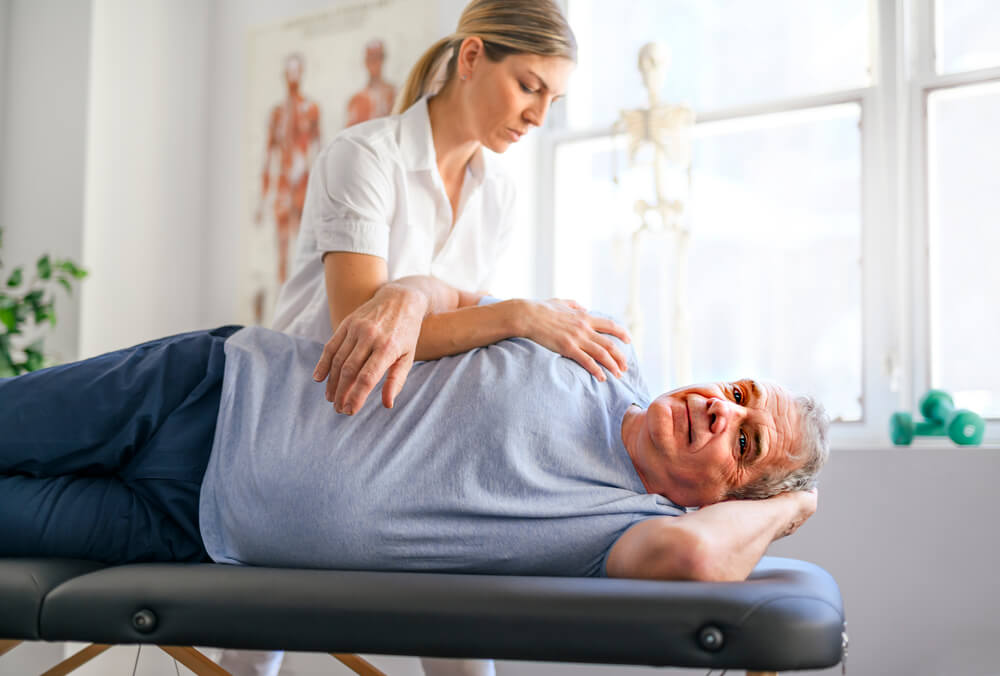
Understanding Your Rotator Cuff and Why Treatment Matters
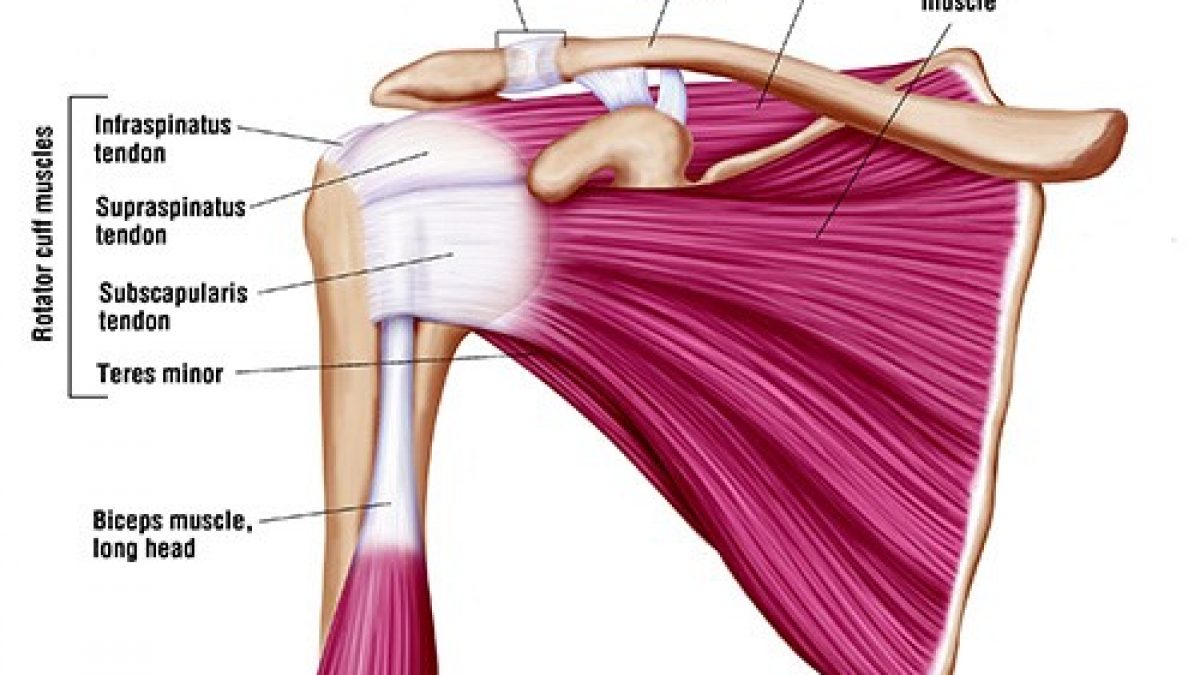
The rotator cuff is a group of four muscles and tendons — the supraspinatus, infraspinatus, teres minor, and subscapularis — that stabilize the glenohumeral joint and control shoulder movement. These muscles keep the head of your upper arm bone seated in the shallow socket of your shoulder blade, allowing you to lift, rotate, and reach with precision.
Rotator cuff injuries range from tendinopathy, where tendons become irritated and degenerate from repetitive use, to partial and full-thickness tears caused by a sudden fall, an awkward catch during a baseball game, or years of overhead activity. Without proper treatment, even mild tendinopathy can progress — range of motion decreases, compensatory patterns develop, and occasional stiffness becomes chronic shoulder pain that disrupts your sleep and daily life.
Physical therapy is the first-line treatment for the vast majority of rotator cuff injuries. Research shows that a structured rehab program produces outcomes comparable to surgery for many tears, with far less downtime and risk.
Note for Upper Dublin residents: Pennsylvania requires a physician referral before you can begin physical therapy. If you suspect a rotator cuff injury, schedule an appointment with your primary care doctor or an orthopedic specialist to obtain a referral. Once you have that referral in hand, you can book your first session with Trinity Rehab right away.
Common Causes of Rotator Cuff Injuries in Upper Dublin
Certain activities popular in our community put the shoulder at elevated risk.
Competitive Swimming and Diving
Upper Dublin has a deep swimming culture. The Flying Cardinals’ dominance in AAA competition — highlighted by the girls’ 2025 state championship — means hundreds of student athletes log thousands of yards each week. Freestyle, backstroke, and butterfly demand repetitive overhead arm motion, and the supraspinatus tendon bears the brunt. “Swimmer’s shoulder” is one of the most common forms of rotator cuff tendinopathy we treat, often presenting mid-season when training volume peaks.
Tennis, Pickleball, and Racquet Sports
The courts at the Upper Dublin Sports Center stay busy year-round, and the surging popularity of pickleball has only increased the number of players putting overhead and serving stress on their shoulders. The cocking and acceleration phases of a serve load the infraspinatus and teres minor heavily, and players who ramp up frequency without adequate conditioning are prime candidates for rotator cuff strain.
Golf
A round at LuLu Country Club or North Hills Country Club may feel low-impact, but the golf swing generates significant rotational force through the lead shoulder. Repetitive swings on the driving range, combined with the slightly unnatural mechanics that many recreational golfers develop, can create impingement and tendon irritation that worsens over time.
Corporate Desk Work and Office Ergonomics
Upper Dublin’s proximity to the Fort Washington Office Park and the Toll Brothers corporate headquarters means thousands of residents spend their workdays seated at desks with suboptimal posture. Rounded shoulders, a forward head position, and hours of mouse use create chronic tightness in the chest and anterior shoulder while weakening the posterior rotator cuff. This postural imbalance is a leading contributor to impingement syndromes and tendinopathy — a work injury that physical therapy can directly address.
Youth Sports Overuse
Between the Upper Dublin Junior Athletic Association’s baseball, basketball, and volleyball leagues and the high school’s competitive programs, young athletes here train intensely — sometimes year-round in a single sport. Overhead throwing in baseball and hitting in volleyball are particularly taxing on the developing shoulder, and without adequate rest, overuse injuries can develop in athletes as young as 13 or 14.
Recognizing Rotator Cuff Injury Symptoms
You should seek evaluation if you experience any of the following:
- A dull, aching pain deep in the shoulder, especially at night or when lying on the affected side
- Pain that worsens when you reach overhead, behind your back, or out to the side
- Weakness when lifting or rotating your arm — difficulty carrying groceries, reaching into a cabinet, or pulling on a seatbelt
- A catching or clicking sensation during shoulder movement
- Progressive loss of range of motion that makes it harder to get dressed, wash your hair, or participate in sports
- Sudden, sharp pain following a fall, collision, or forceful throw
- learn more about rotator cuff recovery
If these symptoms sound familiar, get a referral from your physician and schedule an appointment so we can identify the source and start treatment before the injury progresses.
How We Treat Rotator Cuff Injuries at Trinity Rehab
Every treatment program begins with a one-on-one evaluation where we assess your range of motion, strength, scapular mechanics, and functional movement patterns. From there, we build a program tailored to your goals — returning to the starting lineup for the Flying Cardinals, playing pain-free pickleball at the Sports Center, or getting through a full day at the office without shoulder discomfort.
Most programs run six to twelve weeks, two to three sessions per week. Here is how we structure your care.
Manual Therapy and Joint Mobilization
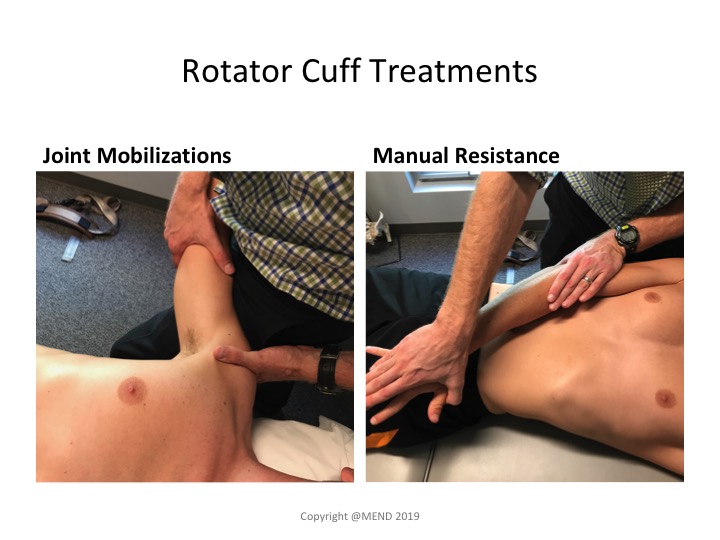
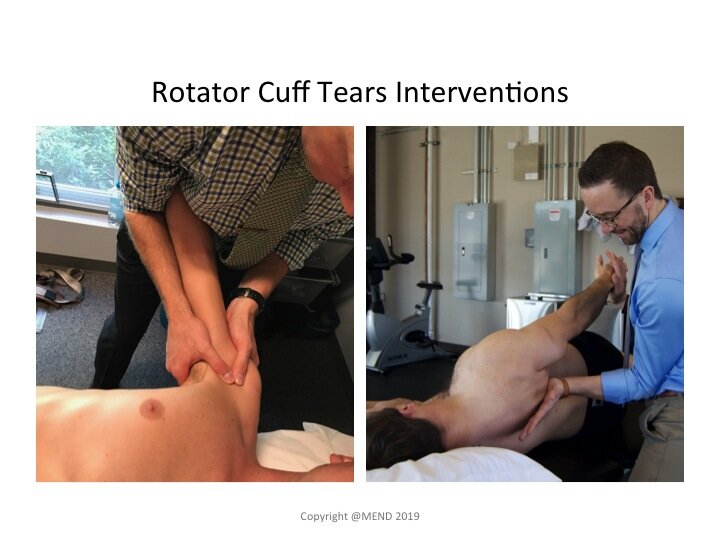
Manual therapy is often the starting point. Your therapist uses hands-on techniques — joint mobilization of the glenohumeral joint, soft tissue mobilization, and myofascial release — to restore mobility, reduce pain, and improve the mechanical environment of the shoulder before strengthening begins.
For Upper Dublin desk workers dealing with postural stiffness from long hours at the Fort Washington Office Park, manual therapy targeting the thoracic spine and pectoral muscles is especially important. Restoring mid-back extension takes pressure off the shoulder complex and allows the rotator cuff to function optimally.
Rebuilding Rotator Cuff Strength
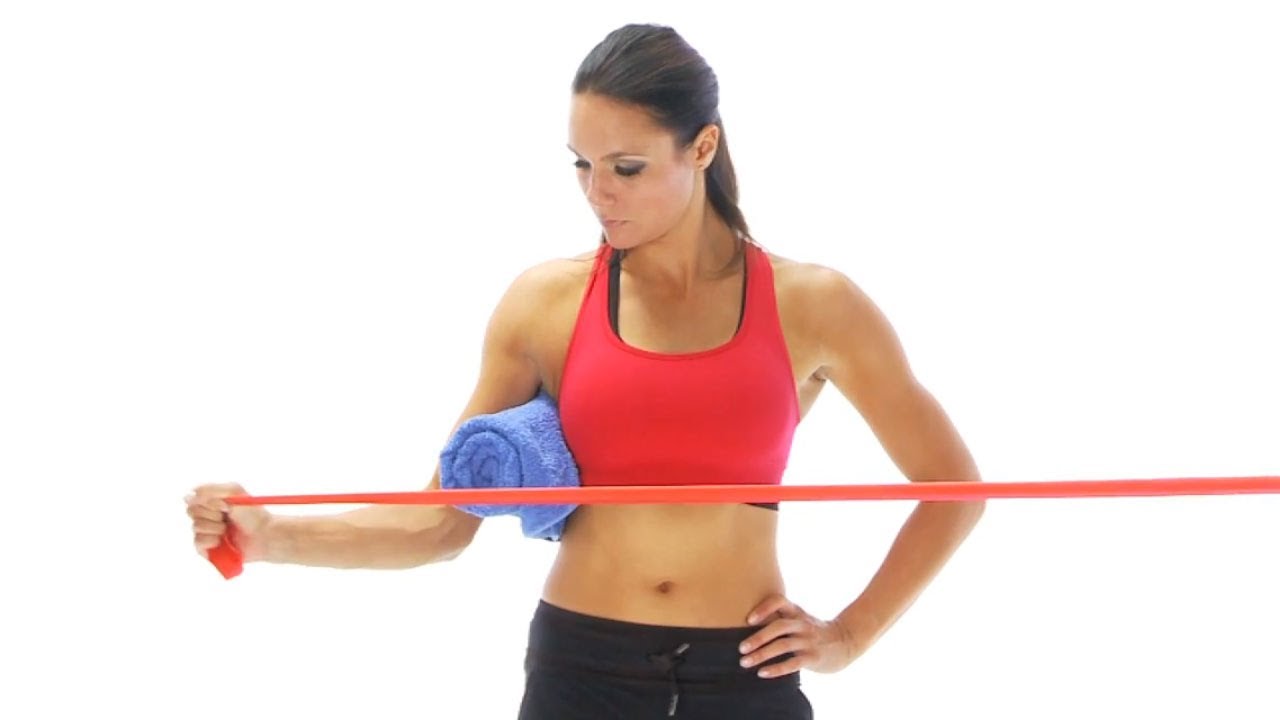
Progressive strengthening is the backbone of recovery. We begin with isometric exercises to engage the rotator cuff without aggravating the tendon, then advance through a program emphasizing eccentric loading — controlled lengthening of the muscle under tension. Eccentric exercises have strong research support for promoting tendon healing and building resilient tissue.
Scapular stabilization is integrated from the start. The scapula must move in coordinated rhythm with the humerus during every overhead motion, and weakness in the lower trapezius and serratus anterior is a root cause of many rotator cuff problems. We train these muscles in patterns that mirror your demands: the catch phase of a swim stroke, the serving motion of a tennis swing, the follow-through of a golf drive.
For student athletes in the Upper Dublin school district, we use age-appropriate loading progressions. A 15-year-old swimmer’s rehab program looks very different from a 50-year-old golfer’s.
Dry Needling for Persistent Tension
When trigger points or chronic tightness resist manual techniques alone, dry needling can provide a breakthrough. This technique uses thin, sterile filament needles inserted into myofascial trigger points to release tension, improve blood flow, and reduce pain.
Dry needling is particularly effective for the upper trapezius and infraspinatus — two muscles that commonly develop trigger points in swimmers, tennis players, and desk workers alike. Many Upper Dublin patients notice improved range of motion within a single session, allowing them to participate more fully in strengthening exercises.
EPAT Shockwave Therapy
For chronic rotator cuff tendinopathy that has not responded to conventional therapy — common among long-time tennis and pickleball players at the Upper Dublin Sports Center — EPAT (Extracorporeal Pulse Activation Technology) offers an advanced, non-invasive option.
EPAT delivers focused acoustic pressure waves to the injured tendon, stimulating cellular repair, increasing blood flow, and breaking down calcific deposits. The treatment requires no anesthesia, and when combined with a targeted exercise program, it can accelerate healing in tendons that have plateaued with exercise alone.
Sport-Specific Return to Play
Getting out of pain is only half the battle. Our goal is to return you to full, confident participation in the activities you love — and for Upper Dublin athletes, that means sport-specific programming in the final phase of rehab.
For competitive swimmers, we incorporate band-resisted stroke mechanics and progressive pool re-entry protocols. Baseball players in the Junior Athletic Association follow throwing progression programs with pitch count monitoring. Tennis and pickleball players work on serving mechanics and overhead stability. Golfers progress through swing-simulation exercises that build rotational power without compromising the healing cuff.
We coordinate with coaches, athletic trainers at Upper Dublin High School, and your referring physician to make sure the transition back to full activity is safe and sustainable.
Preventing Rotator Cuff Injuries
Whether you are training for the next swim season, logging miles on the trails at Twining Valley Park, or preparing for a company softball game at Veterans Memorial Park, these habits help protect your rotator cuff:
- Warm up before activity. Five to ten minutes of dynamic shoulder stretches prepares the rotator cuff for work.
- Strengthen the posterior shoulder. External rotation with a band, prone Y-T-W raises, and rows counterbalance the anterior-dominant postures of desk work and sports.
- Prioritize scapular control. Serratus anterior and lower trapezius strengthening should be part of every athlete’s routine.
- Manage training volume. Rapid spikes — doubling swim yardage, playing pickleball five days straight, hitting 200 balls at the range — overload the tendon faster than it can adapt.
- Address posture at work. If you sit at a desk at the Fort Washington Office Park or work from home, keep your monitor at eye level, elbows at 90 degrees, and take movement breaks every 30 to 45 minutes.
- Do not play through pain. Early intervention prevents minor irritation from becoming a significant tear.
Why Upper Dublin Residents Choose Trinity Rehab
- One-on-one care, every visit. You work directly with a licensed physical therapist for your entire session — no hand-offs to aides or technicians.
- Specialized shoulder expertise. Our therapists have advanced training in shoulder rehabilitation, including sports injury recovery and post-surgical protocols.
- Advanced modalities under one roof. From manual therapy and dry needling to EPAT shockwave therapy, you get evidence-based treatments without multiple referrals.
- Community connection. We understand Upper Dublin’s athletic programs, the ergonomic challenges of the local corporate workforce, and the active lifestyle that draws families here. Your treatment plan reflects where and how you live.
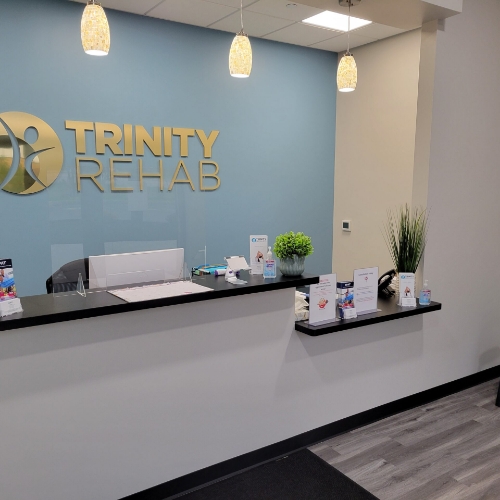
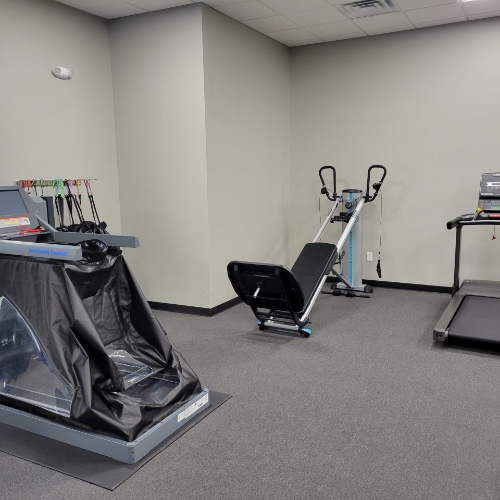
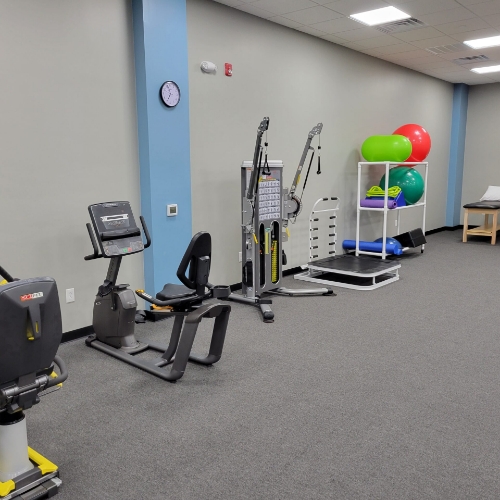
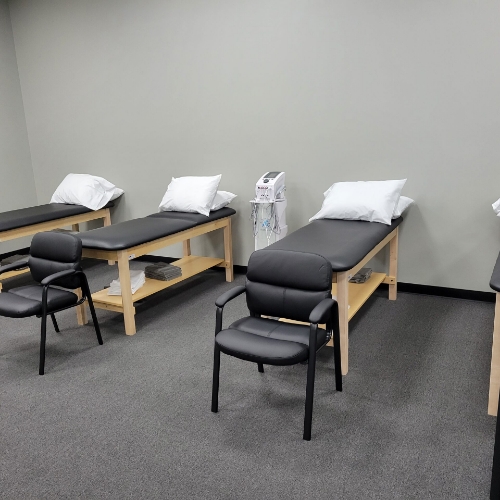
Inside Our Upper Dublin Clinic
Frequently Asked Questions
Where can I get rotator cuff treatment in Upper Dublin, PA?
How long does rotator cuff physical therapy take?
Can physical therapy heal a rotator cuff tear without surgery?
Do I need a referral to start physical therapy in Pennsylvania?
What should I expect at my first appointment?
Start Your Recovery Today
Shoulder pain does not have to keep you out of the pool at the Upper Dublin Community Pool, off the courts at the Sports Center, or struggling through your workday at Fort Washington. With the right treatment plan, you can recover fully and get back to the active life that makes living in Upper Dublin so rewarding.
Take the first step: get a referral from your physician and schedule your appointment with Trinity Rehab today. We are ready to build a recovery plan around your goals and your life.
Start Your Recovery in Upper Dublin Today
Don’t let shoulder pain hold you back. Schedule your evaluation at Trinity Rehab in Upper Dublin and take the first step toward a stronger, pain-free shoulder.
Related Conditions & Treatments
Rotator cuff injuries are just one of the many conditions we treat at Trinity Rehab Upper Dublin. Explore our full range of conditions we treat or learn more about specific treatment approaches:
What Our Patients Say



Sign up for free health tips and tricks