
ROTATOR CUFF INJURY TREATMENT IN SEWELL, NJ
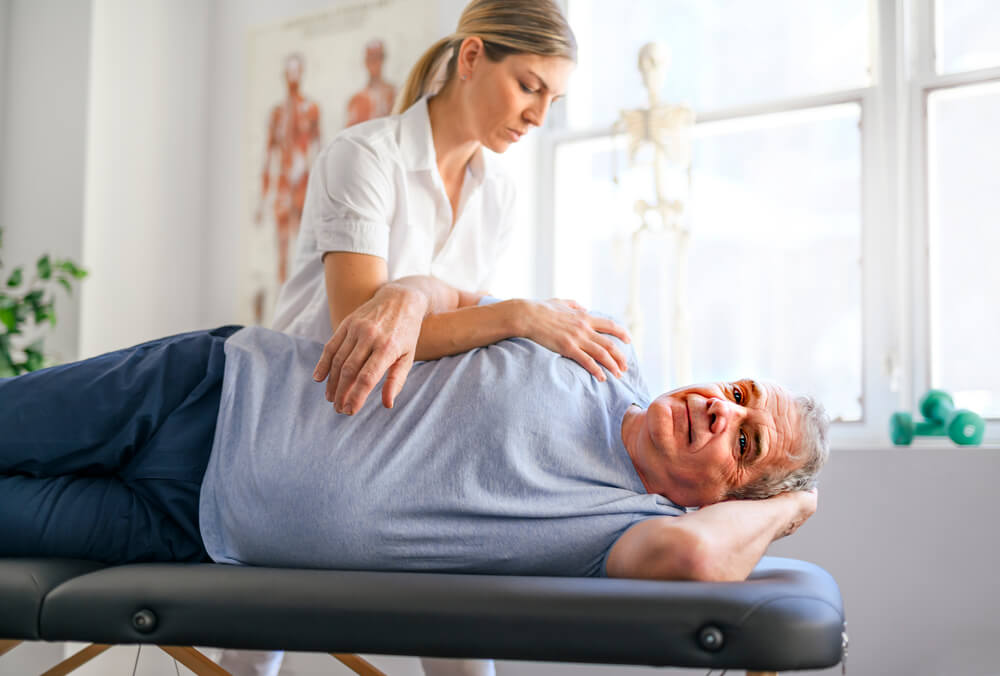
Your Shoulder Pain Shouldn't Keep You on the Sidelines in Sewell
You moved to Sewell for the quality of life — the tree-lined neighborhoods of Washington Township, weekend mornings biking the trails at Washington Lake Park, rounds of golf at Pitman Golf Course, or an evening softball game with your PlayMore league at Atkinson Memorial Park. Maybe your routine includes hiking through the quiet woods of Tall Pines State Preserve or volunteering at your child’s game on the baseball diamond at Washington Township High School. Whatever fills your days in this tight-knit Gloucester County community, persistent shoulder pain can bring everything to a grinding halt.
If a nagging ache has turned into sharp pain when you reach overhead, struggle to throw a ball, or can’t sleep comfortably, you may be dealing with a rotator cuff injury. You don’t have to accept it as your new normal. At Trinity Rehab in Sewell, we help residents across Washington Township get back to the activities they love through individualized, evidence-based physical therapy.
What Is a Rotator Cuff Injury and Why Does Treatment Matter?
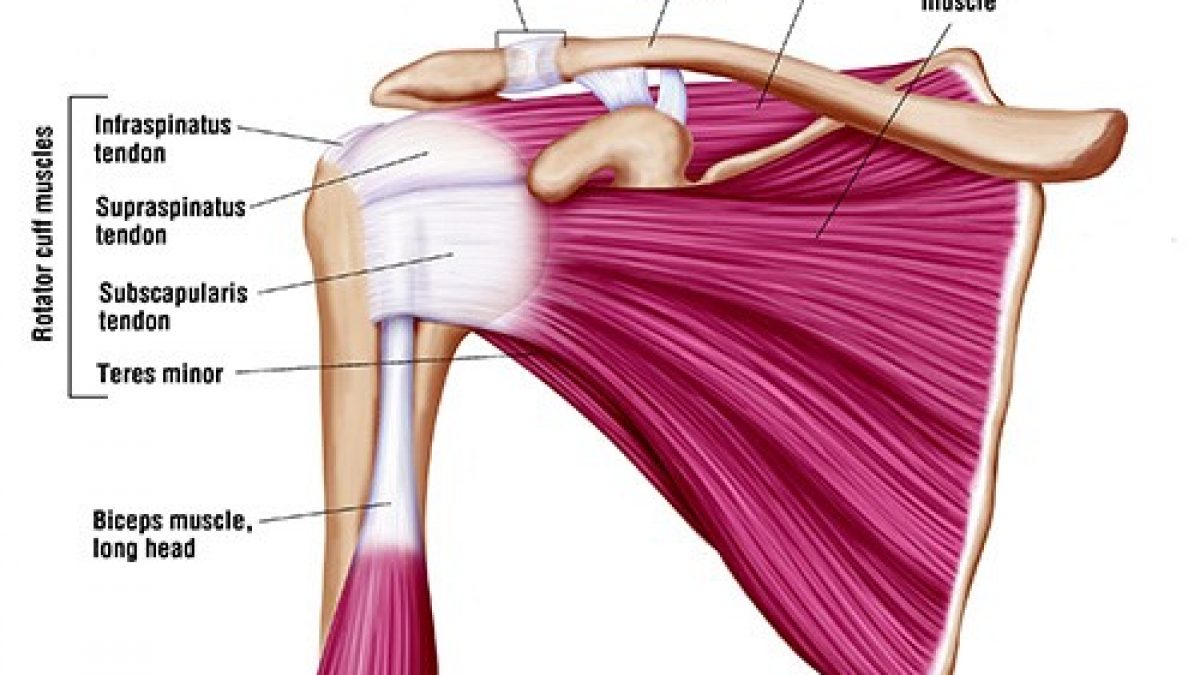
Your rotator cuff is a group of four muscles — the supraspinatus, infraspinatus, teres minor, and subscapularis — along with their tendons. Together, they stabilize the glenohumeral joint, the ball-and-socket joint that gives your shoulder its remarkable range of motion.
When one or more of these structures becomes damaged — through a sudden tear, gradual wear, or chronic overuse — you develop a rotator cuff injury. This can range from mild rotator cuff tendinopathy to a partial-thickness tear or full-thickness rupture. The supraspinatus tendon is most commonly affected due to its position where it can become compressed during overhead movements.
Without proper treatment, rotator cuff injuries rarely resolve on their own. The shoulder compensates by shifting workload to surrounding muscles, leading to further imbalance and damage. Early intervention with physical therapy can halt that cycle, restore healthy movement patterns, and in many cases eliminate the need for surgery.
Common Causes of Rotator Cuff Injuries in Sewell
Understanding how your injury developed helps your therapist build a recovery plan that addresses the root cause — not just the symptoms.
Workplace Demands
Workers at Aryzta LA Brea Bakery — one of Washington Township’s largest employers with over 400 team members — perform hours of repetitive lifting, reaching into ovens, and handling heavy trays. Employees at the US Foods distribution facility along Route 42 and warehouse staff at local retail operations spend shifts loading, unloading, and stacking. These repetitive motions place sustained stress on the supraspinatus and infraspinatus tendons, making work-related shoulder injuries one of the most common reasons Sewell residents seek our care.
Sports and Recreation
Student athletes at Washington Township High School push hard in baseball, volleyball, swimming, and tennis. A Minutemen pitcher or a Minutemaids volleyball player executing overhead serves places enormous demand on the rotator cuff. Adults stay active through PlayMore softball leagues, tennis at Atkinson Memorial Park, and rounds at Pitman Golf Course — activities that can cause overuse injuries when technique breaks down. If you’re dealing with a sports-related shoulder injury, early intervention is key.
Active Outdoor Lifestyle
Biking around Washington Lake Park, mountain biking through Ceres Park, or hiking the four-plus miles of trails at Tall Pines State Preserve are popular among Sewell residents. While excellent for overall health, a fall off a bike, catching yourself on uneven trail ground, or even repetitive arm swing during extended hikes can injure the rotator cuff.
Age-Related Wear and Tear
With a median age between 40 and 52 and nearly one in five residents over 65, Sewell has a significant population where degenerative rotator cuff changes become common. Blood supply to the supraspinatus tendon decreases with age, making the tissue vulnerable to fraying and tearing during everyday activities like reaching into a cabinet or lifting a grandchild.
Symptoms: How Do You Know It's Your Rotator Cuff?
Rotator cuff injuries can develop suddenly or gradually. Seek evaluation if you experience:
- Pain on the outside or top of your shoulder that radiates down the upper arm, especially when lifting overhead
- Night pain that disrupts sleep, particularly when lying on the affected shoulder
- Weakness when lifting or rotating your arm, such as difficulty carrying groceries or fastening a seatbelt
- A catching or clicking sensation during movement
- Stiffness and reduced range of motion, making it harder to reach a shelf or swing a golf club
- Pain that worsens with activity — throwing in your PlayMore softball game, swimming, or lifting trays at work — and eases with rest
- comprehensive rotator cuff treatment
In New Jersey, you have direct access to physical therapy, so you can schedule an appointment at Trinity Rehab without a physician referral. The sooner you start, the better your outcome.
How Physical Therapy Treats Rotator Cuff Injuries: A Phase-Based Approach
At Trinity Rehab in Sewell, your treatment plan is built around your specific injury, goals, and lifestyle. Rotator cuff rehabilitation follows a proven, progressive framework designed to protect healing tissue while steadily restoring strength and function.
Phase 1: Pain Relief, Protection, and Early Mobility
The first priority is calming pain and creating conditions for healing:
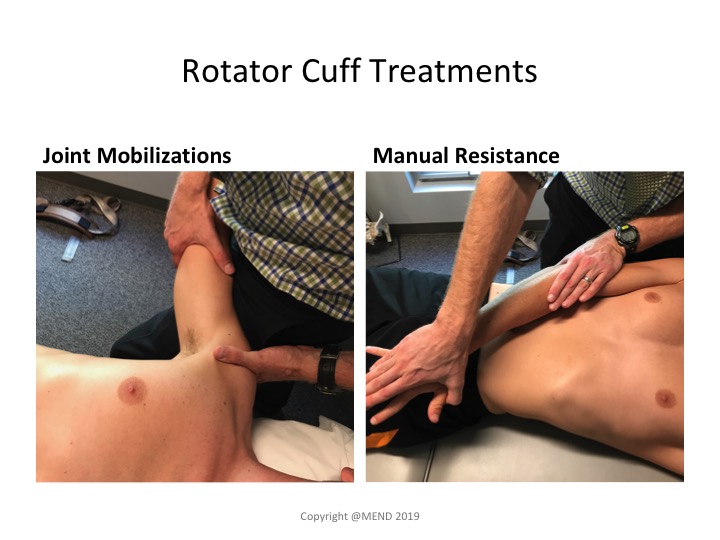
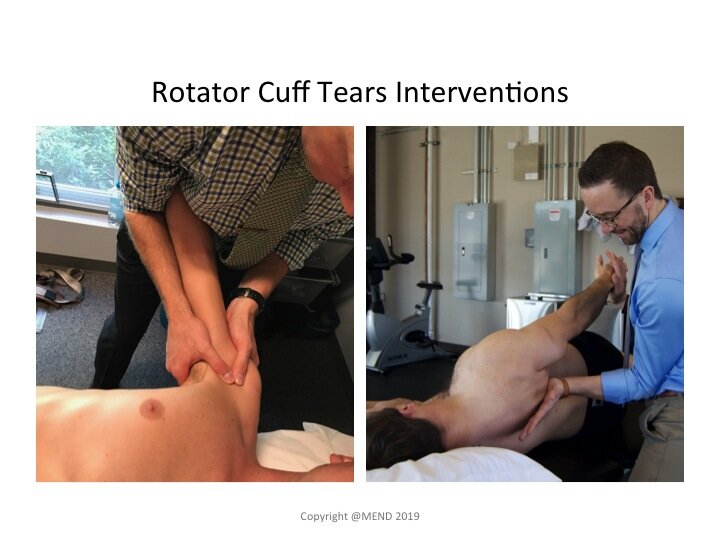
- Manual therapy — Soft tissue mobilization and gentle joint mobilizations to reduce guarding and pain around the glenohumeral joint.
- Passive and active-assisted range of motion exercises — Controlled movements maintain mobility without stressing the injured tendon.
- Pain modulation — Ice, heat, electrical stimulation, or ultrasound to manage inflammation.
- Postural education — Many Sewell residents spend hours commuting on Route 42 or at desks. Forward-shoulder posture compresses the supraspinatus tendon; your therapist will teach corrections to reduce irritation.
- Early scapular stabilization — Gentle activation of the lower trapezius and serratus anterior restores proper scapular mechanics from the start.
Phase 1 typically lasts two to four weeks.
Phase 2: Strengthening and Functional Restoration
Once pain is controlled and range of motion is improving:
- Isometric exercises — Contractions without joint movement safely build tendon tolerance and neuromuscular activation.
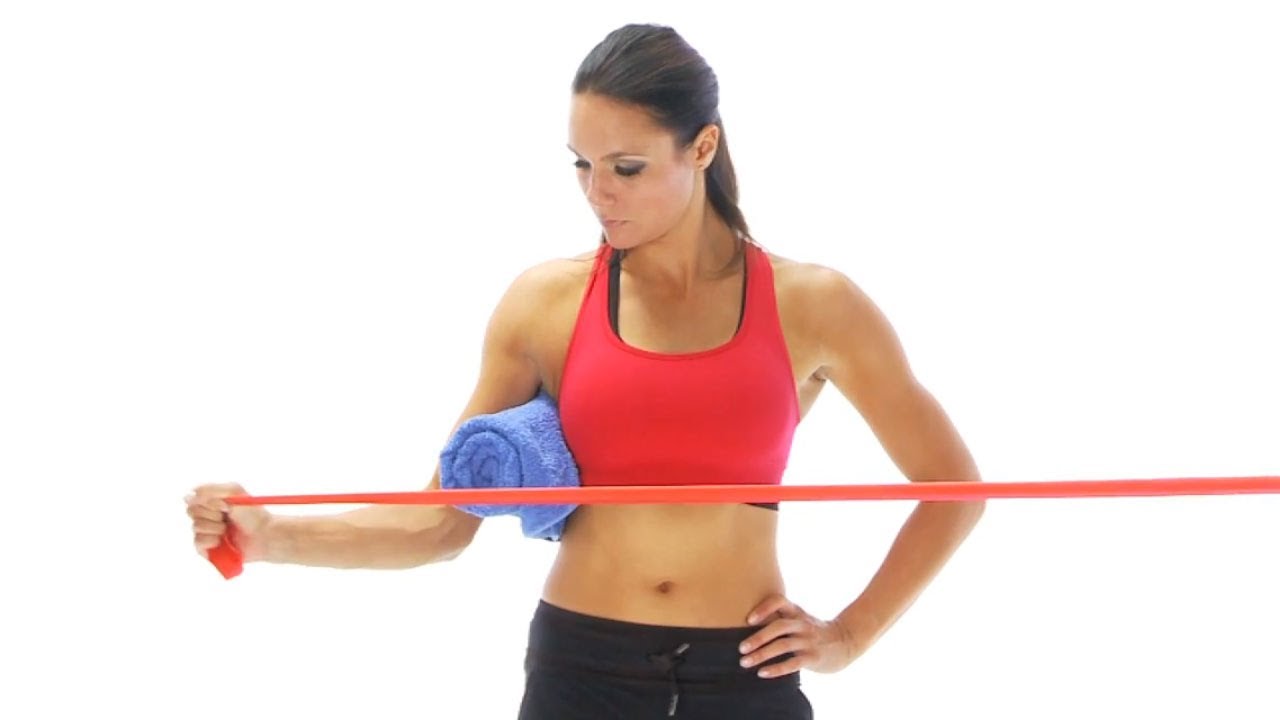
- Progressive resistance training — Bands, dumbbells, and cables target the supraspinatus, infraspinatus, and other rotator cuff muscles with controlled load.
- Eccentric loading protocols — Eccentric exercises, where the muscle lengthens under tension, have strong research support for treating rotator cuff tendinopathy by stimulating tendon remodeling.
- Proprioceptive training — Stability ball exercises and perturbation training retrain your joint’s reflexive control.
- Posterior capsule stretching — Targeted stretching restores normal glenohumeral joint motion, especially important for throwing athletes and overhead workers.
Phase 2 generally spans four to six weeks.
Phase 3: Return to Activity and Long-Term Resilience
The final phase bridges clinical rehab and full participation in your life:
- Task-specific training — For work-related injuries, we simulate motions you perform at Aryzta, US Foods, or your workplace so your shoulder is ready for real-world demands.
- Sport-specific rehabilitation — Graduated throwing programs for baseball and softball players, serving progressions for tennis and volleyball, and rotational exercises for golfers.
- Advanced treatment options — Dry needling to release trigger points and Extracorporeal Pulse Activation Technology (EPAT), a non-invasive shockwave therapy that accelerates tendon healing.
- Home exercise program — A personalized maintenance routine to preserve your gains and prevent re-injury.
Preventing Rotator Cuff Injuries: Tips for Sewell Residents
Whether you’ve recovered from a rotator cuff injury or want to avoid one in the first place, these strategies will protect your shoulders for the long haul.
- Strengthen before you need to. A regular program of rotator cuff and scapular stabilization exercises — even 10 minutes, three times per week — builds resilient tissue that resists injury.
- Stretch your shoulders and chest daily. Tight pectoral muscles and a stiff posterior shoulder capsule increase impingement risk. Doorway and cross-body stretches take under two minutes.
- Warm up properly. Before your PlayMore softball game, your round at Pitman Golf Course, or your bike ride through Washington Lake Park, spend five to ten minutes with dynamic arm circles and light resistance exercises.
- Use proper mechanics. Avoid reaching behind your body under load, keep heavy objects close to your torso, and never lift with arms fully extended overhead without adequate strength.
- Respect fatigue. Most overuse injuries happen when muscles are tired. If your shoulder aches late in a match or shift, take a break.
- Address problems early. Mild shoulder pain ignored for months often becomes a significant injury. If pain persists beyond a week or two, get evaluated.
Why Sewell Residents Choose Trinity Rehab
Your rotator cuff injury isn’t just a diagnosis — it’s the reason you can’t play catch at Ceres Park, finish your shift without pain, or enjoy Saturday golf. Here’s what sets Trinity Rehab apart:
- One-on-one care, every visit. You work directly with a licensed physical therapist — not an aide, not a technician — with expert attention on your shoulder at every session.
- Evidence-based treatment. From eccentric loading protocols for tendinopathy to manual therapy for joint restrictions, your plan reflects what the science says works.
- Advanced treatment technologies. We offer dry needling and EPAT shockwave therapy — powerful tools that many clinics don’t provide.
- Direct access in New Jersey. You don’t need a doctor’s referral to start. That means less waiting and faster recovery. Book your first visit today.
- Deep community roots. We treat your neighbors, coworkers, and children’s teammates. We understand the demands of life in Washington Township — from commuting on Route 42 to staying active in South Jersey’s parks and leagues — and we build your rehab around those realities.
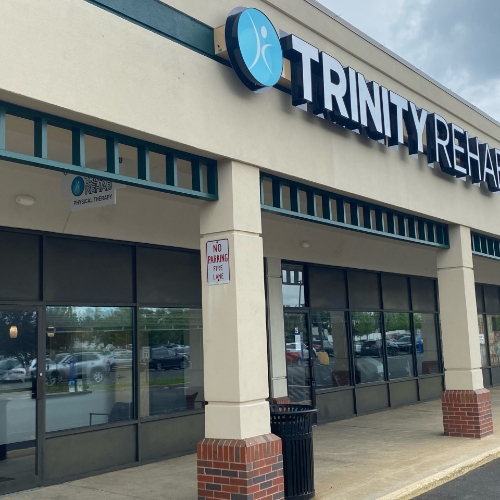
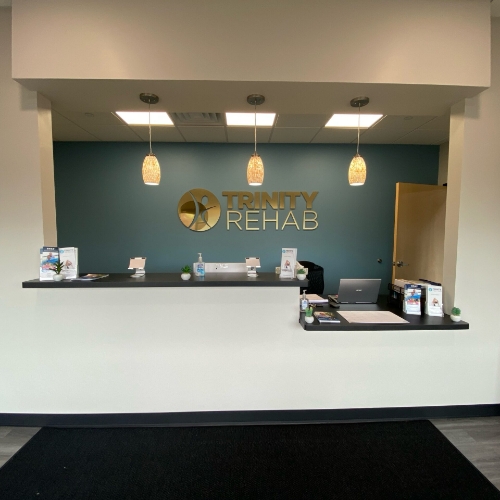
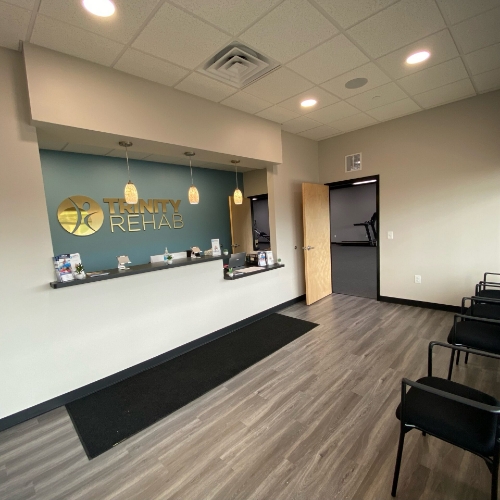
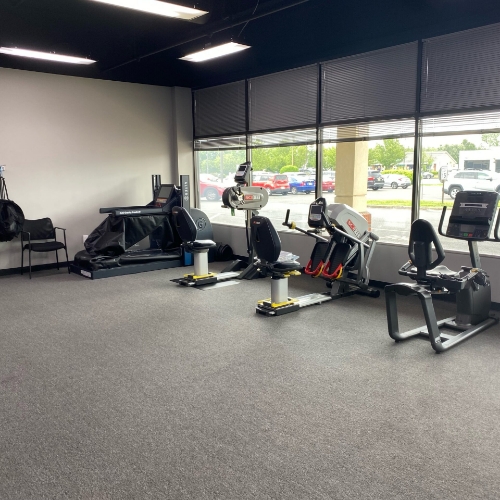
Inside Our Sewell Clinic
Frequently Asked Questions
Where can I get rotator cuff treatment in Sewell, NJ?
How long does it take to recover from a rotator cuff injury with physical therapy?
Can physical therapy help me avoid rotator cuff surgery?
What should I expect at my first physical therapy visit for a rotator cuff injury?
Is rotator cuff pain the same as shoulder impingement?
Take the First Step Toward Shoulder Recovery in Sewell
Whether your rotator cuff injury came from warehouse work, a hard swing on the softball diamond, or the wear and tear of an active life in Washington Township, Trinity Rehab is ready to help. Our team will guide you back to the activities that matter most — with focused, expert, one-on-one care from start to finish.
Schedule your appointment at Trinity Rehab in Sewell today and start your path to a stronger, pain-free shoulder.
Start Your Recovery in Sewell Today
Don’t let shoulder pain hold you back. Schedule your evaluation at Trinity Rehab in Sewell and take the first step toward a stronger, pain-free shoulder.
Related Conditions & Treatments
Rotator cuff injuries are just one of the many conditions we treat at Trinity Rehab Sewell. Explore our full range of conditions we treat or learn more about specific treatment approaches:
What Our Patients Say



Sign up for free health tips and tricks