
ROTATOR CUFF INJURY TREATMENT IN DOYLESTOWN, PA
Life in Doylestown revolves around staying active. Whether you spend your weekends walking the trails along Neshaminy Creek, playing a round at Doylestown Country Club, or exploring the grounds of Fonthill Castle with your grandchildren, your shoulders are working constantly—and you probably don’t think about them until something goes wrong. For residents across Bucks County, a rotator cuff injury can turn everyday activities into painful challenges you never anticipated.
At Trinity Rehab in Doylestown, we help our neighbors recover every day. From healthcare professionals at Doylestown Hospital to retirees tending gardens along the rolling countryside of central Bucks County, our patients share one goal: getting back to life without shoulder pain. Through one-on-one [physical therapy](https://trinity-rehab.com/physical-therapy-treatments/physical-therapy/) tailored to your injury and lifestyle, we build a recovery plan that works for you—not a generic protocol.
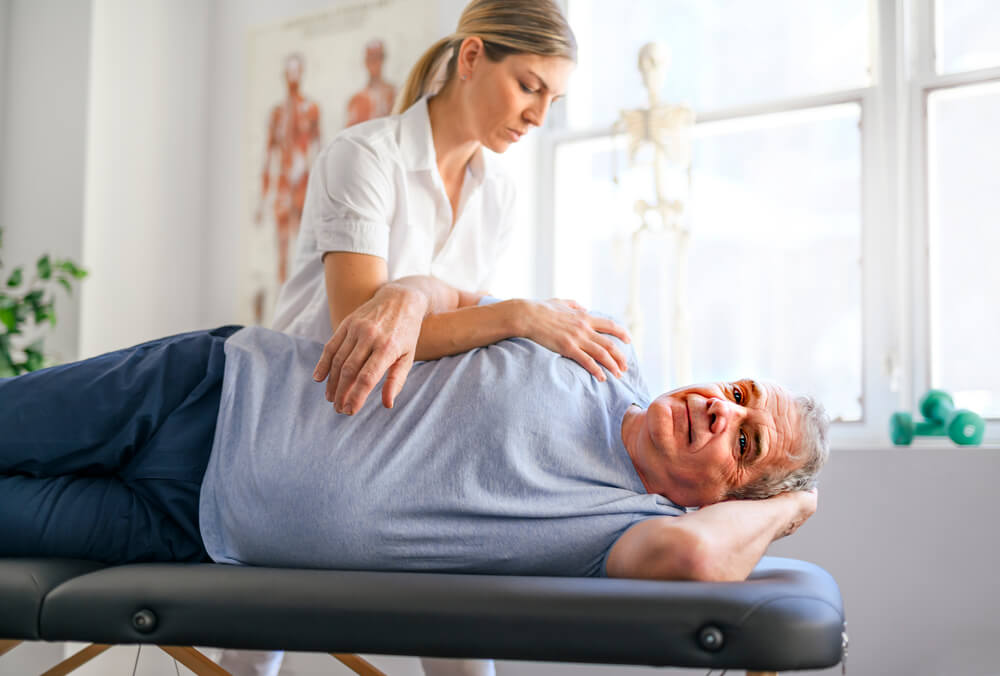
Understanding Your Rotator Cuff Injury
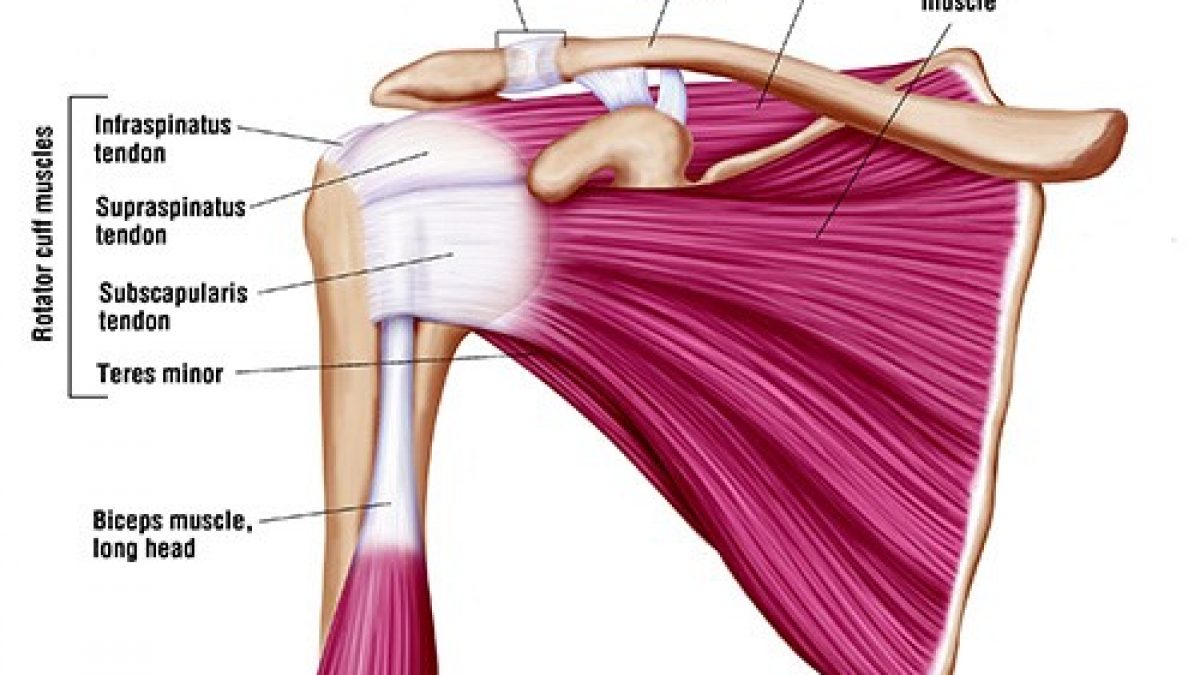
Your rotator cuff is a group of four muscles and their associated tendons—the supraspinatus, infraspinatus, teres minor, and subscapularis—that stabilize the glenohumeral joint and control shoulder movement. When any of these structures become damaged, the result is pain, weakness, and a significant loss of range of motion.
Rotator cuff injuries exist on a spectrum. Rotator cuff tendinopathy involves chronic irritation and degeneration of the tendon, often from repetitive overhead use. Partial-thickness tears affect some of the tendon fibers, while full-thickness tears extend completely through. Regardless of severity, physical therapy is the recommended first-line treatment—research consistently shows that structured rehabilitation can restore function, reduce pain, and often eliminate the need for surgery.
Early treatment matters. Left unaddressed, a rotator cuff injury leads to compensatory movement patterns that strain your shoulder, neck, and upper back. If you are experiencing persistent shoulder pain, getting evaluated sooner gives you the best chance at a full recovery.
Please note: Pennsylvania requires a physician referral for physical therapy. Your primary care doctor, orthopedist, or any treating physician can provide this referral. If you are unsure how to obtain one, our team can guide you through the process when you contact us.
Common Causes of Rotator Cuff Injuries in Doylestown
Certain patterns are especially common among Doylestown residents. Understanding what caused your injury helps us design a more effective treatment plan.
Healthcare and Hospital Workers
Doylestown Hospital, part of the Penn Medicine network, is one of the borough’s largest employers. Nurses, technicians, and support staff regularly lift patients, push heavy equipment, and perform repetitive overhead tasks during long shifts. These demands stress the rotator cuff, particularly the supraspinatus tendon, which is vulnerable to impingement during overhead reaching. If your work has contributed to your shoulder injury, we build your rehab around the specific demands of your job.
Retirees and Active Adults
With more than a quarter of Doylestown’s population over 65, many of our patients are retirees who are anything but sedentary. Gardening in the rich Bucks County soil, playing golf at Doylestown Country Club, swimming laps at Fanny Chapman Memorial Pool, or simply keeping up with household maintenance—these activities all depend on healthy shoulders. Age-related changes in tendon tissue make the rotator cuff more susceptible to tendinopathy and tears, and an activity as ordinary as pruning a hedge or painting a fence can be the event that triggers symptoms.
Tennis and Racquet Sport Athletes
The Doylestown Tennis Club and local recreation courts see steady use year-round. The overhead serving motion places intense demand on the infraspinatus and supraspinatus, and repetitive play without adequate recovery leads to chronic tendon breakdown. Players often come to us with shoulder pain that has been building for months. Targeted rehabilitation resolves the current injury and addresses the biomechanical factors that caused it.
Youth Athletes at CB West and Area Schools
Central Bucks High School West fields competitive teams in baseball, volleyball, swimming, and water polo—all sports that place heavy overhead demands on young shoulders. Student athletes at CB West and throughout the Central Bucks School District are still developing physically, and overuse rotator cuff injuries are increasingly common as training volume rises. A sports injury in a young athlete requires careful management to protect growth plates and ensure a full return to competition.
Trail Users and Outdoor Enthusiasts
Hikers along the Neshaminy Greenway Trail, walkers at Central Park, and families exploring Neamand Park along the Neshaminy Creek waterfront rely on upper body stability more than they realize. A fall on an outstretched arm is one of the most common acute causes of rotator cuff tears.
Recognizing the Symptoms
Rotator cuff injuries can develop gradually or appear suddenly. Seek evaluation if you experience:
- Persistent shoulder pain that worsens when reaching overhead or behind your back
- Night pain that disrupts sleep, especially when lying on the affected side
- Weakness when lifting, pushing, or pulling
- A catching or clicking sensation during shoulder movement
- Difficulty with daily tasks such as buckling a seatbelt or dressing
- Reduced range of motion that limits raising your arm fully
- Pain radiating down the upper arm
- comprehensive rotator cuff treatment
If these symptoms sound familiar, do not wait for them to resolve on their own. A thorough evaluation identifies the specific structures involved and determines the best course of treatment.
Our Treatment Approach
At Trinity Rehab Doylestown, every session is one-on-one with your therapist—you are never handed off to an aide or left to exercise alone. We use evidence-based techniques selected based on your injury severity, goals, and response to treatment. Most programs run six to twelve weeks, two to three times per week.
Restoring Mobility Through Manual Therapy
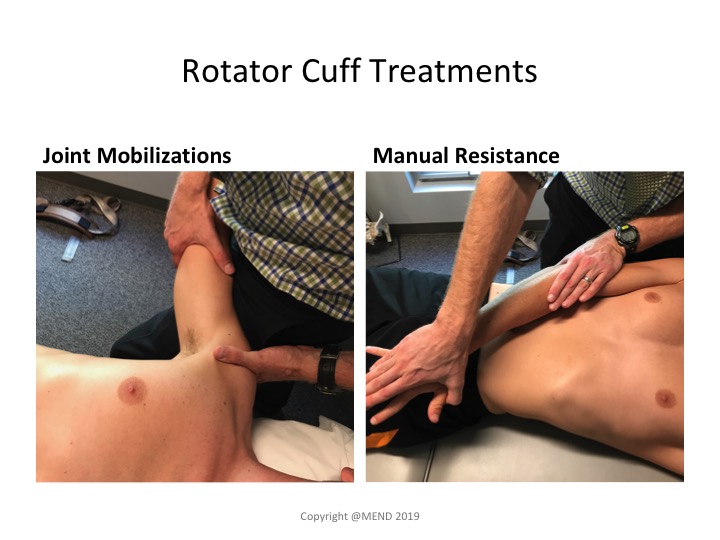
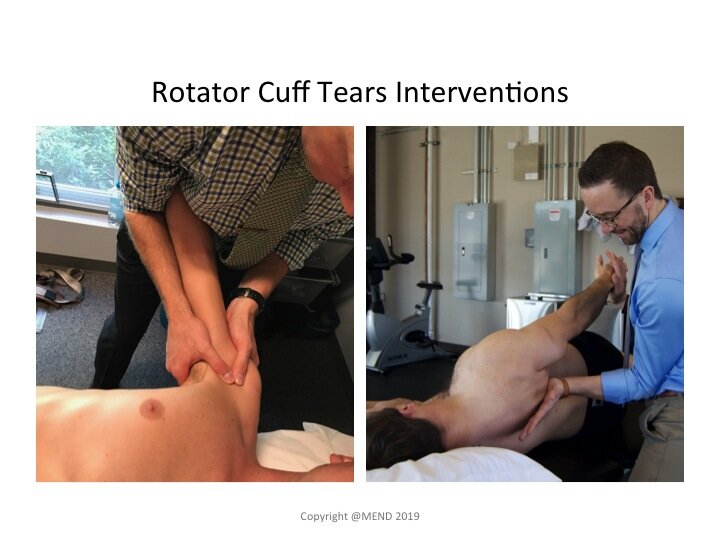
Before you can strengthen your shoulder, you need to move it properly. Manual therapy is the foundation of early rotator cuff rehabilitation. Your therapist uses hands-on techniques—joint mobilizations of the glenohumeral joint, soft tissue mobilization, and gentle stretching—to reduce pain, decrease muscle guarding, and restore lost range of motion.
For many Doylestown patients who have been compensating for weeks or months, the shoulder capsule has tightened and surrounding muscles have adapted to protect the injured area. We assess not just the shoulder but the entire kinetic chain, including thoracic spine mobility and scapular positioning, because limitations in these areas directly affect rotator cuff function. Patients often notice meaningful improvements within the first few sessions.
Progressive Strengthening for Lasting Results
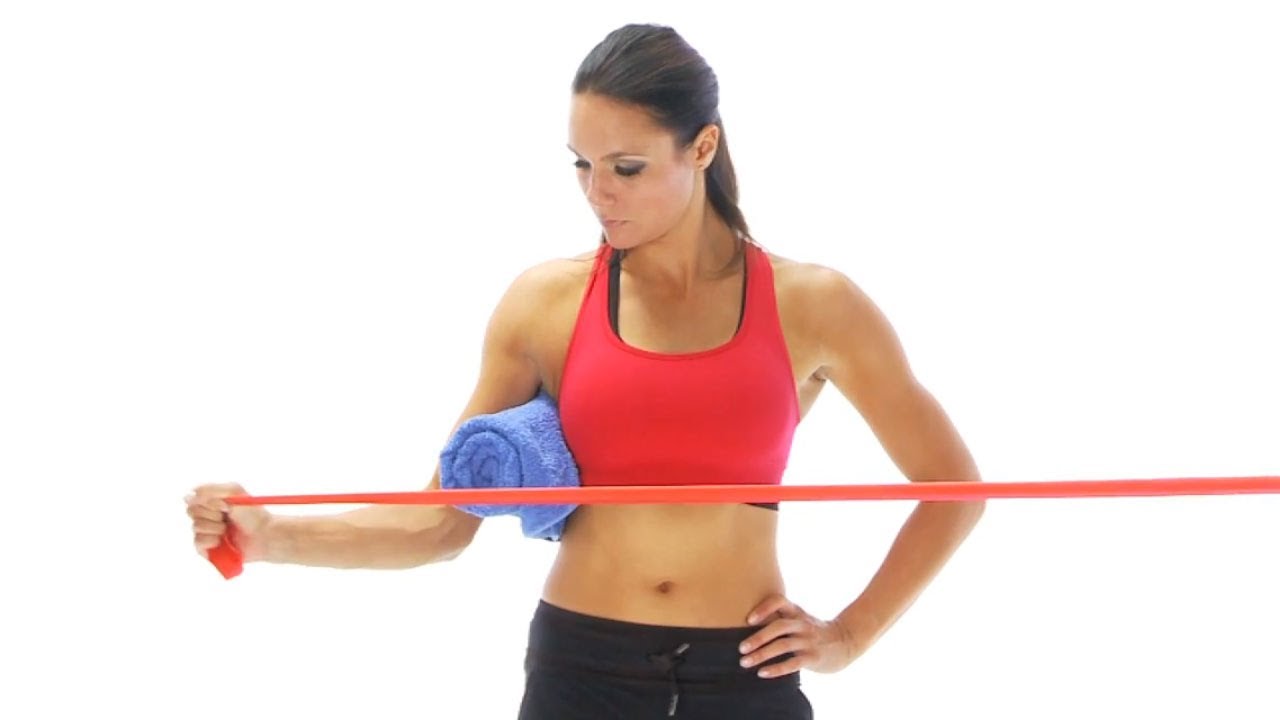
Restoring strength is where long-term recovery happens. We follow a staged progression that respects tissue healing timelines while challenging your muscles to rebuild capacity.
Early strengthening focuses on isometric exercises—contracting the rotator cuff muscles without moving the joint—to load the tendons safely. As tissue tolerance improves, we introduce isotonic exercises through a full range of motion, with emphasis on eccentric loading. Eccentric exercises, where the muscle lengthens under tension, have strong research support for promoting tendon healing and building strength that protects against re-injury.
Scapular stabilization is woven into every phase. The scapula serves as the platform from which your rotator cuff operates, and weakness in the muscles that control it—the serratus anterior, lower trapezius, and rhomboids—forces the rotator cuff to compensate. For patients who golf at Doylestown Country Club, swim at Fanny Chapman Pool, or serve on the tennis court, restoring proper scapulohumeral rhythm is essential for returning to sport without recurring problems.
Your program is individualized to match your functional goals. A nurse at Doylestown Hospital needs to safely transfer patients. A CB West volleyball player needs explosive overhead power. A retiree needs to garden without pain. We build toward the specific demands of your life.
Targeted Trigger Point Treatment
Chronic rotator cuff injuries frequently involve myofascial trigger points—hyperirritable knots within the muscle that refer pain, limit flexibility, and inhibit proper activation. The infraspinatus is particularly prone to trigger points that mimic or amplify rotator cuff pain, often referring discomfort deep into the front of the shoulder.
Dry needling effectively addresses these trigger points. Your therapist inserts thin, sterile filament needles directly into the trigger point, eliciting a local twitch response that releases contracted muscle fibers and improves blood flow. For patients with persistent tightness that limits progress with manual therapy and exercise alone, dry needling can be the intervention that breaks through the plateau.
We frequently use dry needling for Doylestown patients whose rotator cuff pain is compounded by tension in the upper trapezius and levator scapulae—muscles that tighten in response to the guarded posture that shoulder injuries create. By resolving these secondary contributors, your entire shoulder complex functions better.
Accelerating Recovery with Shockwave Therapy
For rotator cuff tendinopathy that has persisted despite conventional treatment, or for patients who want to accelerate their recovery timeline, we offer Extracorporeal Pulse Activation Technology (EPAT)—also known as shockwave therapy. EPAT delivers focused acoustic pressure waves to the injured tendon, stimulating the body’s natural healing response at the cellular level.
This technology promotes neovascularization—the formation of new blood vessels in damaged tissue—enhancing the delivery of oxygen and growth factors essential for tendon repair. It also breaks down calcific deposits that develop in chronically inflamed tendons.
EPAT sessions take fifteen to twenty minutes. Most patients require three to five treatments spaced one week apart, integrated into their broader rehabilitation program. There is no downtime—you can resume normal activities immediately after each session.
Preventing Rotator Cuff Injuries
Whether you are recovering from an injury or want to avoid one, these strategies will help protect your shoulders through every season of Doylestown life:
- Warm up before activity. Whether heading to Doylestown Tennis Club, starting a round of golf, or beginning yard work, spend five to ten minutes warming up your shoulders with range-of-motion movements and light resistance band exercises.
- Strengthen consistently. A rotator cuff and scapular stabilization program two to three times per week dramatically reduces injury risk. Your therapist can design a maintenance program specific to your activities.
- Manage your workload. Healthcare workers at Doylestown Hospital should use proper body mechanics during patient handling and take advantage of assistive devices.
- Respect recovery time. Young athletes at CB West and in Doylestown Athletic Association leagues should avoid year-round overhead sport specialization and build in rest between seasons.
- Address pain early. A dull ache after tennis or stiffness after walking the Neshaminy Greenway Trail should not be ignored. Early intervention prevents small problems from becoming significant injuries.
Why Doylestown Residents Choose Trinity Rehab
Here is what sets Trinity Rehab apart for rotator cuff treatment in Doylestown:
- True one-on-one care. Every minute of every session is with your licensed physical therapist—no rotating providers or aides. This model enables precise treatment and faster progress.
- Specialized shoulder expertise. Our therapists are experienced across the full spectrum of rotator cuff injuries, from early-stage tendinopathy to post-surgical repair.
- Advanced treatment options. Not every clinic offers dry needling and EPAT shockwave therapy for persistent pain and stubborn tendinopathy.
- A community-centered approach. We live and work in Bucks County. We understand your daily demands—whether returning to a shift at Doylestown Hospital, getting back on the golf course, or keeping up with grandchildren at Burpee Park.
- Referral coordination. Since Pennsylvania requires a physician referral for physical therapy, we work closely with referring physicians throughout the area to ensure timely access to care.
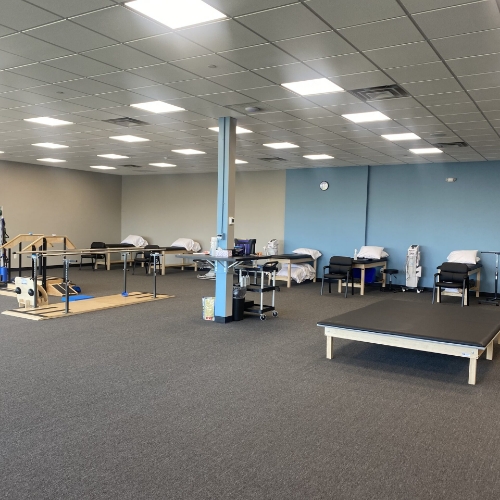
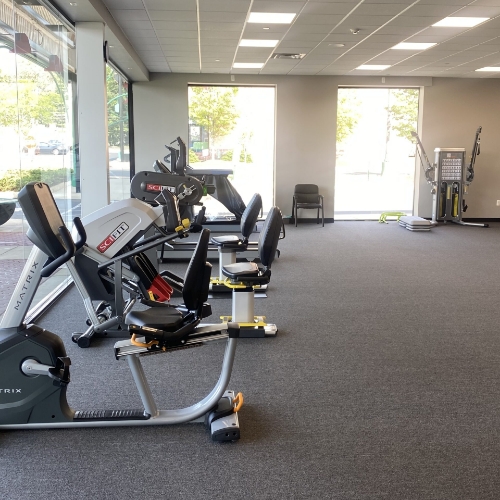
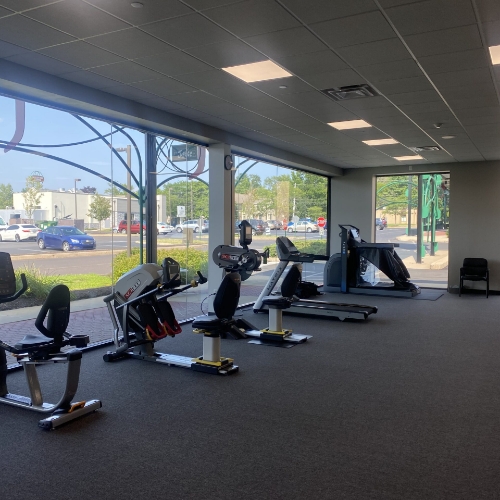
Inside Our Doylestown Clinic
Frequently Asked Questions
Where can I get rotator cuff treatment in Doylestown, PA?
How long does rotator cuff recovery take?
Can physical therapy help me avoid rotator cuff surgery?
What should I expect during my first visit?
Is rotator cuff physical therapy painful?
Take the First Step Toward Recovery
You do not have to live with shoulder pain. Whether your rotator cuff injury happened at Doylestown Tennis Club, developed through years of patient care at Doylestown Hospital, or appeared after a fall on the trails at Central Park, Trinity Rehab is here to help.
Ask your physician for a referral, then schedule your appointment to begin your one-on-one rotator cuff rehabilitation program. The sooner you start, the sooner you get back to everything that makes life in Doylestown worth living.
Start Your Recovery in Doylestown Today
Don’t let shoulder pain hold you back. Schedule your evaluation at Trinity Rehab in Doylestown and take the first step toward a stronger, pain-free shoulder.
Related Conditions & Treatments
Rotator cuff injuries are just one of the many conditions we treat at Trinity Rehab Doylestown. Explore our full range of conditions we treat or learn more about specific treatment approaches:
What Our Patients Say



Sign up for free health tips and tricks