
ROTATOR CUFF INJURY TREATMENT IN CLARK, NJ
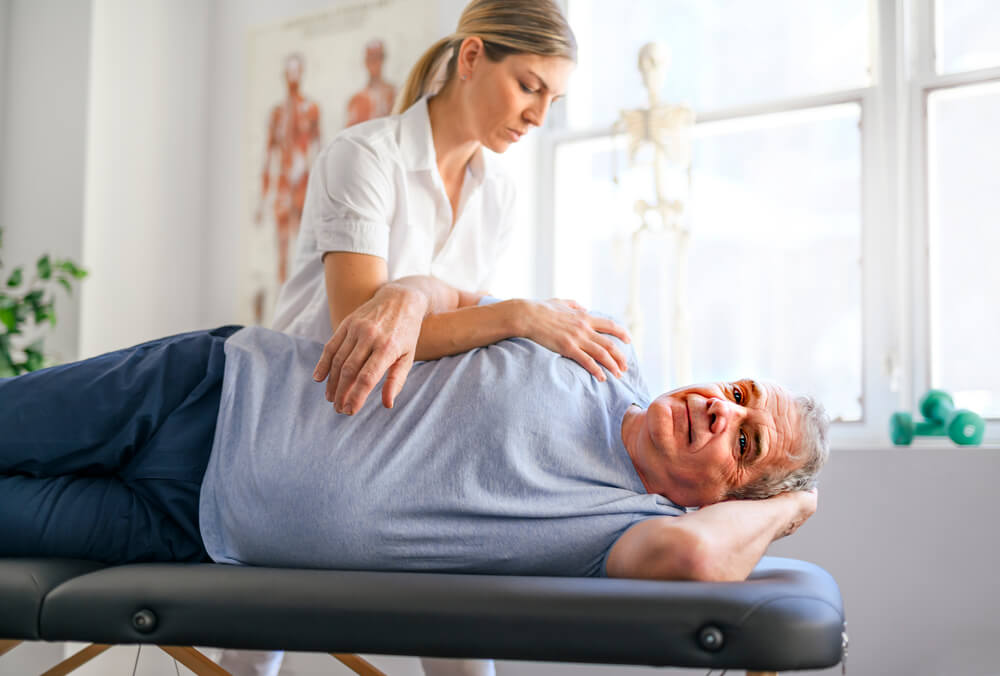
A Weekend at Esposito Park Turned Into Months of Shoulder Pain
It started during a friendly pickleball match at Esposito Park. You lunged for an overhead shot, felt a sharp twinge deep in your shoulder, and shook it off. The next morning, you could barely lift your coffee cup. Now, weeks later, that twinge has become a constant companion — a dull, grinding ache that flares when you reach into a cabinet, pull a seatbelt across your chest, or try to sleep on your right side.
If this sounds like your story, you are experiencing what thousands of Clark residents face. Rotator cuff injuries are the most common cause of shoulder pain and disability in adults, affecting the 25-year-old disc golfer launching drives at Oak Ridge Park just as readily as the 70-year-old walking paths around Milton Lake Park.
At Trinity Rehab in Clark, we specialize in treating rotator cuff injuries using a comprehensive, evidence-based approach that gets you out of pain and back to life in this tight-knit Union County community.
What Exactly Is a Rotator Cuff Injury?
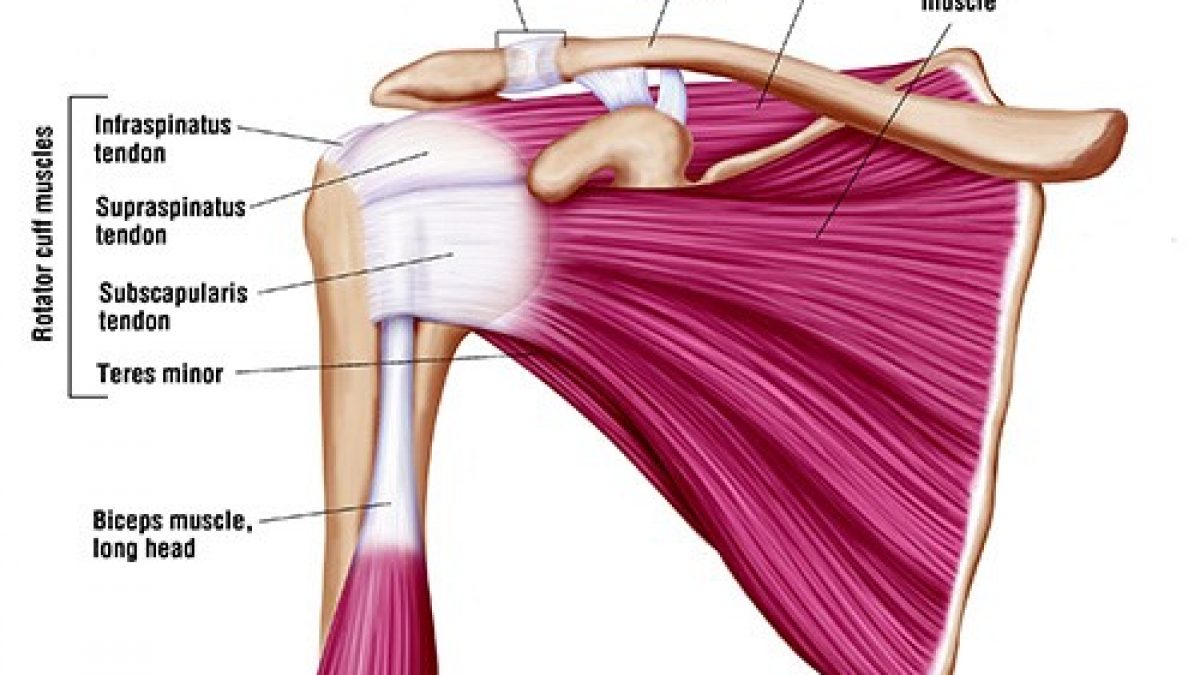
Your shoulder’s glenohumeral joint sacrifices stability for mobility, giving you enormous range of motion for throwing, reaching, and rotating. The rotator cuff — four muscles and tendons — makes this possible without dislocation.
The supraspinatus runs along the top of your shoulder blade and initiates arm lifting. It is the most commonly injured because its tendon passes through a narrow space beneath the acromion. The infraspinatus covers the back of your shoulder blade as the primary external rotator. The teres minor assists with external rotation and posterior stability, while the subscapularis handles internal rotation.
When any of these is damaged through acute trauma, repetitive strain, or age-related degeneration, you develop a rotator cuff injury. This ranges from mild rotator cuff tendinopathy to partial tears to complete full-thickness tears. The severity determines the optimal approach, but the vast majority respond well to skilled physical therapy.
How Rotator Cuff Injuries Happen in Clark
Clark may span just 4.3 square miles, but the diversity of its residents’ activities creates a wide range of injury mechanisms.
Recreational Athletes
Clark’s parks punch above their weight. Esposito Park’s pickleball and tennis courts stay busy spring through fall. Oak Ridge Park draws disc golfers, archers, and hikers. The Clark Community Pool is packed all summer, and Hyatt Hills Golf Complex fills weekend tee times year-round. The overhead serve in pickleball, the powerful backhand in disc golf, the repetitive swim stroke, the golf follow-through — each loads the rotator cuff. Performed with fatigue or an already-weakened tendon, any can trigger a sports injury.
Industrial and Trade Workers
Clark’s geography along major roadways has attracted employers like Karnak Corporation and various warehousing and construction businesses. Workers perform repetitive overhead reaching, heavy lifting, and sustained awkward postures — established risk factors for rotator cuff injury. A roofer overhead, a warehouse worker pulling high stock, or a mechanic reaching into an engine bay all perform movements that degrade rotator cuff tendons over months. These work injuries often develop silently before becoming too painful to ignore.
Age-Related Degeneration
With 22% of Clark’s population over 65 and a median age in the mid-40s, many residents are in the demographic sweet spot for degenerative disease. Blood supply to the supraspinatus tendon decreases with age, and collagen fibers lose organized structure. A tendon degenerating for years may tear during a minor event — picking up mulch, closing a car trunk, or turning over in bed.
Home Maintenance and DIY Projects
Clark’s high homeownership rate (76% owner-occupied) means residents spend significant time on improvement projects. Painting ceilings, trimming overhead branches, cleaning gutters, and shoveling snow all stress the rotator cuff. Sustained overhead positioning is the single most demanding posture for the supraspinatus tendon.
Symptoms You Should Not Ignore
Gradual onset (more common):
- A deep, dull ache progressively worsening over weeks
- Difficulty sleeping on the affected side
- Weakness lifting objects overhead or away from your body
- A painful arc between 60 and 120 degrees of arm elevation
- Decreasing range of motion, especially in the morning
- Compensatory shrugging — hiking your shoulder to lift your arm
- comprehensive rotator cuff treatment
Sudden onset (acute tear):
- A sharp, tearing sensation during a forceful movement or fall
- Immediate weakness or inability to lift your arm
- Rapid swelling and bruising
Whether symptoms developed gradually or suddenly, professional evaluation is the fastest path to relief. Book your evaluation at Trinity Rehab in Clark today.
Your Treatment Journey at Trinity Rehab
Our approach combines the structure of phased recovery with targeted treatment techniques. Every session is tailored to where you are in healing and where you need to go.
Hands-On Treatment: Restoring What Pain Has Taken Away
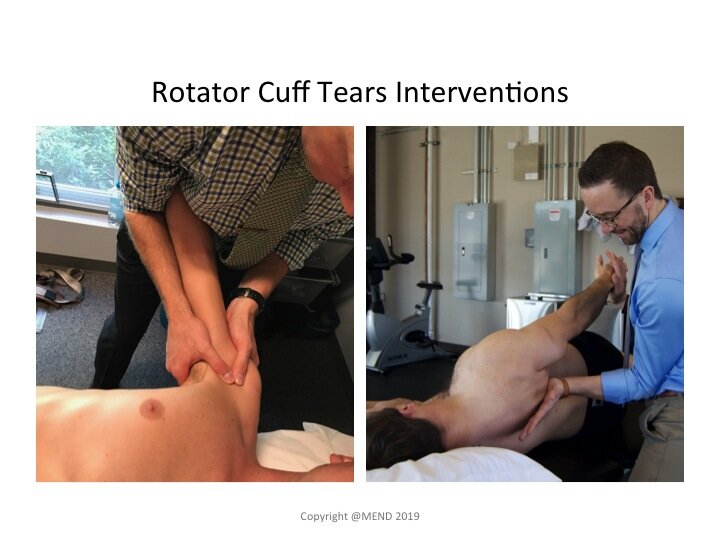
Most rotator cuff injuries create secondary problems — joint stiffness, muscle guarding, restricted fascia, and altered scapular mechanics. Manual therapy addresses these directly and is typically the foundation of early treatment.
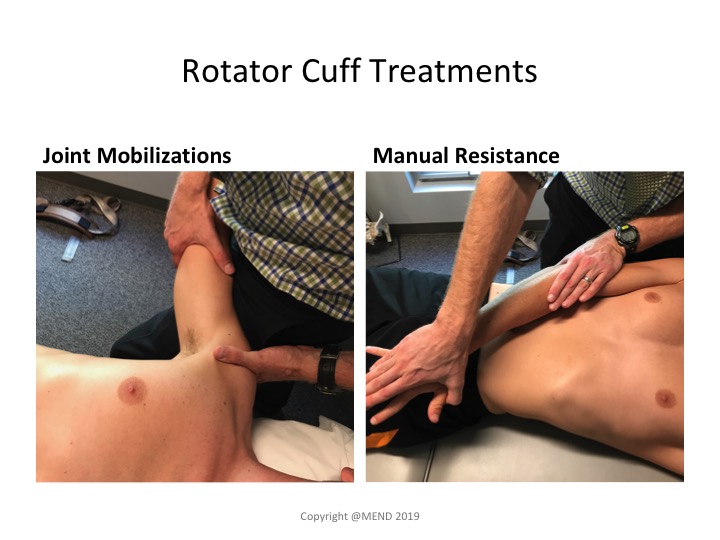
Your therapist applies glenohumeral joint mobilizations to restore the accessory gliding motions for pain-free movement. Soft tissue mobilization targets adhesions in the rotator cuff muscles, deltoid, and periscapular tissues that have tightened in response to pain. We also address thoracic and cervical spine restrictions, because stiffness in these areas forces the rotator cuff to work at a mechanical disadvantage.
Dry needling is another powerful tool. By inserting thin, sterile needles into myofascial trigger points — commonly in the infraspinatus, upper trapezius, and supraspinatus — we rapidly reduce referred pain, release muscle guarding, and improve local circulation. Patients frequently describe the effect as “unlocking” their shoulder, with immediate improvements in mobility.
Manual therapy continues throughout rehabilitation, evolving from pain-focused techniques early on to performance-oriented mobilizations as you approach full recovery.
Building Strength: The Core of Your Recovery
Once pain is controlled and passive mobility restored, progressive strengthening builds lasting results.
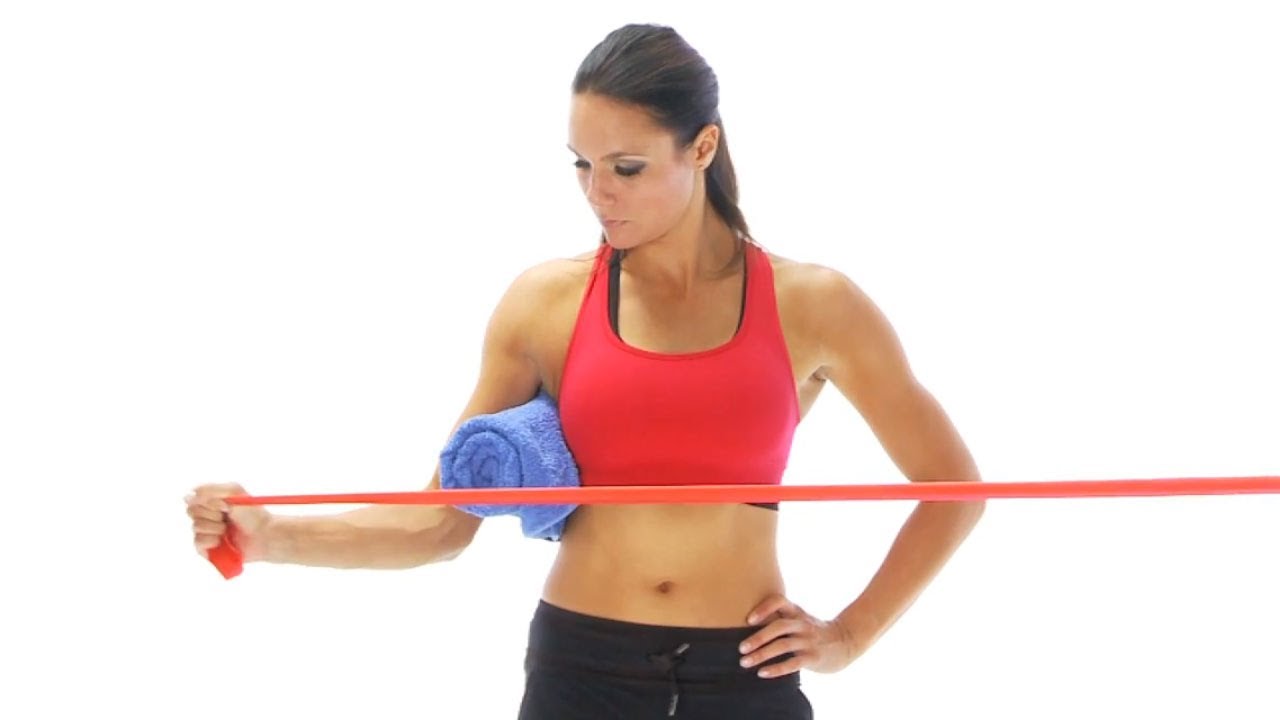
Eccentric Loading for Tendon Healing — For rotator cuff tendinopathy, eccentric loading is the cornerstone. Unlike traditional lifting, eccentric exercises focus on slow, controlled lowering — the phase that stimulates the tendon to lay down new, organized collagen fibers. Supraspinatus eccentrics involve slowly lowering a weight from shoulder height. Infraspinatus eccentrics use controlled external rotation lowering with a band. Resistance, speed, and volume are precisely progressed based on your response.
Scapular Stabilization — Many rotator cuff injuries are scapular problems manifesting at the shoulder. When scapular stabilization muscles — the serratus anterior and lower trapezius — are weak, your shoulder blade does not rotate properly, narrowing the subacromial space and compressing the supraspinatus tendon. We weave scapular retraining into every phase: wall slides and scapular clocks early on, progressing to push-up plus variations and overhead carries as you advance.
Progressive Resistance Training — Beyond eccentrics, side-lying external rotation, prone horizontal abduction, and standing band rotations build the strength reserves for daily demands with a significant margin of safety. We do not just rehabilitate to the point where your shoulder “works” — we build it to resilience.
Return to Activity: Getting Back to Life in Clark
The final stage is shaped entirely by your goals.
For the pickleball player at Esposito Park — We rebuild overhead mechanics through progressive serving drills, deceleration training, and match-simulation endurance work. You return with a shoulder better prepared than before your injury.
For the disc golfer at Oak Ridge Park — The rotational power and sudden deceleration of a throw places unique demands on the posterior rotator cuff. Sport-specific plyometrics and progressive throwing programs restore full power and accuracy.
For the industrial worker — We simulate your job’s physical demands — overhead reaching, heavy pulling, sustained awkward postures — and progressively build capacity for a full shift.
For the active retiree — Your goals may center on comfortable walking, gardening, lifting grandchildren, and independence. Task-specific training translates directly to daily life.
EPAT Therapy — For chronic tendinopathy not fully responding to exercise and manual therapy, EPAT delivers targeted acoustic shockwaves to stimulate cellular repair and increase neovascularization, producing meaningful improvement in patients with persistent symptoms.
Prevention Strategies for Clark Residents
- Warm up before pickleball, tennis, and disc golf. Five minutes of arm circles, band pull-aparts, and shoulder stretches prepares your rotator cuff for sudden demands.
- Strengthen your rotator cuff year-round. Banded external rotations, side-lying raises, and prone Y-T-W exercises take ten minutes three times weekly and dramatically reduce risk.
- Use proper overhead work technique. When painting or trimming trees, take frequent breaks, alternate arms, and avoid sustained overhead reaching for more than a few minutes.
- Prioritize posture during your commute. If you drive the Garden State Parkway daily, set your seat to promote an upright position. Slouching for 30 to 60 minutes accumulates significant rotator cuff stress.
- Do not ignore early pain. Shoulder discomfort persisting beyond a week or disrupting sleep is your body signaling something is wrong. Early intervention produces better outcomes.
Why Clark Residents Trust Trinity Rehab
- Deep clinical expertise. Rotator cuff rehabilitation demands precise reasoning — knowing when to push, when to modify, and how to progress based on tissue healing. Our therapists bring this to every session.
- Comprehensive treatment. Manual therapy, eccentric loading, scapular stabilization, dry needling, and EPAT — all integrated into a cohesive plan.
- One-on-one care. You work directly with your therapist every visit. No delegation to aides, no rotating providers.
- Real-world outcomes. Our success measure is your ability to play pickleball without hesitation, work a full shift, or swing a club at Hyatt Hills without wincing.
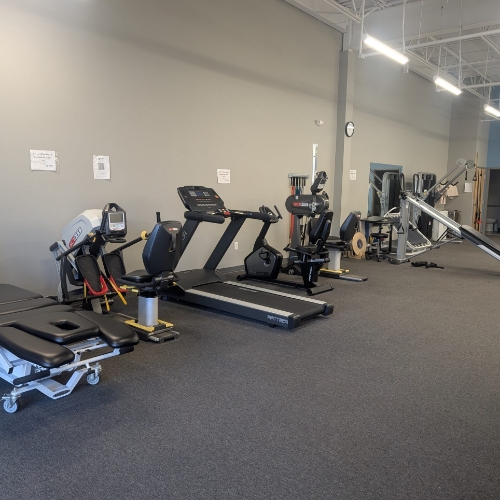
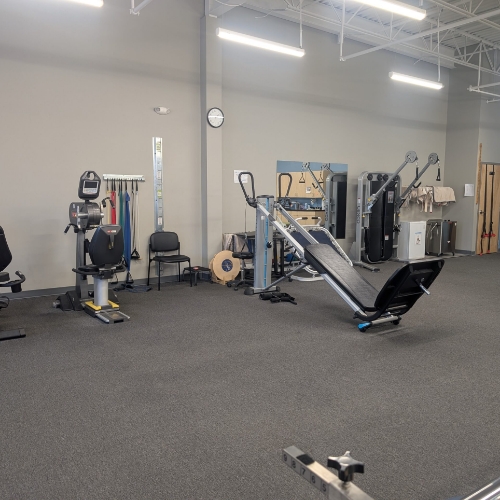
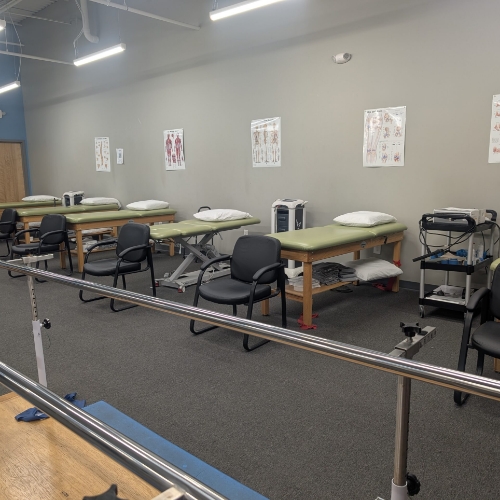
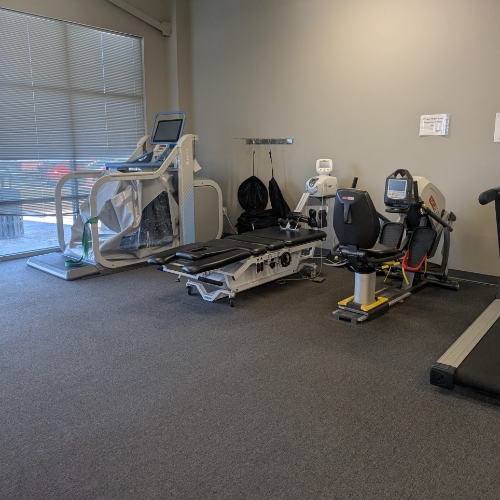
Inside Our Clark Clinic
Frequently Asked Questions
How quickly can I get an appointment at Trinity Rehab in Clark?
What is the difference between rotator cuff tendinopathy and a rotator cuff tear?
Can Trinity Rehab help with post-operative rotator cuff rehabilitation?
Stop Waiting and Start Healing
Your rotator cuff injury will not resolve with rest alone. The shoulder that aches during pickleball, throbs after work, or keeps you tossing at night needs targeted, professional treatment — and the sooner you begin, the faster you recover.
Trinity Rehab in Clark combines hands-on expertise, progressive strengthening, and advanced modalities to deliver lasting results. Whether your injury happened at Esposito Park, on a job site, or reaching for something in your garage, we have the skills to restore your shoulder and your quality of life.
Schedule your evaluation today and take the first step. Learn more about our shoulder pain relief programs and physical therapy treatments available at our Clark clinic.
Start Your Recovery in Clark Today
Don’t let shoulder pain hold you back. Schedule your evaluation at Trinity Rehab in Clark and take the first step toward a stronger, pain-free shoulder.
Related Conditions & Treatments
Rotator cuff injuries are just one of the many conditions we treat at Trinity Rehab Clark. Explore our full range of conditions we treat or learn more about specific treatment approaches:
What Our Patients Say



Sign up for free health tips and tricks