
ROTATOR CUFF INJURY TREATMENT IN BRICK, NJ
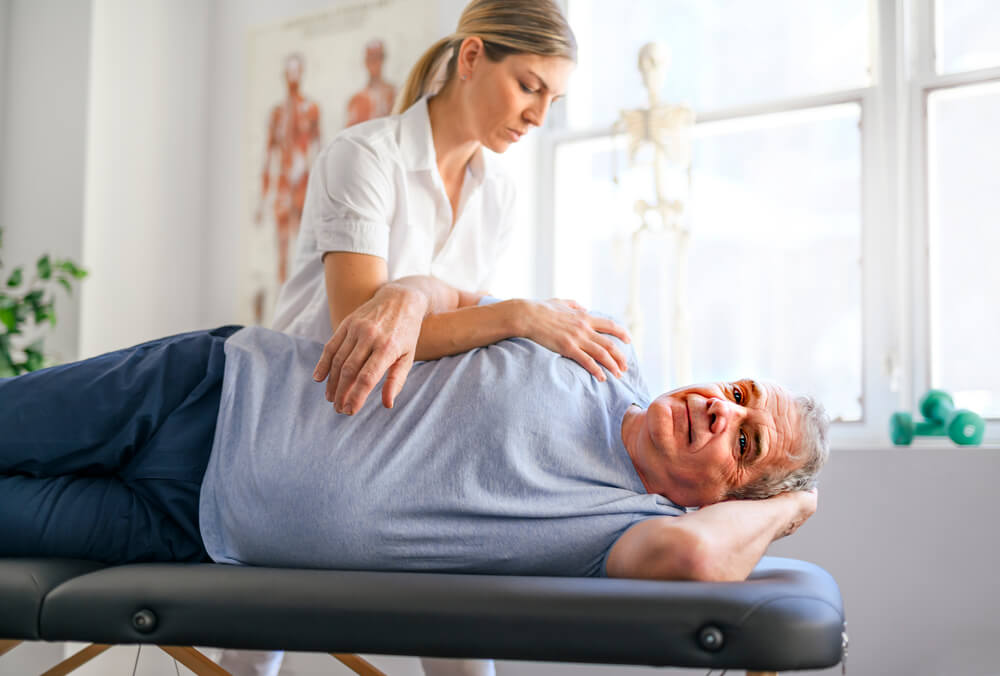
Living on the Shore Shouldn't Mean Living With Shoulder Pain
You moved to Brick for the lifestyle — morning paddleboard sessions on Barnegat Bay, kayaking the Metedeconk River on a Saturday afternoon, or casting a line off the dock at Windward Beach Park. Maybe your weekends revolve around cheering on the Green Dragons at Brick Township High School football games, or walking the 1.6-mile loop at Brick Reservoir with your family. Life along the Jersey Shore is meant to be active and enjoyable.
But when a rotator cuff injury takes hold, even simple overhead movements — reaching for a glass, pulling on a wetsuit, lifting a grandchild — can send a sharp pain through your shoulder. That ache that started after a long day of yard work now wakes you up at night, and you find yourself avoiding activities you once loved.
You do not have to accept this as your new normal. Rotator cuff injuries are among the most common shoulder conditions we treat at Trinity Rehab in Brick, and our team specializes in getting Shore-town residents back to the active life they deserve.
Understanding Your Rotator Cuff
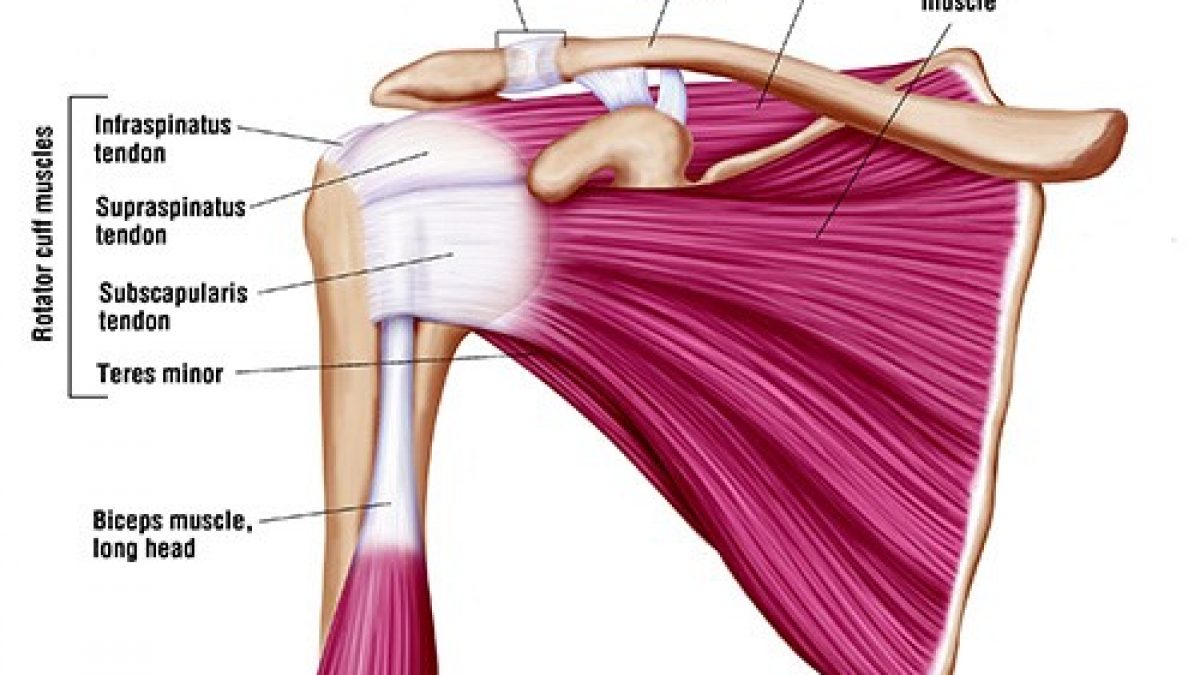
Your rotator cuff is a group of four muscles and their tendons — the supraspinatus, infraspinatus, teres minor, and subscapularis — that stabilize your glenohumeral joint (the ball-and-socket joint of your shoulder). They keep the head of your humerus seated in the shallow socket of your shoulder blade, providing the dynamic stability that allows you to reach, throw, lift, and rotate with precision.
When one or more of these tendons becomes damaged — through a sudden tear, gradual wear, or chronic rotator cuff tendinopathy — your shoulder’s mechanical system is compromised. Without treatment, inflammation or a partial tear can progress to a full-thickness tear, significant loss of range of motion, and long-term disability. Physical therapy is the first-line, evidence-based treatment for most rotator cuff injuries and can often help you avoid surgery entirely.
What Causes Rotator Cuff Injuries in Brick?
Brick’s demographics and lifestyle create a unique mix of rotator cuff injury causes.
The Active Retiree
With over 20% of Brick’s population aged 65 and older, age-related tendon degeneration is a leading cause. Years of use naturally reduce blood flow to the supraspinatus tendon, making it vulnerable to tears during routine activities. If you enjoy golf at Ocean County Golf Course at Forge Pond, swimming at the community pool, or gardening, repetitive overhead motions accelerate this process.
Shore-Town Athletes
Brick’s proximity to the beach and bay means residents surf, paddleboard, swim, and boat regularly. The repetitive paddling motion places enormous stress on the infraspinatus and supraspinatus, especially when fatigue sets in. We also see athletes from Brick Township High School — particularly those in ice hockey (11 state titles), swimming, baseball, and wrestling — who develop sports-related rotator cuff injuries from overuse.
Workplace Strain
Many Brick residents work at Ocean University Medical Center, in retail at ShopRite, Walmart, or Costco, or in Shore trades. Healthcare workers lift and transfer patients. Retail employees stock shelves overhead. Tradespeople reach, hammer, and carry heavy materials. Each pattern puts the rotator cuff at risk for work-related injuries.
The Family Caregiver
With 17.7% of Brick’s population under 18, many residents constantly lift and carry young children. The awkward lift of a toddler from a car seat or pushing a child on a swing at Drum Point Sports Complex can trigger rotator cuff pain, especially in a tendon already weakened by age.
Recognizing the Signs
You should seek professional evaluation if you experience:
- A dull, deep ache that worsens at night, especially lying on the affected side
- Pain when reaching overhead, behind your back, or across your body
- Weakness when lifting or rotating your arm
- A catching or clicking sensation during shoulder movement
- Progressive loss of range of motion, making daily tasks harder
- Pain radiating down the outside of your upper arm
- Sudden, sharp pain following a fall or forceful motion
- rotator cuff recovery guide
The sooner you begin treatment, the better your outcome. Schedule an appointment at our Brick location to get started.
How We Treat Rotator Cuff Injuries at Trinity Rehab in Brick
Your treatment plan is built around your specific injury, your goals, and your life in Brick. Here is our evidence-based approach, organized by core treatment methods.
Manual Therapy: Restoring Mobility by Hand
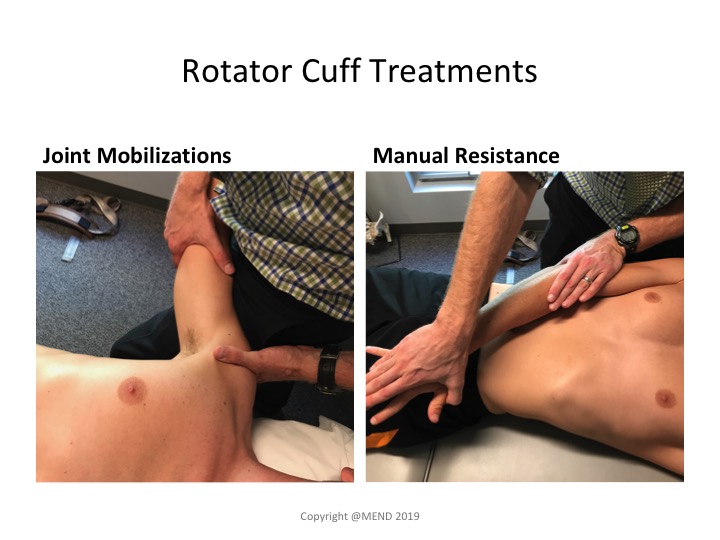
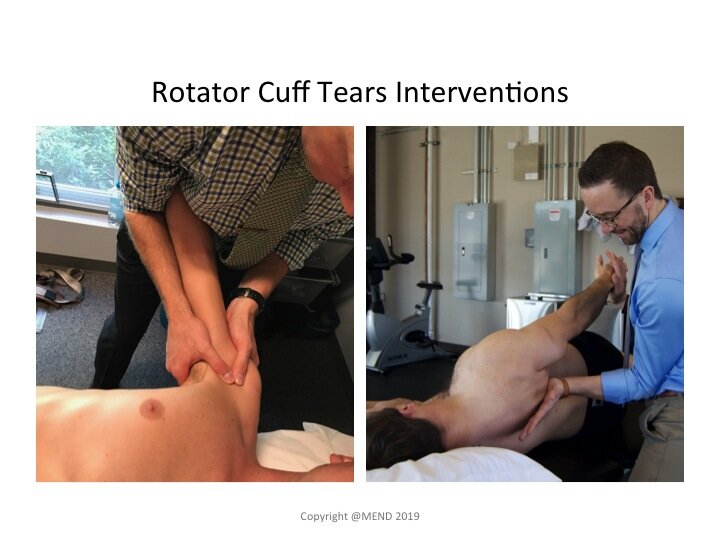
Manual therapy is often the starting point of recovery. Our therapists use hands-on techniques to address joint stiffness, soft tissue restrictions, and pain.
This includes joint mobilizations of the glenohumeral joint to restore accessory motion, soft tissue mobilization around the supraspinatus and infraspinatus tendons, and scapulothoracic mobilization to ensure your shoulder blade moves properly. When the scapula is restricted, the rotator cuff must work harder to stabilize the joint, perpetuating pain and dysfunction.
Eccentric Loading: Rebuilding Tendon Strength
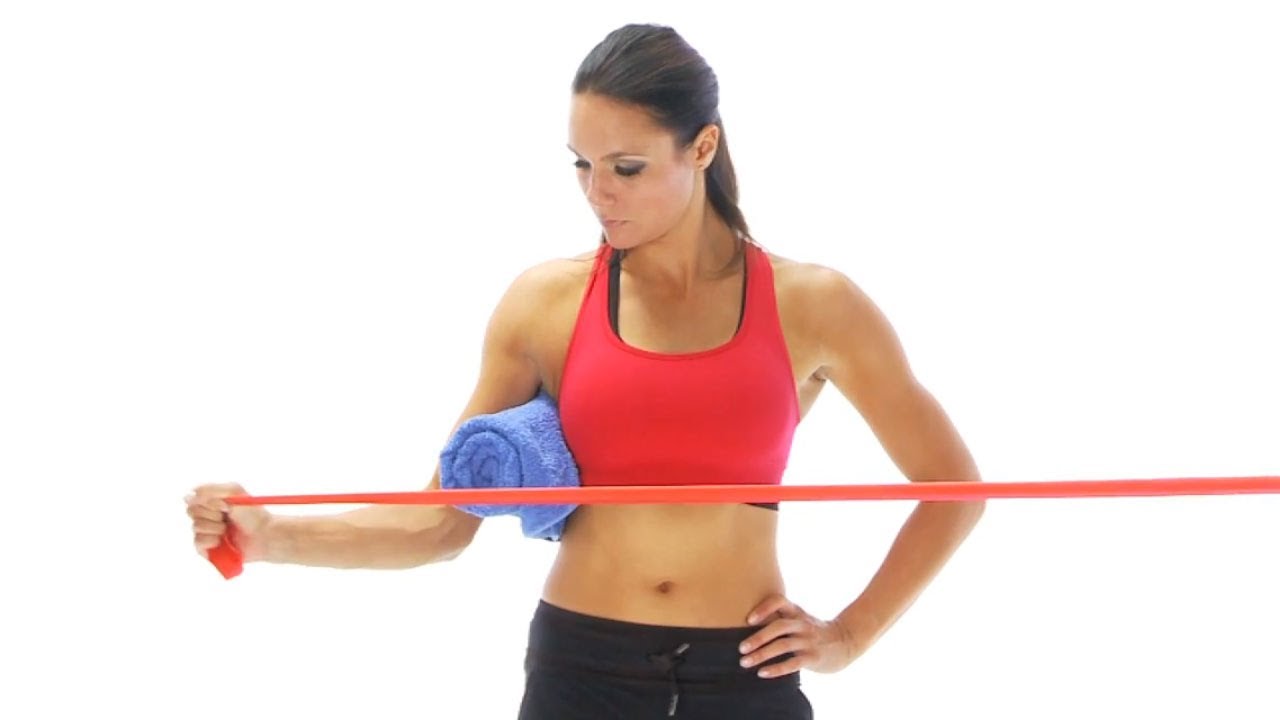
For rotator cuff tendinopathy, eccentric loading exercises are among the most effective treatments available. These focus on the controlled lengthening phase of a muscle contraction, stimulating tendon remodeling and increasing load tolerance.
Your therapist designs a progressive eccentric program for the specific tendon involved. For supraspinatus tendinopathy, this might begin with slow, controlled lowering of a light weight and gradually increase in load and complexity. Research shows eccentric training produces structural changes in damaged tendons, reducing pain and improving function over weeks. This is especially valuable for Brick residents returning to paddling, swimming, or overhead work.
Scapular Stabilization: Fixing the Foundation
Your shoulder blade is the foundation of all shoulder movement. When the muscles controlling scapular stabilization — the serratus anterior, lower trapezius, and rhomboids — are weak or poorly coordinated, the rotator cuff compensates, contributing to injury and recurrence.
Exercises like wall slides, serratus punches, and prone Y-T-W raises teach your shoulder blade to move in proper rhythm with your arm. Over time, this restores the scapulohumeral rhythm that protects your rotator cuff during every reach, throw, and lift.
Advanced Modalities: Accelerating Recovery
At our Brick clinic, we offer advanced modalities that complement hands-on care and exercise:
- Dry Needling: Thin needles inserted into trigger points in the rotator cuff muscles reduce guarding, improve blood flow, and provide rapid pain relief — particularly for chronic tension in the infraspinatus or upper trapezius.
- EPAT (Extracorporeal Pulse Activation Technology): This shockwave therapy delivers acoustic pressure waves to the damaged tendon, stimulating your body’s healing response. EPAT is effective for chronic rotator cuff tendinopathy when patients have plateaued with exercise alone.
These are integrated into your comprehensive physical therapy plan to enhance progress.
Functional Training: Getting Back to Your Life
The final phase focuses on returning you to the activities that matter most. For a Brick resident, that might mean rebuilding shoulder endurance for kayaking the Metedeconk River, restoring overhead power for competitive swimming or ice hockey, developing stamina for a physical shift at Ocean University Medical Center, or regaining confidence to play catch with your kids at Drum Point Sports Complex.
Your therapist designs activity-specific drills that progressively challenge your shoulder in the exact movements you need. This is targeted preparation for your real life.
Prevention Tips for Brick Residents
- Warm up before water sports. Spend five minutes on arm circles, band pull-aparts, and shoulder stretches before launching your kayak or grabbing your surfboard.
- Strengthen scapular muscles year-round. Rows, face pulls, and wall slides take five minutes and dramatically reduce injury risk.
- Use proper lifting mechanics at work. Use a step stool to reduce overhead strain and keep loads close to your body.
- Modify your sleeping position. Avoid sleeping on the affected side. Place a pillow between your arm and body to reduce rotator cuff compression.
- Listen to early warning signs. A shoulder ache persisting beyond a week warrants evaluation, not a “wait and see” approach.
Why Brick Residents Choose Trinity Rehab
- Local expertise. Our therapists understand Shore-town demands. Your recovery goals are about getting back on the water, back to work, and back to life along Barnegat Bay.
- Evidence-based, individualized care. Every plan is designed for your injury, body, and goals — no cookie-cutter protocols.
- Comprehensive treatment options. From manual therapy and eccentric loading to dry needling and EPAT, we address your injury from every angle.
- Long-term results. We aim to make your shoulder more resilient than before your injury.
- Convenient access. Easy to reach from the mainland or peninsula, with flexible scheduling for work and family.
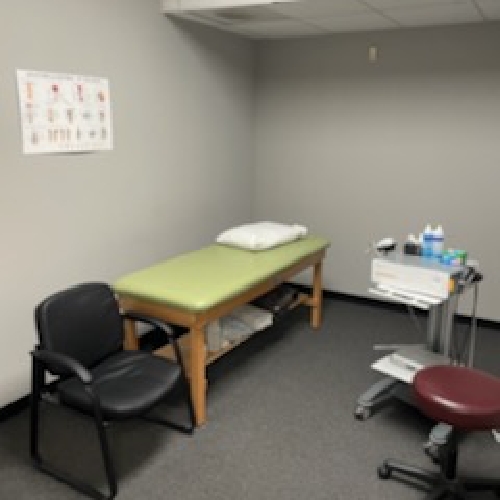
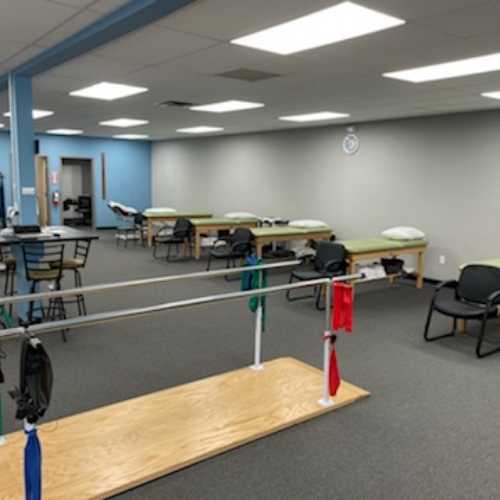
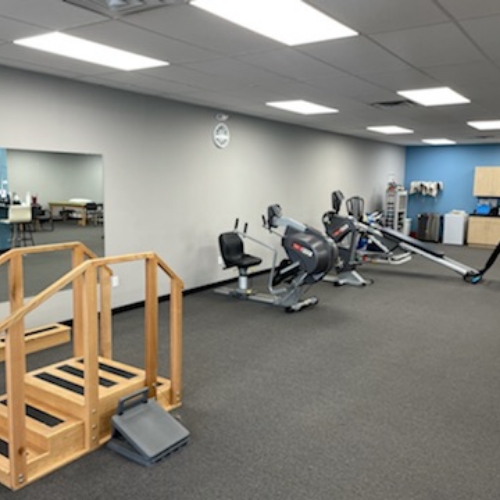
Inside Our Brick Clinic
Frequently Asked Questions
Do I need a doctor's referral to start physical therapy for a rotator cuff injury in New Jersey?
How long does physical therapy take for a rotator cuff injury?
Can physical therapy help me avoid rotator cuff surgery?
What should I expect at my first appointment?
Take the First Step Toward Recovery
Shoulder pain does not improve by ignoring it. Whether your pain started after surfing near Mantoloking Bridge, a tough shift at work, or reaching for something on a high shelf, the team at Trinity Rehab in Brick is ready to help.
Schedule your appointment today and take the first step toward a stronger, pain-free shoulder. Learn more about our approach to shoulder pain relief and explore whether your injury may be related to a sports injury or work injury.
Start Your Recovery in Brick Today
Don’t let shoulder pain hold you back. Schedule your evaluation at Trinity Rehab in Brick and take the first step toward a stronger, pain-free shoulder.
Local Rotator Cuff Care in Brick, NJ
For patients in Brick and nearby communities such as Point Pleasant, Lakewood, Toms River, Wall, rotator cuff rehab has to fit real routines: shore work, golf, home projects, pickleball, and weekend errands. Your therapist will connect shoulder symptoms to the daily demands that matter most, including lifting groceries, reaching shelves, sleeping on the affected side, and getting back to active Shore routines.
Your first visit at Trinity Rehab Brick Township includes a review of your symptoms, shoulder and neck mobility, rotator cuff strength, scapular control, posture, lifting mechanics, and the activities you need to return to. The clinic is located at 486 Brick Blvd, Brick Township, NJ, 08723.
Call (732) 920-4500 for the Brick clinic, or use the clinic page for current hours and appointment details.
For directions, parking context, and the best route to the clinic, use Google Maps for Trinity Rehab Brick.
Rotator cuff injuries can overlap with shoulder pain, shoulder impingement, neck pain, and upper back mobility limitations. Your plan may include manual therapy, progressive rotator cuff loading, scapular strengthening, posture work, dry needling when appropriate, and careful return-to-work or return-to-sport progression.
Related Conditions & Treatments
Rotator cuff injuries are just one of the many conditions we treat at Trinity Rehab Brick. Explore our full range of conditions we treat or learn more about specific treatment approaches:
What Our Patients Say



Sign up for free health tips and tricks