

ACL TREATMENT PHYSICAL THERAPY IN SPARTA, NJ
Where the ridgeline of Sparta Mountain meets the shoreline of Lake Mohawk, life moves on trails, courts, and fields. This Sussex County township carries a warrior name — and the community lives up to it. Spartans athletes compete with state-championship intensity, hikers navigate rugged terrain above Edison Bog, skiers carve through winter slopes along Route 15, and tennis players battle under the summer sun at the Lake Mohawk clubs. That outdoors-first, all-seasons lifestyle is what makes Sparta one of the most active communities in northern New Jersey. It also means that when an anterior cruciate ligament injury strikes — on a rain-soaked football field, a root-tangled mountain trail, or a factory floor — the impact reaches far beyond the knee joint.
At Trinity Rehab in Sparta, we provide specialized acl treatment physical therapy designed around the way this community actually moves. Whether your goal is returning to the Spartans’ varsity lineup, finishing a Sparta Mountain summit hike without pain, or simply walking the Lake Mohawk Boardwalk with confidence, our approach is built for the demands of life in this township.
UNDERSTANDING ACL INJURIES
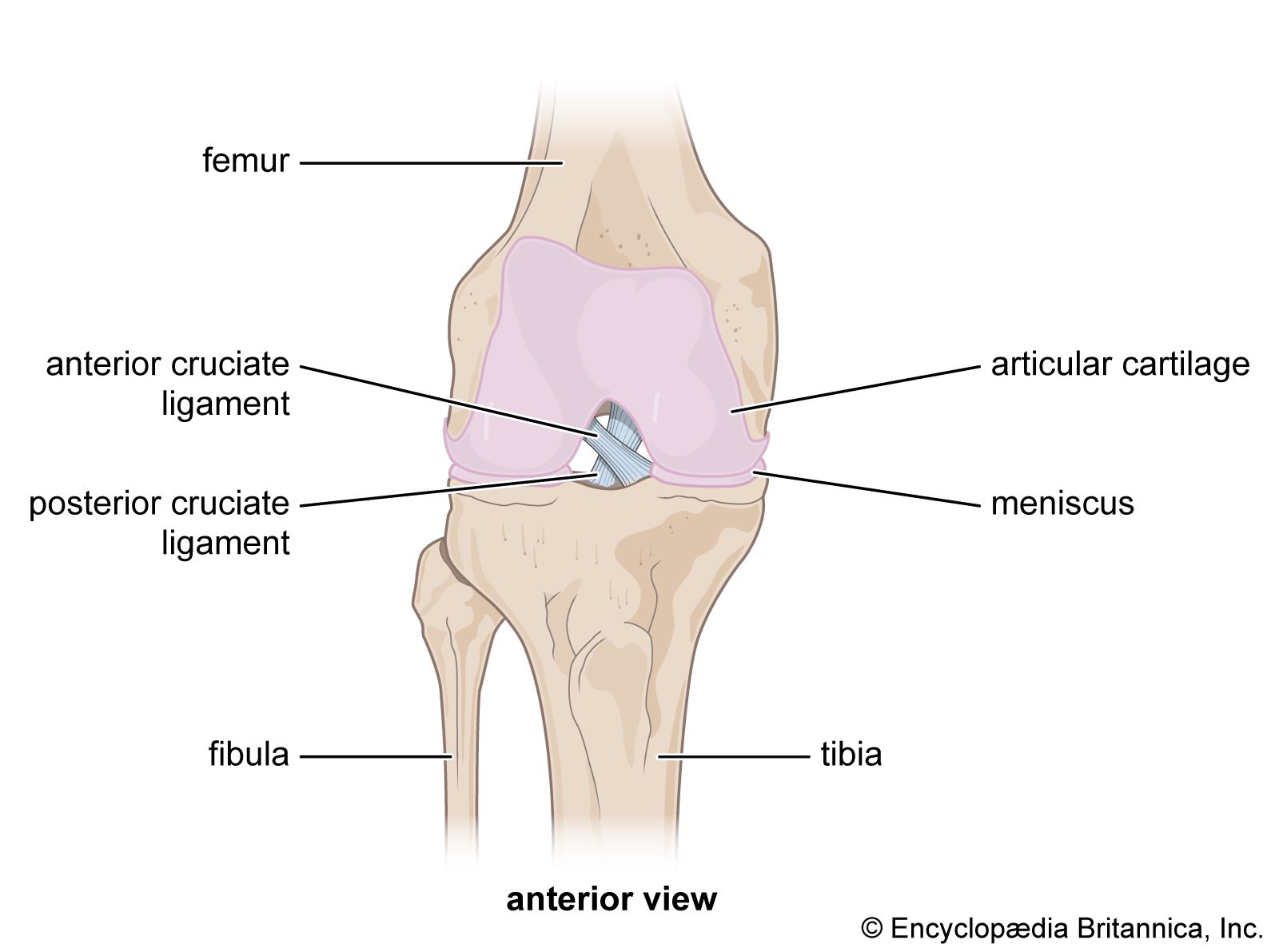
The anterior cruciate ligament is a band of dense connective tissue running diagonally through the center of the knee joint, connecting the thighbone to the shinbone. Its primary role is preventing the tibia from sliding forward and providing rotational knee stability during cutting, pivoting, and landing movements. When this ligament is damaged — whether through a partial tear or a complete rupture — the result is an acl tear that fundamentally compromises how the knee functions under load.
An acl injury can occur through contact or non-contact mechanisms. Non-contact tears, which account for roughly 70% of all ACL injuries, typically happen during sudden deceleration, a sharp change of direction, or an awkward single-leg landing. Contact injuries result from direct force to the knee, common in football, soccer, and other collision sports. In both cases, the disruption to knee function can be immediate and severe, often accompanied by damage to the meniscus or other supporting structures.
WHY RECOVERY MATTERS
An untreated or poorly rehabilitated ACL injury does more than sideline you from sports. Without proper rehabilitation, the knee loses its ability to stabilize during everyday activities — stepping off a curb, descending stairs, or pivoting to lift a child. Over time, this instability accelerates cartilage breakdown, increasing the likelihood of early-onset arthritis and chronic hip and knee pain. Structured physical therapy restores the muscle strength, proprioception, and movement patterns that protect the knee for the long term — whether or not surgery is part of the plan.
COMMON CAUSES OF ACL INJURIES IN SPARTA
Sparta’s geography and culture create a distinct profile of ACL injury risk that goes well beyond the typical sports-injury narrative.
High school and youth athletics are central to Sparta’s identity. Sparta High School’s football program has captured multiple state championships, and the Spartans compete fiercely in girls’ basketball, boys’ soccer, wrestling, softball, and track and field. Organizations like Sparta Soccer Club, Sparta PAL Basketball, Sparta Youth Football & Cheer, and Sparta Little League keep younger athletes active year-round. The combination of competitive intensity and adolescent growth plates makes ACL tears a persistent concern — picture a Spartans football player planting and cutting on a rain-slicked field during a state championship run, feeling that unmistakable pop in the knee as the cleat grips and the body rotates.
Trail and mountain activity is woven into daily life here. Sparta Mountain Wildlife Management Area draws hikers to miles of rocky, root-laced trails with elevation changes that stress the knee on every descent. A misstep during a steep downhill stretch near the Edison Bog overlook — a boot catching a root, the knee buckling under the momentum of a loaded pack — is exactly the kind of awkward, high-force incident that tears an anterior cruciate ligament.
Racquet sports and lake recreation round out the risk profile. The Lake Mohawk Tennis & Golf Clubs and the Sparta Athletic Campus host competitive tennis, pickleball, and fitness activities where hard lateral pivots on firm court surfaces load the ACL intensely. A Lake Mohawk Tennis Club player pivoting hard during a doubles match on the lakeside courts can generate the same rotational force that injures a Division I athlete.
Workplace incidents also contribute. Major employers like Komline-Sanderson/Fluid-Quip and Testo Inc. operate manufacturing and engineering facilities where wet floors, uneven surfaces, and heavy equipment create slip-and-fall hazards. A Komline-Sanderson manufacturing worker slipping on a wet factory floor during a shift can sustain the same devastating acl tear as any athlete — and faces the same long road back to full function. Trinity Rehab treats work injuries and sports injuries with equal rigor.
RECOGNIZING SYMPTOMS
ACL injuries typically announce themselves clearly. Most people report hearing or feeling a pop at the moment of injury, followed by rapid swelling within the first few hours. The knee may feel unstable or give way when attempting to bear weight. Reduced range of motion, tenderness along the joint line, and difficulty walking are all common early signs. Some individuals — particularly those with partial tears — experience subtler symptoms: a vague sense of instability during lateral movement, intermittent swelling after activity, or a persistent feeling that the knee “isn’t right.” Any of these symptoms after a twisting, pivoting, or hyperextension event warrants evaluation by a physical therapist or orthopedic specialist.
HOW PHYSICAL THERAPY HELPS
A comprehensive ACL rehabilitation program addresses the injury from every angle — reducing pain, restoring mobility, rebuilding strength, and retraining the neuromuscular control systems that protect the knee during dynamic movement. At Trinity Rehab Sparta, our physical therapist team draws on a range of evidence-based treatments tailored to each patient’s injury severity, activity goals, and recovery timeline.
Manual Therapy
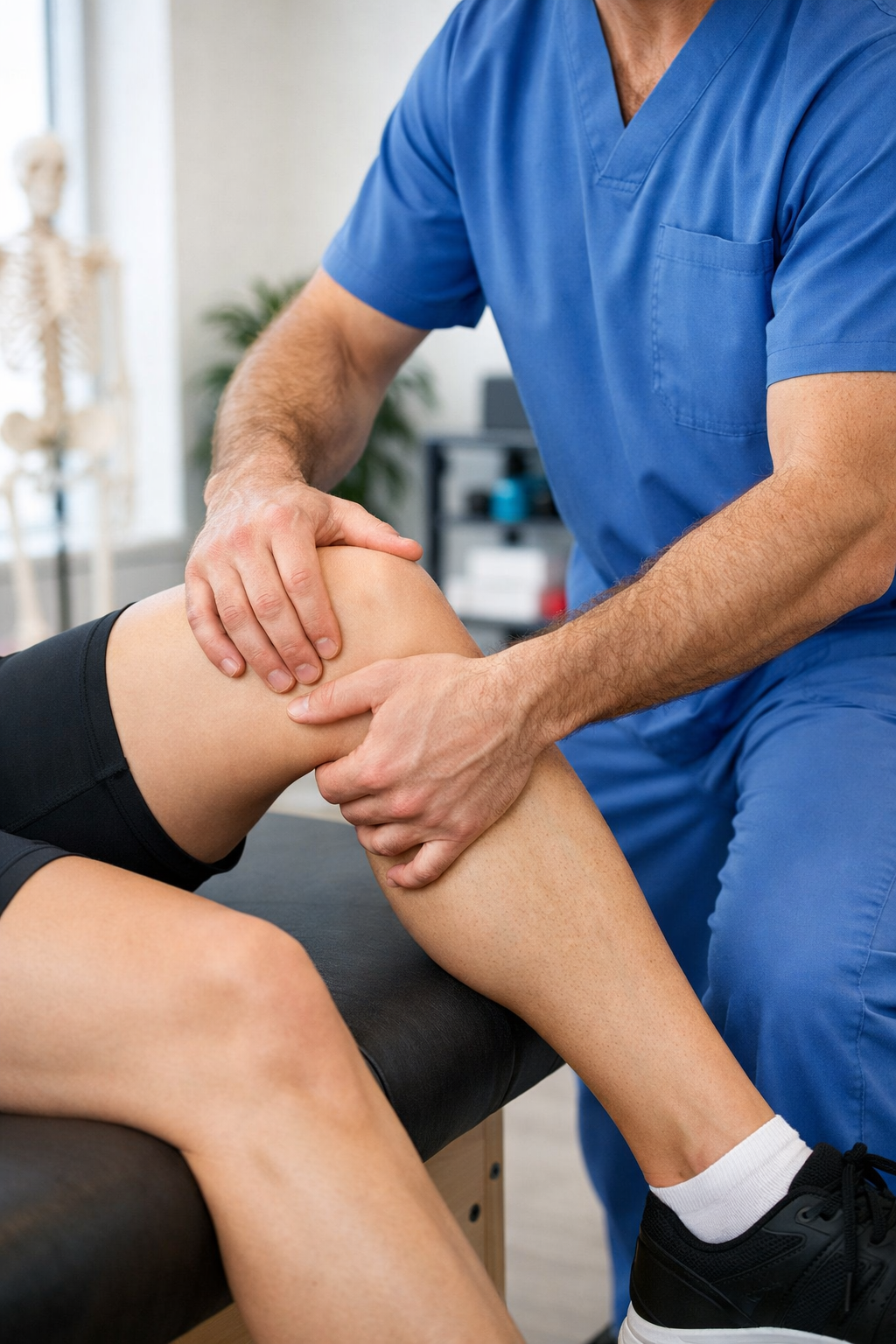
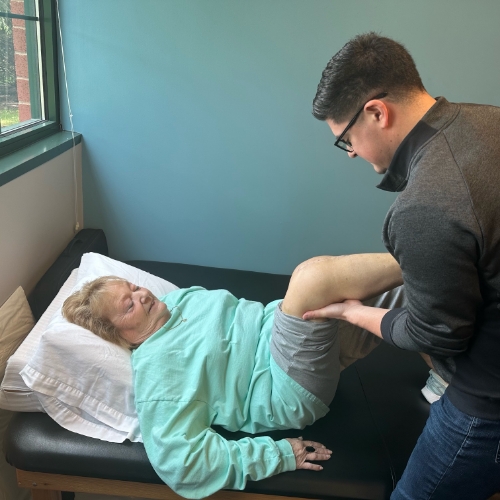
Manual therapy uses skilled hands-on techniques — joint mobilization, soft tissue manipulation, and targeted stretching — to restore knee motion, reduce swelling, and break up scar tissue that limits movement after an acl injury. In the early phases of recovery, manual therapy is critical for regaining the full range of motion that downstream strengthening depends on.
Progressive Strengthening
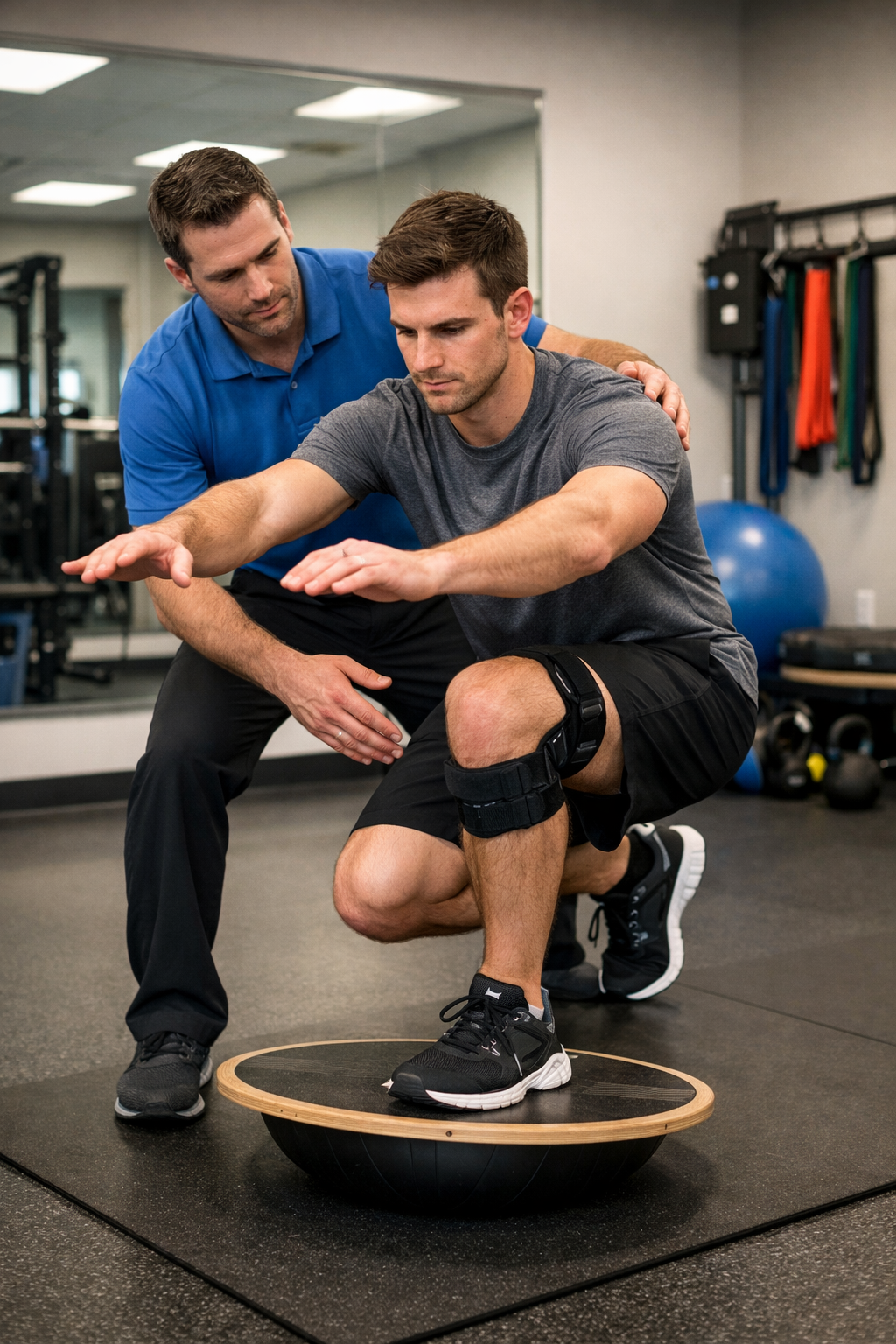
Rebuilding muscle strength around the knee is the backbone of ACL rehabilitation. Our programs emphasize the quadriceps, hamstrings, glutes, and core through a structured progression — beginning with isometric holds and straight-leg raises, advancing through hamstring curls, squats, and lunges, and culminating in dynamic, loaded movements. Hamstring strength is particularly important because the hamstrings act as a secondary stabilizer of the knee, reducing stress on the healing or reconstructed ligament. Strengthening exercises are dosed and progressed based on objective benchmarks, not arbitrary timelines.
EPAT / Shockwave Therapy
EPAT (Extracorporeal Pulse Activation Technology), also known as shockwave therapy, delivers acoustic pressure waves to injured tissue to accelerate healing, increase blood flow, and reduce chronic inflammation. For ACL patients dealing with lingering patellar tendon pain, scar tissue restrictions, or slow-healing graft donor sites after anterior cruciate ligament reconstruction, EPAT can meaningfully shorten the recovery timeline.
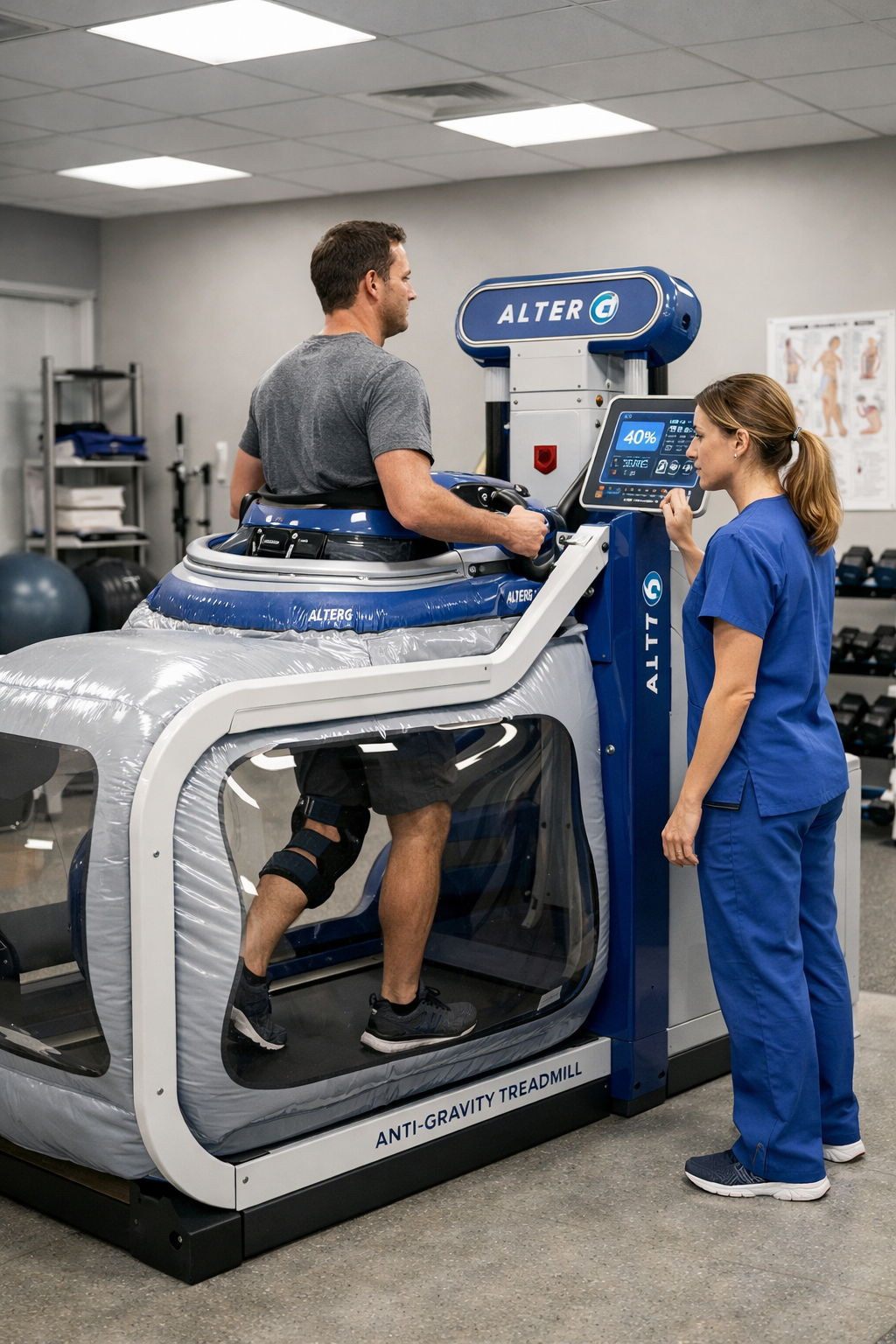
Dry Needling
Dry needling targets myofascial trigger points — tight, painful knots in the muscle — using thin monofilament needles. After an ACL injury, compensatory movement patterns often create trigger points in the quadriceps, hamstrings, calf, and hip musculature. Releasing these restrictions improves muscle activation, reduces pain, and allows patients to engage more fully in strengthening exercises.
Blood Flow Restriction (BFR) Training
Blood flow restriction training uses specialized pneumatic cuffs to partially restrict venous blood return during low-load exercise. This creates a metabolic environment that stimulates significant muscle growth and strength gains at loads as low as 20-30% of a patient’s one-rep max — critical in early post-operative phases when heavy loading would compromise a healing ACL graft. BFR allows our Sparta patients to build meaningful quadriceps and hamstring mass weeks earlier than traditional protocols permit.
Neuromuscular Electrical Stimulation (NMES)
Neuromuscular electrical stimulation delivers controlled electrical impulses to the quadriceps and surrounding muscles, producing involuntary contractions that combat the rapid atrophy and neural inhibition that follow acl surgery or prolonged immobilization. NMES is especially valuable in the first weeks after anterior cruciate ligament reconstruction, when voluntary quadriceps activation is severely impaired.
Sport-Specific Rehabilitation
For Sparta’s athletes — from Spartans varsity competitors to Sparta Soccer Club players to weekend warriors at the Sparta Athletic Campus — the final phase of rehabilitation must mirror the demands of their sport. Sport-specific rehab integrates agility drills, cutting patterns, plyometric training, and position-specific movements into treatment sessions. A football player practices lateral shuffles and acceleration-deceleration sequences; a tennis player works on split-step landings and multidirectional pivots; a trail hiker trains eccentric control on decline surfaces with uneven footing. Balance exercises and proprioception drills are layered throughout to restore the unconscious joint-position awareness that prevents re-injury.
NON-SURGICAL VS. SURGICAL PATHWAYS
Not every acl tear requires acl surgery. For patients with partial tears, lower activity demands, or specific medical considerations, a structured non-surgical rehabilitation program — sometimes called conservative management — can restore adequate knee stability and function without acl reconstruction. This pathway emphasizes aggressive strengthening, proprioception training, and activity modification, and it can be highly effective for individuals whose goals center on daily function, recreational hiking, or low-impact fitness rather than competitive cutting and pivoting sports.
When surgery is indicated — particularly for competitive athletes, younger patients, or those with combined ligament and meniscal damage — anterior cruciate ligament reconstruction replaces the torn ligament with a graft, typically harvested from the patellar tendon or hamstring tendons. Post-surgical physical therapy follows a phased protocol spanning six to twelve months, with each phase gated by objective strength, mobility, and functional benchmarks. Prehabilitation — targeted strengthening and mobility work performed before surgery — has been shown to significantly improve post-operative outcomes, and our Sparta clinic builds pre-op programs for every surgical patient.
RETURN TO SPORT
Return to sport is not a date on the calendar — it is a set of measurable criteria. At Trinity Rehab Sparta, we use objective testing including limb symmetry indices for quadriceps and hamstring strength, single-leg hop tests, dynamic balance assessments, and sport-specific movement screens to determine readiness. Plyometric training intensity is progressively increased, and patients must demonstrate confident, symmetrical performance in reactive agility drills before clearance. For a Spartans athlete eyeing a return to Friday-night football or a spring soccer season with Sparta Soccer Club, this process ensures the knee is not just healed — it is prepared for the full, unpredictable demands of competition.
PREVENTION
ACL injury prevention is most effective when it starts before the first injury — or immediately after recovery to prevent a second one. Evidence-based prevention programs combine neuromuscular training, strengthening exercises targeting the hamstrings and hip stabilizers, balance exercises on unstable surfaces, and technique coaching for landing, cutting, and deceleration mechanics. For Sparta’s youth athletes, integrating these protocols into Sparta PAL Basketball practices, Sparta Youth Football conditioning, and pre-season soccer training can reduce ACL injury rates by 50% or more. Our clinic also designs injury prevention programs for active adults — trail runners, skiers, tennis players, and fitness enthusiasts — who want to protect their knees through decades of the active lake-and-mountain lifestyle that defines this community.
WHY CHOOSE TRINITY REHAB SPARTA
Trinity Rehab’s Sparta clinic sits at the center of this community’s active life. Located at 10 N Village Blvd, Suite D, Sparta, NJ 07871, we serve families from across the township — from the neighborhoods surrounding Lake Mohawk and White Deer Plaza to the rural stretches along Route 15. Our physical therapists understand the specific demands Sparta places on the knee: the steep, uneven terrain of Sparta Mountain, the hard-court pivots at the Athletic Campus, the competitive intensity of Spartans athletics, and the industrial hazards at local employers. We treat the full spectrum of physical therapy conditions with individualized, evidence-based care — and we measure success not by visits completed, but by function restored.
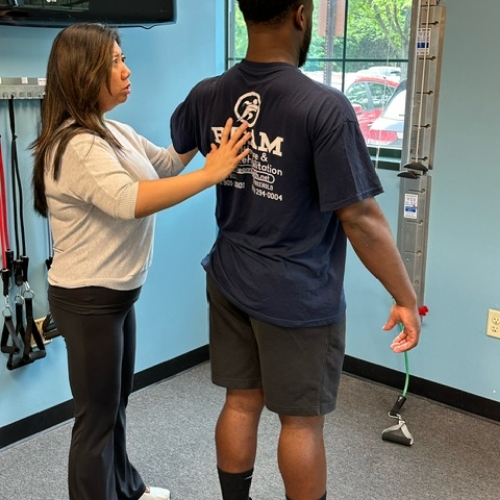
Inside Our Sparta Clinic


RELATED CONDITIONS & TREATMENTS
ACL injuries are just one of the many conditions we treat at Trinity Rehab Sparta. Explore our full range of conditions we treat or learn more about specific treatment approaches:
FREQUENTLY ASKED QUESTIONS
How long does ACL rehabilitation take at Trinity Rehab Sparta?
Can I rehab an ACL tear without surgery?
I injured my knee hiking on Sparta Mountain. Could it be an ACL tear?
Does Trinity Rehab Sparta treat work-related ACL injuries?
What should I do to prepare for ACL surgery?
An ACL injury does not have to redefine your relationship with the trails, fields, courts, and active life that make Sparta home. Whether you are a Spartans athlete fighting back to competition, a hiker determined to return to the Edison Bog overlook, or a worker recovering from an on-the-job knee injury, Trinity Rehab Sparta is ready to guide your recovery from first evaluation through full return to sport and beyond.
Our clinic is located at 10 N Village Blvd, Suite D, Sparta, NJ 07871. Schedule your appointment today and take the first step back to the active Sparta lifestyle you know.
What Our Patients Say