

ACL TREATMENT PHYSICAL THERAPY IN SEWELL, NJ
When the Washington Township High School Minutemen football squad captured yet another state title in 2024-2025, the roar from TD Bank Arts Centre could practically be heard across Washington Lake Park. Sewell knows what it takes to compete at the highest level — and what it costs. For athletes and active residents across Washington Township, few injuries test that grit quite like a torn anterior cruciate ligament. Whether you’re chasing a Group IV championship, logging miles on the trails at Washington Lake Park, or playing in a Thursday-night PlayMore NJ volleyball league, ACL treatment physical therapy at Trinity Rehab in Sewell can help you rebuild your knee, restore your confidence, and return to the activities that define life in this community.
UNDERSTANDING ACL INJURIES
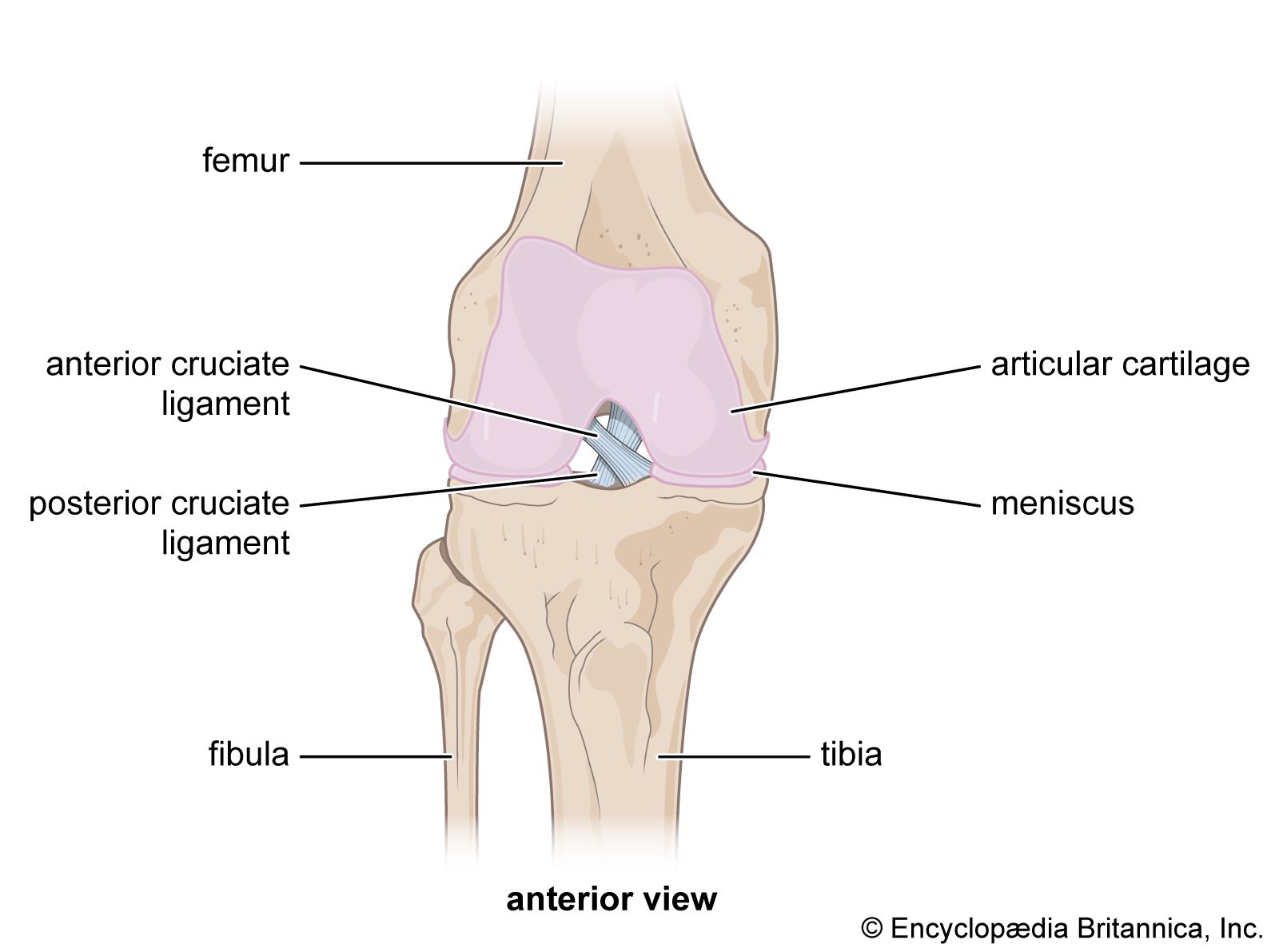
The anterior cruciate ligament is one of four primary ligaments that stabilize the knee joint. It runs diagonally through the center of the knee, connecting the femur to the tibia and preventing the shinbone from sliding forward. The ACL also controls rotational forces during cutting, pivoting, and deceleration — the exact movements that define competitive sports.
An ACL tear can be partial or complete. A partial tear leaves some fibers intact with limited knee stability. A complete tear means the ligament has fully ruptured, often with damage to the meniscus or other structures. Either way, an anterior cruciate ligament injury fundamentally changes how the knee functions and requires structured rehabilitation to restore knee stability and long-term joint health.
WHY RECOVERY MATTERS
An untreated or poorly rehabilitated ACL injury doesn’t just sideline you for a season. It sets the stage for chronic instability, cartilage degeneration, and early-onset arthritis that can limit mobility for decades. Research shows that patients who complete a full course of physical therapy have significantly better outcomes in knee function, muscle strength, and long-term joint health than those who cut rehabilitation short.
For the families of Sewell, where 83% of residents own their homes and over one in five residents is under eighteen, protecting long-term knee health isn’t abstract. It means being able to coach your kid’s soccer team at the Washington Township Parks & Recreation Complex, keep up on the paved trails at Tall Pines State Preserve, or maintain the physical demands of a warehouse shift near Route 42 without pain or limitation.
COMMON CAUSES OF ACL INJURIES IN SEWELL
In Sewell, ACL injuries commonly result from:
- High school athletics. The Minutemen compete at the highest levels across multiple sports. Football’s cutting and tackling demands are well-known ACL risks, but boys soccer — with its Group IV state titles in 2014, 2015, and 2018 — generates just as many non-contact ACL tears through sudden direction changes and awkward landings. Softball, girls lacrosse, wrestling, and track athletes are also at elevated risk.
- Adult recreational leagues. PlayMore NJ runs adult basketball, soccer, softball, flag football, and volleyball leagues throughout Washington Township. These athletes often compete at high intensity without structured conditioning programs, making ACL injury a genuine concern — particularly in jumping and landing sports like volleyball and basketball.
- Workplace demands. Jefferson Health Washington Township, the area’s largest employer with roughly 670 workers, requires staff to spend long shifts on their feet, often pivoting quickly in patient care settings. Warehouse and logistics workers near Route 42 face similar risks, carrying loads across uneven surfaces. A work injury involving the knee can happen in a single misstep during an exhausting shift.
- Outdoor recreation. Washington Lake Park’s 330 acres — the largest municipal park in New Jersey — draw runners, hikers, and families year-round. Trail surfaces with roots, uneven ground, and elevation changes create the exact conditions where a single caught foot can produce enough rotational force to damage the anterior cruciate ligament.
RECOGNIZING THE SYMPTOMS OF AN ACL INJURY
Many people who tear their ACL describe hearing or feeling a distinct “pop” at the moment of injury, followed by rapid swelling. Other hallmark signs include:
- A feeling that the knee is “giving way” or buckling during weight-bearing activity
- Rapid loss of range of motion, particularly the inability to fully straighten the knee
- Tenderness along the joint line
- Pain that makes it difficult to walk or bear weight
- A sense of instability during lateral or pivoting movements
If you experience these symptoms — whether on the pitch during a state tournament match or on a Saturday morning jog around Washington Lake — prompt evaluation by a physical therapist or orthopedic specialist is critical. Early intervention protects the knee from additional damage and gives you the best foundation for recovery.
HOW PHYSICAL THERAPY HELPS AFTER AN ACL INJURY
A skilled physical therapist designs your ACL rehabilitation around your specific injury, your goals, and the demands you’ll place on your knee at full activity. At Trinity Rehab in Sewell, treatment plans draw on evidence-based techniques.
Manual Therapy
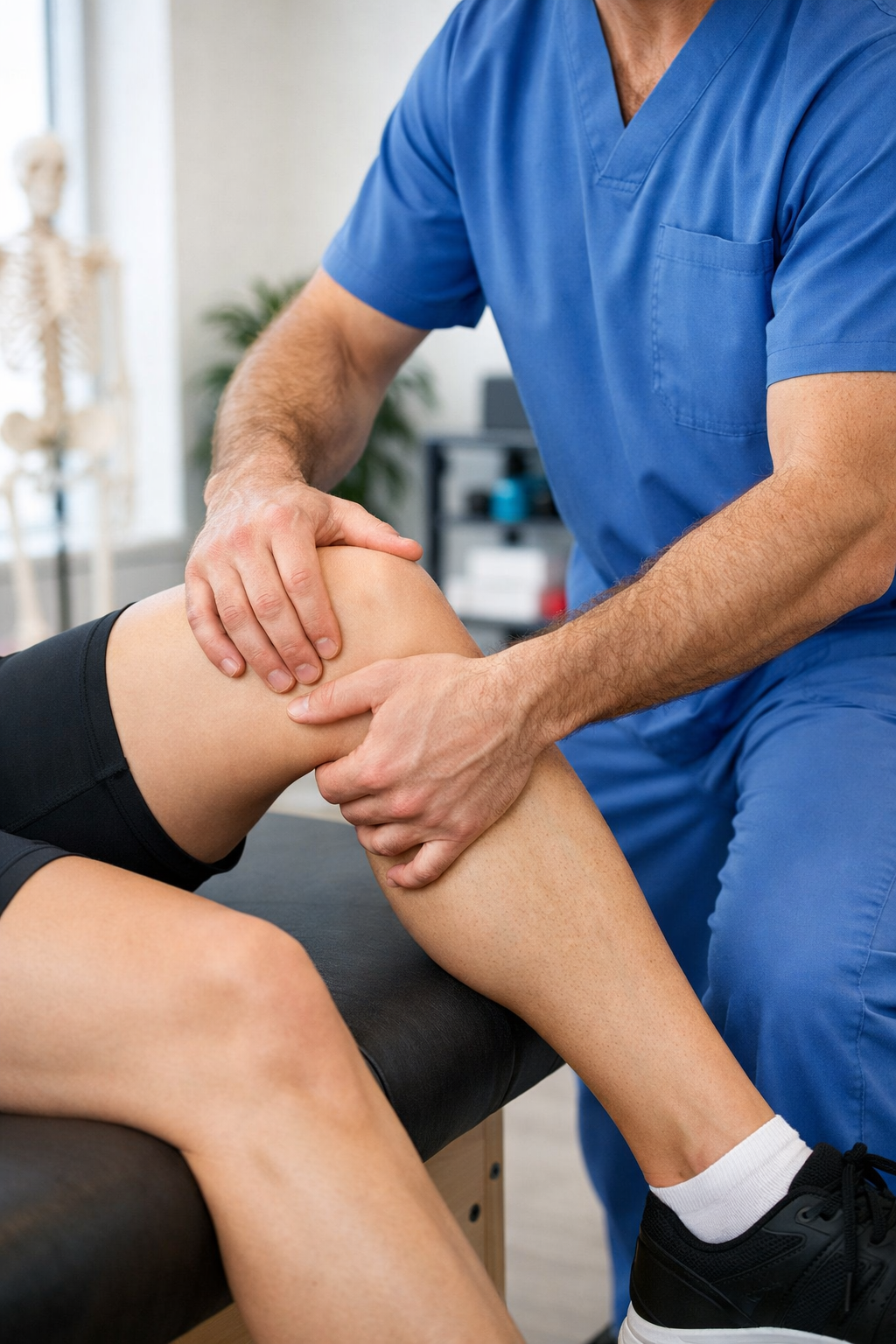
Manual therapy involves hands-on techniques — joint mobilizations, soft tissue work, and targeted stretching — to restore knee motion, reduce swelling, and address compensatory tightness in the hip, ankle, and surrounding muscles. Early in rehabilitation, manual therapy is essential for regaining the range of motion that swelling and guarding restrict.
Progressive Strengthening
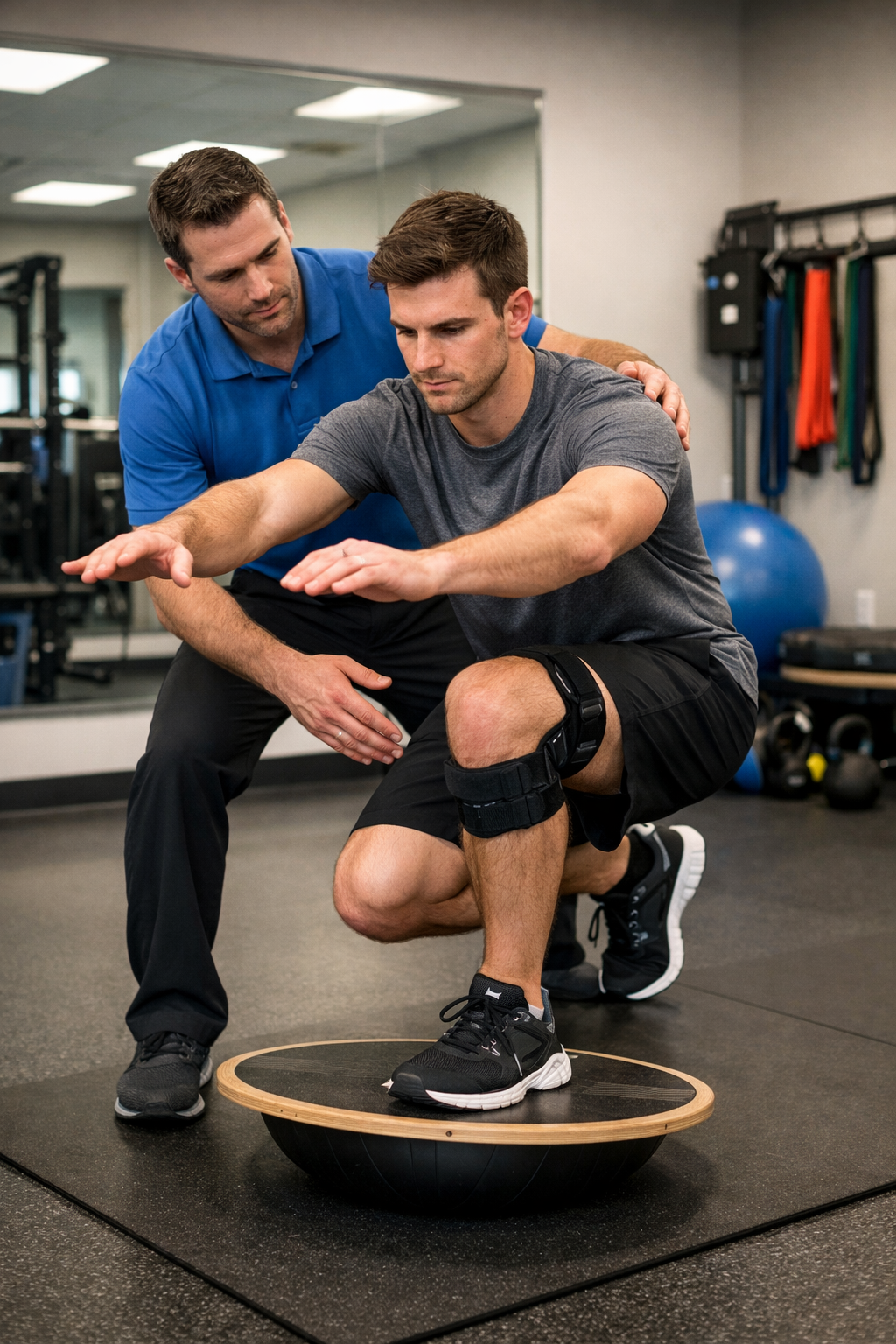
Rebuilding muscle strength around the knee is the cornerstone of ACL recovery. Your program will systematically target the quadriceps, hamstrings, glutes, and calf muscles through a progression of strengthening exercises that evolve as your knee heals. Early-phase work might focus on isometric quadriceps activation and hamstring curls, while later phases incorporate squats, lunges, and single-leg exercises designed to restore the hamstring strength and overall lower-extremity power you need for high-level activity.
EPAT / Shockwave Therapy
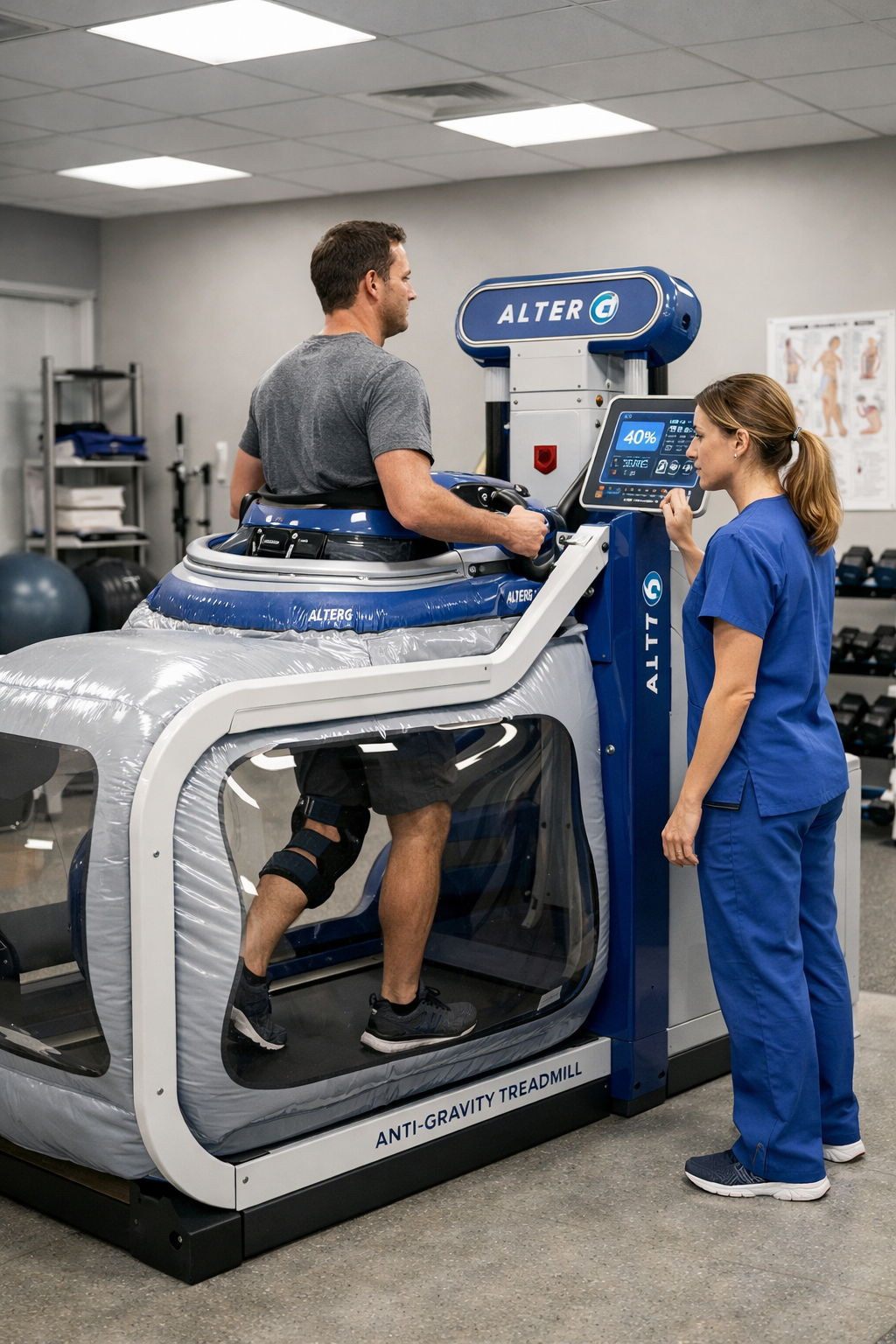
EPAT (Extracorporeal Pulse Activation Technology), also known as shockwave therapy, delivers acoustic pressure waves to injured tissue to stimulate blood flow, accelerate cellular repair, and reduce chronic inflammation. For ACL patients dealing with persistent patellar tendon irritation or lingering soft tissue pain — common after both surgical and non-surgical treatment — EPAT can be a valuable tool for breaking through recovery plateaus.
Dry Needling
Dry needling targets myofascial trigger points in the muscles surrounding the knee. After an ACL injury, the quadriceps, hamstrings, and calf muscles frequently develop painful knots and dysfunctional movement patterns. Inserting thin monofilament needles into these trigger points releases tension, reduces pain, and restores normal muscle recruitment — helping you get more out of every strengthening session.
Blood Flow Restriction (BFR) Training
Blood flow restriction training uses a specialized tourniquet to partially restrict venous blood flow during low-load exercises, stimulating significant muscle strength gains at much lower resistance levels than traditional training requires. For ACL patients who cannot yet tolerate heavy loading — particularly in the early weeks after anterior cruciate ligament reconstruction — BFR allows meaningful quadriceps and hamstring development without stressing the healing graft.
Neuromuscular Electrical Stimulation (NMES)
Neuromuscular electrical stimulation delivers controlled electrical impulses to the quadriceps and other key muscle groups to combat the rapid muscle atrophy that follows ACL injury and surgery. NMES is especially valuable in the early post-operative phase, when voluntary quadriceps activation is impaired and traditional strengthening exercises alone cannot prevent significant muscle loss.
Sport-Specific Rehabilitation
As your knee stability, strength, and proprioception improve, your physical therapist introduces sport-specific drills that mirror the demands of your activity. For a Minutemen soccer player, that means cutting, pivoting, and ball-handling under progressive loads. For a PlayMore NJ volleyball player, it means jump training, lateral shuffles, and reactive landing mechanics. For a trail runner at Washington Lake Park, it means uneven-surface training and downhill deceleration drills. This phase bridges the gap between clinical rehabilitation and full return to sport.
NON-SURGICAL VS. SURGICAL PATHWAYS
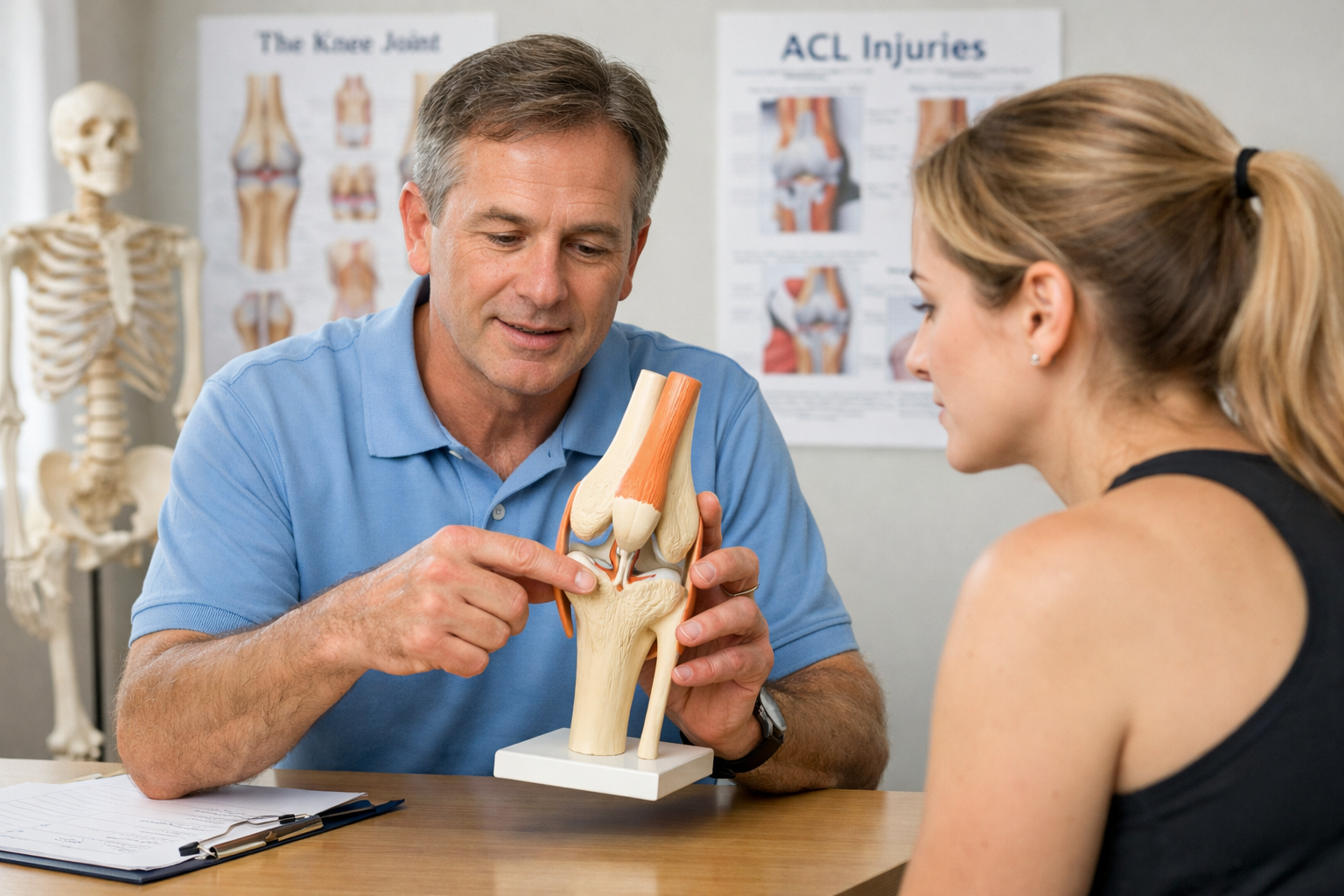
Not every ACL injury requires surgery. The decision between conservative management and anterior cruciate ligament reconstruction depends on tear severity, knee stability, activity level, and long-term goals.
Non-surgical (conservative) management may be appropriate for patients with partial tears, lower activity demands, or those without functional instability. A structured physical therapy program focused on strengthening, proprioception, and balance exercises can restore sufficient knee function for many patients to return to daily activities and moderate recreational sports without surgery.
ACL surgery — typically ACL reconstruction using a graft from the patellar tendon, hamstring tendons, or a donor — is generally recommended for athletes returning to cutting and pivoting sports, patients with combined ligament injuries, or anyone with persistent knee instability despite rehabilitation. Following ACL reconstruction, a physical therapy program spanning six to twelve months is essential to protect the graft, rebuild strength, and restore full knee function.
Regardless of pathway, physical therapy is the common denominator. Even patients who opt for ACL surgery benefit from prehabilitation — targeted strengthening and range of motion work before the procedure — which improves post-operative outcomes and accelerates recovery.
RETURN TO SPORT
Returning to competitive athletics after an ACL injury is a criteria-based process, not a calendar decision. Your physical therapist will evaluate readiness through objective measures including:
- Strength symmetry. Quadriceps and hamstring strength in the involved leg should reach at least 90% of the uninvolved leg.
- Functional testing. Single-leg hop tests, Y-balance assessments, and sport-specific agility drills measure real-world knee performance.
- Movement quality. Video analysis of landing mechanics, cutting patterns, and deceleration ensures compensatory habits that increase re-injury risk have been corrected.
- Confidence and proprioception. The athlete must demonstrate trust in the knee during unpredictable, high-speed movements, supported by restored proprioception and neuromuscular control.
- Plyometric training readiness. Progressive plyometric training — box jumps, depth jumps, bounding — must be tolerated without pain or swelling before clearance for full competition.
For a Minutemen athlete eyeing a return to the field, or a weekend warrior preparing for the next PlayMore NJ season, these benchmarks ensure that the return to sport is both safe and sustainable.
INJURY PREVENTION
The best ACL injury is the one that never happens. Evidence-based injury prevention programs can reduce ACL tear rates by 50% or more, particularly in female athletes and those in cutting and jumping sports. Key components include:
- Neuromuscular training. Exercises that improve landing mechanics, deceleration control, and dynamic knee stability.
- Hamstring and hip strengthening. Building hamstring strength relative to quadriceps strength reduces the anterior shear forces that stress the ACL.
- Balance and proprioception work. Single-leg balance exercises on unstable surfaces train the reflexive muscle activation patterns that protect the knee during unexpected movements.
- Plyometric training. Controlled jump-landing progressions teach athletes to absorb force with proper alignment.
- Movement screening. Identifying at-risk movement patterns before they lead to injury, particularly for young athletes entering competitive programs at Washington Township High School.
Trinity Rehab offers prehabilitation and prevention programs designed for Sewell’s athletic community — from high school athletes preparing for tryouts to adults joining their first PlayMore NJ league.
WHY CHOOSE TRINITY REHAB IN SEWELL
Trinity Rehab’s Sewell clinic, located at 415 Egg Harbor Road, Unit 14, Sewell, NJ 08080, is built to serve this community’s specific needs. Here’s what sets our physical therapy team apart:
- Specialized ACL expertise. Our physical therapists treat ACL injuries across the full spectrum — from conservative management through post-operative anterior cruciate ligament reconstruction — using every advanced treatment tool described above.
- Convenient access. Located near the main corridors connecting Washington Township’s neighborhoods, workplaces, and schools, our clinic is an easy stop whether you’re coming from Jefferson Health, Rowan College of South Jersey, or home.
- Community roots. We treat the athletes, workers, and families of Sewell. We understand the demands of Minutemen athletics, the physicality of warehouse and healthcare work along Route 42, and the outdoor lifestyle that Washington Lake Park supports.
- Comprehensive treatment under one roof. Manual therapy, dry needling, EPAT/shockwave therapy, blood flow restriction training, neuromuscular electrical stimulation, and sport-specific rehabilitation — all available at our Sewell location without referrals to multiple facilities.
- Individualized, goal-driven care. Whether your goal is returning to competitive sports, getting back to work pain-free, or simply walking the trails at Tall Pines State Preserve without hip and knee pain, your treatment plan is built around what matters to you.
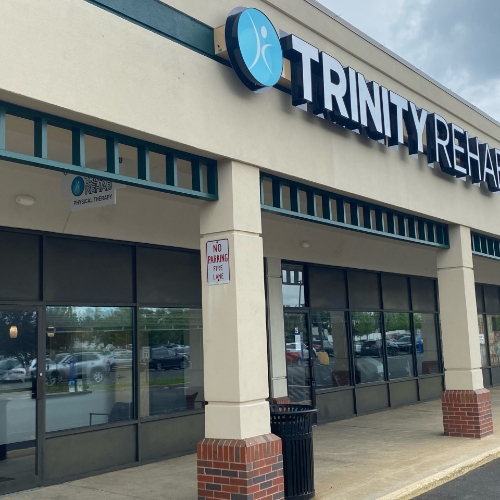
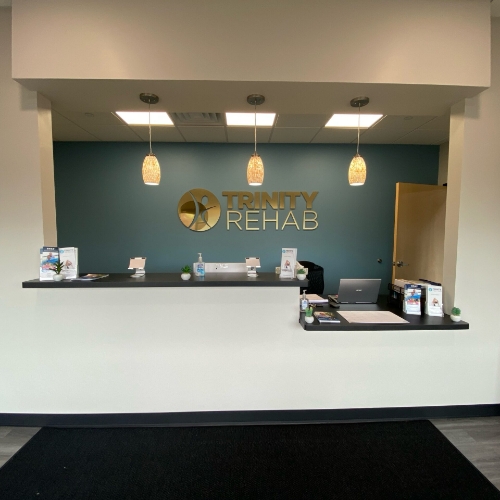
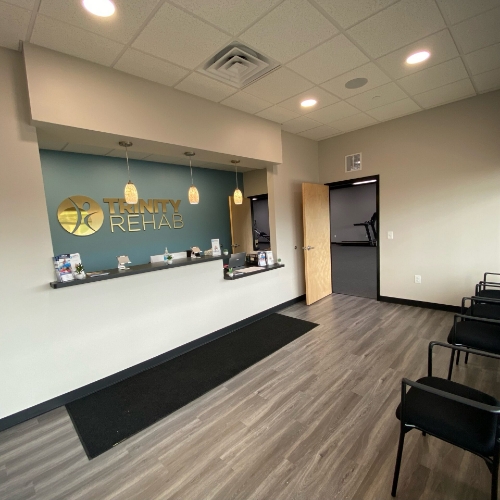
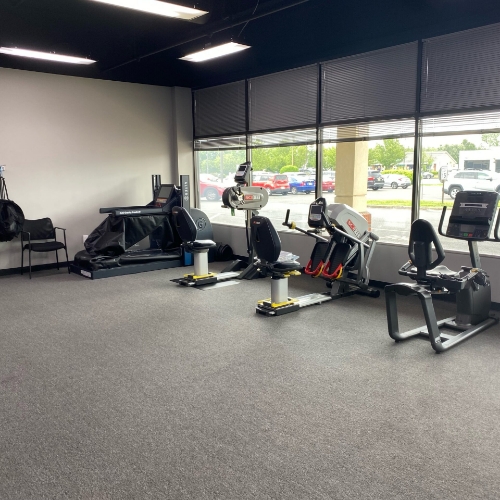
Inside Our Sewell Clinic
RELATED CONDITIONS & TREATMENTS
ACL injuries are just one of the many conditions we treat at Trinity Rehab Sewell. Explore our full range of conditions we treat or learn more about specific treatment approaches:
FREQUENTLY ASKED QUESTIONS
How long does ACL recovery take with physical therapy in Sewell?
Can I avoid ACL surgery and still return to sports like soccer or volleyball?
What should I do immediately after an ACL injury on the field or trail?
Does Trinity Rehab in Sewell treat work-related ACL injuries?
How do I know when I'm ready to return to sport after ACL rehab?
If you’re dealing with an ACL injury — or want to get ahead of one through a prevention or prehabilitation program — Trinity Rehab’s Sewell team is ready to help. We treat sports injuries, work injuries, and everyday knee problems with the same level of expertise and commitment.
Schedule your appointment today at our Sewell clinic: 415 Egg Harbor Road, Unit 14, Sewell, NJ 08080. Walk in, call, or book online — and take the first step toward getting back to the community you love.
What Our Patients Say