

ACL TREATMENT PHYSICAL THERAPY IN MIDDLETOWN, NJ
Every fall, Middletown comes alive on Friday nights. Under the lights at Middletown High School North, the Lions line up against their crosstown rivals, the Middletown South Eagles, in one of the fiercest matchups in Shore Conference Division A North. That rivalry runs generations deep in a town that traces its roots to the oldest English settlement in New Jersey. Middletown families carry a pride that extends well beyond the scoreboard — it shows up on the hiking trails at Poricy Park, the tennis courts at Tindall Park, and the youth lacrosse fields run by Middletown Recreation leagues. But when an anterior cruciate ligament injury sidelines an athlete or an active adult, that same community spirit demands a clear, proven path back to full strength. This guide explains how ACL treatment physical therapy works, what recovery actually looks like, and why families across Middletown trust Trinity Rehab to get them there.
UNDERSTANDING ACL INJURIES
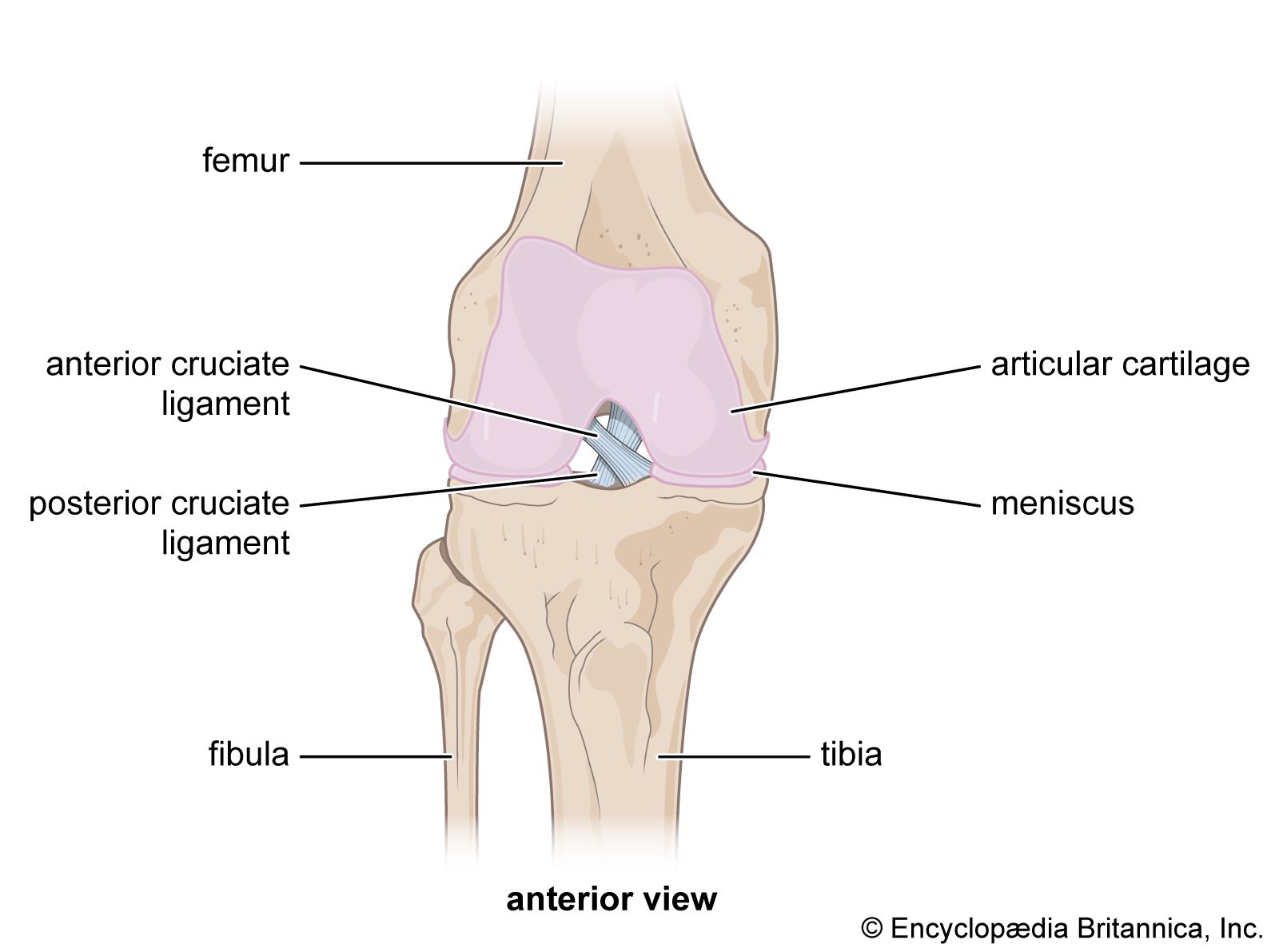
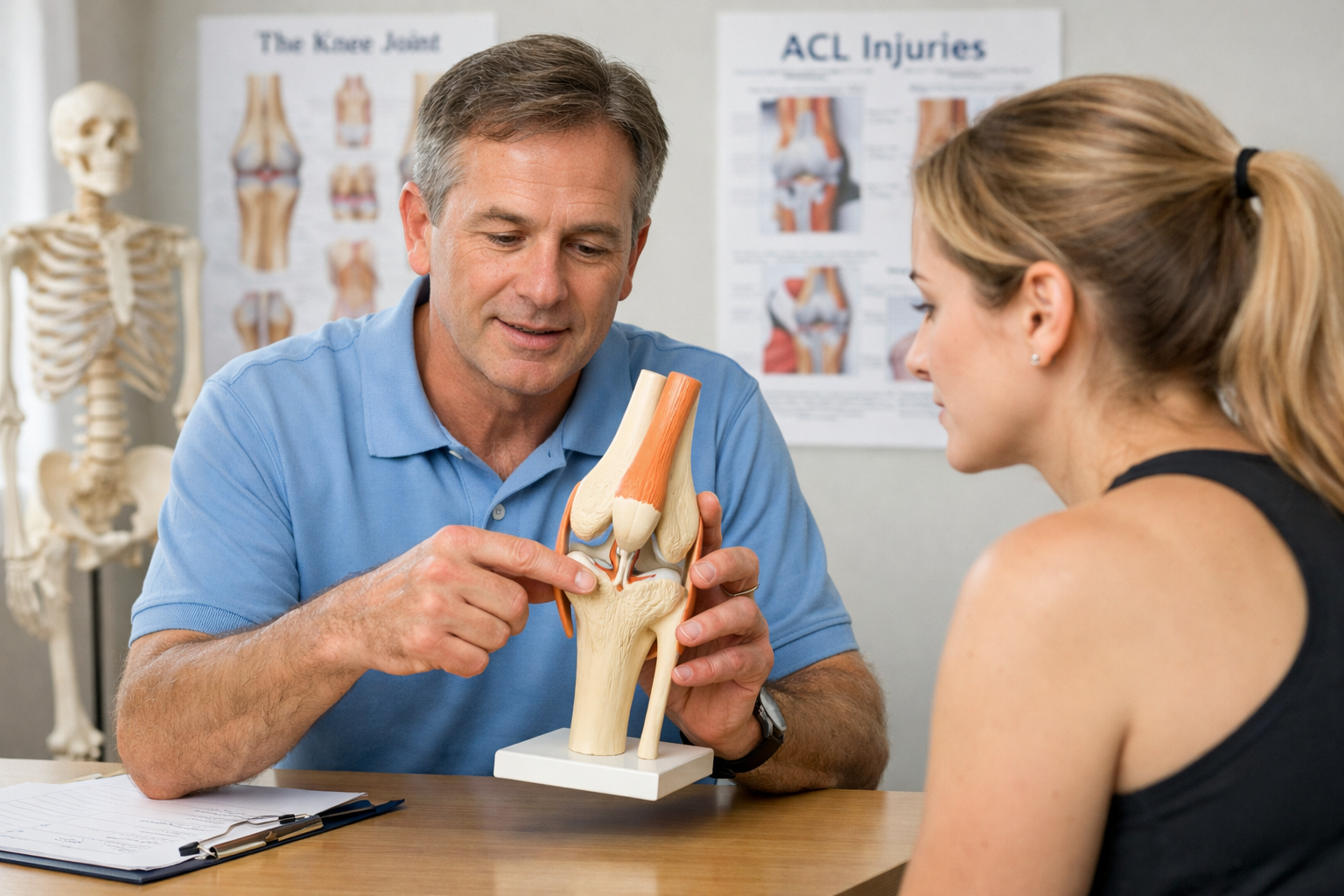
The anterior cruciate ligament is a band of connective tissue that runs diagonally through the center of the knee joint, connecting the thighbone to the shinbone. Its primary job is to prevent the tibia from sliding forward and to provide rotational knee stability during cutting, pivoting, and landing movements. When an ACL tear occurs — whether partial or complete — the knee loses that internal bracing. An anterior cruciate ligament injury can happen in a fraction of a second, but the consequences ripple through months of daily life, work, and athletics.
ACL injuries range from mild sprains (Grade I) to complete ruptures (Grade III). A complete tear often produces an audible pop, immediate swelling, and a feeling that the knee has “given way.” Partial tears can be subtler but still compromise knee function and long-term joint health if left unaddressed.
WHY RECOVERY MATTERS
Ignoring an ACL injury sets off a chain of problems. Without proper rehabilitation, the surrounding muscles — particularly the quadriceps and hamstrings — weaken and atrophy. Compensatory movement patterns develop, placing abnormal stress on the meniscus, cartilage, and opposite leg. Over time, this accelerates the onset of arthritis and chronic hip and knee pain.
Structured physical therapy restores range of motion, rebuilds muscle strength, and retrains the neuromuscular patterns that protect the knee during real-world activity. Whether the treatment plan involves surgery or a conservative approach, working with a skilled physical therapist is the single most important factor in long-term outcome.
COMMON CAUSES OF ACL INJURIES IN MIDDLETOWN
Middletown’s athletic culture and active outdoor lifestyle create specific scenarios where ACL injuries happen regularly.
High school and club sports. Football, soccer, basketball, and lacrosse are pillars of both Middletown North and Middletown South athletic programs. These sports demand rapid deceleration, lateral cutting, and pivoting — the exact mechanics that place peak stress on the anterior cruciate ligament. A North Lions football player who plants his foot to change direction during a Friday night game can tear his ACL on a single non-contact cut. Soccer and basketball players at both schools face similar risks during Shore Conference competition.
Trail and outdoor recreation. Poricy Park draws hikers and families to its fossil beds trail and nature center year-round. Uneven terrain, exposed roots, and grade changes create real hazards. A weekend hiker who stumbles on the fossil beds trail can hyperextend or twist the knee on landing — enough force to damage the ACL. The Henry Hudson Trail and Tatum Park trails present similar risks.
Racquet and court sports. The Middletown Tennis Association keeps the courts at Tindall Park busy through spring, summer, and fall. Tennis and pickleball require explosive lateral lunges and sudden directional changes. A Middletown Tennis Association player who plants awkwardly during a baseline rally at Tindall Park can suffer an ACL sprain or full tear from the rotational force alone.
Recreational and youth coaching. Middletown Recreation leagues run youth and adult programs in baseball, softball, volleyball, basketball, dodgeball, and lacrosse. Parents who coach or participate often push their bodies into movements they haven’t trained for. A parent coaching youth lacrosse who gets tangled with a player during practice can twist a knee under load — a common mechanism for ACL tears in adults over 30.
Workplace activity. Employees at Middletown Township Public Schools, Food Circus Super Markets (Foodtown), UPS, and local retail spend hours on their feet lifting, carrying, and navigating uneven surfaces. Slips and awkward landings on the job are a frequent source of work injuries involving the knee.
RECOGNIZING THE SYMPTOMS
ACL injuries typically present with some combination of the following:
- A popping sound or sensation at the moment of injury
- Rapid swelling within the first few hours
- Severe pain, especially when bearing weight
- A feeling of instability or the knee “buckling”
- Limited knee motion, particularly difficulty fully straightening the leg
- Tenderness along the joint line
If you experience these symptoms during a game at Middletown South, on the trails at Tatum Park, or even stepping off a curb in the Middletown Village Historic District, get evaluated promptly. Early assessment by a physical therapist or orthopedic specialist determines the grade of injury and shapes the treatment plan.
HOW PHYSICAL THERAPY HELPS AFTER AN ACL INJURY
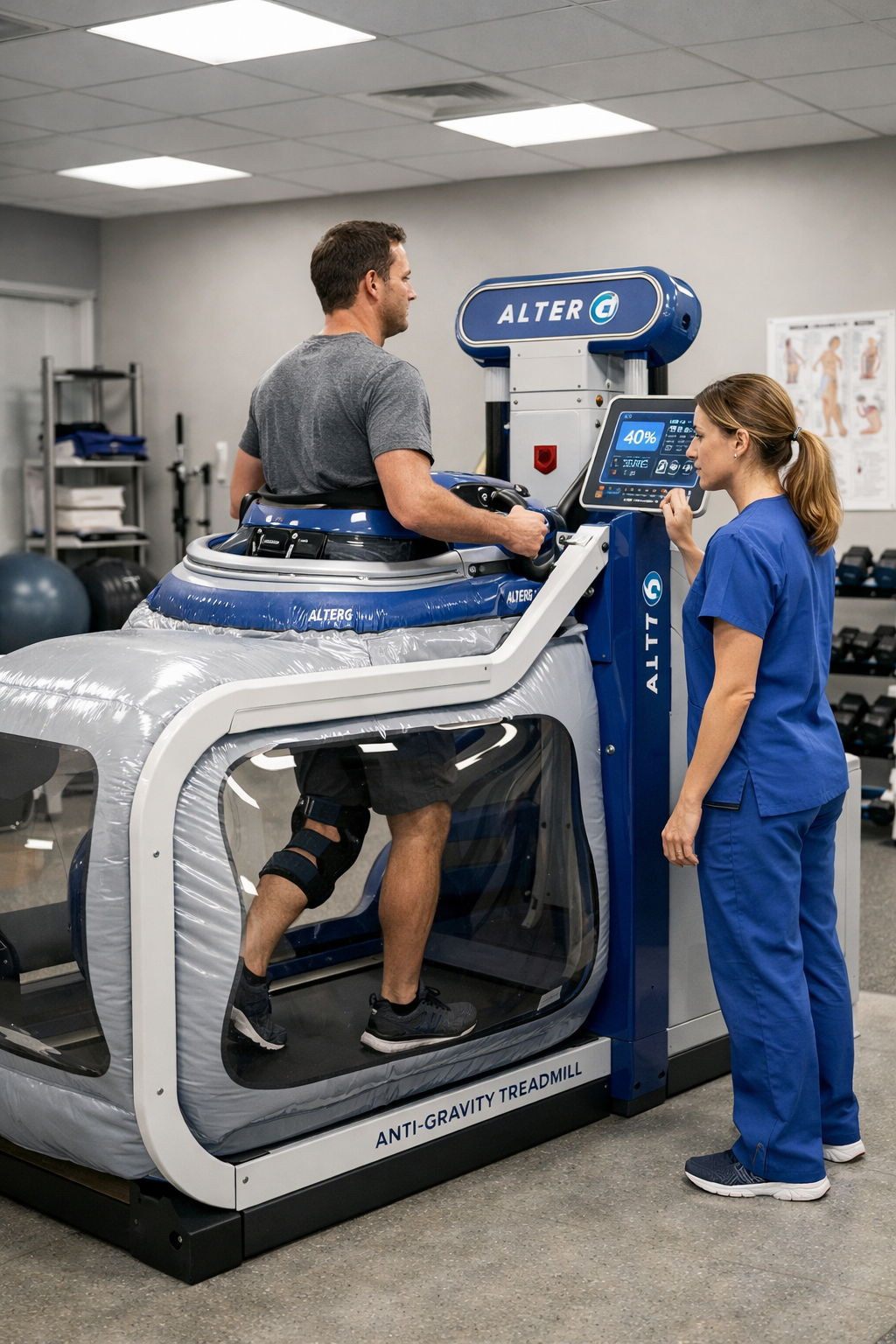
A comprehensive ACL treatment physical therapy program at Trinity Rehab is not a one-size-fits-all protocol. Your physical therapist designs a phased plan based on the severity of the tear, whether surgery is involved, your activity goals, and your body’s response to treatment. Here is how the key treatment modalities fit into recovery.
Manual Therapy
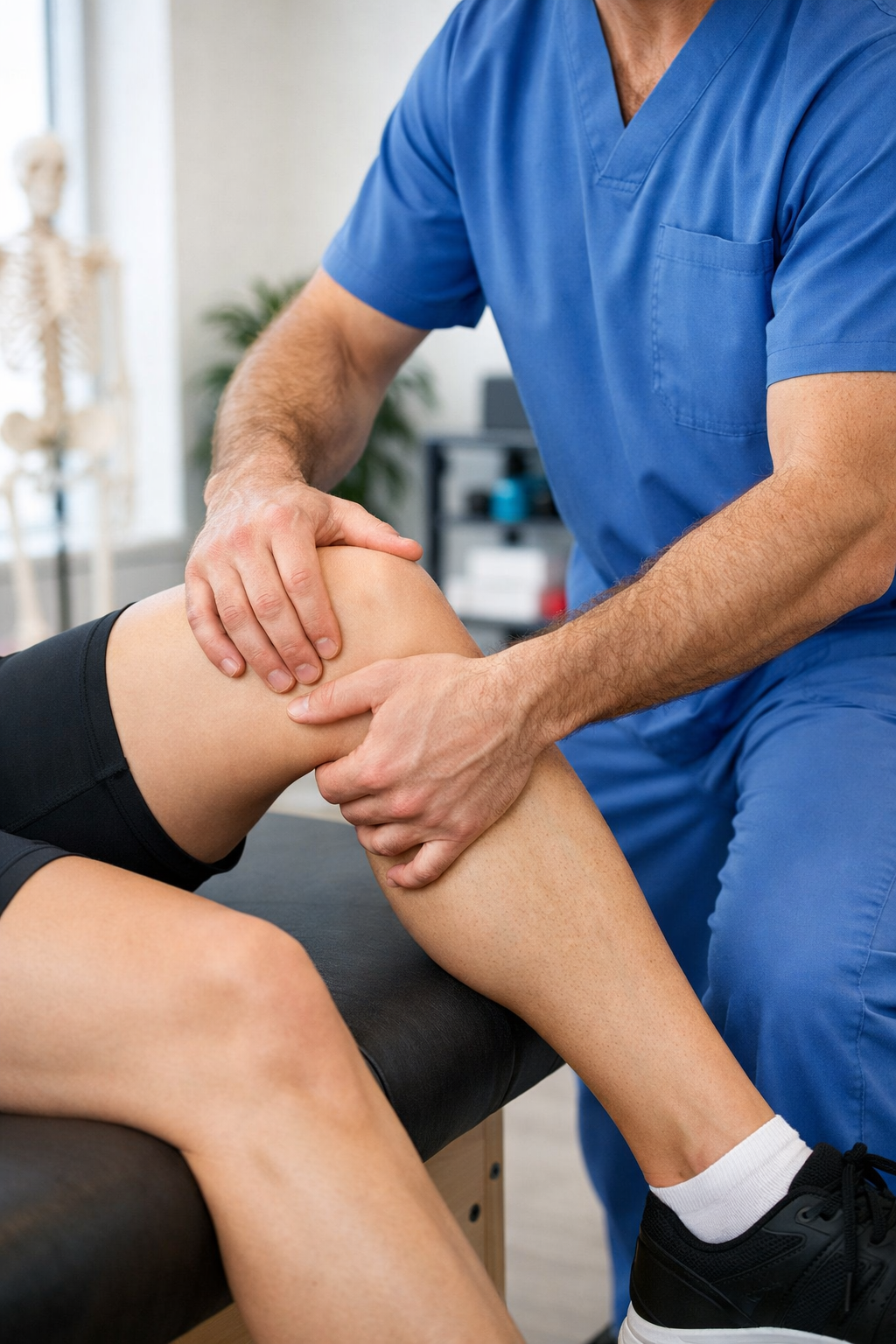
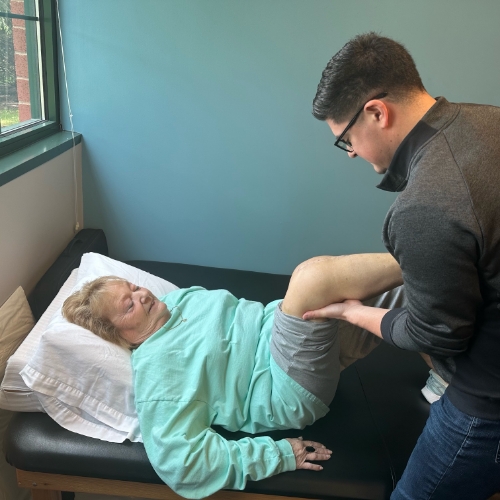
Manual therapy involves hands-on techniques — joint mobilizations, soft tissue mobilization, and myofascial release — performed by your physical therapist to restore knee motion, reduce stiffness, and manage pain. In the early phases of recovery, manual therapy helps the knee regain the flexion and extension range of motion needed for normal gait. It also addresses compensatory tightness in the hip, calf, and ankle that develops when guarding the injured knee.
Progressive Strengthening
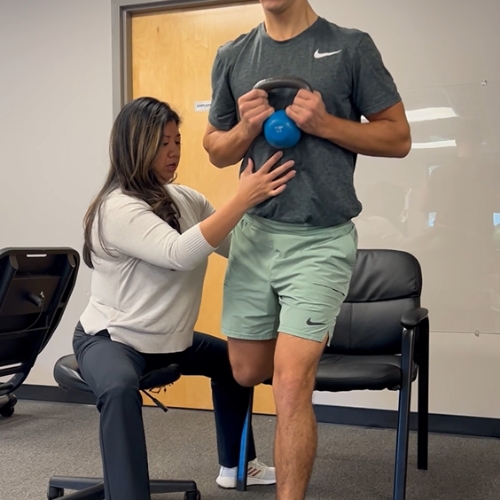
Rebuilding muscle strength around the knee is the backbone of ACL rehabilitation. Your program begins with gentle isometric exercises to activate the quadriceps and hamstrings without stressing the healing ligament. Over weeks, it progresses to open- and closed-chain strengthening exercises — leg presses, squats, lunges, step-ups, and hamstring curls. The goal is balanced hamstring strength relative to the quadriceps, which research consistently links to lower re-injury rates.
EPAT / Shockwave Therapy
EPAT (Extracorporeal Pulse Activation Technology), also known as shockwave therapy, delivers acoustic pressure waves to damaged tissue. This stimulates blood flow, accelerates cellular repair, and reduces chronic inflammation. For ACL patients dealing with persistent patellar tendon irritation or scar tissue after anterior cruciate ligament reconstruction, EPAT can break through recovery plateaus that strengthening alone cannot resolve.
Dry Needling
Dry needling targets myofascial trigger points — tight knots within muscles that refer pain and limit function. After an ACL injury, trigger points commonly develop in the quadriceps, hamstrings, IT band, and calf. Inserting thin monofilament needles into these points produces a local twitch response that releases the contraction, restores blood flow, and reduces pain. Many patients notice improved knee motion within a single session.
Blood Flow Restriction (BFR) Training
Blood flow restriction training uses specialized pneumatic cuffs to partially restrict venous blood flow during low-load exercise, creating a metabolic environment that stimulates muscle growth at loads far below what traditional strengthening requires. For ACL patients — especially in the early post-surgical weeks when heavy loading is contraindicated — BFR training allows meaningful quadriceps and hamstring activation without compromising the graft.
Neuromuscular Electrical Stimulation (NMES)
Neuromuscular electrical stimulation delivers controlled electrical impulses to the quadriceps through surface electrodes, producing involuntary muscle contractions. After ACL surgery, the brain’s ability to fully activate the quadriceps is often impaired — a phenomenon called arthrogenic muscle inhibition. NMES bypasses that deficit, helping re-establish the firing patterns essential for knee stability and return to sport.
Sport-Specific Rehabilitation
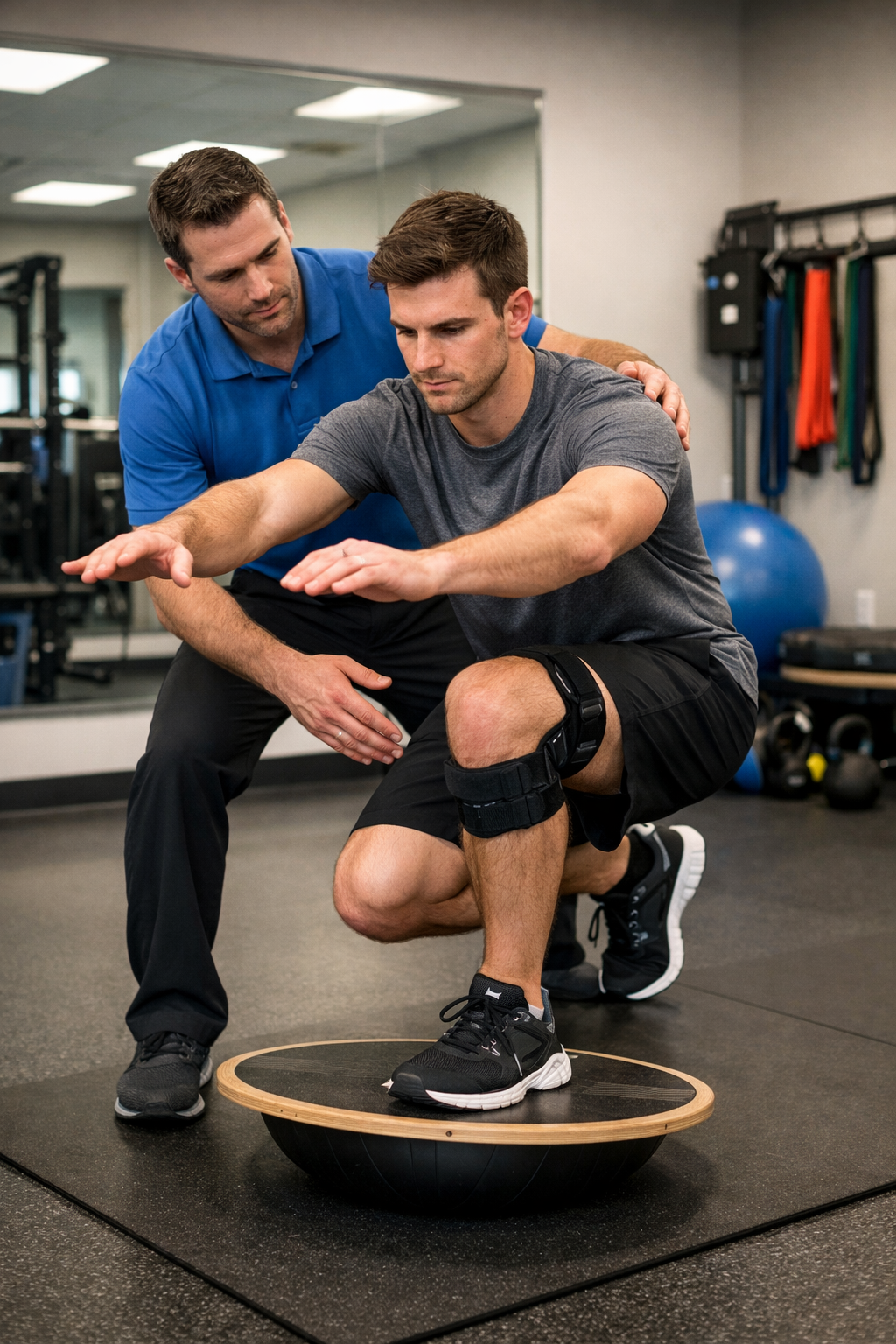
The final phase of recovery bridges the gap between clinical strength and on-field performance. Your physical therapist designs drills that replicate the demands of your sport — lateral agility for tennis players, cutting and pivoting for football and soccer athletes, deceleration control for basketball players. Balance exercises and proprioception drills retrain the knee’s position sense, while plyometric training builds the explosive power needed for jumping and rapid directional changes.
NON-SURGICAL VS. SURGICAL PATHWAYS
Not every ACL tear requires surgery. The decision depends on the grade of tear, associated injuries (meniscus, cartilage), age, activity level, and goals.
Non-surgical (conservative) management is often appropriate for partial tears, lower-demand patients, and individuals willing to modify activity. A structured physical therapy program focused on strengthening exercises, proprioception, and functional training can restore enough knee stability for daily life, recreational hiking at Poricy Park, or low-impact fitness.
ACL surgery — specifically anterior cruciate ligament reconstruction — replaces the torn ligament with a graft (typically from the patellar tendon or hamstring tendons). ACL reconstruction is generally recommended for competitive athletes, active individuals who want to return to pivoting sports, and patients with combined ligament or meniscus damage. Nearby Bayshore Medical Center and regional orthopedic centers perform these procedures for Middletown-area patients.
Regardless of the pathway, physical therapy drives recovery. Post-surgical rehabilitation after ACL reconstruction typically spans six to nine months, progressing through protected motion, progressive loading, and sport-specific training before a physical therapist clears the athlete for full participation.
RETURN TO SPORT
Returning to competition after an ACL injury is not governed by a calendar — it is governed by objective criteria. At Trinity Rehab, return to sport clearance requires:
- Full, symmetrical range of motion
- Quadriceps and hamstring strength within 90% of the uninjured leg
- Successful completion of hop testing and agility assessments
- Confident performance in sport-specific drills without pain or apprehension
- Proprioception and balance scores that match pre-injury baselines
For a Middletown North or Middletown South athlete hoping to rejoin Shore Conference competition, these benchmarks are non-negotiable. Rushing back before meeting them is the leading cause of re-tear, and a second ACL injury is far more difficult to recover from than the first.
INJURY PREVENTION AND PREHABILITATION
The most effective ACL treatment is the one you never need. Prehabilitation and injury prevention programs reduce ACL injury rates by 50% or more in at-risk populations. Key components include:
- Neuromuscular training: Landing mechanics, deceleration drills, and proprioception work that teach the body to protect the knee during dynamic movement.
- Hamstring and hip strengthening: Building hamstring strength and gluteal control reduces the anterior shear force on the ACL during cutting and pivoting.
- Balance and proprioception drills: Single-leg stability work on unstable surfaces sharpens the knee’s reflexive stabilization.
- Plyometric training progressions: Controlled jump-landing sequences that train proper knee alignment under explosive loads.
Trinity Rehab offers injury prevention screenings and prehabilitation programs for Middletown-area athletes, weekend warriors, and active adults who want to stay ahead of sports injuries before they happen.
WHY CHOOSE TRINITY REHAB FOR ACL TREATMENT IN MIDDLETOWN
Trinity Rehab’s clinic at Union Square Plaza, 470 NJ-35, Red Bank, NJ 07701 is just minutes from Middletown, making it a convenient choice for families, athletes, and working adults across the township. Here is what sets the clinic apart:
- One-on-one care. Every session is supervised by a licensed physical therapist — not handed off to aides or technicians.
- Advanced treatment options. The clinic offers manual therapy, dry needling, EPAT/shockwave therapy, blood flow restriction training, and neuromuscular electrical stimulation under one roof.
- Sport-specific expertise. Therapists understand the demands of Shore Conference athletics, Middletown Recreation league play, and the active outdoor lifestyle that defines this community.
- Flexible scheduling. Early morning, evening, and lunchtime appointments accommodate NYC commuters, school employees, and shift workers.
- Insurance and referral support. The front desk team handles insurance verification and can coordinate with your orthopedic surgeon or primary care physician.
Trinity Rehab treats the full spectrum of physical therapy conditions, from post-surgical ACL reconstruction rehabilitation to chronic knee pain, hip injuries, and workplace sprains.
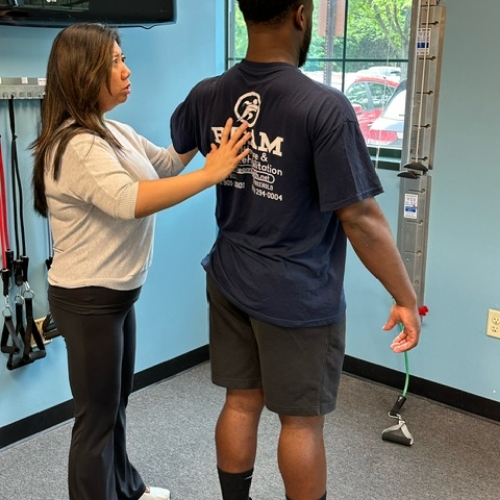
Inside Our Middletown Clinic
RELATED CONDITIONS & TREATMENTS
ACL injuries are just one of the many conditions we treat at Trinity Rehab Middletown. Explore our full range of conditions we treat or learn more about specific treatment approaches:
FREQUENTLY ASKED QUESTIONS
How long does physical therapy take after an ACL tear without surgery?
When can a high school athlete return to Shore Conference competition after ACL reconstruction?
Does Trinity Rehab accept walk-ins, or do I need an appointment?
Can physical therapy help if my ACL injury happened years ago and was never treated?
What should I do immediately after injuring my knee on a trail at Poricy Park or during a game?
An ACL injury does not have to define your season, your year, or your quality of life. Whether you are a Middletown North Lion trying to get back on the field, a parent chasing kids through Deep Cut Gardens, or a weekend tennis player at Tindall Park, the right rehabilitation program makes the difference between a full recovery and a lingering problem.
Trinity Rehab is ready to help. Schedule your appointment today at our clinic in Union Square Plaza, 470 NJ-35, Red Bank, NJ 07701 — just minutes from Middletown. Your recovery starts with a single step through our door.
What Our Patients Say