
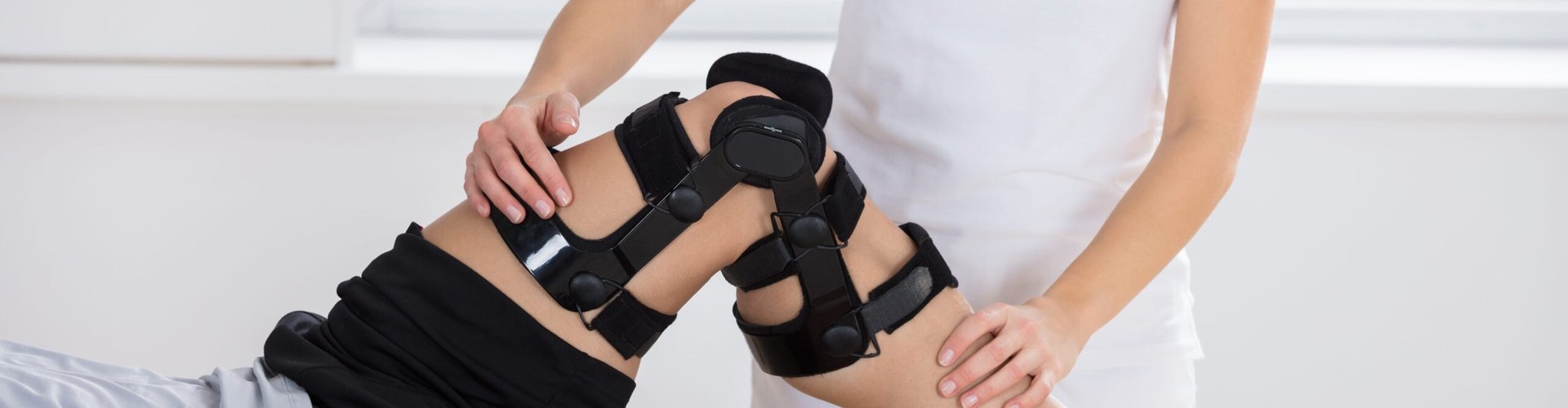
ACL TREATMENT PHYSICAL THERAPY IN MATAWAN, NJ
On any given morning, runners and cyclists trace the Henry Hudson Trail as it winds through wetlands and open fields on the outskirts of Matawan. Down at Lake Lefferts, kayakers push off from the dock while anglers settle along the banks of Matawan Creek. By afternoon, Matawan Regional High School Huskies are grinding through Shore Conference practices — soccer players cutting at full speed, lacrosse attackers dodging defenders. This is a borough where roughly 9,700 residents live close enough to wave from their driveways, where the same families fill the stands at Division B North games and run into each other at Main Street shops the next morning. It is also a community where a single wrong step can turn an active life into months on the sideline. If you are dealing with an anterior cruciate ligament injury, understanding your options for ACL treatment physical therapy is the first step toward getting back to the life you love in Matawan.
UNDERSTANDING ACL INJURIES
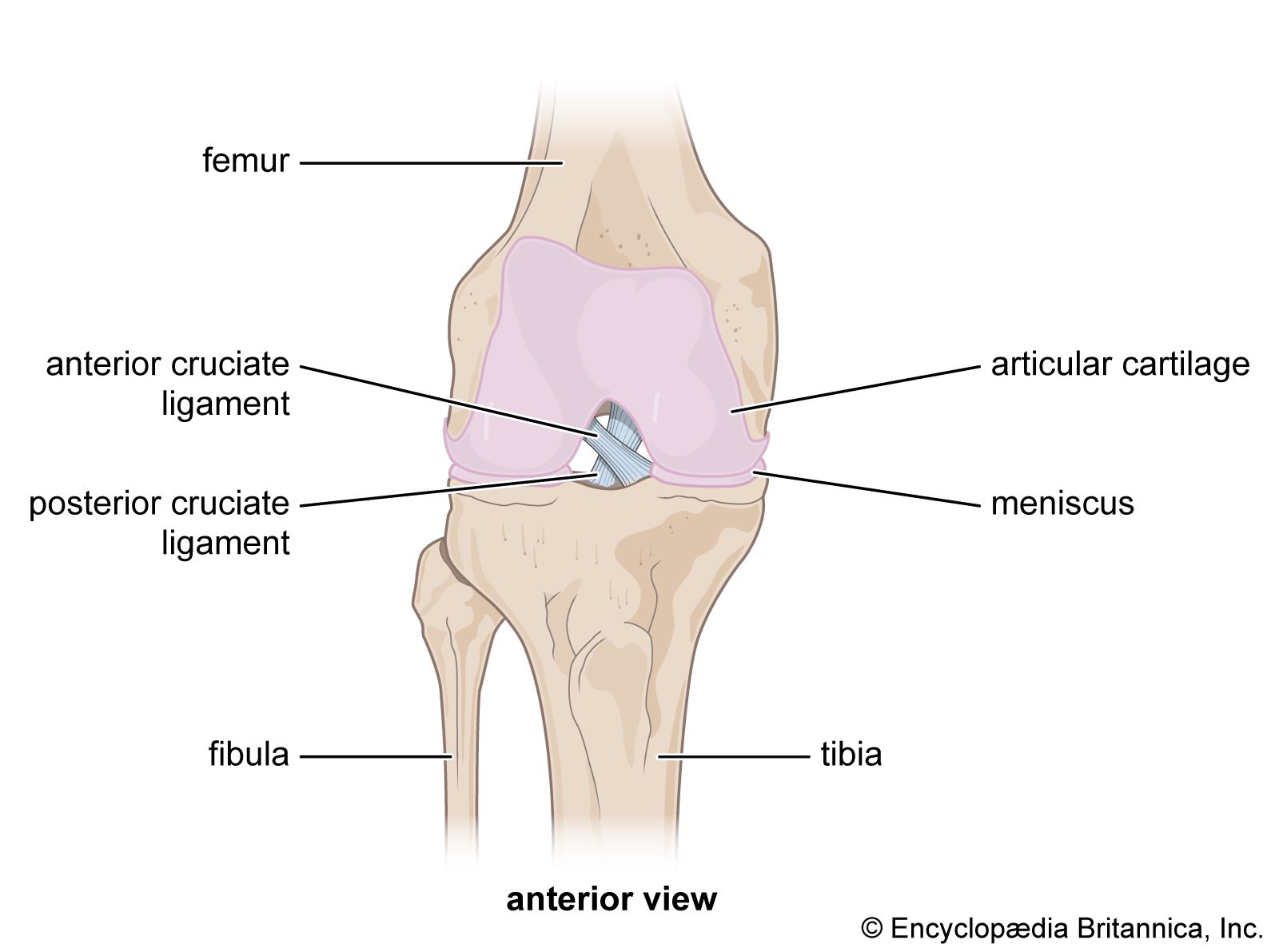
The anterior cruciate ligament is one of four major ligaments inside the knee joint. It runs diagonally through the center of the knee, preventing the shinbone from sliding forward beneath the thighbone. It also plays a critical role in rotational knee stability — the control you rely on every time you change direction, land from a jump, or absorb force during a sudden stop.
An ACL tear occurs when the ligament is stretched beyond its capacity and partially or completely ruptures. It can happen to a sixteen-year-old Huskies midfielder fighting for a loose ball during a Shore Conference match just as easily as it can happen to a weekend kayaker stepping onto uneven shoreline at Lake Lefferts. Regardless of how the anterior cruciate ligament injury occurs, the result is the same: pain, swelling, instability, and a long road back to full knee function.
WHY RECOVERY MATTERS
An ACL injury does not heal on its own. Left untreated, the knee joint loses stability, surrounding muscles weaken, and the risk of cartilage or meniscus damage rises. Over time, chronic instability can accelerate arthritis and limit everyday activities — climbing the stairs at the NJ Transit station for your commute, keeping up with your kids at Terhune Park, or walking through a parking lot without your knee giving way.
Structured rehabilitation restores range of motion, rebuilds muscle strength, and retrains the neuromuscular patterns that protect the knee from reinjury. Whether you pursue a non-surgical or surgical pathway, physical therapy is the engine that drives your recovery.
COMMON CAUSES OF ACL INJURIES IN MATAWAN
Matawan’s blend of competitive athletics, outdoor recreation, and physically demanding workplaces creates several common scenarios for ACL injuries.
High school and club sports. Huskies athletes competing in football, soccer, basketball, lacrosse, and wrestling face ACL risk every season. A soccer player planting to shoot during a Shore Conference Division B North game or a basketball guard landing off-balance after a layup — each moment places enormous rotational stress on the knee. Youth and adult leagues through Borough Recreation, GoodSports USA indoor soccer, and YMCA Jersey Shore programs carry the same risks.
Outdoor recreation. The Henry Hudson Trail attracts runners and cyclists, while Lake Lefferts draws paddlers year-round. A kayaker twisting a knee while stepping out of a vessel onto uneven ground at the water’s edge is a scenario Matawan physical therapists see regularly. Trail runners at Gravelly Brook Park face similar hazards.
Racquet sports. Players at the Jersey 34 Tennis Club know the quick lateral movements their sport demands. A hard plant-and-pivot to reach a wide forehand can overload the anterior cruciate ligament in an instant, especially on hard court surfaces.
Workplace injuries. Healthcare workers at Meadowbrook Respiratory and Nursing Center and Atrium Post Acute Care perform patient transfers and emergency responses that require sudden pivots and heavy lifting. A nurse whose foot catches the edge of a bed frame during a patient transfer can suffer the same ACL tear as any athlete. Warehouse staff along Rt 34 face comparable risks navigating uneven floors under heavy loads. If your injury happened on the job, learn more about work injury rehabilitation.
RECOGNIZING SYMPTOMS OF AN ACL INJURY
An ACL tear often announces itself immediately. Most people hear or feel a distinct pop at the moment of injury, followed by rapid swelling within hours. Other signs include:
- A feeling that the knee “gave out” or buckled
- Loss of range of motion, particularly difficulty straightening the knee
- Pain along the joint line or deep inside the knee joint
- Difficulty bearing weight or walking without the knee shifting
- Persistent instability during turns or on stairs
If you recognize these symptoms, early evaluation by a physical therapist can clarify the severity, guide imaging decisions, and begin rehabilitation before muscle atrophy sets in. Visit our conditions page for more information on injuries we treat.
HOW PHYSICAL THERAPY HELPS AFTER AN ACL INJURY
A licensed physical therapist builds your recovery around your specific injury and goals — whether that means returning to a Huskies roster, paddling Lake Lefferts pain-free, competing at the Jersey 34 Tennis Club, or getting through a shift at Meadowbrook. At Trinity Rehab Matawan, treatment draws from evidence-based techniques.
Manual Therapy
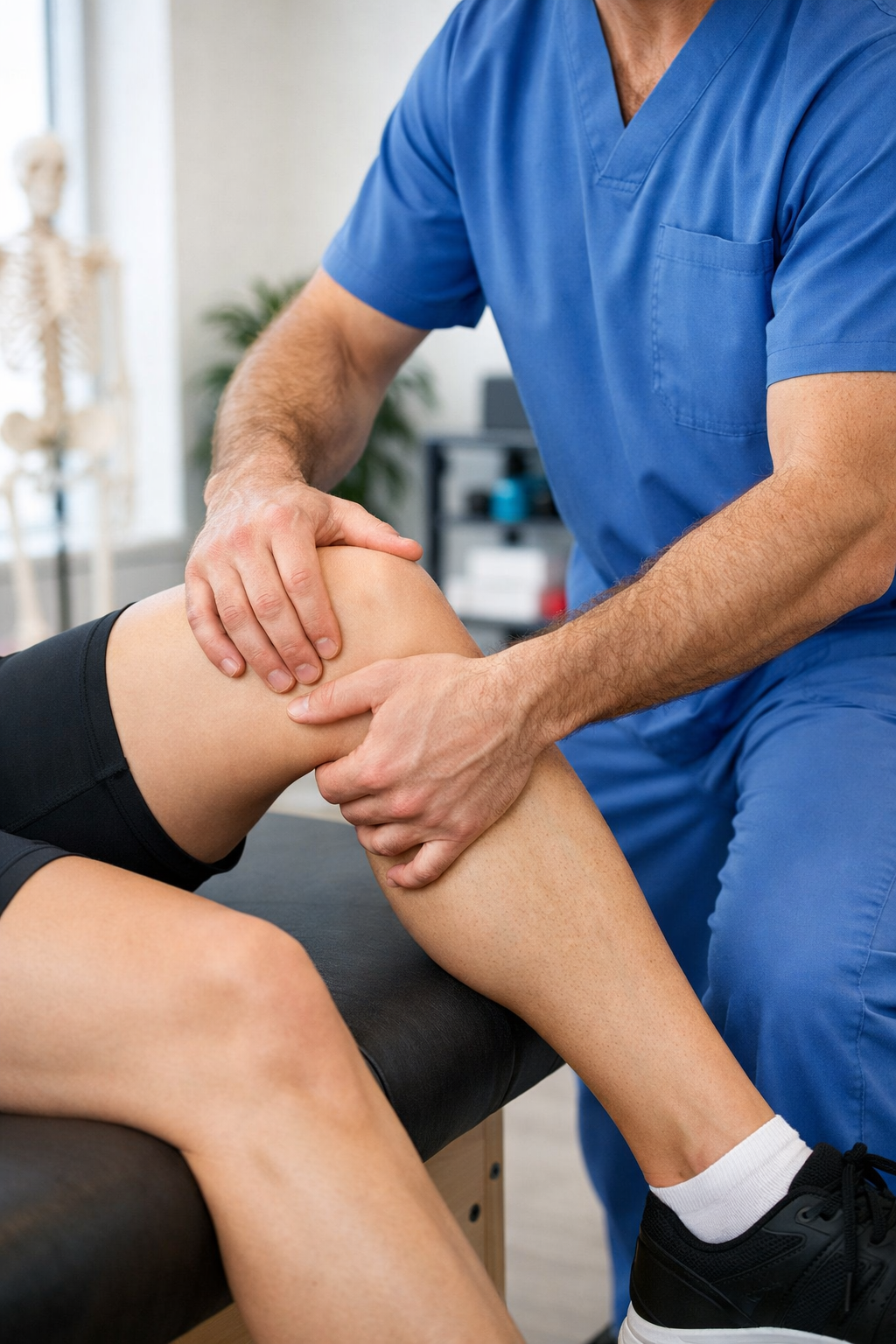
Manual therapy involves hands-on techniques such as joint mobilization, soft tissue mobilization, and targeted stretching. After an ACL injury or anterior cruciate ligament reconstruction, scar tissue and joint stiffness can limit knee motion. Manual therapy helps restore normal joint mechanics, reduce swelling, and improve the tissue mobility needed to progress through strengthening exercises safely.
Progressive Strengthening
Rebuilding the quadriceps and hamstrings is the backbone of ACL rehabilitation. Early-phase exercises focus on activating the quadriceps through straight-leg raises and quad sets. As strength returns, the program advances to squats, lunges, and step-ups that load the knee joint in functional positions. Hamstring curls and hip-strengthening work ensure balanced hamstring strength and overall lower-extremity stability. The goal is progressive, measurable gains in muscle strength that give the knee the support it needs.
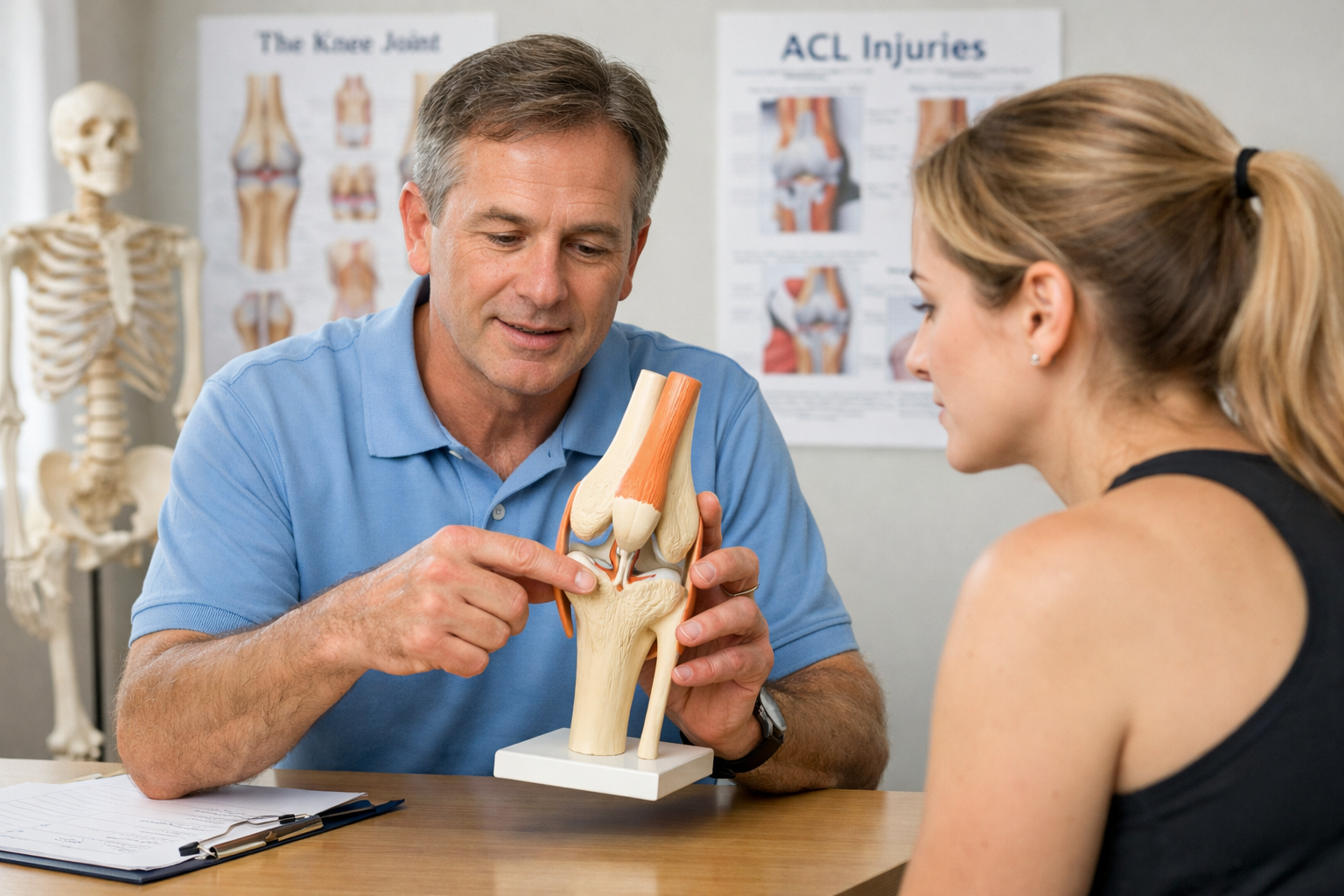
EPAT / Shockwave Therapy
EPAT (Extracorporeal Pulse Activation Technology), also known as shockwave therapy, delivers acoustic pressure waves to injured tissue. These waves stimulate blood flow, accelerate cellular repair, and break down scar tissue restricting knee motion. For patients recovering from ACL surgery or dealing with patellar tendon irritation after reconstruction, EPAT can reduce pain and speed healing.
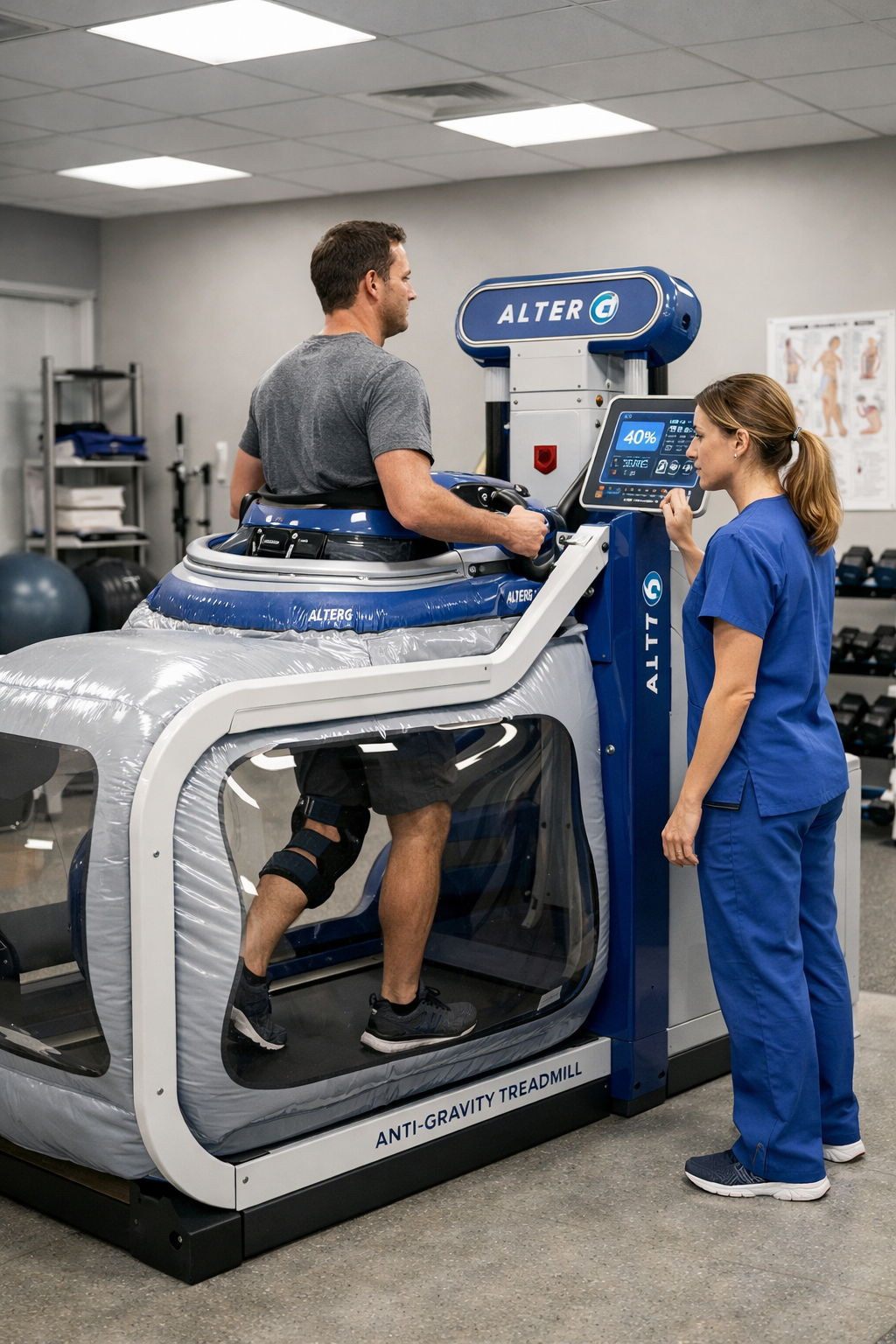
Dry Needling
Dry needling targets myofascial trigger points — hyperirritable knots within muscles that contribute to pain and movement dysfunction. After an ACL tear, the quadriceps, hamstrings, and calf muscles often develop protective guarding patterns that limit range of motion and hinder strengthening. Inserting thin filament needles into these trigger points releases tension, improves local blood flow, and restores normal muscle activation.
Blood Flow Restriction (BFR) Training
Blood flow restriction training uses a specialized cuff to partially restrict venous blood flow during low-load exercises, stimulating muscle growth at intensities as low as twenty to thirty percent of a one-rep max. For patients early in ACL recovery — when the knee cannot tolerate heavy loading — BFR training allows meaningful quadriceps and hamstring development without excessive stress on healing tissue.
Neuromuscular Electrical Stimulation (NMES)
Neuromuscular electrical stimulation delivers controlled electrical impulses through skin electrodes to activate muscle contractions. The quadriceps often shut down after an ACL injury or ACL reconstruction — a phenomenon called arthrogenic muscle inhibition. NMES re-establishes the neural connection between the brain and the quad, jumpstarting strengthening and preventing the atrophy that can delay recovery by weeks.
Sport-Specific Rehabilitation
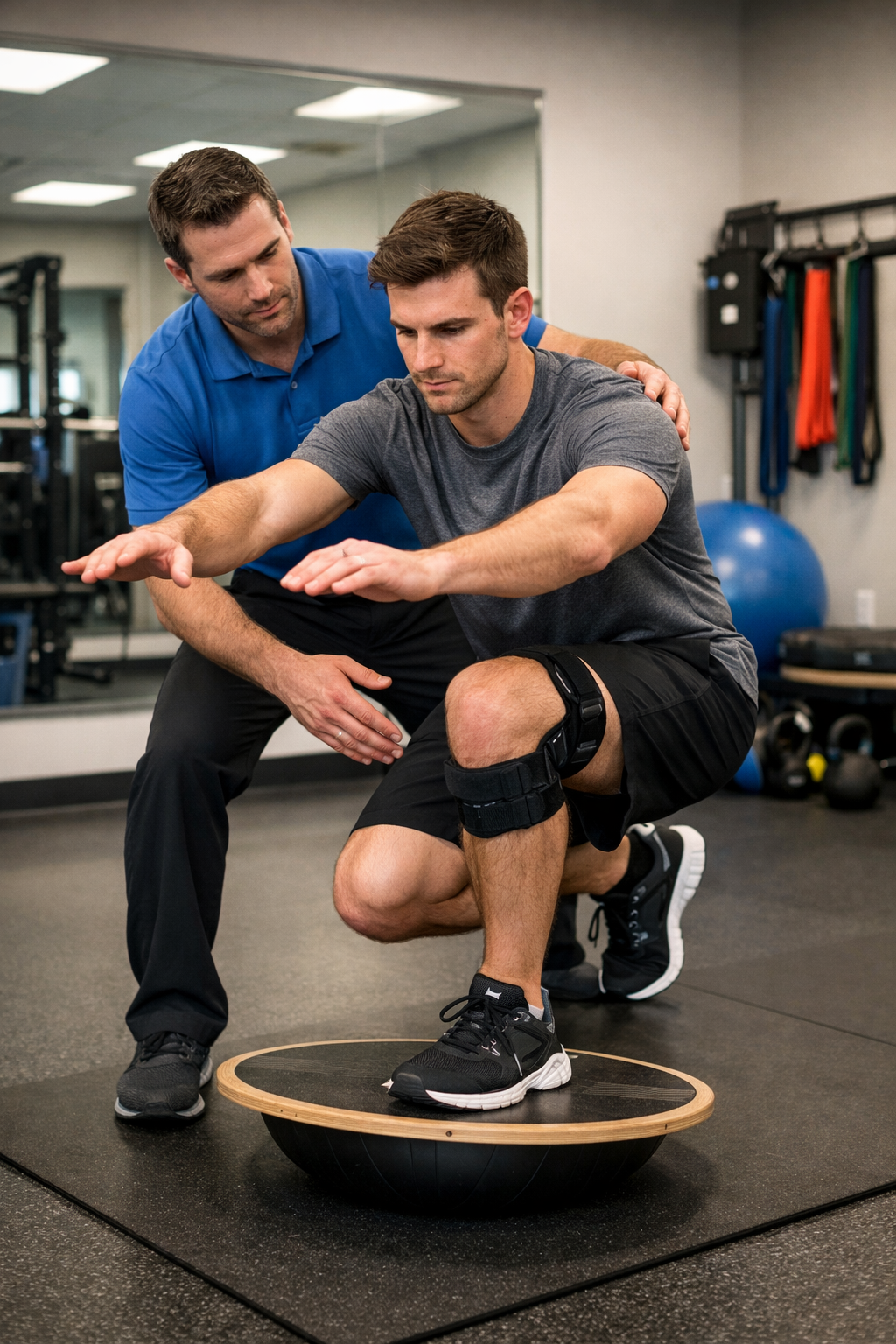
The final phases of ACL rehab shift from general strengthening to the exact movement demands of your activity. For a Huskies soccer player, that means agility drills, cutting patterns, and simulated match scenarios. For a tennis player from the Jersey 34 Tennis Club, it means lateral shuffles, split-step landings, and directional changes. Proprioception drills — single-leg balance exercises on unstable surfaces — retrain the knee’s ability to sense position and react to unexpected forces. Plyometric training introduces controlled jumping and landing mechanics that prepare the knee for competition. Learn more about our approach to sports injury rehabilitation.
NON-SURGICAL VS. SURGICAL PATHWAYS
Not every ACL injury requires surgery. The decision depends on the severity of the tear, your activity level, your age, and how much knee instability you experience daily.
Non-surgical management centers on intensive physical therapy to strengthen muscles around the knee and restore functional knee stability without reconstruction. This pathway may suit older adults, individuals with partial tears, or patients whose activities do not involve pivoting sports. A structured program of strengthening exercises, balance exercises, proprioception training, and gradual activity progression can return many patients to an active lifestyle.
Surgical management typically involves anterior cruciate ligament reconstruction, in which a surgeon replaces the torn ligament with a graft from the patellar tendon or hamstring tendons. ACL surgery is often recommended for younger, highly active individuals who intend to return to cutting and pivoting sports. After ACL reconstruction, rehabilitation becomes even more critical — the graft needs time to heal, and surrounding muscles must regain strength and coordination to protect it. Prehabilitation — physical therapy performed before surgery — improves post-surgical outcomes by building range of motion and muscle strength ahead of the operating room.
Regardless of the pathway, your physical therapist coordinates with your orthopedic surgeon to align every phase of recovery with your healing timeline.
RETURN TO SPORT
Return to sport is not a date on a calendar — it is a set of objective benchmarks. A premature return is one of the strongest predictors of re-tear. Your physical therapist will guide you through criteria-based testing that typically includes:
- Quadriceps strength within ninety percent of the uninjured leg
- Symmetrical hop-test performance (single hop, triple hop, crossover hop)
- Successful completion of sport-specific agility and plyometric training drills without pain or instability
- Confidence in the knee during unrehearsed, reactive movement
For Matawan athletes competing in Shore Conference play, Borough Recreation leagues, or GoodSports USA indoor soccer, meeting these benchmarks before returning to competition is non-negotiable. The goal is not just to get you back on the field — it is to keep you there.
PREVENTION
ACL injury prevention programs have been shown to reduce injury rates by forty to seventy percent in at-risk populations. These programs emphasize:
- Neuromuscular training: Exercises that improve proprioception, balance, and the speed of protective muscle contractions around the knee
- Landing mechanics: Teaching athletes to land with soft knees, aligned hips, and balanced weight distribution
- Hamstring and hip strengthening: Addressing the muscle imbalances that leave the ACL vulnerable during cutting and pivoting
- Plyometric training progressions: Building tolerance to explosive movements through controlled, incremental loading
- Balance exercises: Single-leg stability work that trains the knee to respond to unexpected forces
Matawan coaches, parents, and recreational athletes can integrate these injury prevention strategies into warmups and training. For athletes returning from a previous ACL injury, ongoing prehabilitation programs further reduce re-tear risk.
WHY CHOOSE TRINITY REHAB IN MATAWAN
Trinity Rehab’s Matawan clinic is located at Pine Crest Plaza, 1016 Hwy 34 (Rt 34), Matawan, NJ 07747 — just minutes from Matawan Regional High School, the Henry Hudson Trail, and Lake Lefferts. Whether you are a student-athlete, an NJ Transit commuter, or a healthcare professional working along the Rt 34 corridor, appointments fit easily into your routine.
What sets Trinity Rehab Matawan apart for ACL treatment physical therapy:
- One-on-one care. Every session is led by a licensed physical therapist who works directly with you — not a rotating cast of aides
- Advanced treatment options. Our clinic offers manual therapy, dry needling, EPAT/shockwave therapy, blood flow restriction training, and neuromuscular electrical stimulation under one roof
- Sport-specific expertise. We understand the demands of Shore Conference competition, local rec leagues, and court sports — and we build return-to-sport programs around those realities
- Coordination with surgeons. For patients undergoing ACL surgery or anterior cruciate ligament reconstruction, we work closely with your orthopedic team to align rehabilitation with surgical protocols
- Hip and knee specialization. ACL recovery does not happen in isolation — we address the entire lower extremity chain to restore full knee function and prevent compensatory injuries
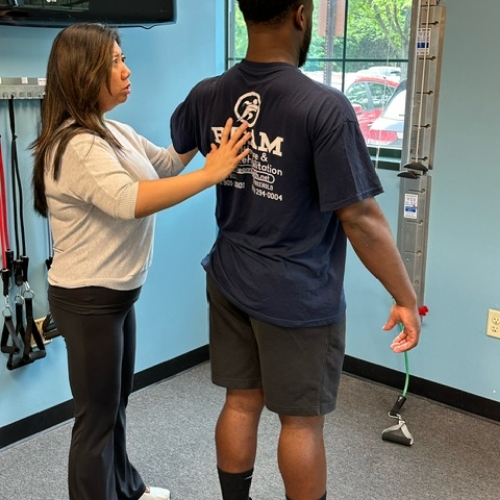
Inside Our Matawan Clinic

RELATED CONDITIONS & TREATMENTS
ACL injuries are just one of the many conditions we treat at Trinity Rehab Matawan. Explore our full range of conditions we treat or learn more about specific treatment approaches:
Matawan ACL Rehab For Strength, Stability, And Return To Activity
ACL rehab in Matawan should connect the healing stage to real movement goals: walking normally, using stairs, rebuilding quad strength, returning to running, and feeling ready for sport or exercise again.
Your therapist may assess swelling, range of motion, quad activation, hip strength, balance, gait, and return-to-sport readiness. The plan should match your surgical or non-surgical timeline and avoid skipping phases.
Related options include knee pain physical therapy, meniscus tear rehab, and the Matawan physical therapy clinic page.
FREQUENTLY ASKED QUESTIONS
Matawan ACL Rehab For Strength, Stability, And Return To Activity
ACL rehab in Matawan should connect the healing stage to real movement goals: walking normally, using stairs, rebuilding quad strength, returning to running, and feeling ready for sport or exercise again.
Your therapist may assess swelling, range of motion, quad activation, hip strength, balance, gait, and return-to-sport readiness. The plan should match your surgical or non-surgical timeline and avoid skipping phases.
Related options include knee pain physical therapy, meniscus tear rehab, and the Matawan physical therapy clinic page.
How long does ACL rehabilitation take at Trinity Rehab Matawan?
Can I avoid ACL surgery and still return to sports like soccer or tennis in Matawan?
What should I do immediately after an ACL injury before my first physical therapy appointment?
Does Trinity Rehab Matawan treat work-related ACL injuries for healthcare workers and warehouse staff?
How do I know when it is safe to return to running on the Henry Hudson Trail after an ACL injury?
An ACL injury does not have to define your next season, your next paddle on Lake Lefferts, or your next shift at work. The physical therapists at Trinity Rehab Matawan are ready to build a recovery plan around your goals and your life in this community.
Schedule your appointment today at our Matawan clinic — Pine Crest Plaza, 1016 Hwy 34 (Rt 34), Matawan, NJ 07747. Call ahead or walk in to reserve your evaluation. The sooner you start, the sooner you get back to what matters.