
PLANTAR FASCIITIS TREATMENT IN SEWELL, NJ
Washington Township is South Jersey’s family-forward community — the Minutemen fill the football stands on Friday nights, Washington Lake Park draws walkers and runners year-round, and two major hospitals keep thousands of healthcare workers on their feet through every shift. If you’re dealing with plantar fasciitis in Sewell, you’re not alone.
Whether you’re a healthcare professional at Jefferson Hospital on 10-hour shifts, a Minutemen lacrosse player in pre-season, an adult softball player with lingering heel pain, or a Northeast Business Park warehouse worker whose first morning steps feel like punishment — plantar fasciitis is disrupting lives across Washington Township. The good news: it’s one of the most treatable conditions there is.
Trinity Rehab’s Sewell-area physical therapists specialize in exactly this kind of recovery. One-on-one care, evidence-based treatment, and a plan built around your actual life in this community.
WHAT IS PLANTAR FASCIITIS?
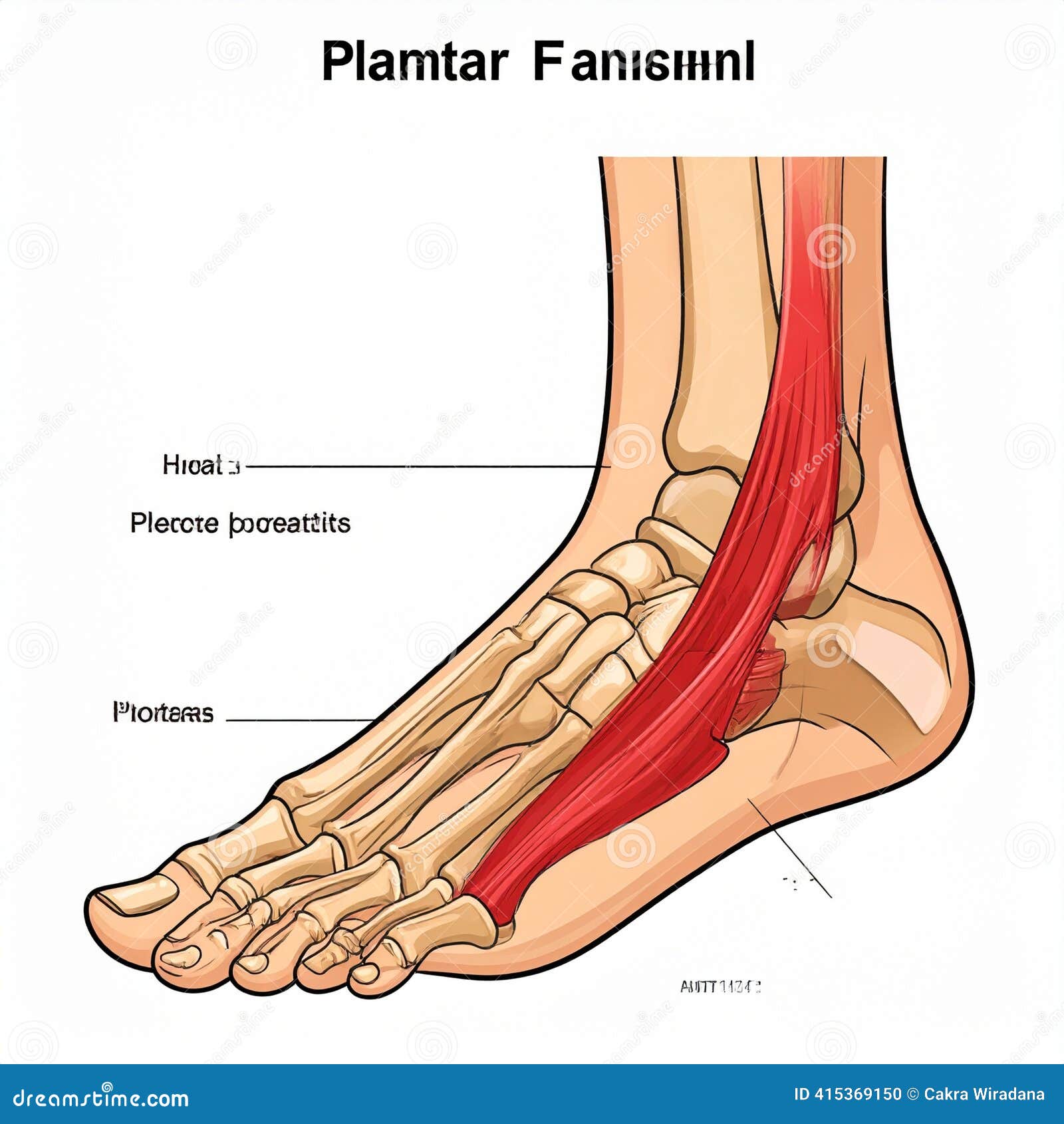
Running along the bottom of your foot is the plantar fascia — a dense, fibrous band of tissue that connects the heel bone to the ball of the foot. It functions as both an arch support and a biological shock absorber, dispersing the mechanical forces of each step through what biomechanists call the windlass mechanism. When the plantar fascia is healthy and strong, it handles this load without complaint.
Problems develop when the cumulative stress placed on the tissue exceeds its capacity to repair itself. Micro-tears develop along the fascia’s length — particularly at its origin on the calcaneus — and the resulting inflammation produces the hallmark heel pain of plantar fasciitis. The tissue shortens during periods of rest, making the first weight-bearing steps after sleep or prolonged sitting intensely painful as it stretches abruptly.
If this cycle continues without intervention, the tissue can progress from acute inflammation to a chronic degenerative state — plantar fasciopathy — where it thickens, loses elasticity, and becomes stubbornly resistant to simple rest. According to the American Academy of Orthopaedic Surgeons, plantar fasciitis is the leading cause of heel pain in adults and accounts for approximately 11–15% of all foot-related professional consultations. Without proper treatment, some patients deal with symptoms for a year or more.
RELATED CONDITIONS & TREATMENTS
Plantar fasciitis is just one of the many conditions we treat at Trinity Rehab Sewell. Explore our full range of conditions we treat or learn more about specific treatment approaches:
WHY SEWELL AND WASHINGTON TOWNSHIP SEE SO MUCH HEEL PAIN
The occupational and lifestyle patterns in Washington Township create specific, predictable pathways to plantar fasciitis:
Healthcare workers at Jefferson Washington Township Hospital and Virtua Health — Both facilities employ nurses, technicians, and support staff on 10–12-hour shifts on hard hospital floors. Thousands of cumulative steps per day, shift after shift, is one of the most reliable occupational pathways to plantar fasciitis — and many healthcare workers don’t notice the problem until it has become chronic.
Washington Township High School athletics — The Minutemen compete in the Tri County Conference across a full slate of sports including football, lacrosse, basketball, baseball, and softball. Lacrosse players, who combine running, cutting, and pivoting on turf and grass surfaces, are particularly prone to plantar fasciitis and other foot overuse injuries during long competitive seasons. Football linemen who carry significant body weight on the fascia with every snap also present frequently with heel pain.
Northeast Business Park warehouse and logistics workers — Industrial employment in the Northeast Business Park means prolonged standing and movement on concrete floors. Workers who spend most of a shift on their feet in shoes without adequate arch support or cushioning accumulate a daily fascial loading burden that eventually tips into chronic heel pain.
Washington Lake Park trail walkers and runners — Washington Lake Park is the area’s primary recreational trail destination, with both hiking paths and paved walking routes. Regular users who increase their daily mileage without adjusting their footwear — particularly in spring when outdoor activity resumes after winter — frequently develop plantar fasciitis as the first overuse injury of the season.
James G. Atkinson Memorial Park exercisers — Atkinson Park’s exercise trails and parcourse are popular with Washington Township residents who prefer structured fitness walking to trail running. Hard-surface exercise paths provide less cushioning than natural terrain, and residents who use the park regularly in worn-out athletic shoes absorb repetitive heel impact that accumulates over time.
Golf at Pitman Golf Course — Pitman Golf Course in Sewell draws local golfers through the warmer months. A full round means four-plus hours of walking, often in golf shoes with insufficient arch support, on hard cart paths and uneven fairway terrain. Golfers over 50 — whose heel fat pads are naturally thinning with age — are particularly susceptible to cumulative fascial stress during the golf season.
RECOGNIZING THE SYMPTOMS IN YOUR DAILY LIFE
A Washington Township nurse who has been rotating to nights might notice that the walk from the car to the hospital entrance every morning has become genuinely painful — that first quarter-mile of the day feeling like the worst part of the shift. By midday, the heel is often tolerable; by the end of a 12-hour shift, it has returned with intensity.
A Minutemen lacrosse player might notice that morning practices during pre-season involve a sharp heel pain for the first ten minutes that eases once they’re warmed up — but that this pattern is happening every day, not just occasionally.
These are both textbook plantar fasciitis presentations. Key symptoms include:
- Stabbing first-step pain — Most severe with the initial weight-bearing after waking or prolonged rest; typically eases within five to fifteen minutes.
- Heel tenderness on palpation — Pressing the inner base of the heel reproduces the pain precisely at the fascial attachment point.
- Post-rest flares — Rising from a chair, car, or break room seat triggers a recurrence of first-step pain throughout the day.
- Arch tightness — A shortened, pulled sensation along the bottom of the foot, particularly notable in the morning or at the end of a long shift.
- Pain after activity — Lacrosse players and trail runners may notice that heel pain builds in the hours after practice rather than during it.
- Altered gait — Unconscious limping or toe-walking to protect the heel, which creates secondary stress in the knee, hip, and lower back.
TREATMENT AT TRINITY REHAB: MANUAL THERAPY, STRENGTHENING, AND ADVANCED MODALITIES
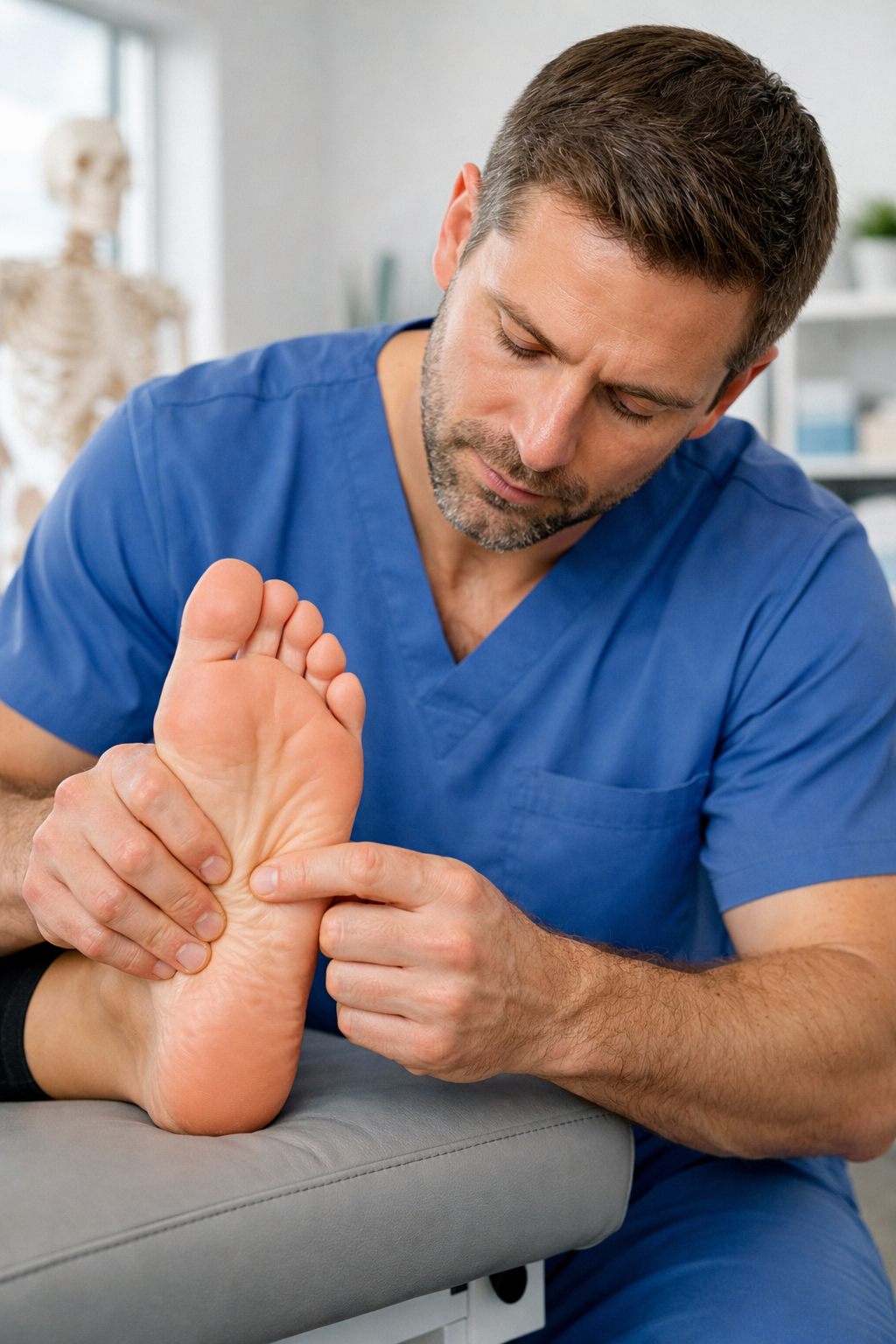
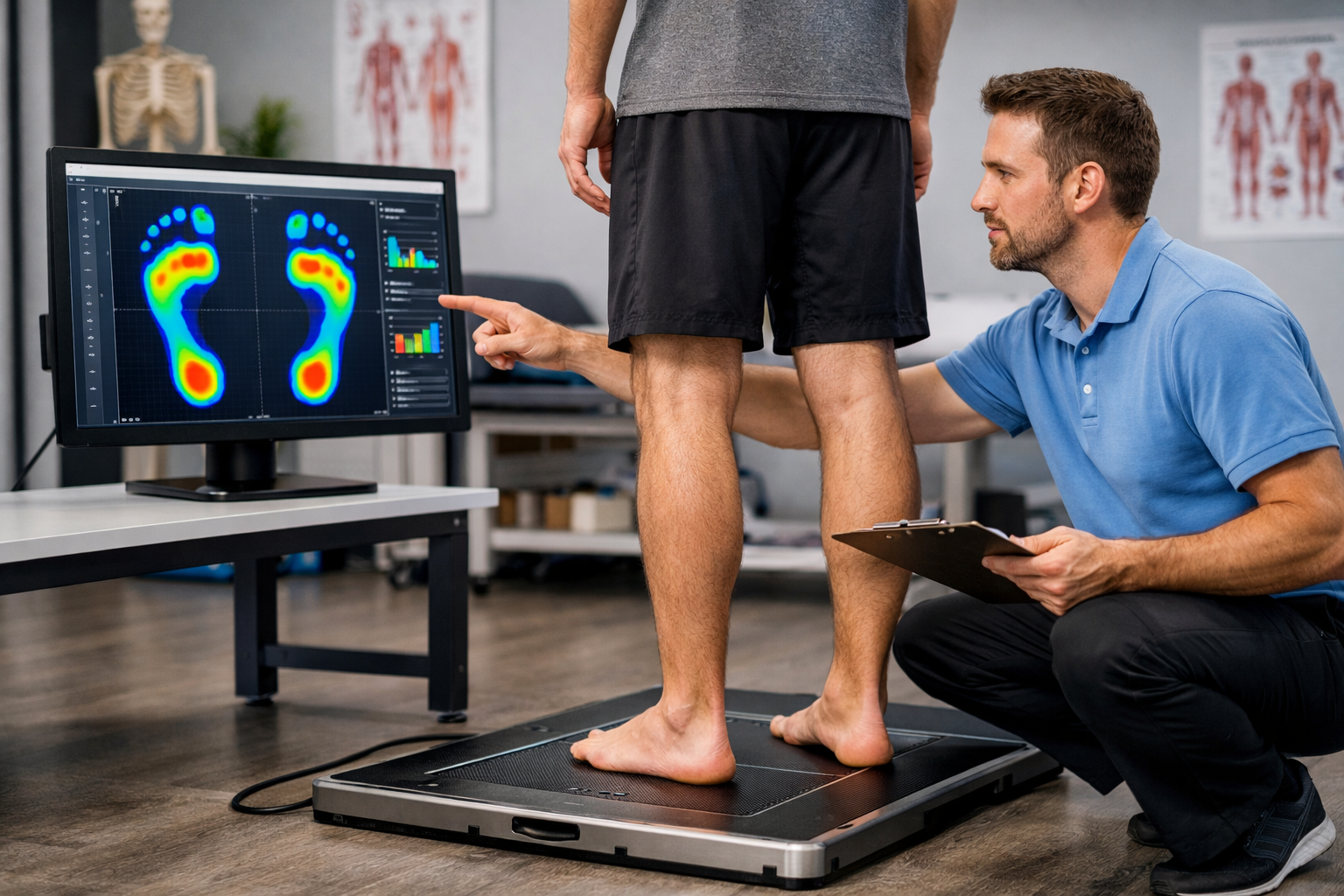
Trinity Rehab’s Sewell-area physical therapists begin with a thorough biomechanical evaluation — gait, ankle mobility, calf flexibility, and foot arch mechanics — identifying specific contributors before any treatment begins.
MANUAL THERAPY
Manual therapy is typically the fastest path to meaningful pain relief in plantar fasciitis treatment. Hands-on joint mobilization of the ankle and subtalar joints restores dorsiflexion range of motion, directly reducing the amount of strain transferred to the plantar fascia with each step. Instrument-assisted soft tissue mobilization (IASTM) breaks down adhesive tissue along the fascia and calf muscles, promoting healthy remodeling. Myofascial release addresses the trigger points in the gastrocnemius, soleus, and tibialis posterior that contribute to chronic tension through the Achilles-plantar fascia chain. The clinical evidence supporting this approach is strong — a 2023 revision of clinical practice guidelines in the Journal of Orthopaedic & Sports Physical Therapy endorses combined joint mobilization and stretching as superior to stretching alone.
TARGETED STRETCHING
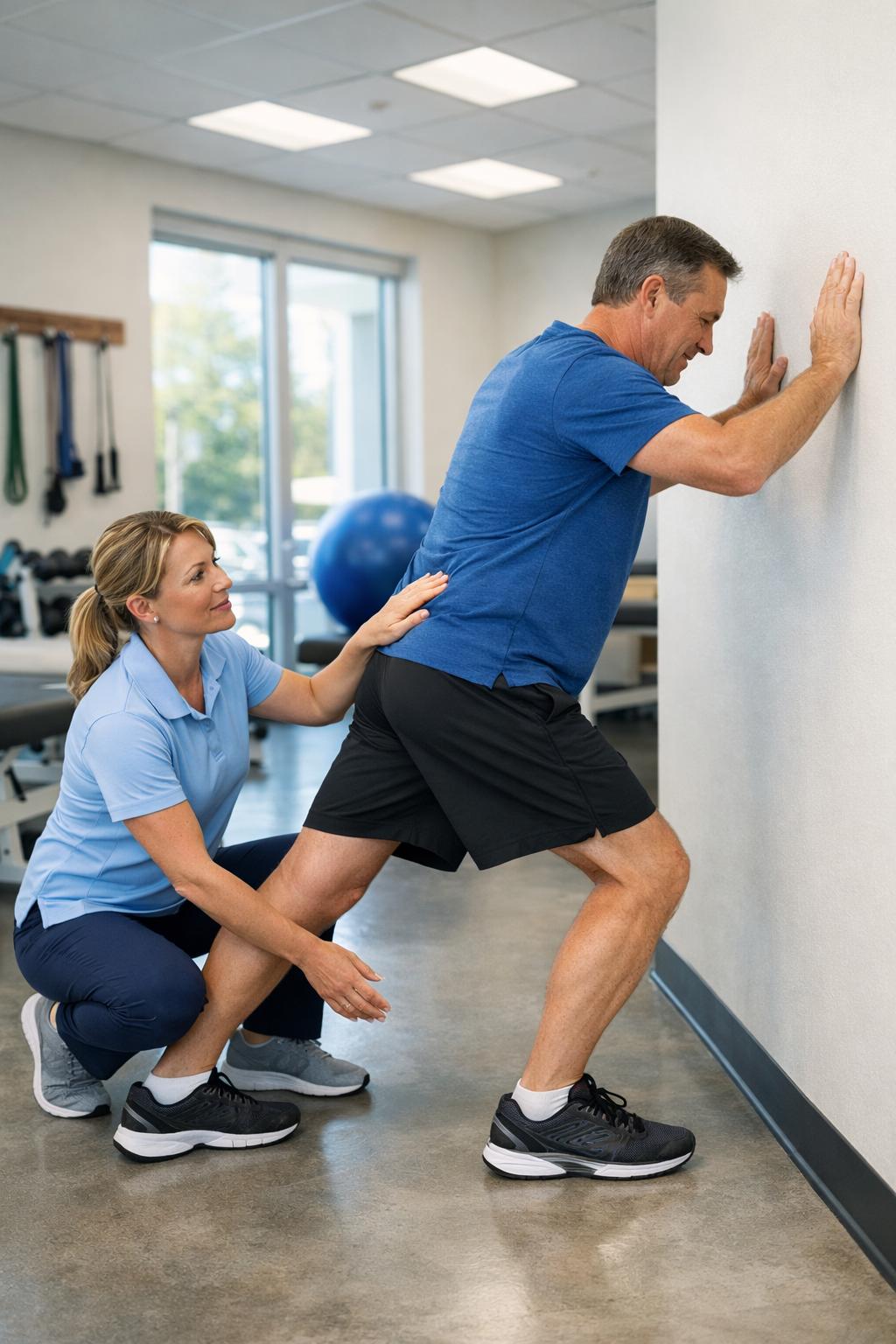
Your stretching program will be specific and progressive. The plantar fascia-specific stretch — dorsiflexing the toes before taking the first morning step, held 30 seconds for three repetitions — is among the most evidence-supported home interventions for this condition. Systematic calf stretching targeting both the gastrocnemius and soleus muscles recovers the ankle dorsiflexion that tight calves steal, reducing fascial strain with every step. For healthcare workers who spend shifts in clogs or compression-fit work shoes, regaining full ankle mobility is often the single most important intervention in their program.
ECCENTRIC LOADING AND INTRINSIC FOOT STRENGTHENING
Progressive eccentric calf raises — slowly lowering from a step edge under load — build the tendon and fascial resilience that makes the plantar fascia capable of handling full occupational and recreational demands. Intrinsic foot muscle exercises (towel scrunches, short-foot activation, single-leg balance progressions) rebuild the internal arch support system. For Minutemen athletes returning to competition, sport-specific loading progressions and plyometric readiness work complete this phase.
EPAT SHOCKWAVE THERAPY
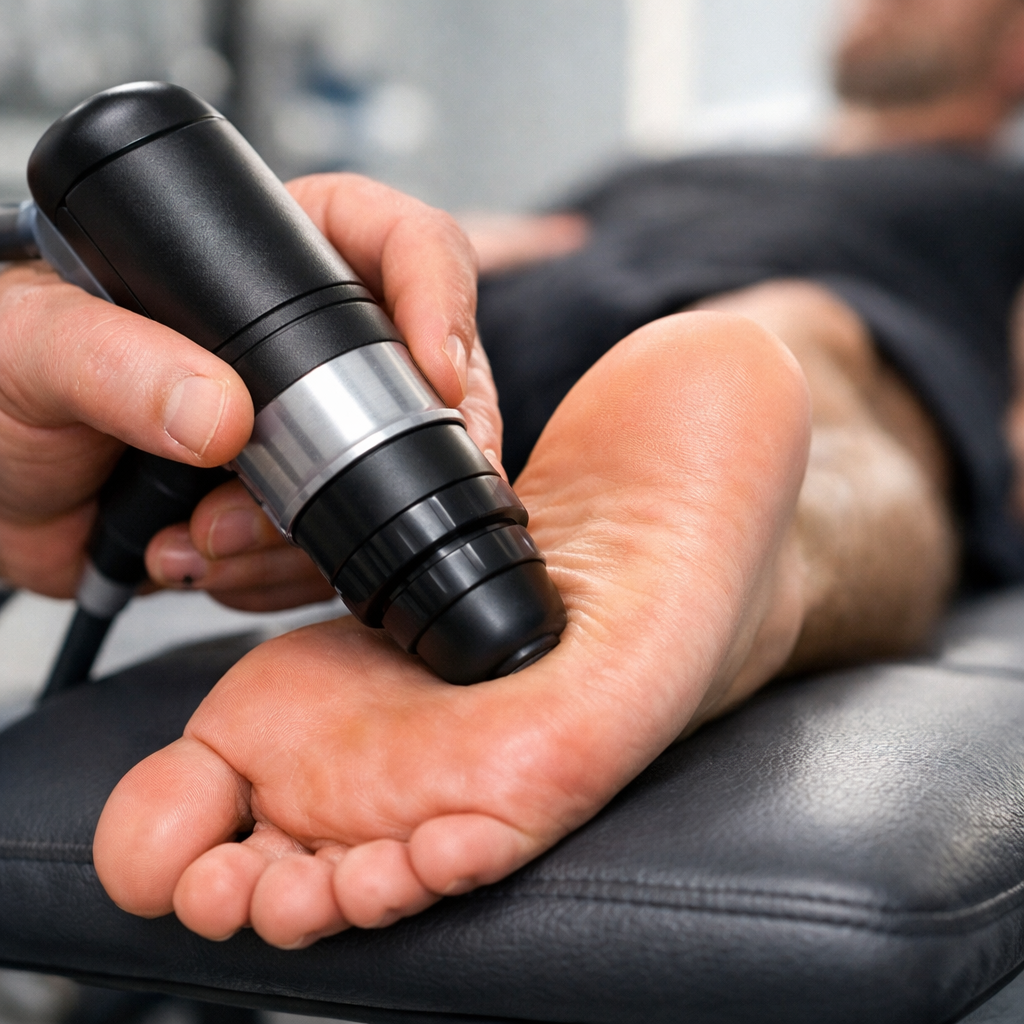
For patients — often healthcare workers or long-tenured warehouse employees — whose plantar fasciitis has become chronic after months of continued loading through pain, EPAT (Extracorporeal Pulse Activation Technology) represents a critical tool. Acoustic pressure waves stimulate blood flow and cellular repair in tissue that chronic inflammation has locked in a failed-healing state. The Mayo Clinic recognizes shockwave therapy as effective for recalcitrant plantar fasciitis. Trinity Rehab provides EPAT directly, without requiring patients to navigate a separate specialist referral.
DRY NEEDLING
Dry needling targets the myofascial trigger points in the calf complex and foot intrinsics that perpetuate fascial tension despite stretching and manual therapy. Fine filament needles provoke a local twitch response that releases contracted muscle fibers, immediately reducing the mechanical load on the heel. This is particularly effective for healthcare workers and standing-intensive employees whose calf muscles carry chronic occupational tension.
FOOTWEAR AND ORTHOTIC GUIDANCE
Footwear review is essential for every plantar fasciitis patient. Healthcare workers often wear clogs or nursing shoes that prioritize slip resistance over arch support. Warehouse workers wear safety shoes that may be structurally inadequate. Golfers wear traditional footwear not optimized for their specific foot mechanics. Your therapist will review everything you wear on your feet and recommend targeted upgrades — including custom or semi-custom orthotics for patients with structural arch issues.
PREVENTION TIPS FOR SEWELL AND WASHINGTON TOWNSHIP RESIDENTS
- Invest in occupation-grade footwear — Anti-fatigue insoles and arch-supportive nursing or work boots protect healthcare and warehouse workers from the cumulative daily loading that drives plantar fasciitis.
- Stretch before your shift — A 60-second plantar fascia and calf stretch before a long standing shift is more effective than icing afterward. The fascia is most vulnerable cold-to-loaded.
- Build Washington Lake Park mileage gradually — Return to trail walking after winter with no more than 10% weekly volume increases. Paved paths provide little shock absorption.
- Warm up before Minutemen training — Five minutes of dynamic calf and foot work before lacrosse practice prevents the overuse injuries that derail early-season athletes.
- Address post-golf heel pain early — Mild soreness after a round at Pitman is the fascia’s early warning. Stretch, review your footwear, and act before it ends your season.
WHY SEWELL PATIENTS CHOOSE TRINITY REHAB
Trinity Rehab’s one-on-one model is built for busy people — healthcare workers, warehouse employees on shift schedules, athletes, and families managing demanding routines. Your licensed therapist is with you every session. Your plan evolves based on your response, and your goals — completing a nursing shift without heel pain or finishing a lacrosse season — stay at the center of every decision.
We accept most major insurance, require no physician referral, and offer flexible scheduling that accommodates shift workers and early-morning or evening availability. Browse our full conditions list or learn more about foot and ankle pain treatment.
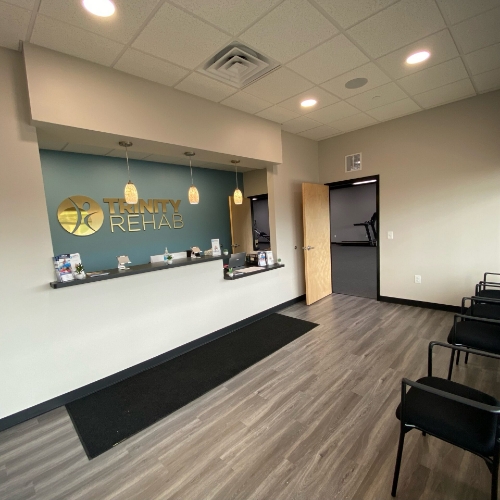
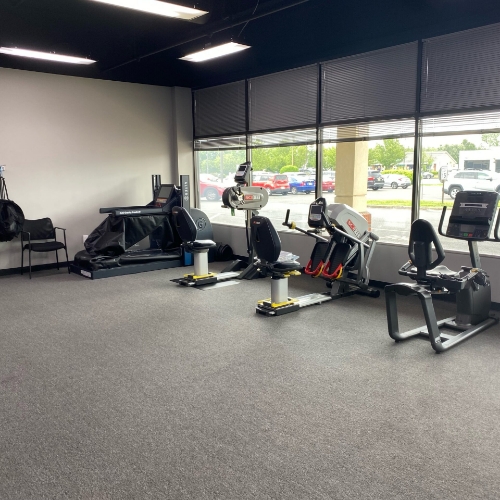
Inside Our Sewell Clinic
FREQUENTLY ASKED QUESTIONS
Where can I get plantar fasciitis treatment in Sewell, NJ?
I’m a nurse and I can’t take time off my feet — can I still recover from plantar fasciitis?
How long does plantar fasciitis treatment take?
Is rest alone enough to heal plantar fasciitis?
Does Trinity Rehab treat conditions related to plantar fasciitis, like knee pain or back pain?
RECOVER. RETURN. STAY STRONG.
Plantar fasciitis doesn’t have to define your shifts, your park walks, or your lacrosse season. Trinity Rehab’s Sewell-area team is ready to help you return to full activity.
No physician referral needed. Most major insurance plans accepted.
Sources: Journal of Orthopaedic & Sports Physical Therapy — Clinical Practice Guidelines, Heel Pain/Plantar Fasciitis 2023 | Mayo Clinic — Plantar Fasciitis | American Academy of Orthopaedic Surgeons — Plantar Fasciitis and Bone Spurs | NIH/PMC — Management of Plantar Fasciitis in the Outpatient Setting
What Our Patients Say