
PLANTAR FASCIITIS TREATMENT IN FLEMINGTON, NJ | TRINITY REHAB
WHEN THE HILLS OF HUNTERDON COUNTY START TO HURT
Flemington is a historic small town with a quietly active community. The Hill Runners of Hunterdon hold group runs through the rolling terrain surrounding the South Branch Raritan River valley. Flemington Tennis Club draws players to the courts. Youth athletes compete through the Flemington-Raritan Baseball program, CAPS Premier Soccer, and Hunterdon Central Regional High School — the Red Devils of the Skyland Conference, with multiple state championships in baseball, lacrosse, volleyball, and field hockey. And outside of town, the trails near Mine Brook Park, Clover Hill Park, and the Landsdown Trail system offer hikeable terrain for residents who prefer to stay off the roads.
Meanwhile, Hunterdon Medical Center, Johanna Foods, and the industrial and logistics operations along Flemington’s business parks keep a significant portion of the workforce on their feet for hours at a stretch.
Across all these contexts, plantar fasciitis shows up the same way: a stabbing pain under the heel that is brutal with the first steps of the morning and punishes every moment after extended sitting. It is the most common cause of heel pain in adults — and it is one of the conditions most successfully treated with the right physical therapy approach.
Trinity Rehab in Flemington provides the expert, individualized care that actually resolves plantar fasciitis, not just manages it.
UNDERSTANDING THE MECHANICS OF PLANTAR FASCIITIS
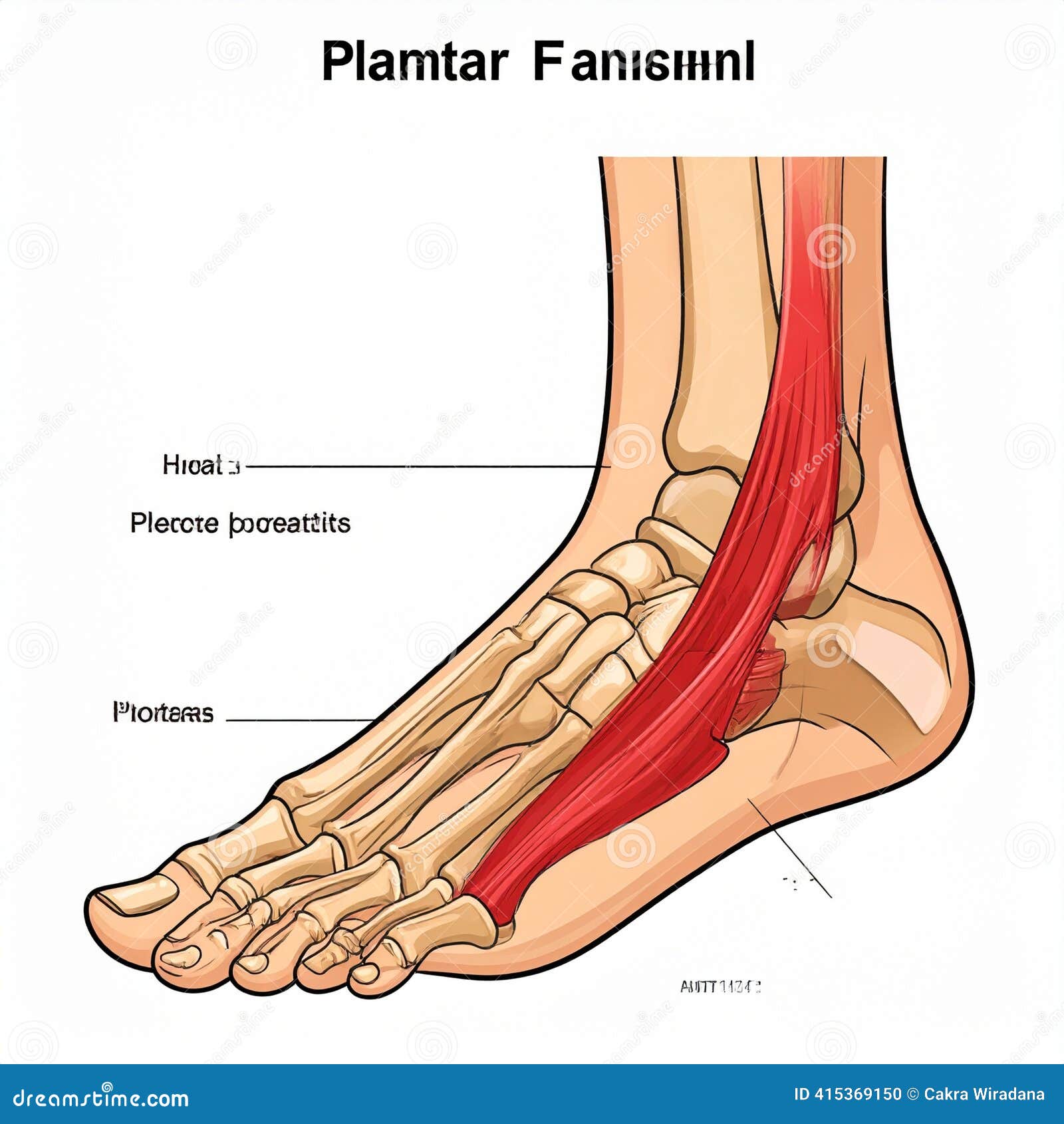
The plantar fascia is a thick, fibrous band of connective tissue running from your heel bone (calcaneus) to the base of your toes. It supports the foot’s arch and absorbs the shock of every step through a mechanism called the windlass effect — the same mechanical principle that stores and releases energy in a bow. When the arch is loaded under bodyweight, the fascia stretches under tension. When the heel rises and the toes dorsiflex, the fascia tightens and helps propel the foot forward.
Plantar fasciitis develops when cumulative loading of the fascia exceeds its repair capacity. Micro-tears develop at the fascial origin near the calcaneus — the point of greatest mechanical stress — and the resulting inflammatory response creates the characteristic stabbing, burning heel pain. In cases that go undertreated for months, this inflammatory pattern can give way to actual tissue degeneration (plantar fasciopathy), where the structural organization of the fascia breaks down.
The morning pain pattern is a key diagnostic feature. During sleep, the plantar fascia rests in a shortened, relaxed position. The moment you stand and bear full weight, it is suddenly forced to elongate — re-stressing the micro-tear sites all at once. This is why those first steps to the bathroom are often agonizing, while the pain gradually eases as the fascia warms and loosens.
RELATED CONDITIONS & TREATMENTS
Plantar fasciitis is just one of the many conditions we treat at Trinity Rehab Flemington. Explore our full range of conditions we treat or learn more about specific treatment approaches:
WHY FLEMINGTON RESIDENTS DEVELOP PLANTAR FASCIITIS
Flemington’s particular combination of outdoor recreation, athletic culture, and occupational demands generates several well-defined pathways to plantar fasciitis.
Trail Running with the Hill Runners of Hunterdon: The Hill Runners of Hunterdon is an active running club that brings participants to trails throughout the rolling Hunterdon terrain. Trail running on varied surfaces — compressed dirt, gravel, and grass — places different biomechanical demands on the foot compared to road running. The constant micro-adjustments required on uneven terrain work the calf and foot complex hard, and a training spike or a return to running after a winter off frequently tips the balance into plantar fasciitis territory.
Hunterdon Central Athletics: The Red Devils compete in a comprehensive athletic program through the Skyland Conference, with championships earned in baseball, lacrosse, volleyball, field hockey, wrestling, and cross country. Athletes in cleated footwear — sprinting, cutting, and jumping on turf and grass — absorb concentrated heel stress. Cross country runners and track athletes face cumulative impact on packed dirt and track surfaces. The training demands ramp up sharply at the start of each season.
Tennis and Golf: Flemington Tennis Club members and golfers at Heron Glen Golf Course and Copper Hill Country Club spend significant time on their feet in shoes with relatively rigid soles. Tennis involves rapid lateral movements and stop-start footwork that places shear stress on the plantar fascia. Golf involves hours of walking on firm fairways with asymmetric rotational mechanics that can create uneven loading through the arch.
Warehouse, Healthcare, and Food Manufacturing Workers: Hunterdon Medical Center, Hunterdon Healthcare, and Johanna Foods represent Flemington’s largest employment categories. Nursing staff, aides, and food manufacturing workers share a common occupational risk factor: prolonged standing and walking on hard concrete and tile surfaces for full work shifts. The cumulative fascial loading from these environments — repeated daily, week after week — is among the most reliable predictors of plantar fasciitis onset.
Commuters: Flemington serves as a bedroom community for workers commuting to Princeton, New Brunswick, and New York via Trans-Bridge buses. Adding commute walking on hard pavement to an already foot-demanding occupation compounds cumulative stress on the plantar fascia.
RECOGNIZING THE SYMPTOMS
A Hill Runners member who has been increasing training mileage on local trails in preparation for a spring race might notice that heel pain appears after runs, then starts showing up every morning before runs, then begins affecting his stride during workouts. A Hunterdon Medical Center nurse describes a sharp pain that greets her the moment she steps down from the nursing station stool at the end of a patient assessment. A Red Devils baseball pitcher’s heel hurts after every bullpen session but he shrugs it off until it starts affecting his fielding mechanics.
These are classic plantar fasciitis presentations. Symptoms to watch for include:
- First-step morning pain — sharp, intense heel pain with the first weight-bearing steps after sleep; often described as stepping on a stone or nail
- Post-rest flares — pain that returns after sitting, driving, or any rest period longer than ten minutes
- Localized heel tenderness — pressing the inner-bottom edge of the heel reproduces the exact pain felt during activity
- Arch tightness — a pulling, burning feeling along the sole, especially in the morning or after inactivity
- Post-activity pain — heel pain that peaks the morning after a long run, tennis session, or busy shift rather than during it
- Gait compensation — shortened stride, toe-walking, or outer-foot weight shift to minimize heel contact
Compensatory gait mechanics, if left to continue, redirect harmful forces to the ankles, knees, hips, and lower back. Lumbar back pain and sciatica are common downstream consequences of long-standing plantar fasciitis. Addressing it early is far simpler than resolving the cascade of secondary problems.
HOW PHYSICAL THERAPY TREATS PLANTAR FASCIITIS: TRINITY REHAB’S EVIDENCE-BASED APPROACH
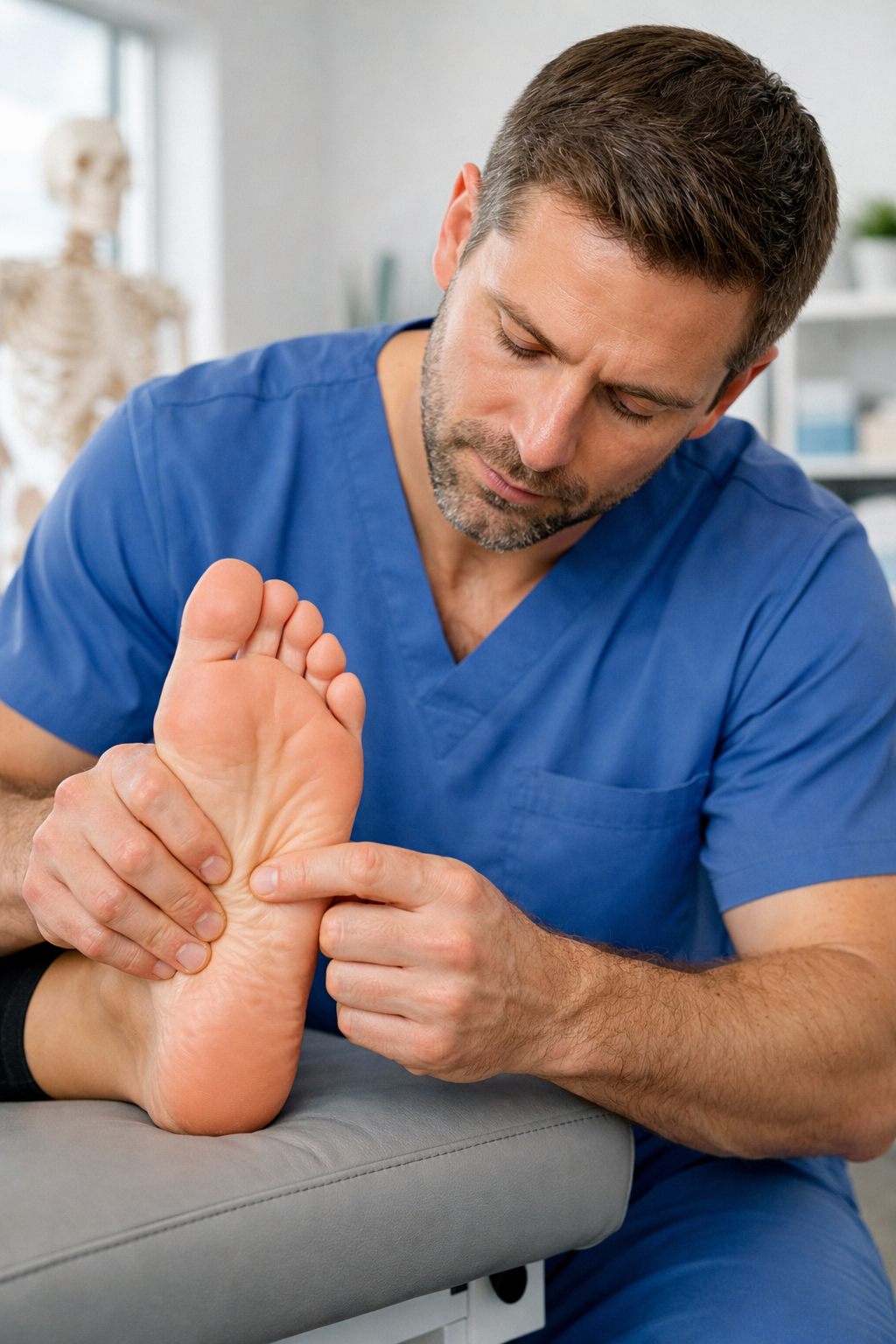
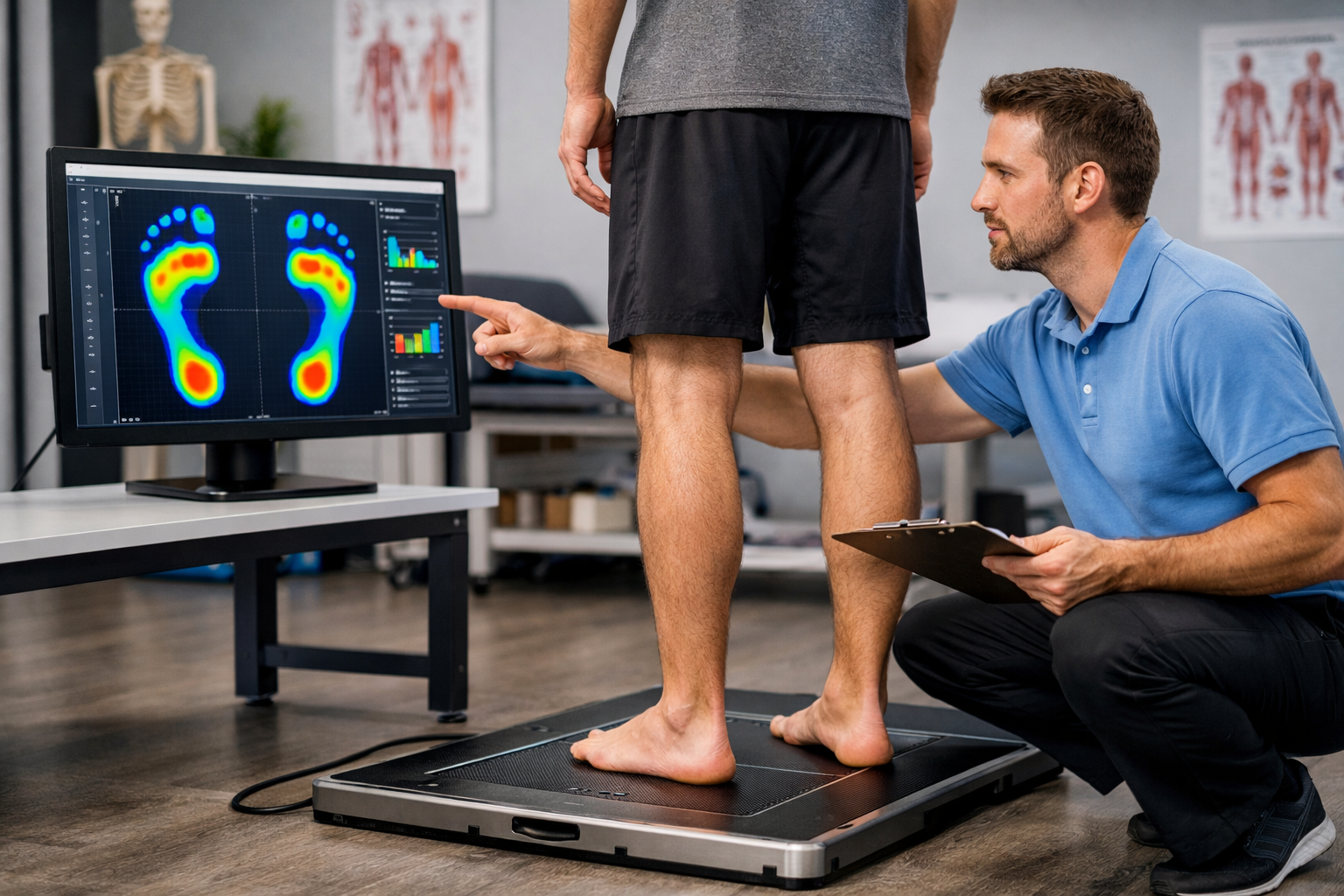
Every patient at Trinity Rehab Flemington receives a comprehensive biomechanical evaluation before a single treatment is applied. Your licensed physical therapist examines foot mechanics, ankle range of motion, calf muscle flexibility, gait pattern, footwear, and the specific demands of your occupation and sport. That assessment builds a treatment plan specific to you — not a default protocol.
Our foot and ankle treatment program and full conditions list are available on our website.
Manual Therapy
Hands-on manual therapy begins in the first session. Subtalar and ankle joint mobilization restores normal mechanics and reduces the stiffness that consistently restricts motion in plantar fasciitis patients. A 2023 clinical study in the Journal of Orthopaedic & Sports Physical Therapy confirmed that subtalar mobilization combined with stretching significantly outperforms conventional care. Instrument-assisted soft tissue mobilization (IASTM) works through adhesions and scar tissue along the plantar fascia and calf. Myofascial release addresses the trigger points in the gastrocnemius-soleus complex and foot intrinsics that maintain chronic fascial tension.
Targeted Stretching and Flexibility
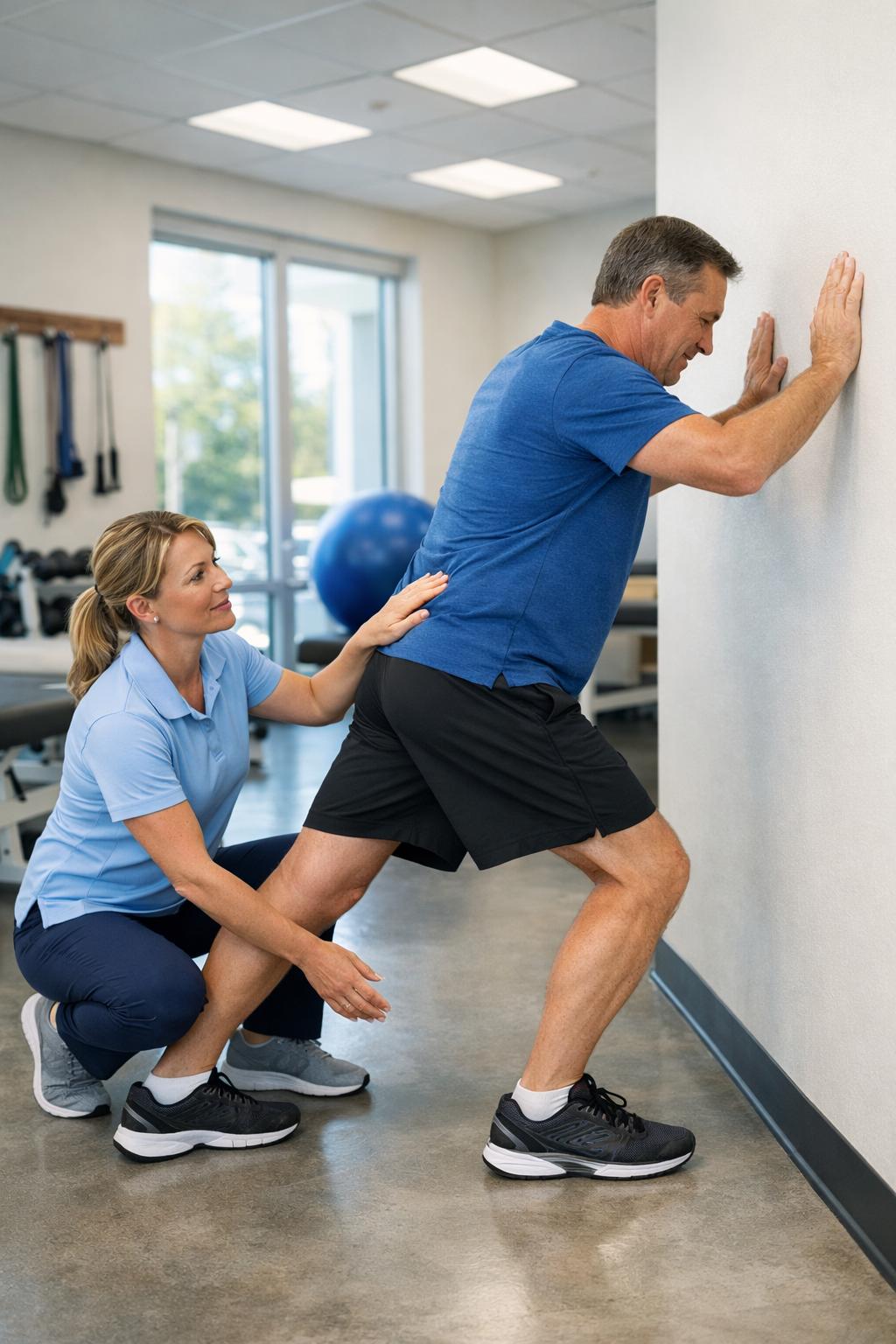
The plantar fascia-specific stretch — performed seated before the first morning steps — is the highest-evidence single intervention in the plantar fasciitis literature. Your program also includes progressive calf and Achilles stretching to restore ankle dorsiflexion, which when restricted is one of the most reliable mechanical contributors to heel pain. Eccentric calf loading through heel drops off a step edge builds resilience in the tendon-fascia complex over a progressive sequence of weeks.
Intrinsic Foot Strengthening
Weak intrinsic foot muscles allow the arch to passively depend on the plantar fascia for support that should be provided by muscle. Short-foot exercises, towel scrunches, and single-leg balance progressions rebuild this muscular foundation. For Hill Runners members returning to trail running, sport-specific gait retraining is incorporated to optimize mechanics before returning to full training load.
EPAT Shockwave Therapy
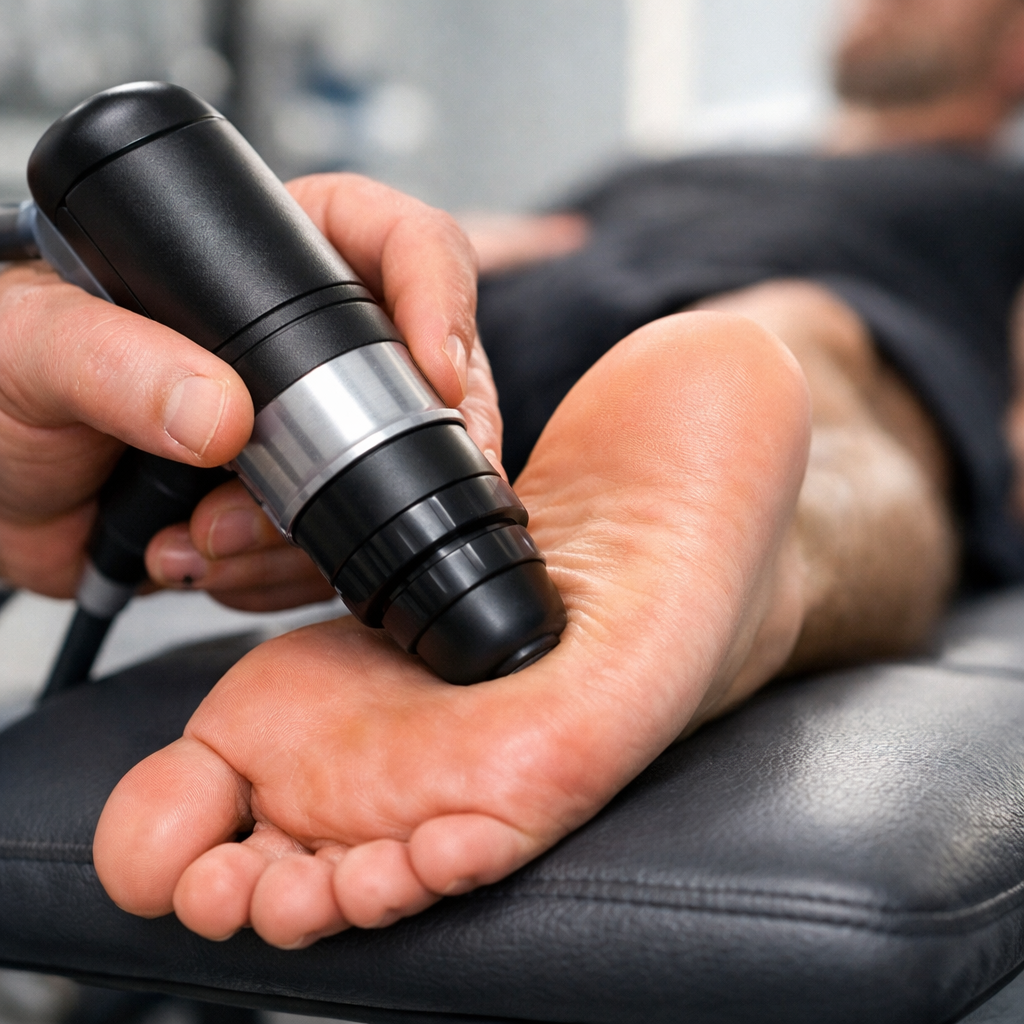
For persistent or chronic plantar fasciitis — particularly in patients who have been dealing with it for six months or more — Trinity Rehab offers EPAT (Extracorporeal Pulse Activation Technology). EPAT delivers acoustic pressure waves into degenerated fascial tissue, stimulating blood flow, breaking up calcific deposits, and activating cellular repair mechanisms that have stalled. The Mayo Clinic recognizes extracorporeal shockwave therapy as an effective option for chronic cases. This technology is available at Trinity Rehab and represents a meaningful step forward for patients who have not responded to conventional care.
Dry Needling
Dry needling uses thin filament needles to directly target myofascial trigger points in the calf and foot intrinsic muscles — releasing deep neuromuscular tension that stretching and manual therapy alone cannot fully address. It is particularly valuable in cases where calf tightness is severe and persistent.
Footwear and Orthotic Guidance
Your therapist will assess your footwear across all contexts — running shoes for Hill Runners training, occupational footwear for Hunterdon Medical Center floors, tennis shoes for the Flemington Tennis Club. Custom orthotics may be recommended to correct overpronation, flat arches, or high-arch biomechanics that create ongoing fascial strain. Night splints prevent the overnight fascial shortening responsible for the worst morning pain.
PREVENTION: KEEPING PLANTAR FASCIITIS FROM RETURNING
Flemington-specific prevention guidance:
- Track your trail running mileage. Trail shoes lose cushioning and support after 300–500 miles — potentially less on the rough terrain around Hunterdon County. Replace them before you need to, not after pain develops.
- Warm up before Hill Runners club runs. A dynamic warm-up including calf raises, ankle circles, and a brief plantar fascia stretch before heading out on trail significantly reduces micro-tear risk.
- Prioritize occupational footwear. Hunterdon Medical Center nurses and Johanna Foods floor workers should treat supportive, cushioned work shoes as essential protective equipment — and replace them on a regular schedule, not when the soles give out.
- Follow the 10% training rule. Increasing weekly mileage by more than 10% at a time is the most common training error that leads to plantar fasciitis. Build gradually through the season.
- Maintain your home exercise program after discharge. Patients who continue their plantar fascia and calf stretching routine after completing formal physical therapy have dramatically lower recurrence rates than those who stop stretching when the pain resolves.
WHY FLEMINGTON PATIENTS TRUST TRINITY REHAB
Trinity Rehab Flemington delivers one-on-one care at every session — your licensed physical therapist is with you the entire time, not cycling between multiple patients. That focused, individualized attention is what allows treatment plans to be adapted precisely as you progress, producing faster recovery and better durability.
We accept most major insurance plans, offer flexible scheduling for healthcare workers and athletes with variable schedules, and our protocols align with the American Physical Therapy Association’s clinical practice guidelines. No other physical therapy clinic in the Flemington area provides the same combination of evidence-based manual therapy, advanced modalities, and personalized one-on-one attention.
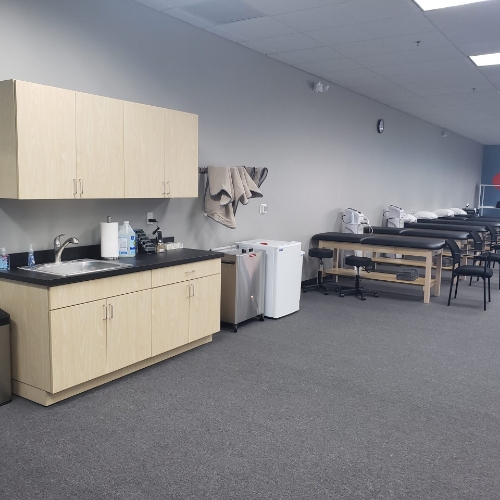
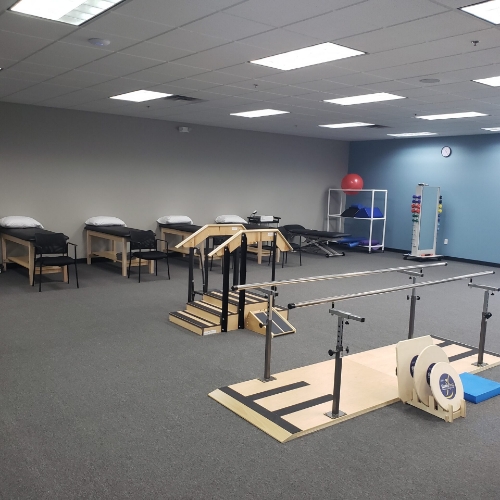
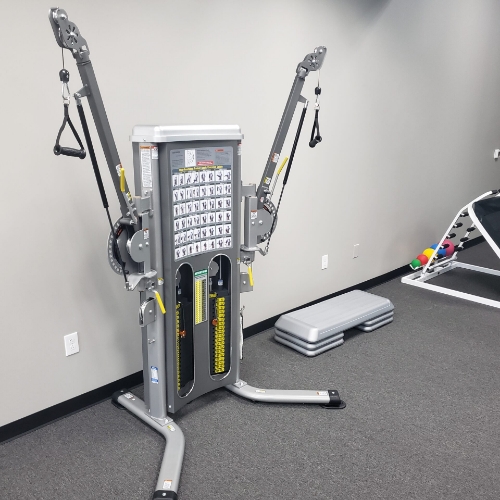
Inside Our Flemington Clinic
FREQUENTLY ASKED QUESTIONS
Where can I get plantar fasciitis treatment in Flemington, NJ?
I run with the Hill Runners of Hunterdon. Will I have to stop running completely?
How long before I see results from physical therapy?
Do I need a doctor’s referral to see Trinity Rehab in Flemington?
Is there anything I can do at home between sessions?
FLEMINGTON’S PLANTAR FASCIITIS SPECIALISTS ARE READY
Whether you are a Hill Runner preparing for next season’s race calendar, a Hunterdon Central athlete trying to avoid losing your spot on the roster, or a Hunterdon Medical Center professional who needs to make it through a twelve-hour shift without pain — Trinity Rehab Flemington has the expertise to get you there.
No referral required. Most insurance accepted.
Sources: Journal of Orthopaedic & Sports Physical Therapy — Heel Pain Clinical Practice Guidelines, 2023 | Mayo Clinic — Plantar Fasciitis | APTA — Clinical Practice Guidelines for Heel Pain | NIH/PMC — Outpatient Management of Plantar Fasciitis
What Our Patients Say