
PLANTAR FASCIITIS TREATMENT IN BRICK, NJ | TRINITY REHAB
STOP LETTING HEEL PAIN ROB YOU OF THE JERSEY SHORE LIFESTYLE
There is a particular rhythm to life in Brick Township. Summer mornings mean lacing up your sneakers for a loop around the Brick Reservoir trail before the heat settles in, or heading down to Windward Beach Park to walk the shoreline along the Metedeconk River. Fall weekends bring youth soccer games at the Drum Point Sports Complex, high school cross country meets, and rounds at Forge Pond Golf Course. For a community built around outdoor living and the Jersey Shore, heel pain does not just hurt — it disrupts the fabric of daily life.
If you wake up each morning dreading that first step out of bed, or feel a stabbing sensation through your heel whenever you stand after sitting at your desk, you may be dealing with plantar fasciitis. It is one of the most common causes of heel pain in adults, and it is especially prevalent among the active, outdoor-oriented residents of Ocean County. The good news: plantar fasciitis responds exceptionally well to physical therapy, and Trinity Rehab in Brick is here to help you recover and get back to the activities you love.
WHAT IS PLANTAR FASCIITIS?
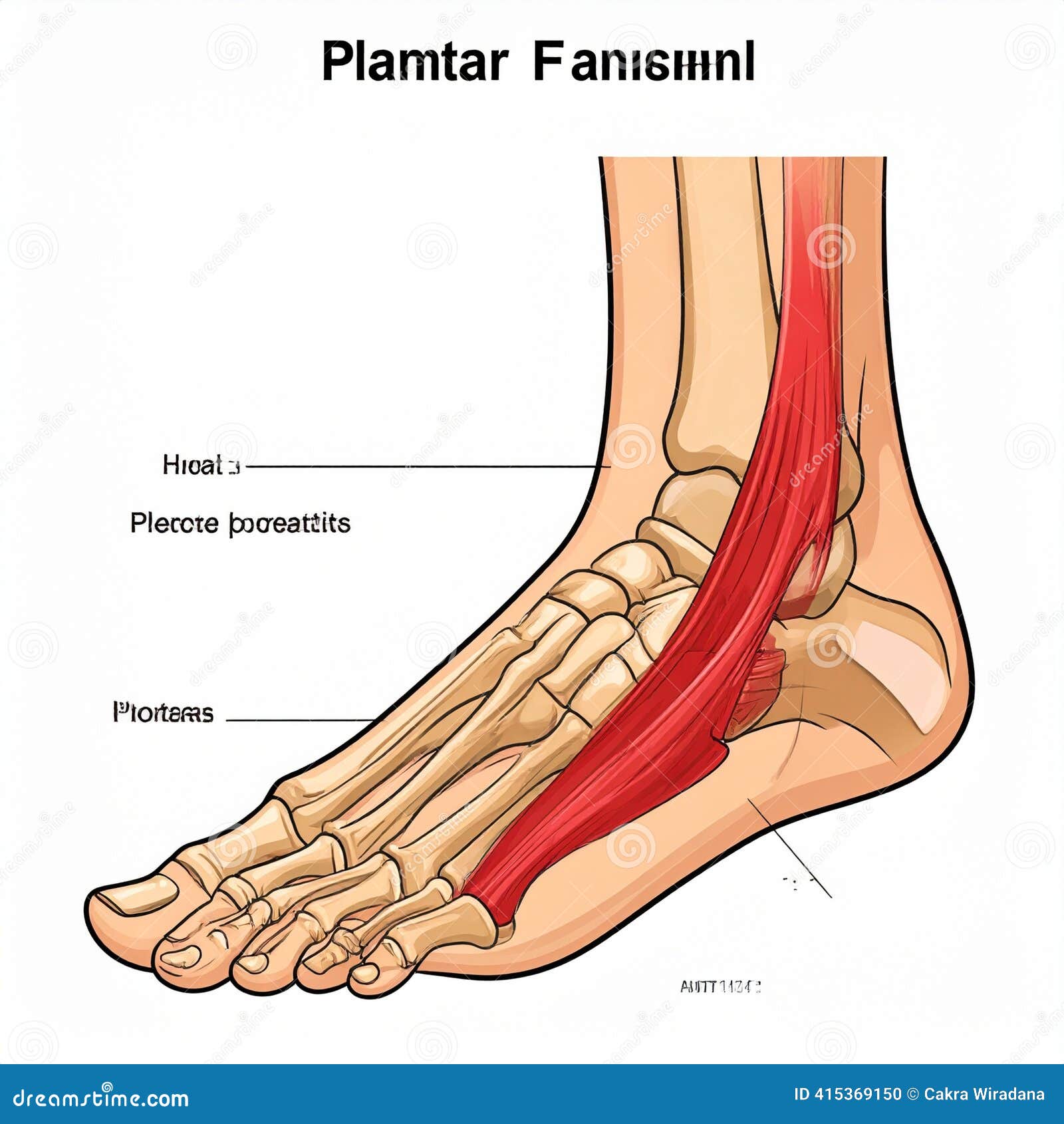
The plantar fascia is a dense, fibrous band of connective tissue stretching along the sole of your foot — from the heel bone (calcaneus) to the bases of your toes. Think of it as the anchor system for your foot’s arch: it absorbs the impact of every step, supports your arch under load, and springs back as your foot pushes off the ground. This mechanism, called the windlass mechanism, is essential to normal walking and running biomechanics.
Plantar fasciitis develops when the cumulative stress placed on this tissue outpaces its capacity to repair itself. Repeated micro-tears develop at the fascial origin near the heel, triggering an inflammatory response that causes the characteristic stabbing pain. In long-standing cases, the tissue can begin to degenerate and thicken — a condition clinicians sometimes call plantar fasciopathy — making it resistant to simple rest and home remedies.
For Brick residents, the combination of active recreational lifestyles, standing-intensive jobs, and miles of hard-surface walking on boardwalk planks and beach access paths creates a perfect environment for this condition to develop. Understanding the mechanics behind it is the first step toward treating it effectively.
RELATED CONDITIONS & TREATMENTS
Plantar fasciitis is just one of the many conditions we treat at Trinity Rehab Brick. Explore our full range of conditions we treat or learn more about specific treatment approaches:
WHY PLANTAR FASCIITIS DEVELOPS IN AN ACTIVE COMMUNITY LIKE BRICK
Plantar fasciitis rarely has a single cause. In Brick Township, several local patterns stand out as common contributors:
Reservoir and Trail Running: The 1.6-mile loop around the Brick Reservoir is a go-to route for local runners and walkers. It is a beautiful, low-traffic trail — but the hard surface combined with the repetitive impact of running can overload the plantar fascia, particularly in runners whose calf muscles are tight or whose footwear is worn down. Increasing mileage too quickly in the spring or fall running seasons is another frequent trigger.
Beach and Bay Walking: Walking on sand near the waterline at Brick Beaches or along the bay at Traders Cove Marina requires the foot to work harder against an uneven surface. The constant micro-adjustments create cumulative strain on the plantar fascia, especially for residents who dramatically increase their beach walking during summer months.
Youth and High School Sports: Brick Township High School and Brick Memorial High School both compete in the Shore Conference with full athletic programs — soccer, track and field, basketball, volleyball, and more. Young athletes in cleats and court shoes sprinting and jumping on hard surfaces for hours at a time face significant heel stress. Parents and coaches at Drum Point Sports Complex log just as many hours on their feet.
Standing Jobs: Hackensack Meridian Ocean University Medical Center is one of Brick’s largest employers, and its nurses, aides, and support staff spend long shifts on hard hospital flooring. Retail workers at Walmart, Target, and ShopRite face similar prolonged standing demands.
Footwear Choices: Brick’s coastal culture means residents often spend warm months in flip-flops and flat sandals — the single worst footwear category for plantar fasciitis. These provide virtually no arch support and allow the fascia to stretch excessively under bodyweight with every step.
RECOGNIZING THE SYMPTOMS
Plantar fasciitis has a distinctive, recognizable pattern. A Brick resident who runs the Reservoir trail a few mornings a week might notice heel pain that is worst during the first several steps after getting out of bed — a sharp, stabbing sensation that eases somewhat as they move around, then returns after sitting for long periods. A nurse at Ocean University Medical Center might feel tenderness deep in the heel after a twelve-hour shift, and dread the walk to the parking garage. A high school cross country runner might notice the pain flares after meets rather than during them.
Common symptoms include:
- Intense heel pain with the first steps of the morning, often described as stepping on broken glass — caused by the fascia contracting overnight and being suddenly stretched under load
- Pain after periods of rest or sitting, such as returning to a standing position from your car or couch
- Tenderness at the inside base of the heel that can be reproduced by pressing firmly on that spot
- Arch tightness and stiffness that runs from the heel toward the ball of the foot
- Pain that worsens in the evening after a long day on your feet, even if it briefly eased mid-morning
- Gait changes — unconsciously shifting to the outside of your foot, shortening your stride, or walking on your toes to avoid heel contact
When left untreated, these compensations create a ripple effect up the kinetic chain, leading to knee, hip, and lower back pain — and in some cases sciatica from altered spinal mechanics. Early physical therapy intervention cuts this cycle short.
HOW TRINITY REHAB TREATS PLANTAR FASCIITIS: A THREE-PHASE RECOVERY APPROACH
At Trinity Rehab in Brick, we use a phased rehabilitation model that meets you where you are — whether your pain started two weeks ago after a long walk at Windward Beach or has been grinding you down for the better part of a year.
PHASE 1: REDUCING PAIN AND PROTECTING THE TISSUE
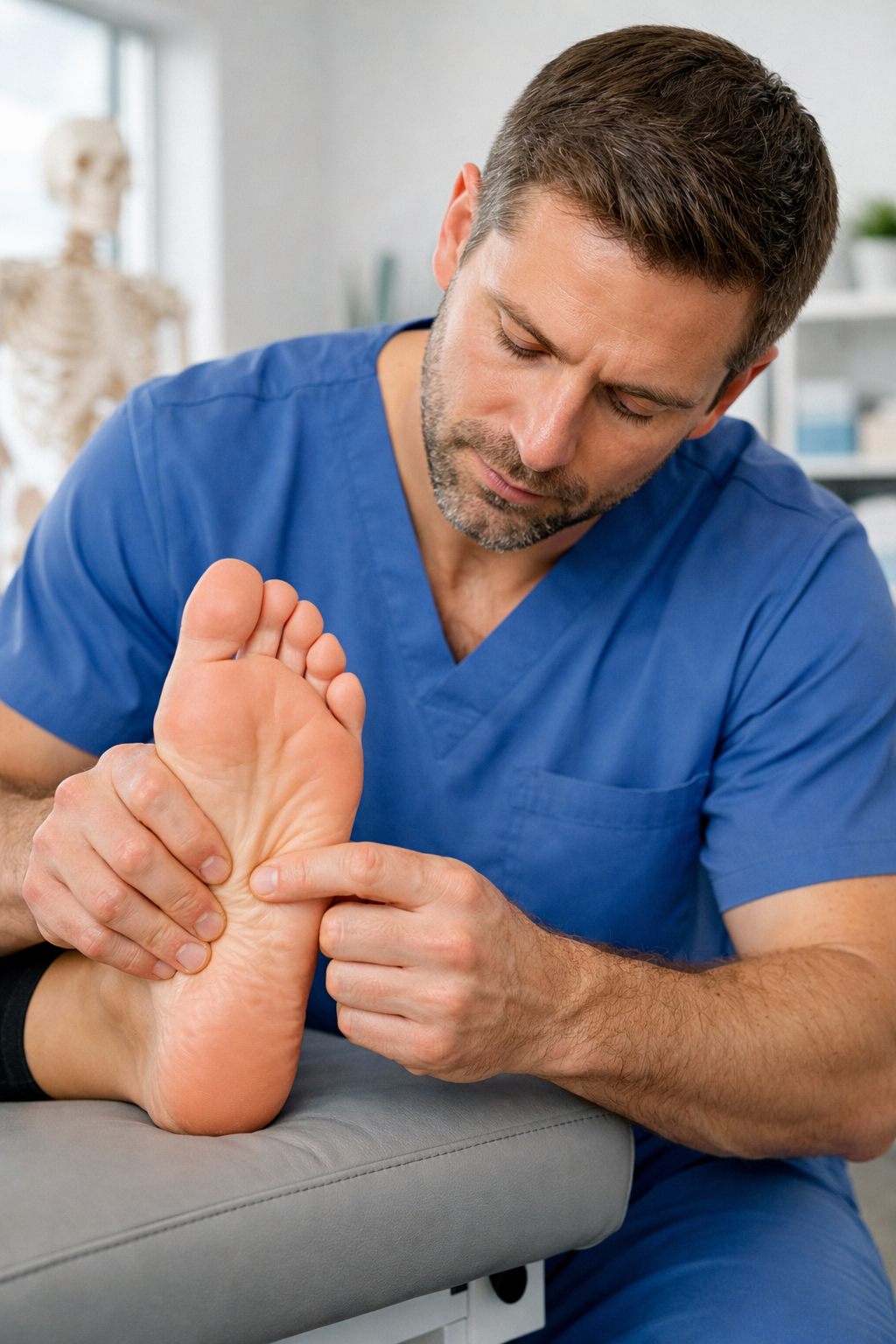
The first goal of treatment is calming the inflammatory cycle and reducing pain enough that you can move normally again. Your Trinity Rehab physical therapist will use hands-on manual therapy techniques — including joint mobilization of the ankle and subtalar joints, myofascial release along the plantar fascia, and instrument-assisted soft tissue mobilization (IASTM) to break down scar tissue adhesions. Research published in the Journal of Orthopaedic & Sports Physical Therapy confirms that subtalar joint mobilization combined with stretching significantly outperforms conventional therapy alone for plantar fasciitis relief.
Therapeutic ultrasound may be used to deliver deep tissue heat to the damaged fascia, promoting circulation and accelerating early healing. Your therapist will also guide you on activity modification — helping you understand which movements are safe to continue and which ones need to be temporarily reduced.
Kinesiology taping provides supportive offloading of the plantar fascia between sessions, allowing you to stay on your feet for work and daily activities while the tissue begins to heal.

PHASE 2: REBUILDING STRENGTH AND FLEXIBILITY
Once pain levels are manageable, the focus shifts to addressing the underlying weaknesses and tightness that allowed the injury to develop in the first place. This phase includes:
Targeted stretching: Plantar fascia-specific toe extension stretches (performed before your first morning steps), gastrocnemius and soleus wall stretches, and step-drop Achilles loading all work together to restore flexibility in the tissues that tug on the heel. Your therapist will also assess your ankle dorsiflexion range of motion — restricted ankles are one of the most consistent contributors to plantar fasciitis.
Intrinsic foot strengthening: Towel scrunches, short-foot exercises, and marble pickups build the small muscles that support the foot’s arch from beneath, reducing the load that falls on the plantar fascia.
Eccentric calf raises: Slowly lowering your heel off a step under load is one of the most evidence-supported exercises for rebuilding tendon and fascial resilience. Progression from double-leg to single-leg eccentric loading is introduced at a pace your tissue can handle.
For runners returning to the Reservoir trail or athletes heading back to practice, this phase maps out a return-to-activity timeline to prevent re-injury.
PHASE 3: RETURN TO ACTIVITY AND LONG-TERM PREVENTION
The final phase of recovery is about returning you to full function — whether that means distance running, a round of golf at Forge Pond, coaching your child’s soccer team at Drum Point, or simply standing a full shift at work without pain.
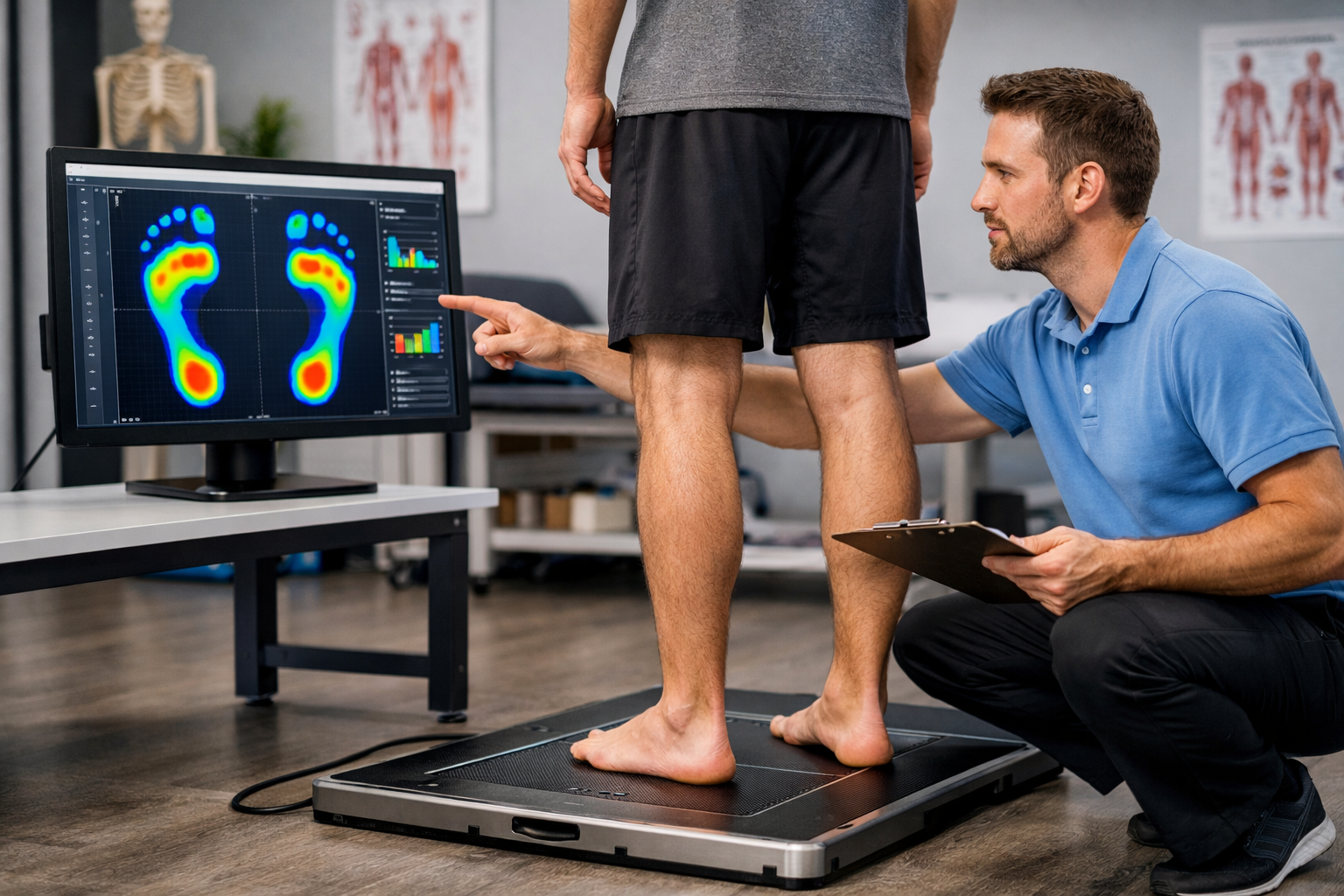
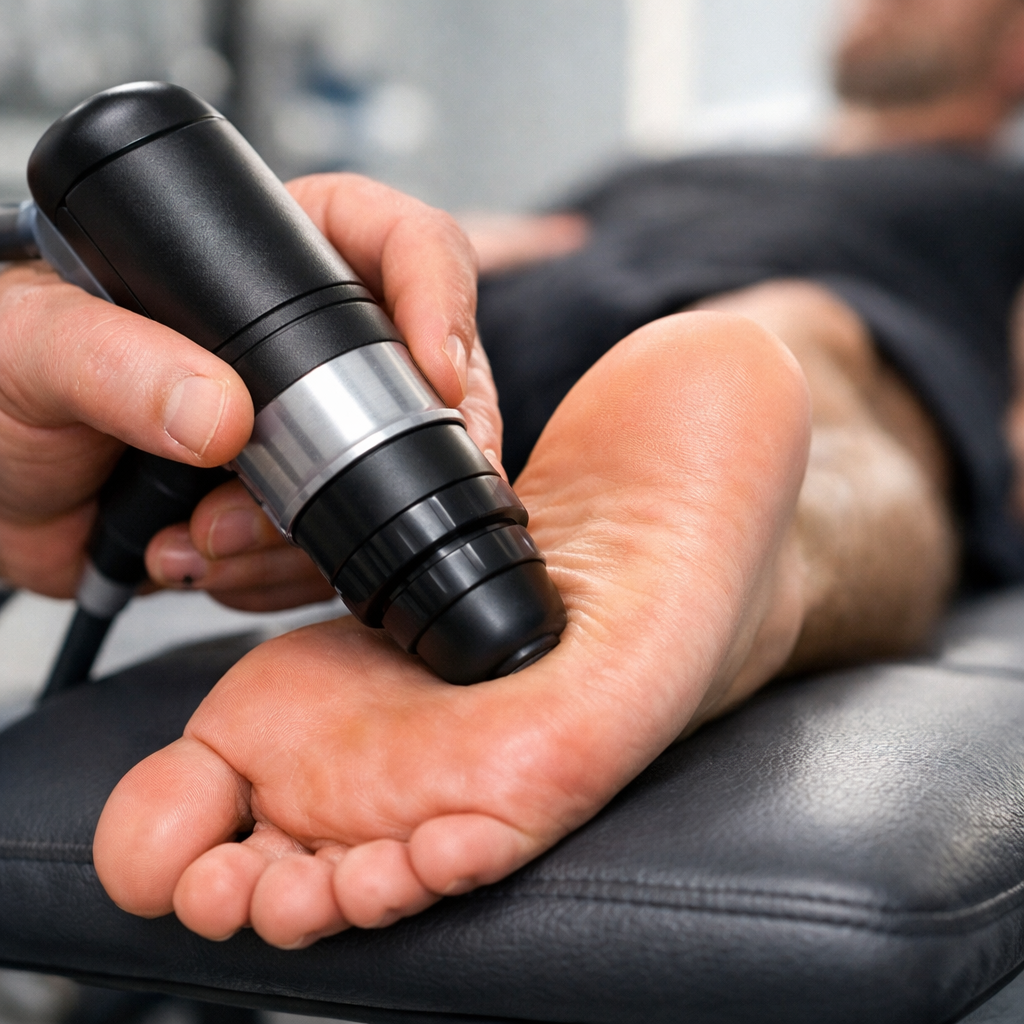
For persistent plantar fasciitis, Trinity Rehab offers EPAT shockwave therapy — acoustic pressure waves that stimulate blood flow and cellular repair in degenerated tissue. The Mayo Clinic recognizes ESWT as effective for chronic cases. Dry needling releases deep calf and foot trigger points that perpetuate fascial overload. Your therapist will also evaluate footwear and recommend custom orthotics if flat arches, overpronation, or high arches require correction.
KEEPING PLANTAR FASCIITIS FROM COMING BACK
Prevention is the final chapter of every successful recovery. A few habits that matter most for Brick residents:
- Rotate your footwear. Retire running shoes after 300–500 miles and resist the urge to spend entire summer days in flat sandals or flip-flops, especially on hard boardwalk and concrete surfaces.
- Stretch before and after Reservoir runs. Thirty seconds of plantar fascia toe extension stretching before your first morning steps takes under a minute and dramatically reduces recurrence risk.
- Warm up before youth sports. Encourage your kids at Drum Point to do dynamic calf and ankle warm-ups before practice — and model the habit yourself when you are on your feet cheering from the sidelines for hours.
- Stay active between seasons. Cross-training with swimming, cycling, or rowing maintains cardiovascular fitness without the repetitive impact load of running or court sports.
- Address foot mechanics early. If your therapist identifies overpronation or flat arches as contributors, consistent use of orthotics is a long-term investment that pays dividends.
WHY BRICK PATIENTS CHOOSE TRINITY REHAB
Trinity Rehab’s Brick location offers the personalized, one-on-one care model that sets us apart from larger physical therapy chains. At every session, you work directly with a licensed physical therapist — not an aide or an assistant — who tracks your progress, adapts your plan in real time, and holds themselves accountable for your outcomes.
We accept most major insurance plans, offer flexible scheduling that works around shifts at Ocean University Medical Center and school sports schedules, and our evidence-based protocols align with the latest American Physical Therapy Association clinical practice guidelines. Our advanced modalities — EPAT, dry needling, IASTM — mean you have access to the same interventions used in elite sports medicine settings, right here in Ocean County.
You can explore our full range of foot and ankle treatments or browse all conditions we treat on our website.
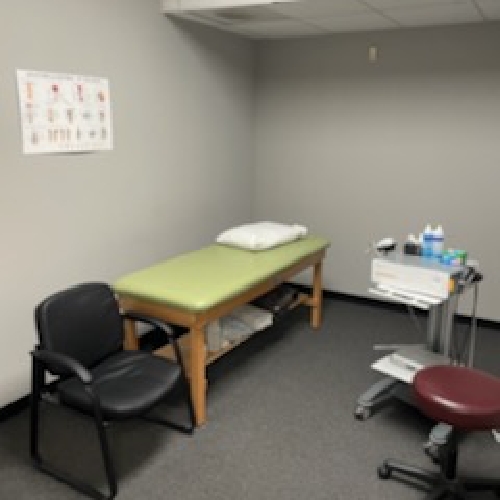
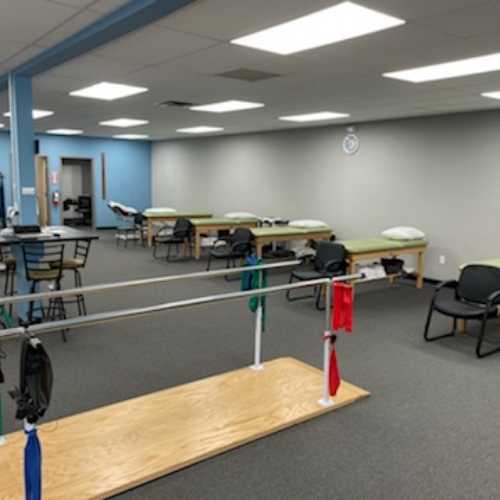
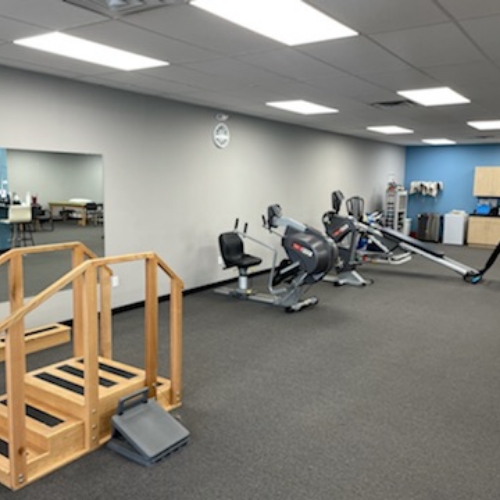
Inside Our Brick Clinic
FREQUENTLY ASKED QUESTIONS
How long will it take to recover from plantar fasciitis with physical therapy in Brick?
Can I still run on the Reservoir trail while I am being treated?
Do I need a referral to see a physical therapist at Trinity Rehab Brick?
Where can I get plantar fasciitis treatment in Brick, NJ?
Is plantar fasciitis the same as a heel spur?
TAKE YOUR FIRST STEP TOWARD PAIN-FREE LIVING
Plantar fasciitis does not have to keep you off the Reservoir trail, away from the beach, or wincing through your work shift. With the right treatment approach, the vast majority of patients recover fully and return to everything they were doing before — often stronger and more resilient than before the injury.
Trinity Rehab’s Brick team is ready to build your personalized recovery plan. No physician referral required. Most insurance accepted.
Sources: Journal of Orthopaedic & Sports Physical Therapy — Clinical Practice Guidelines for Heel Pain/Plantar Fasciitis, 2023 | Mayo Clinic — Plantar Fasciitis Diagnosis and Treatment | American Physical Therapy Association — Clinical Practice Guidelines
What Our Patients Say