

SCIATICA TREATMENT IN UPPER DUBLIN, PA
Upper Dublin Township sits 14 miles north of Philadelphia in one of Montgomery County’s most desirable communities — and if you live or work here, you know how much activity fills the calendar. Hiking the wooded trails of Fort Washington State Park on a weekend morning. Tennis and pickleball leagues at the Upper Dublin Sports Center. Trail runs through Twining Valley Park. Long drives in the Cardinal colors to Upper Dublin High School football games in the fall. And for thousands of residents, a daily commute via the PA Turnpike to Fort Washington Office Park or SEPTA rail to Center City, bookending days of office work with the forward-leaning posture that loads lumbar discs over months and years. Upper Dublin is a place built around quality of life — and sciatica has a way of quietly dismantling it. Trinity Rehab offers the individualized, evidence-based sciatica treatment that Montgomery County residents deserve.
Understanding Sciatica
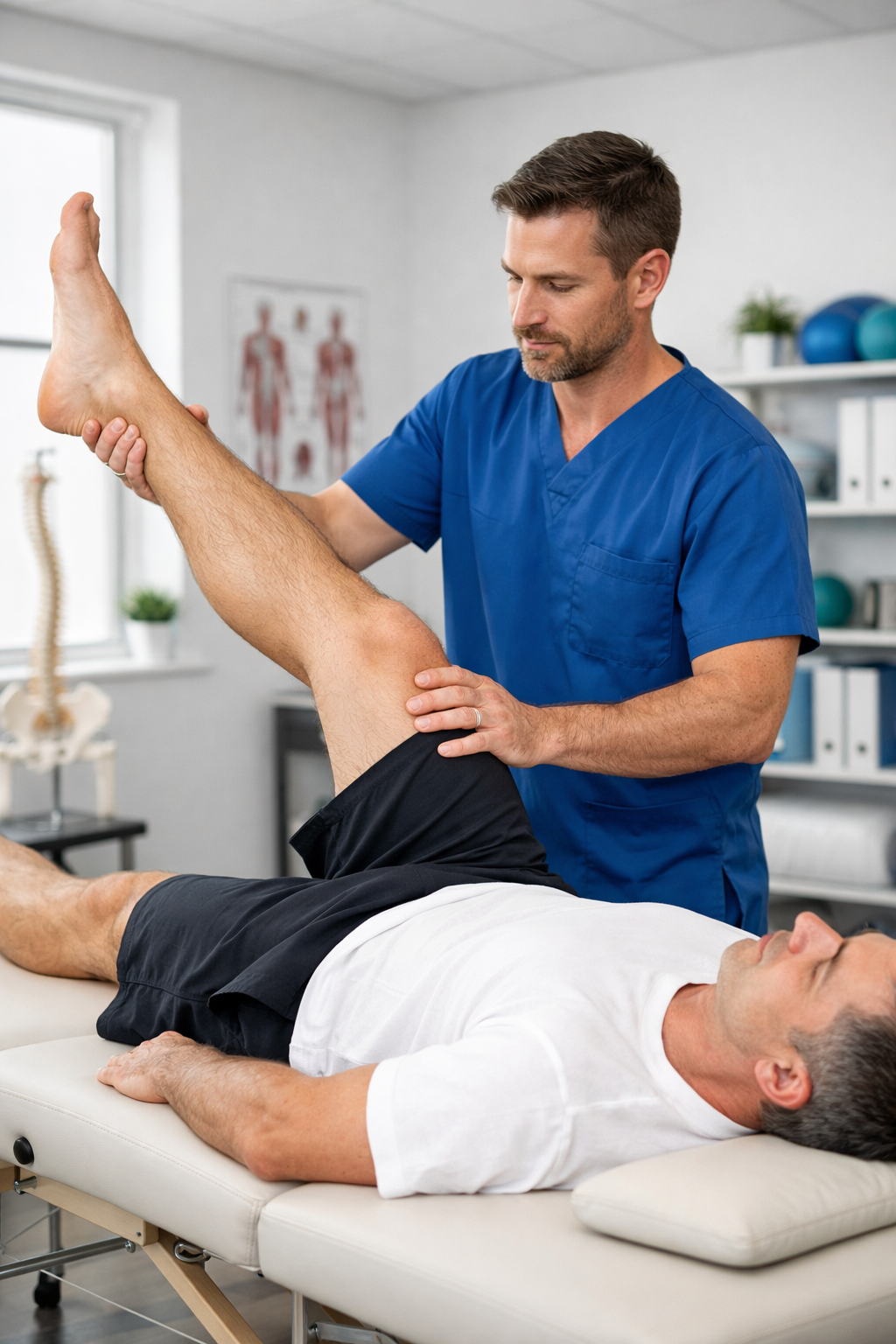
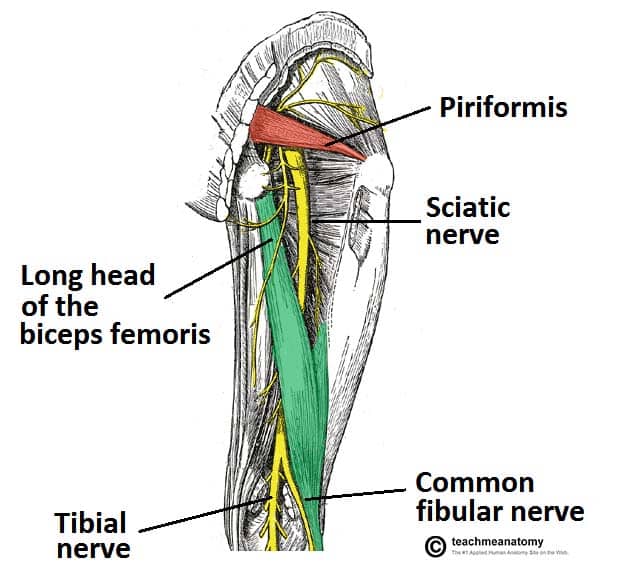
The sciatic nerve exits the lumbar spine through nerve roots at the L4, L5, and S1-3 levels, travels through the deep gluteal region behind the piriformis muscle, and runs the length of the leg to the foot. When one of those nerve roots becomes compressed or irritated — by a herniated disc, a narrowed spinal canal, a forward-slipped vertebra, or a tight piriformis muscle — the result is lumbar radiculopathy. The pain, numbness, or tingling does not stay in the back; it radiates down the nerve’s pathway, which is how a lower lumbar disc problem can produce symptoms felt in the outer calf, the arch of the foot, or the big toe.
What separates sciatica from ordinary back pain is this traveling, often one-sided quality. Patients describe the sensation as burning, shooting, or electric — a bolt that follows a specific path rather than a diffuse ache. Understanding which nerve root is affected and what is compressing it is the foundation of effective treatment. That assessment is what Trinity Rehab’s physical therapy evaluation delivers.
According to Cleveland Clinic, nearly 40% of adults experience sciatica at some point. The majority recover fully with conservative care — but recovery is faster, more complete, and less likely to recur when treatment addresses the root cause.
What Triggers Sciatica in Upper Dublin
Upper Dublin’s blend of commuter professionals, active families, and corporate park workers creates specific sciatica risk profiles:
Fort Washington Office Park employees. The Fort Washington Office Park — 536 acres, over 6 million square feet of Class A office, back-office, and distribution space — is one of Montgomery County’s largest employment centers, housing more than 120 businesses. Professionals who spend 8 or more hours at a workstation, often with suboptimal seated posture and limited movement breaks, accumulate the lumbar disc compression and hip flexor shortening that are the structural prerequisites for a herniated disc. Many Fort Washington commuters also drive 20 to 40 minutes each way, adding additional lumbar flexion to an already sedentary-dominant day.
SEPTA and PA Turnpike commuters. Upper Dublin residents who commute to Philadelphia via SEPTA’s Lansdale/Doylestown or Fort Washington lines sit for the duration of a 45-to-60-minute round trip, often in poorly supported seats. Stacked on top of a full office day, that additional seated time tips the balance toward disc degeneration and nerve root vulnerability. The PA Turnpike corridor commuters face the same issue in a car seat, where lumbar support is typically inadequate for long-duration driving.
Upper Dublin High School athletes and their families. UDHS Cardinals compete at a high level in football, lacrosse, soccer, swimming, tennis, and track. Student athletes in high-impact, repetitive sports accumulate the disc stress and hip flexor tightness that produce sciatica — but so do their parents, coaches, and the recreational athletes who participate in adult leagues at the Upper Dublin Sports Center and Heday Athletic. The indoor tennis and pickleball programs at the Sports Center draw active adults whose lateral-movement sport patterns load the piriformis and sacroiliac joint repeatedly.
Fort Washington State Park hikers and trail users. The 493-acre state park — a Revolutionary War site with extensive hiking and trail networks — draws Upper Dublin residents year-round. The rolling terrain and wooded trails demand hip flexor engagement and stabilizer work that, in someone with a pre-existing disc vulnerability, can escalate to sciatica. Trail runners are particularly susceptible: repetitive hip extension through hilly terrain loads the lower lumbar segments asymmetrically over miles.
Seasonal yard and property work. Upper Dublin’s established neighborhoods have large, mature yards that require sustained seasonal maintenance. Montgomery County winters deliver regular snowstorms, making shoveling a genuine annual risk. The combination of lumbar flexion, trunk rotation, and heavy lifting in cold conditions makes snow removal one of the most statistically reliable precipitants of acute lumbar disc herniation. Spring planting, fall mulching, and tree trimming round out the seasonal cycle of lumbar spinal loading. Related reading: back pain treatment at Trinity Rehab.
Recognizing Sciatica Symptoms
In Upper Dublin’s active professional community, sciatica often develops gradually before a specific episode brings it to the foreground:
- Radiating leg pain — from the lower back or deep buttock, following a specific path down the thigh, calf, or into the foot; often described as burning, electric, or a deep throbbing ache
- Neurological symptoms in the leg — numbness, tingling, or that “pins and needles” feeling in the calf, ankle, or sole of the foot
- Weakness in the foot or ankle — difficulty pulling the toes up, or noticing that the leg fatigues faster on stairs or trail runs
- Pain that spikes with sitting — particularly on the SEPTA commute or during long office meetings
- Relief with walking or changing positions — movement can temporarily ease nerve tension; this distinguishes sciatica from some other conditions
- One-sided symptoms — characteristic of nerve root compression on one side of the lumbar spine
Picture an Upper Dublin professional who works a long day at a Fort Washington Office Park campus, commutes home by car on the Turnpike, and then tries to get back to their evening pickleball league — and notices that their right leg feels increasingly numb and heavy by the third game. That combination of occupational loading, driving, and sport-specific hip demand is a textbook sciatica scenario.
If symptoms include sudden weakness, loss of bowel or bladder control, or perianal numbness, seek medical attention immediately.
Trinity Rehab’s Sciatica Treatment Approach
Trinity Rehab’s Upper Dublin area sciatica treatment is built around the specific demands of your life — your commute, your sport, your job requirements, and your recovery goals. Treatment covers the following key components:
Precision Evaluation and Diagnosis
Every Trinity Rehab sciatica case begins with a detailed evaluation: movement screening, neurological testing (sensation, reflexes, strength), postural assessment, and functional movement analysis. This determines whether your sciatica originates from a disc herniation, piriformis syndrome, stenosis, or sacroiliac dysfunction — because each requires a different primary treatment emphasis.
Hands-On Manual Therapy
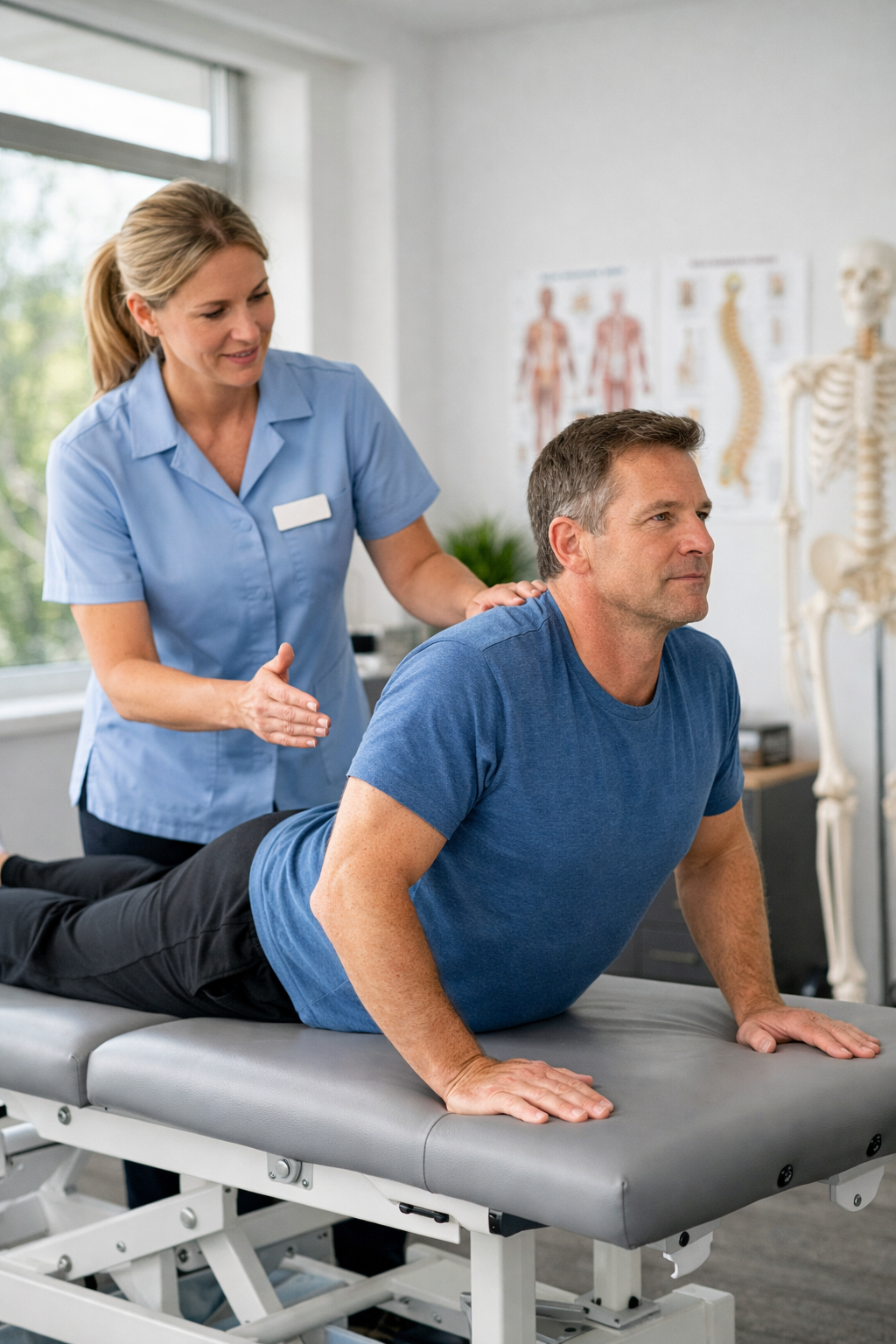
Manual therapy includes targeted joint mobilization of the lumbar spine and sacroiliac joint, soft tissue techniques for the piriformis and hip flexor complex, and neural tension reduction through the sciatic pathway. For Fort Washington office workers, manual therapy often addresses the thoracolumbar fascial restrictions and hip capsule stiffness that build up from sustained seated postures over months. Hands-on treatment changes tissue behavior faster than exercise alone and is often the primary driver of early pain reduction.
Neural Mobilization
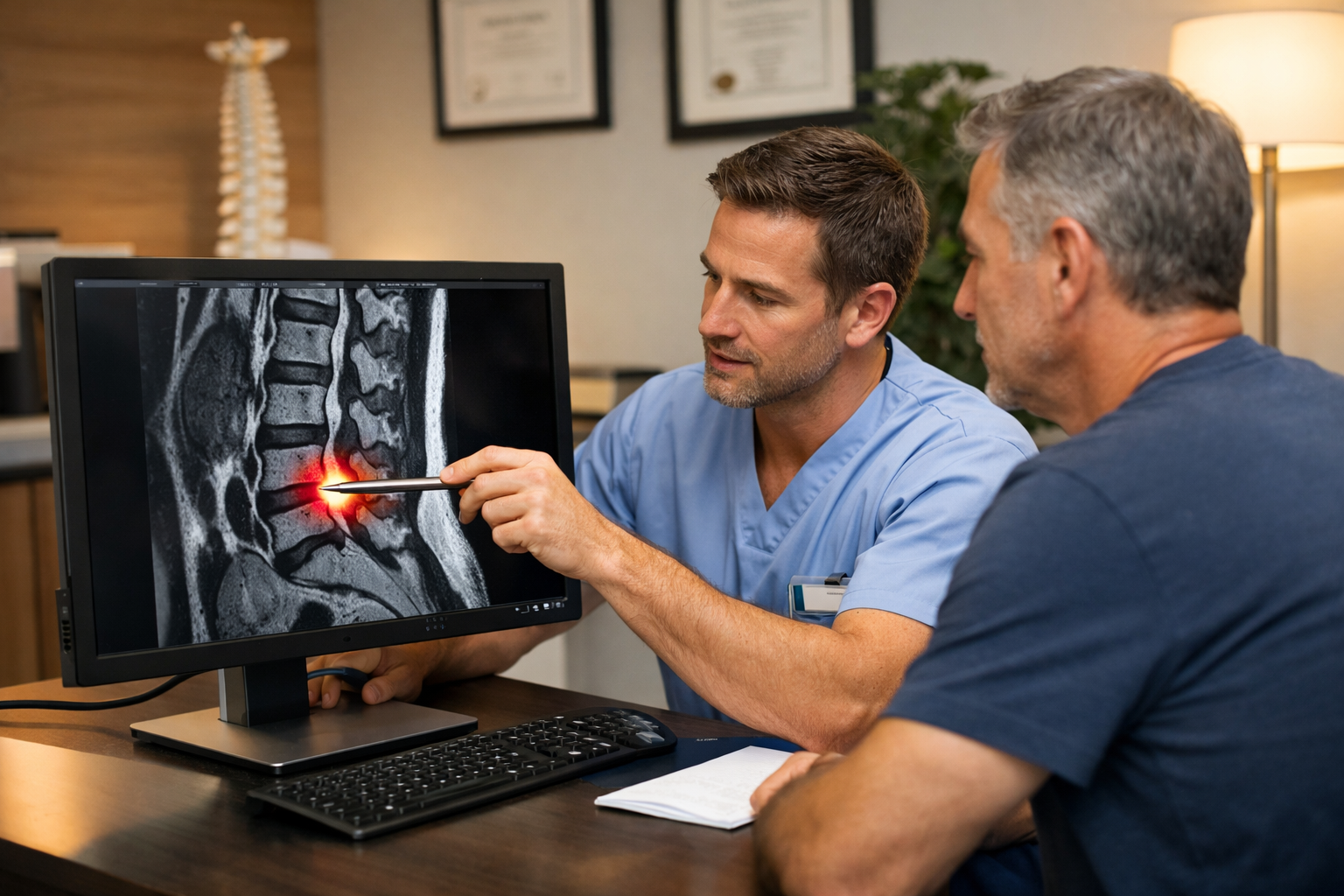
Sensitized sciatic nerves do not glide normally through surrounding tissue — they pull, compress, and produce disproportionate symptoms with ordinary movement. Neural mobilization techniques are specific movement sequences that restore normal nerve mechanics and reduce hypersensitivity. Patients are taught simple nerve gliding exercises to continue at home, providing symptom management between clinic sessions.
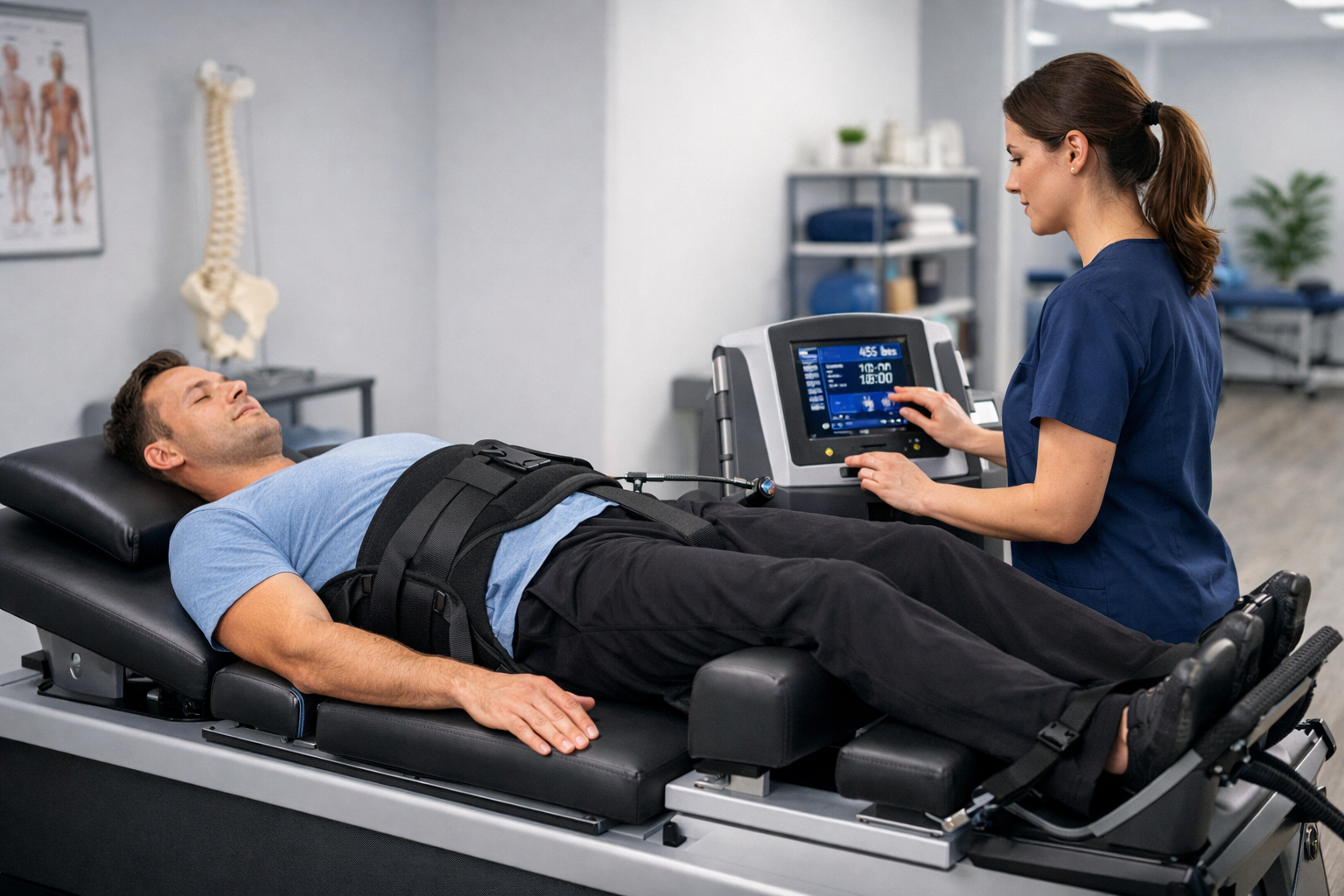
Progressive Strengthening Program
Core stabilization, hip abductor strengthening, and glute activation are the three pillars of the strengthening phase, each critical for Upper Dublin’s active population:
- Core stabilization — deep transversus abdominis and multifidus activation to create a stable lumbar foundation, progressing to integrated stability through functional movement; essential for athletes and office workers alike
- Hip and glute strengthening — systematic loading of the gluteus maximus, medius, and external rotators; directly reduces the piriformis overload pattern and lumbar loading that drives many sciatica cases
- Functional integration — movements that replicate Upper Dublin real life: the hip hinge of trail running, the lateral lunge of tennis, the sustained trunk stability of a 45-minute SEPTA commute
Dry Needling When Indicated
For patients with stubborn piriformis trigger points or paraspinal muscle guarding that limits progress despite manual therapy and exercise, dry needling provides direct access to deep myofascial tension. This is particularly relevant for Upper Dublin’s racquet sport athletes and hikers, where years of repetitive activity create deep hip rotator trigger points that surface stretching cannot resolve.
Postural and Ergonomic Optimization
For Fort Washington Office Park employees, ergonomics coaching is a treatment component, not an afterthought. Seat height, lumbar support, monitor positioning, and structured movement breaks are reviewed and customized to your specific workstation. The goal is to remove the 8 hours per day of disc compression that is working against your recovery.
Return to Activity and Prevention
Before discharge, your therapist ensures you are mechanically prepared for the specific demands of your Upper Dublin life — not just pain-free in a clinic setting. Sport-specific conditioning, commute tolerance training, and a clear home exercise program complete the course of care.
Why Trinity Rehab in Upper Dublin
Trinity Rehab’s model guarantees one-on-one care with a licensed physical therapist at every session. In Montgomery County, where healthcare quality standards are high and residents know what good care looks like, that standard matters. You will not be supervised by an aide or left to complete exercises unsupervised while your PT manages other patients.
No physician referral required in Pennsylvania. Pennsylvania’s direct access provisions allow patients to receive physical therapy evaluation and treatment without a doctor’s prescription. You can schedule with Trinity Rehab this week, begin treatment immediately, and make faster progress by acting before sciatica progresses from acute to chronic.
Trinity Rehab accepts most major insurance plans, including those common among Fort Washington Office Park employers and SEPTA-corridor commuting professionals. Flexible scheduling includes early morning and evening options to accommodate commuter schedules.
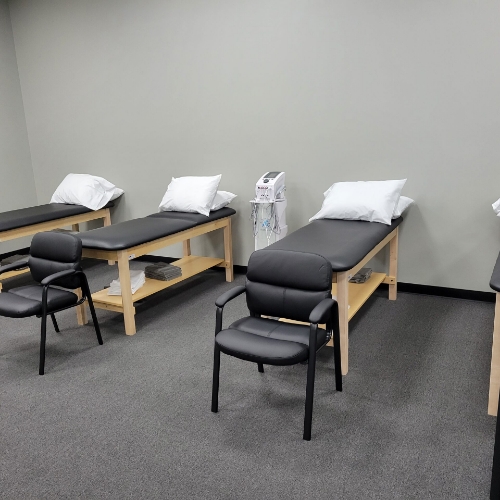
Inside Our Upper Dublin Clinic
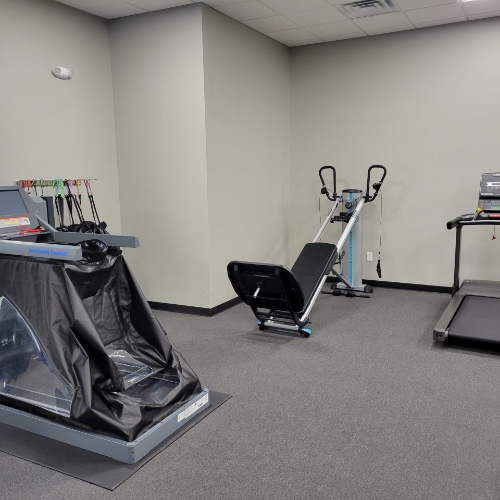
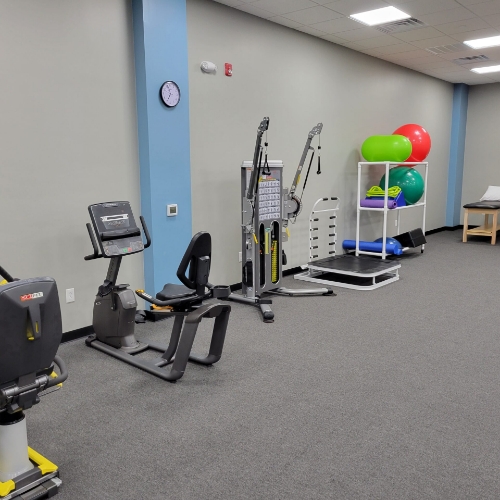
Related Conditions & Treatments
Sciatica is just one of the many conditions we treat at Trinity Rehab Upper Dublin. Explore our full range of conditions we treat or learn more about specific treatment approaches:
- Sciatica Treatment Overview
- Back Pain Treatment
- Hip & Knee Pain Relief
- Manual Therapy
- Dry Needling
- EPAT / Shockwave Therapy
Upper Dublin Sciatica Rehab For Leg Pain, Sitting Pain, And Walking Tolerance
Sciatica-like symptoms can make sitting, driving, bending, sleeping, and walking difficult. Upper Dublin patients need a plan that separates nerve-related leg pain from back, hip, or muscle-driven symptoms.
Your therapist may assess symptom behavior, lumbar mobility, nerve tension, hip strength, walking tolerance, and positions that calm or worsen symptoms. Progressive weakness, numbness, or bowel/bladder changes should be medically reviewed urgently.
Related spine options include back pain physical therapy, lumbar disc herniation rehab, and the Upper Dublin physical therapy clinic page.
Frequently Asked Questions
Upper Dublin Sciatica Rehab For Leg Pain, Sitting Pain, And Walking Tolerance
Sciatica-like symptoms can make sitting, driving, bending, sleeping, and walking difficult. Upper Dublin patients need a plan that separates nerve-related leg pain from back, hip, or muscle-driven symptoms.
Your therapist may assess symptom behavior, lumbar mobility, nerve tension, hip strength, walking tolerance, and positions that calm or worsen symptoms. Progressive weakness, numbness, or bowel/bladder changes should be medically reviewed urgently.
Related spine options include back pain physical therapy, lumbar disc herniation rehab, and the Upper Dublin physical therapy clinic page.
Where can I get sciatica treatment in Upper Dublin, PA?
Does Trinity Rehab accept Pennsylvania insurance plans?
How does physical therapy compare to cortisone injections for sciatica?
Can I continue my Fort Washington Sports Center tennis or pickleball during treatment?
Is there a difference in sciatica treatment between NJ and PA?
Upper Dublin’s trails, courts, and office parks are worth being fully present for. Sciatica does not have to limit your commute, your game, or your weekend hike through Fort Washington State Park. Trinity Rehab is ready to help you address it precisely and completely.
- Request your appointment — no referral needed, flexible scheduling available
- Receive a targeted evaluation — identify your specific cause and build the right treatment plan
- Recover with one-on-one expert care — every session, every step of the way
You deserve to live Upper Dublin fully. Book your appointment today.