

SCIATICA TREATMENT IN PISCATAWAY, NJ: GET BACK TO THE LIFE YOU DESERVE
Piscataway is a community built around movement and ambition. SHI Stadium draws tens of thousands of fans for Rutgers football on fall Saturdays. Johnson Park’s 478 acres along the Raritan River offer trails, sports fields, and open space that Piscataway families use year-round. The Piscataway Soccer Club fields youth teams across the township. And for the working families who make up this diverse, growing community of 61,000, the physical demands of professional life — whether at an industrial facility on I-287, at a corporate campus like American Standard Brands, or at a healthcare employer near New Brunswick — are real and daily.
Sciatica disrupts all of this. When the sciatic nerve is compressed, walking the Raritan River Greenway becomes a test of endurance rather than a pleasure. Sitting through the 32-minute commute to work means arriving already in pain. Even cheering from the bleachers at a Piscataway Chiefs game — whether at the high school stadium or SHI Stadium — means standing up carefully and stretching before you can walk to the parking lot.
At Trinity Rehab Piscataway, we treat sciatic nerve pain with targeted, one-on-one physical therapy that identifies the root cause of your nerve compression and builds a recovery plan around your specific life.
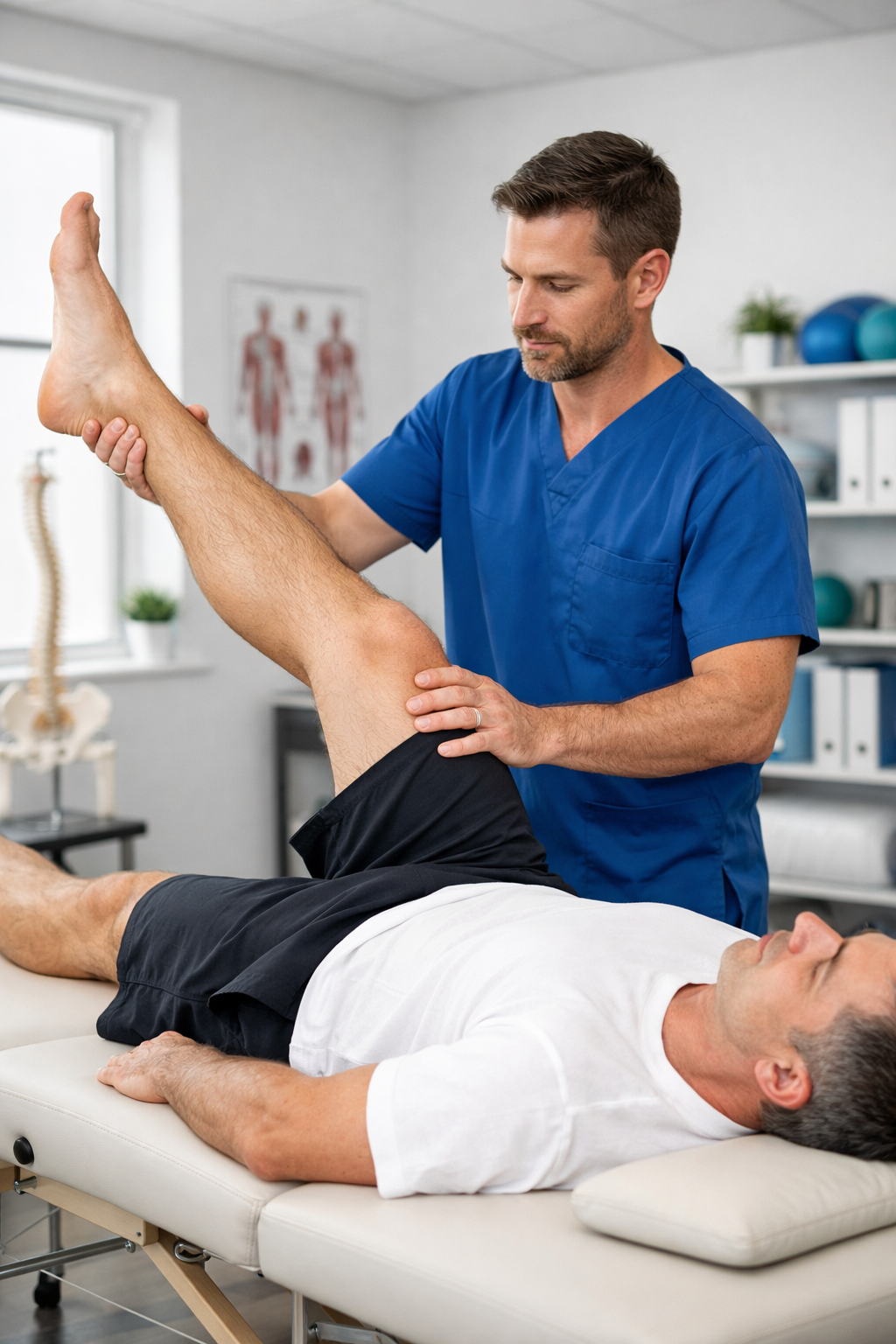
Sciatica: The Science Behind the Symptoms
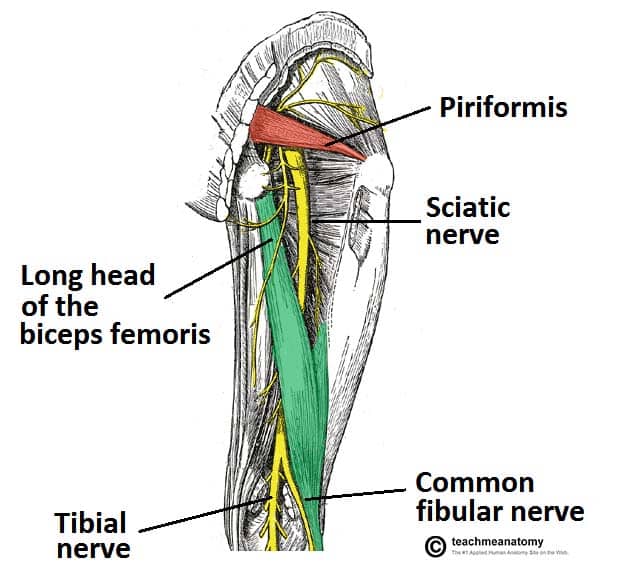
The sciatic nerve is the body’s longest and widest peripheral nerve. It originates from nerve roots at the L4, L5, and S1 levels of the lumbar spine, travels through the deep buttock — passing beneath (and sometimes through) the piriformis muscle — and continues down the back of the thigh, through the calf, and into the foot and toes.
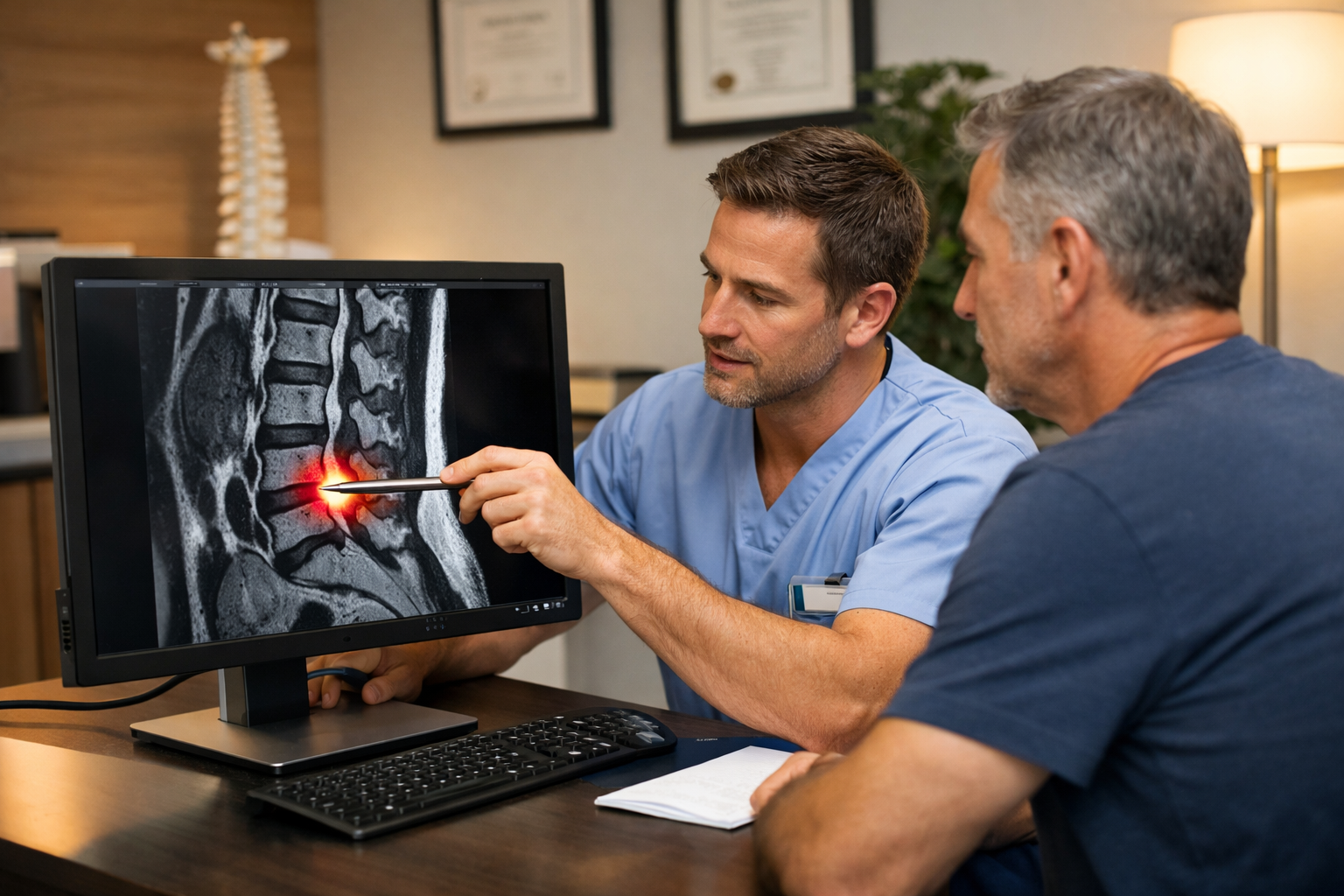
When one of those originating nerve roots is compressed or irritated, the resulting disruption to nerve signals produces the characteristic sciatica symptom pattern: pain, burning, tingling, or weakness that radiates down one leg along the sciatic nerve’s path. This condition is technically called lumbar radiculopathy, and it is caused by something physically compressing the nerve at its source.
The most common cause is a herniated or bulging disc — soft disc material pushing through the disc’s outer casing and pressing against a nerve root. Spinal stenosis (narrowing of the nerve canal), piriformis syndrome, spondylolisthesis, and degenerative disc disease round out the other common causes. Identifying which mechanism is driving your sciatica is what makes physical therapy so effective — treatment targets the actual source rather than just managing symptoms.
Why Piscataway Residents Are Vulnerable to Sciatica
Piscataway’s diverse occupational and recreational landscape creates well-defined sciatica risk profiles across its population.
Industrial and warehouse workers: Piscataway has a substantial industrial base, with manufacturing, distribution, and logistics facilities along the I-287 corridor. Workers at facilities operated by companies like American Standard Brands, Ingersoll Rand/Trane, and area warehousing employers perform physically demanding jobs: repetitive lifting, prolonged standing on concrete, and bending in awkward postures that load the lumbar spine unevenly. These are among the most reliable occupational pathways to disc herniation and sciatica.
Commuters to New Brunswick and New York: Many Piscataway residents commute daily via car or NJ Transit toward New Brunswick, Edison, or Manhattan. Average commute times of 32 minutes mean workers are spending over an hour in sustained lumbar flexion each workday. For individuals already managing early disc degeneration, this cumulative seated load can be the difference between subclinical changes and symptomatic nerve root compression.
Piscataway Chiefs athletes and sports community: Piscataway High School is nationally recognized for athletic excellence — its football program has produced multiple state titles and NFL talent including Malcolm Jenkins. The youth and adult soccer culture through the Piscataway Soccer Club adds to the township’s athletic activity level. High-intensity sports involving cutting, jumping, and rotational movements place significant demands on the lumbar spine and hip musculature — and student athletes who push through lumbar discomfort without proper recovery are at elevated risk for the structural changes that lead to sciatica.
Rutgers University community: Rutgers’ main campus borders Piscataway, bringing a significant population of students, researchers, and faculty. Graduate students and researchers who spend extended periods at lab benches or desks in sustained postures are a cohort at particular risk for desk-posture-related disc changes. Faculty and administrative staff who commute to campus experience the same seated lumbar loading as other area commuters.
Recreational trail and park users: Johnson Park’s Raritan River trails and the Raritan River Greenway attract regular walkers, cyclists, and joggers. Extended trail runs on uneven surfaces, particularly with underlying lumbar muscle weakness or imbalance, can aggravate sciatic conditions. Cold-weather snow shoveling in Piscataway’s residential neighborhoods is the predictable seasonal trigger for acute lumbar injuries throughout winter.
Symptoms of Sciatica: What to Watch For
Sciatica has a distinctive pattern that separates it from ordinary back stiffness:
- Radiating pain down one leg — burning, shooting, or electric, traveling from the lower back or buttock through the thigh and sometimes to the calf or foot
- Numbness or tingling in one leg, calf, or foot — reflecting disrupted sensory nerve signals
- Leg weakness — difficulty lifting the front of the foot (foot drop), pushing off when walking, or noticing significant asymmetry in leg strength or endurance
- Worsening with sitting — the work commute, a desk shift, or an hour in the bleachers at a Chiefs game all aggravate disc-related nerve compression
- One-sided symptoms — sciatica is characteristically unilateral, mirroring the laterality of the nerve root compression in the spine
- Morning stiffness — the lumbar spine is often most symptomatic after overnight rest, before movement begins to hydrate and mobilize the spinal structures
If you notice sudden onset of leg weakness, loss of sensation in the inner thighs or groin, or any loss of bladder or bowel control, seek medical evaluation promptly — these are signs of a more serious nerve condition requiring immediate attention.
Sciatica Treatment at Trinity Rehab Piscataway
Effective sciatica treatment in Piscataway starts with a comprehensive physical therapy evaluation that identifies your specific nerve root involvement, the underlying cause, and the lifestyle factors contributing to your symptoms. From that foundation, we build a treatment plan structured around the following clinical areas.
Manual Therapy and Joint Mobilization
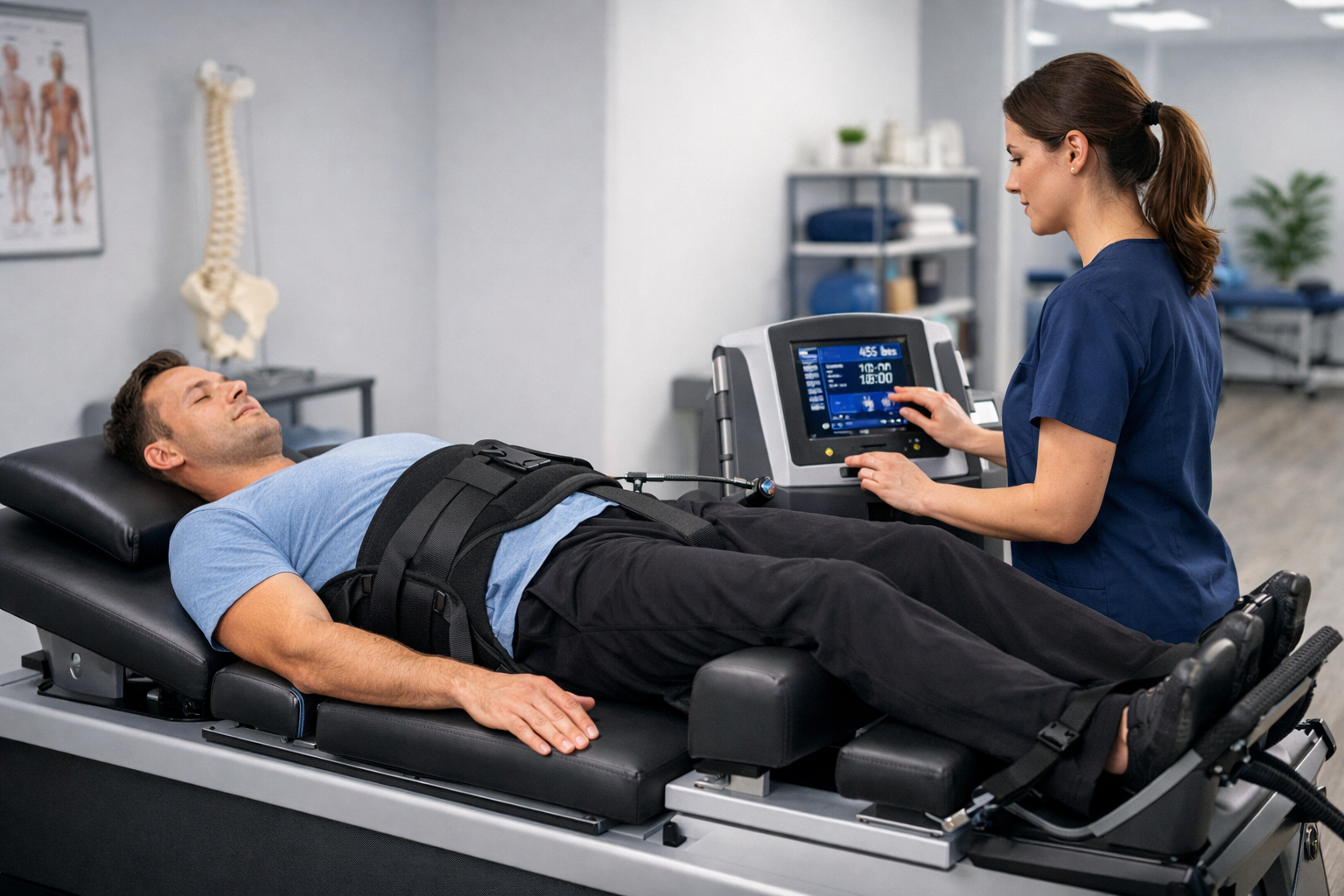
Manual therapy is central to early treatment. Your licensed physical therapist will apply targeted lumbar joint mobilization to reduce stiffness and relieve compressive forces on the affected nerve root. Sacroiliac joint dysfunction — a common contributor to sciatic symptoms that is often overlooked — is also assessed and treated when relevant.
For industrial workers and athletes with significant piriformis and gluteal muscle tension, hands-on soft tissue work in the deep buttock addresses a key source of nerve compression directly. This is particularly important for Piscataway’s athletic community and its warehouse and manufacturing workforce, where hip and piriformis tightness is a frequent compounding factor.
Neural Mobilization: Freeing the Sciatic Nerve
When the sciatic nerve has been compressed or irritated, it tends to lose its ability to glide smoothly through surrounding tissue structures. Neural mobilization — a technique using precise, guided limb movements — progressively restores that gliding capability, reducing the neural tension and sensitivity that make even ordinary movements painful.
Many Piscataway patients notice a meaningful reduction in their radiating leg symptoms after neural mobilization sessions — this is one of the most direct interventions for the characteristic sciatica symptom pattern.
Progressive Strengthening and Stability Training
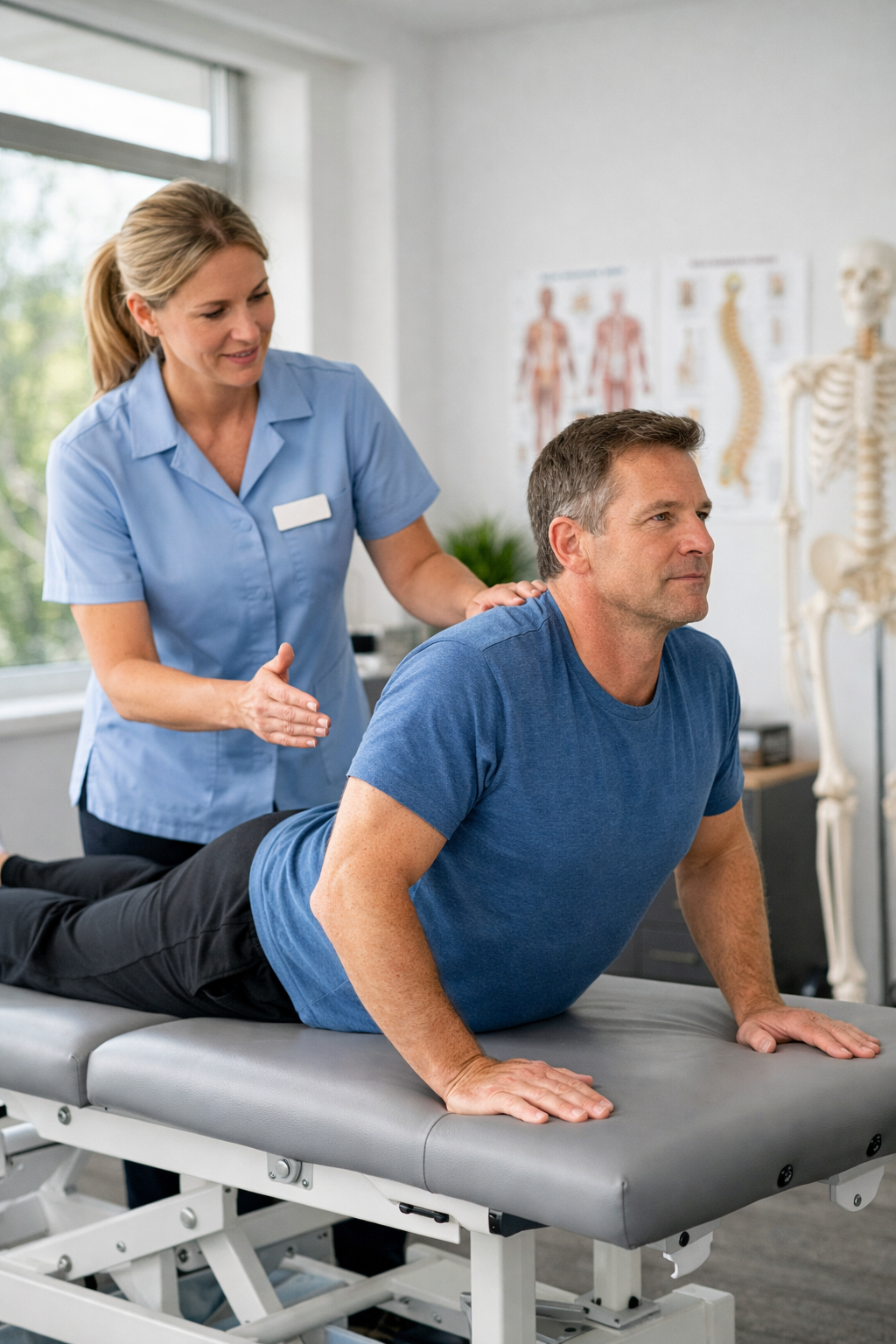
Building the muscular foundation that protects your lumbar spine is the most important long-term component of sciatica treatment. Deep core stabilization exercises activate the transversus abdominis and multifidus — the spine’s internal bracing system — while progressive hip and glute strengthening reduces the mechanical loads transferred to lumbar discs during daily activity and exercise.
For athletes and industrial workers, functional strengthening exercises mirror the specific demands of your activity: the loading patterns of warehouse work, the lateral movements of soccer, the postures of bench research, and the sustained sitting of a commute. McKenzie method exercises address disc-related presentations through directional movements that encourage disc material away from the nerve root and reduce radiating symptoms.
Dry Needling
Dry needling is an effective adjunct for Piscataway patients with persistent myofascial trigger points in the piriformis, gluteal, or lumbar paraspinal muscles. Fine monofilament needles placed at trigger points provoke a local muscle release that complements manual therapy — particularly valuable for patients with piriformis syndrome or those whose occupational postures have created chronic deep hip and lumbar tension.
Return to Activity and Prevention
The final component of treatment focuses on functional recovery and prevention. Your therapist will design progressions specific to your activity goals — returning to the Raritan Greenway, resuming recreational soccer, getting through a work shift without bracing your back, or making it to a Rutgers football game at SHI Stadium without the walk from the parking lot becoming an obstacle. A comprehensive home exercise program sustains your recovery and gives you the tools to manage your spine independently for the long term.
Why Piscataway Residents Choose Trinity Rehab
- One-on-one care with a licensed physical therapist at every visit — personal, expert attention throughout every session
- Direct access under NJ law: No physician referral needed. You can start treatment this week.
- Individualized evaluation and treatment planning — we assess your specific anatomy, occupation, athletic demands, and goals before designing anything
- Evidence-based protocols grounded in current research on lumbar radiculopathy, neural mobilization, and stabilization
- Flexible hours including early morning and evening appointments for Piscataway’s working community
Related information: back pain treatment and dry needling.
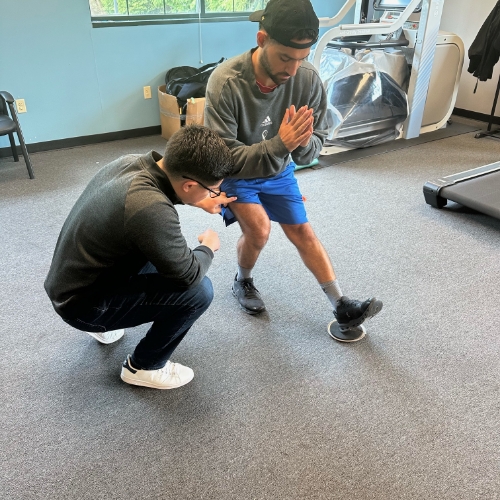
Inside Our Piscataway Clinic
Related Conditions & Treatments
Sciatica is just one of the many conditions we treat at Trinity Rehab Piscataway. Explore our full range of conditions we treat or learn more about specific treatment approaches:
- Sciatica Treatment Overview
- Back Pain Treatment
- Hip & Knee Pain Relief
- Manual Therapy
- Dry Needling
- EPAT / Shockwave Therapy
Piscataway Sciatica Rehab For Leg Pain, Sitting Pain, And Walking Tolerance
Sciatica-like symptoms can make sitting, driving, bending, sleeping, and walking difficult. Piscataway patients need a plan that separates nerve-related leg pain from back, hip, or muscle-driven symptoms.
Your therapist may assess symptom behavior, lumbar mobility, nerve tension, hip strength, walking tolerance, and positions that calm or worsen symptoms. Progressive weakness, numbness, or bowel/bladder changes should be medically reviewed urgently.
Related spine options include back pain physical therapy, lumbar disc herniation rehab, and the Piscataway physical therapy clinic page.
Frequently Asked Questions
Piscataway Sciatica Rehab For Leg Pain, Sitting Pain, And Walking Tolerance
Sciatica-like symptoms can make sitting, driving, bending, sleeping, and walking difficult. Piscataway patients need a plan that separates nerve-related leg pain from back, hip, or muscle-driven symptoms.
Your therapist may assess symptom behavior, lumbar mobility, nerve tension, hip strength, walking tolerance, and positions that calm or worsen symptoms. Progressive weakness, numbness, or bowel/bladder changes should be medically reviewed urgently.
Related spine options include back pain physical therapy, lumbar disc herniation rehab, and the Piscataway physical therapy clinic page.
Where can I get sciatica treatment in Piscataway, NJ?
Does Trinity Rehab Piscataway accept my insurance?
I work at a warehouse in Piscataway and my sciatica keeps coming back. Why?
Can sciatica go away without treatment?
How long does sciatica treatment take?
Sciatica is not something you have to manage indefinitely. At Trinity Rehab Piscataway, we have the clinical expertise and the personalized approach to help you resolve your symptoms and build a spine that supports the active, demanding life Piscataway residents lead.
- Request your appointment — No referral needed. Choose a time online.
- Receive a comprehensive evaluation — Your licensed physical therapist will identify the source of your nerve compression and explain your individualized treatment plan.
- Recover fully with expert guidance — One-on-one attention at every visit, evidence-based care, and a home program to keep you strong and pain-free.
Ready to take control of your sciatica? Book your appointment at Trinity Rehab Piscataway today and start your path to lasting relief.