

SCIATICA TREATMENT IN MIDDLETOWN, NJ: PERSONALIZED RELIEF FOR A SHORE-ADJACENT COMMUNITY
Middletown Township has something few New Jersey communities can match: genuine variety. On any given weekend, residents might walk the fossil beds at Poricy Park, take the ferry into lower Manhattan for a day, kayak off the pier at Bayshore Waterfront Park in Port Monmouth with the New York City skyline in the distance, or watch North vs. South football — one of the most spirited high school rivalries in Monmouth County. For families who settled in Middletown specifically for the lifestyle, staying physically capable isn’t optional. It’s the point.
Sciatica threatens that lifestyle directly. When the sciatic nerve is irritated, walking the wooded trails at Tatum Park becomes a calculation rather than a pleasure. Sitting on the 55-minute Middletown-to-Manhattan ferry commute means arriving at work in pain. Even gardening in Deep Cut Gardens on a Saturday morning — one of the township’s quieter pleasures — produces the familiar electric shooting sensation from the lower back down one leg.
Trinity Rehab in Middletown specializes in treating this exact condition: one-on-one, evidence-based physical therapy that gets to the root of nerve compression and helps you return fully to the life you’ve built here.
What Is Sciatica?
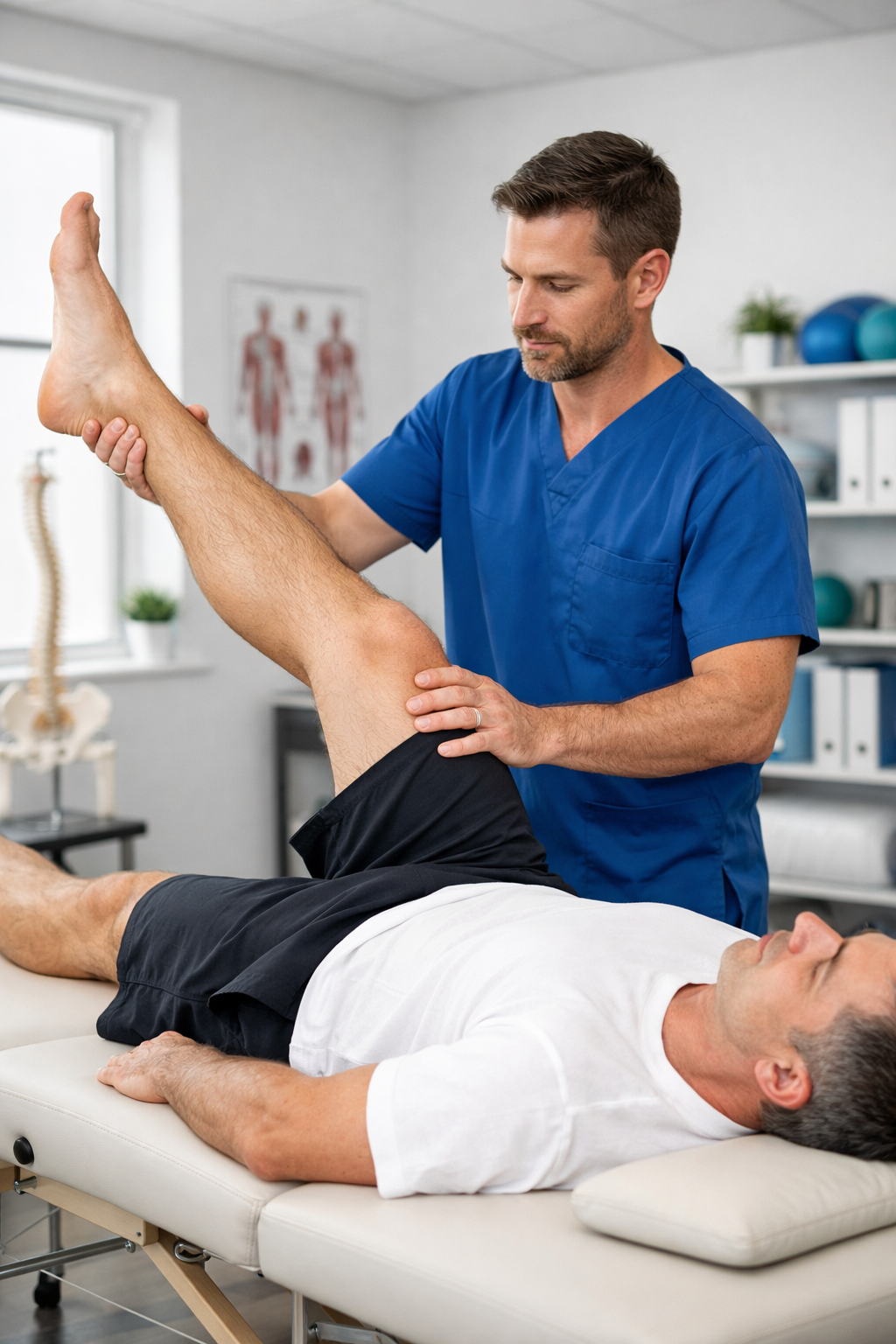
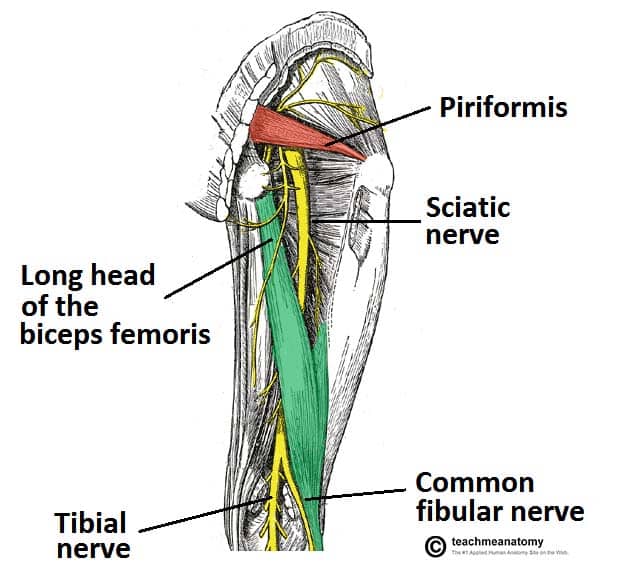
Sciatica describes a specific pattern of nerve pain caused by irritation or compression of the sciatic nerve — the longest nerve in the body, originating from the L4, L5, and S1 nerve roots in the lumbar spine and traveling through the buttock, down the back of the thigh, through the calf, and into the foot.
The clinical term is lumbar radiculopathy. When a nerve root is compressed at its origin — whether by a herniated disc, a narrowed spinal canal (stenosis), a tight piriformis muscle, or degenerative changes in the disc — the electrical signals traveling through that nerve become disrupted. The result is the characteristic sciatica symptom pattern: pain, burning, tingling, or weakness that radiates down one leg in a predictable pattern corresponding to the affected nerve root.
About 40% of adults will experience at least one episode of sciatica in their lifetime, according to Cleveland Clinic. Most acute cases respond very well to conservative physical therapy — without surgery, without long-term pain medication, and without simply waiting it out.
What Triggers Sciatica Among Middletown Residents
Middletown Township’s particular blend of demographics, employment, and lifestyle creates specific risk patterns for sciatic nerve problems.
Ferry and train commuters to New York City: Middletown residents commute to Manhattan via the Middletown-to-NY Waterway ferry or the NJ Transit rail system — often supplemented by a drive to the station or ferry terminal first. This means some residents are in sustained sitting postures for 90 minutes or more per commuting day. Prolonged sitting in a flexed lumbar position increases intradiscal pressure and, over time, contributes significantly to disc degeneration and herniation — the primary cause of sciatica.
Middletown Township Public Schools employees and staff: As the largest local employer, the school district employs hundreds of teachers, administrators, aides, and support staff. Teachers who stand and move through classrooms manage very different lumbar demands than those who sit grading papers — and both patterns can contribute to sciatica depending on the individual. School staff often push through discomfort due to the difficulty of taking time off, which can allow sciatic symptoms to become chronic.
Tatum Park and Huber Woods hikers and trail users: Middletown’s parks system is exceptional — 366-acre Tatum Park and the wooded trails of Huber Woods both draw regular trail users. Hiking on varied terrain with an unaddressed lumbar weakness or piriformis tightness can aggravate sciatic symptoms, particularly on long outings or descents where the hip stabilizers work overtime.
Beach and waterfront activities: Ideal Beach and Bayshore Waterfront Park in Port Monmouth draw Middletown residents through the summer. Carrying coolers and chairs across sand, prolonged sitting in low beach chairs that flatten the lumbar curve, and swimming or paddleboard activities that engage the core and lumbar under load all contribute to cumulative disc stress during the shore season.
Ice skating and winter activities: Winter Wonderland at the Middletown Sports Complex and ice skating events bring their own physical demands — and cold-weather yard work, including snow shoveling, reliably produces annual spikes in acute lumbar disc injuries across Middletown.
Symptoms: Recognizing Sciatic Nerve Involvement
Sciatica has a distinct symptom profile that sets it apart from other types of back and leg discomfort:
- Radiating pain down one leg — typically described as burning, sharp, or electric, following a clear path from the lower back or buttock through the thigh and into the calf or foot
- Numbness or tingling in the leg, calf, or foot on one side — reflects nerve irritation disrupting sensory pathways
- Leg weakness — difficulty lifting the front of the foot, one leg fatiguing earlier during a Tatum Park hike, or reduced push-off strength when walking
- Sitting worsens symptoms — the ferry or train commute, desk work, or a long car ride to a soccer game typically peaks the pain
- One-sided presentation — sciatica is almost always unilateral, occurring on just one side, because it originates from nerve root compression at a single spinal level
- Pain or stiffness in the morning — particularly in the first few minutes after rising, before spinal structures have mobilized
Sciatica Treatment at Trinity Rehab Middletown
Your sciatica treatment at Trinity Rehab begins with a thorough evaluation that goes beyond identifying where you hurt. We assess which nerve root is involved, what is causing the compression, how your posture and movement patterns are contributing to the problem, and what your functional goals are. Every element of treatment that follows is built on those findings.
Manual Therapy: Hands-On Relief at the Source
Manual therapy forms the foundation of your early treatment. Your licensed physical therapist will apply specific lumbar and sacroiliac joint mobilization techniques to reduce joint compression on the affected nerve roots, restore movement in stiffened lumbar segments, and address any thoracic spine restriction that is contributing to lumbar overload.
Soft tissue techniques targeting the piriformis and deep gluteal muscles are a critical component for Middletown patients — particularly those whose sciatica has a piriformis syndrome component from hiking, cycling, or prolonged sitting. These deep muscles sit directly over the sciatic nerve and, when tight, can produce sciatic symptoms that are often mistaken for disc-related radiculopathy.
Neural Mobilization: Restoring Nerve Glide
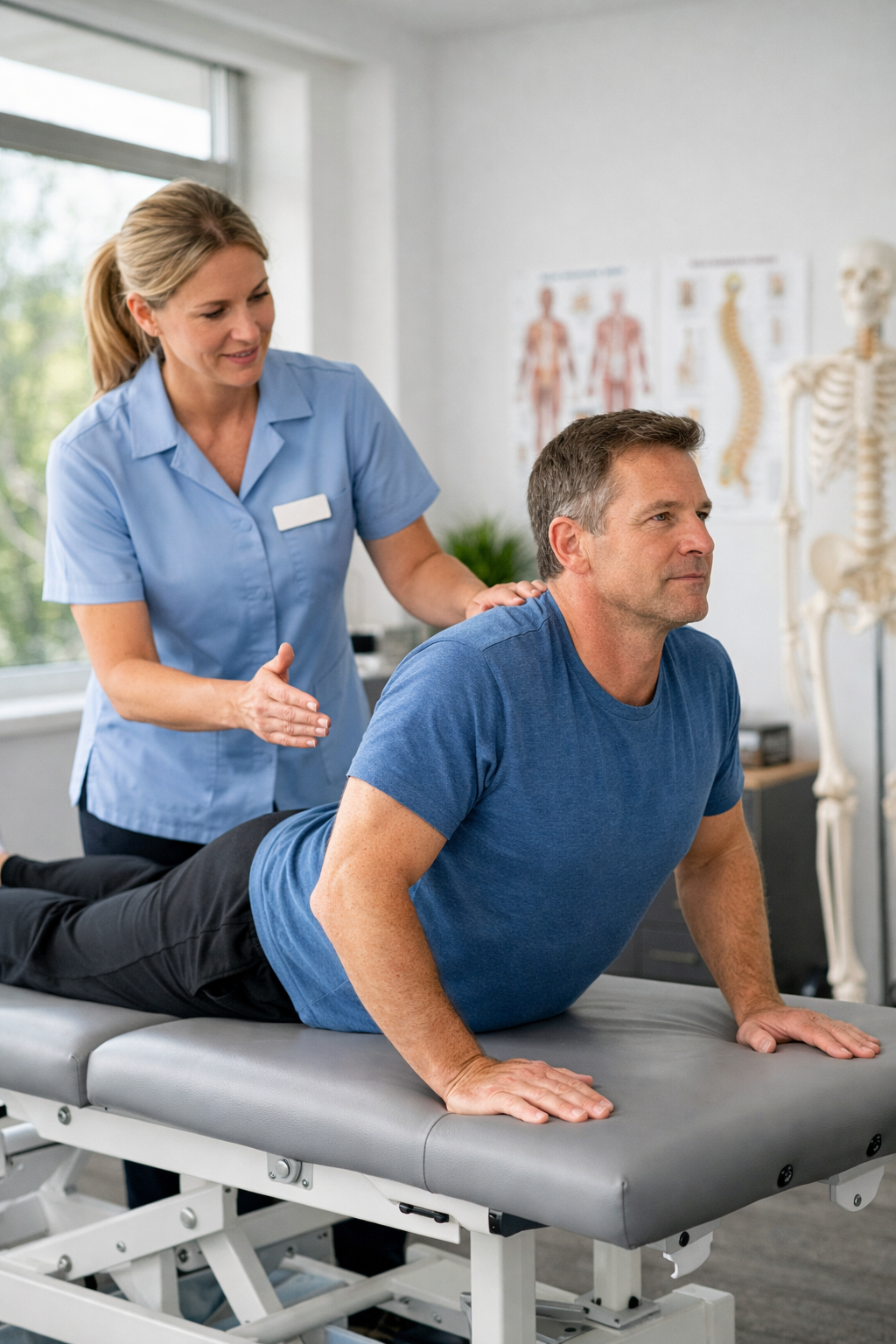
Neural mobilization — commonly called nerve flossing — uses carefully calibrated limb movements to encourage the sciatic nerve to glide through the soft tissue tunnels it passes through on its way to the foot. When a nerve has been compressed or irritated, it becomes sensitized and adherent to surrounding structures, meaning even normal movements pull on it painfully.
Neural mobilization techniques progressively restore the nerve’s mobility, reduce its sensitivity, and allow a range of motion to return without triggering the radiating pain that has been limiting your activity. For many Middletown patients who love trail walking and shore activities, this is the intervention that unlocks the ability to move freely again.
Targeted Strengthening: Building Long-Term Resilience
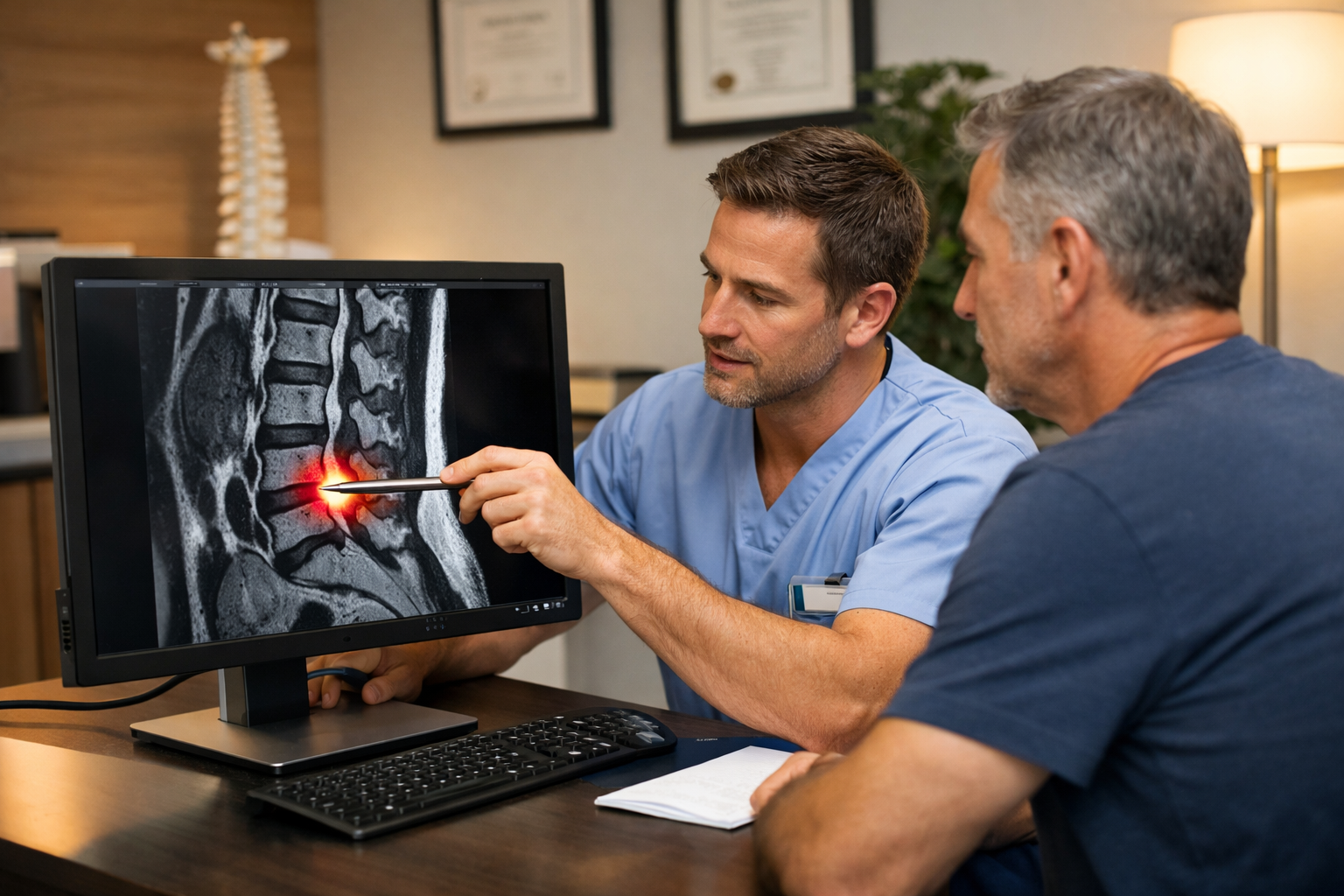
The most important phase of sciatica treatment addresses the underlying vulnerability that allowed nerve compression to occur in the first place. Weak deep core muscles, imbalanced glutes, and tight hip flexors are the structural conditions that make the lumbar spine susceptible to the disc and piriformis problems that drive most sciatica cases.
Your strengthening program includes:
- Deep core stabilization — activating the transversus abdominis and multifidus to restore intrinsic lumbar support
- Glute and hip strengthening — bridges, clamshells, lateral band walks, and progressive loading that builds the muscular foundation for a stable lumbar spine
- McKenzie method exercises — for disc-related presentations, directional movements that centralize pain and promote disc healing
- Functional integration — connecting the strength you build in the clinic to the specific movements of your daily life in Middletown
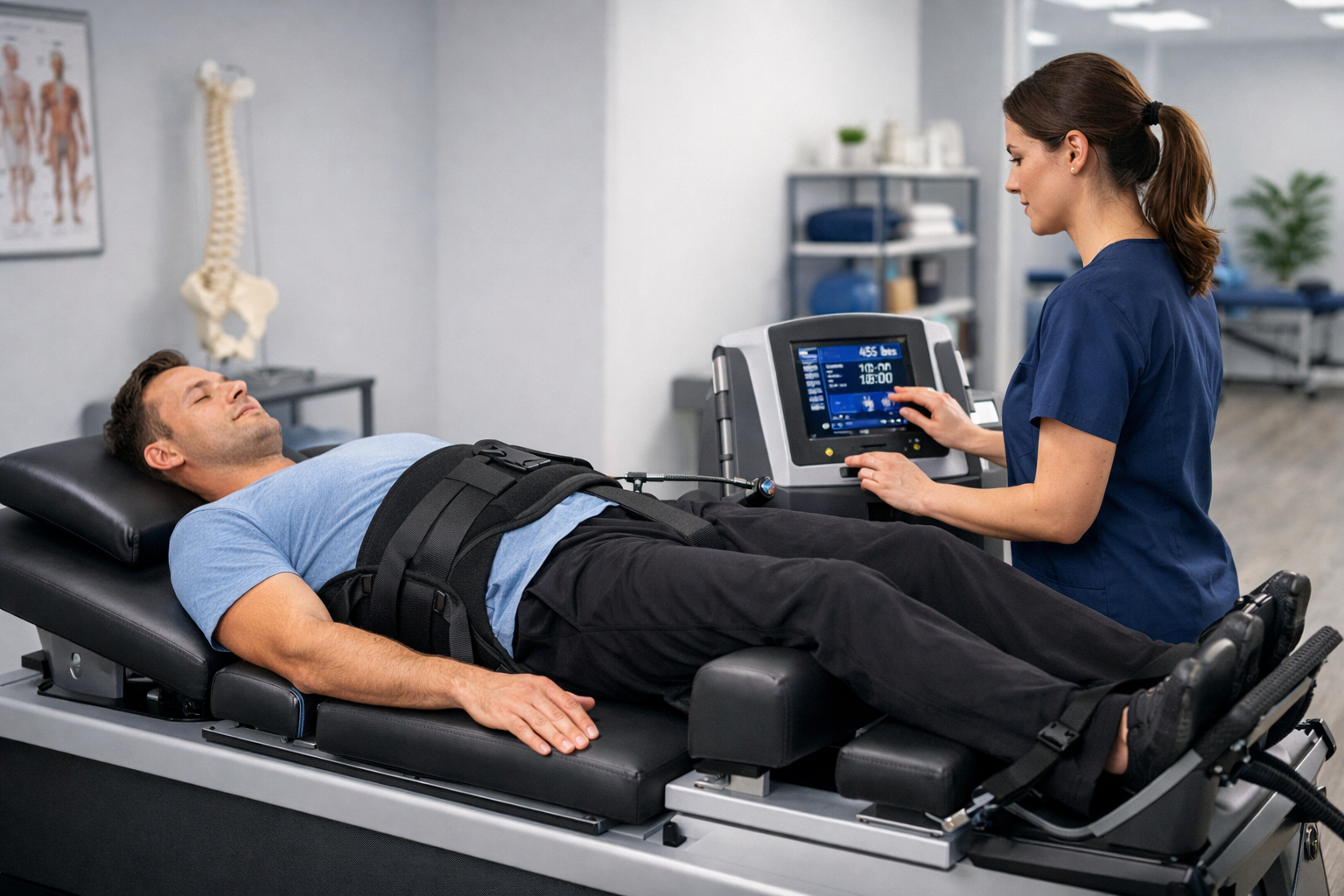
Dry Needling for Stubborn Muscular Tension
When persistent trigger points in the piriformis, gluteal, or lumbar muscles resist manual therapy and stretching, dry needling provides targeted myofascial release through a different mechanism. Fine monofilament needles placed at trigger points provoke a local twitch response and subsequent release of deep muscular tension — addressing the root of muscular sciatic compression in a way that no other technique fully replicates.
Return to Full Middletown Life
The final focus of your treatment is functional — putting your clinical gains into action. We work on the specific movements and demands that matter to you: returning to the Tatum Park trail system, resuming ferry commutes without pain, getting back on the ice at Winter Wonderland with your kids, or completing a summer beach day without bracing for the drive home. Your home exercise program sustains this progress independently.
Why Middletown Residents Choose Trinity Rehab
- One-on-one care with a licensed physical therapist every visit — You receive personal, expert attention throughout every session
- Direct access: No physician referral required under New Jersey’s Direct Access Law. You can start treatment this week without waiting for an appointment with a doctor first.
- Personalized evaluation and treatment planning — We assess your specific anatomy, lifestyle, commute patterns, and recreational goals before designing anything
- Evidence-based protocols rooted in current clinical research on lumbar radiculopathy and neural mobilization
- Flexible hours for Middletown commuters, including early morning and evening appointments
Find more information about related treatments at our back pain relief and manual therapy pages.
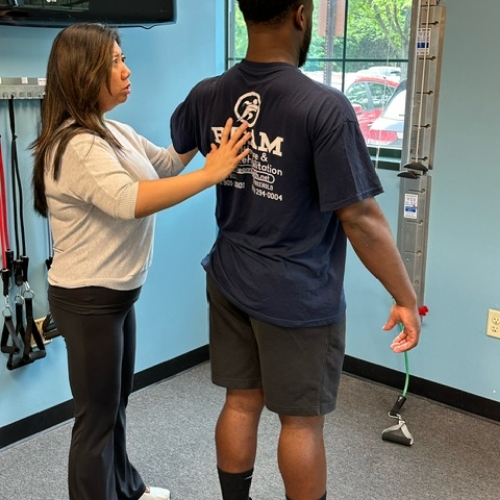
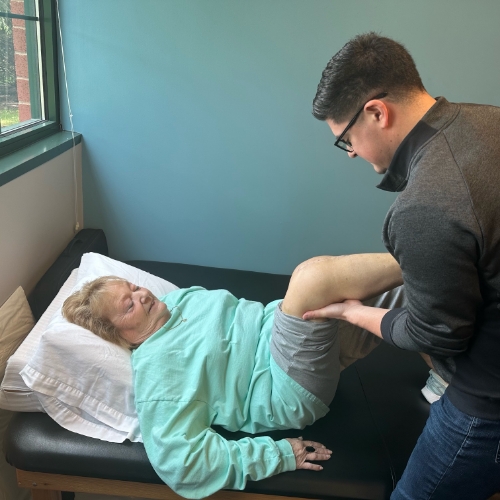
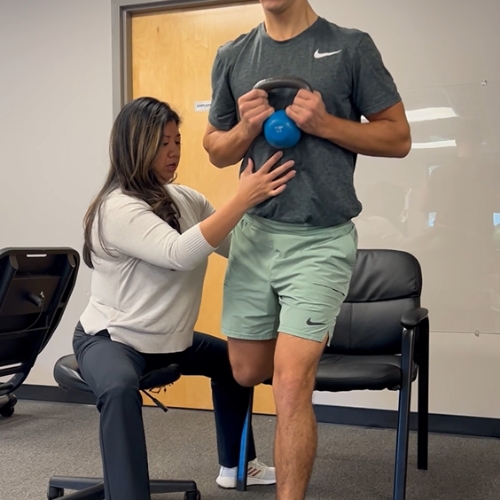
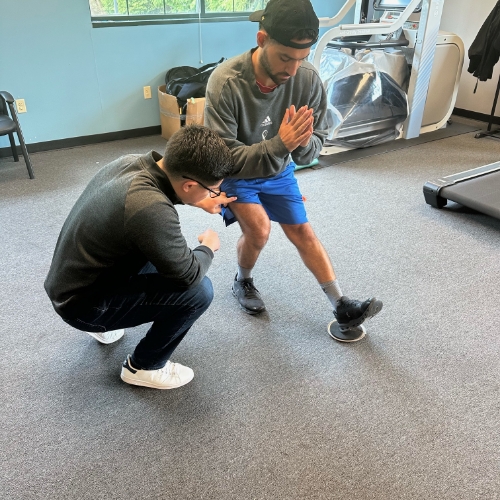
Inside Our Middletown Clinic
Related Conditions & Treatments
Sciatica is just one of the many conditions we treat at Trinity Rehab Middletown. Explore our full range of conditions we treat or learn more about specific treatment approaches:
- Sciatica Treatment Overview
- Back Pain Treatment
- Hip & Knee Pain Relief
- Manual Therapy
- Dry Needling
- EPAT / Shockwave Therapy
Middletown Sciatica Rehab For Leg Pain, Sitting Pain, And Walking Tolerance
Sciatica-like symptoms can make sitting, driving, bending, sleeping, and walking difficult. Middletown patients need a plan that separates nerve-related leg pain from back, hip, or muscle-driven symptoms.
Your therapist may assess symptom behavior, lumbar mobility, nerve tension, hip strength, walking tolerance, and positions that calm or worsen symptoms. Progressive weakness, numbness, or bowel/bladder changes should be medically reviewed urgently.
Related spine options include back pain physical therapy, lumbar disc herniation rehab, and the Middletown physical therapy clinic page.
Frequently Asked Questions
Middletown Sciatica Rehab For Leg Pain, Sitting Pain, And Walking Tolerance
Sciatica-like symptoms can make sitting, driving, bending, sleeping, and walking difficult. Middletown patients need a plan that separates nerve-related leg pain from back, hip, or muscle-driven symptoms.
Your therapist may assess symptom behavior, lumbar mobility, nerve tension, hip strength, walking tolerance, and positions that calm or worsen symptoms. Progressive weakness, numbness, or bowel/bladder changes should be medically reviewed urgently.
Related spine options include back pain physical therapy, lumbar disc herniation rehab, and the Middletown physical therapy clinic page.
Where can I get sciatica treatment in Middletown, NJ?
Does Trinity Rehab Middletown accept my insurance?
My sciatica flares up every time I sit on the ferry. What can I do?
How long will it take to recover from sciatica?
Can sciatica cause permanent nerve damage?
Sciatica is one of the most treatable pain conditions in physical therapy — when treated properly. At Trinity Rehab Middletown, our licensed therapists have the clinical expertise and personal commitment to help you recover fully and get back to everything Middletown has to offer.
- Request an appointment — No referral needed. Choose a time that works with your schedule.
- Receive a complete evaluation — We identify the root cause of your sciatica and explain exactly what your treatment will involve.
- Recover fully, one session at a time — One-on-one care, evidence-based treatment, and a long-term plan to keep your spine healthy.
Middletown’s active lifestyle deserves a spine that keeps up with it. Book your appointment at Trinity Rehab today and start your recovery.