

SCIATICA TREATMENT IN HAMILTON, NJ: GET BACK TO THE LIFE YOU LOVE
Hamilton Township is a community built for active living. Whether you’re logging miles on the trails at Veterans Park, swinging through a round at Hamilton Trails Golf Club, chasing your kids across the fields at Mercer County Park, or attending one of the Septemberfest events that bring this town together every fall — staying active is part of who Hamilton residents are. So when sciatic nerve pain locks you out of those experiences, reducing you to grimacing every time you stand up from your desk or bracing yourself before a long commute, that’s not a minor inconvenience. That’s your life getting smaller.
At Trinity Rehab in Hamilton, we specialize in treating sciatica with the same evidence-based physical therapy that has helped thousands of patients across central New Jersey move past sciatic nerve pain for good. No surgery. No long-term medication. Just targeted, one-on-one care that gets to the root of the problem.
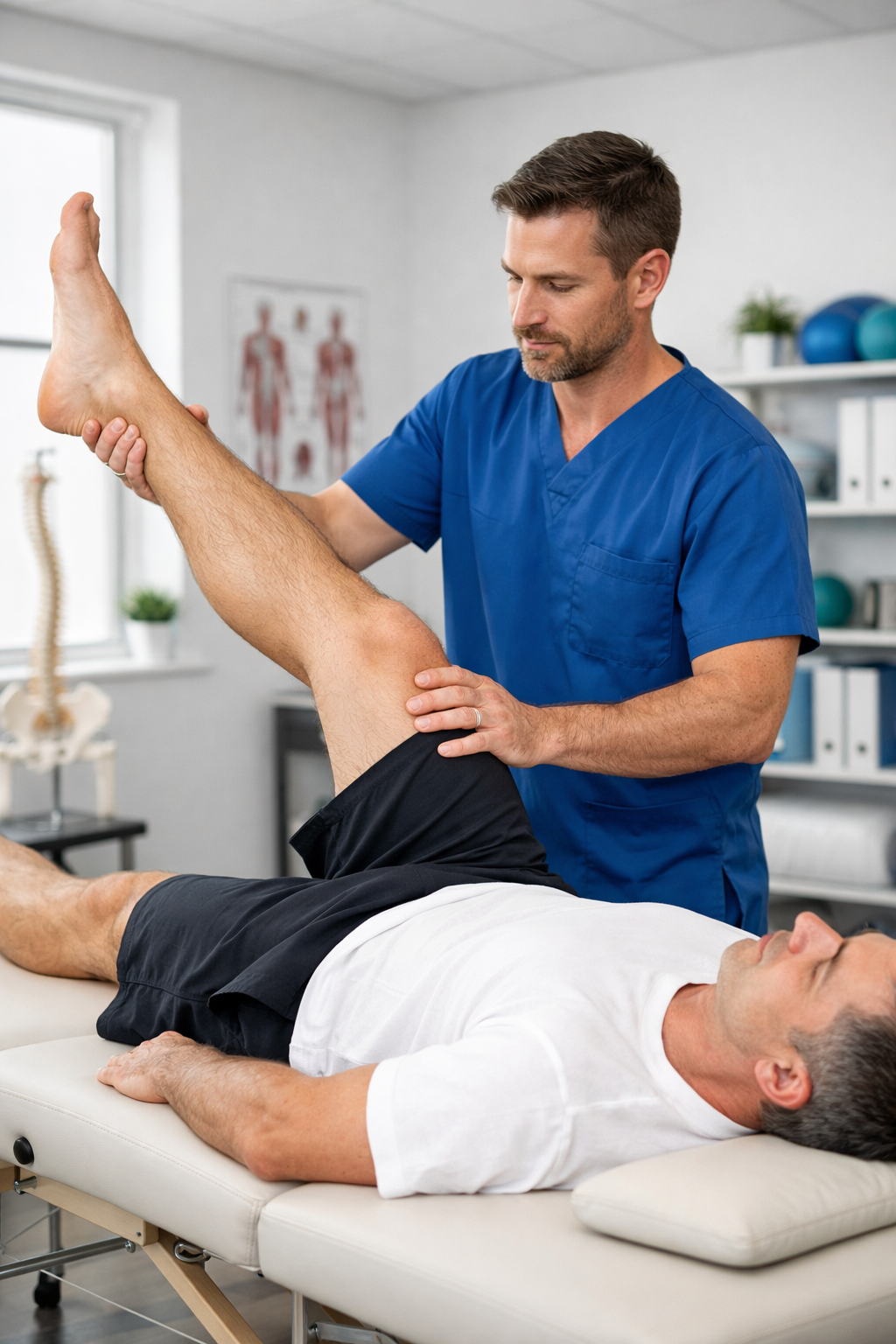
Understanding Sciatica: More Than Just Back Pain
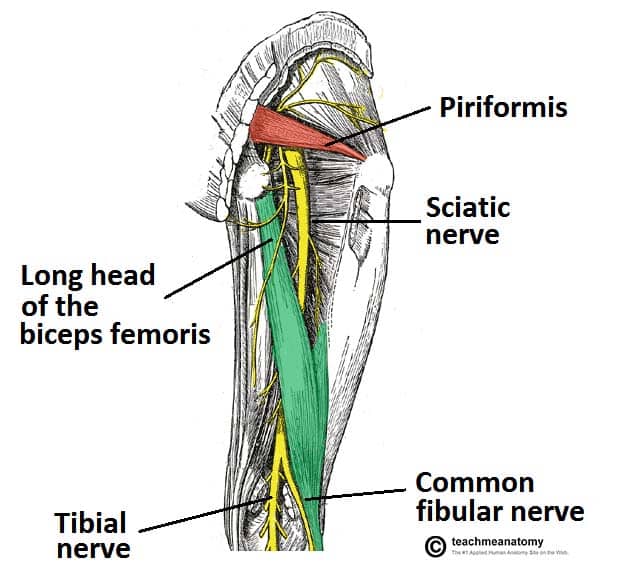
Sciatica is the term used when the sciatic nerve — the longest nerve in the body, running from your lumbar spine through the buttock and down each leg — becomes compressed or irritated. Clinically, it’s called lumbar radiculopathy, and it produces pain that is distinctly different from ordinary muscle soreness.
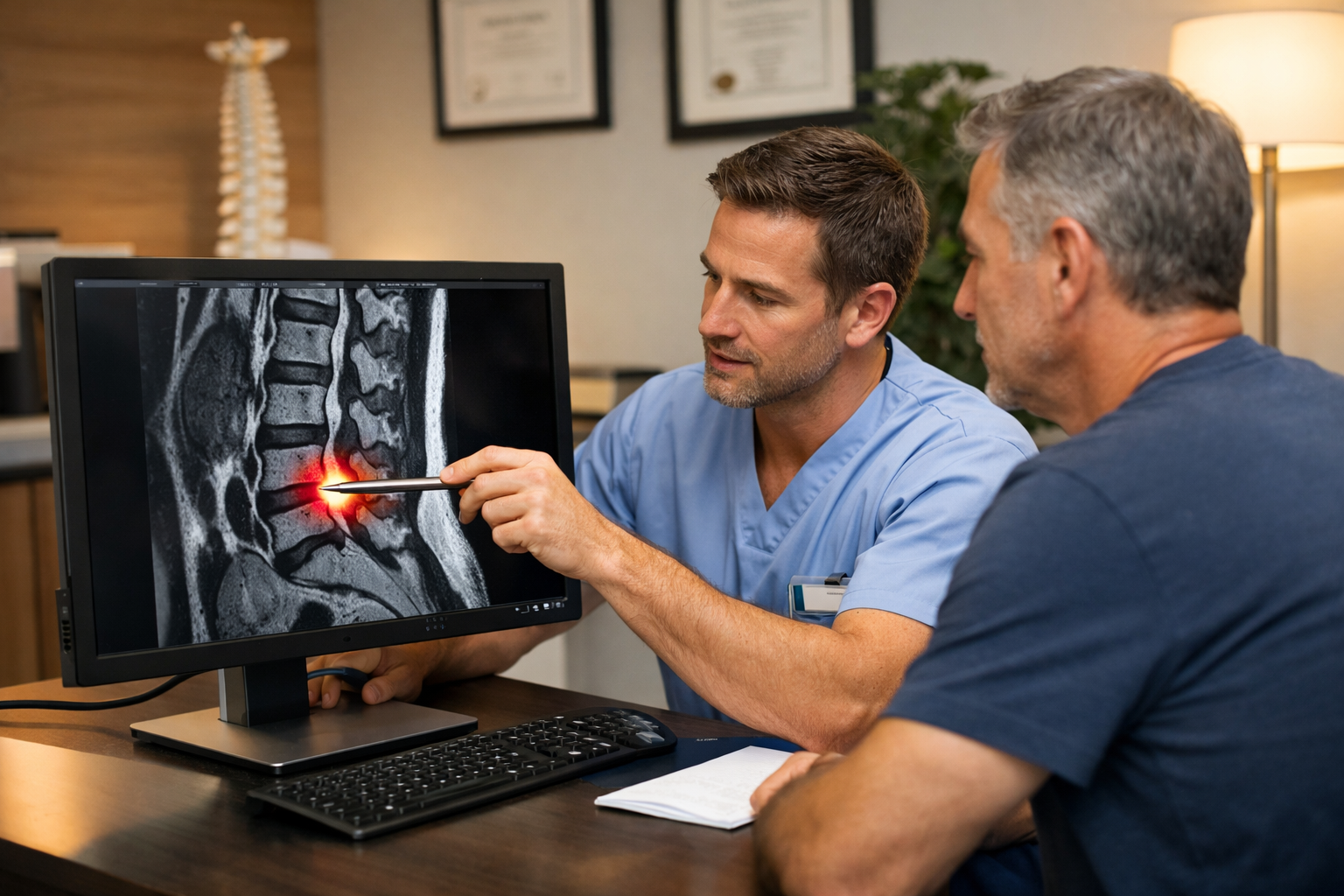
The sciatic nerve originates from the L4, L5, and S1 nerve roots in your lower spine. When any of these roots are compressed — by a herniated disc, a tight piriformis muscle, spinal stenosis, or degenerative changes — the resulting pain follows the nerve’s pathway downward. That’s why sciatica patients so often describe discomfort that starts in the lower back, moves into the buttock, and shoots down the leg — sometimes all the way to the foot.
The good news: sciatica responds exceptionally well to physical therapy. According to Cleveland Clinic, most cases of acute sciatica improve with conservative treatment within 4 to 12 weeks. Understanding what is causing your nerve compression is the critical first step — which is why a proper evaluation, not just a generic exercise video, makes all the difference.
What Triggers Sciatica in Hamilton Residents
Hamilton Township’s workforce and lifestyle create several distinct risk factors for sciatic nerve problems. Understanding these helps explain why sciatica is so prevalent here and why proper treatment matters.
Healthcare and biotech workers: Hamilton is home to Robert Wood Johnson University Hospital Hamilton, Genesis Biotechnology Group, and Medical Diagnostic Laboratories, employing thousands of professionals who spend significant time in sustained seated or standing postures. Nurses standing through long shifts and lab technicians bending over specimens are prime candidates for the lumbar disc stress that leads to nerve root irritation.
Warehouse and distribution workers: The industrial corridor along Route 130 and near I-195 includes major distribution and logistics facilities. Repetitive lifting, twisting, and prolonged standing on concrete floors are among the leading occupational triggers for disc herniation and piriformis syndrome.
Commuters on NJ Transit: Hamilton’s location between Trenton, Princeton, and Philadelphia means many residents face 45 to 90 minutes of sitting on the train or in highway traffic each day. Prolonged sitting flattens the lumbar curve and increases pressure on spinal discs — which is why commuters often notice that their sciatica symptoms peak at the end of the workday.
Recreational athletes and park users: Veterans Park’s 333 acres attract walkers, cyclists, tennis players, and pickleball enthusiasts year-round. Repetitive impact activities — running trails, playing tennis on hard courts — can aggravate lumbar structures. Similarly, winter snowshoveling at Hamilton’s latitude creates an annual spike in acute disc injuries as residents load their spines in flexion under heavy loads.
Youth sports parents and coaches: Hamilton Township’s three high schools — Hamilton High School West (Hornets), Nottingham High School (Northstars), and Steinert High School (Spartans) — all run robust athletic programs. The parents and coaches who spend weekends on the sidelines lifting gear, loading vehicles, and sitting on bleachers are often the ones who wind up in our clinic.
Recognizing the Symptoms
Sciatica has a characteristic presentation that distinguishes it from other types of back and leg discomfort. You may be dealing with sciatic nerve irritation if you notice:
- A sharp, burning, or electric sensation that starts in your lower back or buttock and travels down one leg
- Numbness or a “pins and needles” feeling in your calf, shin, or foot
- Weakness in the affected leg — difficulty lifting the foot, pushing off when walking, or one leg tiring faster than the other
- Pain that worsens after sitting — whether at your desk in Hamilton Square, on an NJ Transit train, or in the car during a Route 130 commute
- Discomfort that flares with coughing, sneezing, or straining
- Stiffness and pain when standing from a chair after prolonged sitting
Consider this scenario: a Hamilton biotech worker who commutes 40 minutes each way and sits most of the day began noticing a deep ache in her right buttock after the spring gardening season. Within a few weeks, the pain was radiating down the back of her thigh to her knee — making even her evening walks at Mercer County Park feel difficult. That progressive pattern is classic sciatica, and it responds well to physical therapy when treated early.
Sciatica Treatment at Trinity Rehab Hamilton: A Phase-Based Approach
At Trinity Rehab, we don’t apply one-size-fits-all protocols. Every treatment plan starts with a thorough evaluation to understand your specific anatomy, the root cause of your nerve compression, and your personal activity goals. From there, we structure recovery in three progressive phases.
Phase 1: Calming the Nerve and Reducing Pain
The first goal is relieving enough pain and nerve irritation to allow you to move better. In this early phase, your physical therapist will use:
- Manual therapy: Hands-on joint mobilization of the lumbar spine and sacroiliac joint, combined with soft tissue techniques in the hip and gluteal region. This reduces joint stiffness that may be contributing to nerve root compression and helps restore more natural movement.
- Neural mobilization (nerve flossing): Carefully guided movements that encourage the sciatic nerve to glide more freely through the surrounding soft tissues. This reduces the mechanical tension that amplifies sciatica symptoms.
- Targeted stretching: The piriformis, hip flexors, and lumbar extensors are frequent contributors to sciatic compression. Specific stretches for these structures provide symptom relief while we work on deeper causes.
- Pain-relieving modalities: Therapeutic heat or cold, as appropriate, to quiet muscle guarding and make active participation in treatment more comfortable.
Phase 2: Rebuilding Strength and Spinal Stability
Once acute pain is under control, the focus shifts to why your spine became vulnerable in the first place. Sciatica rarely happens without an underlying weakness or postural pattern that made the nerve susceptible to compression.
- Core stabilization: We target the deep stabilizers — particularly the transversus abdominis and multifidus — that act as your lumbar spine’s internal brace. When these muscles are underdeveloped or poorly coordinated, the discs and nerve roots bear loads they shouldn’t.
- Glute and hip strengthening: Weak gluteal muscles are a surprisingly common driver of lumbar overload. When the glutes don’t fire effectively, the lower back compensates — and the cumulative stress to spinal structures rises. Bridges, clamshells, and progressive hip resistance exercises address this directly.
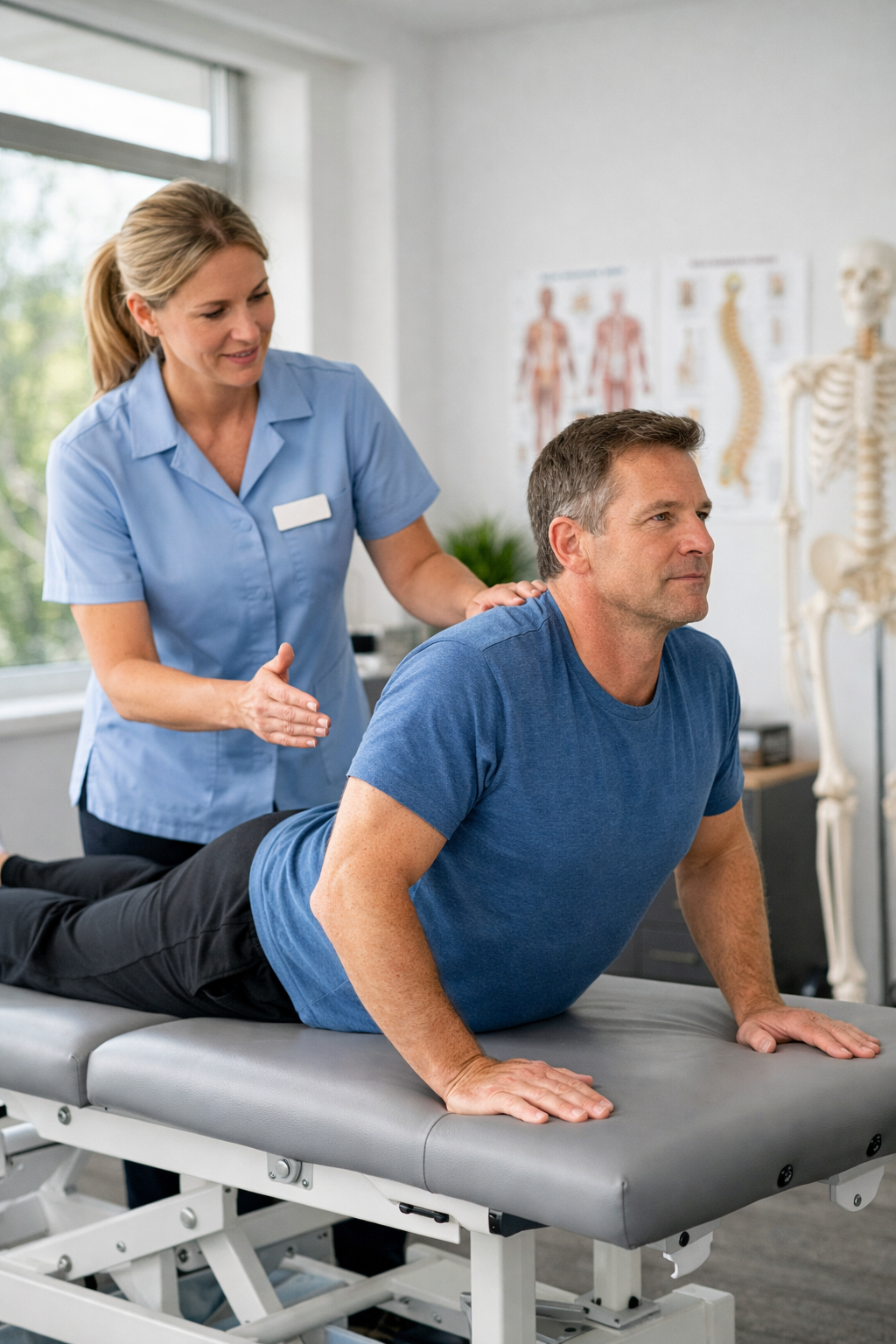
- McKenzie method exercises: For disc-related sciatica — which accounts for the majority of cases — McKenzie directional exercises are among the most evidence-supported interventions available. They help centralize pain and reduce nerve irritation through specific spinal movements.
- Dry needling: When stubborn trigger points in the piriformis, gluteal, or paraspinal muscles limit progress, dry needling can release the deep muscular tension that stretching alone cannot reach. For Hamilton patients dealing with piriformis syndrome in particular, this can be transformative.
Phase 3: Returning to Full Activity
The final phase is about making sure you can actually do the things that matter — not just perform clinic exercises. Your therapist will design functional training that mirrors your real-life demands:
- Functional movement training: Getting you back to the trails at Veterans Park, back on the Mercer County Park tennis courts, or back to shoveling without bracing for pain.
- Occupation-specific techniques: For Hamilton’s warehouse and healthcare workers, this means learning how to lift, bend, and stand in ways that protect the lumbar spine during a full work shift.
- Injury prevention education: Understanding your personal risk factors, recognizing early warning signs of a flare, and knowing how to apply self-management strategies before symptoms escalate.
- Home exercise program: A practical, sustainable routine you can maintain independently to protect the progress you’ve made.
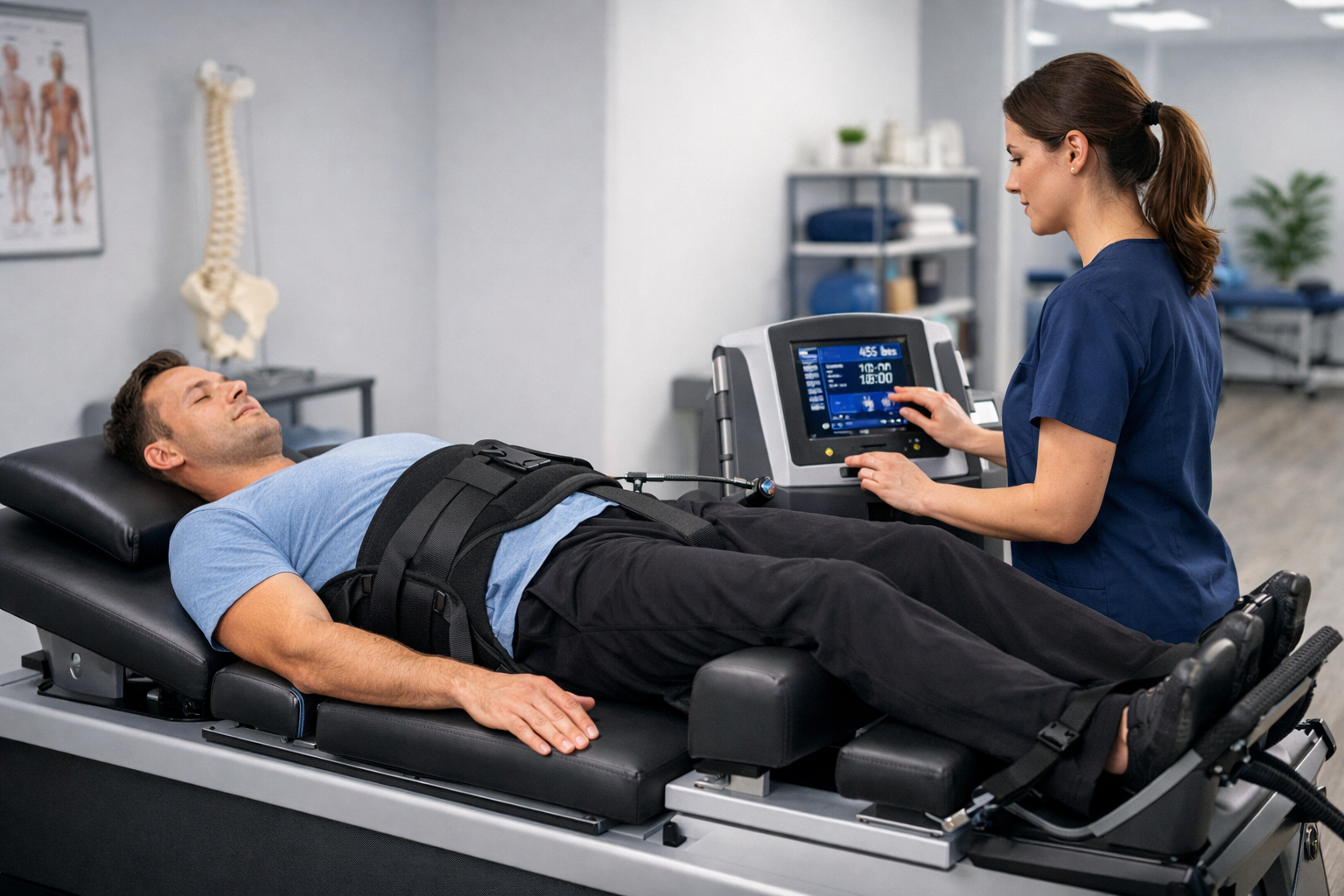
Why Hamilton Patients Choose Trinity Rehab
When you’re dealing with sciatic nerve pain, the quality of your physical therapist matters enormously. Here’s what sets Trinity Rehab apart for Hamilton residents:
- One-on-one care every session: You’ll work directly with a licensed physical therapist — not an aide, not a group circuit. Your PT is with you and engaged throughout your entire appointment.
- No physician referral required: New Jersey’s Direct Access Law allows you to schedule an evaluation and begin treatment immediately, without waiting for a doctor’s referral. This means you start getting better sooner.
- Personalized treatment planning: Your sciatica has a specific cause and specific context — the work you do, the activities you love, the way your body moves. We build your plan around all of that.
- Evidence-based clinical protocols: Our approach draws from the latest research in lumbar spine rehabilitation, neural mobilization, and neuromuscular strengthening.
- Convenient location and flexible hours: Including early morning and evening appointments, because recovering from sciatica shouldn’t mean time off work. Learn more about back pain treatment at Trinity Rehab.
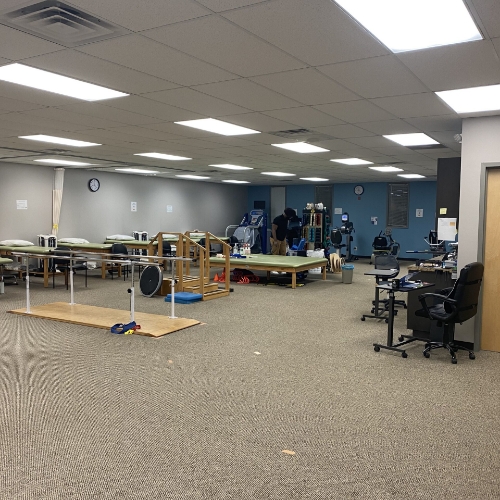
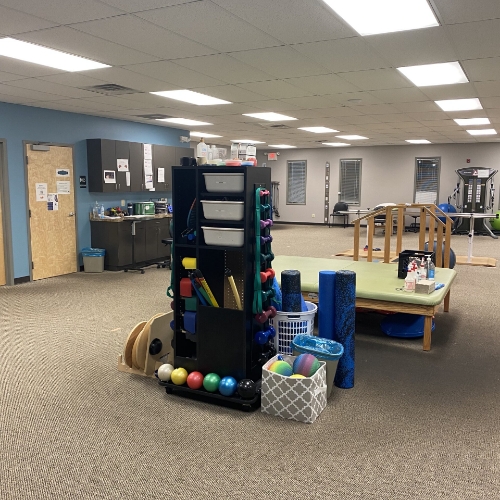
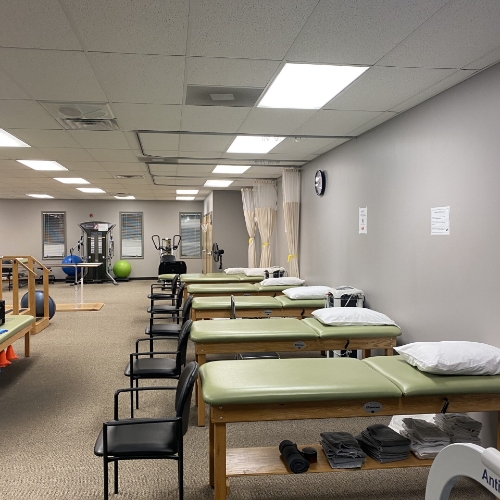
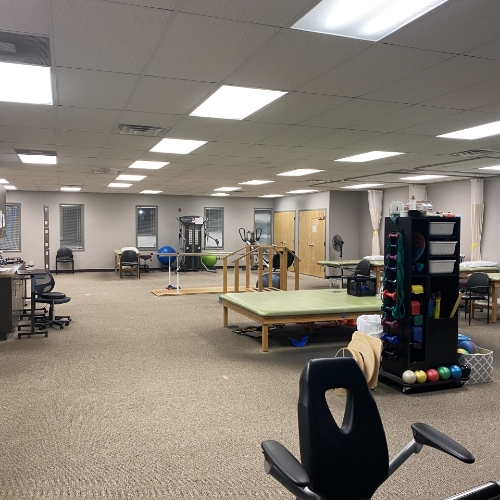
Inside Our Hamilton Clinic
Related Conditions & Treatments
Sciatica is just one of the many conditions we treat at Trinity Rehab Hamilton. Explore our full range of conditions we treat or learn more about specific treatment approaches:
- Sciatica Treatment Overview
- Back Pain Treatment
- Hip & Knee Pain Relief
- Manual Therapy
- Dry Needling
- EPAT / Shockwave Therapy
Hamilton Sciatica Rehab For Leg Pain, Sitting Pain, And Walking Tolerance
Sciatica-like symptoms can make sitting, driving, bending, sleeping, and walking difficult. Hamilton patients need a plan that separates nerve-related leg pain from back, hip, or muscle-driven symptoms.
Your therapist may assess symptom behavior, lumbar mobility, nerve tension, hip strength, walking tolerance, and positions that calm or worsen symptoms. Progressive weakness, numbness, or bowel/bladder changes should be medically reviewed urgently.
Related spine options include back pain physical therapy, lumbar disc herniation rehab, and the Hamilton physical therapy clinic page.
Frequently Asked Questions
Hamilton Sciatica Rehab For Leg Pain, Sitting Pain, And Walking Tolerance
Sciatica-like symptoms can make sitting, driving, bending, sleeping, and walking difficult. Hamilton patients need a plan that separates nerve-related leg pain from back, hip, or muscle-driven symptoms.
Your therapist may assess symptom behavior, lumbar mobility, nerve tension, hip strength, walking tolerance, and positions that calm or worsen symptoms. Progressive weakness, numbness, or bowel/bladder changes should be medically reviewed urgently.
Related spine options include back pain physical therapy, lumbar disc herniation rehab, and the Hamilton physical therapy clinic page.
Where can I get sciatica treatment in Hamilton, NJ?
Does Trinity Rehab Hamilton accept my insurance?
How long will sciatica treatment take?
Can sciatica come back after treatment?
Do I have to stop all activity during sciatica treatment?
Sciatic nerve pain doesn’t get better by waiting — and it doesn’t have to be something you just live with. The team at Trinity Rehab Hamilton is ready to help you understand what’s driving your symptoms and build a clear path back to the activities you love.
- Request an appointment — Choose a time that works with your schedule. No referral needed.
- Receive a personalized evaluation — Your licensed physical therapist will assess the root cause of your sciatica and design a treatment plan built around your specific goals.
- Progress, recover, and stay well — With one-on-one guidance at every session, you’ll move from pain to strength to confidence.
Ready to get started? Schedule your appointment at Trinity Rehab Hamilton today and take the first step toward lasting sciatic nerve relief.