

SCIATICA TREATMENT IN EAST BRUNSWICK, NJ: RELIEF FOR A TOWNSHIP THAT STAYS ACTIVE
East Brunswick is a community with deep roots in family life, outdoor recreation, and a strong sense of place. On any given weekend, you might find residents hiking through Frost Woods or the trails at Tamarack Hollow Preserve, watching the East Brunswick High School Bears compete in one of the township’s many athletic programs, or spending a Sunday afternoon at Heavenly Farms Park. Weekdays mean long commutes — many residents log 38 minutes or more getting to New York City via the NJ Turnpike or bus routes along Route 18 — followed by evenings that are still full.
That combination of active recreation and extended commuting is hard on the lumbar spine. When the sciatic nerve gets caught in the middle — compressed by a herniated disc, a tight piriformis, or the cumulative effects of years of desk sitting — the result is the electric, radiating pain that travels from the lower back through the buttock and down the leg. If that sounds familiar, you are not alone, and you do not have to simply manage it.
Trinity Rehab’s East Brunswick clinic provides the individualized, expert physical therapy that resolves sciatica at its source.
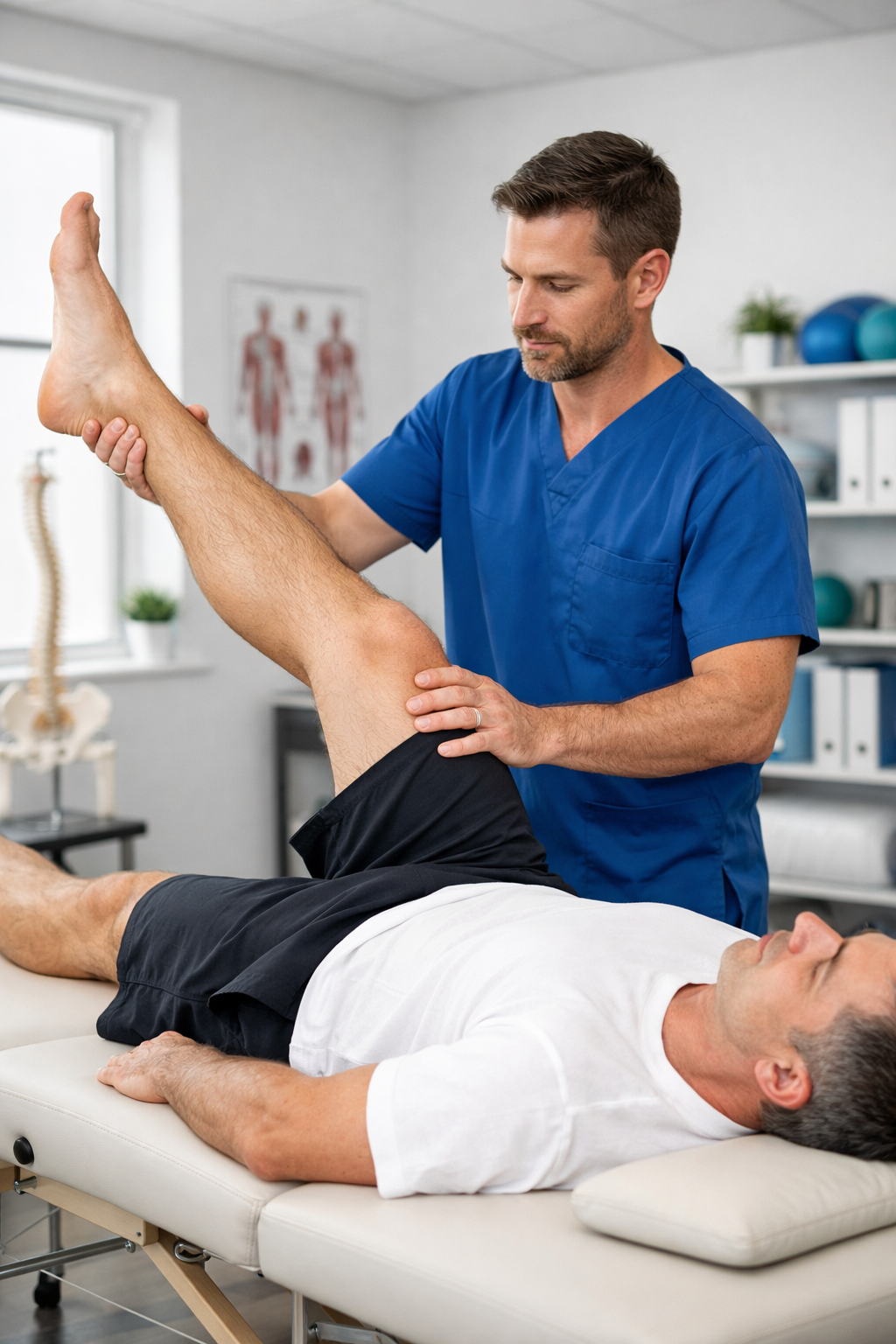
What Is Sciatica?
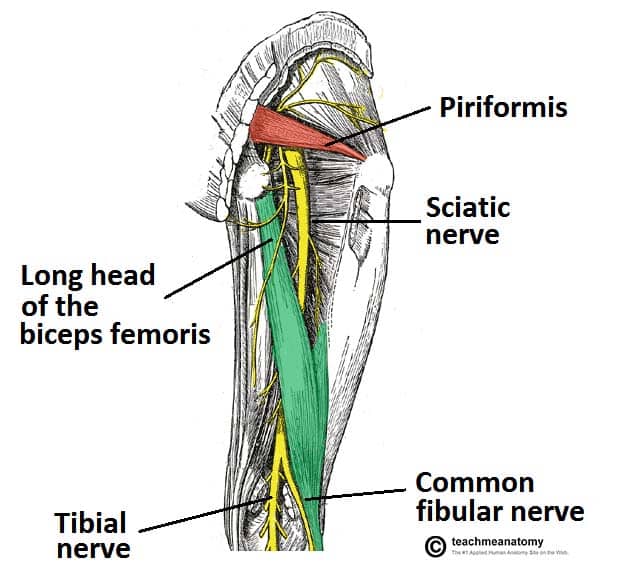
The sciatic nerve is formed by several nerve roots in the lower lumbar and sacral spine. When any of those roots becomes compressed or irritated — by a herniated disc, a narrowed spinal canal, or a tight piriformis muscle — pain follows the nerve’s path down the leg. This is lumbar radiculopathy, commonly called sciatica.
The most common cause is a herniated lumbar disc. As a disc’s soft interior pushes through its outer wall, it contacts the adjacent nerve root and creates the sharp, electric, or burning sensation that travels into the buttock and leg. Other causes include:
- Lumbar spinal stenosis: Narrowing of the spinal canal, typically from aging-related changes, that squeezes nerve roots — especially common in adults over 60
- Piriformis syndrome: The deep buttock muscle tightens around the sciatic nerve, mimicking disc-related sciatica
- Spondylolisthesis: Forward slippage of a vertebra that pinches a nerve root
- Degenerative disc disease: Gradual disc thinning that reduces the nerve’s exit space over time
According to Cleveland Clinic data, nearly 40% of adults will experience sciatica at some point. The good news is that physical therapy is both the evidence-based standard of care and the most effective route to full recovery for the vast majority of patients.
Visit our back pain treatment page for more on the conditions that commonly overlap with sciatica.
What Triggers Sciatica in East Brunswick Residents
East Brunswick’s particular character — a suburban township with a heavy commuter workforce, active recreation scene, and significant pharmaceutical and technology industry employment — creates a recognizable pattern of sciatica triggers:
Long NJ Turnpike and Route 18 commutes. With a mean commute time of 38 minutes — higher than the state average — East Brunswick residents spend substantial time in seated, often suboptimal postures. Extended car sitting increases intradiscal pressure and shortens the hip flexors, both of which contribute to lumbar nerve root vulnerability. The Route 18 corridor and Turnpike routes to New York or Philadelphia add up to thousands of hours of seated lumbar loading over a career.
Technology and pharmaceutical industry desk workers. East Brunswick is home to Wipro USA’s US headquarters and Strides Pharma, and the broader pharmaceutical and technology corridor of central Middlesex County employs many township residents. Long-duration desk work with poor ergonomic habits is a textbook setup for the gradual disc degeneration that eventually triggers sciatica.
Warehouse and distribution work. East Brunswick has a growing industrial logistics presence along its commercial corridors, and warehouse operations bring the repetitive lifting, bending, and carrying that reliably stresses lumbar discs. Workers in these environments are among the highest-risk groups for lumbar radiculopathy.
Outdoor trail and park activity. Frost Woods, Tamarack Hollow Preserve, Beaver Dam Park, and Heavenly Farms offer excellent hiking and nature experiences. Uneven terrain, root-covered paths, and extended walking distances on foot are excellent for overall health — but can also expose pre-existing lumbar vulnerabilities, particularly when residents ramp up activity after months of winter sedentary behavior.
East Brunswick High School Bears athletics and adult recreation. EBHS competes in more than a dozen varsity sports including football, wrestling, lacrosse, and ice hockey. Former high school athletes who carry old injuries into their adult years often experience first-onset sciatica in their 30s and 40s as cumulative wear catches up with earlier injury sites. East Brunswick Racquet Club tennis players, Tamarack Golf Course golfers, and Crystal Springs fitness regulars add to the adult athletic population at risk.
Seasonal physical demands. Winter snow removal in a suburban township like East Brunswick means long driveway shoveling sessions with cold, tight muscles. The township’s Winter Wonderland festival draws families who spend long days on their feet — and summer at Crystal Springs Waterpark means the kind of energetic physical activity that occasionally ends with an awkward landing or twist.
Recognizing Sciatica Symptoms
The hallmark of sciatica — what sets it apart from ordinary back pain or hip tightness — is that the pain moves. East Brunswick patients consistently describe:
- Shooting, burning, or aching pain that starts in the lower back or buttock and extends down the back of one leg, sometimes into the calf or foot
- Numbness or tingling in the thigh, calf, or top of the foot, often described as feeling like the leg is “falling asleep”
- Leg weakness that is asymmetric — one leg feeling noticeably weaker when climbing stairs, getting up from a chair, or walking on uneven ground
- Pain that is distinctly worse during or after the commute, worsening over a workday of sustained sitting
- Relief in movement, then return of pain with sitting or standing in one position for extended periods
- Discomfort that increases with sneezing, coughing, or bearing down
An East Brunswick resident who works in pharmaceutical logistics described experiencing the first flare after a long bout of crouching and reaching in a warehouse environment, then finding that the 40-minute drive home became the worst part of each day because of the sciatic pain that built during the commute. That cycle — activity-triggered, sitting-sustained — is among the clearest indicators for physical therapy.
Trinity Rehab’s Three-Phase Sciatica Treatment Approach
Our East Brunswick physical therapists guide each patient through a structured, three-phase program that systematically addresses pain, strength, and long-term function.
Phase 1: Reduce Pain and Calm the Nerve
The immediate goal is getting you comfortable enough to participate actively in your rehabilitation. This phase uses:
- Manual therapy: Hands-on joint mobilization of the lumbar spine and pelvis to reduce stiffness, restore segmental movement, and relieve direct pressure on compressed nerve roots. Soft tissue work addresses tight hip and gluteal musculature that amplifies nerve symptoms.
- Neural mobilization: Nerve gliding exercises that improve the sciatic nerve’s ability to move freely through surrounding tissues, reducing the sensitivity and radiation that make sciatica so disruptive. This is one of the fastest-acting interventions for leg pain relief.
- Targeted stretching: Piriformis, hip flexor, and lumbar rotator stretches specifically chosen based on your physical examination findings — not a generic stretching routine.
- Therapeutic pain management: Appropriate use of heat, cold, or electrical stimulation to reduce muscle guarding and enable more effective active treatment.
Dry needling may be added for patients with significant myofascial trigger point involvement in the gluteal, piriformis, or paraspinal muscles — a particularly effective adjunct for patients with chronic or treatment-resistant sciatica.
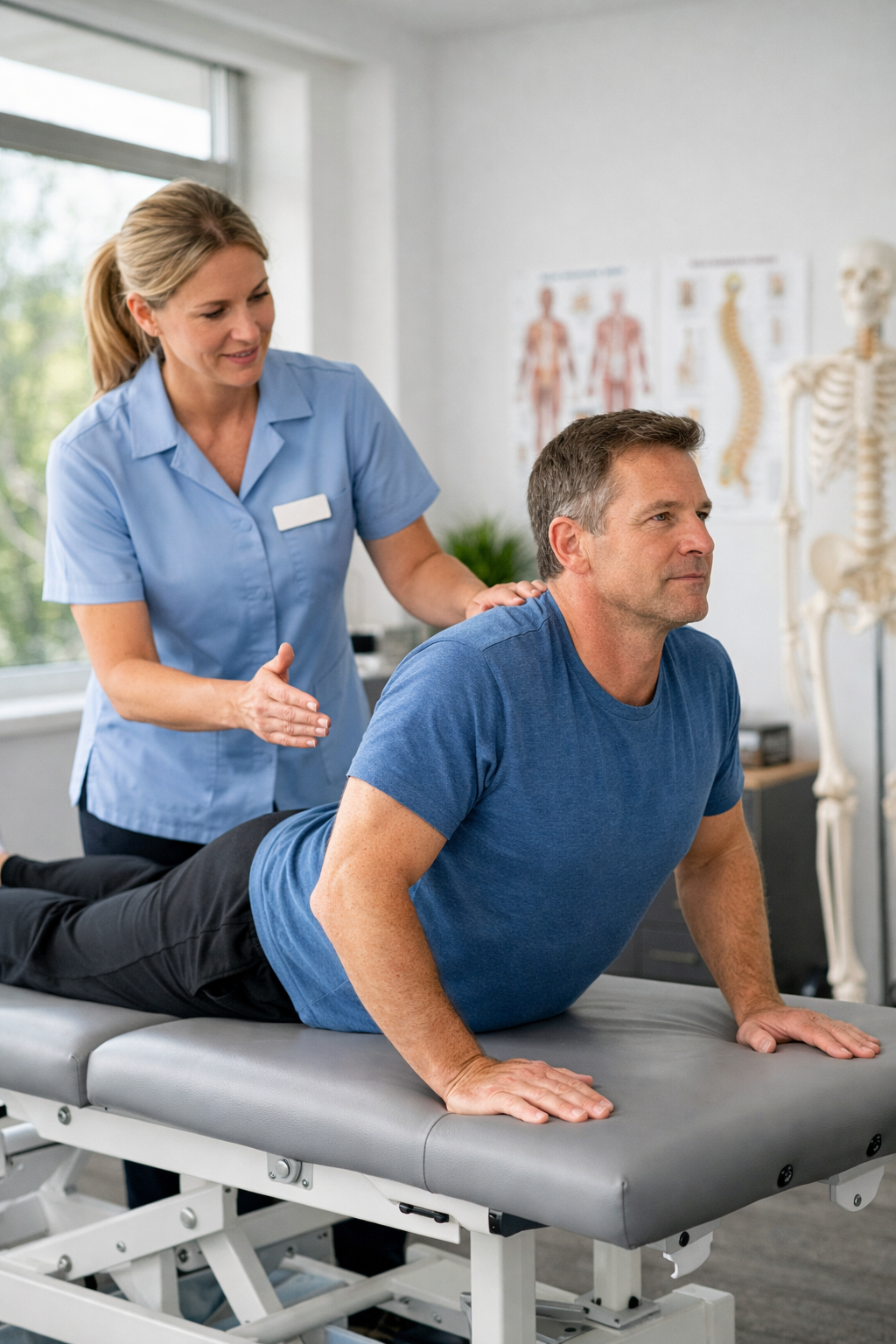
Phase 2: Strengthen and Stabilize
Once pain has reduced to a manageable level, the focus shifts to building the muscular infrastructure that protects your lumbar spine from reinjury. A reliable pattern in sciatica patients is weakness in the deep core and hip stabilizers combined with tightness in the superficial muscles, creating a mechanical environment favorable to repeated nerve compression. This phase addresses that pattern directly:
- Core stabilization: Progressive activation and strengthening of the transversus abdominis, multifidus, and pelvic floor — the muscles that create the natural spinal brace that protects disc and nerve health
- Glute and hip strengthening: Systematically loading the glutes and hip abductors to reduce the compensatory lumbar loading pattern that contributes to recurrent sciatica
- McKenzie method exercises: Directional movements with strong evidence for centralizing disc-related pain, restoring lumbar range of motion, and reducing nerve root irritation
- Posture and ergonomics training: For East Brunswick commuters and desk workers, targeted instruction on sitting posture, driving position, workstation setup, and movement patterns during the transitions — getting in and out of the car, standing from a desk — when disc pressure spikes
Phase 3: Return to East Brunswick Life
The final phase prepares you for the specific demands of your life. Your therapist designs movement training that targets exactly what you are trying to return to:
- Trail and outdoor activity preparation: Movement mechanics specific to hiking on the varied terrain of Frost Woods, Tamarack Hollow, and Beaver Dam Park
- Sport-specific conditioning: For EBHS athletes, adult tennis players at EB Racquet Club, and Tamarack golfers — rotational strength, hip power, and lumbar endurance training
- Occupational readiness: For warehouse workers and healthcare professionals — proper lifting mechanics, sustained posture endurance, and fatigue-resistant movement strategies
- A home exercise program you can maintain independently to protect your lumbar health through every season
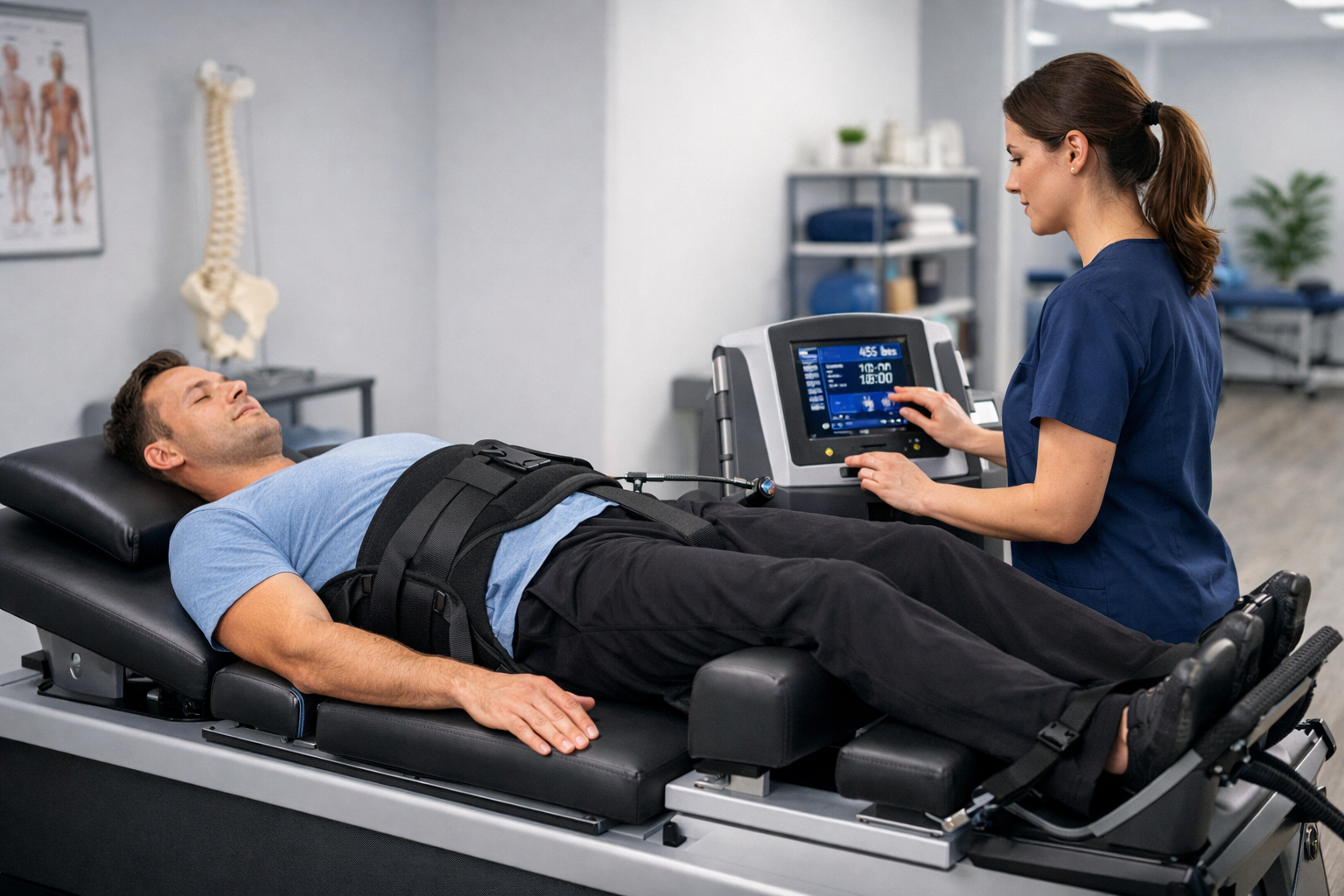
Why Choose Trinity Rehab in East Brunswick
- Licensed physical therapist, one-on-one, every visit. Your therapist is fully present and engaged in every session — no handoffs to assistants or aides.
- Direct access — no referral needed. New Jersey law allows you to schedule directly with a physical therapist. No doctor’s visit required before you can start.
- Most insurance plans accepted, including those common among East Brunswick’s pharmaceutical and technology sector employees.
- Commuter-friendly scheduling. Early morning and evening appointments are available to fit around Turnpike and Route 18 commute schedules.
- Clinic close to home. You should not have to travel far for expert sciatica care — and in East Brunswick, you do not have to.
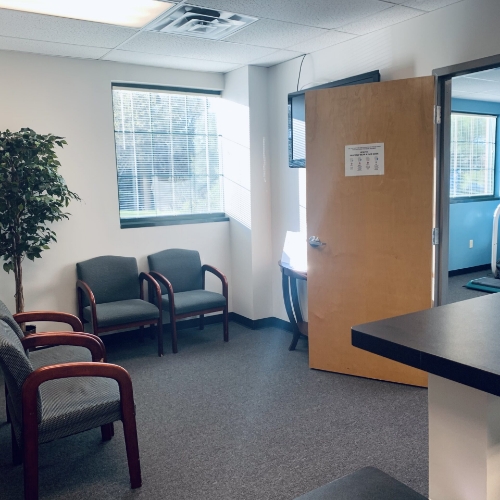
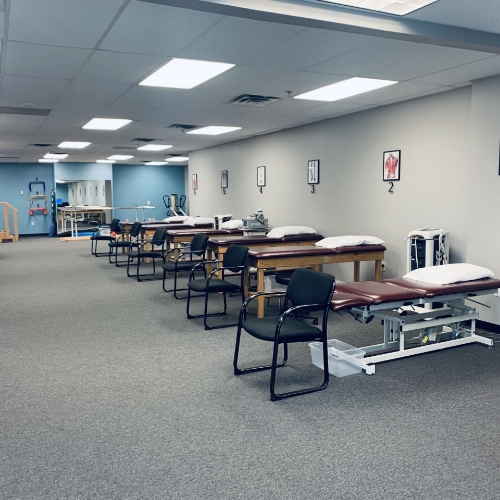
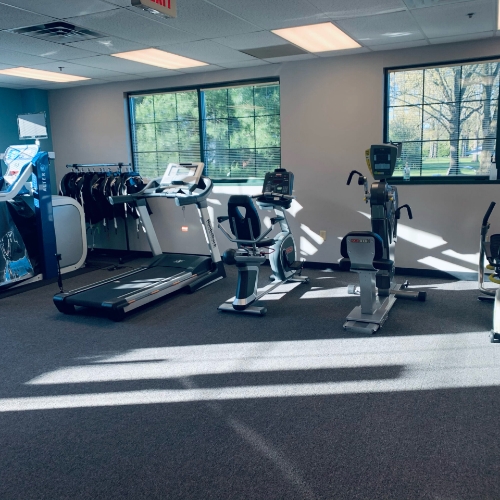
Inside Our East Brunswick Clinic
Related Conditions & Treatments
Sciatica is just one of the many conditions we treat at Trinity Rehab East Brunswick. Explore our full range of conditions we treat or learn more about specific treatment approaches:
- Sciatica Treatment Overview
- Back Pain Treatment
- Hip & Knee Pain Relief
- Manual Therapy
- Dry Needling
- EPAT / Shockwave Therapy
Frequently Asked Questions
Where can I get sciatica treatment in East Brunswick, NJ?
Does Trinity Rehab East Brunswick accept my insurance?
What is the difference between sciatica and general lower back pain?
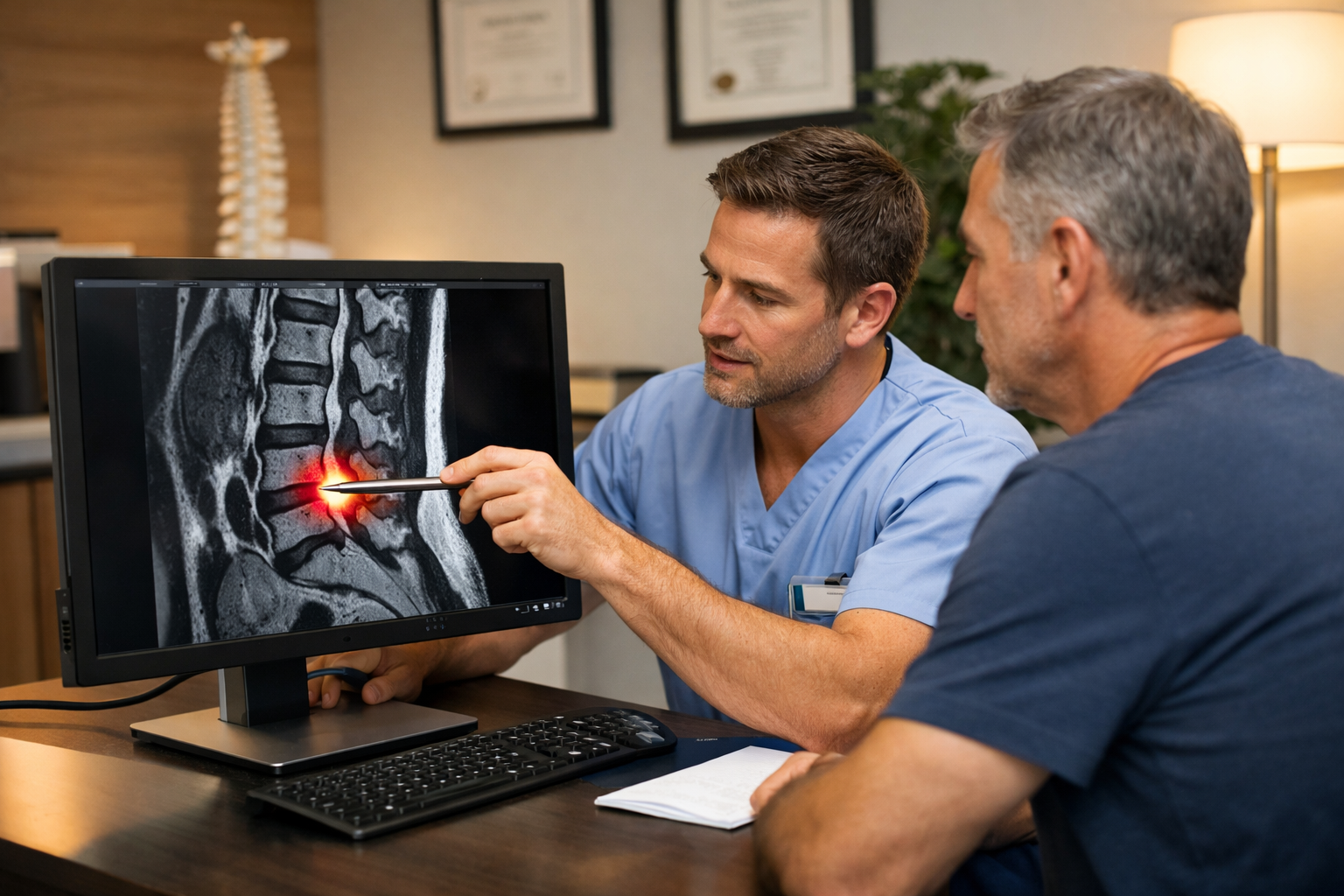
My MRI shows a herniated disc. Do I need surgery?
How do I know if I should see a physical therapist or go to the ER for sciatica?
Whether sciatica is keeping you off the Frost Woods trails, making the Turnpike commute miserable, or affecting your game at Tamarack Golf, recovery is achievable — and closer than you think.
Request your appointment at Trinity Rehab in East Brunswick — no referral needed. Your physical therapist will identify the root cause of your sciatic pain and build a recovery plan designed around East Brunswick life.