

SCIATICA TREATMENT IN CLARK, NJ: PERSONALIZED RELIEF FOR UNION COUNTY RESIDENTS
Clark, NJ, sits at one of the busiest crossroads in Union County — the Garden State Parkway Exit 135 corridor. For most Clark residents, life involves a demanding daily rhythm: an early commute down the GSP toward Newark or into New York City, a full day at a desk or on a job site, and evenings at Oak Ridge Park with the kids or at Hyatt Hills Golf Complex squeezing in a round before dark. It is a full, active lifestyle — and one that puts significant, cumulative stress on the lumbar spine.
When sciatic nerve pain enters the picture — that deep, burning, radiating sensation from the lower back through the buttock and down one leg — the daily grind becomes genuinely difficult. The commute grows painful. Sitting at a desk becomes something to dread. Even a round of golf at Hyatt Hills can feel out of reach.
Trinity Rehab treats sciatica in Clark with the personalized, one-on-one physical therapy that gets to the root of the problem. Here is what you need to know.
What Is Sciatica?
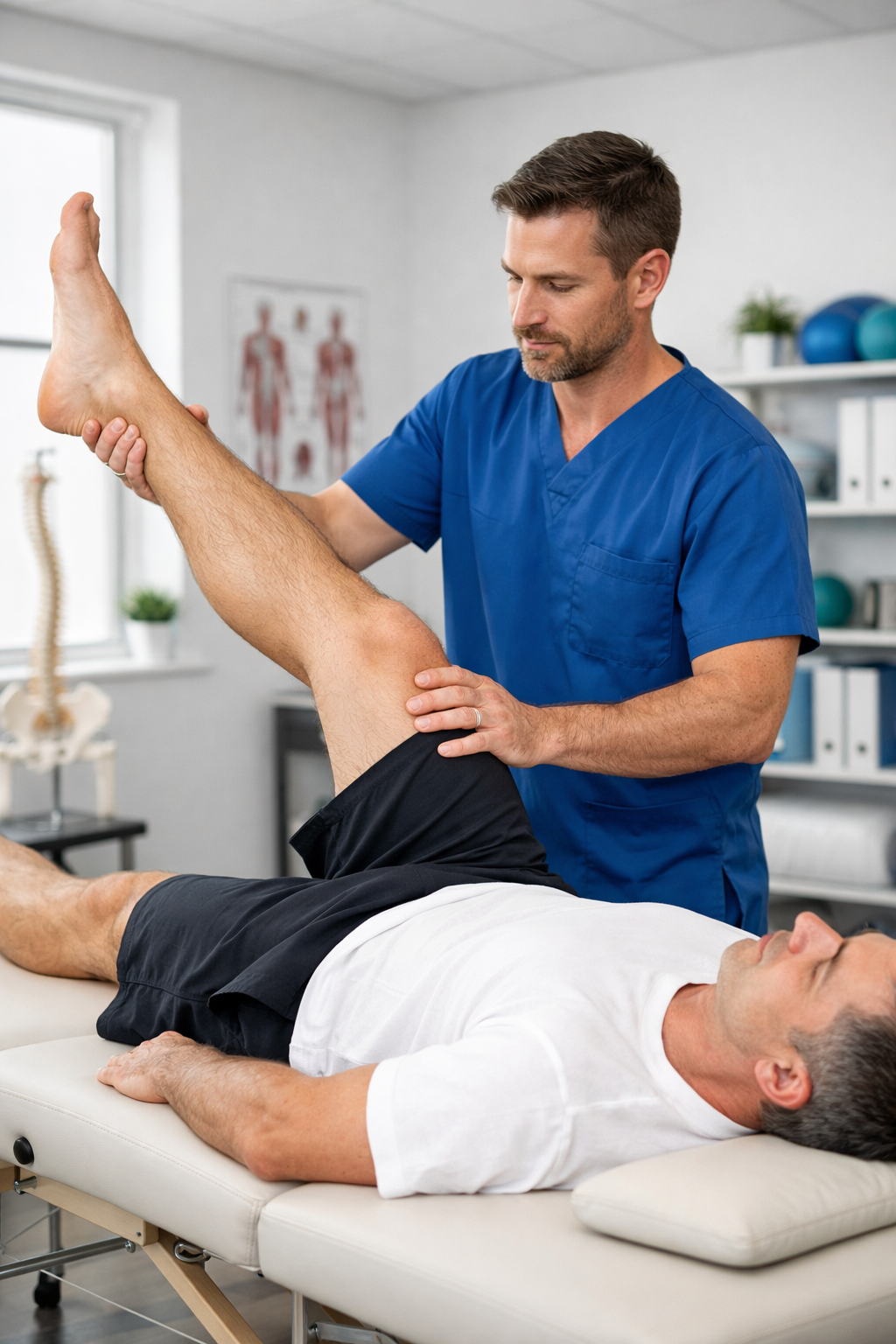
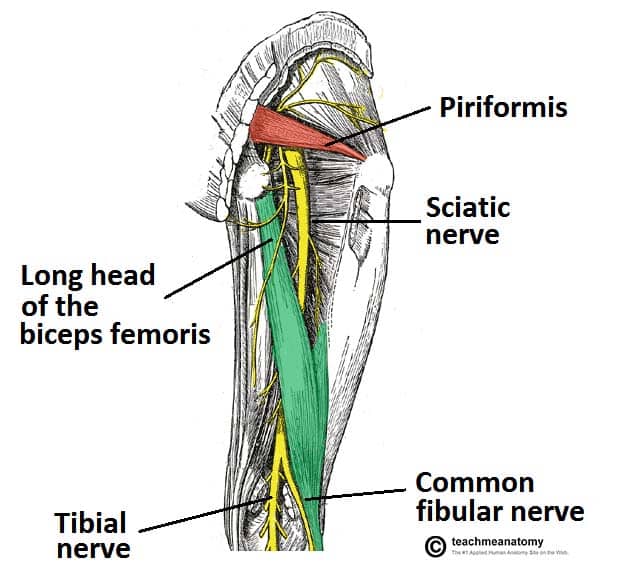
Sciatica is the term used when the sciatic nerve — the longest nerve in the body, running from the lumbar spine through the buttock and down the leg — becomes compressed or irritated at its origin in the lower back. The medical term is lumbar radiculopathy, and it describes a range of symptoms that follow the nerve’s path: burning or shooting pain, numbness, tingling, or muscle weakness in the leg and sometimes the foot.
The most common underlying cause is a herniated or bulging lumbar disc. As the soft center of a spinal disc pushes through its outer casing, it can contact the nerve root directly, triggering the classic radiation pattern. Other causes include lumbar spinal stenosis (canal narrowing from arthritis or aging), piriformis syndrome, spondylolisthesis, and degenerative disc changes.
Nearly 40% of adults will experience sciatica at some point in their lives. Most cases resolve with conservative care — but the quality and appropriateness of that care matters enormously. Physical therapy that addresses the mechanical cause of nerve compression produces faster, more durable results than rest or medication alone. Explore related back pain treatment options at Trinity Rehab.
What Triggers Sciatica in Clark Residents
Clark’s demographics and geography create a specific cluster of sciatica risk factors that our physical therapists recognize every day:
The GSP commuter burden. Clark is a quintessential New Jersey bedroom community, and the vast majority of working residents commute via the Garden State Parkway or NJ Turnpike to jobs in Newark, New York, or the surrounding area. Mean commute times run 20 to 35 minutes each way — and that is on a good day. Sustained sitting in a car seat, particularly combined with the vibration and postural demands of highway driving, increases intradiscal pressure and gradually taxes the lumbar structures that protect the sciatic nerve.
Desk-based professionals. Clark’s high median household income and professional demographics mean a large share of residents sit at desks or workstations for 8 or more hours a day. Extended sitting is one of the most consistent aggravating factors for lumbar disc conditions — and when combined with the commuter driving load, it creates a cycle of spinal compression that wears down disc health over time.
Construction, logistics, and industrial workers. The industrial corridor along the GSP in southern Union County includes warehouse, distribution, and construction operations that employ Clark residents. Repetitive material handling — lifting, loading, and working in flexed or twisted postures — is among the highest-risk occupational activities for lumbar disc herniation.
Lawn and garden work. Clark’s suburban character means a strong culture of homeownership and yard maintenance. Spring and fall bring heavy sessions of raking, digging, mulching, and planting — all activities involving repetitive lumbar flexion with load that can push a compromised disc into nerve-territory.
Park and recreation sports. Oak Ridge Park’s disc golf course, archery range, and turf fields attract active Clark residents year-round. Disc golf, in particular, involves a rotational throwing motion through the lumbar spine and hip — a movement that can stress already vulnerable discs. Add the pickleball courts at Esposito Park, youth and adult soccer programs, and Hyatt Hills golfers, and you have a community with plenty of opportunity for the sports-related loading that triggers or aggravates sciatica.
Winter snow shoveling. Clark Township issues seasonal reminders about safe snow removal for a reason. A nor’easter followed by a frigid freeze creates the perfect conditions for acute disc injury: heavy, wet snow requiring maximum lumbar loading in a cold, tight muscular environment.
Symptoms That Distinguish Sciatica
Not all lower back pain is sciatica, but sciatica’s radiating nature makes it recognizable. Clark patients typically describe:
- A burning, shooting, or deep aching pain that starts in the lower back or buttock and moves down one leg — sometimes as far as the calf or outer foot
- Tingling or numbness in the leg, often in a consistent band or strip that follows the nerve’s pathway
- Weakness in the affected leg — difficulty fully extending the knee, or noticing one foot feels heavier when walking
- Pain that intensifies after long periods of sitting, such as the end of a workday or during an evening commute
- Brief relief when standing or walking, followed by a return of discomfort when sitting resumes
- Morning stiffness that takes significant time to loosen, particularly after rest
A Clark resident who works in logistics described reaching down to pick up a case at the warehouse on a Monday morning, feeling a sharp pop in the lower back, and discovering over the following days that every step sent pain radiating down the left leg to the knee. That scenario — sudden acute onset after a loading task — is among the most common ways sciatica presents in working-age adults.
Trinity Rehab’s Approach to Sciatica Treatment in Clark
Our Clark clinic uses topic-based clinical tracks, each addressing a specific dimension of sciatica recovery. Your therapist selects and sequences these elements based on your specific findings at evaluation:
Manual Therapy and Joint Mobilization
Manual therapy forms the physical foundation of your early sciatica treatment. Using skilled joint mobilization techniques, your therapist works directly on the lumbar vertebral segments most involved in your nerve compression — improving segmental mobility, reducing joint stiffness, and relieving direct mechanical pressure on the affected nerve roots. Soft tissue mobilization of the gluteal muscles, piriformis, and hip external rotators reduces the muscular compression component that contributes significantly in many patients.
Neural Mobilization: Nerve Gliding
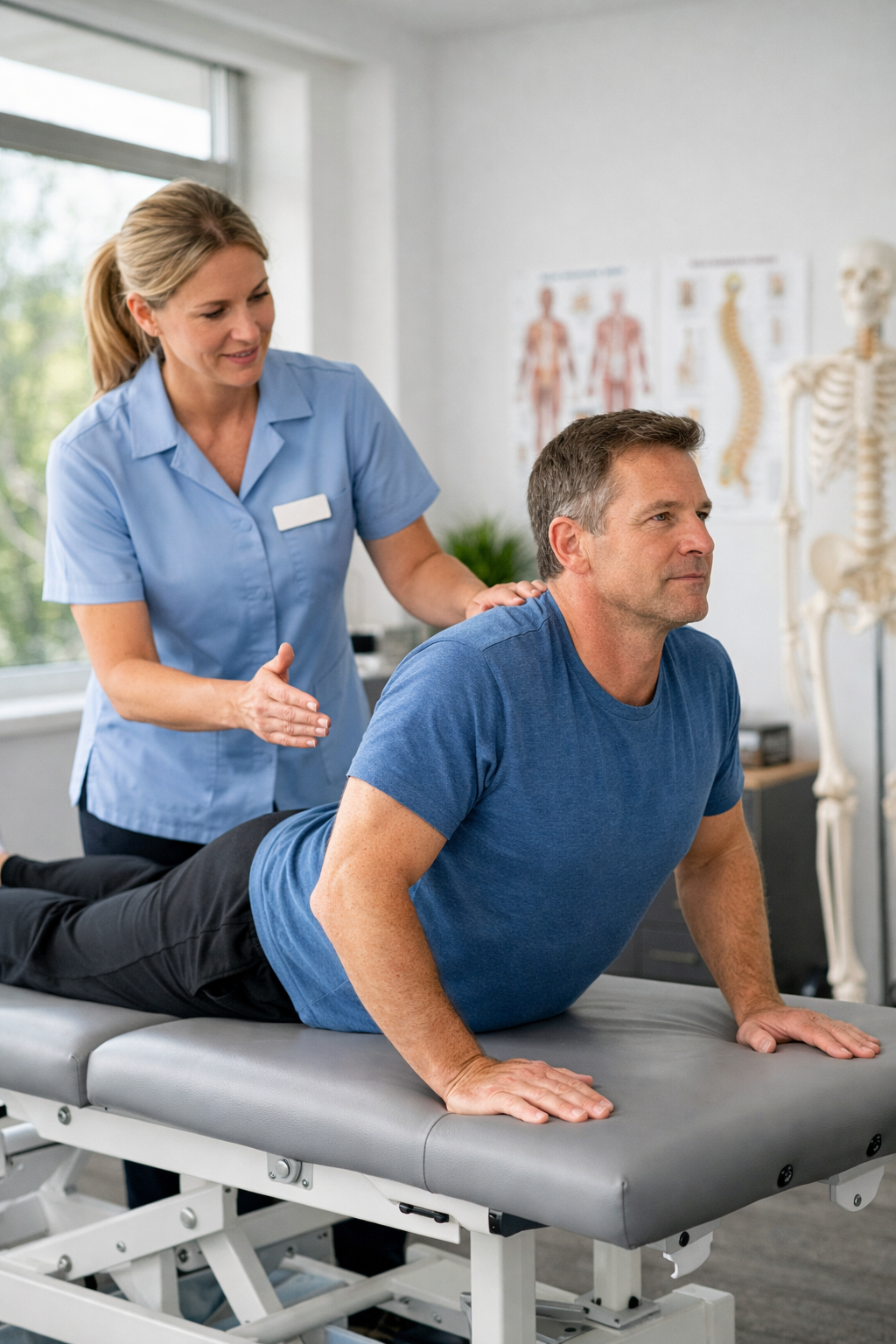
The sciatic nerve needs to move freely as you walk, bend, and extend your leg. When it has been under sustained compression or inflammation, it can become mechanically sensitive — hypersensitive to even normal movement. Neural mobilization techniques involve carefully guided limb movements designed to improve the nerve’s gliding capacity and reduce its sensitivity. Most patients notice that radiating leg pain begins to calm within a few sessions of consistent nerve mobilization work.
Core and Hip Strengthening
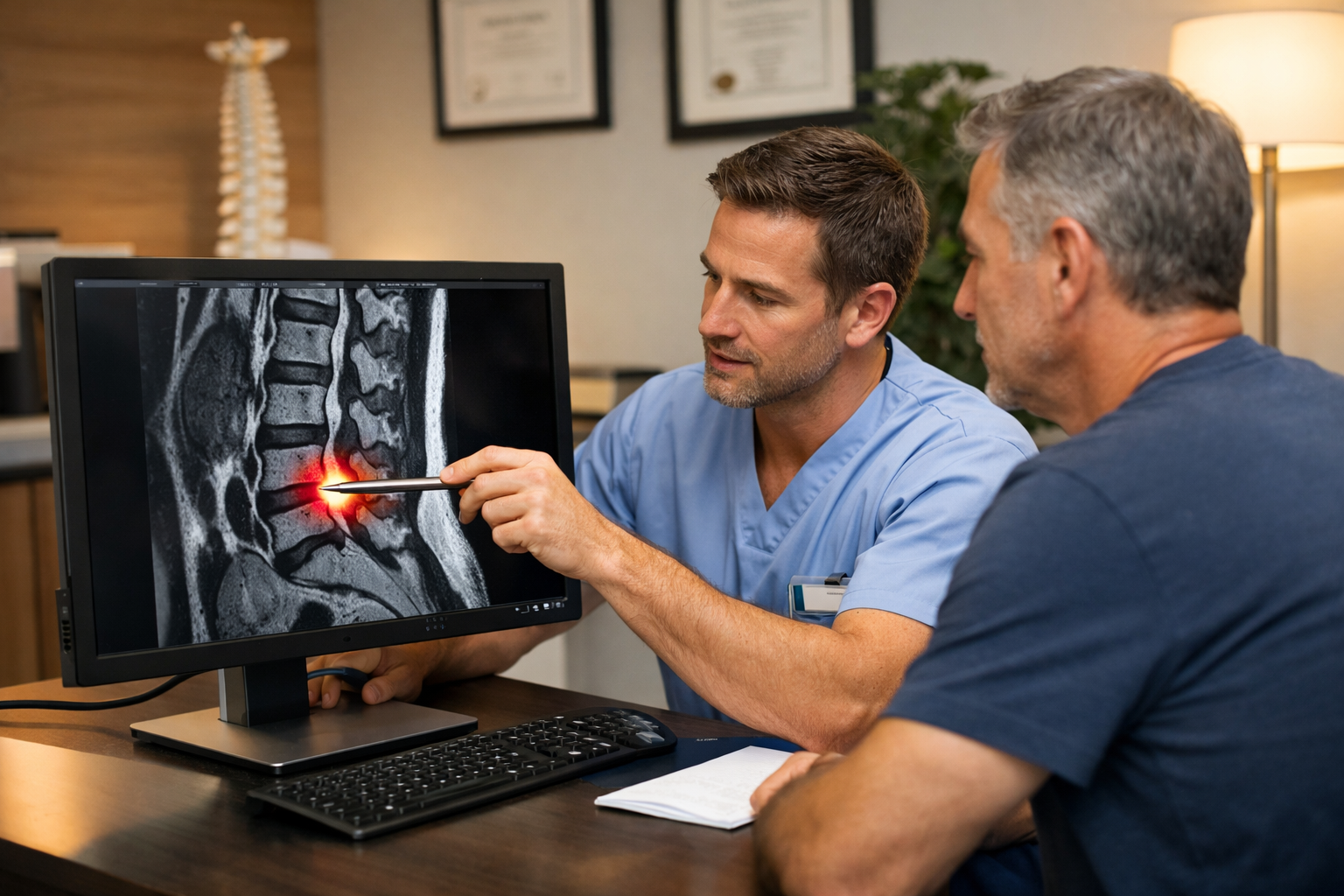
Clark’s commuter-heavy population is particularly susceptible to a pattern we see in the clinic constantly: a combination of tight hip flexors (from prolonged sitting) and weak glutes (from underuse). Together, these patterns create lumbar instability and anterior pelvic tilt that concentrates stress on the lower lumbar segments where most disc herniations occur.
Your strengthening program will progress through targeted activation of the deep core stabilizers (particularly the multifidus and transversus abdominis), glute and hip strengthening, and then functional integration exercises that mirror the demands of your commute, your job, and your activity of choice — whether that is a round at Hyatt Hills or a disc golf tournament at Oak Ridge.
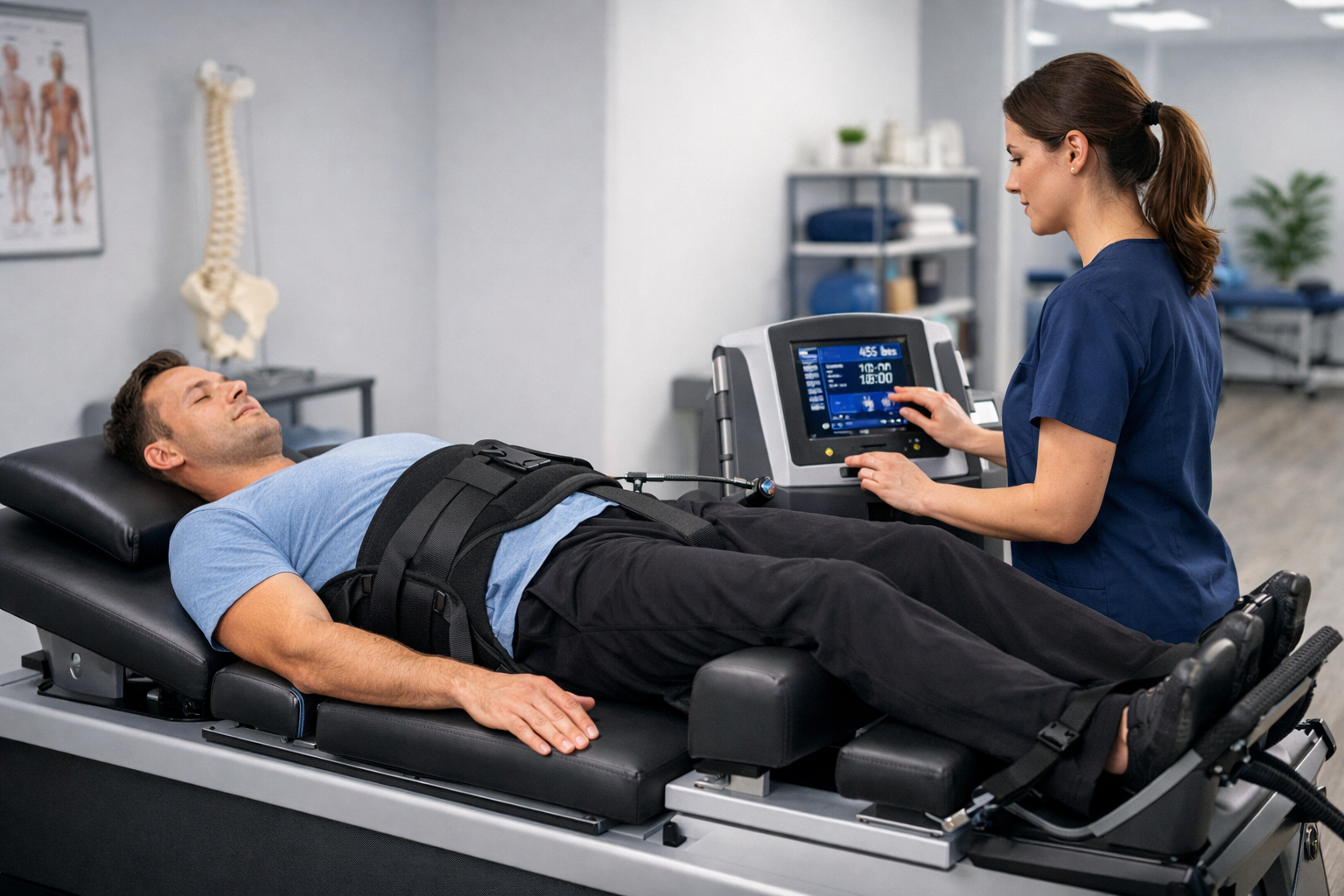
Dry Needling for Persistent Muscle Guarding
When muscle guarding in the paraspinal or gluteal muscles creates a feedback loop that sustains pain beyond the initial nerve compression, dry needling can break that cycle. Your therapist inserts thin filiform needles directly into myofascial trigger points to elicit a local twitch response and release held tension, reducing pain and improving your response to exercise.
Posture and Ergonomic Education
For Clark commuters and desk workers, posture education is not optional — it is core to lasting recovery. Your therapist will work with you on driving posture, workstation setup, and the movement habits that accumulate lumbar stress over a full workday. Small, consistent changes in how you sit and move have an outsized impact on lumbar disc health and sciatic nerve protection.
Why Choose Trinity Rehab in Clark
Clark residents are well-served by a physical therapy practice that understands the intersection of suburban commuting, recreational activity, and occupational demands. At Trinity Rehab:
- Your PT is in the room, fully engaged, every single session. No aides, no unsupervised exercise time.
- You can start today. New Jersey’s Direct Access Law means no physician referral is required. Call, book online, and come in.
- We accept most major insurance plans, including those common among Union County residents and healthcare employers in the area.
- Evening and morning hours are available to accommodate the GSP commuter schedule.
- Treatment is built around your specific goals — whether that means returning to disc golf, improving your swing mechanics, or simply getting through the workday without lower back pain.
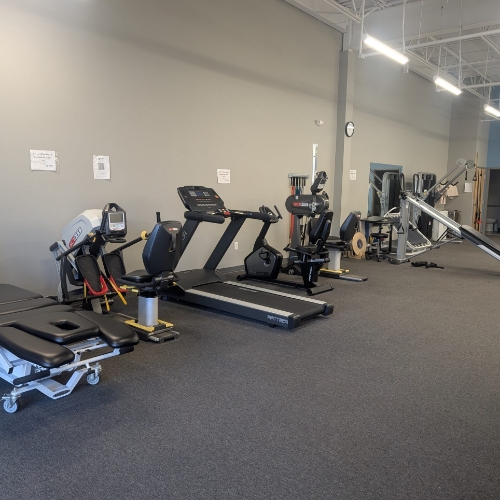
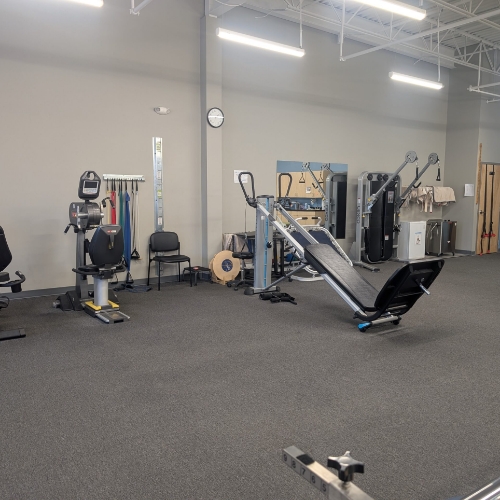
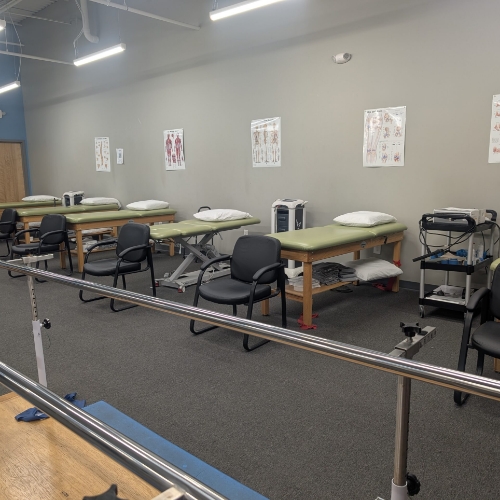
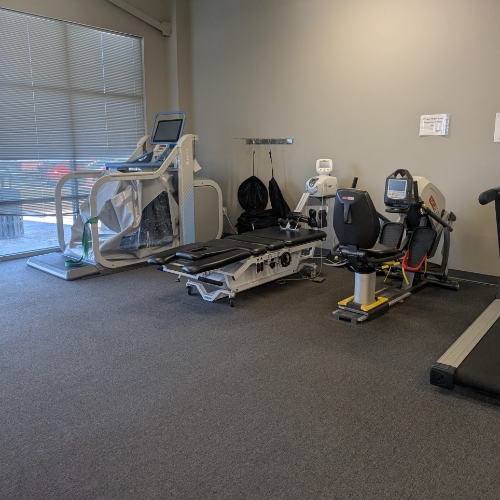
Inside Our Clark Clinic
Related Conditions & Treatments
Sciatica is just one of the many conditions we treat at Trinity Rehab Clark. Explore our full range of conditions we treat or learn more about specific treatment approaches:
- Sciatica Treatment Overview
- Back Pain Treatment
- Hip & Knee Pain Relief
- Manual Therapy
- Dry Needling
- EPAT / Shockwave Therapy
Clark Sciatica Rehab For Leg Pain, Sitting Pain, And Walking Tolerance
Sciatica-like symptoms can make sitting, driving, bending, sleeping, and walking difficult. Clark patients need a plan that separates nerve-related leg pain from back, hip, or muscle-driven symptoms.
Your therapist may assess symptom behavior, lumbar mobility, nerve tension, hip strength, walking tolerance, and positions that calm or worsen symptoms. Progressive weakness, numbness, or bowel/bladder changes should be medically reviewed urgently.
Related spine options include back pain physical therapy, lumbar disc herniation rehab, and the Clark physical therapy clinic page.
Frequently Asked Questions
Clark Sciatica Rehab For Leg Pain, Sitting Pain, And Walking Tolerance
Sciatica-like symptoms can make sitting, driving, bending, sleeping, and walking difficult. Clark patients need a plan that separates nerve-related leg pain from back, hip, or muscle-driven symptoms.
Your therapist may assess symptom behavior, lumbar mobility, nerve tension, hip strength, walking tolerance, and positions that calm or worsen symptoms. Progressive weakness, numbness, or bowel/bladder changes should be medically reviewed urgently.
Related spine options include back pain physical therapy, lumbar disc herniation rehab, and the Clark physical therapy clinic page.
Where can I get sciatica treatment in Clark, NJ?
Does Trinity Rehab Clark accept my insurance?
Will physical therapy help even if my sciatica comes from a herniated disc?
How many sessions will I need?
Should I stop exercising completely during sciatica treatment?
Sciatica does not have to define your commute, your workday, or your weekends at Oak Ridge Park. With the right physical therapy, the vast majority of patients recover fully and return to the activities they love.
Request your appointment at Trinity Rehab in Clark — no referral needed. Your licensed physical therapist will find the source of your pain and build a program to address it at its root.