

TENNIS ELBOW TREATMENT IN EAST WINDSOR, NJ | TRINITY REHAB
East Windsor sits at Exit 8 of the New Jersey Turnpike — a crossroads community where daily life revolves around work, commute, and the narrow window of personal time in between. Every morning, thousands fan out across the pharmaceutical corridor, the logistics hubs lining Route 130, and corporate campuses between New York and Philadelphia. Every evening, they return — hands stiff, forearms tight, sometimes nursing an ache they can’t quite explain.
After eight hours of pipetting at Aurobindo Pharma, gripping cartons at the LG Electronics warehouse, or managing a full shift at Shiseido America, the last thing you expect is for something as simple as picking up a coffee mug to send a jolt of pain through your elbow. But that sharp, burning sensation on the outside of your arm is more common in East Windsor than most people realize. It has a name — tennis elbow — and despite what the name suggests, your racquet probably isn’t the culprit.
Maybe you first noticed it reaching for a gallon of milk at the ShopRite on Route 571, or gripping a steering wheel during the commute down the Turnpike. Maybe it flared up while casting a line at Etra Lake Park on a Saturday morning. Whatever the moment, the elbow pain is real, it’s getting worse, and it’s starting to interfere with your ability to do your job and enjoy your weekends.
At Trinity Rehab East Windsor, we treat tennis elbow every week — in pharmaceutical workers, warehouse associates, retail employees, weekend athletes, and everyone in between. And with Direct Access physical therapy in New Jersey, you don’t need to wait for a referral to start getting better.

What Is Tennis Elbow?
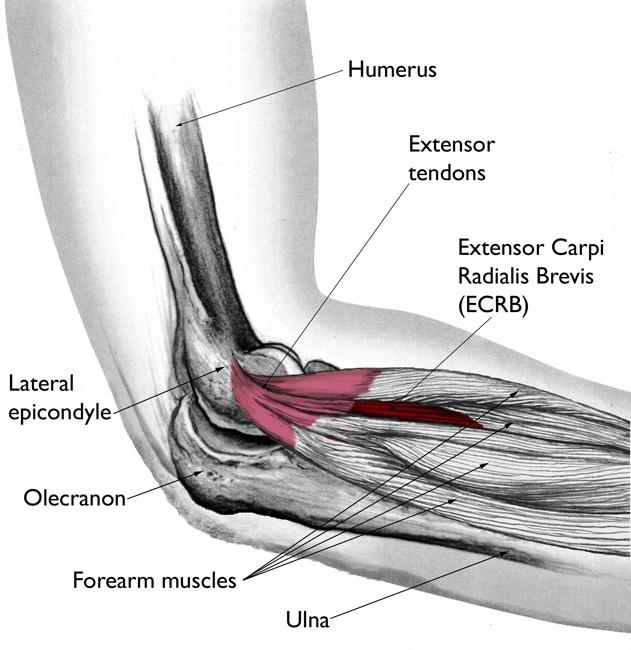
Tennis elbow — known clinically as lateral epicondylitis, lateral epicondylalgia, or lateral elbow tendinopathy — is a condition affecting the tendons that attach to the bony prominence on the outside of the elbow, called the lateral epicondyle. The primary structure involved is the extensor carpi radialis brevis (ECRB), a muscle and tendon unit that helps stabilize the wrist when the elbow is straight. Repetitive motions — gripping, twisting, lifting, typing — create microtrauma in these tendons faster than the body can repair them.
The result is a degenerative process, not simply inflammation. Quick fixes like ice and anti-inflammatory medication often fail to resolve the problem long term because the underlying issue is tendon disorganization at the cellular level. Effective treatment requires rebuilding tendon tolerance through progressive loading — something physical therapy is uniquely designed to do.
Here’s the reality for East Windsor residents: despite the name, the vast majority of tennis elbow cases we see at Trinity Rehab don’t come from the tennis court. They come from the repetitive tasks people perform at work — pipetting in a lab, scanning packages in a warehouse, or typing at a desk for hours.
Who's at Risk in East Windsor?
East Windsor Township is home to roughly 30,000 residents with a median age of 42.6 — right in the demographic sweet spot for lateral elbow tendinopathy. With a 68% labor force participation rate and commercial corridors along Route 130 and Route 571, this diverse suburban community’s workforce faces specific risk patterns for tennis elbow.
The Pharmaceutical Lab Worker
East Windsor’s pharmaceutical presence is significant. Companies like Aurobindo Pharma, Hovione, Rising Pharma, and Getinge employ hundreds of local residents in manufacturing, quality control, and laboratory roles. A quality control analyst at Hovione might spend six to eight hours a day performing repetitive pipetting — sustained, precise gripping while the wrist stays in a slightly extended position. Over months, this places enormous cumulative stress on the ECRB tendon.
The pain often starts subtly — a mild ache after a long day that fades by morning, then lingers into the next shift. Because the work demands don’t change, the tendon never gets the recovery window it needs. For these workers, treatment means modifying job tasks while systematically rebuilding the tendon’s capacity to handle load.
The Warehouse and Logistics Associate
The logistics sector is another major employer in the area. LG Electronics, Crane Worldwide Logistics, QTS Data Centers, AST Warehousing, and retail distribution for Walmart, Home Depot, and Target all require workers to perform repetitive movements throughout their shifts: scanning barcodes, lifting packages, operating pallet jacks, and gripping hand tools.
A warehouse associate at Crane Worldwide Logistics scanning and sorting packages all day faces exactly the kind of forearm overload that leads to lateral epicondylitis. These workers often push through the pain because they can’t afford to miss shifts, deepening the cycle of tendon breakdown. Physical therapy focused on load management and activity modifications can break that cycle without requiring time away from work.
The Weekend Athlete
East Windsor and surrounding Hightstown offer plenty of recreational outlets. Residents play golf at Peddie Golf Club, take lessons at the Mercer County Tennis Center, join adult rec leagues through PlayMore NJ, or play sports in the growing pickleball scene at Thompson Park. The East Windsor Recreation Department runs seasonal programs, and students at Hightstown High School play baseball, golf, softball, and tennis for the Rams.
A weekend golfer playing 18 holes at Peddie Golf Club every Saturday performs hundreds of gripping and rotational movements in a compressed timeframe. If that same person spends the workweek gripping a mouse at a desk, the forearm muscles never fully recover. Add a few sets of tennis at Mercer County Tennis Center, and the ECRB tendon is under near-constant strain. When we map out these patients’ weekly activity loads, the pattern is always clear.
How Physical Therapy Treats Tennis Elbow at Trinity Rehab East Windsor
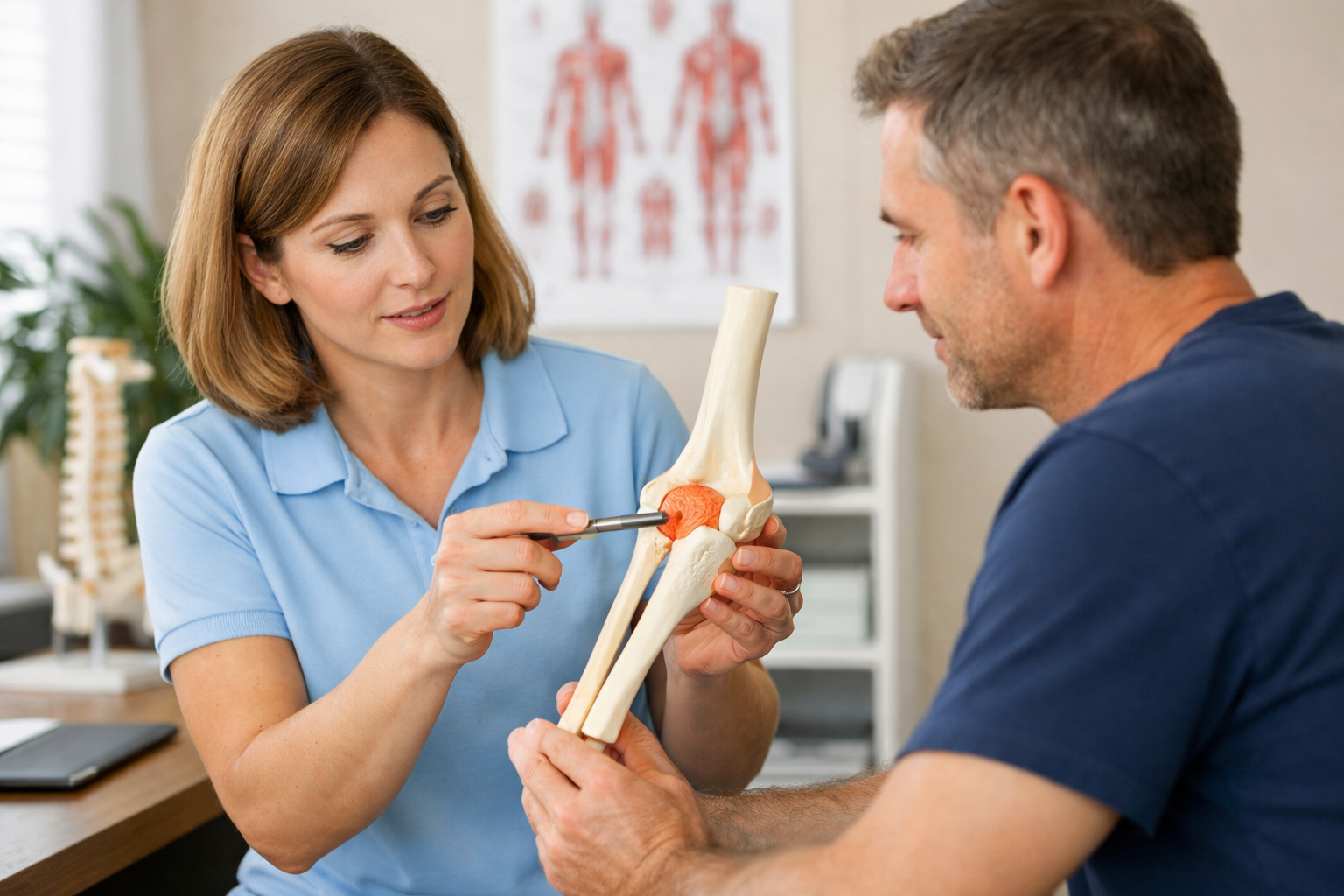
At Trinity Rehab East Windsor, we approach tennis elbow management through a structured, phase-based treatment program. Your physical therapist will assess your pain patterns, work demands, and functional goals before building a plan.
Phase 1: Pain Reduction and Load Management
The first priority is to reduce pain and stop the cycle of re-aggravation. This doesn’t mean rest — complete rest weakens tendons and delays recovery. Instead, we focus on activity modifications: adjusting how you grip, lift, and perform repetitive tasks so the tendon can begin healing without being completely unloaded.
Manual therapy plays a central role in this phase. Your physical therapist will use hands-on techniques to address soft tissue restrictions in the forearm muscles, improve wrist and elbow mobility, and reduce pain through targeted joint mobilization. We may also recommend a counterforce strap — a band worn just below the elbow that redistributes force away from the damaged tendon during activity.
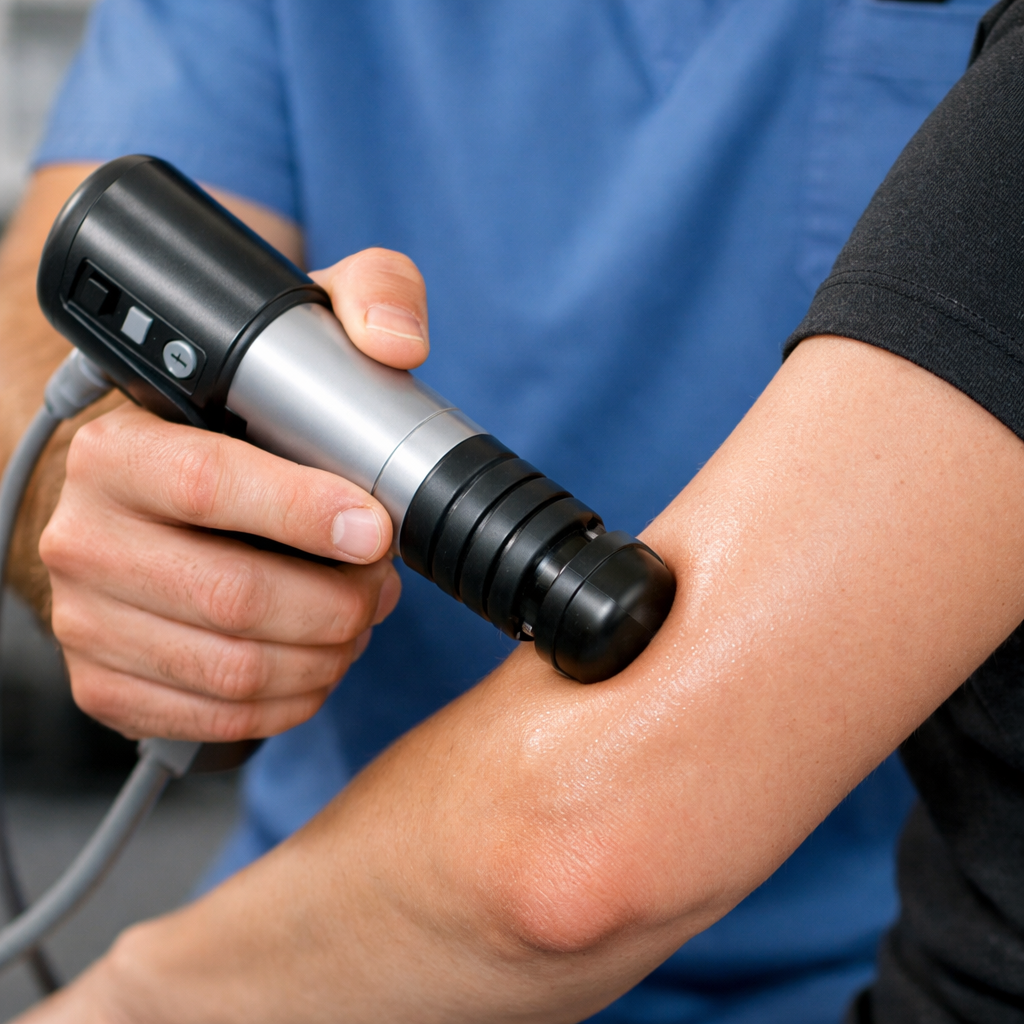
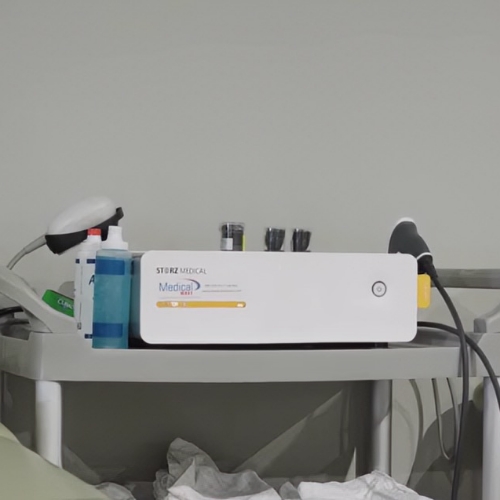
For patients with significant symptoms, we offer EPAT shockwave therapy, which delivers acoustic pressure waves to the affected tendon to stimulate blood flow and accelerate healing. Dry needling is another option — fine needles inserted into trigger points in the forearm muscles to release tension, reduce inflammation, and improve function.

Phase 2: Tendon Loading and Strengthening
Once pain is under control, the real work begins. Eccentric exercise — movement where the muscle lengthens under load — is the gold standard for tendon rehabilitation. Progressive eccentric loading remodels damaged tendon tissue and builds tendon tolerance more effectively than any other intervention.
We’ll guide you through exercises like towel twists (wringing a rolled towel with both hands), forearm pronation and supination (slowly rotating the forearm palm facing up, then palm facing down while holding a light weight), and wrist extension exercises performed with the arm outward and shoulders relaxed. You’ll start from a comfortable starting position with minimal resistance and exercise slowly, increasing load over time as the tendon adapts.
Grip strengthening is woven in progressively — starting with therapeutic putty or a soft tennis ball, then advancing to functional tasks that mimic your work demands. No special equipment needed beyond what we provide in the clinic.
Phase 3: Return to Full Activity
The final phase bridges the gap between the clinic and your real life. We simulate work tasks and sport-specific movements under controlled conditions, progressively increasing intensity until you can perform them without pain. We also emphasize education — helping you structure your long term goals for staying pain-free. Better outcomes come from patients who understand their condition, and we make sure you do.
Why Choose Trinity Rehab East Windsor?
One-on-one care, every visit. You work directly with a licensed physical therapist at every appointment — not an aide, not a technician. This personalized approach means your treatment plan evolves in real time based on how you’re responding.
Advanced treatment technology. We offer EPAT shockwave therapy, dry needling, and hands-on manual therapy — tools that many clinics in the area don’t provide. Combined with evidence-based exercise programming, you get access to the full spectrum of conservative treatment for lateral epicondylitis without needing a sports med specialist or surgeon.
Direct Access — no referral needed. Under New Jersey law, you can see a physical therapist without a physician’s referral. Call Trinity Rehab East Windsor and schedule an evaluation without waiting for a doctor’s appointment. For busy commuters, this eliminates weeks of delay.
Convenient location. Our clinic is easily accessible from the Route 130 and Turnpike corridor, making it a convenient stop for residents of East Windsor, Hightstown, the Twin Rivers community, and the surrounding central New Jersey area.
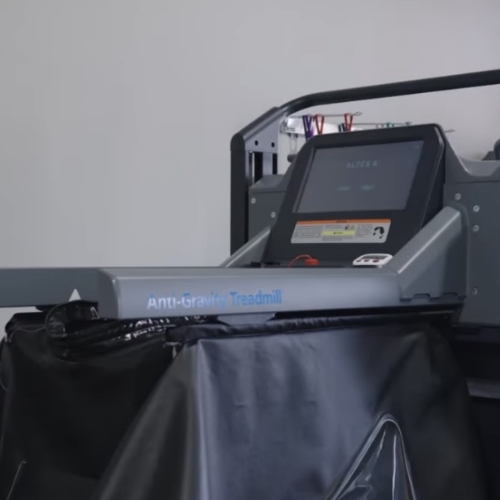
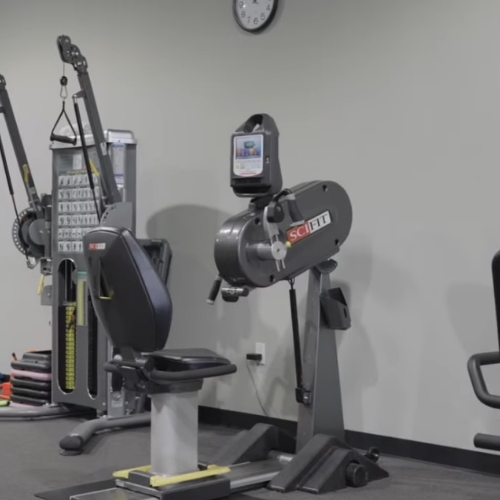
Inside Our East Windsor Clinic
Related Conditions & Treatments
Tennis elbow is just one of the many conditions we treat at Trinity Rehab East Windsor. Explore our full range of conditions we treat or learn more about specific treatment approaches:
- Tennis Elbow Treatment Overview — Our comprehensive guide to lateral epicondylitis recovery
- Elbow, Wrist & Hand Pain Relief — Other upper extremity conditions we specialize in
- Shoulder Pain Relief — Treatment for rotator cuff, frozen shoulder, and more
- Manual Therapy — Hands-on techniques to restore joint mobility and reduce pain
- Dry Needling — Trigger point therapy for deep muscle tension and pain relief
Related Elbow Care At This Location
Elbow pain can come from different tendon and loading patterns around the joint. A related same-location page is:
Frequently Asked Questions
What causes tennis elbow?
How long does tennis elbow recovery take with physical therapy?
Can I get tennis elbow treatment in East Windsor without a doctor’s referral?
Does Trinity Rehab East Windsor offer EPAT shockwave therapy?
Should I use a counterforce strap for tennis elbow?
Ready to get relief from tennis elbow? Whether your pain started in a pharmaceutical lab, a warehouse, or on the golf course, Trinity Rehab East Windsor has the expertise and technology to help you recover.
Schedule your appointment at Trinity Rehab East Windsor today. No referral needed. Call us or book online to take the first step toward a pain-free return to work, play, and life.