

ACL TREATMENT PHYSICAL THERAPY IN CHERRY HILL, NJ
Every fall, Cherry Hill divides. East takes one side, West takes the other, and when the Cougars and Lions clash for “The Boot,” the football rivalry turns this South Jersey township into a pressure cooker of full-speed collisions, sharp cuts, and planted-foot pivots. It is exactly the kind of atmosphere that fills stadiums at Cherry Hill High School East and Cherry Hill High School West — and exactly the kind of movement pattern that tears an anterior cruciate ligament. But ACL injuries in Cherry Hill do not stop at the football field. They happen to ice hockey players chasing state titles, to swimmers pushing off the wall at practice, to joggers changing direction on Cooper River Park trails, and to office workers at TD Bank headquarters who slip on a wet floor during a routine walk to the break room.
If you are dealing with an ACL tear, you are not alone — and recovery is absolutely within reach. At Trinity Rehab Cherry Hill, we deliver focused ACL treatment physical therapy programs built around your injury, your goals, and your life in this community.
UNDERSTANDING ACL INJURIES
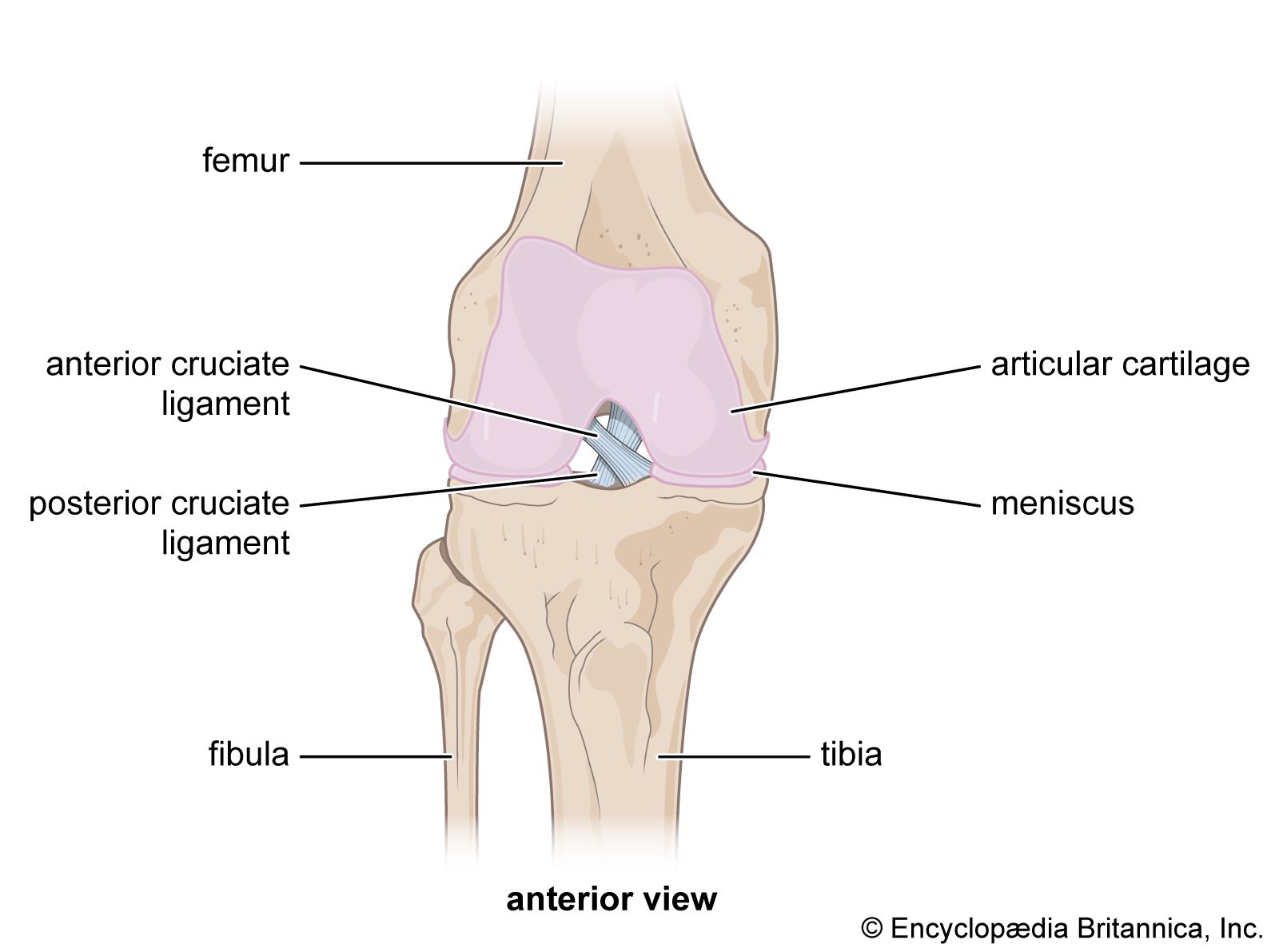
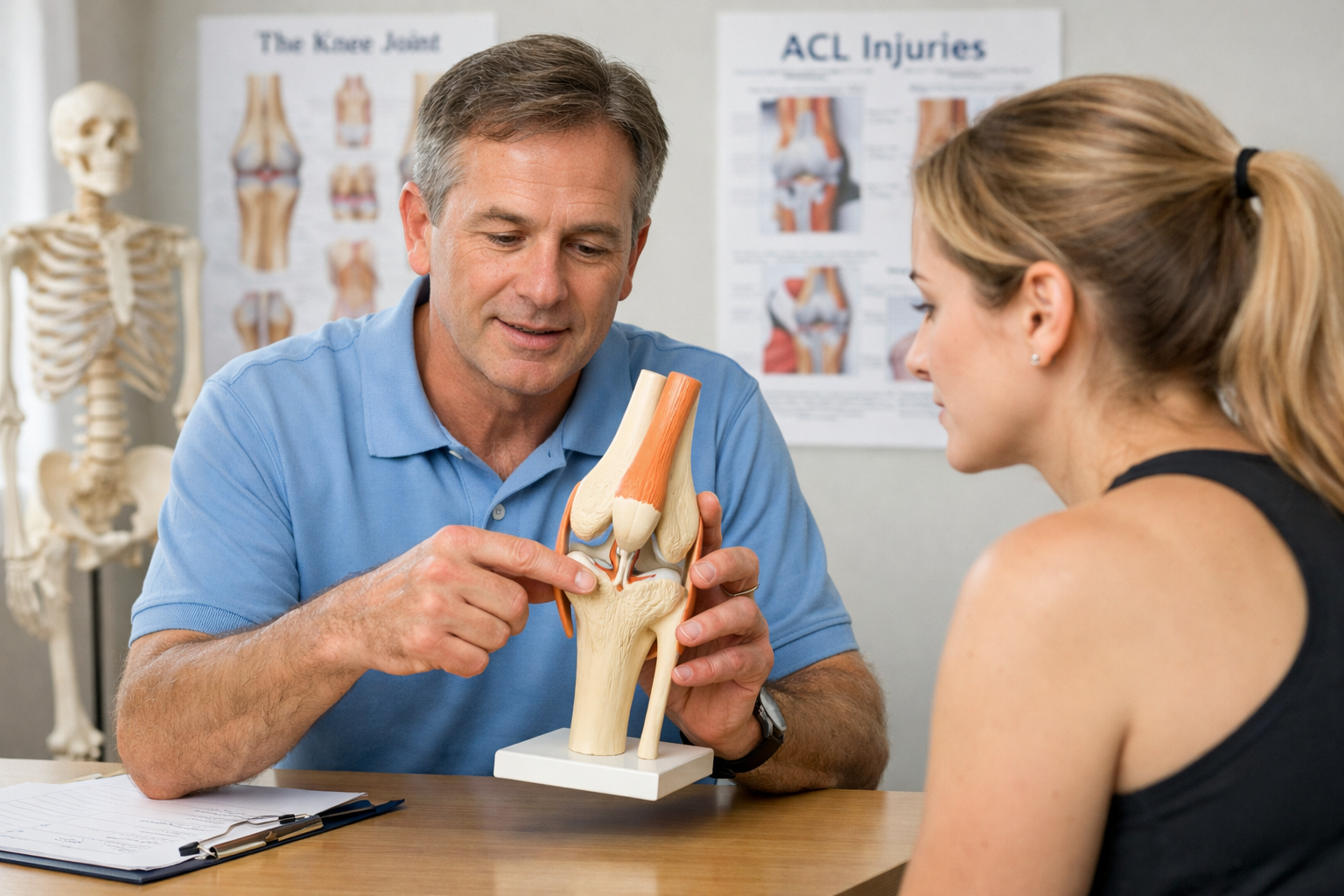
The anterior cruciate ligament is a tough band of tissue running diagonally through your knee joint, connecting the femur to the tibia. Its job is rotational stability — every time you plant, pivot, or land from a jump, the ACL keeps your shin bone from sliding forward and your knee from buckling inward.
An anterior cruciate ligament injury occurs when the ligament is stretched beyond its limits or torn outright. Unlike a muscle strain, a torn ACL lacks the blood supply needed for self-repair. This is why an ACL tear — partial or complete — requires either anterior cruciate ligament reconstruction followed by structured rehabilitation, or a carefully managed non-surgical physical therapy program.
WHY RECOVERY MATTERS
An unstable knee does not just feel unreliable — it accelerates cartilage damage, increases your risk of meniscal tears, and sets you on a path toward early-onset arthritis. For Cherry Hill’s active families and working professionals, that deterioration threatens careers, recreation, and quality of life.
Structured rehabilitation restores dynamic knee stability by rebuilding muscle strength in the quadriceps and hamstrings, retraining proprioception (your body’s awareness of joint position in space), and systematically restoring range of motion and knee function. A skilled physical therapist helps your body compensate for the structural loss and protects your knee for decades to come.
COMMON CAUSES OF ACL INJURIES IN CHERRY HILL
Cherry Hill’s active culture means ACL injuries show up in a wide range of contexts. Here are the most common causes we see at our clinic:
- High school and club sports — Athletes at Cherry Hill High School East and Cherry Hill High School West compete in football, ice hockey, lacrosse, soccer, basketball, wrestling, and swimming. Pivoting, cutting, and sudden deceleration in these sports are the leading causes of ACL tears among young athletes. The intensity of rivalries like “The Boot” and the push for state titles in ice hockey and swimming ramp up the stakes and the risk.
- Youth and recreational leagues — Cherry Hill Soccer Club, local lacrosse programs, Little Leagues, Katz JCC leagues, and the Cherry Hill Health & Racquet Club keep thousands of residents active. Weekend warriors who lack neuromuscular conditioning are particularly vulnerable to non-contact ACL injuries.
- Running and trail activities — Cooper River Park draws joggers and trail runners daily. The Newton Lake Trail and Cherry Hill Trails feature uneven surfaces and seasonal conditions that increase the risk of awkward landings and directional changes that strain the knee joint.
- Workplace injuries — TD Bank headquarters, Jefferson Cherry Hill Hospital, and Virtua Health & Wellness Center employ thousands locally. A fall on wet tile, a misstep off a curb, or awkward patient handling can generate the rotational force that damages the anterior cruciate ligament. Learn more about work injury rehabilitation.
- Everyday life — Playing with kids at Knight Park, navigating the Cherry Hill Mall parking lot, or stepping off a ladder during home maintenance — ACL injuries do not require a sports field.
RECOGNIZING SYMPTOMS
Not every knee tweak is an ACL injury, but certain symptoms should prompt immediate professional evaluation:
- A sudden “pop” or tearing sensation at the moment of injury
- Rapid swelling within the first two hours, as the knee joint fills with fluid
- A feeling of instability or the knee “giving way” during weight bearing
- Inability to continue the activity you were performing
- Pain concentrated on the inner side of the knee or deep within the joint
- Limited range of motion — difficulty fully bending or straightening the leg
- A sense of looseness in the knee compared to the uninjured side
If you notice these signs after an incident at practice, on the trail, or at work, do not wait. Request an appointment at Trinity Rehab Cherry Hill for a professional evaluation.
HOW PHYSICAL THERAPY HELPS: TREATMENT APPROACHES AT TRINITY REHAB CHERRY HILL
ACL treatment physical therapy is not a single protocol — it is a collection of evidence-based techniques matched to your injury severity, surgical status, and activity goals.
Manual Therapy
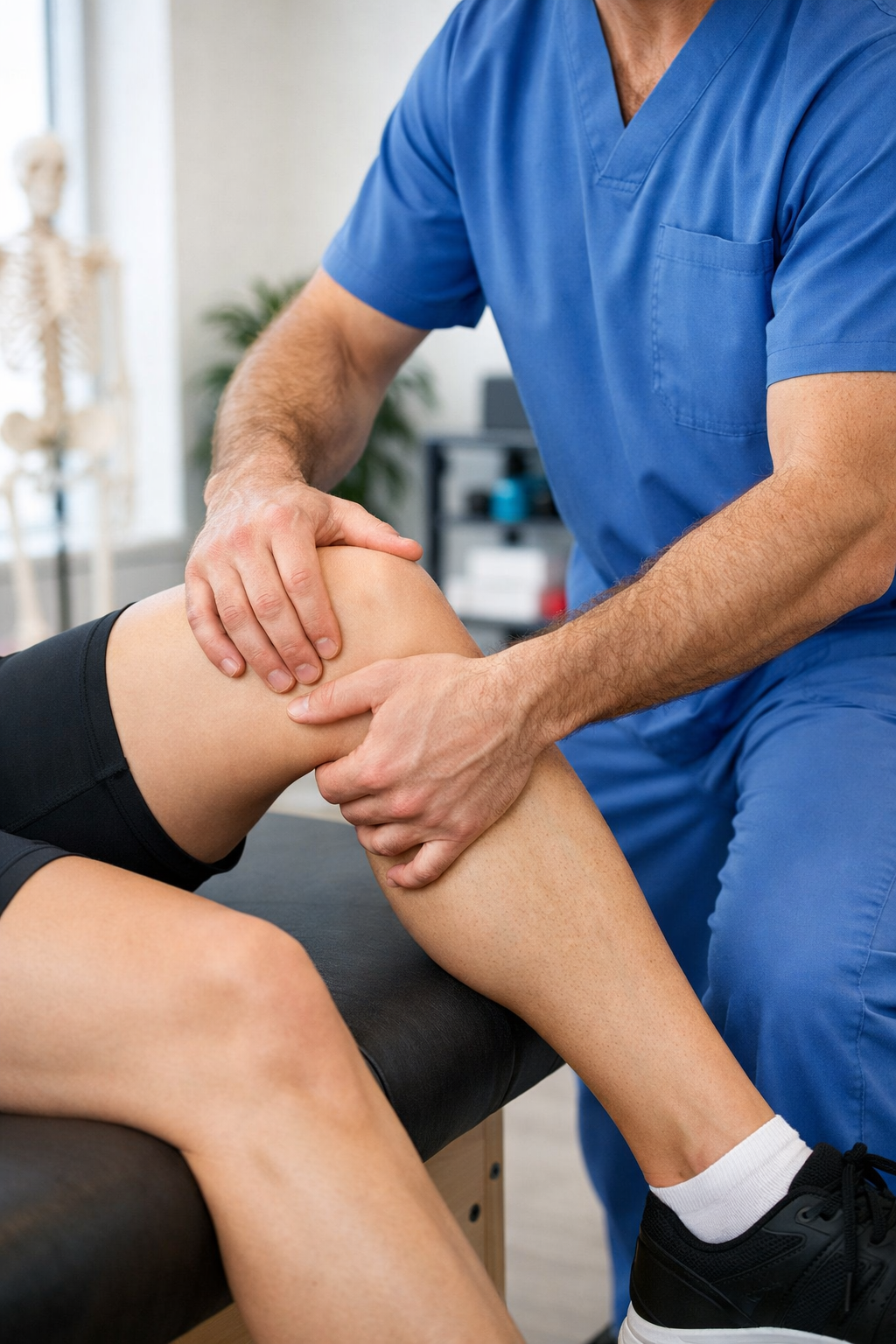
Manual therapy involves hands-on techniques performed by your licensed physical therapist. After an ACL injury or anterior cruciate ligament reconstruction, scar tissue and swelling restrict knee motion. Joint mobilization, soft tissue work, and myofascial release restore movement, reduce pain, and improve circulation to healing tissues — setting the stage for every exercise that follows.
Progressive Strengthening
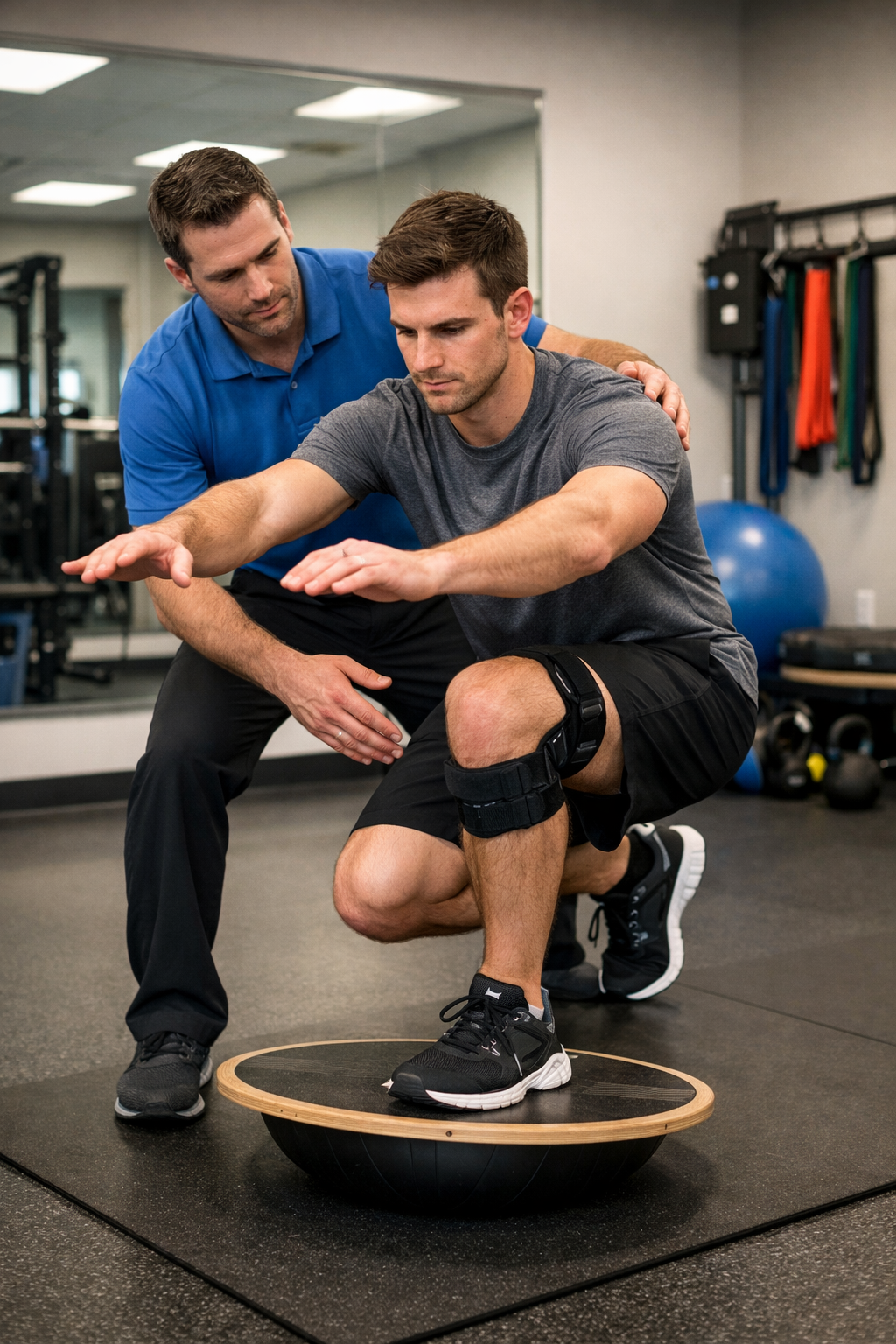
Rebuilding muscle strength is the backbone of ACL rehabilitation. Your quadriceps and hamstrings are the primary dynamic stabilizers of your knee joint, and after ACL surgery they lose significant strength and neuromuscular control. Your program progresses through sequenced stages:
- Early phase — Quad sets, straight leg raises, heel slides, and gentle hamstring curls to reactivate the muscles around your knee
- Intermediate phase — Closed-chain exercises like mini squats, lunges, step-ups, and resistance band work to build functional hamstring strength and quadriceps endurance
- Advanced phase — Single-leg strengthening exercises, balance exercises on unstable surfaces, and loaded movements that challenge knee stability under real-world conditions
Every exercise is selected to build strength without compromising the healing ligament or graft.
EPAT / Shockwave Therapy
EPAT (Extracorporeal Pulse Activation Technology) uses acoustic pressure waves to stimulate blood flow, break down scar tissue, and accelerate tissue repair. For ACL patients, shockwave therapy is effective for lingering patellar tendonitis (common after graft harvesting), persistent inflammation, and soft tissue restrictions that limit knee motion. It is non-invasive and complements your strengthening program.
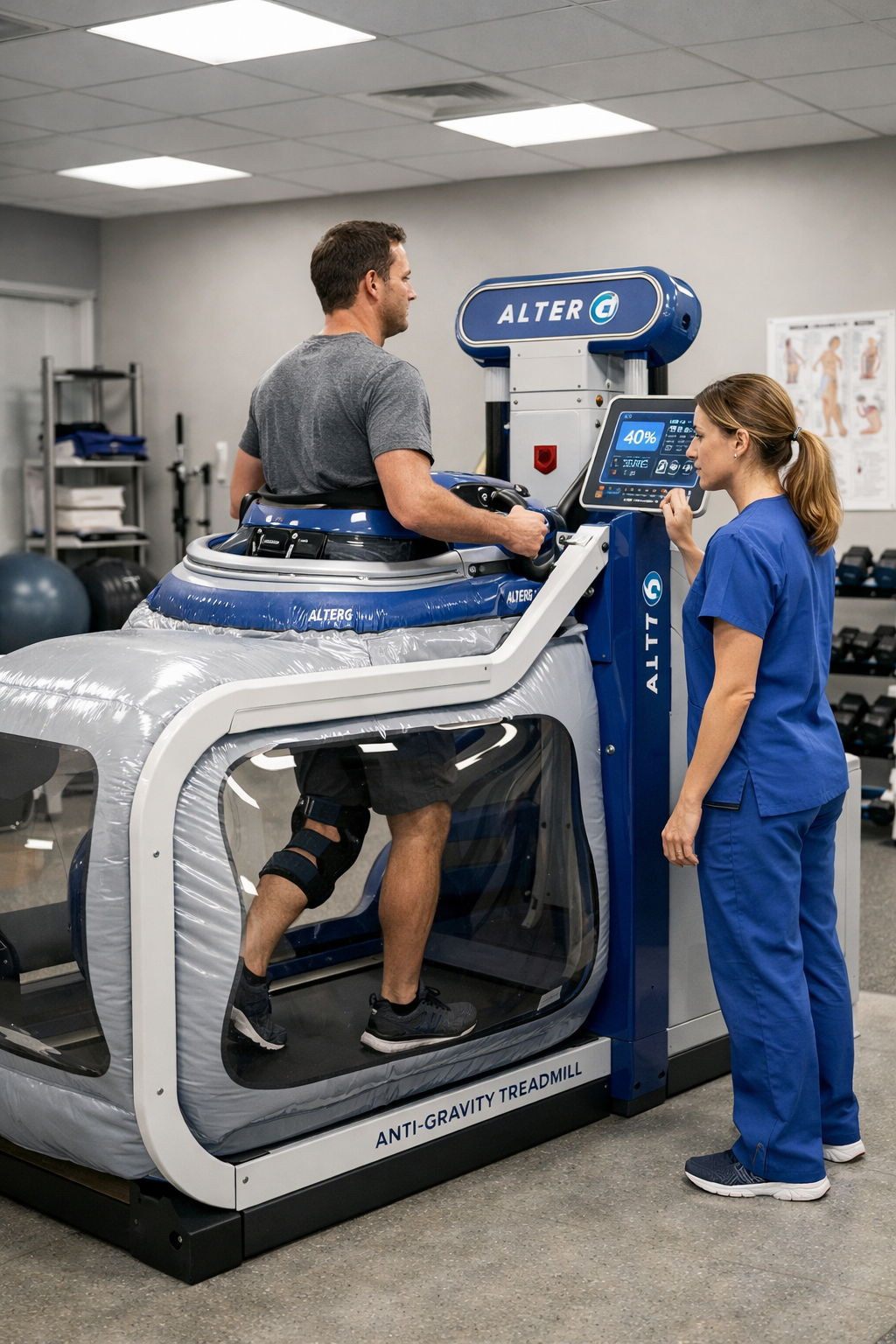
Dry Needling
Compensatory movement patterns during ACL recovery create trigger points and tightness in the quadriceps, hamstrings, IT band, and calf muscles. Dry needling inserts thin, sterile needles into those trigger points to release tension and restore flexibility. For a Cherry Hill High School East swimmer whose altered kick mechanics have created deep calf tightness, or a jogger whose weeks of limping along Cooper River Park trails have locked up the IT band, dry needling provides relief that stretching alone cannot.
Blood Flow Restriction Training
Blood flow restriction (BFR) training uses a specialized pneumatic cuff on the upper thigh to partially restrict venous blood flow during low-load strengthening exercises. This triggers muscle growth and strength gains comparable to heavy lifting — without heavy loads on your healing knee joint. BFR is especially valuable in the early weeks after ACL reconstruction, when your graft is vulnerable. It jumpstarts quadriceps activation and combats the rapid muscle atrophy that follows ACL surgery.
Neuromuscular Electrical Stimulation
After ACL surgery, arthrogenic muscle inhibition often prevents you from fully activating your quadriceps — even when you are trying as hard as you can. Neuromuscular electrical stimulation (NMES) applies gentle electrical impulses to the quadriceps, forcing contraction and retraining the neural pathway between your brain and your knee. NMES is critical in the early weeks and continues to supplement voluntary exercise as muscle strength rebuilds.
Sport-Specific Rehabilitation
Cherry Hill’s athletic culture demands more than basic knee recovery. A football player returning to the Cougars or Lions needs cutting ability and contact readiness. A lacrosse midfielder needs lateral explosiveness. A swimmer needs push-off power and rotational knee stability. Sport-specific rehabilitation builds on your foundational strength and proprioception with drills, agility work, and plyometric training tailored to your sport.
NON-SURGICAL VS. SURGICAL PATHWAYS
Not every ACL injury requires surgery. The decision depends on the severity of the tear, your age, your activity level, and your long-term goals.
Non-surgical rehabilitation works well for patients with partial tears, lower activity demands, or medical factors that increase surgical risk. This pathway builds dynamic knee stability through intensive strengthening exercises, balance exercises, and proprioceptive training over a 12-to-18-month timeline.
Surgical rehabilitation — following anterior cruciate ligament reconstruction — is recommended for athletes returning to cutting and pivoting sports, patients with complete tears and persistent instability, and active individuals who need full knee function for their livelihood. Research consistently shows that patients who complete prehabilitation before ACL surgery recover range of motion faster and regain muscle strength sooner.
Regardless of the pathway, physical therapy is the engine of your recovery at Trinity Rehab Cherry Hill.
RETURN TO SPORT
Returning to sports after an ACL injury is a performance milestone, not a calendar date. We clear patients for return to sport based on objective testing. Before you step back onto the field, court, or ice, you must demonstrate:
- Quadriceps and hamstring strength within 90% of your uninjured leg
- Full, pain-free range of motion
- Successful completion of sport-specific agility, cutting, and plyometric training drills
- Confidence in your knee during high-speed and reactive movements
- Symmetrical movement patterns verified through functional testing
For Cherry Hill athletes, this includes replicating exact sport demands — the lateral shuffling of a basketball defender, the explosive acceleration of a soccer striker, the rotational loading of a wrestler. Most recreational athletes return to activity within six months. Return to competitive cutting and pivoting sports typically requires nine to twelve months.
INJURY PREVENTION
The best ACL injury is one that never happens. At Trinity Rehab Cherry Hill, injury prevention serves both patients completing rehabilitation and athletes looking to reduce their risk. Effective programs include:
- Neuromuscular training — Balance exercises and proprioceptive drills that stabilize the knee automatically during unexpected movements
- Strengthening exercises — Targeted work on the quadriceps, hamstrings, hip abductors, and core muscles that control knee alignment
- Plyometric training — Controlled jumping and landing drills that train proper knee mechanics
- Movement analysis — Identifying risky patterns like knee valgus during jumping and cutting, then correcting them before injury occurs
- Education — Proper warm-up protocols, training load management, and footwear selection
For Cherry Hill’s youth athletes competing across football, ice hockey, lacrosse, soccer, and swimming, these prevention programs are especially impactful. Female athletes, who face higher ACL injury rates, benefit from targeted neuromuscular conditioning.
WHY CHOOSE TRINITY REHAB CHERRY HILL
- Focused, one-on-one time with a licensed physical therapist — Your sessions are not group exercise. Every minute is spent with a therapist who knows your injury, your progress, and your goals.
- Advanced rehabilitation technology — EPAT/shockwave therapy, blood flow restriction training, neuromuscular electrical stimulation, and video motion analysis — tools most local practices do not offer.
- Cherry Hill expertise — We treat the athletes, workers, and families of this community daily. We understand Cherry Hill’s sports programs, local employers, and the recreational culture that keeps this township active.
- Comprehensive care — If your injury involves hip and knee pain, compensatory issues, or other conditions, we address the full picture.
- Convenient location — Our clinic at 801 Haddonfield Road, Cherry Hill, NJ 08002 is accessible for PATCO commuters and residents across Camden County. Early morning, evening, and weekend appointments available.
- Insurance handled for you — We verify coverage, obtain authorizations, and manage paperwork so you focus on recovery.
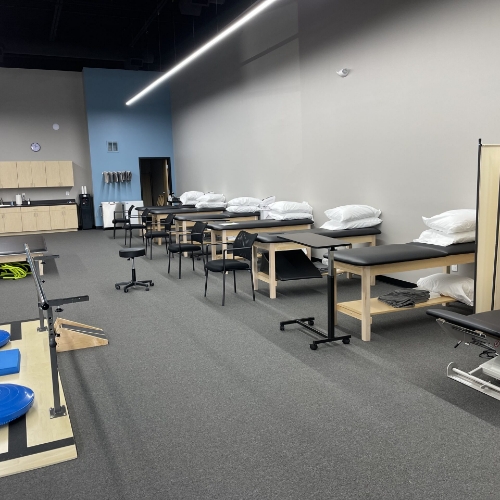
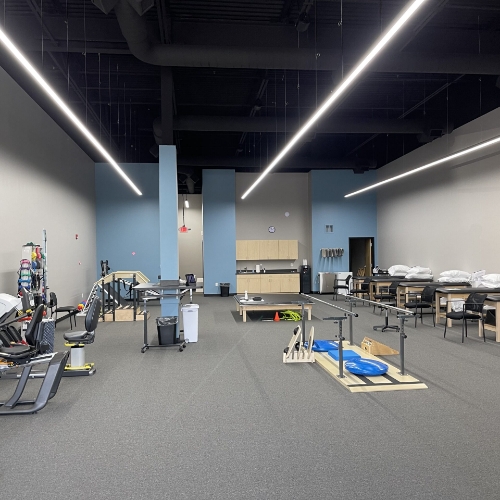
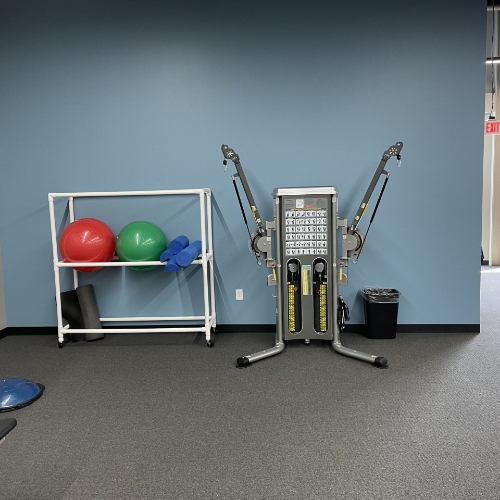
Inside Our Cherry Hill Clinic
RELATED CONDITIONS & TREATMENTS
ACL injuries are just one of the many conditions we treat at Trinity Rehab Cherry Hill. Explore our full range of conditions we treat or learn more about specific treatment approaches:
FREQUENTLY ASKED QUESTIONS
How long does ACL recovery take for Cherry Hill high school athletes?
Can I still exercise while recovering from an ACL tear?
Is ACL treatment physical therapy different for surgical and non-surgical patients?
Do I need a referral to start physical therapy at Trinity Rehab Cherry Hill?
What should I do immediately after a suspected ACL injury on the field or trail?
Whether you are a Cherry Hill High School East swimmer dealing with a knee that buckled during a flip turn, a TD Bank employee recovering from a fall at the office, or a weekend runner whose routine along Cooper River Park ended with a pop and a swollen knee — your path forward starts here.
1. Request an appointment at Trinity Rehab Cherry Hill, located at 801 Haddonfield Road, Cherry Hill, NJ 08002. 2. Receive a comprehensive evaluation — We assess your knee joint, discuss your goals, and build a treatment plan tailored to your injury. 3. Begin your rehabilitation — A licensed physical therapist guides you through a structured program to restore knee function and rebuild strength. 4. Return to your life — Compete for “The Boot,” finish your loop around Cooper River Park, and live without limitation.
Do not let an ACL injury define your next chapter. Contact Trinity Rehab Cherry Hill today.
What Our Patients Say